
Michael Barnes

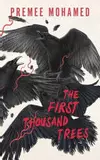
When I finished We Speak through the Mountain Reid had left/escaped Howse University to return home hopefully before her mother died from her Cad infection. Instead of continuing her journey we follow Henryk as he leaves his home after the events of the first book. He sets off to find his uncle’s village at the end of The Annual Migration of Clouds so I found it a bit of a shock, I kept expecting to switch to Reid's point of view for a chapter but it never did.
Henryk's uncles village Sprucedown as a location feels like an oasis in comparisons to Centre that he grew up in, plenty of water, trees, vegetation, but the community itslef more unwelcoming. Lead a boss who rules through strength and fear, superficially strong but in fact brittle, leaving the town vulnerable to raiding parties and having its accomplishments wiped out. The boss is also infected with the Cad, which strengthens his drive to avoid personal danger and force others to protect him.
A noticeable difference between Reid and Henryk’s voice is tense. In The Annual Migration of Clouds and We Speak through the Mountain, narrated by Reid, are impatient present-tense stories, and at one point in the latter she differentiates herself from the people of Howse by thinking, ‘‘I tell the story of myself in the present tense, but they use future.’’ Henryk’s narration, by contrast, is past tense, more ruminative. Thinking of Reid, he notes that ‘‘she lives in an ever present now,’’ and only looks backward ‘‘to refill her deep and righteous well of anger’’ at the world they have inherited. Henryk sees himself, on the other hand, as ‘‘a living joke about people who can’t walk and think at the same time.’’
The last pages of the book and this series, Reid and Henryk are reunited back in their original community. Reid summarises. ‘‘Whatever the future looks like,’’ she says, ‘‘it’s something else. It’s a blend of all of those things or it’s a whole new thing. That’s what we’ve got to do".
When I finished We Speak through the Mountain Reid had left/escaped Howse University to return home hopefully before her mother died from her Cad infection. Instead of continuing her journey we follow Henryk as he leaves his home after the events of the first book. He sets off to find his uncle’s village at the end of The Annual Migration of Clouds so I found it a bit of a shock, I kept expecting to switch to Reid's point of view for a chapter but it never did.
Henryk's uncles village Sprucedown as a location feels like an oasis in comparisons to Centre that he grew up in, plenty of water, trees, vegetation, but the community itslef more unwelcoming. Lead a boss who rules through strength and fear, superficially strong but in fact brittle, leaving the town vulnerable to raiding parties and having its accomplishments wiped out. The boss is also infected with the Cad, which strengthens his drive to avoid personal danger and force others to protect him.
A noticeable difference between Reid and Henryk’s voice is tense. In The Annual Migration of Clouds and We Speak through the Mountain, narrated by Reid, are impatient present-tense stories, and at one point in the latter she differentiates herself from the people of Howse by thinking, ‘‘I tell the story of myself in the present tense, but they use future.’’ Henryk’s narration, by contrast, is past tense, more ruminative. Thinking of Reid, he notes that ‘‘she lives in an ever present now,’’ and only looks backward ‘‘to refill her deep and righteous well of anger’’ at the world they have inherited. Henryk sees himself, on the other hand, as ‘‘a living joke about people who can’t walk and think at the same time.’’
The last pages of the book and this series, Reid and Henryk are reunited back in their original community. Reid summarises. ‘‘Whatever the future looks like,’’ she says, ‘‘it’s something else. It’s a blend of all of those things or it’s a whole new thing. That’s what we’ve got to do".