
Peter's Path


C.S. Lewis wrote Mere Christianity. He gave the talks on BBC radio during the war. Lewis puts aside church rules that divide people. He focuses on the core of the faith. The book starts with how people know right from wrong. It moves to who God is and what Jesus did.
Lewis uses clear logic that anyone can follow. The book has four main parts. One looks at the moral law inside every person. Another explains basic Christian beliefs. A third covers how Christians should live. The last part talks about becoming new people in Christ. Readers see why faith fits the world we live in.
The book came out in 1952. It still helps believers and those who doubt. Lewis wrote it to show Christianity as a simple truth. Readers learn to think about life and God in new ways. The book gives hope that faith answers deep questions. It remains a strong guide for anyone who wants to understand the Christian message.
Originally posted at peterspath.net.
C.S. Lewis wrote Mere Christianity. He gave the talks on BBC radio during the war. Lewis puts aside church rules that divide people. He focuses on the core of the faith. The book starts with how people know right from wrong. It moves to who God is and what Jesus did.
Lewis uses clear logic that anyone can follow. The book has four main parts. One looks at the moral law inside every person. Another explains basic Christian beliefs. A third covers how Christians should live. The last part talks about becoming new people in Christ. Readers see why faith fits the world we live in.
The book came out in 1952. It still helps believers and those who doubt. Lewis wrote it to show Christianity as a simple truth. Readers learn to think about life and God in new ways. The book gives hope that faith answers deep questions. It remains a strong guide for anyone who wants to understand the Christian message.
Originally posted at peterspath.net.




Going Postal offers a very funny view of a dying institution. Pratchett fills the story with clever jokes and word play. He creates brilliant characters such as Moist and the golem called Mr Pump. The book points out how pointless rules slow everything down.
Pratchett explores the fight between old ways and new technology. He asks why people fear change. He links this to bigger ideas about control and freedom. The book makes you laugh out loud while making you think. It encourages courage and fresh thinking.
Pratchett writes with great energy. His style is lively and easy to read. The events feel alive even in a fantasy city. Readers enjoy watching things get fixed. Pratchett shows how stories and names carry real power. He gives hope that good ideas can win against money and power. The end leaves you satisfied and smiling.
Originally posted at peterspath.net.
Going Postal offers a very funny view of a dying institution. Pratchett fills the story with clever jokes and word play. He creates brilliant characters such as Moist and the golem called Mr Pump. The book points out how pointless rules slow everything down.
Pratchett explores the fight between old ways and new technology. He asks why people fear change. He links this to bigger ideas about control and freedom. The book makes you laugh out loud while making you think. It encourages courage and fresh thinking.
Pratchett writes with great energy. His style is lively and easy to read. The events feel alive even in a fantasy city. Readers enjoy watching things get fixed. Pratchett shows how stories and names carry real power. He gives hope that good ideas can win against money and power. The end leaves you satisfied and smiling.
Originally posted at peterspath.net.

Capitalism and Freedom gives a clear defence of free markets. Friedman explains hard ideas in simple terms. He shows how government rules often hurt the people they aim to help. The book points out real examples from history.
Friedman talks about the dangers of too much state power. He asks why people fear free choice. He ties economic freedom to political rights. The book makes you think about the role of government. It calls for more trust in individuals.
Friedman writes in a direct style. His arguments stay logical and calm. Readers see why small government can lead to big progress. Friedman looks at many areas of life. He gives practical ideas that still matter today. The end leaves you with strong reasons to value freedom.
Originally posted at peterspath.net.
Capitalism and Freedom gives a clear defence of free markets. Friedman explains hard ideas in simple terms. He shows how government rules often hurt the people they aim to help. The book points out real examples from history.
Friedman talks about the dangers of too much state power. He asks why people fear free choice. He ties economic freedom to political rights. The book makes you think about the role of government. It calls for more trust in individuals.
Friedman writes in a direct style. His arguments stay logical and calm. Readers see why small government can lead to big progress. Friedman looks at many areas of life. He gives practical ideas that still matter today. The end leaves you with strong reasons to value freedom.
Originally posted at peterspath.net.
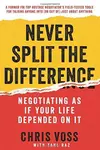
Never Split the Difference gives clear and useful tools for real talks. Voss tells stories from his FBI days that show the methods in action. He points out why old compromise advice often leads to weak results.
The book explains how to read emotions and use them wisely. Voss talks about the power of silence and good questions. He asks why people fear hearing no. He ties this to better ways to persuade. The book makes you think about every conversation differently. It calls for patience and real listening. Voss writes in a direct style full of examples.
His voice feels experienced and honest. Readers see the cost of bad deals. Voss looks at how small changes in words create big wins. He shows how empathy becomes a strong weapon. The book has parts on business and personal life. It talks about leaders who negotiate poorly. Voss gives hope that anyone can improve. The end pushes readers to practise the skills daily.
Originally posted at peterspath.net.
Never Split the Difference gives clear and useful tools for real talks. Voss tells stories from his FBI days that show the methods in action. He points out why old compromise advice often leads to weak results.
The book explains how to read emotions and use them wisely. Voss talks about the power of silence and good questions. He asks why people fear hearing no. He ties this to better ways to persuade. The book makes you think about every conversation differently. It calls for patience and real listening. Voss writes in a direct style full of examples.
His voice feels experienced and honest. Readers see the cost of bad deals. Voss looks at how small changes in words create big wins. He shows how empathy becomes a strong weapon. The book has parts on business and personal life. It talks about leaders who negotiate poorly. Voss gives hope that anyone can improve. The end pushes readers to practise the skills daily.
Originally posted at peterspath.net.
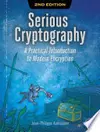
Serious Cryptography gives a straight and useful view of modern crypto. Aumasson tells how algorithms work and how to use them right. He points out real mistakes that cause big problems. The book covers key primitives with clear explanations.
Aumasson talks about randomness and why it matters so much. He asks why bad random choices break encryption. He ties this to actual attacks. The book makes you think about secure design. It calls for care in every step. Aumasson writes in a direct style that stays practical. His voice comes from real work in the field. He shares examples from systems that failed or succeeded. Readers see the cost of small errors.
Aumasson looks at how protocols like TLS evolve. He shows post-quantum threats and fixes. The book has parts on hash functions and signatures. It talks about cryptocurrency crypto too. Aumasson gives steps to build safe systems. He offers hope that better practices stop spectacular failures. The end pushes readers to apply what they learn.
Originally posted at peterspath.net.
Serious Cryptography gives a straight and useful view of modern crypto. Aumasson tells how algorithms work and how to use them right. He points out real mistakes that cause big problems. The book covers key primitives with clear explanations.
Aumasson talks about randomness and why it matters so much. He asks why bad random choices break encryption. He ties this to actual attacks. The book makes you think about secure design. It calls for care in every step. Aumasson writes in a direct style that stays practical. His voice comes from real work in the field. He shares examples from systems that failed or succeeded. Readers see the cost of small errors.
Aumasson looks at how protocols like TLS evolve. He shows post-quantum threats and fixes. The book has parts on hash functions and signatures. It talks about cryptocurrency crypto too. Aumasson gives steps to build safe systems. He offers hope that better practices stop spectacular failures. The end pushes readers to apply what they learn.
Originally posted at peterspath.net.
