
Peter's Path


You're Not Enough (And That's Okay) gives a sharp look at self-love traps. Stuckey tells how culture pushes us to look inside for worth. She breaks myths with clear examples. The book points out how these ideas fail in real life. Stuckey talks about her own struggles as a mum. She asks why we chase self-sufficiency.
She ties this to Bible truths on grace and dependence on God. The book makes you think hard about pride and humility. It calls for freedom in admitting we are not enough. Stuckey writes in a direct, warm way. Her voice stays firm on truth but kind to readers. She shares laughs and real moments. The examples come from news, church, and her life.
Readers feel relief in dropping the enough burden. Stuckey looks at how self-love creeps into faith. She shows why some churches follow culture. She gives steps to fight back with gospel focus. The book has parts on identity and relationships. It talks about leaders who push me-centred views. Stuckey offers hope that Christ makes us complete. The end urges readers to rest in God's enoughness.
Originally posted at peterspath.net.
You're Not Enough (And That's Okay) gives a sharp look at self-love traps. Stuckey tells how culture pushes us to look inside for worth. She breaks myths with clear examples. The book points out how these ideas fail in real life. Stuckey talks about her own struggles as a mum. She asks why we chase self-sufficiency.
She ties this to Bible truths on grace and dependence on God. The book makes you think hard about pride and humility. It calls for freedom in admitting we are not enough. Stuckey writes in a direct, warm way. Her voice stays firm on truth but kind to readers. She shares laughs and real moments. The examples come from news, church, and her life.
Readers feel relief in dropping the enough burden. Stuckey looks at how self-love creeps into faith. She shows why some churches follow culture. She gives steps to fight back with gospel focus. The book has parts on identity and relationships. It talks about leaders who push me-centred views. Stuckey offers hope that Christ makes us complete. The end urges readers to rest in God's enoughness.
Originally posted at peterspath.net.

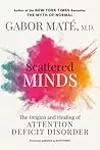
Scattered Minds gives a kind and honest look at ADHD. Maté tells stories from his own life and from people he has helped. He shows how early stress shapes the brain without blaming parents. The book points out how shame and low self-esteem feed the symptoms. Maté talks about the difference between knowing what to do and actually doing it.
He connects ADD to bigger issues like stress in families and culture. The book makes you think deeply about attention, motivation and relationships. It calls for patience and unconditional acceptance. Maté writes in a clear, warm style that feels like a wise friend talking. His voice stays hopeful even when facing hard truths. The examples feel real because they come from lived experience. Readers sense the relief of finally being understood.
Maté looks at how small changes in how we relate can rebuild focus and calm. He notes tough moments but always offers a path forward. The book has parts on self-parenting for adults and supportive parenting for kids. It talks about leaders and systems that fail to see emotional needs. Maté gives real steps to create safety and connection. The end leaves you believing change is possible at any age.
Originally posted at peterspath.net.
Scattered Minds gives a kind and honest look at ADHD. Maté tells stories from his own life and from people he has helped. He shows how early stress shapes the brain without blaming parents. The book points out how shame and low self-esteem feed the symptoms. Maté talks about the difference between knowing what to do and actually doing it.
He connects ADD to bigger issues like stress in families and culture. The book makes you think deeply about attention, motivation and relationships. It calls for patience and unconditional acceptance. Maté writes in a clear, warm style that feels like a wise friend talking. His voice stays hopeful even when facing hard truths. The examples feel real because they come from lived experience. Readers sense the relief of finally being understood.
Maté looks at how small changes in how we relate can rebuild focus and calm. He notes tough moments but always offers a path forward. The book has parts on self-parenting for adults and supportive parenting for kids. It talks about leaders and systems that fail to see emotional needs. Maté gives real steps to create safety and connection. The end leaves you believing change is possible at any age.
Originally posted at peterspath.net.
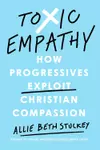
Toxic Empathy gives a clear look at a big problem. Stuckey tells how empathy gets twisted in debates. She breaks down each issue with care. The book points out lies in common sayings. Stuckey talks about abortion and its real cost. She asks why some back harm in the name of care.
She ties this to Bible teachings on life and love. The book makes you think deep. It calls for Christians to stand firm. Stuckey writes with strong but fair words. Her voice stays true to faith. She shares ways to spot bad empathy. The examples come from real events. Readers see the harm of weak views.
Stuckey looks at how news bends facts. She shows why some pick sides without all info. The book has parts on culture and faith shifts. It talks about leaders who fail to lead. Stuckey gives hope with steps to fix things. The end calls for bold stands on truth.
Originally posted at peterspath.net.
Toxic Empathy gives a clear look at a big problem. Stuckey tells how empathy gets twisted in debates. She breaks down each issue with care. The book points out lies in common sayings. Stuckey talks about abortion and its real cost. She asks why some back harm in the name of care.
She ties this to Bible teachings on life and love. The book makes you think deep. It calls for Christians to stand firm. Stuckey writes with strong but fair words. Her voice stays true to faith. She shares ways to spot bad empathy. The examples come from real events. Readers see the harm of weak views.
Stuckey looks at how news bends facts. She shows why some pick sides without all info. The book has parts on culture and faith shifts. It talks about leaders who fail to lead. Stuckey gives hope with steps to fix things. The end calls for bold stands on truth.
Originally posted at peterspath.net.


End-to-End gives a clear and honest view of a huge train trip. Manson tells stories from each leg of the ride. He describes people he met in tight cabins across Russia and Mongolia. Some talks turn funny. Others show deep views on life.
The book points out stunning scenery that passes by the window. Manson talks about the contrast between old, rough trains and new high-speed ones in China. He asks why train travel pulls people in. He links it to ideas of patience and real contact. The book makes you think about your own trips.
It calls for people to try slow travel before it changes more. Manson writes in a simple, direct way. His style matches his YouTube videos. He keeps facts straight. He shares laughs from odd moments. The examples feel real because they come from his days on the rails.
Readers feel the slow pace and the joy of small discoveries. Manson looks at food that starts bad but turns great. He shows how culture shifts from country to country. He notes border crossings that test patience. He gives hope that new paths might open one day. The end pushes readers to seek their own adventures.
Originally posted at peterspath.net.
End-to-End gives a clear and honest view of a huge train trip. Manson tells stories from each leg of the ride. He describes people he met in tight cabins across Russia and Mongolia. Some talks turn funny. Others show deep views on life.
The book points out stunning scenery that passes by the window. Manson talks about the contrast between old, rough trains and new high-speed ones in China. He asks why train travel pulls people in. He links it to ideas of patience and real contact. The book makes you think about your own trips.
It calls for people to try slow travel before it changes more. Manson writes in a simple, direct way. His style matches his YouTube videos. He keeps facts straight. He shares laughs from odd moments. The examples feel real because they come from his days on the rails.
Readers feel the slow pace and the joy of small discoveries. Manson looks at food that starts bad but turns great. He shows how culture shifts from country to country. He notes border crossings that test patience. He gives hope that new paths might open one day. The end pushes readers to seek their own adventures.
Originally posted at peterspath.net.


