
charles


Someone You Can Build a Nest In is a literary chimera, stitching together romance, body horror, fantasy, and a smattering of sci-fi into a narrative as unconventional as its shapeshifting protagonist.
At its heart (Or is it?) is Shesheshen, a monster whose introspections on her next meal are as gruesome as they are fascinating. Wiswell doesn't shy away from the graphic; he dives headfirst into the visceral inner workings of his creature. The descriptions are lengthy, detailed, and not for the faint of heart. Yet, they're not gratuitous. Each gory detail serves the plot, highlighting a stark contrast between Shesheshen's monstrous nature and the unexpected humanity that emerges from her relationship with Homily.
The romance at the core of this tale is warm and genuine, an ironic twist considering it involves a monster contemplating devouring her lover. Wiswell navigates this complex dynamic with a deftly, ensuring the reader remains invested in their unconventional love story.
However, the book does, at times, stumble in its ambitious attempt to juggle its myriad elements. The landing isn't as solid as one might hope, leaving a sense of a narrative that, while intriguing, doesn't quite coalesce as seamlessly as it could have. However, these moments are more than made up for by the warmth and humanity that shine through.
This is not a book for everyone. Its graphic nature might deter some, but for those with a stomach for it, the book offers a unique reading experience. It's a story that, despite its flaws, leaves a lasting impression, with its better parts outweighing the sum of its whole.
This novel might not resonate with everyone, but for those it does, it has the potential to become a cult classic. Wiswell's bold storytelling and the poignant humanity he weaves into the narrative make this one that will not be soon forgotten.
Someone You Can Build a Nest In is a literary chimera, stitching together romance, body horror, fantasy, and a smattering of sci-fi into a narrative as unconventional as its shapeshifting protagonist.
At its heart (Or is it?) is Shesheshen, a monster whose introspections on her next meal are as gruesome as they are fascinating. Wiswell doesn't shy away from the graphic; he dives headfirst into the visceral inner workings of his creature. The descriptions are lengthy, detailed, and not for the faint of heart. Yet, they're not gratuitous. Each gory detail serves the plot, highlighting a stark contrast between Shesheshen's monstrous nature and the unexpected humanity that emerges from her relationship with Homily.
The romance at the core of this tale is warm and genuine, an ironic twist considering it involves a monster contemplating devouring her lover. Wiswell navigates this complex dynamic with a deftly, ensuring the reader remains invested in their unconventional love story.
However, the book does, at times, stumble in its ambitious attempt to juggle its myriad elements. The landing isn't as solid as one might hope, leaving a sense of a narrative that, while intriguing, doesn't quite coalesce as seamlessly as it could have. However, these moments are more than made up for by the warmth and humanity that shine through.
This is not a book for everyone. Its graphic nature might deter some, but for those with a stomach for it, the book offers a unique reading experience. It's a story that, despite its flaws, leaves a lasting impression, with its better parts outweighing the sum of its whole.
This novel might not resonate with everyone, but for those it does, it has the potential to become a cult classic. Wiswell's bold storytelling and the poignant humanity he weaves into the narrative make this one that will not be soon forgotten.


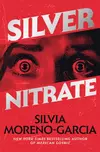
“Silver Nitrate” by Silvia Moreno-Garcia once again showcases her ability to weave a captivating tale, steeped in lost films, clandestine cults, and a thoroughly researched dive into the heart of Mexican cinema. If you're familiar with “Mexican Gothic,” you'll appreciate the measured pace of this novel. However, while “Mexican Gothic” was a slow burn leading to a satisfyingly explosive climax, “Silver Nitrate” can feel like a long fuse, keeping you eagerly anticipating a grand finale that seems always on the horizon.
Moreno-Garcia's knack for world-building is the shining star of this book. She breathes life into the '90s setting with her precise and evocative details, and her characters are well-rounded enough to carry the story. At times, the narrative might feel as though you're peering through a foggy window - the critical events are relayed secondhand or even thirdhand. Yet, it's worth noting that these accounts are brimming with rich details and painted with a beautiful prose that add depth to the narrative.
As “Silver Nitrate” moves towards its conclusion, it quickens its stride, bringing you closer to the long-awaited climax. The book may feel like it's been holding back, but when it finally lets go, the narrative gains a potent momentum. The indirect engagement and measured pacing might have stolen some of the narrative's potential vibrancy, but they don't undermine the book's strengths - it's still a masterfully written and painstakingly researched work. For readers who appreciate patient storytelling and are intrigued by the curious intersection of cinema and cults, this book will indeed hold a unique appeal.
Thank you to NetGalley, Del Rey, and the author for the advance copy.
“Silver Nitrate” by Silvia Moreno-Garcia once again showcases her ability to weave a captivating tale, steeped in lost films, clandestine cults, and a thoroughly researched dive into the heart of Mexican cinema. If you're familiar with “Mexican Gothic,” you'll appreciate the measured pace of this novel. However, while “Mexican Gothic” was a slow burn leading to a satisfyingly explosive climax, “Silver Nitrate” can feel like a long fuse, keeping you eagerly anticipating a grand finale that seems always on the horizon.
Moreno-Garcia's knack for world-building is the shining star of this book. She breathes life into the '90s setting with her precise and evocative details, and her characters are well-rounded enough to carry the story. At times, the narrative might feel as though you're peering through a foggy window - the critical events are relayed secondhand or even thirdhand. Yet, it's worth noting that these accounts are brimming with rich details and painted with a beautiful prose that add depth to the narrative.
As “Silver Nitrate” moves towards its conclusion, it quickens its stride, bringing you closer to the long-awaited climax. The book may feel like it's been holding back, but when it finally lets go, the narrative gains a potent momentum. The indirect engagement and measured pacing might have stolen some of the narrative's potential vibrancy, but they don't undermine the book's strengths - it's still a masterfully written and painstakingly researched work. For readers who appreciate patient storytelling and are intrigued by the curious intersection of cinema and cults, this book will indeed hold a unique appeal.
Thank you to NetGalley, Del Rey, and the author for the advance copy.


