
Joanna


🎧 Audiobook
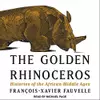
This is a dry, scholarly narrative of points in Africa’s history from the 7th century to the 15th century CE. Each chapter covers a story of a notable event, place or man in the continent’s Middle Ages history.
From the introduction, I appreciate that Fauvelle straight away acknowledged the destructive and transformative force of colonialism on Africa, and the resulting loss of historical stories and information. He also rightfully acknowledges that the field of historic research in Africa has often destroyed the precious historic evidence itself, particularly in a colonial setting. On top of that, the market for ancient objects is so fierce that the continent has been, and continues to be, pillaged widely, contributing to the decimation of culture, connection to land, and historic information.
However, Fauvelle didn't acknowledge that, as a white French male scholar writing about African history, he embodies the colonial force in Africa of recent times, and the archaeologists who did (and do) such damage to their historical sites and culture. His privilege reflects a colonialist past that still very much lingers. I don’t know the author or their views on race and class, but I do think it’s important to reflect on this in such a book.
Predictably from a male historian, there is no attempt to interrogate the historical record outside of the well-raked-over patriarchal narrative. In a book relating stories of notable places, events and people from merchants to emperors through 800 years, there are no named women in this book, only snippets of how women fit into the lives of men - usually as slaves, sex objects and arranged marriages.
Likewise, I was really disappointed at the lack of exploration of spirituality and connection to land through Africa's history; this seems to be a less worthy subject in the imperialist point of view I guess.
Although there are some interesting historical stories here worth learning about, and there were many things I didn't know, I felt this book was a bit soulless. Clearly the author is an expert in his field amongst Western scholars. But given the complexity and incredibly ancient history that makes up this massive continent, I feel I could have chosen a better author to tell these stories. Someone who is African.
It’s hard to avoid the historical record dominated by white male scholars, but I’m resolved to seek out place-based, own voices historians next.
——
2/5 for audiobook narration by Michael Page. I forgot how mind numbing Page’s pompous aristocratic drone was, should have steered clear of this one. He does, however, perform pompous scorn very well. Which surprisingly was called for a few times in this book.
🎧 Audiobook
This is a dry, scholarly narrative of points in Africa’s history from the 7th century to the 15th century CE. Each chapter covers a story of a notable event, place or man in the continent’s Middle Ages history.
From the introduction, I appreciate that Fauvelle straight away acknowledged the destructive and transformative force of colonialism on Africa, and the resulting loss of historical stories and information. He also rightfully acknowledges that the field of historic research in Africa has often destroyed the precious historic evidence itself, particularly in a colonial setting. On top of that, the market for ancient objects is so fierce that the continent has been, and continues to be, pillaged widely, contributing to the decimation of culture, connection to land, and historic information.
However, Fauvelle didn't acknowledge that, as a white French male scholar writing about African history, he embodies the colonial force in Africa of recent times, and the archaeologists who did (and do) such damage to their historical sites and culture. His privilege reflects a colonialist past that still very much lingers. I don’t know the author or their views on race and class, but I do think it’s important to reflect on this in such a book.
Predictably from a male historian, there is no attempt to interrogate the historical record outside of the well-raked-over patriarchal narrative. In a book relating stories of notable places, events and people from merchants to emperors through 800 years, there are no named women in this book, only snippets of how women fit into the lives of men - usually as slaves, sex objects and arranged marriages.
Likewise, I was really disappointed at the lack of exploration of spirituality and connection to land through Africa's history; this seems to be a less worthy subject in the imperialist point of view I guess.
Although there are some interesting historical stories here worth learning about, and there were many things I didn't know, I felt this book was a bit soulless. Clearly the author is an expert in his field amongst Western scholars. But given the complexity and incredibly ancient history that makes up this massive continent, I feel I could have chosen a better author to tell these stories. Someone who is African.
It’s hard to avoid the historical record dominated by white male scholars, but I’m resolved to seek out place-based, own voices historians next.
——
2/5 for audiobook narration by Michael Page. I forgot how mind numbing Page’s pompous aristocratic drone was, should have steered clear of this one. He does, however, perform pompous scorn very well. Which surprisingly was called for a few times in this book.


