
(^^,)


Updated a reading goal:
Read 52 books in 2026
Progress so far: 13 / 52 25%


Disclaimer: This is a review of an Advanced Reader Copy (ARC).
Which plebian with a death wish is throwing dead rats through my window?
This is such a strangely wholesome book, and I needed this.
I really liked the story! It starts off with wit, a dash of bones, some crudeness but nothing out of place as you read about the characters and why they are where they are. Nothing unfounded, either - it becomes abundantly clear real fast that everyone has skeletons in their closet (or on their headboard, but spoilers).
The writing was pleasing to me: casual use of wit, a light mist of romance, a peppering of humourous yet awkward situations, and an overall level of snarky banter shared among the main cast that fit my taste just right.
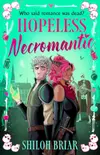
It was very easy to feel the settings, feel for the characters as they develop to the reader, their interactions and feelings with each other. As much as the book cover greatly influenced by idea of the main characters, the book did well in describing them enough that I saw them as a mishmash of a cuter Karlach from Baldurs Gate 3 and a less gaunt V from Devil May Cry 5 in the end anyway.
I will say the magic system was interesting - I did find it a little difficult to understand how the necromancy worked in terms of finger movement, but I appreciated the realism and risks that came with that. It's good to utilise the practicalities when having a magic system - even if the equivalents of a system's mana may be seemingly infinite, one's ability to use them may not be.
It's fine for a book to have tropes but I feel the pacing of some major plot points forced the tropes nearer the end. An unexpected but fast use of Chekhov's gun, and a somewhat reverse deus ex machina for example. It caught me by surprise, but I'm not seeing them as bad things necessarily: their places in the story make sense to me and they leave the book with a really nice ending and some closure while leaving the story open for the next adventure.
In a sea of moody male characters with shadow powers and an ocean of female characters with a point to prove, there's more flavours of people than spicy or salty. Sometimes you need something sweet and filling, and this book is it.
Disclaimer: This is a review of an Advanced Reader Copy (ARC).
Which plebian with a death wish is throwing dead rats through my window?
This is such a strangely wholesome book, and I needed this.
I really liked the story! It starts off with wit, a dash of bones, some crudeness but nothing out of place as you read about the characters and why they are where they are. Nothing unfounded, either - it becomes abundantly clear real fast that everyone has skeletons in their closet (or on their headboard, but spoilers).
The writing was pleasing to me: casual use of wit, a light mist of romance, a peppering of humourous yet awkward situations, and an overall level of snarky banter shared among the main cast that fit my taste just right.
It was very easy to feel the settings, feel for the characters as they develop to the reader, their interactions and feelings with each other. As much as the book cover greatly influenced by idea of the main characters, the book did well in describing them enough that I saw them as a mishmash of a cuter Karlach from Baldurs Gate 3 and a less gaunt V from Devil May Cry 5 in the end anyway.
I will say the magic system was interesting - I did find it a little difficult to understand how the necromancy worked in terms of finger movement, but I appreciated the realism and risks that came with that. It's good to utilise the practicalities when having a magic system - even if the equivalents of a system's mana may be seemingly infinite, one's ability to use them may not be.
It's fine for a book to have tropes but I feel the pacing of some major plot points forced the tropes nearer the end. An unexpected but fast use of Chekhov's gun, and a somewhat reverse deus ex machina for example. It caught me by surprise, but I'm not seeing them as bad things necessarily: their places in the story make sense to me and they leave the book with a really nice ending and some closure while leaving the story open for the next adventure.
In a sea of moody male characters with shadow powers and an ocean of female characters with a point to prove, there's more flavours of people than spicy or salty. Sometimes you need something sweet and filling, and this book is it.

Disclaimer: This is a review of an Advanced Reader Copy (ARC).
I'm not angry. I'm sleeping.
I missed this universe.
It picks up right after the first book. There's no breather, no time skip, just immediate gas. As with most books, I did have to revisit a few pages, remember a few names - but once I got myself embedded in the world, I needed to know what was going to happen next.
One thing I liked about the book is acknowledging how meta it is. Like in my first review, the series has all the standard transmigration tropes, and this theme continues with the good ol' "I haven't read this far ahead" trope...ish. It gives authors another ex machina for diverging from a "pre-defined" fantasy story, but it can be a double-edged sword in that one can't go too bizarre. I mean, screw it, you could, but beware the reader's wrath. Again, I personally love the general genre of isekais (and yes, even the one about someone who woke up as a Japanese vending machine), so I'm honestly not complaining.
That being said, I did not expect some of the things in the book and boy, did I enjoy those too. I should have learned after the ending of the first book. The writing was on the wall, but then again, fool me twice AND shame on me? Fair enough.
It was good to get more perspectives from the rest of the cast compared to before. It's easy for readers and even the main characters (for books in first-person MC perspectives) to forget that the world they've been thrown in is a living, breathing world, and people aren't just third-party characters who are there to string a story along.
I felt the writing was a little more serious, more mature this time round. I don't know if it's because Sarah started with YA novels, but Long Live Evil felt like it was inbetween YA and... A. It meant it was easy to consume, while still being able to discuss darker and stronger topics and introducing deeper worlds (at least for me). All Hail Chaos continued that movement, and I felt that the way they wrote this book improved.
Throughout reading it started feeling like I was watching a movie in my head, if that makes sense. It felt like how Stephen Fry narrated parts of the film version of A Hitchhiker's Guide to the Galaxy - jokes sneakily inserted in the middle of pretty serious situations, delivered in a deadpan manner. I loved it.
Review and rambling aside, I really liked reading this book.
Oh, and Google Maps, how I missed you. You were worth waking up the neighbours with my laugh at a 3am on a Sunday.
Disclaimer: This is a review of an Advanced Reader Copy (ARC).
I'm not angry. I'm sleeping.
I missed this universe.
It picks up right after the first book. There's no breather, no time skip, just immediate gas. As with most books, I did have to revisit a few pages, remember a few names - but once I got myself embedded in the world, I needed to know what was going to happen next.
One thing I liked about the book is acknowledging how meta it is. Like in my first review, the series has all the standard transmigration tropes, and this theme continues with the good ol' "I haven't read this far ahead" trope...ish. It gives authors another ex machina for diverging from a "pre-defined" fantasy story, but it can be a double-edged sword in that one can't go too bizarre. I mean, screw it, you could, but beware the reader's wrath. Again, I personally love the general genre of isekais (and yes, even the one about someone who woke up as a Japanese vending machine), so I'm honestly not complaining.
That being said, I did not expect some of the things in the book and boy, did I enjoy those too. I should have learned after the ending of the first book. The writing was on the wall, but then again, fool me twice AND shame on me? Fair enough.
It was good to get more perspectives from the rest of the cast compared to before. It's easy for readers and even the main characters (for books in first-person MC perspectives) to forget that the world they've been thrown in is a living, breathing world, and people aren't just third-party characters who are there to string a story along.
I felt the writing was a little more serious, more mature this time round. I don't know if it's because Sarah started with YA novels, but Long Live Evil felt like it was inbetween YA and... A. It meant it was easy to consume, while still being able to discuss darker and stronger topics and introducing deeper worlds (at least for me). All Hail Chaos continued that movement, and I felt that the way they wrote this book improved.
Throughout reading it started feeling like I was watching a movie in my head, if that makes sense. It felt like how Stephen Fry narrated parts of the film version of A Hitchhiker's Guide to the Galaxy - jokes sneakily inserted in the middle of pretty serious situations, delivered in a deadpan manner. I loved it.
Review and rambling aside, I really liked reading this book.
Oh, and Google Maps, how I missed you. You were worth waking up the neighbours with my laugh at a 3am on a Sunday.

Disclaimer: This is a review of an Advanced Reader Copy (ARC).
I'm not angry. I'm sleeping.
I missed this universe.
It picks up right after the first book. There's no breather, no time skip, just immediate gas. As with most books, I did have to revisit a few pages, remember a few names - but once I got myself embedded in the world, I needed to know what was going to happen next.
One thing I liked about the book is acknowledging how meta it is. Like in my first review, the series has all the standard transmigration tropes, and this theme continues with the good ol' "I haven't read this far ahead" trope...ish. It gives authors another ex machina for diverging from a "pre-defined" fantasy story, but it can be a double-edged sword in that one can't go too bizarre. I mean, screw it, you could, but beware the reader's wrath. Again, I personally love the general genre of isekais (and yes, even the one about someone who woke up as a Japanese vending machine), so I'm honestly not complaining.
That being said, I did not expect some of the things in the book and boy, did I enjoy those too. I should have learned after the ending of the first book. The writing was on the wall, but then again, fool me twice AND shame on me? Fair enough.
It was good to get more perspectives from the rest of the cast compared to before. It's easy for readers and even the main characters (for books in first-person MC perspectives) to forget that the world they've been thrown in is a living, breathing world, and people aren't just third-party characters who are there to string a story along.
I felt the writing was a little more serious, more mature this time round. I don't know if it's because Sarah started with YA novels, but Long Live Evil felt like it was inbetween YA and... A. It meant it was easy to consume, while still being able to discuss darker and stronger topics and introducing deeper worlds (at least for me). All Hail Chaos continued that movement, and I felt that the way they wrote this book improved.
Throughout reading it started feeling like I was watching a movie in my head, if that makes sense. It felt like how Stephen Fry narrated parts of the film version of A Hitchhiker's Guide to the Galaxy - jokes sneakily inserted in the middle of pretty serious situations, delivered in a deadpan manner. I loved it.
Review and rambling aside, I really liked reading this book.
Oh, and Google Maps, how I missed you. You were worth waking up the neighbours with my laugh at a 3am on a Sunday.
Disclaimer: This is a review of an Advanced Reader Copy (ARC).
I'm not angry. I'm sleeping.
I missed this universe.
It picks up right after the first book. There's no breather, no time skip, just immediate gas. As with most books, I did have to revisit a few pages, remember a few names - but once I got myself embedded in the world, I needed to know what was going to happen next.
One thing I liked about the book is acknowledging how meta it is. Like in my first review, the series has all the standard transmigration tropes, and this theme continues with the good ol' "I haven't read this far ahead" trope...ish. It gives authors another ex machina for diverging from a "pre-defined" fantasy story, but it can be a double-edged sword in that one can't go too bizarre. I mean, screw it, you could, but beware the reader's wrath. Again, I personally love the general genre of isekais (and yes, even the one about someone who woke up as a Japanese vending machine), so I'm honestly not complaining.
That being said, I did not expect some of the things in the book and boy, did I enjoy those too. I should have learned after the ending of the first book. The writing was on the wall, but then again, fool me twice AND shame on me? Fair enough.
It was good to get more perspectives from the rest of the cast compared to before. It's easy for readers and even the main characters (for books in first-person MC perspectives) to forget that the world they've been thrown in is a living, breathing world, and people aren't just third-party characters who are there to string a story along.
I felt the writing was a little more serious, more mature this time round. I don't know if it's because Sarah started with YA novels, but Long Live Evil felt like it was inbetween YA and... A. It meant it was easy to consume, while still being able to discuss darker and stronger topics and introducing deeper worlds (at least for me). All Hail Chaos continued that movement, and I felt that the way they wrote this book improved.
Throughout reading it started feeling like I was watching a movie in my head, if that makes sense. It felt like how Stephen Fry narrated parts of the film version of A Hitchhiker's Guide to the Galaxy - jokes sneakily inserted in the middle of pretty serious situations, delivered in a deadpan manner. I loved it.
Review and rambling aside, I really liked reading this book.
Oh, and Google Maps, how I missed you. You were worth waking up the neighbours with my laugh at a 3am on a Sunday.
Disclaimer: This is a review of an Advanced Reader Copy (ARC).
I'm not angry. I'm sleeping.
I missed this universe.
It picks up right after the first book. There's no breather, no time skip, just immediate gas. As with most books, I did have to revisit a few pages, remember a few names - but once I got myself embedded in the world, I needed to know what was going to happen next.
One thing I liked about the book is acknowledging how meta it is. Like in my first review, the series has all the standard transmigration tropes, and this theme continues with the good ol' "I haven't read this far ahead" trope...ish. It gives authors another ex machina for diverging from a "pre-defined" fantasy story, but it can be a double-edged sword in that one can't go too bizarre. I mean, screw it, you could, but beware the reader's wrath. Again, I personally love the general genre of isekais (and yes, even the one about someone who woke up as a Japanese vending machine), so I'm honestly not complaining.
That being said, I did not expect some of the things in the book and boy, did I enjoy those too. I should have learned after the ending of the first book. The writing was on the wall, but then again, fool me twice AND shame on me? Fair enough.
It was good to get more perspectives from the rest of the cast compared to before. It's easy for readers and even the main characters (for books in first-person MC perspectives) to forget that the world they've been thrown in is a living, breathing world, and people aren't just third-party characters who are there to string a story along.
I felt the writing was a little more serious, more mature this time round. I don't know if it's because Sarah started with YA novels, but Long Live Evil felt like it was inbetween YA and... A. It meant it was easy to consume, while still being able to discuss darker and stronger topics and introducing deeper worlds (at least for me). All Hail Chaos continued that movement, and I felt that the way they wrote this book improved.
Throughout reading it started feeling like I was watching a movie in my head, if that makes sense. It felt like how Stephen Fry narrated parts of the film version of A Hitchhiker's Guide to the Galaxy - jokes sneakily inserted in the middle of pretty serious situations, delivered in a deadpan manner. I loved it.
Review and rambling aside, I really liked reading this book.
Oh, and Google Maps, how I missed you. You were worth waking up the neighbours with my laugh at a 3am on a Sunday.
Disclaimer: This is a review of an Advanced Reader Copy (ARC).
I'm not angry. I'm sleeping.
I missed this universe.
It picks up right after the first book. There's no breather, no time skip, just immediate gas. As with most books, I did have to revisit a few pages, remember a few names - but once I got myself embedded in the world, I needed to know what was going to happen next.
One thing I liked about the book is acknowledging how meta it is. Like in my first review, the series has all the standard transmigration tropes, and this theme continues with the good ol' "I haven't read this far ahead" trope...ish. It gives authors another ex machina for diverging from a "pre-defined" fantasy story, but it can be a double-edged sword in that one can't go too bizarre. I mean, screw it, you could, but beware the reader's wrath. Again, I personally love the general genre of isekais (and yes, even the one about someone who woke up as a Japanese vending machine), so I'm honestly not complaining.
That being said, I did not expect some of the things in the book and boy, did I enjoy those too. I should have learned after the ending of the first book. The writing was on the wall, but then again, fool me twice AND shame on me? Fair enough.
It was good to get more perspectives from the rest of the cast compared to before. It's easy for readers and even the main characters (for books in first-person MC perspectives) to forget that the world they've been thrown in is a living, breathing world, and people aren't just third-party characters who are there to string a story along.
I felt the writing was a little more serious, more mature this time round. I don't know if it's because Sarah started with YA novels, but Long Live Evil felt like it was inbetween YA and... A. It meant it was easy to consume, while still being able to discuss darker and stronger topics and introducing deeper worlds (at least for me). All Hail Chaos continued that movement, and I felt that the way they wrote this book improved.
Throughout reading it started feeling like I was watching a movie in my head, if that makes sense. It felt like how Stephen Fry narrated parts of the film version of A Hitchhiker's Guide to the Galaxy - jokes sneakily inserted in the middle of pretty serious situations, delivered in a deadpan manner. I loved it.
Review and rambling aside, I really liked reading this book.
Oh, and Google Maps, how I missed you. You were worth waking up the neighbours with my laugh at a 3am on a Sunday.
Disclaimer: This is a review of an Advanced Reader Copy (ARC).
I'm not angry. I'm sleeping.
I missed this universe.
It picks up right after the first book. There's no breather, no time skip, just immediate gas. As with most books, I did have to revisit a few pages, remember a few names - but once I got myself embedded in the world, I needed to know what was going to happen next.
One thing I liked about the book is acknowledging how meta it is. Like in my first review, the series has all the standard transmigration tropes, and this theme continues with the good ol' "I haven't read this far ahead" trope...ish. It gives authors another ex machina for diverging from a "pre-defined" fantasy story, but it can be a double-edged sword in that one can't go too bizarre. I mean, screw it, you could, but beware the reader's wrath. Again, I personally love the general genre of isekais (and yes, even the one about someone who woke up as a Japanese vending machine), so I'm honestly not complaining.
That being said, I did not expect some of the things in the book and boy, did I enjoy those too. I should have learned after the ending of the first book. The writing was on the wall, but then again, fool me twice AND shame on me? Fair enough.
It was good to get more perspectives from the rest of the cast compared to before. It's easy for readers and even the main characters (for books in first-person MC perspectives) to forget that the world they've been thrown in is a living, breathing world, and people aren't just third-party characters who are there to string a story along.
I felt the writing was a little more serious, more mature this time round. I don't know if it's because Sarah started with YA novels, but Long Live Evil felt like it was inbetween YA and... A. It meant it was easy to consume, while still being able to discuss darker and stronger topics and introducing deeper worlds (at least for me). All Hail Chaos continued that movement, and I felt that the way they wrote this book improved.
Throughout reading it started feeling like I was watching a movie in my head, if that makes sense. It felt like how Stephen Fry narrated parts of the film version of A Hitchhiker's Guide to the Galaxy - jokes sneakily inserted in the middle of pretty serious situations, delivered in a deadpan manner. I loved it.
Review and rambling aside, I really liked reading this book.
Oh, and Google Maps, how I missed you. You were worth waking up the neighbours with my laugh at a 3am on a Sunday.
Disclaimer: This is a review of an Advanced Reader Copy (ARC).
I'm not angry. I'm sleeping.
I missed this universe.
It picks up right after the first book. There's no breather, no time skip, just immediate gas. As with most books, I did have to revisit a few pages, remember a few names - but once I got myself embedded in the world, I needed to know what was going to happen next.
One thing I liked about the book is acknowledging how meta it is. Like in my first review, the series has all the standard transmigration tropes, and this theme continues with the good ol' "I haven't read this far ahead" trope...ish. It gives authors another ex machina for diverging from a "pre-defined" fantasy story, but it can be a double-edged sword in that one can't go too bizarre. I mean, screw it, you could, but beware the reader's wrath. Again, I personally love the general genre of isekais (and yes, even the one about someone who woke up as a Japanese vending machine), so I'm honestly not complaining.
That being said, I did not expect some of the things in the book and boy, did I enjoy those too. I should have learned after the ending of the first book. The writing was on the wall, but then again, fool me twice AND shame on me? Fair enough.
It was good to get more perspectives from the rest of the cast compared to before. It's easy for readers and even the main characters (for books in first-person MC perspectives) to forget that the world they've been thrown in is a living, breathing world, and people aren't just third-party characters who are there to string a story along.
I felt the writing was a little more serious, more mature this time round. I don't know if it's because Sarah started with YA novels, but Long Live Evil felt like it was inbetween YA and... A. It meant it was easy to consume, while still being able to discuss darker and stronger topics and introducing deeper worlds (at least for me). All Hail Chaos continued that movement, and I felt that the way they wrote this book improved.
Throughout reading it started feeling like I was watching a movie in my head, if that makes sense. It felt like how Stephen Fry narrated parts of the film version of A Hitchhiker's Guide to the Galaxy - jokes sneakily inserted in the middle of pretty serious situations, delivered in a deadpan manner. I loved it.
Review and rambling aside, I really liked reading this book.
Oh, and Google Maps, how I missed you. You were worth waking up the neighbours with my laugh at a 3am on a Sunday.

What an asinine thing to do!
It was good to take a break from fiction and start reading this.
I've been a long-distance runner since 2021 (although I only started doing actual races in 2024), but I've never really read about other runners until Goggins' book. Even then, that was more of a book about getting my ass out of bed and being more productive than it was about pure running. So, when I realised Murakami had a book about their running journey, I figured; everyone raves about Murakami and I'm not in the mindset to read their fiction, so this is a good halfway house!
Anyway, I digress. It truly is a memoir, and you can feel from the writing that it's a self-reflection on the ups and downs of their running (and triathlon) memories.
One does have to read the book not expecting it to help them improve anything major - the book isn't about improving your marathon times, or moving from the couch to a 5k, or even a run to a triathlon. The book is essentially a diary of various entries Murakami wrote about times they ran. If you can keep that in mind, I think it's an interesting book and a keyhole into their life both inside and outside their writing career.
What an asinine thing to do!
It was good to take a break from fiction and start reading this.
I've been a long-distance runner since 2021 (although I only started doing actual races in 2024), but I've never really read about other runners until Goggins' book. Even then, that was more of a book about getting my ass out of bed and being more productive than it was about pure running. So, when I realised Murakami had a book about their running journey, I figured; everyone raves about Murakami and I'm not in the mindset to read their fiction, so this is a good halfway house!
Anyway, I digress. It truly is a memoir, and you can feel from the writing that it's a self-reflection on the ups and downs of their running (and triathlon) memories.
One does have to read the book not expecting it to help them improve anything major - the book isn't about improving your marathon times, or moving from the couch to a 5k, or even a run to a triathlon. The book is essentially a diary of various entries Murakami wrote about times they ran. If you can keep that in mind, I think it's an interesting book and a keyhole into their life both inside and outside their writing career.

Disclaimer: This is a review of an Advanced Reader Copy (ARC).
Onwards! To the moon!
I devoured this book.
I read quickly, much to to the chagrin of my partner and fellow book club members. Most of the time, when I read quickly, I'll glaze past some words or even whole sentences, as long as I could still understand the general setting and scenario.
Not this book, though. I ate every single word, curious about what would happen next in the story, what twists awaited, what challenges were incoming. I really like like I was on an adventure alongside them.
I felt for each character, truly. I think all of the main characters were well thought out and defined. Those who have read it will understand what I mean when I say both sides of the coin are dealt with properly. I think certain themes were handled with grace and fairness - there were heavy topics sprinkled throughout, and I'll admit, they shocked me but I think adding that unfortunate realism brought meaning.
Due to the setting there wasn't much required in the way of world building, but that's not a bad thing at all; The fact that the scenarios were carried out in different areas of the same "section" of the world meant it wasn't too difficult to place everything in my imagination. Just like you learn about the characters and watch their growth, you also watch the growth of the setting happen at a good pace.
As I write this review, parts of the story remind me a bit of The Uncanny Counter. I won't go too much into that, because spoilers and I'm digressing, but I absolutely adore that show, and adore this book all the same.
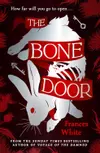
Thank you Frances, for writing this book. I apologise for reading the book so quickly despite you saying it took a while to write - but sorry not sorry, you wrote something amazing.
Also, what a cute ending. How dare you make me cry. Please don't tell Father I did.
Disclaimer: This is a review of an Advanced Reader Copy (ARC).
Onwards! To the moon!
I devoured this book.
I read quickly, much to to the chagrin of my partner and fellow book club members. Most of the time, when I read quickly, I'll glaze past some words or even whole sentences, as long as I could still understand the general setting and scenario.
Not this book, though. I ate every single word, curious about what would happen next in the story, what twists awaited, what challenges were incoming. I really like like I was on an adventure alongside them.
I felt for each character, truly. I think all of the main characters were well thought out and defined. Those who have read it will understand what I mean when I say both sides of the coin are dealt with properly. I think certain themes were handled with grace and fairness - there were heavy topics sprinkled throughout, and I'll admit, they shocked me but I think adding that unfortunate realism brought meaning.
Due to the setting there wasn't much required in the way of world building, but that's not a bad thing at all; The fact that the scenarios were carried out in different areas of the same "section" of the world meant it wasn't too difficult to place everything in my imagination. Just like you learn about the characters and watch their growth, you also watch the growth of the setting happen at a good pace.
As I write this review, parts of the story remind me a bit of The Uncanny Counter. I won't go too much into that, because spoilers and I'm digressing, but I absolutely adore that show, and adore this book all the same.
Thank you Frances, for writing this book. I apologise for reading the book so quickly despite you saying it took a while to write - but sorry not sorry, you wrote something amazing.
Also, what a cute ending. How dare you make me cry. Please don't tell Father I did.
This review is in progress - please hold!
This review is in progress - please hold!
This review is in progress - please hold!
This review is in progress - please hold!
This review is in progress - please hold!
This review is in progress - please hold!
This review is in progress - please hold!
This review is in progress - please hold!
What an asinine thing to do!
It was good to take a break from fiction and start reading this.
I've been a long-distance runner since 2021 (although I only started doing actual races in 2024), but I've never really read about other runners until Goggins' book. Even then, that was more of a book about getting my ass out of bed and being more productive than it was about pure running. So, when I realised Murakami had a book about their running journey, I figured; everyone raves about Murakami and I'm not in the mindset to read their fiction, so this is a good halfway house!
Anyway, I digress. It truly is a memoir, and you can feel from the writing that it's a self-reflection on the ups and downs of their running (and triathlon) memories.
One does have to read the book not expecting it to help them improve anything major - the book isn't about improving your marathon times, or moving from the couch to a 5k, or even a run to a triathlon. The book is essentially a diary of various entries Murakami wrote about times they ran. If you can keep that in mind, I think it's an interesting book and a keyhole into their life both inside and outside their writing career.
What an asinine thing to do!
It was good to take a break from fiction and start reading this.
I've been a long-distance runner since 2021 (although I only started doing actual races in 2024), but I've never really read about other runners until Goggins' book. Even then, that was more of a book about getting my ass out of bed and being more productive than it was about pure running. So, when I realised Murakami had a book about their running journey, I figured; everyone raves about Murakami and I'm not in the mindset to read their fiction, so this is a good halfway house!
Anyway, I digress. It truly is a memoir, and you can feel from the writing that it's a self-reflection on the ups and downs of their running (and triathlon) memories.
One does have to read the book not expecting it to help them improve anything major - the book isn't about improving your marathon times, or moving from the couch to a 5k, or even a run to a triathlon. The book is essentially a diary of various entries Murakami wrote about times they ran. If you can keep that in mind, I think it's an interesting book and a keyhole into their life both inside and outside their writing career.
This review is in progress - please hold!
This review is in progress - please hold!

What an asinine thing to do!
It was good to take a break from fiction and start reading this.
I've been a long-distance runner since 2021 (although I only started doing actual races in 2024), but I've never really read about other runners until Goggins' book. Even then, that was more of a book about getting my ass out of bed and being more productive than it was about pure running. So, when I realised Murakami had a book about their running journey, I figured; everyone raves about Murakami and I'm not in the mindset to read their fiction, so this is a good halfway house!
Anyway, I digress. It truly is a memoir, and you can feel from the writing that it's a self-reflection on the ups and downs of their running (and triathlon) memories.
One does have to read the book not expecting it to help them improve anything major - the book isn't about improving your marathon times, or moving from the couch to a 5k, or even a run to a triathlon. The book is essentially a diary of various entries Murakami wrote about times they ran. If you can keep that in mind, I think it's an interesting book and a keyhole into their life both inside and outside their writing career.
What an asinine thing to do!
It was good to take a break from fiction and start reading this.
I've been a long-distance runner since 2021 (although I only started doing actual races in 2024), but I've never really read about other runners until Goggins' book. Even then, that was more of a book about getting my ass out of bed and being more productive than it was about pure running. So, when I realised Murakami had a book about their running journey, I figured; everyone raves about Murakami and I'm not in the mindset to read their fiction, so this is a good halfway house!
Anyway, I digress. It truly is a memoir, and you can feel from the writing that it's a self-reflection on the ups and downs of their running (and triathlon) memories.
One does have to read the book not expecting it to help them improve anything major - the book isn't about improving your marathon times, or moving from the couch to a 5k, or even a run to a triathlon. The book is essentially a diary of various entries Murakami wrote about times they ran. If you can keep that in mind, I think it's an interesting book and a keyhole into their life both inside and outside their writing career.