
Michael Barnes

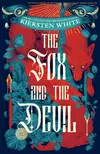
This is Kiersten White‘s second Dracula book, after her remarkable Lucy Undying, I am here for it and hope she continues to explore the mythology of Dracula. Set in closing years of 19th century Europe. Our remarkable protagonist is consulting detective Anneke who has been pursuing the figure at the centre of her famous father Abraham Van Helsing's murder. Anneke does not believe in the supernatural. She is a scientist, a seeker of truth that she can observe and note and study. I appreciated when Anneke reviews who fathers notes with her keen scientific method sensibilities was a crap vampire hunter. In her eyes, her father didn’t discover vampires in his later years, but spiralled into madness, keeping journals full of mythical creatures that do not, and never did, exist. Anneke’s journey, then, parallels her father’s own discovery that the world is darker, stranger, and more frightening than he could have imagined.
Another standout was the cast of characters that surround Anneke. They encourage her, challenge her, and provide skills of their own that Anneke lacks. While David and Maher were great, Inge the determined younger woman that Anneke saw so much of herself in. But it was the romance between Anneke and Diavola who she thinks murdered her father is where much of the strength of the narrative progresses.
This is Kiersten White‘s second Dracula book, after her remarkable Lucy Undying, I am here for it and hope she continues to explore the mythology of Dracula. Set in closing years of 19th century Europe. Our remarkable protagonist is consulting detective Anneke who has been pursuing the figure at the centre of her famous father Abraham Van Helsing's murder. Anneke does not believe in the supernatural. She is a scientist, a seeker of truth that she can observe and note and study. I appreciated when Anneke reviews who fathers notes with her keen scientific method sensibilities was a crap vampire hunter. In her eyes, her father didn’t discover vampires in his later years, but spiralled into madness, keeping journals full of mythical creatures that do not, and never did, exist. Anneke’s journey, then, parallels her father’s own discovery that the world is darker, stranger, and more frightening than he could have imagined.
Another standout was the cast of characters that surround Anneke. They encourage her, challenge her, and provide skills of their own that Anneke lacks. While David and Maher were great, Inge the determined younger woman that Anneke saw so much of herself in. But it was the romance between Anneke and Diavola who she thinks murdered her father is where much of the strength of the narrative progresses.