
Karen

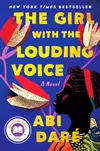
Adunni is a 14 year old girl living with her father and two brothers in a Nigerian village at the beginning of this book. Before her mother died, she made Adunni's father promise to keep her in school and not marry her off, but soon the family can't afford the cost of school or the rent of their house. Adunni's father tells her that she will marry Morufu, a man 40 years her senior who already has two wives and 4 other children, in exchange for enough money to pay the rent. Adunni is already mourning her mother, and this violation of the promise her father made to her mother is devastating to her. Everyone around her, including her friends, tell her she should be happy, since she'll be married and taken care of, and will soon become a mother, but her only wish (besides having her mother back), is to go back to school.
Adunni's troubles continue and multiply until she is a domestic servant in a wealthy Nigerian woman's house in Lagos, beaten and starved by her employer and sexually harassed and pursued by her employer's husband. At every step of her journey, however, she has found someone willing to help her--sometimes in a small way, but sometimes in a big way. In Big Madam's house, in the midst of her troubles, she also finds hope.
The narrative is written in what I think is meant to be a native Yoruba speaker's pidgin English--Adunni telling her own story. It's not explained, but it becomes clear later in the book that Adunni's English is not very grammatical when someone offers to help her improve. However, the "pidgin" English that Adunni uses is consistent within itself and has grace, so it's a pleasure to read.
This is a tale of a young girl's resilience and the courage to free herself from hardship that many of the people around her expect her to just endure. There's a lot of sadness in the story, but also bright moments of kindness that nurture hope for the future.
Adunni is a 14 year old girl living with her father and two brothers in a Nigerian village at the beginning of this book. Before her mother died, she made Adunni's father promise to keep her in school and not marry her off, but soon the family can't afford the cost of school or the rent of their house. Adunni's father tells her that she will marry Morufu, a man 40 years her senior who already has two wives and 4 other children, in exchange for enough money to pay the rent. Adunni is already mourning her mother, and this violation of the promise her father made to her mother is devastating to her. Everyone around her, including her friends, tell her she should be happy, since she'll be married and taken care of, and will soon become a mother, but her only wish (besides having her mother back), is to go back to school.
Adunni's troubles continue and multiply until she is a domestic servant in a wealthy Nigerian woman's house in Lagos, beaten and starved by her employer and sexually harassed and pursued by her employer's husband. At every step of her journey, however, she has found someone willing to help her--sometimes in a small way, but sometimes in a big way. In Big Madam's house, in the midst of her troubles, she also finds hope.
The narrative is written in what I think is meant to be a native Yoruba speaker's pidgin English--Adunni telling her own story. It's not explained, but it becomes clear later in the book that Adunni's English is not very grammatical when someone offers to help her improve. However, the "pidgin" English that Adunni uses is consistent within itself and has grace, so it's a pleasure to read.
This is a tale of a young girl's resilience and the courage to free herself from hardship that many of the people around her expect her to just endure. There's a lot of sadness in the story, but also bright moments of kindness that nurture hope for the future.