
Books.Paws


A Man Called Ove is one of those books that proves a simple premise can become something truly memorable.At first glance, the story may seem quiet and straightforward, but the carefully placed flashbacks gradually reveal Ove's past, adding emotional depth and making every chapter more meaningful. I was never bored because each memory helped me understand his character a little better.Fredrik Backman's writing is warm, heartfelt, and quietly humorous. Ove may not be an easy character to love at first, but watching his story unfold was incredibly rewarding.A touching novel about grief, love, and the unexpected ways people can change each other's lives.


I picked up The Godfather simply because I wanted to understand why it has remained one of the most celebrated novels of all time. I expected a story about the Mafia, but I found something much deeper. What captivated me wasn't the violence or the action, it was the people. Every major character felt layered, realistic, and morally complex. No one was entirely good or entirely evil, and watching their decisions shape the lives of everyone around them made it impossible to stop reading. The political side of the Mafia was especially fascinating. Power wasn't maintained through fear alone, but through loyalty, respect, reputation, strategy, and carefully built relationships. It felt less like reading about criminals and more like witnessing the rise and survival of a powerful empire. The dialogue was another highlight. Every conversation carried weight, and even simple exchanges often hinted at something much bigger beneath the surface. Mario Puzo has a way of making ordinary discussions feel like strategic battles. What stayed with me the most was the novel's exploration of loyalty and betrayal. Family isn't just defined by blood in this story, it's built on trust, honor, and the willingness to stand by one another when everything is at stake. Those themes gave the novel an emotional depth I wasn't expecting. By the time I reached the final pages, I realized I hadn't fallen in love with a Mafia story. I had fallen in love with the characters and the intricate world they inhabited. The Godfather is a masterclass in character writing, power, and human nature, and I can completely understand why it has become a timeless classic.


I loved how the story never relied on showing the monsters. Sometimes what we can't see is far more terrifying than what we can. The constant feeling of uncertainty and survival kept me invested from beginning to end. Instead of focusing on action alone, the book explored fear, trust, and the impossible choices people make when they're simply trying to stay alive. Malorie quickly became one of my favorite protagonists. She wasn't fearless, but she kept moving forward despite everything, and that made her incredibly compelling. The writing was immersive, the tension never disappeared, and the ending left me thinking long after I finished the last page. For me, this was much more than just a horror novel, it was a psychological survival story that stayed with me.


I read this years before it exploded in popularity, back when psychological thrillers built around shocking twists were becoming a huge trend. The plot was definitely the strongest part. It was fast-paced, entertaining, and kept me turning the pages to find out what was really happening. It did exactly what a thriller is supposed to do: keep me curious until the end. That said, I never felt attached to the characters, and I didn't find them particularly complex or memorable. The setting wasn't especially immersive either, and once I finished the book, I realized the story relied more on its twists than on emotional depth or believable character work. Overall, it was an enjoyable thriller for the time, but not one that stayed with me long after I finished it.


The Housemaid was one of those books that kept me saying, “Just one more chapter.”The writing was simple but incredibly addictive. The short chapters and constant cliffhangers made it almost impossible to put down, and the pacing was one of the book's biggest strengths.I really enjoyed the overall concept and several of the characters, especially Enzo. While I didn't find every twist completely believable, I was still invested enough to keep turning the pages.One scene in particular completely caught my attention, and from that point on, I couldn't stop reading. Even though some parts required suspending disbelief, the story never lost its momentum.It may not be the most realistic psychological thriller I've read, but it was undeniably entertaining and delivered exactly what I wanted: a fast, gripping read.


The Silent Patient is one of the very few thrillers that genuinely surprised me. I went into it expecting a good mystery, but I never imagined it would completely fool me. The writing kept me hooked from the very first page. Every chapter made me want to read just one more, and before I knew it, I couldn't put the book down. The mystery was perfectly paced, constantly giving me new clues while making me question everything I thought I knew. The biggest strength of this book is its plot twist. I never saw it coming. Looking back, all the clues were there, but they were woven into the story so naturally that I completely missed them. When everything finally came together, I just sat there trying to process what had happened. What impressed me most was how the ending changed my entire perspective on the story. It made me want to think back to every chapter and see everything through a different lens. Very few thrillers have managed to leave me that shocked. If you're looking for a psychological thriller with a gripping mystery, addictive writing, and one of the most memorable twists I've ever read, The Silent Patient is absolutely worth picking up.


The premise immediately caught my attention, and I genuinely think the story had a lot of potential. Unfortunately, I became increasingly frustrated with the main character. Time after time, she resisted making decisions that felt obvious to me, and it made the story difficult to enjoy. Instead of feeling sympathy, I often found myself feeling impatient. It's a shame because the central idea was compelling, but the execution didn't work for me.


Wuthering Heights completely changed the way I looked at classic literature. What impressed me the most was the characterization. Every character felt layered, believable, and driven by reasons that slowly revealed themselves throughout the story. No one behaved a certain way just to move the plot forward. Every decision, no matter how frustrating, had an emotional or psychological foundation. I also loved the structure of the novel. Instead of simply telling a love story, it slowly unfolded through memories and different perspectives, making the mystery surrounding the past even more compelling. The atmosphere was another highlight. The setting never felt like unnecessary description. Every landscape, every house, and every storm reflected the emotions of the characters, making the environment feel like a character of its own. Unlike some classics that spend pages describing scenery without moving the story forward, Wuthering Heights kept me emotionally invested because every detail served a purpose. This isn't a romance in the traditional sense. It's a tragedy about obsession, revenge, family, and the consequences of destructive choices. That's exactly what made it unforgettable for me.


I went into Silver Elite expecting another fantasy that would inevitably be compared to every popular book in the genre. While I could see a few familiar ideas, especially some similarities to Divergent with magic woven into the world, it still managed to feel like its own story. What stood out to me the most was Wren. She was exactly the kind of female protagonist I enjoy reading about. Strong, capable, and independent. She never felt like someone who constantly needed to be rescued or defined by the male lead. She could stand on her own, make difficult decisions, and prove why she belonged in the story. Cross was a great match for her. He was powerful without overshadowing Wren, protective without making her feel helpless, and together they had a relationship that felt balanced. That balance made their dynamic much more enjoyable than many fantasy romances I've read. The world building was another highlight. Even though the overall concept wasn't the most original, the execution kept me engaged. The action was exciting, the pacing was incredibly fast, and I never found myself bored. I know this book contains spice, and that's usually not something I actively look for. Surprisingly, it didn't affect my enjoyment at all. The action and the story remained the main focus, and the romance never felt like it overshadowed the plot. That made a huge difference for me. While Silver Elite may not completely reinvent the genre, it takes familiar ideas and delivers them in an entertaining, well paced, and engaging way. Sometimes that's exactly what I'm looking for.


I have very mixed feelings about Alchemised, and honestly, I think that's what makes it such an interesting book to talk about. The reason I picked it up was because I had heard it was inspired by a Draco and Hermione fanfiction and that it had a dark atmosphere similar to Harry Potter. After reading it, I honestly don't think those comparisons did the book any favors. Aside from a few broad ideas, I didn't find myself thinking about Harry Potter at all, and I believe readers should approach it as its own story. What immediately pulled me in was the atmosphere. The world felt dark, oppressive, and constantly on the edge of collapse. Even though the war wasn't explored in great detail, its presence could be felt throughout the story, and I loved that. It created a sense of tension that kept me turning the pages. Unfortunately, the characters were a completely different experience. Helena frustrated me more than almost any female protagonist I have ever read. I kept waiting for her to push back, to question the people around her, or to take control of her own life, but instead she continued sacrificing herself over and over again. As a healer, I expected compassion, but I also wanted strength, determination, and moments where she chose herself. That balance never fully arrived for me. My biggest disappointment, however, was the romance. I know many readers loved it, but I simply couldn't believe it. Instead of feeling like two people slowly falling in love, it often felt like a relationship built on an unhealthy imbalance of power. I never fully connected with the romance because I struggled to see the emotional foundation that would make those feelings believable. I also found the world surprisingly sexist. That could have worked if the story had challenged those ideas through Helena's growth, but instead I often felt like she was simply expected to accept them. That was probably the hardest part of the book for me. Even with all of that, I still gave this book four stars. Why? Because I genuinely loved the atmosphere. The writing kept me invested, the mystery made me curious, and the world was compelling enough that I wanted to keep reading despite constantly arguing with the characters in my head. This is one of those rare books where I admired the world far more than I loved the people living in it.


Fearless was everything I hoped the final book would be. By this point, Kai, Paedyn, and Kitt no longer felt like fictional characters. After following their journey through three books, I had become so attached to them that finishing the series was much more emotional than I expected. One of my favorite things about this series has always been the relationship between Kai and Paedyn. Their romance never relied on spice to make me care about them. It was built through trust, sacrifice, longing, and incredible chemistry. Every conversation, every glance, and every difficult choice between them felt meaningful. Their relationship reminded me that a romance can be deeply emotional without needing explicit scenes. I also loved how the story continued to expand its world. The political conflicts, the different perspectives, and the emotional stakes made every decision feel important. The character development throughout the trilogy was one of its greatest strengths, and I loved seeing how each character grew without losing what made them unique. The ending was satisfying, and I honestly couldn't ask for more. It gave me the closure I wanted while staying true to the characters and everything they had been through. What surprised me the most was what happened after I finished the series. I kept looking for another fantasy romance that would make me feel the same way, but I still haven't found one. Many recent fantasy romances focus heavily on spice, and that's simply not what I'm looking for. What I loved about this series was the emotional depth of the romance. It made me care about the characters first, and that's something I haven't been able to replace. I genuinely struggled to find anything to criticize about this trilogy. It reminded me why I love fantasy romance and why unforgettable characters will always matter more to me than anything else.
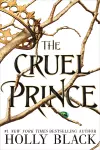


I know this series has a huge fan base, but unfortunately it just wasn't for me. I struggled to take the world seriously because it constantly mixed modern elements with the faerie world in a way that pulled me out of the story. The setting felt inconsistent, and I never fully immersed myself in the fantasy. While I can appreciate Jude's determination, the world building simply wasn't believable enough for me to enjoy the journey.


Kingdom of Ash is one of those books that stays with you long after you turn the final page. By the time I reached this book, these characters no longer felt like fictional people. They felt like friends I had laughed with, cried for, worried about, and grown alongside. Finishing this story felt like saying goodbye to a part of my life. Sarah J. Maas created one of the most unforgettable fantasy worlds I have ever experienced. Every journey, every battle, every sacrifice, and every victory felt earned because I had spent so much time with these characters. Their growth throughout the series made every emotional moment hit even harder. What I loved most about this series was that every character mattered. No one felt forgotten. Every storyline had a purpose, every relationship had meaning, and every sacrifice carried weight. Watching so many different characters come together after everything they had endured was incredibly satisfying. This book made me cry more than once. There were moments that completely broke my heart, moments that filled me with hope, and moments that reminded me why I love fantasy so much. It was emotional from beginning to end without ever losing the excitement that made me fall in love with the series in the first place. The ending gave me exactly what I wanted. It wasn't perfect because war is never perfect, but it felt honest. It respected the characters, their journeys, and everything they had sacrificed to reach that moment. Looking back, I don't think I'll remember Kingdom of Ash as just the final book. I'll remember it as the perfect conclusion to one of the most memorable fantasy series I've ever read.


The Assassin's Blade completely changed the way I saw Celaena Sardothien. Going into this collection, I thought I was simply reading a few stories from her past. Instead, I found myself becoming even more attached to her than I already was. Every novella added another layer to her character and made me understand the person she was before the events of Throne of Glass. What surprised me most was how much these stories made me care about the people in Celaena's life. Every friendship, every mission, and every lesson shaped the woman she would eventually become. Nothing felt unnecessary. Every story had a purpose. And then there was Sam. Knowing how important he was to Celaena made every moment they shared feel precious. Their relationship was so genuine and heartfelt that I found myself hoping things could somehow end differently, even though I already knew they couldn't. Watching them dream about a future together made the ending even more devastating. What I loved most was that this book didn't rely on grand battles or shocking twists to leave an impact. It was the emotional weight, the character development, and the quiet moments that stayed with me long after I finished reading. For me, The Assassin's Blade isn't just a prequel. It's the emotional foundation of the entire series. I honestly can't imagine reading Throne of Glass without it because it makes every sacrifice, every memory, and every decision throughout the series so much more meaningful.


I really wanted to enjoy this book, but it relied too heavily on clichés for my taste. One of my biggest issues was the way it tried so hard to present the idea that women don't need men to live fulfilling lives. While I appreciate stories about independent women, this one felt like it pushed that message so far that the relationships often felt more transactional than emotional. Ironically, the romance itself didn't convince me. I never fully believed in their connection, which made the love story fall flat.


Powerful proved that a story doesn't have to be long to leave a lasting impact. I already loved the world of this series, but this novella gave a voice to characters who deserved to be seen. It explored the darker side of the story and showed that not every battle is fought by the main characters. Sometimes the people standing quietly in the background carry the heaviest burdens. Adena completely stole my heart. She was kind, brave, and impossible not to love. Her relationship with Mak was beautiful, and watching their story unfold made every emotional moment hit even harder. What impressed me most was how versatile Lauren Roberts' writing is. She can write exciting action scenes, create an unforgettable romance, and then completely shatter your heart in the next chapter. This book made me feel all of those emotions. I also think Powerful was an important addition to the series. It wasn't just an extra story written for fan service. It gave important context to events and characters that become significant later, especially Mak. After finishing it, I appreciated the main series even more. This novella may be short, but the emotions it carries are anything but small. It was heartbreaking, meaningful, and a reminder that every person has a story worth telling.