
Eduardo Santiago

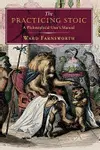
An ingenious premise. Elegantly executed. A delight to read.
The basic idea sounds simple: excerpt the writings of the Stoics, organize by topic and subtopic, add some commentary. The expertise needed to do this, however, and the research and big-picture skills and even hubris ... and then, to pull it off ... I'm in awe.
Farnsworth begins with the most important concept, one pretty much central to Buddhism as well: many events are beyond our control, but we can work to master how we react to those events. He covers this at length and from many perspectives. Subsequent chapters explore other teachings, each with relevant citations and background and clarification; he explains his ordering, and it's quite reasonable, but really chapters 2-11 can be read in any order. Chapter 12, Learning, is lovely: how we continue our practice. He offers overviews and reminders and perspectives gained from the whole book. My favorite part here was how he reconciled detachment and Beginner's Mind (without actually calling it that. He never mentions or acknowledges Buddhism).
I loved reading this with my well-worn translation of the Meditations by my side, to look up and compare interpretations. I loved that he occasionally cites Adam Smith, a much-maligned figure whose philosophy has been coopted by greedmonsters. I loved the occasional Montaigne, reminding me it's been much too long since I've read him. Too long since I've read Seneca, too. The book left me thirsty for more.
Absolutely, unreservedly recommended for anyone with even the slightest interest in living a good moral life.
An ingenious premise. Elegantly executed. A delight to read.
The basic idea sounds simple: excerpt the writings of the Stoics, organize by topic and subtopic, add some commentary. The expertise needed to do this, however, and the research and big-picture skills and even hubris ... and then, to pull it off ... I'm in awe.
Farnsworth begins with the most important concept, one pretty much central to Buddhism as well: many events are beyond our control, but we can work to master how we react to those events. He covers this at length and from many perspectives. Subsequent chapters explore other teachings, each with relevant citations and background and clarification; he explains his ordering, and it's quite reasonable, but really chapters 2-11 can be read in any order. Chapter 12, Learning, is lovely: how we continue our practice. He offers overviews and reminders and perspectives gained from the whole book. My favorite part here was how he reconciled detachment and Beginner's Mind (without actually calling it that. He never mentions or acknowledges Buddhism).
I loved reading this with my well-worn translation of the Meditations by my side, to look up and compare interpretations. I loved that he occasionally cites Adam Smith, a much-maligned figure whose philosophy has been coopted by greedmonsters. I loved the occasional Montaigne, reminding me it's been much too long since I've read him. Too long since I've read Seneca, too. The book left me thirsty for more.
Absolutely, unreservedly recommended for anyone with even the slightest interest in living a good moral life.