
C

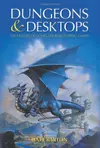
I’m a fan of role-playing games, both in tabletop and video game form. I figured this book would be a nice insight into the history behind some of my favorite games. Unfortunately this is just an unfocused, messy recount of popular RPGs of the 80s and 90s that is a mile wide, but an inch deep.
For a book whose subtitle is “The History of Computer Role-Playing Games”, there isn’t a whole lot of historical analysis going on. I’d say only about 20% of this book is interested in exploring the individuals, studios, publishers, and technology behind the games discussed (advertised), and even then it’s hardly any more informative than a Wikipedia article. But the way it goes about exploring the history is hard to follow, and I say that as someone who’s already familiar with the subject matter. The chapters are split up into different eras, from early games developed on university mainframes to popular commercial releases and the rise and fall of the big names of the 80s and 90s, but the lines between the eras are incredibly vague and cross over each other constantly. Perhaps if the other 80% of this book wasn’t a list of poorly summarized games with little to no connection to a broader trend or design philosophy, the lines would be more clear.
The author of the book, Matt Barton, is also incredibly opinionated and doesn’t even attempt to keep his bias in check, going so far to call people who disagree with his opinion on certain games apologists (relax dude, they’re not Nazi sympathizers, they’re gamers… hang on, I repeated myself). His style of writing oozes smug asshole energy and reeks of dated humor such as joking about how early developers fueled themselves with Mountain Dew while coming up with their games. And I don’t know why he even bothered to include images and footnotes when all of the images are screenshots that are occasionally relevant and the footnotes are listed at the end of each chapter and aren’t formatted in any academic fashion (surprising, considering this guy is supposed to be an English professor).
The most disappointing thing about this book (well, besides the fact that it’s mostly a big list) is that it’s almost entirely focused on American and Western games and their history. Sure, there’s a couple chapters dedicated to Japanese RPGs and a couple Eastern and Central European studios are mentioned in passing, but it’s always in the context of what was made available to the west and doesn’t even attempt to examine any developments between iterations or influence they may have had on the industry as a whole.
Once I realized the structure of this book, I started skimming the book until I ended up dropping it completely about halfway through. It’s simply not worth anyone’s time. If you’re already familiar with the basic history of computer RPGs, you’re not going to learn anything new and if you’re a complete outsider to the subject, I can’t imagine there’s anything that’s going to be of interest. If you want some truly insightful looks at the history of video games, there’s probably an 8 hour retrospective on Youtube somewhere that does a better job than this book.
I’m a fan of role-playing games, both in tabletop and video game form. I figured this book would be a nice insight into the history behind some of my favorite games. Unfortunately this is just an unfocused, messy recount of popular RPGs of the 80s and 90s that is a mile wide, but an inch deep.
For a book whose subtitle is “The History of Computer Role-Playing Games”, there isn’t a whole lot of historical analysis going on. I’d say only about 20% of this book is interested in exploring the individuals, studios, publishers, and technology behind the games discussed (advertised), and even then it’s hardly any more informative than a Wikipedia article. But the way it goes about exploring the history is hard to follow, and I say that as someone who’s already familiar with the subject matter. The chapters are split up into different eras, from early games developed on university mainframes to popular commercial releases and the rise and fall of the big names of the 80s and 90s, but the lines between the eras are incredibly vague and cross over each other constantly. Perhaps if the other 80% of this book wasn’t a list of poorly summarized games with little to no connection to a broader trend or design philosophy, the lines would be more clear.
The author of the book, Matt Barton, is also incredibly opinionated and doesn’t even attempt to keep his bias in check, going so far to call people who disagree with his opinion on certain games apologists (relax dude, they’re not Nazi sympathizers, they’re gamers… hang on, I repeated myself). His style of writing oozes smug asshole energy and reeks of dated humor such as joking about how early developers fueled themselves with Mountain Dew while coming up with their games. And I don’t know why he even bothered to include images and footnotes when all of the images are screenshots that are occasionally relevant and the footnotes are listed at the end of each chapter and aren’t formatted in any academic fashion (surprising, considering this guy is supposed to be an English professor).
The most disappointing thing about this book (well, besides the fact that it’s mostly a big list) is that it’s almost entirely focused on American and Western games and their history. Sure, there’s a couple chapters dedicated to Japanese RPGs and a couple Eastern and Central European studios are mentioned in passing, but it’s always in the context of what was made available to the west and doesn’t even attempt to examine any developments between iterations or influence they may have had on the industry as a whole.
Once I realized the structure of this book, I started skimming the book until I ended up dropping it completely about halfway through. It’s simply not worth anyone’s time. If you’re already familiar with the basic history of computer RPGs, you’re not going to learn anything new and if you’re a complete outsider to the subject, I can’t imagine there’s anything that’s going to be of interest. If you want some truly insightful looks at the history of video games, there’s probably an 8 hour retrospective on Youtube somewhere that does a better job than this book.