
Adam


Added to listOwnedwith 1486 books.


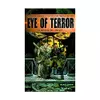
This is a re-read for me, because I read this so long ago it was before I was writing reviews of books I read. I started playing Diablo IV again and one of the adjustments they made is a new section of the game where you can do a challenging battle and then you can choose a demon to fight in the end. One of the demons you can fight is Bartuc! I remembered he was a major part of this novel, but that's about all I remembered. So, I decided to re-read the book while I was thinking about it.
Now, even when I first read the book, I did not find it to be a great book. It sort of suffered through some of the more typical "first novel" in a new setting kind of things. While Knaak is fairly experienced Fantasy author from Dragonlance when you first start working on a licensed work, I do wonder how much freedom he had in crafting this story. This is coming in on the heals of the Diablo 2 expansion pack "Lord of Destruction" and I have very fond memories of playing that game. Diablo 2 was awesome, and the way they expanded the lore from the first game was impressive. So, I'm not surprised they decided to flesh things out into a novel. Unfortunately, I suspect Knaak couldn't make any major changes to the lore or flesh out major parts of it, so all we seem to get is a side quest at best. In fact, this reads massively like a run of the mill Dungeons & Dragon tale.
Some new classes of characters you could play had been added to Diablo 2, one of which was the Necromancer. If Knaak actually played through the games, I suspect this was his character choice. Here we primarily follow the tale of Kara, a novice necromancer, who is tasked with trying to track down some cursed armor. I actually can't remember if she was checking in on it or if they knew it was gone... either way. When she gets to the caves where the armor is hidden, she finds that it is gone, which is very very bad. For this armor belongs to the famed Warlord of Blood, Bartuc. The armor is enchanted and nearly sentient and can grant its wearer untold powers.
What we learn in the first chapter is that the armor was not taken by choice. Instead a fighter named Norrec, who was technically there to loot the caves, but wasn't after the armor specifically finds himself wearing the armor against his will. Unfortunately for him, the armor is aware it is missing a piece, the helmet and it seeks to reunite itself with the whole set. So he is forced on a harrowing journey, partly on foot, where he serves as host to carry the armor from point A to B.
Meanwhile an evil general Augustus Malevoline has had the helm all along and he is searching high and low for the armor. When he finds out the armor is on the move and heading in his direction he is elated, because he is already happily wielding the evil powers bestowed on him by the helm.
Our adventure revolves around these three main characters and they are not too bad of characters to be honest. In these kinds of high fantasy fluff novels I am not expecting the deepest character development here, I am primarily expecting action level popcorn in a fantasy realm and Knaak pretty much delivers that. I really had a couple major gripes with the novel as I went, the main one being that Kara made no sense as a novice. Anything involving something like Bartuc was clearly not meant for a novice. It's an epic level quest at best, but here she is trudging along, almost always dying because she's a low level character trying to do a quest beyond her level yet. She really needed to grind some more levels before dealing with this one and whoever her necromancer leaders are were fools to send her on this. It just makes no sense in this setting. It was more like Knaak was like "oh, the game starts you at level one, so I should start there." Kara's skills never even grew as she completed more things.
The other thing that got a bit tedious throughout was how often Knaak reminded us of how hot the fantasy women were. I get it, Kara is a hot goth chick, I really don't need a constant reminder of it to be honest. I mean, most fantasy novels have attractive people that is nothing new, even Norrec is a decent looking bloke and Augustus is a clear hottie. But between Kara and the general's sorceress helper, we get told about how hot these women are way too often. I appreciated that he bothered to tell me the men were hot too, but the volume ratio just wasn't proportional.
The main quest takes a head around Lut Gholein, which was very cool, and very intentional because it was a major location in Diablo 2. But, we never really got to dive much deeper in to the world of Lut Gholein, again, probably because Knaak wasn't allowed to flesh out the lore like that, which was the real problem with the novel in the end for me.
In the end, this was a bit of a run of the mill fantasy book. It wasn't amazing and it certainly isn't a must read. It's not terrible if you need to read everything Diablo, but don't venture in thinking it will bring more insight into the realms of Diablo. If you're already a fan of the Dungeons & Dragons books published by TSR, then you can expect this to be of similar quality and style.
This is a re-read for me, because I read this so long ago it was before I was writing reviews of books I read. I started playing Diablo IV again and one of the adjustments they made is a new section of the game where you can do a challenging battle and then you can choose a demon to fight in the end. One of the demons you can fight is Bartuc! I remembered he was a major part of this novel, but that's about all I remembered. So, I decided to re-read the book while I was thinking about it.
Now, even when I first read the book, I did not find it to be a great book. It sort of suffered through some of the more typical "first novel" in a new setting kind of things. While Knaak is fairly experienced Fantasy author from Dragonlance when you first start working on a licensed work, I do wonder how much freedom he had in crafting this story. This is coming in on the heals of the Diablo 2 expansion pack "Lord of Destruction" and I have very fond memories of playing that game. Diablo 2 was awesome, and the way they expanded the lore from the first game was impressive. So, I'm not surprised they decided to flesh things out into a novel. Unfortunately, I suspect Knaak couldn't make any major changes to the lore or flesh out major parts of it, so all we seem to get is a side quest at best. In fact, this reads massively like a run of the mill Dungeons & Dragon tale.
Some new classes of characters you could play had been added to Diablo 2, one of which was the Necromancer. If Knaak actually played through the games, I suspect this was his character choice. Here we primarily follow the tale of Kara, a novice necromancer, who is tasked with trying to track down some cursed armor. I actually can't remember if she was checking in on it or if they knew it was gone... either way. When she gets to the caves where the armor is hidden, she finds that it is gone, which is very very bad. For this armor belongs to the famed Warlord of Blood, Bartuc. The armor is enchanted and nearly sentient and can grant its wearer untold powers.
What we learn in the first chapter is that the armor was not taken by choice. Instead a fighter named Norrec, who was technically there to loot the caves, but wasn't after the armor specifically finds himself wearing the armor against his will. Unfortunately for him, the armor is aware it is missing a piece, the helmet and it seeks to reunite itself with the whole set. So he is forced on a harrowing journey, partly on foot, where he serves as host to carry the armor from point A to B.
Meanwhile an evil general Augustus Malevoline has had the helm all along and he is searching high and low for the armor. When he finds out the armor is on the move and heading in his direction he is elated, because he is already happily wielding the evil powers bestowed on him by the helm.
Our adventure revolves around these three main characters and they are not too bad of characters to be honest. In these kinds of high fantasy fluff novels I am not expecting the deepest character development here, I am primarily expecting action level popcorn in a fantasy realm and Knaak pretty much delivers that. I really had a couple major gripes with the novel as I went, the main one being that Kara made no sense as a novice. Anything involving something like Bartuc was clearly not meant for a novice. It's an epic level quest at best, but here she is trudging along, almost always dying because she's a low level character trying to do a quest beyond her level yet. She really needed to grind some more levels before dealing with this one and whoever her necromancer leaders are were fools to send her on this. It just makes no sense in this setting. It was more like Knaak was like "oh, the game starts you at level one, so I should start there." Kara's skills never even grew as she completed more things.
The other thing that got a bit tedious throughout was how often Knaak reminded us of how hot the fantasy women were. I get it, Kara is a hot goth chick, I really don't need a constant reminder of it to be honest. I mean, most fantasy novels have attractive people that is nothing new, even Norrec is a decent looking bloke and Augustus is a clear hottie. But between Kara and the general's sorceress helper, we get told about how hot these women are way too often. I appreciated that he bothered to tell me the men were hot too, but the volume ratio just wasn't proportional.
The main quest takes a head around Lut Gholein, which was very cool, and very intentional because it was a major location in Diablo 2. But, we never really got to dive much deeper in to the world of Lut Gholein, again, probably because Knaak wasn't allowed to flesh out the lore like that, which was the real problem with the novel in the end for me.
In the end, this was a bit of a run of the mill fantasy book. It wasn't amazing and it certainly isn't a must read. It's not terrible if you need to read everything Diablo, but don't venture in thinking it will bring more insight into the realms of Diablo. If you're already a fan of the Dungeons & Dragons books published by TSR, then you can expect this to be of similar quality and style.


Added to listFantasywith 866 books.


Added to listScience Fictionwith 1358 books.


Added to listScience Fictionwith 1357 books.


Added to listScience Fictionwith 1356 books.


Added to listOwnedwith 1471 books.


Added to listRole Playing Gamewith 369 books.


Firstly, I do love a lot of 80's slop and I love discovering lost forgotten tales. This kind of sits in the realms of both. However, some 80's slop can be really good and well written, the rest is just not good to painfully mediocre. Sadly, I'd probably rate this in the realms of not good overall. I can really find no info on the author, it might be a pseudonym, or this Tankwar series might be a one and done for this author.
I found a few of these books at a library sale and they looked so ridiculous I had to give them a try. Bonus points because they were short and hopefully a quick read. Unfortunately, the story wound up being somewhat boring at times that I could not tear through the writing as fast as I would have liked. I also had to switch on and off with another book just to read something a little bit better. However, this entire series being lost to time, might mean I read the whole thing so someone out there has a full review of the books!
The story is primarily about the outbreak of World War III and the tank crew of an experimental tank called "No Slack" suddenly caught behind enemy lines. For whatever reason the experimental tank was in Germany and when World War III broke out as the Russians moved into the region, our intrepid tank crew found themselves needing to escape the region immediately. The book starts off with these kinds of tank action sequences and it was pretty good at first. I was somewhat hoping it would be similar to that movie Fury, which was a really fun movie. I will say, at first glance this book felt a bit like that, but rather quickly deviated.
The main character is the commander of the tank crew Sergeant Max Tag. As with a lot of military novels, the rest of the crew has plucky nicknames, which makes it annoying to read when there are too many to keep track of. Luckily this book doesn't get that bad for the reader. As they make their escape Max and his crew run into an old German buddy Holz. Who is heading up a small German unit with his sister Giesla.
...And this is where the ultra bad writing begins. Reading this in 2026 is probably very different from reading this in 1989, and I don't know if I ever would have thought about it back then, but I've seen enough lists of bad writing tropes of women to know that this pretty much checks off all the boxes. First off, she's basically the only woman in the entire novel. Like, we seriously don't encounter any others at all anywhere in this universe. Maybe this will change in future novels? I'll keep you posted. First off, I assure you this woman is very hot. Because the only woman around a warzone better be? She also has a traumatic past, to "give her character depth," I assume? Guess what happened to her? She was kidnapped and sexually assaulted multiple times. The assaulters also killed her husband and made her watch. Was this during a war? No, no it wasn't, it was during a car race... At this point we've very much lost the plot... but it gets worse.
We have a couple chapters of war action, which weren't terrible, but then we move into a 20 something page chapter about Max's past. About how awesome he was in high school, of all times. This isn't even much of a spoiler, because it has literally nothing to do with the book. It feels like it exists just to show off how awesomely cool Max must be? Anyway, this is where another woman shows up in the book, she has pretty no lines, while Max rattles on about things. You see, instead of going to prom with someone he really liked, he took pity on the homely girl and asked her to go with him to show off how great of a guy he is, I guess. It's just dumb and very bad writing all around. But low and behold she gets dressed up and now she's hot! They stop for gas and these bikers start to harass her about going with them. Now Max needs to show off how cool he is and stand up to the bikers at the gas station. He, naturally, embarasses them, but now they lie in wait after the prom and they bring the whole gang! Max challenges them to a race and wins... which solves the problem? The sheriff gets involved and forces the bikers to back down, but then Max goes and has a talk with his dad. His dad proceeds to tell him stories about Vietnam and now we have this whole Vietnam sequence in the middle of this book... what in the hell am I reading at this point? Now the plot has really been destroyed and I'm, frankly, bored out of my mind.
I'm really hoping the rest of the tank crew doesn't get these weird twenty page monologues, because then there would be almost nothing left of World War III to talk about... and while that, thankfully, doesn't happen, their backgrounds are minute blurbs. To be honest, they feel more like one sentence author notes that just got put in here and weren't fleshed out at all. So, now we know the backgrounds of everyone on the team, now we can get back to the war. The action rather drops off for quite a while as most of the time is spent running and hiding. They end up meeting up with some other Americans and with the German Jagd unit they make a break for safety. I don't know if, being American, I just don't know much about the German area, but I was getting pretty lost in their descriptions of where they were trying to go. They pretty much escaped into farm country and I imagine the areas and lands are just as nondescript as driving through those regions of the U.S.
The writing often feels a bit clunky, where the author tries to be funny or witty with his characters. Sometimes it works, but maybe I just don't know 80's military slang, because everything feels like slang at a certain point. It's also weird to have all the American soldiers throwing their slang at the Germans as if the Germans would understand what is going on... They eventually get to a farmhouse and regroup and this is where the obligatory sex scene has to occur? This was just awkward to say the least. Giesla basically trauma dumps on Max, telling him all the horrible things that were done to her and her husband when they were kidnapped. And here we find out that she was taken by a group of black men... that were in cahoots with the Russians? Does our intrepid author explain the connection, certainly not. Just throwing around things people fear at the time... but it's not a racist book, one of Max's tank crew is a black man. So it's all good right? So, after she trauma dumps, it is now time to have sex. We are, thankfully, assured that Max is very big down there, I know all of us reading it wanted to know.
Okay, now that we got that out of the way, it's time to get back to the war. I will say the actually parts where there is tank action are good. The battle sequences and final escape were good. I actually tore through the last thirty or so pages wanting to see where things would go from there. At this point, I do wonder if the following novels get better. If this is really the authors first try ever at a novel, it would explain a lot of the bad writing. Most authors first book is not well written and they have to grow into their style a lot more. I think of Clive Cussler as a staple comparison, where even he knew the first Dirk Pitt novel was not that great. Comparing the first writings to his like tenth book are night and day... maybe that will happen with Steelbaugh as the series progresses.
Outside of the action sequences this book is bogged down by all the bad writing tropes people would later identify and complain about constantly in the mid-2000's. There is none of the wackiness of the 80's I was hoping find. This is labeled as sci-fi, but it really isn't. The experimental tank isn't even all that experimental. It has some new armor coating to make it more defensive and then more powerful guns, but like... it's not run by anything super different than regular tanks. The only other major factor is that it's fast... but like, fast for a tank. This book ends up reading a lot more like a Vietnam war story, but instead of a squad making their way in the jungle, it's a tank crew. Personally, I'd give it a pass, I'm gonna read these so you don't have to! I need a break from this though... we'll see when I get around to book two.
Firstly, I do love a lot of 80's slop and I love discovering lost forgotten tales. This kind of sits in the realms of both. However, some 80's slop can be really good and well written, the rest is just not good to painfully mediocre. Sadly, I'd probably rate this in the realms of not good overall. I can really find no info on the author, it might be a pseudonym, or this Tankwar series might be a one and done for this author.
I found a few of these books at a library sale and they looked so ridiculous I had to give them a try. Bonus points because they were short and hopefully a quick read. Unfortunately, the story wound up being somewhat boring at times that I could not tear through the writing as fast as I would have liked. I also had to switch on and off with another book just to read something a little bit better. However, this entire series being lost to time, might mean I read the whole thing so someone out there has a full review of the books!
The story is primarily about the outbreak of World War III and the tank crew of an experimental tank called "No Slack" suddenly caught behind enemy lines. For whatever reason the experimental tank was in Germany and when World War III broke out as the Russians moved into the region, our intrepid tank crew found themselves needing to escape the region immediately. The book starts off with these kinds of tank action sequences and it was pretty good at first. I was somewhat hoping it would be similar to that movie Fury, which was a really fun movie. I will say, at first glance this book felt a bit like that, but rather quickly deviated.
The main character is the commander of the tank crew Sergeant Max Tag. As with a lot of military novels, the rest of the crew has plucky nicknames, which makes it annoying to read when there are too many to keep track of. Luckily this book doesn't get that bad for the reader. As they make their escape Max and his crew run into an old German buddy Holz. Who is heading up a small German unit with his sister Giesla.
...And this is where the ultra bad writing begins. Reading this in 2026 is probably very different from reading this in 1989, and I don't know if I ever would have thought about it back then, but I've seen enough lists of bad writing tropes of women to know that this pretty much checks off all the boxes. First off, she's basically the only woman in the entire novel. Like, we seriously don't encounter any others at all anywhere in this universe. Maybe this will change in future novels? I'll keep you posted. First off, I assure you this woman is very hot. Because the only woman around a warzone better be? She also has a traumatic past, to "give her character depth," I assume? Guess what happened to her? She was kidnapped and sexually assaulted multiple times. The assaulters also killed her husband and made her watch. Was this during a war? No, no it wasn't, it was during a car race... At this point we've very much lost the plot... but it gets worse.
We have a couple chapters of war action, which weren't terrible, but then we move into a 20 something page chapter about Max's past. About how awesome he was in high school, of all times. This isn't even much of a spoiler, because it has literally nothing to do with the book. It feels like it exists just to show off how awesomely cool Max must be? Anyway, this is where another woman shows up in the book, she has pretty no lines, while Max rattles on about things. You see, instead of going to prom with someone he really liked, he took pity on the homely girl and asked her to go with him to show off how great of a guy he is, I guess. It's just dumb and very bad writing all around. But low and behold she gets dressed up and now she's hot! They stop for gas and these bikers start to harass her about going with them. Now Max needs to show off how cool he is and stand up to the bikers at the gas station. He, naturally, embarasses them, but now they lie in wait after the prom and they bring the whole gang! Max challenges them to a race and wins... which solves the problem? The sheriff gets involved and forces the bikers to back down, but then Max goes and has a talk with his dad. His dad proceeds to tell him stories about Vietnam and now we have this whole Vietnam sequence in the middle of this book... what in the hell am I reading at this point? Now the plot has really been destroyed and I'm, frankly, bored out of my mind.
I'm really hoping the rest of the tank crew doesn't get these weird twenty page monologues, because then there would be almost nothing left of World War III to talk about... and while that, thankfully, doesn't happen, their backgrounds are minute blurbs. To be honest, they feel more like one sentence author notes that just got put in here and weren't fleshed out at all. So, now we know the backgrounds of everyone on the team, now we can get back to the war. The action rather drops off for quite a while as most of the time is spent running and hiding. They end up meeting up with some other Americans and with the German Jagd unit they make a break for safety. I don't know if, being American, I just don't know much about the German area, but I was getting pretty lost in their descriptions of where they were trying to go. They pretty much escaped into farm country and I imagine the areas and lands are just as nondescript as driving through those regions of the U.S.
The writing often feels a bit clunky, where the author tries to be funny or witty with his characters. Sometimes it works, but maybe I just don't know 80's military slang, because everything feels like slang at a certain point. It's also weird to have all the American soldiers throwing their slang at the Germans as if the Germans would understand what is going on... They eventually get to a farmhouse and regroup and this is where the obligatory sex scene has to occur? This was just awkward to say the least. Giesla basically trauma dumps on Max, telling him all the horrible things that were done to her and her husband when they were kidnapped. And here we find out that she was taken by a group of black men... that were in cahoots with the Russians? Does our intrepid author explain the connection, certainly not. Just throwing around things people fear at the time... but it's not a racist book, one of Max's tank crew is a black man. So it's all good right? So, after she trauma dumps, it is now time to have sex. We are, thankfully, assured that Max is very big down there, I know all of us reading it wanted to know.
Okay, now that we got that out of the way, it's time to get back to the war. I will say the actually parts where there is tank action are good. The battle sequences and final escape were good. I actually tore through the last thirty or so pages wanting to see where things would go from there. At this point, I do wonder if the following novels get better. If this is really the authors first try ever at a novel, it would explain a lot of the bad writing. Most authors first book is not well written and they have to grow into their style a lot more. I think of Clive Cussler as a staple comparison, where even he knew the first Dirk Pitt novel was not that great. Comparing the first writings to his like tenth book are night and day... maybe that will happen with Steelbaugh as the series progresses.
Outside of the action sequences this book is bogged down by all the bad writing tropes people would later identify and complain about constantly in the mid-2000's. There is none of the wackiness of the 80's I was hoping find. This is labeled as sci-fi, but it really isn't. The experimental tank isn't even all that experimental. It has some new armor coating to make it more defensive and then more powerful guns, but like... it's not run by anything super different than regular tanks. The only other major factor is that it's fast... but like, fast for a tank. This book ends up reading a lot more like a Vietnam war story, but instead of a squad making their way in the jungle, it's a tank crew. Personally, I'd give it a pass, I'm gonna read these so you don't have to! I need a break from this though... we'll see when I get around to book two.