
Themis Drakontis


A highly engaging sci-fi novel with a perfect balance of science, mystery, and emotion. Andy Weir makes complex scientific ideas easy to follow without slowing the story down, and the first-contact storyline is fascinating. My only criticism is that some moments felt a little too cinematic and Hollywood-like. Still, it's an intelligent, entertaining read that kept me hooked from beginning to end.
A highly engaging sci-fi novel with a perfect balance of science, mystery, and emotion. Andy Weir makes complex scientific ideas easy to follow without slowing the story down, and the first-contact storyline is fascinating. My only criticism is that some moments felt a little too cinematic and Hollywood-like. Still, it's an intelligent, entertaining read that kept me hooked from beginning to end.

The Palm House is a quiet, character-driven novel with an unusual structure and deeply human relationships. What begins as separate stories gradually comes together in a very satisfying way. The characters felt real and sympathetic, and the book kept me engaged until the final pages. Thoughtful, moving, and definitely worth reading.
The Palm House is a quiet, character-driven novel with an unusual structure and deeply human relationships. What begins as separate stories gradually comes together in a very satisfying way. The characters felt real and sympathetic, and the book kept me engaged until the final pages. Thoughtful, moving, and definitely worth reading.

A warm and comforting novel with a likable protagonist and a gentle atmosphere. The themes of grief, memory, and human connection are touching, but the story feels too idealized and becomes quite predictable. Despite its emotional moments, it never fully rises above being a pleasant read.
A warm and comforting novel with a likable protagonist and a gentle atmosphere. The themes of grief, memory, and human connection are touching, but the story feels too idealized and becomes quite predictable. Despite its emotional moments, it never fully rises above being a pleasant read.

Train Dreams by Denis Johnson is a brief but deeply resonant novella that follows the life of Robert Grainier, an ordinary laborer in the rapidly changing American West. Through a series of understated, episodic moments, Johnson traces Grainier’s experiences of love, loss, isolation, and endurance without ever resorting to sentimentality or dramatic explanation.
The prose is sparse and observational, almost documentary in tone, which gives the narrative a striking sense of authenticity. Tragedy is treated as part of everyday life rather than exception, and the boundary between memory, imagination, and reality often feels deliberately blurred.
What makes the novella powerful is its focus on small, fleeting moments—quiet domestic scenes, transient relationships, and the rhythms of work and nature—that accumulate into a profound meditation on time and impermanence. Even as Grainier’s life is marked by devastating loss, there is a persistent undercurrent of resilience and continuity.
The ending is intentionally understated and melancholic, reinforcing the book’s central idea: that most lives are lived in obscurity, yet still contain deep emotional and existential weight.
A subtle, haunting work—measured, humane, and quietly devastating.
Train Dreams by Denis Johnson is a brief but deeply resonant novella that follows the life of Robert Grainier, an ordinary laborer in the rapidly changing American West. Through a series of understated, episodic moments, Johnson traces Grainier’s experiences of love, loss, isolation, and endurance without ever resorting to sentimentality or dramatic explanation.
The prose is sparse and observational, almost documentary in tone, which gives the narrative a striking sense of authenticity. Tragedy is treated as part of everyday life rather than exception, and the boundary between memory, imagination, and reality often feels deliberately blurred.
What makes the novella powerful is its focus on small, fleeting moments—quiet domestic scenes, transient relationships, and the rhythms of work and nature—that accumulate into a profound meditation on time and impermanence. Even as Grainier’s life is marked by devastating loss, there is a persistent undercurrent of resilience and continuity.
The ending is intentionally understated and melancholic, reinforcing the book’s central idea: that most lives are lived in obscurity, yet still contain deep emotional and existential weight.
A subtle, haunting work—measured, humane, and quietly devastating.

Burn Down, Master's House is a powerful and often heartbreaking look at the realities of slavery and the resistance of enslaved people. While the subject matter is not new, the real-life stories make the book deeply affecting and worth reading. Clay Cane gives voice to people whose courage and suffering deserve to be remembered. Not groundbreaking, but an important and moving tribute to real human lives.
Burn Down, Master's House is a powerful and often heartbreaking look at the realities of slavery and the resistance of enslaved people. While the subject matter is not new, the real-life stories make the book deeply affecting and worth reading. Clay Cane gives voice to people whose courage and suffering deserve to be remembered. Not groundbreaking, but an important and moving tribute to real human lives.

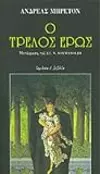
André Breton’s masterpiece is far more than a surrealist manifesto; it is a beautifully fluid, deeply romantic journey that seamlessly bridges chaotic passion with profound tenderness. Moving away from the gritty, symbolic streets of Paris to the untamed, volcanic landscapes of Tenerife, Breton explores love not as a fleeting emotion, but as a revolutionary, cosmic force.
What makes this work truly remarkable is its underlying continuity. Amidst sharp detours into political theory, cinematic nods to Buñuel, and complex psychological reflections—like his brilliant inversion of Cézanne's "The House of the Hanged Man"—the narrative never loses its core emotional anchor. The raw, untamed passion eventually gives way to an unexpected, enduring sweetness.
The final chapter, highlighted by a moving letter to his infant daughter, Aube, elevates the text from a personal love story into a timeless, universal blessing. It ultimately stands as a beautifully lyrical testament to the liberating power of absolute devotion, leaving the reader with a lasting sense of romance, warmth, and continuity.
André Breton’s masterpiece is far more than a surrealist manifesto; it is a beautifully fluid, deeply romantic journey that seamlessly bridges chaotic passion with profound tenderness. Moving away from the gritty, symbolic streets of Paris to the untamed, volcanic landscapes of Tenerife, Breton explores love not as a fleeting emotion, but as a revolutionary, cosmic force.
What makes this work truly remarkable is its underlying continuity. Amidst sharp detours into political theory, cinematic nods to Buñuel, and complex psychological reflections—like his brilliant inversion of Cézanne's "The House of the Hanged Man"—the narrative never loses its core emotional anchor. The raw, untamed passion eventually gives way to an unexpected, enduring sweetness.
The final chapter, highlighted by a moving letter to his infant daughter, Aube, elevates the text from a personal love story into a timeless, universal blessing. It ultimately stands as a beautifully lyrical testament to the liberating power of absolute devotion, leaving the reader with a lasting sense of romance, warmth, and continuity.

The Last of Earth is a beautifully written historical novel about exploration, ambition, and the people we meet along the way. While neither journey reaches its intended destination, the novel succeeds through its rich characters, emotional depth, and vivid depiction of Tibet. The parallel stories of Balram and Katherine gradually converge into a thoughtful meditation on identity, belonging, and the limits of human ambition. More than a tale of adventure, it is a story about how journeys transform us, even when we fail to reach our goals.
The Last of Earth is a beautifully written historical novel about exploration, ambition, and the people we meet along the way. While neither journey reaches its intended destination, the novel succeeds through its rich characters, emotional depth, and vivid depiction of Tibet. The parallel stories of Balram and Katherine gradually converge into a thoughtful meditation on identity, belonging, and the limits of human ambition. More than a tale of adventure, it is a story about how journeys transform us, even when we fail to reach our goals.

The Trial by Franz Kafka is a haunting existential nightmare that follows Josef K., a man suddenly arrested and drawn into a mysterious, inaccessible judicial system without ever being told his crime. As he struggles to understand and navigate this opaque world, the boundaries between justice, bureaucracy, and everyday life dissolve completely.
What makes the novel so powerful is its sense of inevitability and confusion: every attempt at clarity leads only deeper into ambiguity, and every interaction reveals another layer of an incomprehensible system. Even moments of intimacy or escape feel temporary, as the “trial” quietly spreads into every aspect of life.
Kafka creates a suffocating atmosphere where guilt seems to exist without cause and authority without explanation. The result is a deeply unsettling portrait of modern existence — one that feels both surreal and disturbingly familiar.
The Trial by Franz Kafka is a haunting existential nightmare that follows Josef K., a man suddenly arrested and drawn into a mysterious, inaccessible judicial system without ever being told his crime. As he struggles to understand and navigate this opaque world, the boundaries between justice, bureaucracy, and everyday life dissolve completely.
What makes the novel so powerful is its sense of inevitability and confusion: every attempt at clarity leads only deeper into ambiguity, and every interaction reveals another layer of an incomprehensible system. Even moments of intimacy or escape feel temporary, as the “trial” quietly spreads into every aspect of life.
Kafka creates a suffocating atmosphere where guilt seems to exist without cause and authority without explanation. The result is a deeply unsettling portrait of modern existence — one that feels both surreal and disturbingly familiar.

Kin is a rich and moving novel about family, identity, class, and the ways the world around us shapes who we become. What stayed with me most was the social environment surrounding the characters—warm and familiar, yet full of pressure, secrets, and hidden dangers. Vernice and Annie try in different ways to escape the lives they were given, one searching for stability, the other for love. Beautifully written and emotionally sharp, even if the ending felt a little abrupt.
Kin is a rich and moving novel about family, identity, class, and the ways the world around us shapes who we become. What stayed with me most was the social environment surrounding the characters—warm and familiar, yet full of pressure, secrets, and hidden dangers. Vernice and Annie try in different ways to escape the lives they were given, one searching for stability, the other for love. Beautifully written and emotionally sharp, even if the ending felt a little abrupt.


A dense but thought-provoking exploration of consciousness that combines science, philosophy, and personal insight. At times it feels overly technical and difficult to follow, but it offers rewarding ideas about the mind, the self, and the nature of experience. Its greatest strength is how it moves from complexity to a simple, almost humbling conclusion: consciousness remains a mystery, yet it is also the most immediate thing we have.
A dense but thought-provoking exploration of consciousness that combines science, philosophy, and personal insight. At times it feels overly technical and difficult to follow, but it offers rewarding ideas about the mind, the self, and the nature of experience. Its greatest strength is how it moves from complexity to a simple, almost humbling conclusion: consciousness remains a mystery, yet it is also the most immediate thing we have.