
Ethan Manning


Mesmerizing, sometimes a book doesn't sound that interesting and then you start reading and just fall into it. Like a literacy seduction. Well folks, this is that book.
Mr. Stevens is a devoted butler, he goes on a day trip and reminisces about his life and career, the people close to him, his boss. And what first seems like an impromptu memoir feels more and more deliberate, and cutting, the more the layers of the onion are peeled back.
His soul is shared with us in an orderly and restrained way, we see his personal life, his commitments, and we see his struggles to be true to his ideals and to live fully. This deeply felt, personal story is intertwined in my opinion with a direct exploration of paternalism and servitude, how these things operate in one person's life, and how they operate at a far larger scale.
This book was astounding in its combination of an emotionally rich story, with a thought provoking exploration of social themes wrapped in a narratively interesting frame. To call it a casual masterpiece might seem pejorative, but let me assure you, it is not.
Mesmerizing, sometimes a book doesn't sound that interesting and then you start reading and just fall into it. Like a literacy seduction. Well folks, this is that book.
Mr. Stevens is a devoted butler, he goes on a day trip and reminisces about his life and career, the people close to him, his boss. And what first seems like an impromptu memoir feels more and more deliberate, and cutting, the more the layers of the onion are peeled back.
His soul is shared with us in an orderly and restrained way, we see his personal life, his commitments, and we see his struggles to be true to his ideals and to live fully. This deeply felt, personal story is intertwined in my opinion with a direct exploration of paternalism and servitude, how these things operate in one person's life, and how they operate at a far larger scale.
This book was astounding in its combination of an emotionally rich story, with a thought provoking exploration of social themes wrapped in a narratively interesting frame. To call it a casual masterpiece might seem pejorative, but let me assure you, it is not.


I struggled at the end with this one, Janny Wurts sometimes writes from another century. But I still have to 5 star it, the sheer invention, the incredible scope is awe inspiring, and the send off was Tolkien-esque. Also, Wurts has developed wonderful characters throughout this series, it was a pleasure to finish their arcs. I still maintain I don't know a series that does the classical wizard archetype better, none. The magic system is clearly well mapped, never explained, and hard to read long passages of in depth but it never felt like a cop-out and like everything Wurts attempts: ambitious and with 100% commitment. The passages involving direct "divine experiences" are biblical, and often cathartic.
What an incredible journey, I want to be sailing with Arithon, or working with Dakar during the long peace.
I struggled at the end with this one, Janny Wurts sometimes writes from another century. But I still have to 5 star it, the sheer invention, the incredible scope is awe inspiring, and the send off was Tolkien-esque. Also, Wurts has developed wonderful characters throughout this series, it was a pleasure to finish their arcs. I still maintain I don't know a series that does the classical wizard archetype better, none. The magic system is clearly well mapped, never explained, and hard to read long passages of in depth but it never felt like a cop-out and like everything Wurts attempts: ambitious and with 100% commitment. The passages involving direct "divine experiences" are biblical, and often cathartic.
What an incredible journey, I want to be sailing with Arithon, or working with Dakar during the long peace.

This one had high highs. There are two mysteries set up earlier that come to fruition and boy howdy was that cool to read. This novel does a lot of work to organize and pay off things in general. Very excited for Song of the Mysteries.
This one had high highs. There are two mysteries set up earlier that come to fruition and boy howdy was that cool to read. This novel does a lot of work to organize and pay off things in general. Very excited for Song of the Mysteries.
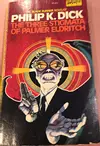
What a mind bending journey. Really interesting how knowledge of the future is worked into this story. Many characters are acting based on what they know will happen, but Chew-Z (the drug this book is about) just wrecks that reliability.
Interesting exploration of some themes of Christianity as well, in a very unique and interesting way.
PKD is an example of how you can have very efficient, simple prose with little style, but still produce amazing stories with an ocean sized helping of creativity and feeling. This is probably my favorite book of his yet.
What a mind bending journey. Really interesting how knowledge of the future is worked into this story. Many characters are acting based on what they know will happen, but Chew-Z (the drug this book is about) just wrecks that reliability.
Interesting exploration of some themes of Christianity as well, in a very unique and interesting way.
PKD is an example of how you can have very efficient, simple prose with little style, but still produce amazing stories with an ocean sized helping of creativity and feeling. This is probably my favorite book of his yet.

Very odd book. You are truly in the head of a person, there are no illusions, delusions aplenty, but pride or decency are left well behind by our narrator. And the conditions draw some harsh inhumane things out of him. I think about the story and how it is about work, being stripped of agency, and relying on other individuals to help you eat or continue to live, masters and also "partners". How much do you fight the injustice of your plight as a worker bee, what would you sacrifice to get closer to escape from the cycle? There is an interplay between wanting to walk away and also resigning oneself to the cyclical patterns of work that trap us 52 weeks a year. Be prepared to hear about sand, sand in your hair, on your clothes in your mouth, and some very evocative writing about being thirsty.
I would read Kobo Abe again.
Very odd book. You are truly in the head of a person, there are no illusions, delusions aplenty, but pride or decency are left well behind by our narrator. And the conditions draw some harsh inhumane things out of him. I think about the story and how it is about work, being stripped of agency, and relying on other individuals to help you eat or continue to live, masters and also "partners". How much do you fight the injustice of your plight as a worker bee, what would you sacrifice to get closer to escape from the cycle? There is an interplay between wanting to walk away and also resigning oneself to the cyclical patterns of work that trap us 52 weeks a year. Be prepared to hear about sand, sand in your hair, on your clothes in your mouth, and some very evocative writing about being thirsty.
I would read Kobo Abe again.


Incredibly refreshing and informative. This book could be particularly helpful to former Christians, trying to think differently about death and the afterlife.
For me Christianity as taught by parents, created a mental and cosmological box that encased all knowledge learned in life. Knowledge was 'worldly" and it always contained an asterisk, this stuff is all subject to the universe that God created and it's rules. As if God, Heaven and Hell existed totally outside of the universe.
So seeing where these ideas came from, who wrote them, who didn't write or teach them, and how contemporary philosophy and religion influenced early Christian thought, it's just made a strong case for the fact that Hell and Heaven are man made concepts. They are wishes of people who want post mortem rewards and punishments. A kind of religious coping mechanism (often for a minority group who was persecuted politically and for faith).
I liked that it summarized the ideas of the afterlife thought of by ancient writers and philosophers too (Homer, Epicurus, Lucretius). Epicurus and Lucretius managed in a couple sentences to radically change my outlook towards death. It's a shame their ideas didn't have as much influence as ones from Christianity because feel like it could lead to people living fuller lives, to being steered by one's own ambitions and joys, rather than a fear of hell.
Incredibly refreshing and informative. This book could be particularly helpful to former Christians, trying to think differently about death and the afterlife.
For me Christianity as taught by parents, created a mental and cosmological box that encased all knowledge learned in life. Knowledge was 'worldly" and it always contained an asterisk, this stuff is all subject to the universe that God created and it's rules. As if God, Heaven and Hell existed totally outside of the universe.
So seeing where these ideas came from, who wrote them, who didn't write or teach them, and how contemporary philosophy and religion influenced early Christian thought, it's just made a strong case for the fact that Hell and Heaven are man made concepts. They are wishes of people who want post mortem rewards and punishments. A kind of religious coping mechanism (often for a minority group who was persecuted politically and for faith).
I liked that it summarized the ideas of the afterlife thought of by ancient writers and philosophers too (Homer, Epicurus, Lucretius). Epicurus and Lucretius managed in a couple sentences to radically change my outlook towards death. It's a shame their ideas didn't have as much influence as ones from Christianity because feel like it could lead to people living fuller lives, to being steered by one's own ambitions and joys, rather than a fear of hell.


Really great short story. Gripping, sad, and captivating all in a few pages. I could read an entire book set in this period of the WOLAS story.
Really great short story. Gripping, sad, and captivating all in a few pages. I could read an entire book set in this period of the WOLAS story.