
Blagica Jankuloska


Kiss of Death
High Tension, Sharp Wit, and a Family to Root For
This book was a breath of fresh air. After a string of lackluster reads this month, this was a solid 4-star (B+) win. I didn’t think a vampire romance could actually make me giggle, but here we are—I’d pick up another book by this author in a heartbeat.
This is a fast-paced, dark vampire romance that leans hard into the "terrifying predator, but make it horny" trope, and it absolutely works. What I loved most was the tension in the feeding scenes; the author perfectly balances the horror of being prey with the strange intimacy that makes the best vampire stories thrive. These moments have genuine weight and atmosphere rather than feeling like paranormal romance "copypasta."
The turning point is one of the strongest beats in the novel because it completely shatters the fragile trust between the leads. Samantha’s reaction feels grounded and believable, forcing Julius to realize that protecting someone involves more than just "claiming" them.
What really rounded out the story for me was Samantha’s family. I absolutely loved her nephew, Alfie; I'm a sucker for a great kid character, and he was such a highlight. Seeing that side of her life made the stakes feel much higher. Samantha herself is far more stubborn than your typical heroine—she pushes back, argues, and calls Julius out on his nonsense. Their dialogue is witty, charming, and easily the most entertaining part of the story.
That said, it isn't without its flaws. The pacing feels uneven at times, and the dynamic occasionally drifts into a repetitive cycle of Julius intimidating and Samantha resisting. Some emotional shifts also happen a bit too quickly given the stakes. Plus, if you’re tired of the "smug, hyper-dominant" vampire archetype, Julius might test your patience.
Overall: If you want a dark romance with a dangerous lead, high-tension feeding scenes, and a heroine with a backbone, this is a fantastic choice. It’s a quick, quirky, spicy read that I managed to fly through in a single sitting. A great introduction to this author, and I am already crossing my fingers that Julius’s brother gets his own book next!
High Tension, Sharp Wit, and a Family to Root For
This book was a breath of fresh air. After a string of lackluster reads this month, this was a solid 4-star (B+) win. I didn’t think a vampire romance could actually make me giggle, but here we are—I’d pick up another book by this author in a heartbeat.
This is a fast-paced, dark vampire romance that leans hard into the "terrifying predator, but make it horny" trope, and it absolutely works. What I loved most was the tension in the feeding scenes; the author perfectly balances the horror of being prey with the strange intimacy that makes the best vampire stories thrive. These moments have genuine weight and atmosphere rather than feeling like paranormal romance "copypasta."
The turning point is one of the strongest beats in the novel because it completely shatters the fragile trust between the leads. Samantha’s reaction feels grounded and believable, forcing Julius to realize that protecting someone involves more than just "claiming" them.
What really rounded out the story for me was Samantha’s family. I absolutely loved her nephew, Alfie; I'm a sucker for a great kid character, and he was such a highlight. Seeing that side of her life made the stakes feel much higher. Samantha herself is far more stubborn than your typical heroine—she pushes back, argues, and calls Julius out on his nonsense. Their dialogue is witty, charming, and easily the most entertaining part of the story.
That said, it isn't without its flaws. The pacing feels uneven at times, and the dynamic occasionally drifts into a repetitive cycle of Julius intimidating and Samantha resisting. Some emotional shifts also happen a bit too quickly given the stakes. Plus, if you’re tired of the "smug, hyper-dominant" vampire archetype, Julius might test your patience.
Overall: If you want a dark romance with a dangerous lead, high-tension feeding scenes, and a heroine with a backbone, this is a fantastic choice. It’s a quick, quirky, spicy read that I managed to fly through in a single sitting. A great introduction to this author, and I am already crossing my fingers that Julius’s brother gets his own book next!

Worth is Not a Work-in-Progress
I’ve sat with this review for a long time. As a woman who lives, works, and loves with a disability, I finished this audiobook in one sitting, but I’ve been stuck on how to process it ever since. I’d like to preface this with the standard disclaimer: this isn’t a "bad" book, but it truly wasn’t for me. I am giving it 3 stars because I respect that everyone’s viewpoint is their own, even when it feels fundamentally at odds with my lived experience.
The synopsis leads you to believe this will be an endearing love story about Tess and Corby navigating life as a mixed-ability couple. Instead, it feels more like a cross between a memoir and a "how-to" guide—one written from the perspective of someone in deep denial about her own neurodivergence. There is a patronizing tone to the "how-to" portions that frequently toes the line of blatant ableism, particularly when discussing the "decision" to stay with a physically disabled partner.
What made this so hard to push through is that Tess and I are at very different points in our acceptance. I am at a place where I know I am a whole, beautiful human being who is simply packaged differently. Because of that, reading this felt like a step backward. It was painful to encounter a narrative that frames disability through a lens of "burden" or "chore" when I have worked so hard to cultivate a life of self-love.
I really wish we had heard more from Corby. It was disheartening to listen to him spend so much of the first half trying to convince Tess that he was even worth her attention. In my own life, my people make me feel worthy and loved daily, and I would hate to be with someone who viewed me with the kind of discomfort that made me physically cringe while listening to this.
If you are a differently abled person looking for a blueprint for love, I would suggest taking this with a grain of salt. I’m left feeling sad—not just for the couple, but for the missed opportunity for a more empowering representation of what our lives can look like. I thank the authors for their honesty, but this journey simply didn't align with the worth I know I carry.
Worth is Not a Work-in-Progress
I’ve sat with this review for a long time. As a woman who lives, works, and loves with a disability, I finished this audiobook in one sitting, but I’ve been stuck on how to process it ever since. I’d like to preface this with the standard disclaimer: this isn’t a "bad" book, but it truly wasn’t for me. I am giving it 3 stars because I respect that everyone’s viewpoint is their own, even when it feels fundamentally at odds with my lived experience.
The synopsis leads you to believe this will be an endearing love story about Tess and Corby navigating life as a mixed-ability couple. Instead, it feels more like a cross between a memoir and a "how-to" guide—one written from the perspective of someone in deep denial about her own neurodivergence. There is a patronizing tone to the "how-to" portions that frequently toes the line of blatant ableism, particularly when discussing the "decision" to stay with a physically disabled partner.
What made this so hard to push through is that Tess and I are at very different points in our acceptance. I am at a place where I know I am a whole, beautiful human being who is simply packaged differently. Because of that, reading this felt like a step backward. It was painful to encounter a narrative that frames disability through a lens of "burden" or "chore" when I have worked so hard to cultivate a life of self-love.
I really wish we had heard more from Corby. It was disheartening to listen to him spend so much of the first half trying to convince Tess that he was even worth her attention. In my own life, my people make me feel worthy and loved daily, and I would hate to be with someone who viewed me with the kind of discomfort that made me physically cringe while listening to this.
If you are a differently abled person looking for a blueprint for love, I would suggest taking this with a grain of salt. I’m left feeling sad—not just for the couple, but for the missed opportunity for a more empowering representation of what our lives can look like. I thank the authors for their honesty, but this journey simply didn't align with the worth I know I carry.

Glass Slippers and Pawn Tickets: A Cinderella Reimagining
I finished this book nearly two weeks ago, but I’ve only just found the headspace to sit down and put pen to paper about this lovely little retelling. It was well worth the wait. Every girl loves a fairytale—and while Belle has always been my favorite princess—seeing the imagination of this author and understanding why Cinderella’s stepmother could have made the choices she did was a real treat. This is one of those rare reads that stays with you. Told in a close first person, it’s a Cinderella story in setting only; once you strip away the fairy godmother, the pumpkin carriage, and the glass slipper, what you’re left with is raw survival, sharp social commentary, and women who are infinitely more interesting than any prince.
The "evil stepmother" here isn’t evil at all. She’s overworked, pragmatic, and doing the impossible to keep three girls afloat in a world that doesn’t care if they sink. She’s flawed, quick-tempered, and resentful at times, but she’s also fiercely loyal and maternal in a way that has nothing to do with blood. The stepsisters are not cruel, just tired and hardened by the grind of survival, their resentment tempered by moments of tenderness. Even the "Cinderella" figure is difficult to love, which makes the entire family dynamic so much richer and more human. There is tension, affection, and years of unspoken history running under every scene, all grounded in a historical reality where marriage is not a rescue mission but a calculated gamble.
This isn’t the romance that fairytales usually promise. While there are dances and a man who might be worth shipping with our protagonist, the real relationships here are between women. They’re messy, layered, and often infuriating, but ultimately strong. Every woman in this story carries her own scars while navigating a society that measures their worth by looks, marriage prospects, and obedience. Themes of class and gender run through every page, but they never drown the story in moralizing. Instead, they sharpen it. The stakes feel real—reputations, safety, and freedom. There’s no wand to wave; survival depends on wit, stubbornness, and the willingness to fight back.
The writing itself is intimate and immersive, with a confiding voice that makes you feel like the narrator is telling you their secrets. It’s the sort of book that draws you in so tightly that when the tension hits—whether it’s a confrontation in a crowded ballroom or a quiet, dangerous conversation behind closed doors—you feel it in your chest. The ending is not a "happily ever after" in the traditional sense, but it is far more satisfying. It’s a slow-burn, character-driven novel that replaces magic with cleverness and gowns with pawn tickets. This is a tale of strength and survival for women who want to pave their own path. I’m giving this a solid 3.5 stars and looking forward to seeing what is next from this author. The raw, honest writing is well worth your time.
Glass Slippers and Pawn Tickets: A Cinderella Reimagining
I finished this book nearly two weeks ago, but I’ve only just found the headspace to sit down and put pen to paper about this lovely little retelling. It was well worth the wait. Every girl loves a fairytale—and while Belle has always been my favorite princess—seeing the imagination of this author and understanding why Cinderella’s stepmother could have made the choices she did was a real treat. This is one of those rare reads that stays with you. Told in a close first person, it’s a Cinderella story in setting only; once you strip away the fairy godmother, the pumpkin carriage, and the glass slipper, what you’re left with is raw survival, sharp social commentary, and women who are infinitely more interesting than any prince.
The "evil stepmother" here isn’t evil at all. She’s overworked, pragmatic, and doing the impossible to keep three girls afloat in a world that doesn’t care if they sink. She’s flawed, quick-tempered, and resentful at times, but she’s also fiercely loyal and maternal in a way that has nothing to do with blood. The stepsisters are not cruel, just tired and hardened by the grind of survival, their resentment tempered by moments of tenderness. Even the "Cinderella" figure is difficult to love, which makes the entire family dynamic so much richer and more human. There is tension, affection, and years of unspoken history running under every scene, all grounded in a historical reality where marriage is not a rescue mission but a calculated gamble.
This isn’t the romance that fairytales usually promise. While there are dances and a man who might be worth shipping with our protagonist, the real relationships here are between women. They’re messy, layered, and often infuriating, but ultimately strong. Every woman in this story carries her own scars while navigating a society that measures their worth by looks, marriage prospects, and obedience. Themes of class and gender run through every page, but they never drown the story in moralizing. Instead, they sharpen it. The stakes feel real—reputations, safety, and freedom. There’s no wand to wave; survival depends on wit, stubbornness, and the willingness to fight back.
The writing itself is intimate and immersive, with a confiding voice that makes you feel like the narrator is telling you their secrets. It’s the sort of book that draws you in so tightly that when the tension hits—whether it’s a confrontation in a crowded ballroom or a quiet, dangerous conversation behind closed doors—you feel it in your chest. The ending is not a "happily ever after" in the traditional sense, but it is far more satisfying. It’s a slow-burn, character-driven novel that replaces magic with cleverness and gowns with pawn tickets. This is a tale of strength and survival for women who want to pave their own path. I’m giving this a solid 3.5 stars and looking forward to seeing what is next from this author. The raw, honest writing is well worth your time.

The Grown-Up in the Room
Am I doing it again? Having the "unpopular opinion" about a beloved series that everyone else is ready to die for? Probably.
Look, I get it. Jenny Han is a master of that specific, coming-of-age ache. She writes with a warmth that makes the pages fly like popcorn, and I totally see why this story "knows" so many readers. If you’re hunting for those dizzy highs and devastating lows of a first kiss, she delivers it in spades. But if I’m being honest? I’m mostly here for the moms.
While the rest of the world is busy picking teams for Conrad or Jeremiah, I was over here highlighting every single scene between Laurel and Susannah. I found myself deeply invested in their history, their health, and the raw, grounded reality of their friendship—so much so that the central love triangle actually felt like the "side plot" to me.
I’m giving this a lower rating not because the writing isn't "tender and human," but because the stakes I cared about weren't the ones I was supposed to be focused on. I might keep going if it fits a specific readathon prompt later this year, but for now, I’m okay with being the lone voice on the shore while everyone else sets sail on the SS Love Triangle.
Sometimes the most "magical, formative" part of summer isn't the romance—it’s the people who’ve been there through it all.
The Grown-Up in the Room
Am I doing it again? Having the "unpopular opinion" about a beloved series that everyone else is ready to die for? Probably.
Look, I get it. Jenny Han is a master of that specific, coming-of-age ache. She writes with a warmth that makes the pages fly like popcorn, and I totally see why this story "knows" so many readers. If you’re hunting for those dizzy highs and devastating lows of a first kiss, she delivers it in spades. But if I’m being honest? I’m mostly here for the moms.
While the rest of the world is busy picking teams for Conrad or Jeremiah, I was over here highlighting every single scene between Laurel and Susannah. I found myself deeply invested in their history, their health, and the raw, grounded reality of their friendship—so much so that the central love triangle actually felt like the "side plot" to me.
I’m giving this a lower rating not because the writing isn't "tender and human," but because the stakes I cared about weren't the ones I was supposed to be focused on. I might keep going if it fits a specific readathon prompt later this year, but for now, I’m okay with being the lone voice on the shore while everyone else sets sail on the SS Love Triangle.
Sometimes the most "magical, formative" part of summer isn't the romance—it’s the people who’ve been there through it all.

Hook, Line, but No Sinker
Every year, I try to be a team player when I join a readathon by choosing books that push me way beyond my comfort zone. This time, I have to say: I wish I had just closed the book after chapter one.
It looked so enticing on my shelf, and when I finally had it in my hands, I was brimming with excitement. I’d read the first few pages a while back and knew it was the kind of story that grabs you from the get-go.
Unfortunately, that was the only time it truly had me. It grabbed me at the start and let me go about 75 pages in. The whole premise of "conceptual" sharks and predators was just… weird. Once I realized the entire book revolved around this world of "un-space"—where conceptual fish recognize your personality and erase your memories—I felt cheated. Apparently, these sharks even hold grudges, "nibbling" at you until there's nothing left if they catch a hint of your essence floating around.
The point is, I just didn't dig it. I know many people love this story, but it wasn't a matter of not understanding the plot—I simply didn't like where the plot was going. I prefer living in the real world or a fully realized fantasy world, rather than a purely conceptual one.
I did enjoy the character of Clio (or Scout). Assuming she’s named after the Muse of History, it’s a very neat tie-in to the themes of memory. She’s a fantastic role model, but I would have much preferred to see her story play out in a different setting.
Try it out and see for yourself—I truly believe every book means something different to every reader!
Hook, Line, but No Sinker
Every year, I try to be a team player when I join a readathon by choosing books that push me way beyond my comfort zone. This time, I have to say: I wish I had just closed the book after chapter one.
It looked so enticing on my shelf, and when I finally had it in my hands, I was brimming with excitement. I’d read the first few pages a while back and knew it was the kind of story that grabs you from the get-go.
Unfortunately, that was the only time it truly had me. It grabbed me at the start and let me go about 75 pages in. The whole premise of "conceptual" sharks and predators was just… weird. Once I realized the entire book revolved around this world of "un-space"—where conceptual fish recognize your personality and erase your memories—I felt cheated. Apparently, these sharks even hold grudges, "nibbling" at you until there's nothing left if they catch a hint of your essence floating around.
The point is, I just didn't dig it. I know many people love this story, but it wasn't a matter of not understanding the plot—I simply didn't like where the plot was going. I prefer living in the real world or a fully realized fantasy world, rather than a purely conceptual one.
I did enjoy the character of Clio (or Scout). Assuming she’s named after the Muse of History, it’s a very neat tie-in to the themes of memory. She’s a fantastic role model, but I would have much preferred to see her story play out in a different setting.
Try it out and see for yourself—I truly believe every book means something different to every reader!


The Best Mistake on My Floor
I have a confession to make, wrapped in an apology: The Will of the Many has been sitting on my floor since December. I bought it on a bookstore whim after a recommendation, but I wasn't sure if the story would truly be "for me."
This was actually a book club pick, and I have to admit—the ladies in my group who told me to stick it out through the slow start were so right!
I finally cracked it open on February 22nd, and I haven’t been able to put it down since. I finished it today, and I’m kicking myself for waiting so long. Not only was it "for me," it is easily a favorite of 2026.
The worldbuilding is masterful—detailed and immersive without ever lapsing into "info-dumps." As someone who mostly writes poetry, I found myself in awe of the prose and the scale of the storytelling; I truly wish I could write like that. The plot was twisty enough to surprise me, and the characters were incredibly well-developed.
Vis, in particular, is a standout. It is so refreshing to follow a competent, intelligent protagonist who avoids the typical "teenage lead" pitfalls. He is intelligent, intriguing, and courageous; while he’s definitely not perfect, I was rooting for him almost immediately.
The setting is a “Post-Cataclysmic,” Roman-Empire-reminiscent world with a strict, caste-like hierarchy. Everyone in the empire “cedes” a portion of their “Will” to the levels above them in a pyramid structure, leaving the highest levels with tremendous power. This raises fascinating questions about autonomy and the impact of staying silent within "the system." Even though we aren't ceding actual tangible power in our daily lives, the concept made me think deeply about how many things we lend our silent support to just to avoid risking our comfort zones or social popularity.
At no point did the book’s length feel like a burden; on the contrary, my only fear while reading was that it would end before I was ready. The ending was satisfying and certainly a cliffhanger, but not as bad as I’d feared.
I’ll be picking up book two, The Strength of the Few, as soon as the snow melts around here in NJ—especially since we’re due for even more snow this Monday! If you’re looking for an adventurous fantasy with multi-dimensional characters, thought-provoking themes, and dark political academia vibes, this book might just thrill you as much as it did me.
The Best Mistake on My Floor
I have a confession to make, wrapped in an apology: The Will of the Many has been sitting on my floor since December. I bought it on a bookstore whim after a recommendation, but I wasn't sure if the story would truly be "for me."
This was actually a book club pick, and I have to admit—the ladies in my group who told me to stick it out through the slow start were so right!
I finally cracked it open on February 22nd, and I haven’t been able to put it down since. I finished it today, and I’m kicking myself for waiting so long. Not only was it "for me," it is easily a favorite of 2026.
The worldbuilding is masterful—detailed and immersive without ever lapsing into "info-dumps." As someone who mostly writes poetry, I found myself in awe of the prose and the scale of the storytelling; I truly wish I could write like that. The plot was twisty enough to surprise me, and the characters were incredibly well-developed.
Vis, in particular, is a standout. It is so refreshing to follow a competent, intelligent protagonist who avoids the typical "teenage lead" pitfalls. He is intelligent, intriguing, and courageous; while he’s definitely not perfect, I was rooting for him almost immediately.
The setting is a “Post-Cataclysmic,” Roman-Empire-reminiscent world with a strict, caste-like hierarchy. Everyone in the empire “cedes” a portion of their “Will” to the levels above them in a pyramid structure, leaving the highest levels with tremendous power. This raises fascinating questions about autonomy and the impact of staying silent within "the system." Even though we aren't ceding actual tangible power in our daily lives, the concept made me think deeply about how many things we lend our silent support to just to avoid risking our comfort zones or social popularity.
At no point did the book’s length feel like a burden; on the contrary, my only fear while reading was that it would end before I was ready. The ending was satisfying and certainly a cliffhanger, but not as bad as I’d feared.
I’ll be picking up book two, The Strength of the Few, as soon as the snow melts around here in NJ—especially since we’re due for even more snow this Monday! If you’re looking for an adventurous fantasy with multi-dimensional characters, thought-provoking themes, and dark political academia vibes, this book might just thrill you as much as it did me.
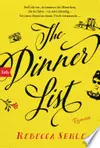
Five Guests, One Table: A Feast of Forgiveness
If you could have dinner with any five people, living or dead, who would you pick?" It’s a classic icebreaker, but after finishing this book, I’ve spent most of my day actually trying to answer it.
I originally picked this up to check off a few readathon prompts, but I was pleasantly surprised by how much it moved me. I listened to the audiobook, and having the author narrate it added a beautiful layer of intimacy—you can really feel her vision coming to life.
The story follows Sabrina on her 30th birthday. Expecting a quiet meal with her best friend, she instead finds her "Dinner List" waiting for her: her best friend Jessica, her lost love Tobias, her absentee father Robert, her old philosophy professor, and—most unexpectedly—Audrey Hepburn.
As the clock ticks toward midnight, the story weaves between the dinner and Sabrina’s past. It’s a somber, deeply original exploration of regret and realization. As the book reminds us: "We are all just the stories we tell ourselves." Watching Sabrina navigate those stories and her own emotional journey was incredibly rewarding.
Five Guests, One Table: A Feast of Forgiveness
If you could have dinner with any five people, living or dead, who would you pick?" It’s a classic icebreaker, but after finishing this book, I’ve spent most of my day actually trying to answer it.
I originally picked this up to check off a few readathon prompts, but I was pleasantly surprised by how much it moved me. I listened to the audiobook, and having the author narrate it added a beautiful layer of intimacy—you can really feel her vision coming to life.
The story follows Sabrina on her 30th birthday. Expecting a quiet meal with her best friend, she instead finds her "Dinner List" waiting for her: her best friend Jessica, her lost love Tobias, her absentee father Robert, her old philosophy professor, and—most unexpectedly—Audrey Hepburn.
As the clock ticks toward midnight, the story weaves between the dinner and Sabrina’s past. It’s a somber, deeply original exploration of regret and realization. As the book reminds us: "We are all just the stories we tell ourselves." Watching Sabrina navigate those stories and her own emotional journey was incredibly rewarding.

Brilliance Built on Secrets: Why Blood Over Bright Haven Left Me Gutted
Blood Over Bright Haven by M.L. Wang is a dark, cerebral fantasy that lingers long after the final page. This was my first read by this author, and I’m honestly still reeling. This isn’t a simple story about heroes and villains; it’s a searing examination of ambition, privilege, and the true cost of progress.
The book follows Sciona Freynan, the first woman admitted to the High Magistry after twenty years of relentless sacrifice. Despite her brilliance, she is isolated by her male peers and denied a proper assistant. Instead, she is paired with Thomil, a janitor whose quiet exterior masks a profound history of pain. As their paths collide, Sciona’s hunger for magical discovery meets Thomil’s search for the truth behind his people’s tragedy. What they uncover about the city’s prosperity is horrifying, dismantling everything they believed about magic and morality.
Wang’s prose is razor-sharp, blending academic precision with haunting emotion. The magic system feels refreshingly industrial—a methodical hybrid of science and sorcery rather than just "sparkles." While some sections are dense, every detail ties into a larger picture of systemic exploitation.
Sciona is not an easy character to love, but she is brilliantly written: ambitious, flawed, and achingly human. Thomil’s quiet strength provides the perfect counterbalance, and their evolving dynamic is deeply moving. The final act left me gutted; there are no neat resolutions here, just the uncomfortable truth that change often demands unbearable sacrifice.
I’m landing on 4 stars—mostly because the weight of that ending is so heavy it’s a lot to process! If you enjoy moral and academic complexity paired with real emotional depth, this one will absolutely stay with you. Dark, intricate, and unforgettable
Brilliance Built on Secrets: Why Blood Over Bright Haven Left Me Gutted
Blood Over Bright Haven by M.L. Wang is a dark, cerebral fantasy that lingers long after the final page. This was my first read by this author, and I’m honestly still reeling. This isn’t a simple story about heroes and villains; it’s a searing examination of ambition, privilege, and the true cost of progress.
The book follows Sciona Freynan, the first woman admitted to the High Magistry after twenty years of relentless sacrifice. Despite her brilliance, she is isolated by her male peers and denied a proper assistant. Instead, she is paired with Thomil, a janitor whose quiet exterior masks a profound history of pain. As their paths collide, Sciona’s hunger for magical discovery meets Thomil’s search for the truth behind his people’s tragedy. What they uncover about the city’s prosperity is horrifying, dismantling everything they believed about magic and morality.
Wang’s prose is razor-sharp, blending academic precision with haunting emotion. The magic system feels refreshingly industrial—a methodical hybrid of science and sorcery rather than just "sparkles." While some sections are dense, every detail ties into a larger picture of systemic exploitation.
Sciona is not an easy character to love, but she is brilliantly written: ambitious, flawed, and achingly human. Thomil’s quiet strength provides the perfect counterbalance, and their evolving dynamic is deeply moving. The final act left me gutted; there are no neat resolutions here, just the uncomfortable truth that change often demands unbearable sacrifice.
I’m landing on 4 stars—mostly because the weight of that ending is so heavy it’s a lot to process! If you enjoy moral and academic complexity paired with real emotional depth, this one will absolutely stay with you. Dark, intricate, and unforgettable

Outwheeling Expectations
I swear I didn’t skip reading this in school—it simply was never assigned to me. It wasn't until my nephew had it for homework that I finally picked it up, or rather, borrowed the audiobook narrated by Sissy Spacek. While he struggled through the typical student "stop and start," I found myself completely captivated, finishing the entire thing in a single sitting. experiencing it as an adult gave me a perspective I don't think I would have had as a teenager, especially because I know what it’s like to have people look at you and decide who you are before you’ve even spoken.
Oftentimes in my younger years, people would look at my wheelchair and assume I had no brain in my head. There was this frustrating, unspoken belief that because my legs didn't work, my brain didn't either. I’ve since proven those assumptions wrong by graduating in the top 10% of my high school class and completing college, but that feeling of being underestimated is exactly why Scout’s journey hit home for me. She is constantly under siege by a society trying to tell her who to be and what it means to be "female," yet she remains adamant about her own identity.
Scout couldn't care less about the performative expectations of the 1930s South. To her, the "Southern Lady" ideal is a cage made of stiff dresses, sitting perfectly upright in chairs with knees pressed together, and wearing shoes you can't actually walk—or run—in. She wants to play, get dirty, and exist as an equal to her brother. Her resistance isn't just childhood rebellion; it’s a fundamental refusal to let a rigid social hierarchy dictate her worth. It is truly incredible to imagine that this was published in 1960, long before the internet gave us the digital communities to validate these kinds of internal struggles. Scout was navigating her own "otherness" entirely on her own intuition.
This theme of being misunderstood by society ties beautifully into the character of Boo Radley. If Scout represents the fight to be seen for who she is, Boo represents the tragedy of being defined by what people fear. In a town that labels him a "monster" due to his reclusiveness, he remains the story's most silent, protective heart. Much like Scout refuses to fit into the "lady" box, Boo refuses to fit into the "villain" box the neighborhood created for him. When Scout finally stands on his porch at the end, she isn't just seeing a neighbor; she’s acknowledging a shared humanity that Maycomb’s labels tried to erase. Both characters remind us that the most important thing you can be is exactly who you are, regardless of the "boxes" or wheelchairs or shoes society tries to use to define you.
Outwheeling Expectations
I swear I didn’t skip reading this in school—it simply was never assigned to me. It wasn't until my nephew had it for homework that I finally picked it up, or rather, borrowed the audiobook narrated by Sissy Spacek. While he struggled through the typical student "stop and start," I found myself completely captivated, finishing the entire thing in a single sitting. experiencing it as an adult gave me a perspective I don't think I would have had as a teenager, especially because I know what it’s like to have people look at you and decide who you are before you’ve even spoken.
Oftentimes in my younger years, people would look at my wheelchair and assume I had no brain in my head. There was this frustrating, unspoken belief that because my legs didn't work, my brain didn't either. I’ve since proven those assumptions wrong by graduating in the top 10% of my high school class and completing college, but that feeling of being underestimated is exactly why Scout’s journey hit home for me. She is constantly under siege by a society trying to tell her who to be and what it means to be "female," yet she remains adamant about her own identity.
Scout couldn't care less about the performative expectations of the 1930s South. To her, the "Southern Lady" ideal is a cage made of stiff dresses, sitting perfectly upright in chairs with knees pressed together, and wearing shoes you can't actually walk—or run—in. She wants to play, get dirty, and exist as an equal to her brother. Her resistance isn't just childhood rebellion; it’s a fundamental refusal to let a rigid social hierarchy dictate her worth. It is truly incredible to imagine that this was published in 1960, long before the internet gave us the digital communities to validate these kinds of internal struggles. Scout was navigating her own "otherness" entirely on her own intuition.
This theme of being misunderstood by society ties beautifully into the character of Boo Radley. If Scout represents the fight to be seen for who she is, Boo represents the tragedy of being defined by what people fear. In a town that labels him a "monster" due to his reclusiveness, he remains the story's most silent, protective heart. Much like Scout refuses to fit into the "lady" box, Boo refuses to fit into the "villain" box the neighborhood created for him. When Scout finally stands on his porch at the end, she isn't just seeing a neighbor; she’s acknowledging a shared humanity that Maycomb’s labels tried to erase. Both characters remind us that the most important thing you can be is exactly who you are, regardless of the "boxes" or wheelchairs or shoes society tries to use to define you.

Broken Records and Missing Noses: A Decade-Long Reviewer’s Take on Yellowface
I really wanted to like this one because I loved Katabasis so much, but in the end, it was just okay. I know I should say more, but that is simply where I have landed this evening—I just expected more. I think what I missed was the specific magic that was in the first book I read. Yellowface is meant to be a drama and a dark satire; it’s hilariously grim and grimly hilarious to anyone who’s ever needed to close a book and "touch grass," and it is certainly interesting to anyone moderately familiar with the inner workings of publishing. However, the prose isn’t Katabasis, where I was stopping every page to savor the writing style. While this is fast-paced and fairly easy to get through, I’m torn about whether it just didn’t work for me personally or if I’m being picky. For that reason, I’ve decided to round up to a 3.
As someone who has been an active reviewer on Goodreads since 2013—reading and reviewing way too many books to count—there was a specific, gritty satisfaction in seeing R.F. Kuang lay the publishing industry bare. She navigates the toxic clockwork of cancel culture and the high-stakes theater of social media with surgical precision. However, after over a decade of documenting the world of books, I found the experience of living inside Juniper’s head genuinely exhausting. There is a fine line between a story being about a "relentless cycle" and the story actually becoming one; the plot seemed to spin its wheels, retreading the same emotional ground three or four times over just a few hundred pages. While this redundancy might be a deliberate stylistic choice to mirror the "broken record" nature of online discourse, it felt somewhat blasé to rattle through these events without the searing emotional depth I know Kuang is capable of.
For many, the appeal will lie in this short, snappy autopsy of Twitter's worst impulses, but for a seasoned reviewer, the satire eventually gave way to a sense of being tired—which, perhaps, is the most meta commentary of all. Established fans of Kuang’s more lyrical, immersive work should definitely adjust their expectations, as this is a jarring departure from her usual magic. I’m rounding up to a three-star rating despite being so torn, though I can’t end without mentioning my ultimate "personal ick": the cover art. Call me traditional, but if you’re going to put any face on a book, it really needs a nose. Between the faceless gaze and an ending that feels like a blatant sequel-hook, I’m walking away from this one feeling more drained than enlightened.
Broken Records and Missing Noses: A Decade-Long Reviewer’s Take on Yellowface
I really wanted to like this one because I loved Katabasis so much, but in the end, it was just okay. I know I should say more, but that is simply where I have landed this evening—I just expected more. I think what I missed was the specific magic that was in the first book I read. Yellowface is meant to be a drama and a dark satire; it’s hilariously grim and grimly hilarious to anyone who’s ever needed to close a book and "touch grass," and it is certainly interesting to anyone moderately familiar with the inner workings of publishing. However, the prose isn’t Katabasis, where I was stopping every page to savor the writing style. While this is fast-paced and fairly easy to get through, I’m torn about whether it just didn’t work for me personally or if I’m being picky. For that reason, I’ve decided to round up to a 3.
As someone who has been an active reviewer on Goodreads since 2013—reading and reviewing way too many books to count—there was a specific, gritty satisfaction in seeing R.F. Kuang lay the publishing industry bare. She navigates the toxic clockwork of cancel culture and the high-stakes theater of social media with surgical precision. However, after over a decade of documenting the world of books, I found the experience of living inside Juniper’s head genuinely exhausting. There is a fine line between a story being about a "relentless cycle" and the story actually becoming one; the plot seemed to spin its wheels, retreading the same emotional ground three or four times over just a few hundred pages. While this redundancy might be a deliberate stylistic choice to mirror the "broken record" nature of online discourse, it felt somewhat blasé to rattle through these events without the searing emotional depth I know Kuang is capable of.
For many, the appeal will lie in this short, snappy autopsy of Twitter's worst impulses, but for a seasoned reviewer, the satire eventually gave way to a sense of being tired—which, perhaps, is the most meta commentary of all. Established fans of Kuang’s more lyrical, immersive work should definitely adjust their expectations, as this is a jarring departure from her usual magic. I’m rounding up to a three-star rating despite being so torn, though I can’t end without mentioning my ultimate "personal ick": the cover art. Call me traditional, but if you’re going to put any face on a book, it really needs a nose. Between the faceless gaze and an ending that feels like a blatant sequel-hook, I’m walking away from this one feeling more drained than enlightened.
Updated a reading goal:
Read 1 book in 2026
Progress so far: 25 / 1 2500%

The Hidden Interconnections of a Quiet Life
There is a unique satisfaction in finally crossing a long-time resident off my TBR list. This particular gem had been sitting on my Kindle for over a year, ever since I went on a hunt for authors with New Jersey roots. It proved to be a beautiful, bittersweet journey—the kind of story that lingers in your mind long after the final page is turned.
The narrative follows Eddie, a maintenance worker at Ruby’s Pier, on his 83rd birthday. What begins as just another day at the amusement park ends in a tragic, heroic accident. Upon his death, Eddie begins an afterlife journey where he meets five people who shaped his soul. Each encounter reveals a vital lesson, proving that although Eddie viewed himself as a "nobody" with no fame or fortune, his footprint on the world was actually a profound stride.
While the story’s structural resemblance to It’s a Wonderful Life was sweet and engaging, I found the overall pace almost too brisk for the gravity of the subject matter. There is a deep beauty in Eddie’s journey, but because the book is so lean, I often felt whisked from one life-altering revelation to the next. At such a short length, I wanted more space to breathe—to truly simmer in the grief, the regret, and the eventual peace of one encounter before being introduced to the next soul.
Exploring the ripple effects of a single life is heavy work, and I felt the narrative could have benefited from a few more chapters to let those emotional beats truly resonate. I’m currently tackling a 700-page "chunker" that is demanding all my focus; otherwise, I’d be diving into the sequel, The Next Person You Meet in Heaven, immediately.
The Hidden Interconnections of a Quiet Life
There is a unique satisfaction in finally crossing a long-time resident off my TBR list. This particular gem had been sitting on my Kindle for over a year, ever since I went on a hunt for authors with New Jersey roots. It proved to be a beautiful, bittersweet journey—the kind of story that lingers in your mind long after the final page is turned.
The narrative follows Eddie, a maintenance worker at Ruby’s Pier, on his 83rd birthday. What begins as just another day at the amusement park ends in a tragic, heroic accident. Upon his death, Eddie begins an afterlife journey where he meets five people who shaped his soul. Each encounter reveals a vital lesson, proving that although Eddie viewed himself as a "nobody" with no fame or fortune, his footprint on the world was actually a profound stride.
While the story’s structural resemblance to It’s a Wonderful Life was sweet and engaging, I found the overall pace almost too brisk for the gravity of the subject matter. There is a deep beauty in Eddie’s journey, but because the book is so lean, I often felt whisked from one life-altering revelation to the next. At such a short length, I wanted more space to breathe—to truly simmer in the grief, the regret, and the eventual peace of one encounter before being introduced to the next soul.
Exploring the ripple effects of a single life is heavy work, and I felt the narrative could have benefited from a few more chapters to let those emotional beats truly resonate. I’m currently tackling a 700-page "chunker" that is demanding all my focus; otherwise, I’d be diving into the sequel, The Next Person You Meet in Heaven, immediately.

Popcorn-Psych Thriller Mix
I first dipped into the Winchester household back in 2023, but a recent readathon and a "Yellow Cover" challenge brought me back for a second look. That new movie-tie-in edition is aggressively yellow, making it the perfect trophy for the challenge—and honestly, I enjoyed the story even more this time around!
This psychological thriller is the ultimate "bucket of popcorn" read: salty, addictive, and impossible to put down. We follow Millie, an ex-con fighting for a fresh start, who lands a live-in maid gig for the ultra-wealthy Nina Winchester. Nina is the boss from hell—messy, erratic, and seemingly unhinged—while her husband, Andrew, appears to be the perfect, handsome saint for putting up with her.
As Millie finds herself falling for Andrew and questioning the family’s polished exterior, the story takes a jagged, chaotic turn. While some plot points require a bit of a "suspension of disbelief," the pacing is masterful. The first half belongs to Millie, but the second act flips the script to Nina’s perspective, revealing the dark, messy reality behind the "perfect" marriage.
If you love the high-drama energy of a Lifetime movie, this is a must-read. It’s full of sharp twists and binge-worthy chapters that hit even harder on a reread. Still a solid 4 stars!
Popcorn-Psych Thriller Mix
I first dipped into the Winchester household back in 2023, but a recent readathon and a "Yellow Cover" challenge brought me back for a second look. That new movie-tie-in edition is aggressively yellow, making it the perfect trophy for the challenge—and honestly, I enjoyed the story even more this time around!
This psychological thriller is the ultimate "bucket of popcorn" read: salty, addictive, and impossible to put down. We follow Millie, an ex-con fighting for a fresh start, who lands a live-in maid gig for the ultra-wealthy Nina Winchester. Nina is the boss from hell—messy, erratic, and seemingly unhinged—while her husband, Andrew, appears to be the perfect, handsome saint for putting up with her.
As Millie finds herself falling for Andrew and questioning the family’s polished exterior, the story takes a jagged, chaotic turn. While some plot points require a bit of a "suspension of disbelief," the pacing is masterful. The first half belongs to Millie, but the second act flips the script to Nina’s perspective, revealing the dark, messy reality behind the "perfect" marriage.
If you love the high-drama energy of a Lifetime movie, this is a must-read. It’s full of sharp twists and binge-worthy chapters that hit even harder on a reread. Still a solid 4 stars!

The Whale, the Raft, and the Remarkable: 118 Days Adrift
Twice a year, I join a ten-day readathon that pushes me way out of my literary comfort zone, and that is exactly how I found this gem. I’m still finding my footing in non-fiction and genres I don’t normally pick up, but I’m so glad I followed a recommendation from a consumer at work—her taste was spot on. I found this one on Libby, and since it’s on a huge number of "must-read" lists, I can see why so many people loved it.
The story follows Maurice and Maralyn, a British couple from Derby who sparked a plan to sell their home and live meagerly while Maurice oversaw the construction of their boat. After they finally quit their jobs, they set sail for New Zealand in June 1972 with a clear division of responsibilities: his was navigation, and hers was provisions. However, nine months into their journey and just after passing through the Panama Canal, disaster struck when a breaching whale hit their sailboat. It sank almost instantly, leaving them with only what they could scramble to gather into an inflatable liferaft and a small dinghy. They shared that cramped, precarious space for the next 118 days.
What makes this book stand out is Sophie Elmhirst’s lyrical and engaging writing style. It reads more like a historical fiction novel than a biographical memoir; Maurice and Maralyn are so fully fleshed out that they feel like characters in a masterpiece. At times, their sheer endurance seemed unbelievable, but the reality of their circumstances at sea was horribly, vividly real. I experienced this through the audiobook, and Marisa Calin’s narration—with her breathy, pausing British accent—was the perfect voice for this narrative. It held my attention completely and made the experience feel truly immersive.
Overall, I gave this 4 stars. It is a fascinating, unforgettable true story of shared isolation and human resourcefulness. But on a personal note: this will never be me. Too much water—no thank you!
The Whale, the Raft, and the Remarkable: 118 Days Adrift
Twice a year, I join a ten-day readathon that pushes me way out of my literary comfort zone, and that is exactly how I found this gem. I’m still finding my footing in non-fiction and genres I don’t normally pick up, but I’m so glad I followed a recommendation from a consumer at work—her taste was spot on. I found this one on Libby, and since it’s on a huge number of "must-read" lists, I can see why so many people loved it.
The story follows Maurice and Maralyn, a British couple from Derby who sparked a plan to sell their home and live meagerly while Maurice oversaw the construction of their boat. After they finally quit their jobs, they set sail for New Zealand in June 1972 with a clear division of responsibilities: his was navigation, and hers was provisions. However, nine months into their journey and just after passing through the Panama Canal, disaster struck when a breaching whale hit their sailboat. It sank almost instantly, leaving them with only what they could scramble to gather into an inflatable liferaft and a small dinghy. They shared that cramped, precarious space for the next 118 days.
What makes this book stand out is Sophie Elmhirst’s lyrical and engaging writing style. It reads more like a historical fiction novel than a biographical memoir; Maurice and Maralyn are so fully fleshed out that they feel like characters in a masterpiece. At times, their sheer endurance seemed unbelievable, but the reality of their circumstances at sea was horribly, vividly real. I experienced this through the audiobook, and Marisa Calin’s narration—with her breathy, pausing British accent—was the perfect voice for this narrative. It held my attention completely and made the experience feel truly immersive.
Overall, I gave this 4 stars. It is a fascinating, unforgettable true story of shared isolation and human resourcefulness. But on a personal note: this will never be me. Too much water—no thank you!

From Trigger to Tool: A Journey Through Ableism
I’ve spent the last hour sitting with my thoughts, trying to digest this book—not only because I loved the visibility it provides for the disability community, but because I see so much of myself reflected in its pages. This is easily one of the most vulnerable reviews I will write this month. I won't say "this year," because after reading this, I am making it my mission to seek out more books by disabled authors and dive deeper into these topics. While I work with a diverse population, navigating life in a wheelchair is my personal reality. I have lost friends because of it, but through those experiences, I have gained a clear understanding of what I am willing to put up with and which barriers I am determined to break.
The word "ableism"—defined by the Oxford English Dictionary as discrimination in favor of able-bodied people—is a term that no longer triggers me. We are not a "handicapped" community; we are handicapable. This book opened my eyes to why a truly accessible society is a world worth working toward, even if it is currently hard to imagine and requires much more effort. Taussig educates her readers by revealing assumptions they didn't even know they had, helping them see through an often-overlooked lens as she reflects on her life as a disabled person.
I want to acknowledge that this is not every disabled person’s lens, nor does it capture all the dark times we go through, but it provides the framework for someone like me to feel seen and heard. This book makes you think deeper about how making accommodating changes to help one group actually helps everyone. It teaches that many social norms and stereotypes are simply incorrect and shows that we must put ourselves in others' experiences before we can truly understand them.
I really enjoyed learning from Rebecca and hope to continue educating myself on how disability is seen, talked about, and approached. I definitely want more insight and look forward to exploring the resources Taussig mentions at the end. I gave this 4 stars only because it is a fairly short book; I would have liked the anecdotes to be a little more fluid or to go into a bit more detail. That said, the author’s narration on the audio version was fab. My heart is full knowing that I know what love feels like and that my body and wheelchair are normal to me now—I just hope that one day, they become the "new normal" for everyone else, too.
From Trigger to Tool: A Journey Through Ableism
I’ve spent the last hour sitting with my thoughts, trying to digest this book—not only because I loved the visibility it provides for the disability community, but because I see so much of myself reflected in its pages. This is easily one of the most vulnerable reviews I will write this month. I won't say "this year," because after reading this, I am making it my mission to seek out more books by disabled authors and dive deeper into these topics. While I work with a diverse population, navigating life in a wheelchair is my personal reality. I have lost friends because of it, but through those experiences, I have gained a clear understanding of what I am willing to put up with and which barriers I am determined to break.
The word "ableism"—defined by the Oxford English Dictionary as discrimination in favor of able-bodied people—is a term that no longer triggers me. We are not a "handicapped" community; we are handicapable. This book opened my eyes to why a truly accessible society is a world worth working toward, even if it is currently hard to imagine and requires much more effort. Taussig educates her readers by revealing assumptions they didn't even know they had, helping them see through an often-overlooked lens as she reflects on her life as a disabled person.
I want to acknowledge that this is not every disabled person’s lens, nor does it capture all the dark times we go through, but it provides the framework for someone like me to feel seen and heard. This book makes you think deeper about how making accommodating changes to help one group actually helps everyone. It teaches that many social norms and stereotypes are simply incorrect and shows that we must put ourselves in others' experiences before we can truly understand them.
I really enjoyed learning from Rebecca and hope to continue educating myself on how disability is seen, talked about, and approached. I definitely want more insight and look forward to exploring the resources Taussig mentions at the end. I gave this 4 stars only because it is a fairly short book; I would have liked the anecdotes to be a little more fluid or to go into a bit more detail. That said, the author’s narration on the audio version was fab. My heart is full knowing that I know what love feels like and that my body and wheelchair are normal to me now—I just hope that one day, they become the "new normal" for everyone else, too.

A Masterclass in Low-Level Dread
For a person with limited mobility, sitting in a chair while listening to an audiobook all day is not always smart. That being said, when it is a B.A. Paris book, it is well worth the stiffness I will have later. In fact, I ended up finishing this one in a single day.
As a massive fan who has read or listened to every release since the beginning, I forever await her new work with bated breath. Her upcoming release, When I Kill You, did not disappoint. From the start, I was pulled into an eerie psychological mystery filled with a dark, gritty atmosphere so intense it felt tangible. I loved the "trust no one" vibes and the brilliant use of the butterfly effect—a plot device I’ve realized I absolutely adore.
The pacing perfectly even and never drags, giving the story a bingeable quality that makes it an ideal rainy-day read. While I didn’t connect with the protagonist as deeply as I have in her previous novels, it didn’t lessen my overall enjoyment. I recommend B.A. Paris to anyone who loves a high-stakes thriller, and this atmospheric slow-burn is no exception.
The Audiobook Experience 🎧
The audio format really heightens the "things that go bump in the night" tension. My only minor grievance was the pattern of alternating chapters ending with the exact same line; while I understand the narrative reason for it, it became a bit grating in my ears over time. Still, it’s a solid 4-star read.
A Masterclass in Low-Level Dread
For a person with limited mobility, sitting in a chair while listening to an audiobook all day is not always smart. That being said, when it is a B.A. Paris book, it is well worth the stiffness I will have later. In fact, I ended up finishing this one in a single day.
As a massive fan who has read or listened to every release since the beginning, I forever await her new work with bated breath. Her upcoming release, When I Kill You, did not disappoint. From the start, I was pulled into an eerie psychological mystery filled with a dark, gritty atmosphere so intense it felt tangible. I loved the "trust no one" vibes and the brilliant use of the butterfly effect—a plot device I’ve realized I absolutely adore.
The pacing perfectly even and never drags, giving the story a bingeable quality that makes it an ideal rainy-day read. While I didn’t connect with the protagonist as deeply as I have in her previous novels, it didn’t lessen my overall enjoyment. I recommend B.A. Paris to anyone who loves a high-stakes thriller, and this atmospheric slow-burn is no exception.
The Audiobook Experience 🎧
The audio format really heightens the "things that go bump in the night" tension. My only minor grievance was the pattern of alternating chapters ending with the exact same line; while I understand the narrative reason for it, it became a bit grating in my ears over time. Still, it’s a solid 4-star read.

Echoes from the Cage
I’m currently on a mission to figure out who suggested this book to me so I can thank them properly. This was thought-provoking, haunting, and deeply sad, but absolutely worth every second of my time.
4.5 Stars. This tiny, disquieting book carries a weight of sadness that the most popular tearjerkers could never hope to capture. It sits outside of genre, outside of time, and outside of the reality we know—introducing the reader to a world unfamiliar to both them and the unnamed protagonist. The result is a palpable feeling of wonder and loneliness.
I have decided to round up because this story made me feel so deeply. While there were things I was hoping for that I didn't get, I’ve realized those frustrations were perhaps misguided; I was never promised those answers, and the past-tense narration forewarned me not to expect them.
The story begins in an underground bunker where thirty-nine women and one young girl—our narrator—are imprisoned in a cage. They have no memory of how they arrived and no idea why they are there. While the women remember a life "before," the child knows only this existence, watched over by silent guards. When a combination of chance and ingenuity finally provides an opportunity for freedom, the book becomes an eerie, pastoral dystopia.
It is a deeply introspective novel that swings between the invigorating feeling of hope and the numbing despair of hopelessness. I found myself wondering if it was a metaphor for the relentless pursuit of meaning in a world that ultimately makes no sense—but perhaps I’m overthinking. Either way, this short novel sat like a ball of anxiety in my throat from beginning to end.
What a sad, evocative little story. This was a great borrow from Libby that I think most people should go into blind and explore alone.
Echoes from the Cage
I’m currently on a mission to figure out who suggested this book to me so I can thank them properly. This was thought-provoking, haunting, and deeply sad, but absolutely worth every second of my time.
4.5 Stars. This tiny, disquieting book carries a weight of sadness that the most popular tearjerkers could never hope to capture. It sits outside of genre, outside of time, and outside of the reality we know—introducing the reader to a world unfamiliar to both them and the unnamed protagonist. The result is a palpable feeling of wonder and loneliness.
I have decided to round up because this story made me feel so deeply. While there were things I was hoping for that I didn't get, I’ve realized those frustrations were perhaps misguided; I was never promised those answers, and the past-tense narration forewarned me not to expect them.
The story begins in an underground bunker where thirty-nine women and one young girl—our narrator—are imprisoned in a cage. They have no memory of how they arrived and no idea why they are there. While the women remember a life "before," the child knows only this existence, watched over by silent guards. When a combination of chance and ingenuity finally provides an opportunity for freedom, the book becomes an eerie, pastoral dystopia.
It is a deeply introspective novel that swings between the invigorating feeling of hope and the numbing despair of hopelessness. I found myself wondering if it was a metaphor for the relentless pursuit of meaning in a world that ultimately makes no sense—but perhaps I’m overthinking. Either way, this short novel sat like a ball of anxiety in my throat from beginning to end.
What a sad, evocative little story. This was a great borrow from Libby that I think most people should go into blind and explore alone.

A Fever Dream of Memory and Mortality
I’ve officially entered my "bizarre fantasy" era, and Michelle Maryk’s debut is easily one of the most inventive entries I’ve encountered. Reading it felt like a fever dream centered around a concept I never would have imagined: an underground world where members "voyage" into the final moments of the dead by holding an object the deceased held at the time of their passing. Part speculative suspense and part philosophical puzzle, this novel spins a stunning premise into something provocative and unsettling, posing heavy questions about wealth, privilege, and the lengths people will go to escape their own skin.
Conceptually, this is a 5-star idea. The author skillfully uses this morbid addiction as a metaphor for how trauma can warp desire, exploring why we are drawn to extreme forms of escapism no matter the cost. However, while the premise soared, the execution of the human element felt a bit thin. We follow Greta, a wealthy socialite riddled with survivor's guilt following the car crash that killed her parents. She is a classic "unlikable protagonist"—prickly and seeking reckless experiences just to feel a spark of life. While I didn’t mind her sharp edges, I struggled to form a deep connection with her because her backstory felt a bit sparse, making it hard to fully invest in her conquering her demons.
This lack of oxygen extended to the secondary characters and the plot's resolution as well. Greta's relationships with her best friend, her ex-boyfriend, and the central romance felt rushed, leaving me craving the emotional depth needed to make those stakes feel real. By the final act, I found myself a bit disoriented; the ending felt hurried and left several logistical questions about the Society unanswered. It’s unclear if this is a setup for a sequel or simply an open-ended conclusion, but I found myself wishing for more resolution. Ultimately, while some of the voyages were a bit "much" and a few therapy sessions might have been more effective than this dark exploration, the unique plotline makes it a journey worth taking. I’m giving it 3.5 stars—if you enjoyed The Book of Doors, give this a shot
A Fever Dream of Memory and Mortality
I’ve officially entered my "bizarre fantasy" era, and Michelle Maryk’s debut is easily one of the most inventive entries I’ve encountered. Reading it felt like a fever dream centered around a concept I never would have imagined: an underground world where members "voyage" into the final moments of the dead by holding an object the deceased held at the time of their passing. Part speculative suspense and part philosophical puzzle, this novel spins a stunning premise into something provocative and unsettling, posing heavy questions about wealth, privilege, and the lengths people will go to escape their own skin.
Conceptually, this is a 5-star idea. The author skillfully uses this morbid addiction as a metaphor for how trauma can warp desire, exploring why we are drawn to extreme forms of escapism no matter the cost. However, while the premise soared, the execution of the human element felt a bit thin. We follow Greta, a wealthy socialite riddled with survivor's guilt following the car crash that killed her parents. She is a classic "unlikable protagonist"—prickly and seeking reckless experiences just to feel a spark of life. While I didn’t mind her sharp edges, I struggled to form a deep connection with her because her backstory felt a bit sparse, making it hard to fully invest in her conquering her demons.
This lack of oxygen extended to the secondary characters and the plot's resolution as well. Greta's relationships with her best friend, her ex-boyfriend, and the central romance felt rushed, leaving me craving the emotional depth needed to make those stakes feel real. By the final act, I found myself a bit disoriented; the ending felt hurried and left several logistical questions about the Society unanswered. It’s unclear if this is a setup for a sequel or simply an open-ended conclusion, but I found myself wishing for more resolution. Ultimately, while some of the voyages were a bit "much" and a few therapy sessions might have been more effective than this dark exploration, the unique plotline makes it a journey worth taking. I’m giving it 3.5 stars—if you enjoyed The Book of Doors, give this a shot

The Romance Novel for People Who Don’t Read Romance
I’ve been battling a stubborn winter cold for the last few days, and while the weather hasn’t been doing me any favors, this book certainly did. I’ll be honest: I am not typically a "romance girlie." Usually, I find myself reaching for other genres, but there is something about a well-executed marriage of convenience trope that I find absolutely addictive. If romance stories are packaged with this much heart and charm, I will happily add this author to my permanent TBR and share their work with all my bookish friends. This is a debut that is truly worth your time, and I am already crossing my fingers that we get a book two in this series soon.
The setup for this one is fantastic: we have Nico, the aloof heir to a media empire, and Emily, Hollywood’s Golden Girl who has been laying low on an acting hiatus. On paper, they are the perfect match. Nico needs to rehab his family image, while Emily is looking for a bit of revenge on an ex-boyfriend. They propose a marriage that benefits both of them, planning to keep it a secret until the perfect moment to announce it.
I will say that I found the very beginning a bit overwhelming. There was a lot happening at once, and the writing in the third-person perspective felt a little clunky at first. However, as the story unfolded, the prose became much smoother and more engaging. It turned into one of those easy, "just one more chapter" reads that I simply couldn’t put down. I particularly loved the sections that focused solely on Emily and Nico’s relationship; it allowed me to really witness their growth from strangers to a legitimate couple.
One thing I have to highlight is how the author handled the more intimate moments. I usually find myself skimming steamy scenes in other books because they can feel a bit forced, but these were not cringy at all. They felt natural to the characters and actually added to the story.
Nico is initially portrayed as cold-hearted and strong, but he eventually reveals such a soft spot for Emily. Emily herself struggles with self-esteem and the habit of never saying no, but she truly shines when she’s with Nico. He doesn't just protect her—he uplifts her, helping her discover her own voice and finally prioritize her own needs. Capturing the process of them falling in love resulted in a beautiful and touching story that I didn't want to end. Overall, I thoroughly enjoyed this book and am already eagerly anticipating whatever this author writes next.
The Romance Novel for People Who Don’t Read Romance
I’ve been battling a stubborn winter cold for the last few days, and while the weather hasn’t been doing me any favors, this book certainly did. I’ll be honest: I am not typically a "romance girlie." Usually, I find myself reaching for other genres, but there is something about a well-executed marriage of convenience trope that I find absolutely addictive. If romance stories are packaged with this much heart and charm, I will happily add this author to my permanent TBR and share their work with all my bookish friends. This is a debut that is truly worth your time, and I am already crossing my fingers that we get a book two in this series soon.
The setup for this one is fantastic: we have Nico, the aloof heir to a media empire, and Emily, Hollywood’s Golden Girl who has been laying low on an acting hiatus. On paper, they are the perfect match. Nico needs to rehab his family image, while Emily is looking for a bit of revenge on an ex-boyfriend. They propose a marriage that benefits both of them, planning to keep it a secret until the perfect moment to announce it.
I will say that I found the very beginning a bit overwhelming. There was a lot happening at once, and the writing in the third-person perspective felt a little clunky at first. However, as the story unfolded, the prose became much smoother and more engaging. It turned into one of those easy, "just one more chapter" reads that I simply couldn’t put down. I particularly loved the sections that focused solely on Emily and Nico’s relationship; it allowed me to really witness their growth from strangers to a legitimate couple.
One thing I have to highlight is how the author handled the more intimate moments. I usually find myself skimming steamy scenes in other books because they can feel a bit forced, but these were not cringy at all. They felt natural to the characters and actually added to the story.
Nico is initially portrayed as cold-hearted and strong, but he eventually reveals such a soft spot for Emily. Emily herself struggles with self-esteem and the habit of never saying no, but she truly shines when she’s with Nico. He doesn't just protect her—he uplifts her, helping her discover her own voice and finally prioritize her own needs. Capturing the process of them falling in love resulted in a beautiful and touching story that I didn't want to end. Overall, I thoroughly enjoyed this book and am already eagerly anticipating whatever this author writes next.

The Best Kind of Gross
You know a book has its hooks in you when you wake up early just to sprint through the final 25%. That was me this morning, and what an intense, "gross-out" ride it was. After reading and absolutely loving Claire Darling, I knew I had to see what else this author could do, and they did not disappoint. We follow Ed Cook, a lovable but lonely British man living in Tokyo with his wife and daughter. Ed is a man on the edge—unemployed and drowning in debts fueled by a gambling addiction. Out of pure desperation, he applies for a private chef position for a mystery employer that seems almost too good to be true, and things get weird from there. It’s truly best to go into this book blind, but I will give a fair warning: only pick this up if you enjoy the extremely gross.
If Season 1 of Squid Game and Fear Factor had a baby, it would be this book. The writing is addictive, incredibly descriptive, and kept me totally captivated even when I felt physically unsettled. I found myself deeply rooting for Ed despite his flaws, and I loved how the story balanced the "ick" factor with brilliant social commentary on wealth, privilege, identity, and classism. It is the kind of story that makes you think just as much as it makes you recoil.
The suspense had me turning pages all the way to the end, especially during the last four chapters which had me going "ew" and "wow" in equal measure. The ending was perfectly executed, featuring a twist in the final chapter that I genuinely did not see coming. This book officially has my seal of approval, and just like with Claire Darling, it confirms that I would read anything this author puts out.
The Best Kind of Gross
You know a book has its hooks in you when you wake up early just to sprint through the final 25%. That was me this morning, and what an intense, "gross-out" ride it was. After reading and absolutely loving Claire Darling, I knew I had to see what else this author could do, and they did not disappoint. We follow Ed Cook, a lovable but lonely British man living in Tokyo with his wife and daughter. Ed is a man on the edge—unemployed and drowning in debts fueled by a gambling addiction. Out of pure desperation, he applies for a private chef position for a mystery employer that seems almost too good to be true, and things get weird from there. It’s truly best to go into this book blind, but I will give a fair warning: only pick this up if you enjoy the extremely gross.
If Season 1 of Squid Game and Fear Factor had a baby, it would be this book. The writing is addictive, incredibly descriptive, and kept me totally captivated even when I felt physically unsettled. I found myself deeply rooting for Ed despite his flaws, and I loved how the story balanced the "ick" factor with brilliant social commentary on wealth, privilege, identity, and classism. It is the kind of story that makes you think just as much as it makes you recoil.
The suspense had me turning pages all the way to the end, especially during the last four chapters which had me going "ew" and "wow" in equal measure. The ending was perfectly executed, featuring a twist in the final chapter that I genuinely did not see coming. This book officially has my seal of approval, and just like with Claire Darling, it confirms that I would read anything this author puts out.

Unpopular Opinion: Come for the Dragons, Stay for the Plot
I’m slightly behind on this one, but not for lack of obsession! I think I just fall on a different side of the fence when it comes to why I love this series. To my fellow readers: your opinions are valid, and in this space, we listen without judgment. However, I have to be honest—the steamy scenes didn't do much for me, and the dramatized audiobook made the kissing sound effects feel a bit obnoxious. That being said? The plot, the dragons, and that ending absolutely deserve a solid four stars. Onyx Storm picks up exactly where Iron Flame left off. The characters are reeling from the ramifications of that last brutal battle, grappling with secrets and the discovery of new signets. Everyone is searching for clues to build a stable, safe world, which sends Violet and the squad on a high-stakes quest. They are traveling from place to place, deciphering riddles to fix seemingly impossible problems.
(I’m trying to stay vague here to avoid spoilers!)
The tension is high: a Venin with hair suspiciously like Violet’s is making everything difficult, and Xaden’s dreams are becoming increasingly intense. It truly feels like a perfect storm is brewing with every chapter. As always, the dragons remain the absolute highlight. The connection between the riders and their dragons is the heart of the story. This third book is a total emotional rollercoaster, and my heart genuinely breaks for Andarna. My only real grievance? A specific character death. Rebecca Yarros, I’m looking at you! I’d much prefer seeing the villains meet their end rather than losing the characters with the biggest hearts and the best growth.
Rant over. Now, I will begin the impatient wait for Book 4 so I can continue this journey with my favorite human.
Unpopular Opinion: Come for the Dragons, Stay for the Plot
I’m slightly behind on this one, but not for lack of obsession! I think I just fall on a different side of the fence when it comes to why I love this series. To my fellow readers: your opinions are valid, and in this space, we listen without judgment. However, I have to be honest—the steamy scenes didn't do much for me, and the dramatized audiobook made the kissing sound effects feel a bit obnoxious. That being said? The plot, the dragons, and that ending absolutely deserve a solid four stars. Onyx Storm picks up exactly where Iron Flame left off. The characters are reeling from the ramifications of that last brutal battle, grappling with secrets and the discovery of new signets. Everyone is searching for clues to build a stable, safe world, which sends Violet and the squad on a high-stakes quest. They are traveling from place to place, deciphering riddles to fix seemingly impossible problems.
(I’m trying to stay vague here to avoid spoilers!)
The tension is high: a Venin with hair suspiciously like Violet’s is making everything difficult, and Xaden’s dreams are becoming increasingly intense. It truly feels like a perfect storm is brewing with every chapter. As always, the dragons remain the absolute highlight. The connection between the riders and their dragons is the heart of the story. This third book is a total emotional rollercoaster, and my heart genuinely breaks for Andarna. My only real grievance? A specific character death. Rebecca Yarros, I’m looking at you! I’d much prefer seeing the villains meet their end rather than losing the characters with the biggest hearts and the best growth.
Rant over. Now, I will begin the impatient wait for Book 4 so I can continue this journey with my favorite human.

Impeccably Researched, but a Sobering and Heavy Listen
I spent four days listening to this audiobook, and while the research is impeccable, I’m giving it three stars simply because the topic is so heavy and difficult to process. As a former true crime junkie, I appreciated the care and sensitivity the author used to present this information; it felt like a serious deep dive rather than sensationalized entertainment. In many ways, the pacing and depth made it feel like a great, high-quality investigative podcast.
Because the content is so intense, I found it best to listen in small chunks. I know some readers were frustrated that the influencers featured weren’t all from the United States, but I actually found the global perspective to be one of the book’s greatest strengths. It reinforced how widespread the darker consequences of online fame can be, regardless of geography. One especially chilling and thought-provoking pattern that stood out was how frequently the Columbine tragedy served as an influence for individuals across different countries and platforms.
The narration by Alexa Elmy was solid. She kept the names, dates, and complex timelines easy to follow without ever sounding over-dramatic. Overall, this was a very well-done and eye-opening piece of nonfiction. I would certainly consume more by this author in the future if it is researched this thoroughly.
Impeccably Researched, but a Sobering and Heavy Listen
I spent four days listening to this audiobook, and while the research is impeccable, I’m giving it three stars simply because the topic is so heavy and difficult to process. As a former true crime junkie, I appreciated the care and sensitivity the author used to present this information; it felt like a serious deep dive rather than sensationalized entertainment. In many ways, the pacing and depth made it feel like a great, high-quality investigative podcast.
Because the content is so intense, I found it best to listen in small chunks. I know some readers were frustrated that the influencers featured weren’t all from the United States, but I actually found the global perspective to be one of the book’s greatest strengths. It reinforced how widespread the darker consequences of online fame can be, regardless of geography. One especially chilling and thought-provoking pattern that stood out was how frequently the Columbine tragedy served as an influence for individuals across different countries and platforms.
The narration by Alexa Elmy was solid. She kept the names, dates, and complex timelines easy to follow without ever sounding over-dramatic. Overall, this was a very well-done and eye-opening piece of nonfiction. I would certainly consume more by this author in the future if it is researched this thoroughly.