
Core


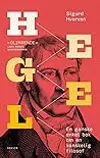
Solid! Sjokkerende tilgjengelig om Hegel. Føler jeg fikk mye ut av denne, og grobunn til mange tanker. Føles rart å binge en bok om Hegel, men denne slukte jeg. Jeg har likevel noen litt kritiske notes.
Jeg syns kapittelet om identitetspolitikk ble litt flåsete. Det blir alltid rart når man på vis sidestiller gryende fascisme med "woke sensur". Jeg tror ikke tanken var å sette likhetstegn som sådan, bare at de gror ut av like individualistiske impulser, men jeg tror det svekker kapittelet.
Jeg så noen andre nevne at å snakke så mye om Russland-Ukraina og ikke Israel-Palestina virker feigt. Jeg forstår det sånn at mesteparten av boka ble skrevet før 7. oktober, men det kaster fortsatt en skygge over boka, det blir synlig i sitt fravær. Her motstår jeg å si noe om negasjon.
Vil likevel anbefale boka varmt; spesielt de tidlige kapitlene som gir en oppsummering av anerkjennelse, ånd, frihet og historie var svært gode. De retta på mange feiltagelser jeg hadde gjort om Hegel! Jeg tror spesielt han blir utilgjengelig på engelsk, "ånd" er altså bare et langt bedre begrep enn "mind/spirit". Alt gir mye mer mening når man ikke tror dette omhandler noe sært og overnaturlig som styrer individuelle mennesker.
Jeg tror jeg kommer til å plukke opp mer av Hverven — jeg sleit litt med det siste kapittelet om natur, og paradoksalt nok betyr det at jeg vil lese Hvervens bok om naturfilosofi for å fordype meg litt mer i det.
Solid! Sjokkerende tilgjengelig om Hegel. Føler jeg fikk mye ut av denne, og grobunn til mange tanker. Føles rart å binge en bok om Hegel, men denne slukte jeg. Jeg har likevel noen litt kritiske notes.
Jeg syns kapittelet om identitetspolitikk ble litt flåsete. Det blir alltid rart når man på vis sidestiller gryende fascisme med "woke sensur". Jeg tror ikke tanken var å sette likhetstegn som sådan, bare at de gror ut av like individualistiske impulser, men jeg tror det svekker kapittelet.
Jeg så noen andre nevne at å snakke så mye om Russland-Ukraina og ikke Israel-Palestina virker feigt. Jeg forstår det sånn at mesteparten av boka ble skrevet før 7. oktober, men det kaster fortsatt en skygge over boka, det blir synlig i sitt fravær. Her motstår jeg å si noe om negasjon.
Vil likevel anbefale boka varmt; spesielt de tidlige kapitlene som gir en oppsummering av anerkjennelse, ånd, frihet og historie var svært gode. De retta på mange feiltagelser jeg hadde gjort om Hegel! Jeg tror spesielt han blir utilgjengelig på engelsk, "ånd" er altså bare et langt bedre begrep enn "mind/spirit". Alt gir mye mer mening når man ikke tror dette omhandler noe sært og overnaturlig som styrer individuelle mennesker.
Jeg tror jeg kommer til å plukke opp mer av Hverven — jeg sleit litt med det siste kapittelet om natur, og paradoksalt nok betyr det at jeg vil lese Hvervens bok om naturfilosofi for å fordype meg litt mer i det.

disappointed :(


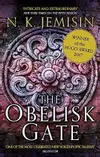


(Note: I read the version that's up on AO3 through chapter 15. The print edition is unavailable at the moment and I have no idea how different it is. Probably not very!?!)/
The five stages of Dorley:
I wouldn't go to Dorley -> ok fine I would go to Dorley -> oh. I see. I already did go to Dorley -> wait was RLT worse than Dorley -> I should get a novelty mug that says "I was castrated and all I got was this novelty mug"
Dorley Hall ends up a surprisingly rich lens to view our experiences through. That's not all it is, obviously, but the trauma they share and bond over—it hits. The medical trauma is something I both appreciated and dread reading more of in future books (which I will be reading why yes I did jump straight into chapter 16 oooops!!).
Really curious where this treatment of gender is going! Their gender is coercively reassigned yet they embrace it; I'm chewing on it still but there is some parallel to be drawn with the Janice Raymond "medically constructed female" line of screed, maybe — after all, they really were moulded into women in an evil laboratory against their wills (initially, anyway). But of course I should emphasise the text doesn't buy into that, because it's actually written by someone who understands nuance and empathy (shocking!).
The easy answer is "well they were all basically eggs so they're happy with it in the end" but the text explicitly rejects this explanation (and rightfully so). Yet it obviously doesn't buy into John Money nonsense either—many do "wash out" of the "programme", never to be heard from again.
So what it leaves you with is a group of women who are emphatically women (mostly) who cannot be labelled cis/trans, who view their old selves as truly dead (with a heaping of trauma attached), whose genders were coercively assigned to them and yet they accepted them. I think what I like about this is that on one hand it *is* analogous to (a) transsexual experience, and you can read it simply qua analogy, but it's obviously not *just* that; there are many points where this analogy breaks down and it asks you to look past the analogy. I don't have a conclusion to this, yet, and I don't think the text will ever hand me one. But I'm excited to see yet more nuance added to this in the later books to make it even harder to read. I love this aspect, basically.
Suffice it to say the characters are also lots of fun and I want more of them; I'm excited for where the plot is going; and I'm dreading a bit that the pacing is already quite uneven, and since this is a web serial I just know it'll get worse. Oh well, I'm a Dorleypilled true believer in need of novelty mugs now, I'll read it anyway :)
(Note: I read the version that's up on AO3 through chapter 15. The print edition is unavailable at the moment and I have no idea how different it is. Probably not very!?!)/
The five stages of Dorley:
I wouldn't go to Dorley -> ok fine I would go to Dorley -> oh. I see. I already did go to Dorley -> wait was RLT worse than Dorley -> I should get a novelty mug that says "I was castrated and all I got was this novelty mug"
Dorley Hall ends up a surprisingly rich lens to view our experiences through. That's not all it is, obviously, but the trauma they share and bond over—it hits. The medical trauma is something I both appreciated and dread reading more of in future books (which I will be reading why yes I did jump straight into chapter 16 oooops!!).
Really curious where this treatment of gender is going! Their gender is coercively reassigned yet they embrace it; I'm chewing on it still but there is some parallel to be drawn with the Janice Raymond "medically constructed female" line of screed, maybe — after all, they really were moulded into women in an evil laboratory against their wills (initially, anyway). But of course I should emphasise the text doesn't buy into that, because it's actually written by someone who understands nuance and empathy (shocking!).
The easy answer is "well they were all basically eggs so they're happy with it in the end" but the text explicitly rejects this explanation (and rightfully so). Yet it obviously doesn't buy into John Money nonsense either—many do "wash out" of the "programme", never to be heard from again.
So what it leaves you with is a group of women who are emphatically women (mostly) who cannot be labelled cis/trans, who view their old selves as truly dead (with a heaping of trauma attached), whose genders were coercively assigned to them and yet they accepted them. I think what I like about this is that on one hand it *is* analogous to (a) transsexual experience, and you can read it simply qua analogy, but it's obviously not *just* that; there are many points where this analogy breaks down and it asks you to look past the analogy. I don't have a conclusion to this, yet, and I don't think the text will ever hand me one. But I'm excited to see yet more nuance added to this in the later books to make it even harder to read. I love this aspect, basically.
Suffice it to say the characters are also lots of fun and I want more of them; I'm excited for where the plot is going; and I'm dreading a bit that the pacing is already quite uneven, and since this is a web serial I just know it'll get worse. Oh well, I'm a Dorleypilled true believer in need of novelty mugs now, I'll read it anyway :)