
Kelsey

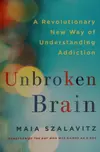
I'd had this book on my shelf for quite a while and was putting it off for fear that it would trigger some sort of emotional response – family trauma stuff, you know – that I wasn't ready for. I'm somehow both delighted and disappointed to report: that was not the case.
As with many research-oriented books, I found that this one in particular was repetitive to the point of becoming unreadable in parts. There was plenty of anecdotal research and no lack of pithy autobiographical stories, but ultimately I thought the scientific backing of the “revolutionary” approach to addiction was lacking. I'm not saying I disagree with most of the arguments in this book (particularly with regard to drug-related policy reform), but if I'm going to read 300 pages about it, I'd hope for a more well-rounded approach that combines both neurological and social evidence.
I'd had this book on my shelf for quite a while and was putting it off for fear that it would trigger some sort of emotional response – family trauma stuff, you know – that I wasn't ready for. I'm somehow both delighted and disappointed to report: that was not the case.
As with many research-oriented books, I found that this one in particular was repetitive to the point of becoming unreadable in parts. There was plenty of anecdotal research and no lack of pithy autobiographical stories, but ultimately I thought the scientific backing of the “revolutionary” approach to addiction was lacking. I'm not saying I disagree with most of the arguments in this book (particularly with regard to drug-related policy reform), but if I'm going to read 300 pages about it, I'd hope for a more well-rounded approach that combines both neurological and social evidence.