
koolkas

Updated a reading goal:
Read 50 books by December 30, 2026
Progress so far: 38 / 50 76%

Really good book that dissects common Zionist myths. Free Palestine from the river to the sea.
Really good book that dissects common Zionist myths. Free Palestine from the river to the sea.


The first story was interesting: a collection of testimonies on a murder and they conflict each other. The second one was alright, it chronicles the deaths of multiple people in the narrator's life. I didn't really like the last one, it's a collection of very short somewhat connected stories about the narrator's life. It felt very depressing to read the last one.
The first story was interesting: a collection of testimonies on a murder and they conflict each other. The second one was alright, it chronicles the deaths of multiple people in the narrator's life. I didn't really like the last one, it's a collection of very short somewhat connected stories about the narrator's life. It felt very depressing to read the last one.


Decent enough read.
The Sea Raiders: I liked this one. Carnivorous deep sea molluscs suddenly attacking humans.
The Land Ironclad: A semi-historical account of the first use of tanks, though it seemed like it was describing something else. From the viewpoint of a war correspondent.
The Magic Shop: The weakest of the bunch. A man and his son enters a magic shop and suspects the magic is real. It doesn't feel that scary unless the parental fear of your child going missing or getting the wrong influence is your biggest fear.
Decent enough read.
The Sea Raiders: I liked this one. Carnivorous deep sea molluscs suddenly attacking humans.
The Land Ironclad: A semi-historical account of the first use of tanks, though it seemed like it was describing something else. From the viewpoint of a war correspondent.
The Magic Shop: The weakest of the bunch. A man and his son enters a magic shop and suspects the magic is real. It doesn't feel that scary unless the parental fear of your child going missing or getting the wrong influence is your biggest fear.


Added to listShort Atmospheric Readswith 3 books.


Really good book that dissects common Zionist myths. Free Palestine from the river to the sea.
Really good book that dissects common Zionist myths. Free Palestine from the river to the sea.
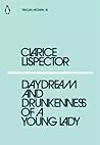
I actually liked this collection of short stories better than The Hour of the Star. They're quite beautifully written and I do think there's multiple interpretations for each.
The first one, I think, is about the ennui of being a wife, and how the expected feminine future is simply being a wife and how it subtly traps a person despite its romanticism. I noticed the woman's drunkenness as an escape and how she revelled in another man's attention due to the stagnancy of her own life.
The second story is about "violent mercy" or the guilt from having a happy life; a woman feels upended after witnessing a blind man and spirals in pity.
The third story is about the uncertainness in a household and depicts a very natural strain in family relationships. It's very aptly described.
I actually liked this collection of short stories better than The Hour of the Star. They're quite beautifully written and I do think there's multiple interpretations for each.
The first one, I think, is about the ennui of being a wife, and how the expected feminine future is simply being a wife and how it subtly traps a person despite its romanticism. I noticed the woman's drunkenness as an escape and how she revelled in another man's attention due to the stagnancy of her own life.
The second story is about "violent mercy" or the guilt from having a happy life; a woman feels upended after witnessing a blind man and spirals in pity.
The third story is about the uncertainness in a household and depicts a very natural strain in family relationships. It's very aptly described.


It's a collection of essays.
Chapter 1: Poetry is Not a Luxury: This one is about poetry as a necessity to elucidate with words, hope and dreams as part of a process to turn it into action. "I feel, therefore I am free. Poetry coins the language to express and charter this revolutionary demand, the implementation of freedom"
Chapter 2: Uses of the Erotic: Talks about eroticism as feminine power in which it represents internal satisfaction (?) and separates it from pornographic, which is "sensation without feeling". It's about living life to its emotional fullest, bringing out the "eroticism" within us.
Chapter 3: Master's Tools Will Never Dismantle the Master's House: This one is really good. It's a treatise on how interdependency within a community should highlight differences. "divide and conquer should be define and empower". its mostly a critique on white feminism but i can see this applicable elsewhere
Chapter 4: Uses of Anger: Women Responding to Racism: this one is a stronger critique against white feminism and how they dont consider people of color. and that anger from people from colour is considered "intimidating" when it should be simply a way to communicate. "If I spoke to you in anger, at least I have spoken to you".
Chapter 5: Learning from the 1960s: Audre Lord mentions the infighting in black communities and advocates to stop horizontal struggle and unite against oppression.
Overall, extremely dense and worth multiple re-reads to truly "get it".
It's a collection of essays.
Chapter 1: Poetry is Not a Luxury: This one is about poetry as a necessity to elucidate with words, hope and dreams as part of a process to turn it into action. "I feel, therefore I am free. Poetry coins the language to express and charter this revolutionary demand, the implementation of freedom"
Chapter 2: Uses of the Erotic: Talks about eroticism as feminine power in which it represents internal satisfaction (?) and separates it from pornographic, which is "sensation without feeling". It's about living life to its emotional fullest, bringing out the "eroticism" within us.
Chapter 3: Master's Tools Will Never Dismantle the Master's House: This one is really good. It's a treatise on how interdependency within a community should highlight differences. "divide and conquer should be define and empower". its mostly a critique on white feminism but i can see this applicable elsewhere
Chapter 4: Uses of Anger: Women Responding to Racism: this one is a stronger critique against white feminism and how they dont consider people of color. and that anger from people from colour is considered "intimidating" when it should be simply a way to communicate. "If I spoke to you in anger, at least I have spoken to you".
Chapter 5: Learning from the 1960s: Audre Lord mentions the infighting in black communities and advocates to stop horizontal struggle and unite against oppression.
Overall, extremely dense and worth multiple re-reads to truly "get it".


