
Scott Graham


This utterly sublime fairy tale for adults successfully combines Russian folk stories with light horror and fantasy, bringing the reader into the world of the unforgiving Russian winter and the creatures of natural religion that maintain a balance between the bitter and sweet parts of life for the lord of an estate and his family. When the zealously Orthodox Christian new stepmother brings the religion of man to the story in the guise of a shrewd and grasping man of God and forbids the tributes to the natural creatures and creates an imbalance on the land, a long held battle between brothers of two different types of death is given fresh opportunity to the detriment of the lord and his family and the peasants on the estate. A struggle between the lord’s second wife, his youngest daughter from his first wife, the monk sent at the stepmother’s request, and the elementals that represent death of two forms develops until a deciding battle ensues.
This utterly sublime fairy tale for adults successfully combines Russian folk stories with light horror and fantasy, bringing the reader into the world of the unforgiving Russian winter and the creatures of natural religion that maintain a balance between the bitter and sweet parts of life for the lord of an estate and his family. When the zealously Orthodox Christian new stepmother brings the religion of man to the story in the guise of a shrewd and grasping man of God and forbids the tributes to the natural creatures and creates an imbalance on the land, a long held battle between brothers of two different types of death is given fresh opportunity to the detriment of the lord and his family and the peasants on the estate. A struggle between the lord’s second wife, his youngest daughter from his first wife, the monk sent at the stepmother’s request, and the elementals that represent death of two forms develops until a deciding battle ensues.

Added to listOwnedwith 140 books.


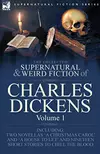
Like an old friend, my yearly read of Dickens' A Christmas Carol is a tradition engaged in each year to kick off the month of December. From the grasping and miserly Ebenezer Scrooge, to the saintly nephew Fred and the hard working and worshipful Bob Cratchit, the characters exist as only Dickens could write them, a mixture of repulsive and sympathetic, comic, dastardly, kind and good intended, to poor ot pocket but rich in spirit. The story is so well known as to be trite, but it isn't, because it reflects the best in most of us despite the worst of some of us, with the hope that redemption is possible for those who would hold us down, and in their redemption, the redeeming of our own future is possible. True, it's a fantasy as much today as it was in the Victorian Era, of the "if only" variety. It offers a moment of belief in the way things could be before you must return to the way things are: a world where living in a tent or your car while working 80 hour weeks at three jobs has become a not uncommon occurrence, rather than the poorhouse, the treadmill, and the Union Workhouse of Dickens' day. The similarities are jarring.
Like an old friend, my yearly read of Dickens' A Christmas Carol is a tradition engaged in each year to kick off the month of December. From the grasping and miserly Ebenezer Scrooge, to the saintly nephew Fred and the hard working and worshipful Bob Cratchit, the characters exist as only Dickens could write them, a mixture of repulsive and sympathetic, comic, dastardly, kind and good intended, to poor ot pocket but rich in spirit. The story is so well known as to be trite, but it isn't, because it reflects the best in most of us despite the worst of some of us, with the hope that redemption is possible for those who would hold us down, and in their redemption, the redeeming of our own future is possible. True, it's a fantasy as much today as it was in the Victorian Era, of the "if only" variety. It offers a moment of belief in the way things could be before you must return to the way things are: a world where living in a tent or your car while working 80 hour weeks at three jobs has become a not uncommon occurrence, rather than the poorhouse, the treadmill, and the Union Workhouse of Dickens' day. The similarities are jarring.
