
nicanical

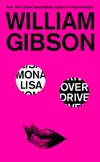
The third and final book in William Gibson's Sprawl trilogy: Mona Lisa Overdrive follows Count Zero, and concludes Angie and Bobby's story. Overdrive also revisits the end of Neuromancer, yoking the shattered AI superentity with the voodoo gods from Count Zero, as well as the aleph—a device introduced in Overdrive.
Like Count Zero, Overdrive has multiple narrative streams that eventually merge. One nice surprise is the return of Neuromancer's Molly; she joins Kumiko's narrative—a Yakuza boss's daughter laying low in England. Unfortunately, this is the weakest narrative of the book because it's just a weak frame for Molly's parts; Gibson should have cut Kumiko's parts and written it from Molly's perspective. There are other callbacks to Neuromancer as well: Lady 3Jane, Case, Riviera, so Overdrive is a real treat for fans of the first book.
As a composition, Overdrive is on par with Count Zero in terms of writing and story quality, with balanced characterization, dialogue, and action.
The third and final book in William Gibson's Sprawl trilogy: Mona Lisa Overdrive follows Count Zero, and concludes Angie and Bobby's story. Overdrive also revisits the end of Neuromancer, yoking the shattered AI superentity with the voodoo gods from Count Zero, as well as the aleph—a device introduced in Overdrive.
Like Count Zero, Overdrive has multiple narrative streams that eventually merge. One nice surprise is the return of Neuromancer's Molly; she joins Kumiko's narrative—a Yakuza boss's daughter laying low in England. Unfortunately, this is the weakest narrative of the book because it's just a weak frame for Molly's parts; Gibson should have cut Kumiko's parts and written it from Molly's perspective. There are other callbacks to Neuromancer as well: Lady 3Jane, Case, Riviera, so Overdrive is a real treat for fans of the first book.
As a composition, Overdrive is on par with Count Zero in terms of writing and story quality, with balanced characterization, dialogue, and action.
