
Sandwich Joe

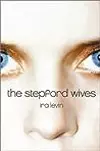
Ira Levin’s The Stepford Wives is terrifying not because of monsters, but because of how ordinary its horror feels. Levin exposes the quiet violence of conformity—how easily a woman’s sanity can be dismissed as “hysteria,” how quickly independence becomes a threat.
What’s most chilling is the gaslighting: Joanna’s every fear is turned against her until she starts to doubt her own mind. The evil here isn’t supernatural; it’s polite, domestic, and smiling. Even worse, some of the women in Stepford enforce the same ideals that imprison them, a dynamic that still echoes in modern “tradwife” culture.
It’s a story about losing a shared reality, about realizing that everyone else has agreed on something you know is wrong. Levin’s horror doesn’t scream; it reassures you that everything’s fine, and that’s what makes it unforgettable.
Ira Levin’s The Stepford Wives is terrifying not because of monsters, but because of how ordinary its horror feels. Levin exposes the quiet violence of conformity—how easily a woman’s sanity can be dismissed as “hysteria,” how quickly independence becomes a threat.
What’s most chilling is the gaslighting: Joanna’s every fear is turned against her until she starts to doubt her own mind. The evil here isn’t supernatural; it’s polite, domestic, and smiling. Even worse, some of the women in Stepford enforce the same ideals that imprison them, a dynamic that still echoes in modern “tradwife” culture.
It’s a story about losing a shared reality, about realizing that everyone else has agreed on something you know is wrong. Levin’s horror doesn’t scream; it reassures you that everything’s fine, and that’s what makes it unforgettable.