
Jack

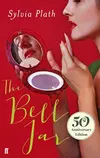
This was one of the most difficult books I've had to read through in a bit, especially in the middle. I think it hit me in some particularly personal spots, that made me relate to the protagonist quite heavily.
Before I get in fully though, I need to make this clear: This book contains racism, as in the protagonist is racist. On a few occasions slurs are used, and in one scenario she makes some terrible remarks about a black man. However, I did see a post about how this fact made it not worth reading, and I have to disagree. This book does an incredible job at portraying mental health issues, and a tantalising look into the life of a woman dealing with societal expectations of the 60s, many of which still exist today.
The book feels not dissimilar to ‘The Yellow Wallpaper' as they both portray a woman's descent into madness, caused as a product of misogynistic societal expectations of femininity and perfection.
It reminded me a little of Toni Morrison's works, in the way it is written. I honestly couldn't describe quite how they are, but I'd hazard a guess it's due to the poetic reliance on metaphors to describe the external and internal environment of the speaker alike.
I think the character also feels very real. Esther Greenwood is often unlikable, and in very relatable ways for most people. She is judgemental, cruel, and hypocritical. She is also overwhelmed by people's expectations of her–many of which she has no desire to fit–, looking for a reason for why she feels the way she does, never truly completed her journey with grief, and has to deal with constant misogyny that reduces her down to her biology. For these reasons, she feels extremely complicated, and it makes her much easier to empathise with.
I have to say, the lack of annotated versions of this book, or even ones with a simple introduction is a travesty. Plath's life deserves to be acknowledged at the start of this work, because it is incredibly useful context for the book. You can enjoy it just fine without having read it before hand, just as I did, but it adds new layers to what you're reading when you have that awareness.
This book's impact on you, depends greatly on what kind of person you are. It was a real challenge for me to get through, but I've also seen some people in recovery from depression say that it helped them feel less alone. I think this is best saved for when you are feeling decent, but I think this book will probably resonate strongest with women, and the depressed.
This was one of the most difficult books I've had to read through in a bit, especially in the middle. I think it hit me in some particularly personal spots, that made me relate to the protagonist quite heavily.
Before I get in fully though, I need to make this clear: This book contains racism, as in the protagonist is racist. On a few occasions slurs are used, and in one scenario she makes some terrible remarks about a black man. However, I did see a post about how this fact made it not worth reading, and I have to disagree. This book does an incredible job at portraying mental health issues, and a tantalising look into the life of a woman dealing with societal expectations of the 60s, many of which still exist today.
The book feels not dissimilar to ‘The Yellow Wallpaper' as they both portray a woman's descent into madness, caused as a product of misogynistic societal expectations of femininity and perfection.
It reminded me a little of Toni Morrison's works, in the way it is written. I honestly couldn't describe quite how they are, but I'd hazard a guess it's due to the poetic reliance on metaphors to describe the external and internal environment of the speaker alike.
I think the character also feels very real. Esther Greenwood is often unlikable, and in very relatable ways for most people. She is judgemental, cruel, and hypocritical. She is also overwhelmed by people's expectations of her–many of which she has no desire to fit–, looking for a reason for why she feels the way she does, never truly completed her journey with grief, and has to deal with constant misogyny that reduces her down to her biology. For these reasons, she feels extremely complicated, and it makes her much easier to empathise with.
I have to say, the lack of annotated versions of this book, or even ones with a simple introduction is a travesty. Plath's life deserves to be acknowledged at the start of this work, because it is incredibly useful context for the book. You can enjoy it just fine without having read it before hand, just as I did, but it adds new layers to what you're reading when you have that awareness.
This book's impact on you, depends greatly on what kind of person you are. It was a real challenge for me to get through, but I've also seen some people in recovery from depression say that it helped them feel less alone. I think this is best saved for when you are feeling decent, but I think this book will probably resonate strongest with women, and the depressed.