
Lee


Added to listBooks Read Before Watching The Film/Showwith 103 books.


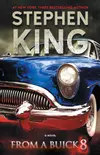
Unfortunately, a trusted friend pitched this King book to me with too much hype, leaving it with quite a hurdle to climb. Not only is it very dull, not very subtle with it’s thematic layering, and full of characters I did not care for, it committed a capital sin of art: it was boring. Life is mundane and repetitive and grief really tethers to us like an immovable black hole of an anchor type beat. On the plus side, Stephen King didn’t write the n-word this time…
…but he did kill another dog though.
Unfortunately, a trusted friend pitched this King book to me with too much hype, leaving it with quite a hurdle to climb. Not only is it very dull, not very subtle with it’s thematic layering, and full of characters I did not care for, it committed a capital sin of art: it was boring. Life is mundane and repetitive and grief really tethers to us like an immovable black hole of an anchor type beat. On the plus side, Stephen King didn’t write the n-word this time…
…but he did kill another dog though.

Nullhunter
The Twelve Labours of Hercules set in a Cyberpunk world, with the titular hero being a dying super soldier forcibly brought back by aggressively invasive body mods. It's a fun and captivating concept, but the story really drags by the time we get to the Cretan Bull.
The Twelve Labours of Hercules set in a Cyberpunk world, with the titular hero being a dying super soldier forcibly brought back by aggressively invasive body mods. It's a fun and captivating concept, but the story really drags by the time we get to the Cretan Bull.

The casual, almost invisible assault on your youth and bountiful dreams not through huge jabs to your gut and face, but in minuscule paper thin cuts gradually applied over the course of very generic, almost mundane actions. It’s an exposé of the hollowness of life and how we really don’t ever fully grow up from those teen versions of ourselves who want to do cool stuff and grow up, but we don’t really know what to do or when. While not limited to it, Perfection is very much an existential social critique parody of the influencer dream and hunt for the picture perfect screen life. You know the type without me even having to explain; you probably have a couple friends that live as such and make sure you know where they are through an onslaught of photo dumps. Through a stream on consciousness style writing without any actual character dialogue, Latronico deconstructs this life condition many have yet we can’t quite put a specific name to it. Not much happens in this book, and it’s by no means exciting at any point, but the prose and realness of how Latronico and translator Hughes captures raw life, is so captivating and palpable. Is this the modern “American Dream?”
The two expat protagonists aren’t bad people, but you can’t really say they’re all too likable despite their self-deprecating acknowledgement of their consumerist ideas and digital fakeness. You’re going to see and feel the plight of these characters despite not necessarily relating to them. It’s very familiar and almost sympathetic yet also some degrees separated enough to slightly mock. While I don’t have a strong relation to social media, I saw a lot of cross over of sentiment and lifestyle from when I myself lived in Austria (the book being Germany). These characters are distinctively human and I absolutely love that Latronico didn’t rely on making them depressed or afflicted with any mental health illness as a scapegoat for their lives. Sometimes even when you have what you want, life feels unfulfilling and boring, and that’s because we as humans will always be chasing a new high no matter how stable and happy we are in the moment. I highly recommend this very quick read to anyone who feels a little lost in life or just doesn’t feel like they’re doing what they should be doing. It’s not going to make you feel better, but it’ll feel like you’re being seen. For Gen X and older Millennials, this probably reads as a horror book.
The casual, almost invisible assault on your youth and bountiful dreams not through huge jabs to your gut and face, but in minuscule paper thin cuts gradually applied over the course of very generic, almost mundane actions. It’s an exposé of the hollowness of life and how we really don’t ever fully grow up from those teen versions of ourselves who want to do cool stuff and grow up, but we don’t really know what to do or when. While not limited to it, Perfection is very much an existential social critique parody of the influencer dream and hunt for the picture perfect screen life. You know the type without me even having to explain; you probably have a couple friends that live as such and make sure you know where they are through an onslaught of photo dumps. Through a stream on consciousness style writing without any actual character dialogue, Latronico deconstructs this life condition many have yet we can’t quite put a specific name to it. Not much happens in this book, and it’s by no means exciting at any point, but the prose and realness of how Latronico and translator Hughes captures raw life, is so captivating and palpable. Is this the modern “American Dream?”
The two expat protagonists aren’t bad people, but you can’t really say they’re all too likable despite their self-deprecating acknowledgement of their consumerist ideas and digital fakeness. You’re going to see and feel the plight of these characters despite not necessarily relating to them. It’s very familiar and almost sympathetic yet also some degrees separated enough to slightly mock. While I don’t have a strong relation to social media, I saw a lot of cross over of sentiment and lifestyle from when I myself lived in Austria (the book being Germany). These characters are distinctively human and I absolutely love that Latronico didn’t rely on making them depressed or afflicted with any mental health illness as a scapegoat for their lives. Sometimes even when you have what you want, life feels unfulfilling and boring, and that’s because we as humans will always be chasing a new high no matter how stable and happy we are in the moment. I highly recommend this very quick read to anyone who feels a little lost in life or just doesn’t feel like they’re doing what they should be doing. It’s not going to make you feel better, but it’ll feel like you’re being seen. For Gen X and older Millennials, this probably reads as a horror book.

While I did not love the narrative nor the characters much, there is no denying the prescient impact of how well this parallels what is occurring in the United States. I like the concept and framework of Dream Hotel, just didn’t thoroughly enjoy the characters and their development. Not to make qualitative comparisons, what Lalami accomplishes is in the same vein of Philip K. Dick’s pre-crime parables in Minority Report—PKD himself of course being directly influenced by Huxley, Orwell, Wells, and Bradbury. All the terrible things occurring in Dream Hotel are not only real, but occurring as we write and read this (to a slightly lower degree of dream reading tech so far).
The likes of Palantir are undeniably actively pursuing and researching how to make this mind and dream reading tech a reality, which when paired with their already existing invasive facial recognition tech, will essentially erase any sense of privacy. Think the pre-crime AI pool girls from Minority Report blended with the dream marketing tech of Nic Cage’s Dream Scenario, backed by big money secretive corporations like in Inception, now multiply it all by 5 and weaponize it. Oh you had a dream where you punched your terrible boss in the face? Well, now we’re legally able to place a premeditated assault charge on you and imprison you. What’s that, you had a dream you went on a date with your celebrity crush and things went well let’s say? Well, with a good lawyer, the government might be able to smack you with a sexual assault charge just because you thought of it. I know a lot of people would be sent to Dream Hotel’s Risk Assessment Administration system just for day dreaming of a certain orange individual disappearing…
Suffice it to say, I’m curious what Lalami follows this up with, as I do think she has a strong voice that could work well within a realistic near future sci-fi realm.
While I did not love the narrative nor the characters much, there is no denying the prescient impact of how well this parallels what is occurring in the United States. I like the concept and framework of Dream Hotel, just didn’t thoroughly enjoy the characters and their development. Not to make qualitative comparisons, what Lalami accomplishes is in the same vein of Philip K. Dick’s pre-crime parables in Minority Report—PKD himself of course being directly influenced by Huxley, Orwell, Wells, and Bradbury. All the terrible things occurring in Dream Hotel are not only real, but occurring as we write and read this (to a slightly lower degree of dream reading tech so far).
The likes of Palantir are undeniably actively pursuing and researching how to make this mind and dream reading tech a reality, which when paired with their already existing invasive facial recognition tech, will essentially erase any sense of privacy. Think the pre-crime AI pool girls from Minority Report blended with the dream marketing tech of Nic Cage’s Dream Scenario, backed by big money secretive corporations like in Inception, now multiply it all by 5 and weaponize it. Oh you had a dream where you punched your terrible boss in the face? Well, now we’re legally able to place a premeditated assault charge on you and imprison you. What’s that, you had a dream you went on a date with your celebrity crush and things went well let’s say? Well, with a good lawyer, the government might be able to smack you with a sexual assault charge just because you thought of it. I know a lot of people would be sent to Dream Hotel’s Risk Assessment Administration system just for day dreaming of a certain orange individual disappearing…
Suffice it to say, I’m curious what Lalami follows this up with, as I do think she has a strong voice that could work well within a realistic near future sci-fi realm.


Added to listShould Be Adapted To Film/TVwith 67 books.


Added to listBooks Of Interest By Osmosiswith 64 books.


An interesting take on a whodunit with a potentially unreliable narrator framework. My second least fave Moshfegh, but still a captivating character study for yet another weird girl, amplified by the isolated setting. I could see this being made into an A24 psychological thriller with the likes of Isabelle Huppert.
An interesting take on a whodunit with a potentially unreliable narrator framework. My second least fave Moshfegh, but still a captivating character study for yet another weird girl, amplified by the isolated setting. I could see this being made into an A24 psychological thriller with the likes of Isabelle Huppert.

Added to listOwnedwith 282 books.



Added to listAction Descriptorswith 0 books.


The world building isn’t as fleshed out and grandiose as Between Two Fires, but I find Lüthi’s action and descriptors to be way more detailed and gruesome. This is heavy metal hell yeah type of demonic action (mainly in the titular first short). I mean, read these excerpts for a taste of where it goes:
- “With a sound like a stillborn corpse being birthed.”
- “Her sword sang through the air, its fire trailing like the tail of a comet.”
- “A soft glow appeared just below the hellspawn’s ribcage; the light was enough to illuminate the thousand veins that lined the creature’s stomach, knotting together like a city map.”
- “Its entrails hung from it like a fetus to an umbilical cord.”
I shockingly did not love the middle Viking short, but the closing Arthurian short was fun albeit not to the same heights and brutality of the opening short. Suffice it to say, if you’re looking for gothic/folk/medieval horror, give this a swift swing.
The world building isn’t as fleshed out and grandiose as Between Two Fires, but I find Lüthi’s action and descriptors to be way more detailed and gruesome. This is heavy metal hell yeah type of demonic action (mainly in the titular first short). I mean, read these excerpts for a taste of where it goes:
- “With a sound like a stillborn corpse being birthed.”
- “Her sword sang through the air, its fire trailing like the tail of a comet.”
- “A soft glow appeared just below the hellspawn’s ribcage; the light was enough to illuminate the thousand veins that lined the creature’s stomach, knotting together like a city map.”
- “Its entrails hung from it like a fetus to an umbilical cord.”
I shockingly did not love the middle Viking short, but the closing Arthurian short was fun albeit not to the same heights and brutality of the opening short. Suffice it to say, if you’re looking for gothic/folk/medieval horror, give this a swift swing.

Added to listBooks Read Before Watching The Film/Showwith 102 books.

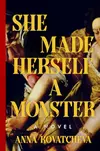
Not sure how to feel about this one. On one hand it's somewhat of a different take on vampires, using a fun narrative conceit to keep you intrigued, but on the other, I didn't really care about any of the characters. One thing is for certain though, as a debut, the Anna Kovatchava has a strong and promising grasp on world-building and atmosphere. The pacing is probably what will give most some hurdles
Not sure how to feel about this one. On one hand it's somewhat of a different take on vampires, using a fun narrative conceit to keep you intrigued, but on the other, I didn't really care about any of the characters. One thing is for certain though, as a debut, the Anna Kovatchava has a strong and promising grasp on world-building and atmosphere. The pacing is probably what will give most some hurdles

Added to listCover Appealwith 172 books.


