
Joey


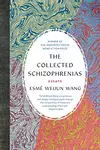


Wow Wang is so precise, so deep in her thinking and writing. This is such a rich insightful book and it feels like a real privilege to get these deeply thought through perspectives from someone who has, "a schizophrenia". Each essay is full of insights, research and personal stories that are heart breaking but not without warmth and occasional humour. Anyone who thinks they know something about what people with psychotic illnesses live through, or wants to, should read this.


This really hit the spot for me - grief and nature and chronic pain and Broder's signature no holds barred neurotic inner dialogue. Also many tender conversations with inanimate objects. Is the meta about a writer a little twee? Maybe but I didn't mind it as much as I might have in a more affected story. This one is so raw that I felt it just made the whole thing feel even more guts-cut-open vulnerable.
My only complaint is that this is so short - there were blank pages between the chapters but c'mon just admit it's a novella!


This was always interesting, sometimes shocking and occasionally hot. I really appreciated the genuine attempt to portray the headfuck of maybe being in love and being kinda crazy and craving sex and connection and the whole mess. Sometimes it seemed like there was too much therapy speak but also, we all have that in our heads now.


Re-reading some DA in honour of her passing in late 2024. Cavedweller has some big dramatic plot lines and characters out of a movie but it comes to life with great dialogue and Allison's classic concern with the inner lives and hurts of tough Southern women who have been through the worst. Maybe some things are a little neat at times but this novel is a beautiful/brutal world to live within.


It's cheesy and overblown and obvious.... Of course we know at the start that the one who has hardened her heart to avoid pain will end up realising it's better to open up to love. There are way too many huge big plot lines for everyone and emotional revelations and c'mon change doesn't come so quickly.
Besides this many of the details don't ring true but the setting is quite entrancing and sure, I cried at the end.


Rereading some Dorothy Allison as I didn't get a chance to mark her death. Her depiction of this whole tiny world of Bone and her aunts and cousins is so brilliant... the kind of insider perspective on a life shaped by poverty and all it creates that can really reach inside you and change how you see things. Brutal and so beautiful.


It's a fun fast read that takes a lot of dark themes (living through a live streamed genocide, repression of Palestinian voices, Islamophobia...} and makes them surprisingly digestible. Also lots of entertaining digs at academia and the media for those who need to laugh at how bleak these last few years have been....


I can't remember the last book where I kept bursting out laughing so much. There are some observations in this that are just brilliant. Otherwise there is a great depiction of college life and a first crush, and a lot of incisive stuff about cultural differences, how weird Americans are, how weird Hungarians are etc. It drags a little bit in the angsty mire of unrequited love but picks up again.


Somehow reading this sometimes felt like a novel, I was living so much with the people Ehrenreich writes about. He really takes you in there in a way that feels very intimate and somehow truly empathetic. There are people I felt I knew a little bit, in villages, camps and cities in the West Bank. Meanwhile Ehrenreich is weaving enough info about the political situation in that you understand the context and some of the why.
More than once I had to put this down to cry, because of course even when you know a genocide is being committed the day to day reality is still a horrifying shock to read about. Not that this is gory or extreme, it's touching and full of tenderness. I really want everyone to read this book.


In a New York that is just populated almost entirely with Holocaust survivors, so much is repressed it explodes out in surprising ways.
Nobody would write this book today, when survivors are sacred and can't be depicted with all their messed up ugly truths. This love triangle gets so ridiculous it seems the point is that the farce illuminates the trauma all the protagonists are trying to process.


There is some great writing in this and there is some terrible writing. There is Faludi the journalist probing into what it means to be a Jew who chooses to live in and support a violently anti-Semitic Hungarian state. But what is fair in journalism? There is Faludi pushing her Holocaust survivor parent to revisit and relive the scenes of their trauma.
And then.. Well then there is all the stuff that is basically a cis feminist musing on whether a trans woman really understands her own gender identity. Ugh. I think being the child of a trans parent is for sure, a perspective with its own stories but this cis journalist breaking down Harry Benjamin etc for us is pretty uncomfortable.
I guess this is both deeply interesting and disturbing.


Anybody who finds out about Birobidzhan, the USSR's attempt to create a Jewish state, the “Soviet Israel” is likely to be intrigued. And there's a lot of great stories in here that helped me understand the bloody disaster Birobidzhan was.
Gessen hangs her story off the tale of Dovid Bergelson, a yiddish writer who at times spruiked for the Jewish Region and his life is a great frame for everything that happened to Soviet Jews between the 30s and the 60s.
I really wish Gessen hadn't always referred to Yiddish as a “dying language” though. Even when she's talking about a time when 12 million people spoke it!


I think when I say I like old books better than new books, it's a lie. It's just that I like dense books with an epic sweep, books that I can live within for weeks, not just days. And this (new) book really did that.
I cried in the last few pages, not just because it was sad - there's sadness throughout this tale of the impact of the Chinese cultural revolution on a family, on a group of friends, on lovers - but also because the book was coming to an end and I didn't want it to.


Nice to read something contemporary from Melbourne that isn't white bread. This short read manages to cover a family mystery, a trip to the old country (Lebanon) plus drugs, heartbreak, sex work, sex and smith st.
Sometimes it feels like Haddad is trying a bit too hard or being too obvious but mostly it all works.


even though some dear old friends wrote this book i had my doubts... wouldn't it be just a bit pious? a bit twee?
it is not! sorry i doubted you Annie and Adam.
the premise is sound, the advice is not just what you would expect and the humour is spot on and terribly endearing. less a guide to spending less and more a reminder about what actually makes us happy and advice about how to avoid getting sucked into what doesn't. eccentrics who choose their own fun make the greatest life gurus!
edited to add one sad note : i could have done without the fat shaming, weight loss mentions in here. seems there's one bit of mainstream culture the authors are yet to rethink.


The other day I was chatting with some friends about re-reading books, something I rarely do. it seemed it might be nice to revisit some old friends and i had good, though vague memories of this one.. something about siberia. i always like Amy Bloom's stories for feeling romantically sad.
anyway, this book has some pretty good scenes in the yiddish theatre world of 1920s New York, lots of people doing what they can to get by (ie much sex), one too many pogrom trauma nightmares and a fair few other colourful cliches too. but i enjoyed it.