
Matt Inman

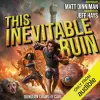
Matt Dinniman does it again with This Inevitable Ruin, the latest wild installment in the Dungeon Crawler Carl series. If you've made it this far, you already know what you're in for. Pure chaotic brilliance, brutal humor, and some of the best storytelling in the LitRPG genre.
The stakes have never been higher, the challenges more insane, and somehow Carl and Princess Donut continue to be the best duo in the game. Dinniman has an uncanny ability to blend absurdity with genuine emotional depth, making you laugh one moment and wince the next.
And if you're going to read this, do yourself a favor and listen instead. Jeff Hays doesn't just narrate. He performs every voice with such skill that it feels like a full-cast production. His portrayal of each character brings the story to life in a way that makes the audiobook the definitive experience.
I have no idea how Dinniman keeps coming up with this stuff, but I hope he never stops. This series is an absolute ride, and This Inevitable Ruin might just be one of the best yet.
Matt Dinniman does it again with This Inevitable Ruin, the latest wild installment in the Dungeon Crawler Carl series. If you've made it this far, you already know what you're in for. Pure chaotic brilliance, brutal humor, and some of the best storytelling in the LitRPG genre.
The stakes have never been higher, the challenges more insane, and somehow Carl and Princess Donut continue to be the best duo in the game. Dinniman has an uncanny ability to blend absurdity with genuine emotional depth, making you laugh one moment and wince the next.
And if you're going to read this, do yourself a favor and listen instead. Jeff Hays doesn't just narrate. He performs every voice with such skill that it feels like a full-cast production. His portrayal of each character brings the story to life in a way that makes the audiobook the definitive experience.
I have no idea how Dinniman keeps coming up with this stuff, but I hope he never stops. This series is an absolute ride, and This Inevitable Ruin might just be one of the best yet.


Great writing, but I felt the ending was a let down for me.
Great writing, but I felt the ending was a let down for me.

This book instead of telling you how to spend money, it digs into why we spend the way we do, and most of the time the answer has nothing to do with the math. The chapters on attention-seeking, contentment, and the gap between rich and wealthy are the kind of stuff you'll find yourself quoting at dinner. Housel writes in clean, story-driven prose that goes down easy without ever feeling thin. Worth the read for anyone who has ever bought something and wondered, an hour later, who they were actually trying to impress.
This book instead of telling you how to spend money, it digs into why we spend the way we do, and most of the time the answer has nothing to do with the math. The chapters on attention-seeking, contentment, and the gap between rich and wealthy are the kind of stuff you'll find yourself quoting at dinner. Housel writes in clean, story-driven prose that goes down easy without ever feeling thin. Worth the read for anyone who has ever bought something and wondered, an hour later, who they were actually trying to impress.


They are strangely addictive and fun. Following the challenges of Carl and his ex's sentient cat through an 18-level dungeon that would prefer to have them dead.
They are strangely addictive and fun. Following the challenges of Carl and his ex's sentient cat through an 18-level dungeon that would prefer to have them dead.
They are strangely addictive and fun. Following the challenges of Carl and his ex's sentient cat through an 18-level dungeon that would prefer to have them dead.
They are strangely addictive and fun. Following the challenges of Carl and his ex's sentient cat through an 18-level dungeon that would prefer to have them dead.

If you're a DCC fan, its more good fun. Advancing the story as Carl and Donut get through another floor in the Dungeon.
If you're a DCC fan, its more good fun. Advancing the story as Carl and Donut get through another floor in the Dungeon.

Not my cup of tea. Could get past the first couple chapters.
Not my cup of tea. Could get past the first couple chapters.

It's a Murderbot book, you should know what you're getting into by now if you have read the other books. Nothing new in this book, just good fun.
It's a Murderbot book, you should know what you're getting into by now if you have read the other books. Nothing new in this book, just good fun.

This intense manifesto serves as a chilling wake-up call regarding the alignment problem in Artificial Intelligence. The authors argue that creating a superintelligence is not like building a better computer, but rather like summoning a god that doesn't necessarily care about human survival.
The central thesis is terrifyingly simple: if we don't solve how to perfectly code human values into a machine before it becomes smarter than us, the first AGI created will likely "optimize" the world in a way that incidentally eliminates biological life. It’s a dense, high-stakes analysis that frames our current technological race as a potential "game over" scenario for the species.
This intense manifesto serves as a chilling wake-up call regarding the alignment problem in Artificial Intelligence. The authors argue that creating a superintelligence is not like building a better computer, but rather like summoning a god that doesn't necessarily care about human survival.
The central thesis is terrifyingly simple: if we don't solve how to perfectly code human values into a machine before it becomes smarter than us, the first AGI created will likely "optimize" the world in a way that incidentally eliminates biological life. It’s a dense, high-stakes analysis that frames our current technological race as a potential "game over" scenario for the species.