
Rat 🛸

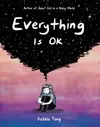
I think this really would have helped me out when I was early on my journey to understanding my depression and anxiety, granting myself compassion and grace a little more, not setting unreasonable expectations. As it is, I have been diagnosed for over 6 years, and some of this had lost its relevancy to me. I keep on getting caught up on people saying 'it's okay to ask for help' - I've heard it not only from this book but from a whole hoard of medical professionals. I'm fortunate to have a partner who supports me daily and a boss who accomodates my special needs, they do help me have fewer terrible moments. But whenever I've had a really bad time, a mental health crisis, and I've gone to the people who I'm supposed to reach out for (GPs, crisis lines, NHS stress team), they've just asked me why I'm there and if I understand that there's not a magic wand they can wave that will solve everything for me. Honestly doesn't seem like there's any point in asking for help any more. I think I just get disillusioned, thinking about how there seem to be so many things that can bring so many people out of depression, but never me.
One thing that did still work for me was thinking about how things pass. While I was reading this I was feeling very depressed and everything felt dry and meaningless. I know things sometimes do have meaning to me so I could appreciate the words in the book that reminded me that sometimes time just needs to pass for you to feel differently. (TBH I'm still struggling to feel like anything matters, but it's a bit better than it was).
I'm glad I read this though, there's an element of comfort to it, relating it to my past self. I think this book is well executed and will make a really important read to some people - just not quite me.
I think this really would have helped me out when I was early on my journey to understanding my depression and anxiety, granting myself compassion and grace a little more, not setting unreasonable expectations. As it is, I have been diagnosed for over 6 years, and some of this had lost its relevancy to me. I keep on getting caught up on people saying 'it's okay to ask for help' - I've heard it not only from this book but from a whole hoard of medical professionals. I'm fortunate to have a partner who supports me daily and a boss who accomodates my special needs, they do help me have fewer terrible moments. But whenever I've had a really bad time, a mental health crisis, and I've gone to the people who I'm supposed to reach out for (GPs, crisis lines, NHS stress team), they've just asked me why I'm there and if I understand that there's not a magic wand they can wave that will solve everything for me. Honestly doesn't seem like there's any point in asking for help any more. I think I just get disillusioned, thinking about how there seem to be so many things that can bring so many people out of depression, but never me.
One thing that did still work for me was thinking about how things pass. While I was reading this I was feeling very depressed and everything felt dry and meaningless. I know things sometimes do have meaning to me so I could appreciate the words in the book that reminded me that sometimes time just needs to pass for you to feel differently. (TBH I'm still struggling to feel like anything matters, but it's a bit better than it was).
I'm glad I read this though, there's an element of comfort to it, relating it to my past self. I think this book is well executed and will make a really important read to some people - just not quite me.