
Lauren


Monsters and Mainframes starts off with a Demeter Airship that is used for transportation between planets, but during one such trip something goes terribly wrong. What follows is very “monster of the week” style, but slowly each new event becomes connected in an odd story about supernatural creatures and AI machines.
It really liked parts of this story and really disliked parts. As always, I’ll start with what I liked. Demeter and Steward were everything. Honestly? I wish the other POVs were either cut or used less often because they were the only POVs I consistently looked forward to. I liked watching them learn and grow and adapt. I also liked the idea of efficiency dropping during periods of anxiety or sadness because, honestly, same. I thought most of the pacing of the book was well done and most of the characters had believable motivations (for this setting at least).
Unfortunately, I think a big part of my problem with this book was that read probably 60%-70% via audiobook. This experience taught me I don’t love when audiobooks have too many narrators. For starts, because each has a different voice, they voice the same characters differently from each other, which I found jarring. In particular, I really couldn’t stand Frank’s narrator. Im not positive which person narrated them, but I know I’ve heard their voice before, and the way they voice characters feels a little dramatic and whiny. While this isn’t a problem with the book itself, it did greatly impact my enjoyment.
However, that is not the only thing I didn’t love. Again, I wish we had less POVs. I just didn’t need so many because, frankly, I didn’t care about the thoughts of characters introduced later in the book. I also did not like the ending. It felt drawn out. This also relates to the many POVs as I didn’t need to get updated by all who remained. It felt a little forced. Lastly, there were times it felt like the book was going to make commentary on personhood and sentience, but I personally never felt like we got there.
Don’t get me wrong, this book was good and worth picking up. I enjoyed most of it and it was very different from other books I have read.
Monsters and Mainframes starts off with a Demeter Airship that is used for transportation between planets, but during one such trip something goes terribly wrong. What follows is very “monster of the week” style, but slowly each new event becomes connected in an odd story about supernatural creatures and AI machines.
It really liked parts of this story and really disliked parts. As always, I’ll start with what I liked. Demeter and Steward were everything. Honestly? I wish the other POVs were either cut or used less often because they were the only POVs I consistently looked forward to. I liked watching them learn and grow and adapt. I also liked the idea of efficiency dropping during periods of anxiety or sadness because, honestly, same. I thought most of the pacing of the book was well done and most of the characters had believable motivations (for this setting at least).
Unfortunately, I think a big part of my problem with this book was that read probably 60%-70% via audiobook. This experience taught me I don’t love when audiobooks have too many narrators. For starts, because each has a different voice, they voice the same characters differently from each other, which I found jarring. In particular, I really couldn’t stand Frank’s narrator. Im not positive which person narrated them, but I know I’ve heard their voice before, and the way they voice characters feels a little dramatic and whiny. While this isn’t a problem with the book itself, it did greatly impact my enjoyment.
However, that is not the only thing I didn’t love. Again, I wish we had less POVs. I just didn’t need so many because, frankly, I didn’t care about the thoughts of characters introduced later in the book. I also did not like the ending. It felt drawn out. This also relates to the many POVs as I didn’t need to get updated by all who remained. It felt a little forced. Lastly, there were times it felt like the book was going to make commentary on personhood and sentience, but I personally never felt like we got there.
Don’t get me wrong, this book was good and worth picking up. I enjoyed most of it and it was very different from other books I have read.

Princess Floralinda and the Forty-Flight Tower follows a stereotypical princess locked away in a tower that princes must fight their way through in order to claim the princess and the coveted sword…except the hardest part of the tower is on the ground floor and it seems none can reach the princess or the sword. When Floralinda is joined by Cobweb, a fairy who cannot get the jobs they truly desire, they begrudgingly begin to find a way out of the tower together.
This book was humorous from start to finish. Floralinda is described as clueless and unlearned due to being a princess. Cobweb is snarky and self-serving. Neither character is particularly kind to the other, though somehow, their dynamic works to make them a compelling duo that in light of everything you cannot help but root for. While parts of this book are certainly gory, if you’ve read Muir’s other works (such as the Locked Tomb series) this one is significantly less so, and even during those gorier and darker times there is humor to off set it.
While Floralinda and Cobweb were both interesting characters, I think the narrator is my favorite. We are told this story as if it was a story tale, so the narrator is removed, oftentimes telling the reader that we must excuse Floralinda from ABC because of XYZ. The narrator made the story feel like an adult fairytale. It added a sort of fun and whimsy.
While this story was short, and while I enjoyed it throughly, it did become a touch repetitive. There is a central disagreement between Floralinda and Cobweb, and while I understand why this disagreement would persist, it was brought up fairly often. Also, since the story is about escaping a 40 story tower, obviously that will be repetitive as well. Muir does pretty well ensuring it isn’t distractingly so by summarizing a good chuck of the floors, and we do get some time to focus on Floralinda considering what it even means to be a princess. The ending, however, made up for the repetition as well as the way Floralinda and Cobweb treated each other.
It was short, fun, and a quick read. Bonus points for Moira Quirk’s stellar narration (as always).
Princess Floralinda and the Forty-Flight Tower follows a stereotypical princess locked away in a tower that princes must fight their way through in order to claim the princess and the coveted sword…except the hardest part of the tower is on the ground floor and it seems none can reach the princess or the sword. When Floralinda is joined by Cobweb, a fairy who cannot get the jobs they truly desire, they begrudgingly begin to find a way out of the tower together.
This book was humorous from start to finish. Floralinda is described as clueless and unlearned due to being a princess. Cobweb is snarky and self-serving. Neither character is particularly kind to the other, though somehow, their dynamic works to make them a compelling duo that in light of everything you cannot help but root for. While parts of this book are certainly gory, if you’ve read Muir’s other works (such as the Locked Tomb series) this one is significantly less so, and even during those gorier and darker times there is humor to off set it.
While Floralinda and Cobweb were both interesting characters, I think the narrator is my favorite. We are told this story as if it was a story tale, so the narrator is removed, oftentimes telling the reader that we must excuse Floralinda from ABC because of XYZ. The narrator made the story feel like an adult fairytale. It added a sort of fun and whimsy.
While this story was short, and while I enjoyed it throughly, it did become a touch repetitive. There is a central disagreement between Floralinda and Cobweb, and while I understand why this disagreement would persist, it was brought up fairly often. Also, since the story is about escaping a 40 story tower, obviously that will be repetitive as well. Muir does pretty well ensuring it isn’t distractingly so by summarizing a good chuck of the floors, and we do get some time to focus on Floralinda considering what it even means to be a princess. The ending, however, made up for the repetition as well as the way Floralinda and Cobweb treated each other.
It was short, fun, and a quick read. Bonus points for Moira Quirk’s stellar narration (as always).

To be honest, I had no idea what A Darker Shore was about. I saw it was part of the Six of Crows duology and it was a no brainer. I assumed it was going to be a collection of essays or letters from our favorite characters, and while that is technically true, it’s actually its own story. Two investigators come together to try to discover who is responsible for a massacre at sea, who a correspondent who addresses their letters as “I” could be, and who is the captain of the Wraith.
If you didn’t read Six of Crows yet, don’t read this. Actually, if you haven’t read the full duology or the King of Scars duology, don’t read this as it has spoilers for both series. From this point forward, there may be potential spoilers from the main duology.
This was a lot of fun. As the story unfolds it is very clear who is behind what and exactly what is happening. After all, if you know Kaz and his associates, it’s very predictable. Still, it was fun reading letters and seeing it all play out. Because these characters were so well fleshed out previously, you don’t feel like you’re missing anything without being in the room where it happened, so to speak. It made me want to reread the whole grishaverse.
Also, hats off to E.K. Belsher for the beautiful artwork in this book. I would frame much of it if I could. Truly stunning! Also, loved the sheet music composed by E. Aaron Wilson. Can someone please play it so I can hear it?? I can read music a little, but unfortunately I have no skill for playing and I need to hear it.
Without spoiling anything, however, there is a small mystery within the text that is not revealed until the end, however, the answers are left for you to find. I enjoyed this interactive piece. I will admit I struggled with it, but that is in great part due to my poor eyesight and lack of a table to use to investigate better. It was really fun. If you want the reveal for that mystery, I will include it in a spoiler section at the end of this review.
I do have two small complaints. First, some of the writing was difficult to read. Maybe it was my lighting, but I definitely had to read the words around a handful of words to know what they were. Also, towards the end of the book there are little envelopes with collectables and such, and they’re sealed. I tried and tried but could not for the life of me peal up the seals without damaging the envelopes. I’m so sad that they’re damaged, but the envelopes are so thin that it’s nearly unavoidable (I supposed I could have done the hairdryer trick but 1. I don’t want to get up while read and 2. I don’t want to risk harming the pages either). I think they could have done a different closure or even cut them so the top could have tucked in.
Okay, now, as promised, the mystery answers . . . . . . . . . . . . During the story, Kaz and Inej exchange letters. During those letters, Kaz sends her sheet music. This sheet music is the key to a cipher so they could talk in code by aligning the stars.
Letter #1 We are given the answer, which Kaz says, “dreamed you returned must avoid trap”
Letter #2 Inej responds with, “can we set a trap of our own making”
Letter #3 Kaz responds, “trust me to protect you use their ships”
Then we have a final exchange of letters at the end.
Letter #4 Inej says, “I’ll return to Katterdam and to you no mourners”
Letter #5 Kaz responds, “wait for you by the window always no funerals”
To be honest, I had no idea what A Darker Shore was about. I saw it was part of the Six of Crows duology and it was a no brainer. I assumed it was going to be a collection of essays or letters from our favorite characters, and while that is technically true, it’s actually its own story. Two investigators come together to try to discover who is responsible for a massacre at sea, who a correspondent who addresses their letters as “I” could be, and who is the captain of the Wraith.
If you didn’t read Six of Crows yet, don’t read this. Actually, if you haven’t read the full duology or the King of Scars duology, don’t read this as it has spoilers for both series. From this point forward, there may be potential spoilers from the main duology.
This was a lot of fun. As the story unfolds it is very clear who is behind what and exactly what is happening. After all, if you know Kaz and his associates, it’s very predictable. Still, it was fun reading letters and seeing it all play out. Because these characters were so well fleshed out previously, you don’t feel like you’re missing anything without being in the room where it happened, so to speak. It made me want to reread the whole grishaverse.
Also, hats off to E.K. Belsher for the beautiful artwork in this book. I would frame much of it if I could. Truly stunning! Also, loved the sheet music composed by E. Aaron Wilson. Can someone please play it so I can hear it?? I can read music a little, but unfortunately I have no skill for playing and I need to hear it.
Without spoiling anything, however, there is a small mystery within the text that is not revealed until the end, however, the answers are left for you to find. I enjoyed this interactive piece. I will admit I struggled with it, but that is in great part due to my poor eyesight and lack of a table to use to investigate better. It was really fun. If you want the reveal for that mystery, I will include it in a spoiler section at the end of this review.
I do have two small complaints. First, some of the writing was difficult to read. Maybe it was my lighting, but I definitely had to read the words around a handful of words to know what they were. Also, towards the end of the book there are little envelopes with collectables and such, and they’re sealed. I tried and tried but could not for the life of me peal up the seals without damaging the envelopes. I’m so sad that they’re damaged, but the envelopes are so thin that it’s nearly unavoidable (I supposed I could have done the hairdryer trick but 1. I don’t want to get up while read and 2. I don’t want to risk harming the pages either). I think they could have done a different closure or even cut them so the top could have tucked in.
Okay, now, as promised, the mystery answers . . . . . . . . . . . . During the story, Kaz and Inej exchange letters. During those letters, Kaz sends her sheet music. This sheet music is the key to a cipher so they could talk in code by aligning the stars.
Letter #1 We are given the answer, which Kaz says, “dreamed you returned must avoid trap”
Letter #2 Inej responds with, “can we set a trap of our own making”
Letter #3 Kaz responds, “trust me to protect you use their ships”
Then we have a final exchange of letters at the end.
Letter #4 Inej says, “I’ll return to Katterdam and to you no mourners”
Letter #5 Kaz responds, “wait for you by the window always no funerals”

The Heartstopper series as a whole follows Nick and Charlie as they navigate romantic and platonic relationships, sexuality, identity, mental health, and so much more. Vol. 6 is the conclusion of the series. In this final installment we follow Nick and Charlie as they prepare for their relationship to become long distance once Nick goes to university.
Something I really like about the Heartstopper universe is there is always someone to relate to. Although I can see some readers getting frustrated with Nick in this installment, I really identified with him. At his age I felt very similar to how he feels. For Nick, this story really asks, “who am I?” And to that I say, who knows? Seriously, even at almost 30, I still don’t know how to really answer that question, so seeing him struggle with that is relatable now, but especially at that time. When applying to schools I went through at least three different majors because I just didn’t know what I wanted to do. While that isn’t Nick’s struggle in this book, the vibe was very similar.
Charlie has also shown a lot of growth. He did not get quite as much character development in this installment because he had so much in the other. Instead this book allowed Charlie to show the reader that he really did learn and grow from the events in the earlier volumes.
I loved seeing Tori more, too. I don’t have much to say about her other than I just really love her character. Without going into anymore specifics about the side characters, it was also nice to see that they were dealing with their own ups and downs. Heartstopper does a great job of giving readers two main characters with a cast of side characters who have lives of their own, struggles of their, and things to deal with that do not revolve around the main characters. I think having so much diversity in relationships and relationship types did this story so much justice because really, all of them were portrayed pretty well (both romantic and familial).
I will say, I didn’t love how often it was insinuated that they were having sex. I’m not anti-sex in books or in YA books, it just felt like a lot. I get that they’re young and in love, but I think two instances would have been enough for my personal tastes.
Now I need a series about Mr. Ajay and Mr. Farouk
The Heartstopper series as a whole follows Nick and Charlie as they navigate romantic and platonic relationships, sexuality, identity, mental health, and so much more. Vol. 6 is the conclusion of the series. In this final installment we follow Nick and Charlie as they prepare for their relationship to become long distance once Nick goes to university.
Something I really like about the Heartstopper universe is there is always someone to relate to. Although I can see some readers getting frustrated with Nick in this installment, I really identified with him. At his age I felt very similar to how he feels. For Nick, this story really asks, “who am I?” And to that I say, who knows? Seriously, even at almost 30, I still don’t know how to really answer that question, so seeing him struggle with that is relatable now, but especially at that time. When applying to schools I went through at least three different majors because I just didn’t know what I wanted to do. While that isn’t Nick’s struggle in this book, the vibe was very similar.
Charlie has also shown a lot of growth. He did not get quite as much character development in this installment because he had so much in the other. Instead this book allowed Charlie to show the reader that he really did learn and grow from the events in the earlier volumes.
I loved seeing Tori more, too. I don’t have much to say about her other than I just really love her character. Without going into anymore specifics about the side characters, it was also nice to see that they were dealing with their own ups and downs. Heartstopper does a great job of giving readers two main characters with a cast of side characters who have lives of their own, struggles of their, and things to deal with that do not revolve around the main characters. I think having so much diversity in relationships and relationship types did this story so much justice because really, all of them were portrayed pretty well (both romantic and familial).
I will say, I didn’t love how often it was insinuated that they were having sex. I’m not anti-sex in books or in YA books, it just felt like a lot. I get that they’re young and in love, but I think two instances would have been enough for my personal tastes.
Now I need a series about Mr. Ajay and Mr. Farouk

Father Material is the confirmed 3rd and final book in the London Calling series. The overall series follows Luc and Oliver’s relationship through the highs and lows it experiences. There may be spoilers for books 1 and 2 in the review, but I will try to refrain from spoiling anything that could not be gleamed from the book’s description or information on who Luc and Oliver are from previous books.
The book opens on Luc and Oliver officially reaching that age that their friendship are all either having children, already have children, want children, or are purposely childfree. Meanwhile, Luc and Oliver are taking the big step of becoming dog owners. If you’ve read books 1 and 2, it should come as know surprise the Oliver is panicking over this large decision. This, however, is where my first complaint falls. Simply put, this book could have and should have been shorter. This entire arc with the dog is more or less pointless as the synopsis tells use they get the dog. While I don’t mind Luc’s antics, I wish the book started after they adopted the dog. While the dog training montage does provide some context for their parenting styles, it’s not like we don’t know these characters by now. The set up wasn’t totally necessary (Spud was necessary, but he could have already been there).
I suppose this is a minor spoiler, but totally needed to discuss this book. After having a dog for a few weeks (days?), they decide they need to discuss having children, and Oliver is pretty set on fostering. Here is where I give the book some praise. Fostering is first and foremost almost always about reuniting the child and their parent(s) and the book acknowledges this. While I am not an expert on the foster system in England or in the US, I have some background due to my work and research, and from what I understand, it is pretty accurately shown.
Throughout the story, I really enjoyed getting to see Luc. At the start of the book he seems like the same person in book 1, and while he certainly still has his flaws, his growth is highlighted in this installment. However, I was disappointed in Oliver’s lack of growth from book 2. He is more or less unchanged by the experiences in book 2, and while he is forced to confront that in those book, it was frustrating to read. I usually don’t enjoy reading books with kids in them, however, I really liked Jaz. Maybe it’s because I work with kids exactly her age, but I felt like I understood who she was immediately, and there were times she had me actually laughing out loud. I also appreciated how her character was treated by Hall, making her fell authentic and real.
Like with Husband Material, I think audiences will be split with the ending of this installment. I liked Husband Material’s ending, however, for the series conclusion, I wasn’t thrilled with this ending. Let me be clear, this book ended perfectly for this book. The ending was fitting, realistic, and definitely had bittersweet tones. It was nicely done. However, because of the events in the book (both through Oliver’s work and the fostering situation), the ending did not feel like the ending of a series. I don’t mind an open ended ending, but in this case I would have preferred things be tied up a little nicer (not necessarily happier or less happy - I just wanted more finality I suppose).
Overall I liked this book and I’m sad I am done watching Luc and Oliver grow. I perhaps feel extra bittersweet because this series was the first series I read via audiobook for the first time a few years back when I had an hour commute. Luc and Oliver had kept me company, and narrator Joe Jameson spoiled me for narrators before I realized how much I loved audiobooks.
Father Material is the confirmed 3rd and final book in the London Calling series. The overall series follows Luc and Oliver’s relationship through the highs and lows it experiences. There may be spoilers for books 1 and 2 in the review, but I will try to refrain from spoiling anything that could not be gleamed from the book’s description or information on who Luc and Oliver are from previous books.
The book opens on Luc and Oliver officially reaching that age that their friendship are all either having children, already have children, want children, or are purposely childfree. Meanwhile, Luc and Oliver are taking the big step of becoming dog owners. If you’ve read books 1 and 2, it should come as know surprise the Oliver is panicking over this large decision. This, however, is where my first complaint falls. Simply put, this book could have and should have been shorter. This entire arc with the dog is more or less pointless as the synopsis tells use they get the dog. While I don’t mind Luc’s antics, I wish the book started after they adopted the dog. While the dog training montage does provide some context for their parenting styles, it’s not like we don’t know these characters by now. The set up wasn’t totally necessary (Spud was necessary, but he could have already been there).
I suppose this is a minor spoiler, but totally needed to discuss this book. After having a dog for a few weeks (days?), they decide they need to discuss having children, and Oliver is pretty set on fostering. Here is where I give the book some praise. Fostering is first and foremost almost always about reuniting the child and their parent(s) and the book acknowledges this. While I am not an expert on the foster system in England or in the US, I have some background due to my work and research, and from what I understand, it is pretty accurately shown.
Throughout the story, I really enjoyed getting to see Luc. At the start of the book he seems like the same person in book 1, and while he certainly still has his flaws, his growth is highlighted in this installment. However, I was disappointed in Oliver’s lack of growth from book 2. He is more or less unchanged by the experiences in book 2, and while he is forced to confront that in those book, it was frustrating to read. I usually don’t enjoy reading books with kids in them, however, I really liked Jaz. Maybe it’s because I work with kids exactly her age, but I felt like I understood who she was immediately, and there were times she had me actually laughing out loud. I also appreciated how her character was treated by Hall, making her fell authentic and real.
Like with Husband Material, I think audiences will be split with the ending of this installment. I liked Husband Material’s ending, however, for the series conclusion, I wasn’t thrilled with this ending. Let me be clear, this book ended perfectly for this book. The ending was fitting, realistic, and definitely had bittersweet tones. It was nicely done. However, because of the events in the book (both through Oliver’s work and the fostering situation), the ending did not feel like the ending of a series. I don’t mind an open ended ending, but in this case I would have preferred things be tied up a little nicer (not necessarily happier or less happy - I just wanted more finality I suppose).
Overall I liked this book and I’m sad I am done watching Luc and Oliver grow. I perhaps feel extra bittersweet because this series was the first series I read via audiobook for the first time a few years back when I had an hour commute. Luc and Oliver had kept me company, and narrator Joe Jameson spoiled me for narrators before I realized how much I loved audiobooks.

In the aftermath of the Emperor’s death, his niece Alyssa and the other heirs of the Prime families are thrust into a dangerous, high‑stakes competition to claim the royal seal, an artifact that determines the next ruler of an empire spanning more than 1,000 planets. Alyssa has no desire to rule; she prefers her life of exploration and freedom. But duty, expectation, and circumstance push her into a contest filled with deadly challenges and shifting alliances.
The cast of characters are exceptional, especially for a debut. Alyssa stands out as a protagonist who is funny, quippy, compassionate, and brave without falling into the stereotypical YA heroine mold. She repeatedly insists she would make a terrible ruler, yet her actions reveal her integrity and loyalty. Her engineer, Hell Monkey, grows on the reader over time. His dynamic with Alyssa is engaging. Other characters appear in both present‑day chapters and flashbacks, giving them depth and making the ensemble feel fully realized. A small portion of the book is told through Edgar’s POV, one of Alyssa’s competitors. His chapters add nuance, making his motivations understandable even when readers may not agree with him. This dual‑perspective approach enriches the narrative and adds suspense.
I also enjoyed that the romance is a minor subplot, present enough to add emotional stakes but never distracting from the competition. It’s subtle, well‑paced, and integrated naturally into the story.
The story also tackles several themes and forms of representation. Alyssa is dealing with her grief on and off throughout the book, highlighting how grief in real life can fade only to come back out of nowhere. She also provides great bisexual representation as the book casually mentions her past relationship with one of the other girls in the completion as well as her current attraction to Hell Monkey. Additionally, book depicts differing family types with care, including single‑parent households, no parents, and guardians like uncles. Lastly, the story repeatedly shows how public perception is shaped by media narratives.
I think a lot of readers would enjoy this book. Particularly those who enjoy character driven books, sci-fi fans, those who like a fast-paced plot, and those who enjoy complex characters. While this book is a space opera, the science end of things is easy to follow and should not impede anyone’s ability to understand what is happening. I do think it is worth noting that there are a few references to drinking, both for fun and as part of the grieving process.
Minor Critiques Some characters hold back when they logically shouldn’t. The competition’s rules are occasionally illogical or phrased awkwardly. Not all tasks are necessary to win, so more strategic tracking might have made sense. The political world could use more development — likely something book two will expand. These critiques are minor and didn’t affect my overall enjoyment. Honestly, just read it.
In the aftermath of the Emperor’s death, his niece Alyssa and the other heirs of the Prime families are thrust into a dangerous, high‑stakes competition to claim the royal seal, an artifact that determines the next ruler of an empire spanning more than 1,000 planets. Alyssa has no desire to rule; she prefers her life of exploration and freedom. But duty, expectation, and circumstance push her into a contest filled with deadly challenges and shifting alliances.
The cast of characters are exceptional, especially for a debut. Alyssa stands out as a protagonist who is funny, quippy, compassionate, and brave without falling into the stereotypical YA heroine mold. She repeatedly insists she would make a terrible ruler, yet her actions reveal her integrity and loyalty. Her engineer, Hell Monkey, grows on the reader over time. His dynamic with Alyssa is engaging. Other characters appear in both present‑day chapters and flashbacks, giving them depth and making the ensemble feel fully realized. A small portion of the book is told through Edgar’s POV, one of Alyssa’s competitors. His chapters add nuance, making his motivations understandable even when readers may not agree with him. This dual‑perspective approach enriches the narrative and adds suspense.
I also enjoyed that the romance is a minor subplot, present enough to add emotional stakes but never distracting from the competition. It’s subtle, well‑paced, and integrated naturally into the story.
The story also tackles several themes and forms of representation. Alyssa is dealing with her grief on and off throughout the book, highlighting how grief in real life can fade only to come back out of nowhere. She also provides great bisexual representation as the book casually mentions her past relationship with one of the other girls in the completion as well as her current attraction to Hell Monkey. Additionally, book depicts differing family types with care, including single‑parent households, no parents, and guardians like uncles. Lastly, the story repeatedly shows how public perception is shaped by media narratives.
I think a lot of readers would enjoy this book. Particularly those who enjoy character driven books, sci-fi fans, those who like a fast-paced plot, and those who enjoy complex characters. While this book is a space opera, the science end of things is easy to follow and should not impede anyone’s ability to understand what is happening. I do think it is worth noting that there are a few references to drinking, both for fun and as part of the grieving process.
Minor Critiques Some characters hold back when they logically shouldn’t. The competition’s rules are occasionally illogical or phrased awkwardly. Not all tasks are necessary to win, so more strategic tracking might have made sense. The political world could use more development — likely something book two will expand. These critiques are minor and didn’t affect my overall enjoyment. Honestly, just read it.

Legend is told through two POVs. First there is Day, a 15 year old boy from the poorer sectors of the Republic. He is amongst the most wanted due to various crimes connected to him and his ability to always evade detection. Then there is June, a prodigy of the government, the only person reported to score perfectly on an exam that determines where one ends up in society. June and her brother are both bond to the republic through duty and honor, and Day is doing everything he can to ensure his family survives under the Runoic’s militaristic regime. So when Day is accused of killing June’s brother, the two find themselves intertwined with the dealings of the government and each other. At the same time, the Republic is constantly dealing with plague outbreaks.
**This review will be spoiler-free assuming you have read the synopsis and know the conventions of the dystopia genre**
I really enjoyed this book. To be complete transparent, it was predictable from nearly the first page, BUT I think it’s a great set up for a series and I plan on continuing with it (despite only picking it up for my Master’s degree - I don’t usually finish series that I start for my courses).
I did see some people saying that the book had a lot of world building, but I disagree. There is enough to understand what was happening, but I would like to know more.
Day and June both had interesting POVs. They each had unique voices with unique perspectives. June is a little unlikable at times, but that is completely intentional and I enjoyed watching her growth (though I do think it was too easy for her to change her perspective at times). I also appreciated while there was hints that a potential romance might happen, it really isn’t the focus of the book. In fact, the idea is hardly present at all, and for the setting, that makes a lot of sense.
I believe this was Lu’s debut, and for a debut it was really well done. I know she recent came out with an adult dystopian, and if she has grown from here, I will definitely get around to it.
Legend is told through two POVs. First there is Day, a 15 year old boy from the poorer sectors of the Republic. He is amongst the most wanted due to various crimes connected to him and his ability to always evade detection. Then there is June, a prodigy of the government, the only person reported to score perfectly on an exam that determines where one ends up in society. June and her brother are both bond to the republic through duty and honor, and Day is doing everything he can to ensure his family survives under the Runoic’s militaristic regime. So when Day is accused of killing June’s brother, the two find themselves intertwined with the dealings of the government and each other. At the same time, the Republic is constantly dealing with plague outbreaks.
**This review will be spoiler-free assuming you have read the synopsis and know the conventions of the dystopia genre**
I really enjoyed this book. To be complete transparent, it was predictable from nearly the first page, BUT I think it’s a great set up for a series and I plan on continuing with it (despite only picking it up for my Master’s degree - I don’t usually finish series that I start for my courses).
I did see some people saying that the book had a lot of world building, but I disagree. There is enough to understand what was happening, but I would like to know more.
Day and June both had interesting POVs. They each had unique voices with unique perspectives. June is a little unlikable at times, but that is completely intentional and I enjoyed watching her growth (though I do think it was too easy for her to change her perspective at times). I also appreciated while there was hints that a potential romance might happen, it really isn’t the focus of the book. In fact, the idea is hardly present at all, and for the setting, that makes a lot of sense.
I believe this was Lu’s debut, and for a debut it was really well done. I know she recent came out with an adult dystopian, and if she has grown from here, I will definitely get around to it.
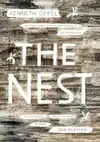
The Nest is a bizarre, creepy, genuinely scary middle grade book about Steve and his desire to ‘fix’ his ‘broken’ baby brother. Theo, his newborn brother, has many ailments and spends a lot of time at the hospital. Riddled with anxiety and fear for his brother, he dreams of what he perceives to be angels that remove his nightmares and promises to ensure his brother will be healthy and perfect.
As I mentioned above, this book was creepy. Personally, I’m already not a huge fan of wasps, and this story revolves around a wasp nest being built in Steve’s backyard. That on top of the imagery and the atmospheric and eerie segments actually had me nervous about what would happen and how it would be perceived in the end.
Like a lot of horror, the book does take a speculative twist, but it was done in a pretty unique way.
The antagonist in the book was also pretty complex. I really liked how they had their own goal and desires, and how they were able to use what they knew of Steve to manipulate his emotions to attempt to get what they wanted.
I appreciated the anxiety and OCD representation, as well as the exploration of perfection vs imperfection (and if perfection is really even worth striving towards).
The writing of this book was pretty succinct and straightforward, making it highly accessible. The book also does a great job of explaining some of the more complex terminology through the lens of things Steve learned in his biology class before summer break, so if readers do not know what pheromones are for example, the book explains it in a way that feels very natural.
The book’s cover was perfectly fitting, and I really enjoyed John Klassen’s illustrations sprinkled throughout. Additionally, I thought it was interesting that each chapter has the number of wasps in place of the chapter number (ie 5 wasps for chapter 5), until we get to the final chapter, which remained unnumbered. Similarly, the page breaks were also ways denoted with wasps, but during the final chapter the page breaks were denoted with what appeared to be crushed wasps.
The Nest is a bizarre, creepy, genuinely scary middle grade book about Steve and his desire to ‘fix’ his ‘broken’ baby brother. Theo, his newborn brother, has many ailments and spends a lot of time at the hospital. Riddled with anxiety and fear for his brother, he dreams of what he perceives to be angels that remove his nightmares and promises to ensure his brother will be healthy and perfect.
As I mentioned above, this book was creepy. Personally, I’m already not a huge fan of wasps, and this story revolves around a wasp nest being built in Steve’s backyard. That on top of the imagery and the atmospheric and eerie segments actually had me nervous about what would happen and how it would be perceived in the end.
Like a lot of horror, the book does take a speculative twist, but it was done in a pretty unique way.
The antagonist in the book was also pretty complex. I really liked how they had their own goal and desires, and how they were able to use what they knew of Steve to manipulate his emotions to attempt to get what they wanted.
I appreciated the anxiety and OCD representation, as well as the exploration of perfection vs imperfection (and if perfection is really even worth striving towards).
The writing of this book was pretty succinct and straightforward, making it highly accessible. The book also does a great job of explaining some of the more complex terminology through the lens of things Steve learned in his biology class before summer break, so if readers do not know what pheromones are for example, the book explains it in a way that feels very natural.
The book’s cover was perfectly fitting, and I really enjoyed John Klassen’s illustrations sprinkled throughout. Additionally, I thought it was interesting that each chapter has the number of wasps in place of the chapter number (ie 5 wasps for chapter 5), until we get to the final chapter, which remained unnumbered. Similarly, the page breaks were also ways denoted with wasps, but during the final chapter the page breaks were denoted with what appeared to be crushed wasps.

Truly Devious is allegedly about Stevie, a bright teenage girl who’s entire personality revolves around True Crime and mystery novels. She is accepted into a prestigious, project-based learning school to hone these skills and potentially uncover the truth behind the alleged murders of the school’s founder’s wife and daughter. Except, is it really about that? No. In truth, this is a book about a girl who is obsessed with the death of a classmate and will not rest until she understands what happened to him. In truth, I’m not sure why we needed the two timelines. It isn’t much of a spoiler to say that while the past certainly has an impact on the present, it’s minor and really could have been a prologue to the book. Additionally, does the author know she wrote a YA book? I know some people have picked this up because of the Agatha Christie and Conan Doyle references, but as a teacher of kids in this age group, 99% of them either do not know who they are or do not care. Moreover, our protagonist liking these famous murder mystery writers did not add anything to her personality or the plot. In fact, nothing added anything to these characters personalities. Most of them were bland and forgettable (don’t ask me to name them - I can’t), and Stevie somehow managed to be both boring AND terrible. I couldn’t stand her. Now, to be fair to the book, I’m already not a huge fan of mystery books, and YA mysteries even less. it’s hard for me to believe some random 16 year old is going to be more proficient than the FBI at solving a case. This book certainly did not convince me of it. Maybe this book is hinging on the fact that it’s a series, but I have no desire to read another 300-400 pages just to discover why Stevie is rude and self obsessed and suffers from panic attacks (relatable and well written, but like, crime and panic attacks aren’t a personality). I will say in her defense, I did like seeing the difficult contrast between her and her parents - it was very relatable! It also felt like the ending was supposed to be a big reveal/cliff hanger, but like…okay?? I can’t say I care at all who David’s dad is. I don’t even care about David.
Now, I know I’ve ranted, but I also read this for my master’s course on YA lit, so let me at least share some of my more professional thoughts:
Truly Devious may be relatable to YA readers who are interested in True Crime or crime related TV shows. While the book promises the characters must be brilliant to attend a prestigious school, most YA readers will have no problem keeping up with the plot since Johnson makes sure to explain much of what is going on through the main character’s inner monologue. This is not a book I would recommend to reluctant readers as it is slow paced early on, with the true mystery not taking place until nearly half way through the book. Instead, I would suggest this for readers who cling the series, are okay with not getting all of the answers in book one, and those who enjoy a duel timeline. The writing is simple and accessible, and the content is appropriate for all ages under the YA umbrella (typically 13-18). I would not suggest this book as someone’s first mystery as it is very different from others I have read, but some avid readers of the genre may enjoy that it does not necessarily follow the typical formula.
Truly Devious is allegedly about Stevie, a bright teenage girl who’s entire personality revolves around True Crime and mystery novels. She is accepted into a prestigious, project-based learning school to hone these skills and potentially uncover the truth behind the alleged murders of the school’s founder’s wife and daughter. Except, is it really about that? No. In truth, this is a book about a girl who is obsessed with the death of a classmate and will not rest until she understands what happened to him. In truth, I’m not sure why we needed the two timelines. It isn’t much of a spoiler to say that while the past certainly has an impact on the present, it’s minor and really could have been a prologue to the book. Additionally, does the author know she wrote a YA book? I know some people have picked this up because of the Agatha Christie and Conan Doyle references, but as a teacher of kids in this age group, 99% of them either do not know who they are or do not care. Moreover, our protagonist liking these famous murder mystery writers did not add anything to her personality or the plot. In fact, nothing added anything to these characters personalities. Most of them were bland and forgettable (don’t ask me to name them - I can’t), and Stevie somehow managed to be both boring AND terrible. I couldn’t stand her. Now, to be fair to the book, I’m already not a huge fan of mystery books, and YA mysteries even less. it’s hard for me to believe some random 16 year old is going to be more proficient than the FBI at solving a case. This book certainly did not convince me of it. Maybe this book is hinging on the fact that it’s a series, but I have no desire to read another 300-400 pages just to discover why Stevie is rude and self obsessed and suffers from panic attacks (relatable and well written, but like, crime and panic attacks aren’t a personality). I will say in her defense, I did like seeing the difficult contrast between her and her parents - it was very relatable! It also felt like the ending was supposed to be a big reveal/cliff hanger, but like…okay?? I can’t say I care at all who David’s dad is. I don’t even care about David.
Now, I know I’ve ranted, but I also read this for my master’s course on YA lit, so let me at least share some of my more professional thoughts:
Truly Devious may be relatable to YA readers who are interested in True Crime or crime related TV shows. While the book promises the characters must be brilliant to attend a prestigious school, most YA readers will have no problem keeping up with the plot since Johnson makes sure to explain much of what is going on through the main character’s inner monologue. This is not a book I would recommend to reluctant readers as it is slow paced early on, with the true mystery not taking place until nearly half way through the book. Instead, I would suggest this for readers who cling the series, are okay with not getting all of the answers in book one, and those who enjoy a duel timeline. The writing is simple and accessible, and the content is appropriate for all ages under the YA umbrella (typically 13-18). I would not suggest this book as someone’s first mystery as it is very different from others I have read, but some avid readers of the genre may enjoy that it does not necessarily follow the typical formula.
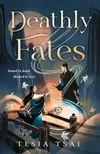

Literally cannot remember why I hate this book a 2.5 on my initial read. I admit, the ending feels a little anti-climactic and rushed, and the conflicts feel more consistently present than I am use to in a romance, but this was still a good time and it was fun getting back to these characters. Luc is still messy, Oliver is still complicated, but they’re sweet together and the cast of side characters are still funny (though also still caricatures).
I am glad I reread it to give it another chance before reading what I assume will be the conclusion of the series.
Literally cannot remember why I hate this book a 2.5 on my initial read. I admit, the ending feels a little anti-climactic and rushed, and the conflicts feel more consistently present than I am use to in a romance, but this was still a good time and it was fun getting back to these characters. Luc is still messy, Oliver is still complicated, but they’re sweet together and the cast of side characters are still funny (though also still caricatures).
I am glad I reread it to give it another chance before reading what I assume will be the conclusion of the series.
Updated a reading goal:
Read 115 books in 2026
Progress so far: 58 / 115 50%

Game Changers is an interesting story told through pieces of sentences, texts, social media posts, therapy sessions, and some (minimal) internal dialogue. The story focuses on Teddy, and incoming freshman hoping to join the high school’s football team. At the start of the book, Teddy is in a coma from a perceived football accident, but as the story progresses and the community hopes for his recovery, it seems the kids know something that adults don’t about what happened to Teddy.
I really like the way this story was told. Most of the dialogue was given to us through Teddy’s perspective. What I found interesting about this is we never got a single description. At the end of the book, the reader doesn’t know what any of the characters look like nor the setting, and yet, through the storytelling, I still was able to make a mental image of every scene.
I also like how this book examined football. Is it a senselessly violent sport, or is it a sport that builds lifelong bonds and teamwork? Despite asking it, the book doesn’t answer that question. Instead, it intentionally leave the answer up to the reader. I think it could be an incredible book to read as a family and discuss. While it is categorized as YA, I would argue it is more than fitting for Middle Grade readers as well.
I only have two complaints. One is I wanted more (which surprised me - I read this for my masters and never would have read it otherwise). The ending felt a little rushed and I would have liked the final character’s perspective. The other was that I found some of the kids and the mom to be annoying. Let me be clear, they were realistic. The mom was frazzled watching her son in the hospital in a coma and the kids were all middle school to high school aged and behaved as such. Still, I wanted more from them.
Game Changers is an interesting story told through pieces of sentences, texts, social media posts, therapy sessions, and some (minimal) internal dialogue. The story focuses on Teddy, and incoming freshman hoping to join the high school’s football team. At the start of the book, Teddy is in a coma from a perceived football accident, but as the story progresses and the community hopes for his recovery, it seems the kids know something that adults don’t about what happened to Teddy.
I really like the way this story was told. Most of the dialogue was given to us through Teddy’s perspective. What I found interesting about this is we never got a single description. At the end of the book, the reader doesn’t know what any of the characters look like nor the setting, and yet, through the storytelling, I still was able to make a mental image of every scene.
I also like how this book examined football. Is it a senselessly violent sport, or is it a sport that builds lifelong bonds and teamwork? Despite asking it, the book doesn’t answer that question. Instead, it intentionally leave the answer up to the reader. I think it could be an incredible book to read as a family and discuss. While it is categorized as YA, I would argue it is more than fitting for Middle Grade readers as well.
I only have two complaints. One is I wanted more (which surprised me - I read this for my masters and never would have read it otherwise). The ending felt a little rushed and I would have liked the final character’s perspective. The other was that I found some of the kids and the mom to be annoying. Let me be clear, they were realistic. The mom was frazzled watching her son in the hospital in a coma and the kids were all middle school to high school aged and behaved as such. Still, I wanted more from them.