
Lauren


Inside Out and Back Again takes place during and immediately after the Vietnam war, following Hà and her family’s experience.
For Hà, this means loving her home, loving her culture, and losing it overnight to the war. It means looking to a mother who also is just barely figuring out what to do. It means mourning all they lost without the time or even full knowledge of what that may be. It is an incredibly sad, touching story.
It feels appropriate that this story was told in verse (despite the fact I’m typically more a fan of stories told in verse). Considering this book’s target audience is middle grade, I think the way the Lại chose to write this book allows for the reader to put themselves in Hà’s shoes. Due to the nature of being written in verse, each chapter is able to focus on one thing. Some examples may include what food Hà likes, confusing the political state of Vietnam, how confusing English is as a language, and how kind and cruel people (adults and children) can be. I think a lot of kids will relate to Hà, even if they do not have her experiences. Even those that do not relate can learn a lot about how their peers - particularly peers who are from a different country or speak a different language- may feel.
The author’s note was also so important. Lại shares that much or the book was directly inspired from her own life experiences, so while it is not a memoir or biography, there is a lot of truth to the story. I think knowing that makes the story hit a little harder.
Inside Out and Back Again takes place during and immediately after the Vietnam war, following Hà and her family’s experience.
For Hà, this means loving her home, loving her culture, and losing it overnight to the war. It means looking to a mother who also is just barely figuring out what to do. It means mourning all they lost without the time or even full knowledge of what that may be. It is an incredibly sad, touching story.
It feels appropriate that this story was told in verse (despite the fact I’m typically more a fan of stories told in verse). Considering this book’s target audience is middle grade, I think the way the Lại chose to write this book allows for the reader to put themselves in Hà’s shoes. Due to the nature of being written in verse, each chapter is able to focus on one thing. Some examples may include what food Hà likes, confusing the political state of Vietnam, how confusing English is as a language, and how kind and cruel people (adults and children) can be. I think a lot of kids will relate to Hà, even if they do not have her experiences. Even those that do not relate can learn a lot about how their peers - particularly peers who are from a different country or speak a different language- may feel.
The author’s note was also so important. Lại shares that much or the book was directly inspired from her own life experiences, so while it is not a memoir or biography, there is a lot of truth to the story. I think knowing that makes the story hit a little harder.

The Silence of Bones is my first June Hur book, and coincidentally, it is also her debut, which is incredibly impressive. At one point in time I had her other work, A Crane Among Wolves, on my TBR but because it was a library book and not one I had to prioritize, I never got around to it. This book has convinced me I need to go back to it.
The Silence of Bones is a 1800s mystery set in Korea. I’ll be honest, until recently (I mean as recently as three months ago) I knew very little about Korean history, so this book came at the perfect time (I picked it as one of my reads for my Master’s course and I’m gland I did). I highly recommend reading rhetorical author’s note at the end! It gave so much insight into how this book came to be.
I really enjoyed Seol as a character. I admit I’m not the biggest fan of mysteries generally speaking, but while I did find this mystery interesting enough, what I liked most about this book was learning about Seol’s life, how she got into servitude for the police, her family, and the differing dynamics between her and other characters.
The twists in this book were well done. I think I only predicted one of them, but when the reveals were made, they made sense. I will say, however, that there were times that we received the stereotypical “villain” speech so we understood what happened and why, and that felt a little unrealistic. That being said, this is a YA book, and overall it did not hold the reader’s hand too much, so I suppose if that’s the biggest crime this book committed (pun intended), that’s not too bad.
I also appreciated the pronunciation guide for each characters name. I found it very helpful and intuitive.
The Silence of Bones is my first June Hur book, and coincidentally, it is also her debut, which is incredibly impressive. At one point in time I had her other work, A Crane Among Wolves, on my TBR but because it was a library book and not one I had to prioritize, I never got around to it. This book has convinced me I need to go back to it.
The Silence of Bones is a 1800s mystery set in Korea. I’ll be honest, until recently (I mean as recently as three months ago) I knew very little about Korean history, so this book came at the perfect time (I picked it as one of my reads for my Master’s course and I’m gland I did). I highly recommend reading rhetorical author’s note at the end! It gave so much insight into how this book came to be.
I really enjoyed Seol as a character. I admit I’m not the biggest fan of mysteries generally speaking, but while I did find this mystery interesting enough, what I liked most about this book was learning about Seol’s life, how she got into servitude for the police, her family, and the differing dynamics between her and other characters.
The twists in this book were well done. I think I only predicted one of them, but when the reveals were made, they made sense. I will say, however, that there were times that we received the stereotypical “villain” speech so we understood what happened and why, and that felt a little unrealistic. That being said, this is a YA book, and overall it did not hold the reader’s hand too much, so I suppose if that’s the biggest crime this book committed (pun intended), that’s not too bad.
I also appreciated the pronunciation guide for each characters name. I found it very helpful and intuitive.
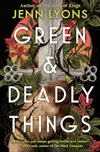
This story is sold as a a high action romantasy of knights fighting against necromancy and the evils of botanical magic, and while it is that, I wouldn’t go into this expecting a large focus on necromancy. Perhaps this is a me problem, but I hear necromancy, my mind goes to the Locked Tomb series. The cover of this book also gave me C.G. Drew vibes. These are the things that made me pick this up, but I wouldn’t say it meets either.
I would say it is high action (I would be shocked if you were ever bored - it seemed like something was always happening). It was a fun and engaging read, and I enjoyed it for what it was, but I will admit it was far from perfect. Being a standalone, it’s really hard to balance world building vs plot because you simply do not always have the time, and due to this, I found the world building to be lacking. However, if you are someone who can go with the flow, it’s not badly built, just not as in depth as I would have liked.
I did enjoy Math as a main character. He was fun to be in the mind of, and a special feature of the magic that becomes apparent after meeting Kai was a fun way to give multi-POV vibes without actually giving multiple POVs. The romance was also very 0 to 100, but oddly, I didn’t mind that as much as I usually do.
I think this book does try to explore themes of found family, perception vs reality, corrupt government entities, and what good vs evil really means, but it never gets super in depth into any of those topics.
This review may sound negative, but honestly, despite all of it, I had fun. Will this be a new favorite? No. Am I likely to remember the plot at the end of the year? Also no. Did I have fun the entire time I was reading? Yes. I love to analyze my books and engage deeply with them, but sometimes it’s also nice to have a book I could just be along for the ride with, enjoy a few puns, and watch the chaos. If you’ve read any amount of fantasy, this is very predictable, but it was a good time.
Also worth noting: I did read this 50/50 with the digital and audiobook, and while the narrator did a fine job, for whatever reason, I had a much harder time following the story with audio vs physical (I read many books this way, so I’m not sure why this one was different)
This story is sold as a a high action romantasy of knights fighting against necromancy and the evils of botanical magic, and while it is that, I wouldn’t go into this expecting a large focus on necromancy. Perhaps this is a me problem, but I hear necromancy, my mind goes to the Locked Tomb series. The cover of this book also gave me C.G. Drew vibes. These are the things that made me pick this up, but I wouldn’t say it meets either.
I would say it is high action (I would be shocked if you were ever bored - it seemed like something was always happening). It was a fun and engaging read, and I enjoyed it for what it was, but I will admit it was far from perfect. Being a standalone, it’s really hard to balance world building vs plot because you simply do not always have the time, and due to this, I found the world building to be lacking. However, if you are someone who can go with the flow, it’s not badly built, just not as in depth as I would have liked.
I did enjoy Math as a main character. He was fun to be in the mind of, and a special feature of the magic that becomes apparent after meeting Kai was a fun way to give multi-POV vibes without actually giving multiple POVs. The romance was also very 0 to 100, but oddly, I didn’t mind that as much as I usually do.
I think this book does try to explore themes of found family, perception vs reality, corrupt government entities, and what good vs evil really means, but it never gets super in depth into any of those topics.
This review may sound negative, but honestly, despite all of it, I had fun. Will this be a new favorite? No. Am I likely to remember the plot at the end of the year? Also no. Did I have fun the entire time I was reading? Yes. I love to analyze my books and engage deeply with them, but sometimes it’s also nice to have a book I could just be along for the ride with, enjoy a few puns, and watch the chaos. If you’ve read any amount of fantasy, this is very predictable, but it was a good time.
Also worth noting: I did read this 50/50 with the digital and audiobook, and while the narrator did a fine job, for whatever reason, I had a much harder time following the story with audio vs physical (I read many books this way, so I’m not sure why this one was different)


An Occasionally Happy Family is a realistic, candid look at a family living in the aftermath of losing a loved one. Theo, the main character, is 13. He likes rock music and making comics. His sister Laura is 16, and while they use to be close, they bicker more than anything else. At the top of the story, their father decides to surprise them with a camping trip, which Laura quickly takes over since their father had not done any proper research. As the story continues, it reveals a family of three not quite connecting after the death of Laura and Theo’s mother about two years prior.
Theo was incredibly relatable. As the youngest in my family (until my mom remarried) I understood precisely what it is like to feel like there isn’t a group you really fit into, sometimes even within a family. Laura was enjoyable as well. She reads as a 16 year old and her passion and sense of right and wrong are compelling to read.
The largest strength of this book, however, is how it tackles grief. It does a great job of portraying how in the midst of grief there are moments that are happy and funny, moments that are frustrating and anger inducing, and moments that are just sad. Theo experiences all of these emotions and more. The story does a great job of showing how sometimes those emotions can sneak up on you and how, for some, the fear of forgetting pieces of lost loved ones is as difficult as the grief itself. As someone who lost their father, I related heavily to this topic and found myself crying, despite not expecting to.
I will admit, I found myself getting frustrated with his father, too. Both Theo and Laura try to express their emotions to their father, but still grieving himself, he does not always respond the best way (oftentimes he doesn’t even seem to notice they are trying to explain their emotions to him). Due to a reveal later in the story, Theo and Laura feel betrayed, and he also doesn’t seem to understand that until things hit a boiling point. He was frustrating to read about, but not necessarily unrealistic.
I think this can be a very important read for kids and their parents, particularly in the event of the death of a parent.
An Occasionally Happy Family is a realistic, candid look at a family living in the aftermath of losing a loved one. Theo, the main character, is 13. He likes rock music and making comics. His sister Laura is 16, and while they use to be close, they bicker more than anything else. At the top of the story, their father decides to surprise them with a camping trip, which Laura quickly takes over since their father had not done any proper research. As the story continues, it reveals a family of three not quite connecting after the death of Laura and Theo’s mother about two years prior.
Theo was incredibly relatable. As the youngest in my family (until my mom remarried) I understood precisely what it is like to feel like there isn’t a group you really fit into, sometimes even within a family. Laura was enjoyable as well. She reads as a 16 year old and her passion and sense of right and wrong are compelling to read.
The largest strength of this book, however, is how it tackles grief. It does a great job of portraying how in the midst of grief there are moments that are happy and funny, moments that are frustrating and anger inducing, and moments that are just sad. Theo experiences all of these emotions and more. The story does a great job of showing how sometimes those emotions can sneak up on you and how, for some, the fear of forgetting pieces of lost loved ones is as difficult as the grief itself. As someone who lost their father, I related heavily to this topic and found myself crying, despite not expecting to.
I will admit, I found myself getting frustrated with his father, too. Both Theo and Laura try to express their emotions to their father, but still grieving himself, he does not always respond the best way (oftentimes he doesn’t even seem to notice they are trying to explain their emotions to him). Due to a reveal later in the story, Theo and Laura feel betrayed, and he also doesn’t seem to understand that until things hit a boiling point. He was frustrating to read about, but not necessarily unrealistic.
I think this can be a very important read for kids and their parents, particularly in the event of the death of a parent.

Updated a reading goal:
Read 40k pages in 2026
Progress so far: 20245 / 40000 50%

Where the Mountain Meets the Moon is a beautifully crafted Middle Grade book that I have not heard enough about. A young girl named Minli lives with her parents on Fruitless Mountain. Day in and day out, the entire village toils away for very little return. It appears many are struggling to even produce enough to eat. Minli’s Ba (father) fills her head with all sorts of stories. The book focuses on two important tales: The Jade Dragon and the Old Man of the Moon. It is said the Old Man of the Moon has the answers for everything, so one day Minli decides to take it upon herself to find him and ask how she can change her family’s fortune. On her journey she encounters a dragon who becomes her companion on her journey, kings, terrifying tigers, and more. Each stop along the way introduces her to another Chinese folktale, that both serve to propel the plot and teach Minli valuable lessons.
I think so many children will enjoy Minli. She is brave, strong, kind, and cares deeply about her family. I also enjoyed that the book showed us her parent’s perspectives, something I have not seen done in many middle grade books. While Minli is learning more about the world and herself, her parents miss her and are forced to reconnect and reflect on why they behave the way they do. I think this may be insightful for many young readers as it may help them realize how parents are often dealing with very similar emotions as they are, and oftentimes they are simply doing their best in difficult situations.
The writing was also throughly enjoyable. It’s accessible while also forcing middle grade aged readers to use some context clues to discover some of the more cultural words if they are less familiar (such as kowtow).
I think young readers could enjoy reading this at night with a parent and middle grade through young adult readers would enjoy this on their own. I would be interested in reading some more of Lin’s work.
Where the Mountain Meets the Moon is a beautifully crafted Middle Grade book that I have not heard enough about. A young girl named Minli lives with her parents on Fruitless Mountain. Day in and day out, the entire village toils away for very little return. It appears many are struggling to even produce enough to eat. Minli’s Ba (father) fills her head with all sorts of stories. The book focuses on two important tales: The Jade Dragon and the Old Man of the Moon. It is said the Old Man of the Moon has the answers for everything, so one day Minli decides to take it upon herself to find him and ask how she can change her family’s fortune. On her journey she encounters a dragon who becomes her companion on her journey, kings, terrifying tigers, and more. Each stop along the way introduces her to another Chinese folktale, that both serve to propel the plot and teach Minli valuable lessons.
I think so many children will enjoy Minli. She is brave, strong, kind, and cares deeply about her family. I also enjoyed that the book showed us her parent’s perspectives, something I have not seen done in many middle grade books. While Minli is learning more about the world and herself, her parents miss her and are forced to reconnect and reflect on why they behave the way they do. I think this may be insightful for many young readers as it may help them realize how parents are often dealing with very similar emotions as they are, and oftentimes they are simply doing their best in difficult situations.
The writing was also throughly enjoyable. It’s accessible while also forcing middle grade aged readers to use some context clues to discover some of the more cultural words if they are less familiar (such as kowtow).
I think young readers could enjoy reading this at night with a parent and middle grade through young adult readers would enjoy this on their own. I would be interested in reading some more of Lin’s work.

Six books deep and I, unfortunately, continue to run into the same issues. Should I probably just give up on the series? Maybe, but not only do I want to know how they conclude, but they’ve been something me and my partner have enjoyed dissecting, debating, and discussing.
Believe it or not, I do have some good to say about this one. Like the previous installments, the epilogue is perfect. Honestly, sometimes it feels like someone else wrote the epilogues because they go on just long enough to give the reader new information without holding our hands and spoon feeding it. If I had to guess, Dinniman spends most of his editing time on the epilogues. I also appreciated acknowledging which aspects that may be considered offensive were thoughts the Carl had vs things the infamous “show runners” were enacting (not all the time, but progress). I liked the idea behind this floor, too, and how Dinniman introduced concepts earlier on that were revisited later.
To be honest, the reminder of this review will be me complaining. Fair warning.
My largest complaint is this book desperately needs an editor. From what I could find in the copyright information, this book is published by the author and does not credit an editor, so I have to assume there is none. I swear, this book could easily be 200 less pages with a good editor. Even my partner (who is not a reader) noticed how repetitive the book was and got frustrated when we were told the same information multiple times in a single scene. It is totally okay to tell the audience something once (maybe twice) and trust them to remember and understand, or better yet, sometimes things can be summarized. That being said, there were times we would have to go back and reread sections of the book due to some description being nearly nonsensical. While we listen to the audiobook, I have the ebook up on my phone. I mention this because while usually the audiobook is okay, the voice Hayes did for the demon was impossible for either of us to understand.
Additionally, the whole joke about the crabs and their desire/need to get off and procreate was pointless, not funny, and gross. It felt like a joke that would have been written by a middle school boy.
I also cannot believe Carl, who served in the military, would not know what an Adjutant is. Like?????
Despite addressing some of the more offensive ideas in the book as the aliens doing, I would be remiss not to mention a list of some of the more problematic content warnings, including but not limited to: anorexia being used as a descriptor, ableism, sexism/misogyny (the word bitch appears 62 times and the word whore appears 15 and we spend too much time describing breasts as boy parts that either enhance or detract from a women’s hotness/goodness- I don’t care if these are titles or not, they’re problematic and not funny; additionally, the phrase “I could only tell she was female because it said so” was disgusting), racism, unnecessary torture by the “good guys”, sexual assault that happened to a character being played for jokes, and I’m sure much more that I have forgotten over the months it took me to read this.
Six books deep and I, unfortunately, continue to run into the same issues. Should I probably just give up on the series? Maybe, but not only do I want to know how they conclude, but they’ve been something me and my partner have enjoyed dissecting, debating, and discussing.
Believe it or not, I do have some good to say about this one. Like the previous installments, the epilogue is perfect. Honestly, sometimes it feels like someone else wrote the epilogues because they go on just long enough to give the reader new information without holding our hands and spoon feeding it. If I had to guess, Dinniman spends most of his editing time on the epilogues. I also appreciated acknowledging which aspects that may be considered offensive were thoughts the Carl had vs things the infamous “show runners” were enacting (not all the time, but progress). I liked the idea behind this floor, too, and how Dinniman introduced concepts earlier on that were revisited later.
To be honest, the reminder of this review will be me complaining. Fair warning.
My largest complaint is this book desperately needs an editor. From what I could find in the copyright information, this book is published by the author and does not credit an editor, so I have to assume there is none. I swear, this book could easily be 200 less pages with a good editor. Even my partner (who is not a reader) noticed how repetitive the book was and got frustrated when we were told the same information multiple times in a single scene. It is totally okay to tell the audience something once (maybe twice) and trust them to remember and understand, or better yet, sometimes things can be summarized. That being said, there were times we would have to go back and reread sections of the book due to some description being nearly nonsensical. While we listen to the audiobook, I have the ebook up on my phone. I mention this because while usually the audiobook is okay, the voice Hayes did for the demon was impossible for either of us to understand.
Additionally, the whole joke about the crabs and their desire/need to get off and procreate was pointless, not funny, and gross. It felt like a joke that would have been written by a middle school boy.
I also cannot believe Carl, who served in the military, would not know what an Adjutant is. Like?????
Despite addressing some of the more offensive ideas in the book as the aliens doing, I would be remiss not to mention a list of some of the more problematic content warnings, including but not limited to: anorexia being used as a descriptor, ableism, sexism/misogyny (the word bitch appears 62 times and the word whore appears 15 and we spend too much time describing breasts as boy parts that either enhance or detract from a women’s hotness/goodness- I don’t care if these are titles or not, they’re problematic and not funny; additionally, the phrase “I could only tell she was female because it said so” was disgusting), racism, unnecessary torture by the “good guys”, sexual assault that happened to a character being played for jokes, and I’m sure much more that I have forgotten over the months it took me to read this.
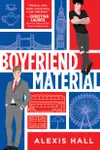
This was my reread of Boyfriend Material. I first read it in 2024. It was actually one of the first books I read solely as an audiobook back when I had an hour commute to work each day.
During this reread, I enjoyed it nearly as much as the first time. Despite my rating, it isn’t perfect. At times it is cringy and ridiculous, but it’s so much fun. I will say, I went back and forth reading this physically and as an audiobook from my local library, and the audiobook makes the experience much better than physically reading the book. The narrator adds so much life to Luc and his friends.
I like how different Luc and Oliver are, and I appreciate that while Luc is portrayed to be the messy, life is a wreck one, we start to explore what Oliver’s life is like, too. However, I do wish we got more of Oliver’s life sooner.
This was my reread of Boyfriend Material. I first read it in 2024. It was actually one of the first books I read solely as an audiobook back when I had an hour commute to work each day.
During this reread, I enjoyed it nearly as much as the first time. Despite my rating, it isn’t perfect. At times it is cringy and ridiculous, but it’s so much fun. I will say, I went back and forth reading this physically and as an audiobook from my local library, and the audiobook makes the experience much better than physically reading the book. The narrator adds so much life to Luc and his friends.
I like how different Luc and Oliver are, and I appreciate that while Luc is portrayed to be the messy, life is a wreck one, we start to explore what Oliver’s life is like, too. However, I do wish we got more of Oliver’s life sooner.

The Everlasting by Alix E. Harrow explores the story of a scholar and reluctant war Veteran, Owen Mallory, and a prolific knight, Sir Una Everlasting as they become bound to revive the same story time and time again to allegedly secure a better, healthier future for their country.
“I will wait for you. Beneath the yew.”
Honestly, it’s so rude to start the year with a five star read. I have no notes. Over the last two years, Harrow as secured a spot as one of my favorite authors and I think this might be her best work yet (though, if this book didn’t work for you I highly suggest her novella that inspired this book, The Six Deaths of the Saint).
This book is slow moving, and therefore are events you will see more than once, but while the plot is obviously important, it’s not really what the book is about. It’s about personhood and free will. It discusses the role of women and womanhood through history and how even when women were able to find successes and power, they had to be painted to fit a certain expectation and risked losing it all with every second. It looks at how people edit history to fit their own agendas and how the strong will always grapple for more strength and power, even when they’ve gained more than their fair share. It looks at how we treat the people we love and the way people can end up hurting those very things for fear of losing them. Surprisingly, it also explores the role of parents and what parents do for their children, what makes someone a parent (including what makes them a good or bad parent). It looks at how children react to their parents within the context of their own knowledge and experiences.
Not only are the messages of this book subtle and well done, but the yearning was incredible. If you’re hoping for a quick romance, this isn’t it, but if you can have patience it’s a beautiful and heartbreaking story.
The writing itself is wonderful. Harrow does a great job at making her writing flow and have the feeling of being flower without ever feeling bogged down or tiring.
I feel conflicted when it comes to the best way to read this book. I really liked the audiobook narration. The narrators were pretty good, but the story is really and back and forth conversation, so having the different voices was nice. However, without spoiling anything, around the mid-point of the book a cipher is mentioned. At the end of the book if you can see the text, the cipher is usable and it was a fun (though unnecessary) added detail that you wouldn’t know about and couldn’t solve if you didn’t have the text in front of you.
Something else to note is there some graphic depictions of sexual acts. They’re skippable if that’s something you don’t want to read, and aren’t present throughout most of the story. I will say, as someone who can take it or leave it, they were well done and added to the relationship, especially considering how sparsely they were used.
The Everlasting by Alix E. Harrow explores the story of a scholar and reluctant war Veteran, Owen Mallory, and a prolific knight, Sir Una Everlasting as they become bound to revive the same story time and time again to allegedly secure a better, healthier future for their country.
“I will wait for you. Beneath the yew.”
Honestly, it’s so rude to start the year with a five star read. I have no notes. Over the last two years, Harrow as secured a spot as one of my favorite authors and I think this might be her best work yet (though, if this book didn’t work for you I highly suggest her novella that inspired this book, The Six Deaths of the Saint).
This book is slow moving, and therefore are events you will see more than once, but while the plot is obviously important, it’s not really what the book is about. It’s about personhood and free will. It discusses the role of women and womanhood through history and how even when women were able to find successes and power, they had to be painted to fit a certain expectation and risked losing it all with every second. It looks at how people edit history to fit their own agendas and how the strong will always grapple for more strength and power, even when they’ve gained more than their fair share. It looks at how we treat the people we love and the way people can end up hurting those very things for fear of losing them. Surprisingly, it also explores the role of parents and what parents do for their children, what makes someone a parent (including what makes them a good or bad parent). It looks at how children react to their parents within the context of their own knowledge and experiences.
Not only are the messages of this book subtle and well done, but the yearning was incredible. If you’re hoping for a quick romance, this isn’t it, but if you can have patience it’s a beautiful and heartbreaking story.
The writing itself is wonderful. Harrow does a great job at making her writing flow and have the feeling of being flower without ever feeling bogged down or tiring.
I feel conflicted when it comes to the best way to read this book. I really liked the audiobook narration. The narrators were pretty good, but the story is really and back and forth conversation, so having the different voices was nice. However, without spoiling anything, around the mid-point of the book a cipher is mentioned. At the end of the book if you can see the text, the cipher is usable and it was a fun (though unnecessary) added detail that you wouldn’t know about and couldn’t solve if you didn’t have the text in front of you.
Something else to note is there some graphic depictions of sexual acts. They’re skippable if that’s something you don’t want to read, and aren’t present throughout most of the story. I will say, as someone who can take it or leave it, they were well done and added to the relationship, especially considering how sparsely they were used.

All the Bright Places follows two seniors in high school. Finch (aka Theo or Theodore) seems to be a boy who is quite literally trying to outrun life and its problems. Violet is still recovering from losing her sister months prior in a car accident. Despite how different the two are, and despite how tragic their lives may seem, they connect through a school project to see their state. This book is funny and relatable and heartbreaking in equal measure.
If you do not want to know about this book’s ending or themes, stop here. Honestly, if you haven’t read it, stop, read it, then come back. Okay, actually, read the trigger warnings first if you need. Some of the big ones I’ve noted include: bullying, suicidal ideation, dictions of depression, car accident, death of a child (high school aged), grief, abuse (physical/neglect), and PTSD. . . . . . . . . . . This is my second time reading All the Bright Places. The first time I read it was in around this time (summer) of 2022. I was 25 at the time and was still finding my stride in getting back into reading. I’ve always been a primarily sci-fi and fantasy reader, so I can’t say what made me pick up this book. I remember feeling the growing, impending dread as I read. This time I read it for a YA lit course for my Masters Degree. When I started it again, I thought I likely overrated it the first time. Some of the thoughts and things said early on don’t feel like they aged well, but then I remembered the intended audience and as the story unfurled, everything said and done felt viscerally real.
During my first read, I wasn’t looking for the symbolism on Finch’s name. Even knowing something was coming, I had myself convinced I saw it wrong. This allowed me to ignore a lot of very difficult to read things. I knew the first time I read this that Finch’s family was not functional, but this time the neglect really stood out to me. You can’t blame Violet or Finch’s sisters for that happened, and you want to feel bad for the mom, but I do understand why Violet’s father is so angry with her. I am so angry with her. It’s complicated though, because while Finch’s bipolar is so clearly there from the start, we don’t spend much time with his mom. I don’t excuse her in anyway, but it’s hard realizing how abused she likely was from her ex, how checked out she was likely in part to that abuse and from likely being re-traumatized having to interact with her ex-husband. I would guess he has either threatened her or has a court order to see his children considering none of them seem eager to see him. She appears depressed, overwhelmed, and mentally/emotionally unavailable. She should have done better, that cannot be excused (especially not sending Violet to find her son when she clearly suspected he was dead), but I do feel for her in a way I didn’t during my first read. (His dad can go to hell - I have no empathy for him).
On the opposite side of things, I thought Violet’s parents seemed perfect on my first read. This time I can see how flawed they are. They’re doing their best, and they clearly love their daughter, but it was heartbreaking to see how desperately Violet was clinging onto her sister while they rarely (if ever) mentioned her. While I understand how protective her father felt, it was also hard seeing how he reacted to everything, particularly calling suicide selfish when, in reality, those who die by suicide tend to believe it is the opposite. I understand that this comes from a place of grief for him, but it doesn’t feel great having him take that grief out on a child. Additionally, when Violet started voicing her concerns about Finch, while her mother tried to do everything she could think of to help, her father was uninvolved. I understand he felt trauma from not hearing from Violet for a night, but it felt almost childish to be so angry at this boy as to not care. It bothers me a little that they didn’t even try to call the police. I’m a teacher, so maybe my perspective is skewed, but if I knew a kid had gone missing for weeks, only occasionally checking in with his family (clearly neglected since the mom said this was fine and didn’t think her child dealing with mental illness needed help) and had a bad relationship with his father (I’m not sure if they knew he was abusive), I would be calling CPS and the police to find this child.
Violet is a great character. She is complex and shows great growth. She starts scared and stuck, refusing to move forward from her sister’s death, surrounded by people who hardly understand her. With Finch’s help, she finds her footing again and learns how to navigate grief in the many forms it can take, and it takes many for her. I really like her and think she would be relatable to other teens dealing with such traumatic events. Her conversation with the counselor at the end is particularly impactful.
And Finch. Finch broke my heart on both reads. This time, however, I felt it deeper. On my first read there felt like he had hope. On this one, slowing down and taking my time, I could feel how hopeless he truly felt. How every time he said he wasn’t going to fall back into a depression, how he wasn’t going to run until the adrenaline kept him “awake”, how he wanted to put all his dreams into Violet, I could see it for what it was - fear. I’m not sure he ever really believed he could out run his darkness. I understand he was also manic, but it read to me like he was experiencing a mix of depression and mania (which can happen in those with bipolar). It was hard rooting for him when I knew the ending, yet I couldn’t help it.
I also feel compelled to say this is my first time reading the author’s note. I’ve only started taking time to read them this year, and it feels especially impactful. I did not realize this was Niven’s YA debut, nor that this book reflects pieces of her real life. It puts into context why this story feels so real (even if the wandering assignment may feel a little unlikely).
In short, this book hit me just as hard as it did the first time, if not harder. And yes, I did in fact ugly sob throughout the final 60 pages. Maybe I’ll come back in another 4-5 years and put myself through it again.
All the Bright Places follows two seniors in high school. Finch (aka Theo or Theodore) seems to be a boy who is quite literally trying to outrun life and its problems. Violet is still recovering from losing her sister months prior in a car accident. Despite how different the two are, and despite how tragic their lives may seem, they connect through a school project to see their state. This book is funny and relatable and heartbreaking in equal measure.
If you do not want to know about this book’s ending or themes, stop here. Honestly, if you haven’t read it, stop, read it, then come back. Okay, actually, read the trigger warnings first if you need. Some of the big ones I’ve noted include: bullying, suicidal ideation, dictions of depression, car accident, death of a child (high school aged), grief, abuse (physical/neglect), and PTSD. . . . . . . . . . . This is my second time reading All the Bright Places. The first time I read it was in around this time (summer) of 2022. I was 25 at the time and was still finding my stride in getting back into reading. I’ve always been a primarily sci-fi and fantasy reader, so I can’t say what made me pick up this book. I remember feeling the growing, impending dread as I read. This time I read it for a YA lit course for my Masters Degree. When I started it again, I thought I likely overrated it the first time. Some of the thoughts and things said early on don’t feel like they aged well, but then I remembered the intended audience and as the story unfurled, everything said and done felt viscerally real.
During my first read, I wasn’t looking for the symbolism on Finch’s name. Even knowing something was coming, I had myself convinced I saw it wrong. This allowed me to ignore a lot of very difficult to read things. I knew the first time I read this that Finch’s family was not functional, but this time the neglect really stood out to me. You can’t blame Violet or Finch’s sisters for that happened, and you want to feel bad for the mom, but I do understand why Violet’s father is so angry with her. I am so angry with her. It’s complicated though, because while Finch’s bipolar is so clearly there from the start, we don’t spend much time with his mom. I don’t excuse her in anyway, but it’s hard realizing how abused she likely was from her ex, how checked out she was likely in part to that abuse and from likely being re-traumatized having to interact with her ex-husband. I would guess he has either threatened her or has a court order to see his children considering none of them seem eager to see him. She appears depressed, overwhelmed, and mentally/emotionally unavailable. She should have done better, that cannot be excused (especially not sending Violet to find her son when she clearly suspected he was dead), but I do feel for her in a way I didn’t during my first read. (His dad can go to hell - I have no empathy for him).
On the opposite side of things, I thought Violet’s parents seemed perfect on my first read. This time I can see how flawed they are. They’re doing their best, and they clearly love their daughter, but it was heartbreaking to see how desperately Violet was clinging onto her sister while they rarely (if ever) mentioned her. While I understand how protective her father felt, it was also hard seeing how he reacted to everything, particularly calling suicide selfish when, in reality, those who die by suicide tend to believe it is the opposite. I understand that this comes from a place of grief for him, but it doesn’t feel great having him take that grief out on a child. Additionally, when Violet started voicing her concerns about Finch, while her mother tried to do everything she could think of to help, her father was uninvolved. I understand he felt trauma from not hearing from Violet for a night, but it felt almost childish to be so angry at this boy as to not care. It bothers me a little that they didn’t even try to call the police. I’m a teacher, so maybe my perspective is skewed, but if I knew a kid had gone missing for weeks, only occasionally checking in with his family (clearly neglected since the mom said this was fine and didn’t think her child dealing with mental illness needed help) and had a bad relationship with his father (I’m not sure if they knew he was abusive), I would be calling CPS and the police to find this child.
Violet is a great character. She is complex and shows great growth. She starts scared and stuck, refusing to move forward from her sister’s death, surrounded by people who hardly understand her. With Finch’s help, she finds her footing again and learns how to navigate grief in the many forms it can take, and it takes many for her. I really like her and think she would be relatable to other teens dealing with such traumatic events. Her conversation with the counselor at the end is particularly impactful.
And Finch. Finch broke my heart on both reads. This time, however, I felt it deeper. On my first read there felt like he had hope. On this one, slowing down and taking my time, I could feel how hopeless he truly felt. How every time he said he wasn’t going to fall back into a depression, how he wasn’t going to run until the adrenaline kept him “awake”, how he wanted to put all his dreams into Violet, I could see it for what it was - fear. I’m not sure he ever really believed he could out run his darkness. I understand he was also manic, but it read to me like he was experiencing a mix of depression and mania (which can happen in those with bipolar). It was hard rooting for him when I knew the ending, yet I couldn’t help it.
I also feel compelled to say this is my first time reading the author’s note. I’ve only started taking time to read them this year, and it feels especially impactful. I did not realize this was Niven’s YA debut, nor that this book reflects pieces of her real life. It puts into context why this story feels so real (even if the wandering assignment may feel a little unlikely).
In short, this book hit me just as hard as it did the first time, if not harder. And yes, I did in fact ugly sob throughout the final 60 pages. Maybe I’ll come back in another 4-5 years and put myself through it again.

Unfortunately, the Circus Rose was not for me. In its defense, I may never have come across it if it wasn’t one of the books I could pick to read for my master’s course on YA literature, but I really thought I would love it.
There were some interesting things in this book. I enjoyed the inclusion single parent representation, found family, bisexual representation, polyamory representation, difficult child/parent relationships, and the exploration of how siblings (particularly twins) are their own, individual people. Many YA readers can related to one or more of those things. While it did not work for me, I can still appreciate one POV being in prose while the other with told in verse. I think poetry readers may get more out of that mechanic. Speaking of mechanics, I also liked how one of the daughters wanted to be center stage, while the other was interested in mechanics.
All that to be said, I just didn’t love it. In the very first pages we are told that Rose and Ivory are twins from different fathers. We know at this time that their mother is NOT in a poly relationship with two men. She is dating two men, but they are uninvolved with each other. Now, is it totally possible for someone to have two eggs drop in a cycle? Yes. In theory, if that person self with two separate people during ovulation, could one sperm from each person fertilize one of the two eggs and both eggs implant? Also yes. However, the third line of the first chapter states that she simply slept with them in the same month. Sure, the daughters likely did not get details, but it just seems incredibly unlikely and misleading. If you’re going to include this in a YA novel, I need magic to explain it or the author to explain how this anomaly happened.
I also found the beginning terribly boring. It was repetitive (both girl’s POVs mentioned the same things - like that Bear could unlock their own cage) and the first few chapters felt like lazy world building. We get a recap of the first 15-16 years of their lives, but we aren’t really there. I would have perfected just jump into the story or give us their last in flashbacks. This way of writing made it impossible for me to really care because I felt so disconnected. (I have nowhere to put this, but there is a line about how one of the girls could fit into a spot that a girl of 15 could never fit into….she was 14. Many girls that are 14 and 15 are similar is shape and size, so why include this???)
Even when the true events of the book kicked off, I just didn’t care. I felt no sense of urgency and never really had reason to care. I am so sure there is an audience for this book, but unfortunately it wasn’t me.
Unfortunately, the Circus Rose was not for me. In its defense, I may never have come across it if it wasn’t one of the books I could pick to read for my master’s course on YA literature, but I really thought I would love it.
There were some interesting things in this book. I enjoyed the inclusion single parent representation, found family, bisexual representation, polyamory representation, difficult child/parent relationships, and the exploration of how siblings (particularly twins) are their own, individual people. Many YA readers can related to one or more of those things. While it did not work for me, I can still appreciate one POV being in prose while the other with told in verse. I think poetry readers may get more out of that mechanic. Speaking of mechanics, I also liked how one of the daughters wanted to be center stage, while the other was interested in mechanics.
All that to be said, I just didn’t love it. In the very first pages we are told that Rose and Ivory are twins from different fathers. We know at this time that their mother is NOT in a poly relationship with two men. She is dating two men, but they are uninvolved with each other. Now, is it totally possible for someone to have two eggs drop in a cycle? Yes. In theory, if that person self with two separate people during ovulation, could one sperm from each person fertilize one of the two eggs and both eggs implant? Also yes. However, the third line of the first chapter states that she simply slept with them in the same month. Sure, the daughters likely did not get details, but it just seems incredibly unlikely and misleading. If you’re going to include this in a YA novel, I need magic to explain it or the author to explain how this anomaly happened.
I also found the beginning terribly boring. It was repetitive (both girl’s POVs mentioned the same things - like that Bear could unlock their own cage) and the first few chapters felt like lazy world building. We get a recap of the first 15-16 years of their lives, but we aren’t really there. I would have perfected just jump into the story or give us their last in flashbacks. This way of writing made it impossible for me to really care because I felt so disconnected. (I have nowhere to put this, but there is a line about how one of the girls could fit into a spot that a girl of 15 could never fit into….she was 14. Many girls that are 14 and 15 are similar is shape and size, so why include this???)
Even when the true events of the book kicked off, I just didn’t care. I felt no sense of urgency and never really had reason to care. I am so sure there is an audience for this book, but unfortunately it wasn’t me.

On the Same Page is a friends to lovers romance between Riley, an every day kind of girl trying to launch a news project to reel in younger viewership, and Gianna, a larger than life, successful influencer and owner of a lingerie company. It flips back and forth between their college days from Gianna’s POV and present day from Riley’s POV.
There was nothing wrong with this book. It was cute, the over all prose was good, and I was actually really enjoying it early on. However, unfortunately, I did run into a few issues. The largest is that it dragged on and on. This book could have easily lost 100+ pages and the story would have stayed the same. I don’t mind a thick book, but there needs to be a reason for it and there was no reason for the length of this book.
The next issue I ran into was an odd continuity error. In all honesty, it doesn’t matter and I’m not even that pressed about it, but I am still confused. In the college timeline Gianna claims hers friends did not reach out after something occurs, but one of them had in the previous college chapter (for the wrong reasons, but I digress). I’m just confused if I had the timeline wrong or if this was an editing error. It’s minor, but it stuck out so it’s worth mentioning (again - I could totally be the dumb one here).
I also found the third act break up to be ridiculous. I won’t spoil it, but I will say it made no sense. It felt like conflict for the sake of conflict. I didn’t get it.
Lastly, I understand the reason for it, but we could have chilled it on how constantly the main characters wanted to sleep with each other. I don’t mind a little spice in my books (I’m not a HUGE spice fan, but it’s fine here and there), but it felt like the only thing on Riley’s mind for chapters at a time. Like I get it, girl. I’m so glad you want her, but I’m good. You made your point.
All that to be said, this ain’t a bad book and I would be willing to try another book by the author in the future. I liked the characters overall, and I really would have loved to see more of Riley at work. I was actually really interested in that part of her character and we saw shockingly little of it.
It is worth noting that I did not realize this was a spinoff of another book by the author the author until after I started it, but since these are stand alone romances, I don’t think it would have much bearing on this review. I may try that book in the future, however.
On the Same Page is a friends to lovers romance between Riley, an every day kind of girl trying to launch a news project to reel in younger viewership, and Gianna, a larger than life, successful influencer and owner of a lingerie company. It flips back and forth between their college days from Gianna’s POV and present day from Riley’s POV.
There was nothing wrong with this book. It was cute, the over all prose was good, and I was actually really enjoying it early on. However, unfortunately, I did run into a few issues. The largest is that it dragged on and on. This book could have easily lost 100+ pages and the story would have stayed the same. I don’t mind a thick book, but there needs to be a reason for it and there was no reason for the length of this book.
The next issue I ran into was an odd continuity error. In all honesty, it doesn’t matter and I’m not even that pressed about it, but I am still confused. In the college timeline Gianna claims hers friends did not reach out after something occurs, but one of them had in the previous college chapter (for the wrong reasons, but I digress). I’m just confused if I had the timeline wrong or if this was an editing error. It’s minor, but it stuck out so it’s worth mentioning (again - I could totally be the dumb one here).
I also found the third act break up to be ridiculous. I won’t spoil it, but I will say it made no sense. It felt like conflict for the sake of conflict. I didn’t get it.
Lastly, I understand the reason for it, but we could have chilled it on how constantly the main characters wanted to sleep with each other. I don’t mind a little spice in my books (I’m not a HUGE spice fan, but it’s fine here and there), but it felt like the only thing on Riley’s mind for chapters at a time. Like I get it, girl. I’m so glad you want her, but I’m good. You made your point.
All that to be said, this ain’t a bad book and I would be willing to try another book by the author in the future. I liked the characters overall, and I really would have loved to see more of Riley at work. I was actually really interested in that part of her character and we saw shockingly little of it.
It is worth noting that I did not realize this was a spinoff of another book by the author the author until after I started it, but since these are stand alone romances, I don’t think it would have much bearing on this review. I may try that book in the future, however.

If I was still in high school when The Gravewood came out, I would have been all over it. Considering this is a book written for readers of that age, it does precisely what it should. While as an adult I still thoroughly enjoy reading YA stories, some of them translate better for adult readers than others, and this is a story I think is best enjoyed by readers in their teens to maybe early 20s.
All that to be said, there is a lot going for this book. It’s written well and the comments on Pennsylvania are spot on (I’ve lived here my whole life and could not agree more). While the characters clearly each had their designated role, I think that works well for YA books. I also found the twist predictable, but again, I don’t think it would have been as predictable if I was the target audience. I really enjoyed having a main character dealing with hearing loss in this environment. As a disabled person myself, I often find myself thinking I would simply die in most dystopian/sci fi/fantasy situations, so it was nice to see someone tackle what that may look like (helps that this is an own voices - the author uses hearing aids).
If you get the chance, get the audiobook from your library solely for the end of audiobook interview! From what I have seen, it is exclusive to the audiobook and honestly made me like the story more than I initially did.
I think I will pick up the conclusion to this duology solely because I do want some answers, but it won’t be a priority read when it releases.
If I was still in high school when The Gravewood came out, I would have been all over it. Considering this is a book written for readers of that age, it does precisely what it should. While as an adult I still thoroughly enjoy reading YA stories, some of them translate better for adult readers than others, and this is a story I think is best enjoyed by readers in their teens to maybe early 20s.
All that to be said, there is a lot going for this book. It’s written well and the comments on Pennsylvania are spot on (I’ve lived here my whole life and could not agree more). While the characters clearly each had their designated role, I think that works well for YA books. I also found the twist predictable, but again, I don’t think it would have been as predictable if I was the target audience. I really enjoyed having a main character dealing with hearing loss in this environment. As a disabled person myself, I often find myself thinking I would simply die in most dystopian/sci fi/fantasy situations, so it was nice to see someone tackle what that may look like (helps that this is an own voices - the author uses hearing aids).
If you get the chance, get the audiobook from your library solely for the end of audiobook interview! From what I have seen, it is exclusive to the audiobook and honestly made me like the story more than I initially did.
I think I will pick up the conclusion to this duology solely because I do want some answers, but it won’t be a priority read when it releases.

The Red Winter unfortunately did not work for me. In theory, it should have. I love historical fiction and I love more folklore-inspired fantasy, but unfortunately, I simply could not get into this. I
First, however, the pros:
I liked the overall writing style and atmosphere. I also really liked Sarmodel and his relationship with Sebastian. In fact, their relationship was by far the strongest aspect of the story and I wish that was the focus instead.
However, that’s kind of it, which is a bummer because I’ve been really excited for this book. I really didn’t like the portrayal of women, for starters. There were not many prominent women characters, and the ones that were had their entire identities built around being mothers, wives, gold diggers, or sex crazed. And of course when women were no longer good/useful/trustworthy they were no longer young and beautiful (in fact, in one specific example a woman became repulsive and fat. Her fatness and lack of a young body is made a huge point of focus. Why is fatphobia still in my fantasy books???). Not to mention Joan of Arc (yes, THE Joan of Arc) loses all her credit in this narrative.
Additionally, the men literally constantly had boners. I would have counted the number of times it was mentioned (or they were seen palming the front of their pants) but who has the time?
I think the duel timeline was another weakness, but this may be in part due to the poorly crafted female characters and the fact that I didn’t buy into the romance at all. Additionally, while this book was folklore heavy, it was also Christianity heavy, and I can’t say I love the combination. Partially because they do not blend well together, but it also lead to weak world building, particularly with beings like Mars and Michael. If you can’t fully flesh out one, I don’t think including both is wise.
I also hated the foot notes. I can enjoy a footnote, but, they seemed more an attempt used to try to cover up the lazy world building than anything else.
I will say, the audiobook was well done. The narrators are talented and almost convinced me I liked this book more than I really did.
The Red Winter unfortunately did not work for me. In theory, it should have. I love historical fiction and I love more folklore-inspired fantasy, but unfortunately, I simply could not get into this. I
First, however, the pros:
I liked the overall writing style and atmosphere. I also really liked Sarmodel and his relationship with Sebastian. In fact, their relationship was by far the strongest aspect of the story and I wish that was the focus instead.
However, that’s kind of it, which is a bummer because I’ve been really excited for this book. I really didn’t like the portrayal of women, for starters. There were not many prominent women characters, and the ones that were had their entire identities built around being mothers, wives, gold diggers, or sex crazed. And of course when women were no longer good/useful/trustworthy they were no longer young and beautiful (in fact, in one specific example a woman became repulsive and fat. Her fatness and lack of a young body is made a huge point of focus. Why is fatphobia still in my fantasy books???). Not to mention Joan of Arc (yes, THE Joan of Arc) loses all her credit in this narrative.
Additionally, the men literally constantly had boners. I would have counted the number of times it was mentioned (or they were seen palming the front of their pants) but who has the time?
I think the duel timeline was another weakness, but this may be in part due to the poorly crafted female characters and the fact that I didn’t buy into the romance at all. Additionally, while this book was folklore heavy, it was also Christianity heavy, and I can’t say I love the combination. Partially because they do not blend well together, but it also lead to weak world building, particularly with beings like Mars and Michael. If you can’t fully flesh out one, I don’t think including both is wise.
I also hated the foot notes. I can enjoy a footnote, but, they seemed more an attempt used to try to cover up the lazy world building than anything else.
I will say, the audiobook was well done. The narrators are talented and almost convinced me I liked this book more than I really did.