
Nguyet Tran


Very readable, but ultimately not very memorable. I didn't find anything particularly striking about it. The characters felt flat, and I didn't see much organic growth, so I wasn't emotionally moved.
Margot, in particular, comes across as simply mean without much convincing justification. I also struggle with stories where privileged characters prey on the less privileged. It's a dynamic I find hard to sit with. I felt deeply frustrated by the unfair situation Funke was trapped in, as well as by Liv's reckless behavior and Margot's repeated atrocities without meaningful accountability. It reminded me of the protagonist in The Kite Runner, which I ended up DNFing because I was just so angry the whole time.
Very readable, but ultimately not very memorable. I didn't find anything particularly striking about it. The characters felt flat, and I didn't see much organic growth, so I wasn't emotionally moved.
Margot, in particular, comes across as simply mean without much convincing justification. I also struggle with stories where privileged characters prey on the less privileged. It's a dynamic I find hard to sit with. I felt deeply frustrated by the unfair situation Funke was trapped in, as well as by Liv's reckless behavior and Margot's repeated atrocities without meaningful accountability. It reminded me of the protagonist in The Kite Runner, which I ended up DNFing because I was just so angry the whole time.

It was so draggy and overly dramatized. Edward's inner thoughts were just lame and most of the times sounded like endless rants. I expected more from someone living fore more than 100 years. Also, it was very creepy how obsessive he was over Bella. At many points I think he just sounded like Joe the psycho stalker from “You.”
Bella was criticized to be so bland in the series that Stephanie Meyer decided to add more colors to her character by claiming that Bella was a big fan of the classical authors followed by Edward's admiration “oh she's so special she's different from other teenagers.” Really Edward? You have lived 100+ years and gone to high school multiple times and you haven't seen teenagers liking Austen? Did you go to high schools that didnt speak English????
Overall, it was just really long and pointless. The whole book can be summarized as follows:
Bella: breathes
Edward: she smells so good that i want to kill her. i have to stay away. but i love her and i cant leave her. but i have to leave her for her best. but i love her.
Bella: i like jane austen and i have to be mature to take care of my parents (like any other typical female leads)
Edward: she's so different, so observant, so special. how can she be?
It was so draggy and overly dramatized. Edward's inner thoughts were just lame and most of the times sounded like endless rants. I expected more from someone living fore more than 100 years. Also, it was very creepy how obsessive he was over Bella. At many points I think he just sounded like Joe the psycho stalker from “You.”
Bella was criticized to be so bland in the series that Stephanie Meyer decided to add more colors to her character by claiming that Bella was a big fan of the classical authors followed by Edward's admiration “oh she's so special she's different from other teenagers.” Really Edward? You have lived 100+ years and gone to high school multiple times and you haven't seen teenagers liking Austen? Did you go to high schools that didnt speak English????
Overall, it was just really long and pointless. The whole book can be summarized as follows:
Bella: breathes
Edward: she smells so good that i want to kill her. i have to stay away. but i love her and i cant leave her. but i have to leave her for her best. but i love her.
Bella: i like jane austen and i have to be mature to take care of my parents (like any other typical female leads)
Edward: she's so different, so observant, so special. how can she be?

3.5/5. The book gets better in the final chapters.
3.5/5. The book gets better in the final chapters.
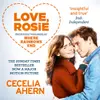
3.5/5. The book would have got 4 stars if Cecelia didn't try to drag it until the characters were in their 50s. However, it was an enjoyable read. Many moments were wholesome and the letter from Alex was touching. And even though the book took much more time than the movie to get Alex and Rosie together, I still prefer the book as it was more humane and realistic.
3.5/5. The book would have got 4 stars if Cecelia didn't try to drag it until the characters were in their 50s. However, it was an enjoyable read. Many moments were wholesome and the letter from Alex was touching. And even though the book took much more time than the movie to get Alex and Rosie together, I still prefer the book as it was more humane and realistic.

2.5/5. The book had potentials but they were all wasted. The story was forced, the author was telling rather than showing, the characters were unlikeable, the banters were cringe, the supporting characters were annoying.
2.5/5. The book had potentials but they were all wasted. The story was forced, the author was telling rather than showing, the characters were unlikeable, the banters were cringe, the supporting characters were annoying.

cute and light-hearted. i wish there were more books like this
cute and light-hearted. i wish there were more books like this
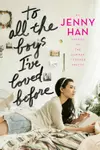
The book would have gotten 3.5 if Josh hadnt kissed Lara Jean AND Lara and Peter had been as cute as in the movie. The movie was definitely better because the movie Lara Jean was very likable, down to earth, keeping her boundaries from both Josh and Peter, and in a healthy relationship with Margo.
The book would have gotten 3.5 if Josh hadnt kissed Lara Jean AND Lara and Peter had been as cute as in the movie. The movie was definitely better because the movie Lara Jean was very likable, down to earth, keeping her boundaries from both Josh and Peter, and in a healthy relationship with Margo.

John Ambrose, you were done dirty.
Lara Jean, you were not choosing between real Peter and dream John Ambrose, you were choosing between past Peter and real John Ambrose.
Peter, you must have boundaries. By the end of the book, you didnt realize your wrongdoings, so I will not read the final book.
Jenny Han, you need to stop forcing the first love narrative.
John Ambrose, you were done dirty.
Lara Jean, you were not choosing between real Peter and dream John Ambrose, you were choosing between past Peter and real John Ambrose.
Peter, you must have boundaries. By the end of the book, you didnt realize your wrongdoings, so I will not read the final book.
Jenny Han, you need to stop forcing the first love narrative.

The plot was really promising, but the writing could use some work:
1. The diary part felt way too detailed. No one writes down full conversations like that. It would've worked better if the writer just described what happened from the character's point of view.
2. Some scenes and descriptions dragged on and repeated things without adding much emotion or depth.
3. Tania, Esther, and Annabelle all sounded pretty similar. Only Chloe's POV really stood out as different. It was unclear why Tania stopped being friends with Poppy.
The plot was really promising, but the writing could use some work:
1. The diary part felt way too detailed. No one writes down full conversations like that. It would've worked better if the writer just described what happened from the character's point of view.
2. Some scenes and descriptions dragged on and repeated things without adding much emotion or depth.
3. Tania, Esther, and Annabelle all sounded pretty similar. Only Chloe's POV really stood out as different. It was unclear why Tania stopped being friends with Poppy.

It was a fun read. Her humor might not suit everyone but i found her very funny
It was a fun read. Her humor might not suit everyone but i found her very funny
The premise was fascinating and i finished the book in one go. However, I was disappointed due to the plot contrivance despite the captivating narration.
The premise was fascinating and i finished the book in one go. However, I was disappointed due to the plot contrivance despite the captivating narration.

It was an interesting and insightful read. I learned that criminalizing sex work doesn't protect sex workers; instead, it prevents them from accessing fair wages, legal protection, and viable pathways out of the industry. It also restricts access to proper healthcare and can even put their savings at risk.
That said, the consistently bitter tone was uncomfortable at times, and the stories could have been more clearly organized.
It was an interesting and insightful read. I learned that criminalizing sex work doesn't protect sex workers; instead, it prevents them from accessing fair wages, legal protection, and viable pathways out of the industry. It also restricts access to proper healthcare and can even put their savings at risk.
That said, the consistently bitter tone was uncomfortable at times, and the stories could have been more clearly organized.

The book offers interesting, insightful perspectives on a more realistic and inclusive definition of feminism, especially in contrast to the privileged and exclusive version that has dominated public discourse since around 2015. I really appreciated her critiques of highly praised pop culture representation of so-called feminism, such as The Help and Girls, which are both eye-opening and grounded. That said, readers who aren't particularly interested in pop culture may find the book less engaging.
The book offers interesting, insightful perspectives on a more realistic and inclusive definition of feminism, especially in contrast to the privileged and exclusive version that has dominated public discourse since around 2015. I really appreciated her critiques of highly praised pop culture representation of so-called feminism, such as The Help and Girls, which are both eye-opening and grounded. That said, readers who aren't particularly interested in pop culture may find the book less engaging.

I must admit that the book is engrossing. McCurdy's portrayal of a teenager's emptiness and self-destructive behavior stemming from a lack of love feels painfully realistic. The parallel between the mother and the teenager is particularly well executed. However, the repeated encounters between Waldo and the teacher are extremely disturbing. While I understand this is intentional, they left me feeling too unsettled to comfortably rate the book. Additionally, I would have liked to see more self-reflection from Waldo. The novel ends on a rather flat note, and I believe it could have been far more impactful.
I must admit that the book is engrossing. McCurdy's portrayal of a teenager's emptiness and self-destructive behavior stemming from a lack of love feels painfully realistic. The parallel between the mother and the teenager is particularly well executed. However, the repeated encounters between Waldo and the teacher are extremely disturbing. While I understand this is intentional, they left me feeling too unsettled to comfortably rate the book. Additionally, I would have liked to see more self-reflection from Waldo. The novel ends on a rather flat note, and I believe it could have been far more impactful.
Very readable, but ultimately not very memorable. I didn't find anything particularly striking about it. The characters felt flat, and I didn't see much organic growth, so I wasn't emotionally moved.
Margot, in particular, comes across as simply mean without much convincing justification. I also struggle with stories where privileged characters prey on the less privileged. It's a dynamic I find hard to sit with. I felt deeply frustrated by the unfair situation Funke was trapped in, as well as by Liv's reckless behavior and Margot's repeated atrocities without meaningful accountability. It reminded me of the protagonist in The Kite Runner, which I ended up DNFing because I was just so angry the whole time.
Very readable, but ultimately not very memorable. I didn't find anything particularly striking about it. The characters felt flat, and I didn't see much organic growth, so I wasn't emotionally moved.
Margot, in particular, comes across as simply mean without much convincing justification. I also struggle with stories where privileged characters prey on the less privileged. It's a dynamic I find hard to sit with. I felt deeply frustrated by the unfair situation Funke was trapped in, as well as by Liv's reckless behavior and Margot's repeated atrocities without meaningful accountability. It reminded me of the protagonist in The Kite Runner, which I ended up DNFing because I was just so angry the whole time.

As a woman working in tech, I thought I was already well aware of how rapidly advancing technologies can reinforce misogyny. However, this book made me realize that I was only aware of perhaps 30% of what is actually happening today. My key takeaway is that women are often the primary victims of the misuse of technologies largely invented and shaped by men, and that the industry is frequently willing to overlook these harms in pursuit of rapid growth. The argument for rapid growth cannot excuse such intentional negligence.
As a woman working in tech, I thought I was already well aware of how rapidly advancing technologies can reinforce misogyny. However, this book made me realize that I was only aware of perhaps 30% of what is actually happening today. My key takeaway is that women are often the primary victims of the misuse of technologies largely invented and shaped by men, and that the industry is frequently willing to overlook these harms in pursuit of rapid growth. The argument for rapid growth cannot excuse such intentional negligence.

It was a fun read. However, the characters of the second book didnt have as much chemistry as those in the first book. They were also less relatable and less explored in depth
It was a fun read. However, the characters of the second book didnt have as much chemistry as those in the first book. They were also less relatable and less explored in depth

3.5/5. The book gets better in the final chapters.
3.5/5. The book gets better in the final chapters.
The book offers interesting, insightful perspectives on a more realistic and inclusive definition of feminism, especially in contrast to the privileged and exclusive version that has dominated public discourse since around 2015. I really appreciated her critiques of highly praised pop culture representation of so-called feminism, such as The Help and Girls, which are both eye-opening and grounded. That said, readers who aren't particularly interested in pop culture may find the book less engaging.
The book offers interesting, insightful perspectives on a more realistic and inclusive definition of feminism, especially in contrast to the privileged and exclusive version that has dominated public discourse since around 2015. I really appreciated her critiques of highly praised pop culture representation of so-called feminism, such as The Help and Girls, which are both eye-opening and grounded. That said, readers who aren't particularly interested in pop culture may find the book less engaging.

Very readable, but ultimately not very memorable. I didn't find anything particularly striking about it. The characters felt flat, and I didn't see much organic growth, so I wasn't emotionally moved.
Margot, in particular, comes across as simply mean without much convincing justification. I also struggle with stories where privileged characters prey on the less privileged. It's a dynamic I find hard to sit with. I felt deeply frustrated by the unfair situation Funke was trapped in, as well as by Liv's reckless behavior and Margot's repeated atrocities without meaningful accountability. It reminded me of the protagonist in The Kite Runner, which I ended up DNFing because I was just so angry the whole time.
Very readable, but ultimately not very memorable. I didn't find anything particularly striking about it. The characters felt flat, and I didn't see much organic growth, so I wasn't emotionally moved.
Margot, in particular, comes across as simply mean without much convincing justification. I also struggle with stories where privileged characters prey on the less privileged. It's a dynamic I find hard to sit with. I felt deeply frustrated by the unfair situation Funke was trapped in, as well as by Liv's reckless behavior and Margot's repeated atrocities without meaningful accountability. It reminded me of the protagonist in The Kite Runner, which I ended up DNFing because I was just so angry the whole time.
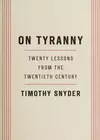
2.5/5. This is a very short book about “Twenty Lessosn from the Twentieth Century On Tyranny.” Because each lesson is so short, there's little room for meaningful, in-depth discussion or for exploring possible counterarguments.
I also found the title somewhat misleading. I expected to learn more about different types of tyranny or authoritarian regimes, but only a few notable examples are briefly mentioned, often with the assumption that readers are already well informed about the historical context.
Overall, I didn't feel that I learned as much as I had hoped.
2.5/5. This is a very short book about “Twenty Lessosn from the Twentieth Century On Tyranny.” Because each lesson is so short, there's little room for meaningful, in-depth discussion or for exploring possible counterarguments.
I also found the title somewhat misleading. I expected to learn more about different types of tyranny or authoritarian regimes, but only a few notable examples are briefly mentioned, often with the assumption that readers are already well informed about the historical context.
Overall, I didn't feel that I learned as much as I had hoped.

I'm going to hell. Apparently, I'm a huge hypocrite, because instead of feeling repulsed, I actually felt heart-wrenched by the love stories here. Doris is so good with words. In less than 120 pages, she made me feel torn, yearning, loved, unloved, insecure, lonely, disgusted, hopeless, self-loathing, and turbulent.
I'm going to hell. Apparently, I'm a huge hypocrite, because instead of feeling repulsed, I actually felt heart-wrenched by the love stories here. Doris is so good with words. In less than 120 pages, she made me feel torn, yearning, loved, unloved, insecure, lonely, disgusted, hopeless, self-loathing, and turbulent.
I'm going to hell. Apparently, I'm a huge hypocrite, because instead of feeling repulsed, I actually felt heart-wrenched by the love stories here. Doris is so good with words. In less than 120 pages, she made me feel torn, yearning, loved, unloved, insecure, lonely, disgusted, hopeless, self-loathing, and turbulent.
I'm going to hell. Apparently, I'm a huge hypocrite, because instead of feeling repulsed, I actually felt heart-wrenched by the love stories here. Doris is so good with words. In less than 120 pages, she made me feel torn, yearning, loved, unloved, insecure, lonely, disgusted, hopeless, self-loathing, and turbulent.

I loved the series, so I was really excited to read the book. However, even though the storyline is almost identical, the book felt like it relied too heavily on spicy scenes so much that they started to bore me. Every time I found the plot cute, the characters would just start hooking up again, and I genuinely found myself wondering why they couldn't build a platonic connection for more than 5 minutes.
In the series, the acting and directing were excellent, and I felt a real emotional connection between the characters. But the writing in the book didn't create the same depth or pull me in emotionally in the same way.
I loved the series, so I was really excited to read the book. However, even though the storyline is almost identical, the book felt like it relied too heavily on spicy scenes so much that they started to bore me. Every time I found the plot cute, the characters would just start hooking up again, and I genuinely found myself wondering why they couldn't build a platonic connection for more than 5 minutes.
In the series, the acting and directing were excellent, and I felt a real emotional connection between the characters. But the writing in the book didn't create the same depth or pull me in emotionally in the same way.

Nothing special, but the story is cute and the book doesn't advocate for toxic behaviors like many other YA books
Nothing special, but the story is cute and the book doesn't advocate for toxic behaviors like many other YA books