
hc.newton


This originally appeared at The Irresponsible Reader. If you like this post, you might like others on that site. Consider checking it out! --- If you need to know what this book is about, or anything about this series...seriously, just stop what you're doing and pick up this book. I don't mean to be a snob, or maybe I do, but something was missing from your childhood, and now is your time to fix it. I realize that there are many legitimate reasons for people not to have read this (more than some of the earlier), and I'm not questioning the choices you or your parents made (actually, I guess I am). But I'm not going to try to talk about this book like I do most others.
If only because everything worth saying has been said by other, better, writers. Probably several times.
I've also read this too many times to count as a child—even through my college years, and at least once a decade since. I'll probably pick up the pace of re-reading them so I can talk to the grandcritters about them, too.
But I feel the need to say something now, so here are a few things that jumped out at me during this read:
*
"The Wood between the Worlds," said Polly dreamily. "It sounds rather nice."
I wholeheartedly agree, Polly. And I do wish you two had taken the opportunity to dip in and out of a few more before you stumbled into the worst pool possible. * Ugh. I hate reading things like this:
And you could see at once, not only from her crown and robes, but fro mthe flash of her eyes and the curve of her lips, that she was a great queen.
Yes, please, Mr. Lewis--let's focus on the surface appearance. Greatness of appearance=greatness of person. No matter how the adjective "great" is meant here--since when does this work out? He very easily could've thrown in some remark that this is how Pool and Diggory thought, but that it obviously was a wrong way to think--he makes that sort of comment all over the place. * Oooh, a growing lamp-post. Now that is interesting and strange. And if you read this in Chronological order, you really won't care much (or will want to see a lot more of it). But if you read them in the publication order, you get to that point and say, "ahhhhh. That's cool," feel a warm glow of recognition/satisfaction, and move on. This is the only time I'm going to say anything about the reading order in this series. But I could go on. * Watching the animals crawl out of the land as they're created--very cool. Some clever writing, and the best part of this book. Sadly, it's pretty short. * The bit where the Talking Beasts are trying to figure out just what Uncle Andrew is (animal--but not talking one like them, a tree maybe?) is pretty funny and good engagement. * Where Jadis tempts Diggory with the apple (a bit heavy-handed on the symbolism) is just fantastic. A better bit of temptation than we got with Edward succumbing. * The whole thing with the garden and the apples, the Tree of Protection, etc., feels...I dunno. Sort of crammed in other than the temptation bit. It just left me feeling "meh"--particularly the little quest that Aslan sent Diggory on to get there. I even checked Paul F. Ford's Companion to Narnia (yes, I am the sort of nerd that has books like that sitting on my shelves), and it was less than helpful on this point. * The book as a whole feels like Lewis is trying to augment the mythology he's already created for Narnia, fill it out some (how is this the first we're hearing of former Sons of Adam/Daughters of Eve as rulers??), so he can bring it all home in an epic conclusion. Even if the augment doesn't make much sense, largely falls flat (in my eyes), and doesn't do much other than establish a framing device of sorts to get us to The Last Battle. But other than giving us Diggory and Pool, I'm unconvinced that this does anything for the series and is almost entirely skippable.
Originally posted at irresponsiblereader.com.
This originally appeared at The Irresponsible Reader. If you like this post, you might like others on that site. Consider checking it out! --- If you need to know what this book is about, or anything about this series...seriously, just stop what you're doing and pick up this book. I don't mean to be a snob, or maybe I do, but something was missing from your childhood, and now is your time to fix it. I realize that there are many legitimate reasons for people not to have read this (more than some of the earlier), and I'm not questioning the choices you or your parents made (actually, I guess I am). But I'm not going to try to talk about this book like I do most others.
If only because everything worth saying has been said by other, better, writers. Probably several times.
I've also read this too many times to count as a child—even through my college years, and at least once a decade since. I'll probably pick up the pace of re-reading them so I can talk to the grandcritters about them, too.
But I feel the need to say something now, so here are a few things that jumped out at me during this read:
*
"The Wood between the Worlds," said Polly dreamily. "It sounds rather nice."
I wholeheartedly agree, Polly. And I do wish you two had taken the opportunity to dip in and out of a few more before you stumbled into the worst pool possible. * Ugh. I hate reading things like this:
And you could see at once, not only from her crown and robes, but fro mthe flash of her eyes and the curve of her lips, that she was a great queen.
Yes, please, Mr. Lewis--let's focus on the surface appearance. Greatness of appearance=greatness of person. No matter how the adjective "great" is meant here--since when does this work out? He very easily could've thrown in some remark that this is how Pool and Diggory thought, but that it obviously was a wrong way to think--he makes that sort of comment all over the place. * Oooh, a growing lamp-post. Now that is interesting and strange. And if you read this in Chronological order, you really won't care much (or will want to see a lot more of it). But if you read them in the publication order, you get to that point and say, "ahhhhh. That's cool," feel a warm glow of recognition/satisfaction, and move on. This is the only time I'm going to say anything about the reading order in this series. But I could go on. * Watching the animals crawl out of the land as they're created--very cool. Some clever writing, and the best part of this book. Sadly, it's pretty short. * The bit where the Talking Beasts are trying to figure out just what Uncle Andrew is (animal--but not talking one like them, a tree maybe?) is pretty funny and good engagement. * Where Jadis tempts Diggory with the apple (a bit heavy-handed on the symbolism) is just fantastic. A better bit of temptation than we got with Edward succumbing. * The whole thing with the garden and the apples, the Tree of Protection, etc., feels...I dunno. Sort of crammed in other than the temptation bit. It just left me feeling "meh"--particularly the little quest that Aslan sent Diggory on to get there. I even checked Paul F. Ford's Companion to Narnia (yes, I am the sort of nerd that has books like that sitting on my shelves), and it was less than helpful on this point. * The book as a whole feels like Lewis is trying to augment the mythology he's already created for Narnia, fill it out some (how is this the first we're hearing of former Sons of Adam/Daughters of Eve as rulers??), so he can bring it all home in an epic conclusion. Even if the augment doesn't make much sense, largely falls flat (in my eyes), and doesn't do much other than establish a framing device of sorts to get us to The Last Battle. But other than giving us Diggory and Pool, I'm unconvinced that this does anything for the series and is almost entirely skippable.
Originally posted at irresponsiblereader.com.

What’s Through Gates of Garnet and Gold About?
We watched Nancy get her door and get to go home 10 years ago (in publication time, I’m a little unclear about how long it’s been in Eleanor West’s School’s time, as is at least one student). And aside from a quick “hi,” a few books later, that was pretty much the end of her story.
Until now, obviously, otherwise, why would I start by talking about her?
She’s back, and there’s a rule-breaking quest involved. The twist this time is that Nancy has been sent by The Lady of the Dead. Something…someone…is attacking people like Nancy in the Halls. People who have come through their own Doors from their own worlds to their true home. The dead are left unmolested and undisturbed. But it’s the other living people there who are being attacked. Nancy’s friends (or as close as living statues have to friends), are being killed and they need help.
This is a first for Eleanor West and her students–but they can’t say no. They don’t want to. Kade, as almost always, the leader of the group. Christopher, who is more comfortable with the dead than anyone other than Nancy, and his bone flute come along as well. There’s no way that Sumi, Nancy’s old roommate, is going to pass up this opportunity. Talia demands to be part of it, too. She has no skills that seem to make sense for this task*, but she’s done the math. Going on a quest with other students is just about the best way to guarantee getting her Door when it’s completed. So no one had better stop her. I, for one, hadn’t done this connection–and I’m guessing many of the other students haven’t either, or there’d be several others clamoring for a change.
* Naturally, it turns out that it’s good she came along.
An Introduction to the Series
McGuire’s been clear from the get-go that this series can be read in any order–and that’s true enough. But I think there are a couple of books that should be read in a particular order, regardless of what she thinks. And you’re just better off in general going in publication order.
But let’s say that this is the first book you pick up–you’re in for a treat. In an Introduction of sorts–not really a prelude or prologue–a couple of pages before chapter one, whatever you want to call them–McGuire introduces this series, sketches the function of the Doors, the impact they make on those who pass through. Those who want them back, etc.
This isn’t a “The Story So Far…” kind of thing–but it’s the closest that this series is going to get. I hope we get these exact pages–or ones very like them–from here on out.
I Needed a Fresh Dose of Sumi
Sumi is one of the characters who appears with greater consistency than others in this series–and I, for one (but am probably not alone), am so grateful for that. Her weaponized optimism, utter lack of regard for social niceties, unwavering positivity, and generous affections emphasize all the good things to be found in a person and situation. She also brings a level of comedy and heart to every scene she’s in. She can also be profound, usually unintentionally, and add emotional weight to a scene when you didn’t realize it needed it.
And when she gives a warning–you know things are serious. But the reader gets to chuckle the way she does it.
Obviously, we needed Sumi if we’re going to spend time with Nancy (we’re going to need Kade for similar reasons). But I personally needed a dose of her in general. And while what we got was sufficient, I’m hoping it’s not too long before we spend time with her again.
So, what did I think about Through Gates of Garnet and Gold?
After last year’s Adrift in Currents Clean and Clear, I assumed we’d get something good, but not great for this book–we were due for McGuire to take her foot off the pedal a bit and coast a little. I’m very glad that McGuire wasn’t thinking like that and brought us another stellar installment in this series.
I mean, I was sold from the instant I saw that Nancy was coming back–and McGuire did right by this return. When Nancy got her door again, I wasn’t prepared for that to happen. I didn’t realize we were going to spend so little time with most of these characters, just enough to fall in love with them as characters, and then watch them go on to the next chapter of their lives–and that we’d very likely be done with them (aside from an occasional glance at most). I’ve embraced that when it comes to these books, and it no longer gets to me so much that we walk away from them. But I’ve always wanted more Nancy.
So, sure, that made me an easy sell for this book–but that didn’t mean I was guaranteed to rave over it. It just made it very likely.
I didn’t really understand what Nancy saw in the Halls of the Dead before, nor do I think I truly understood what was involved. This world made a lot less sense to me than any of the others, and I really wasn’t that interested in it other than as it served as Nancy’s true home. But we got to see much more of it than we have previously, we get some more mature description of it from Nancy (and her Lady). I see the appeal, the attraction. Or at least I understand where some would. Personally? The only world I’m less interested in is the underwater world that Nadya introduced us to last year (I just don’t think I could get over being underwater). But now, I get why Nancy and the others want to be there.
What the questors and readers learn about the forces attacking–and their plans–is pretty unsettling, and tells us a little more about McGuire’s universe and the stories she’s telling. In a way that made me uncomfortable and pleased me at the same time. You’ll have to read it yourself. But it’s such a fantastic touch.
As usual for this series, McGuire balances whimsy and danger, joy and weeping, with skill and aplomb. For Adrift in Currents Clean and Clear, I wrote:
This is definitely one of the stronger books in this series that is on a great roll lately, I commend it to your attention. As with just about every book in the series, it can be read as a stand-alone or as an entry point (but I strongly encourage reading at least Every Heart a Doorway before any of the others). I was sad when it ended—not because of the way it ended, I just wasn’t ready to move on. I predict I won’t be alone in that.
That’s a pretty good way to wrap up this post, too. With one significant difference–I need to know what happens after the last page, preferably now. It’s not a cliffhanger (this is not one of those series), in fact it’s a perfectly fitting ending for this novella. But I really need the next page–and fear McGuire is going to make us wait a bit before she gives it to us.
Disclaimer: I received this eARC from Tordotcom Publishing via NetGalley in exchange for this post—thanks to both for this.
Originally posted at irresponsiblereader.com.
What’s Through Gates of Garnet and Gold About?
We watched Nancy get her door and get to go home 10 years ago (in publication time, I’m a little unclear about how long it’s been in Eleanor West’s School’s time, as is at least one student). And aside from a quick “hi,” a few books later, that was pretty much the end of her story.
Until now, obviously, otherwise, why would I start by talking about her?
She’s back, and there’s a rule-breaking quest involved. The twist this time is that Nancy has been sent by The Lady of the Dead. Something…someone…is attacking people like Nancy in the Halls. People who have come through their own Doors from their own worlds to their true home. The dead are left unmolested and undisturbed. But it’s the other living people there who are being attacked. Nancy’s friends (or as close as living statues have to friends), are being killed and they need help.
This is a first for Eleanor West and her students–but they can’t say no. They don’t want to. Kade, as almost always, the leader of the group. Christopher, who is more comfortable with the dead than anyone other than Nancy, and his bone flute come along as well. There’s no way that Sumi, Nancy’s old roommate, is going to pass up this opportunity. Talia demands to be part of it, too. She has no skills that seem to make sense for this task*, but she’s done the math. Going on a quest with other students is just about the best way to guarantee getting her Door when it’s completed. So no one had better stop her. I, for one, hadn’t done this connection–and I’m guessing many of the other students haven’t either, or there’d be several others clamoring for a change.
* Naturally, it turns out that it’s good she came along.
An Introduction to the Series
McGuire’s been clear from the get-go that this series can be read in any order–and that’s true enough. But I think there are a couple of books that should be read in a particular order, regardless of what she thinks. And you’re just better off in general going in publication order.
But let’s say that this is the first book you pick up–you’re in for a treat. In an Introduction of sorts–not really a prelude or prologue–a couple of pages before chapter one, whatever you want to call them–McGuire introduces this series, sketches the function of the Doors, the impact they make on those who pass through. Those who want them back, etc.
This isn’t a “The Story So Far…” kind of thing–but it’s the closest that this series is going to get. I hope we get these exact pages–or ones very like them–from here on out.
I Needed a Fresh Dose of Sumi
Sumi is one of the characters who appears with greater consistency than others in this series–and I, for one (but am probably not alone), am so grateful for that. Her weaponized optimism, utter lack of regard for social niceties, unwavering positivity, and generous affections emphasize all the good things to be found in a person and situation. She also brings a level of comedy and heart to every scene she’s in. She can also be profound, usually unintentionally, and add emotional weight to a scene when you didn’t realize it needed it.
And when she gives a warning–you know things are serious. But the reader gets to chuckle the way she does it.
Obviously, we needed Sumi if we’re going to spend time with Nancy (we’re going to need Kade for similar reasons). But I personally needed a dose of her in general. And while what we got was sufficient, I’m hoping it’s not too long before we spend time with her again.
So, what did I think about Through Gates of Garnet and Gold?
After last year’s Adrift in Currents Clean and Clear, I assumed we’d get something good, but not great for this book–we were due for McGuire to take her foot off the pedal a bit and coast a little. I’m very glad that McGuire wasn’t thinking like that and brought us another stellar installment in this series.
I mean, I was sold from the instant I saw that Nancy was coming back–and McGuire did right by this return. When Nancy got her door again, I wasn’t prepared for that to happen. I didn’t realize we were going to spend so little time with most of these characters, just enough to fall in love with them as characters, and then watch them go on to the next chapter of their lives–and that we’d very likely be done with them (aside from an occasional glance at most). I’ve embraced that when it comes to these books, and it no longer gets to me so much that we walk away from them. But I’ve always wanted more Nancy.
So, sure, that made me an easy sell for this book–but that didn’t mean I was guaranteed to rave over it. It just made it very likely.
I didn’t really understand what Nancy saw in the Halls of the Dead before, nor do I think I truly understood what was involved. This world made a lot less sense to me than any of the others, and I really wasn’t that interested in it other than as it served as Nancy’s true home. But we got to see much more of it than we have previously, we get some more mature description of it from Nancy (and her Lady). I see the appeal, the attraction. Or at least I understand where some would. Personally? The only world I’m less interested in is the underwater world that Nadya introduced us to last year (I just don’t think I could get over being underwater). But now, I get why Nancy and the others want to be there.
What the questors and readers learn about the forces attacking–and their plans–is pretty unsettling, and tells us a little more about McGuire’s universe and the stories she’s telling. In a way that made me uncomfortable and pleased me at the same time. You’ll have to read it yourself. But it’s such a fantastic touch.
As usual for this series, McGuire balances whimsy and danger, joy and weeping, with skill and aplomb. For Adrift in Currents Clean and Clear, I wrote:
This is definitely one of the stronger books in this series that is on a great roll lately, I commend it to your attention. As with just about every book in the series, it can be read as a stand-alone or as an entry point (but I strongly encourage reading at least Every Heart a Doorway before any of the others). I was sad when it ended—not because of the way it ended, I just wasn’t ready to move on. I predict I won’t be alone in that.
That’s a pretty good way to wrap up this post, too. With one significant difference–I need to know what happens after the last page, preferably now. It’s not a cliffhanger (this is not one of those series), in fact it’s a perfectly fitting ending for this novella. But I really need the next page–and fear McGuire is going to make us wait a bit before she gives it to us.
Disclaimer: I received this eARC from Tordotcom Publishing via NetGalley in exchange for this post—thanks to both for this.
Originally posted at irresponsiblereader.com.

This originally appeared at The Irresponsible Reader as part of a quick takes post to catch up. The point of these posts is to be pithy, not thorough (as I typically strive for). --- The entire setup for this book makes utterly no sense—and is likely technologically impossible. Suck it up, pretend it can happen. Once that’s done, you can bask in this feel-good, self-improvement story about love, people who shouldn’t interact anyone in public (without a lot of therapy), and friendship.
Jolene’s parents (and the mother’s social circle) are fantastic and add both comedy and heart.
Is the book predictable? Yes, but Natalie Sue may not time events/reveals the way you expect. Does the predictability matter? Nope. It’s the ride. And man, it was a fun one. Dynamite narration, too.
Originally posted at irresponsiblereader.com.
This originally appeared at The Irresponsible Reader as part of a quick takes post to catch up. The point of these posts is to be pithy, not thorough (as I typically strive for). --- The entire setup for this book makes utterly no sense—and is likely technologically impossible. Suck it up, pretend it can happen. Once that’s done, you can bask in this feel-good, self-improvement story about love, people who shouldn’t interact anyone in public (without a lot of therapy), and friendship.
Jolene’s parents (and the mother’s social circle) are fantastic and add both comedy and heart.
Is the book predictable? Yes, but Natalie Sue may not time events/reveals the way you expect. Does the predictability matter? Nope. It’s the ride. And man, it was a fun one. Dynamite narration, too.
Originally posted at irresponsiblereader.com.

This originally appeared at The Irresponsible Reader as part of a quick takes post to catch up. The point of these posts is to be pithy, not thorough (as I typically strive for). --- Is the book predictable? Yes, and Linda Holmes times events/reveals the way you expect. Does the predictability matter? Nope. It’s the ride. And man, it was a fun one. Dynamite narration, too. But it’s not just about the sweet love story.
Nor is it just about the fantastic dog character (but, yeah, that’s part of it).
It’s the personal/professional journey that Cecily takes and where she lands at the end that really sells this book for me.
Originally posted at irresponsiblereader.com.
This originally appeared at The Irresponsible Reader as part of a quick takes post to catch up. The point of these posts is to be pithy, not thorough (as I typically strive for). --- Is the book predictable? Yes, and Linda Holmes times events/reveals the way you expect. Does the predictability matter? Nope. It’s the ride. And man, it was a fun one. Dynamite narration, too. But it’s not just about the sweet love story.
Nor is it just about the fantastic dog character (but, yeah, that’s part of it).
It’s the personal/professional journey that Cecily takes and where she lands at the end that really sells this book for me.
Originally posted at irresponsiblereader.com.

This originally appeared at The Irresponsible Reader as part of a quick takes post to catch up. The point of these posts is to be pithy, not thorough (as I typically strive for). --- I’ve read some pretty good UF by Aguirre, and some good SF by her, too (and would’ve finished the series if I hadn’t had trouble finding a book or two at the library). But they were pretty serious—so seeing a Rom-Com with her name on it intrigued me. A Rom-Com with this premise even more so. An alien stranded on Earth meets some friends in an online chat room, develops a crush for one of them, and then they arrange to meet at a con. She's a bit of a geek, who has a pretty sizable crush on him. Things spark at the con, just as you expect and...
I really liked our female main character and their friends. The alien intrigued me—and I did like him, but I think the narrator kept me from liking him as much as I should’ve—which is odd, because I think he nailed the character.
The story ends up not being as predictable as you’d expect, but it’s sweet. The found-family part of it is terrific. The romance will win you over. There are two occasions that it gets too steamy for me—but I really am a prude about that kind of thing (especially in an audiobook where I can’t just skim a few paragraphs to get past it), and it’s really not that bad (I don’t think).
Originally posted at irresponsiblereader.com.
This originally appeared at The Irresponsible Reader as part of a quick takes post to catch up. The point of these posts is to be pithy, not thorough (as I typically strive for). --- I’ve read some pretty good UF by Aguirre, and some good SF by her, too (and would’ve finished the series if I hadn’t had trouble finding a book or two at the library). But they were pretty serious—so seeing a Rom-Com with her name on it intrigued me. A Rom-Com with this premise even more so. An alien stranded on Earth meets some friends in an online chat room, develops a crush for one of them, and then they arrange to meet at a con. She's a bit of a geek, who has a pretty sizable crush on him. Things spark at the con, just as you expect and...
I really liked our female main character and their friends. The alien intrigued me—and I did like him, but I think the narrator kept me from liking him as much as I should’ve—which is odd, because I think he nailed the character.
The story ends up not being as predictable as you’d expect, but it’s sweet. The found-family part of it is terrific. The romance will win you over. There are two occasions that it gets too steamy for me—but I really am a prude about that kind of thing (especially in an audiobook where I can’t just skim a few paragraphs to get past it), and it’s really not that bad (I don’t think).
Originally posted at irresponsiblereader.com.

This originally appeared at The Irresponsible Reader as part of a quick takes post to catch up. The point of these posts is to be pithy, not thorough (as I typically strive for) and is about the first two books in the series.
---
Would I enjoy these in print? Yeah—especially the illustrations. But the performance by McKinnon & Lynne make these things you have to listen to. And likely re-listen to.
These are silly, silly, silly adventure novels about three sisters (orphaned and living with unpleasant and demanding relatives) who wind up at The Millicent Quibb School of Etiquette because they can’t manage to stay in other schools without being disruptive (by being themselves, not by being disruptive). Sure, their aunt may not truly understand the nature of this school—but that works for the sister’s benefit.
Quibb introduces them to a world of pizza, self-expression, curiosity, mystery, danger—and the chance to save the world from mad scientists.
I cannot say enough good things about these books. The plots are insane, the texts are ridiculous, and the jokes are a great balance of silly enough for children but clever enough for adults. They’re perfect for young or young-at-heart readers (or people who want to be young-at-heart, you will be in that condition while reading them).
Originally posted at irresponsiblereader.com.
This originally appeared at The Irresponsible Reader as part of a quick takes post to catch up. The point of these posts is to be pithy, not thorough (as I typically strive for) and is about the first two books in the series.
---
Would I enjoy these in print? Yeah—especially the illustrations. But the performance by McKinnon & Lynne make these things you have to listen to. And likely re-listen to.
These are silly, silly, silly adventure novels about three sisters (orphaned and living with unpleasant and demanding relatives) who wind up at The Millicent Quibb School of Etiquette because they can’t manage to stay in other schools without being disruptive (by being themselves, not by being disruptive). Sure, their aunt may not truly understand the nature of this school—but that works for the sister’s benefit.
Quibb introduces them to a world of pizza, self-expression, curiosity, mystery, danger—and the chance to save the world from mad scientists.
I cannot say enough good things about these books. The plots are insane, the texts are ridiculous, and the jokes are a great balance of silly enough for children but clever enough for adults. They’re perfect for young or young-at-heart readers (or people who want to be young-at-heart, you will be in that condition while reading them).
Originally posted at irresponsiblereader.com.

This originally appeared at The Irresponsible Reader as part of a quick takes post to catch up. The point of these posts is to be pithy, not thorough (as I typically strive for) and is about the first two books in the series.
---
Would I enjoy these in print? Yeah—especially the illustrations. But the performance by McKinnon & Lynne make these things you have to listen to. And likely re-listen to.
These are silly, silly, silly adventure novels about three sisters (orphaned and living with unpleasant and demanding relatives) who wind up at The Millicent Quibb School of Etiquette because they can’t manage to stay in other schools without being disruptive (by being themselves, not by being disruptive). Sure, their aunt may not truly understand the nature of this school—but that works for the sister’s benefit.
Quibb introduces them to a world of pizza, self-expression, curiosity, mystery, danger—and the chance to save the world from mad scientists.
I cannot say enough good things about these books. The plots are insane, the texts are ridiculous, and the jokes are a great balance of silly enough for children but clever enough for adults. They’re perfect for young or young-at-heart readers (or people who want to be young-at-heart, you will be in that condition while reading them).
Originally posted at irresponsiblereader.com.
This originally appeared at The Irresponsible Reader as part of a quick takes post to catch up. The point of these posts is to be pithy, not thorough (as I typically strive for) and is about the first two books in the series.
---
Would I enjoy these in print? Yeah—especially the illustrations. But the performance by McKinnon & Lynne make these things you have to listen to. And likely re-listen to.
These are silly, silly, silly adventure novels about three sisters (orphaned and living with unpleasant and demanding relatives) who wind up at The Millicent Quibb School of Etiquette because they can’t manage to stay in other schools without being disruptive (by being themselves, not by being disruptive). Sure, their aunt may not truly understand the nature of this school—but that works for the sister’s benefit.
Quibb introduces them to a world of pizza, self-expression, curiosity, mystery, danger—and the chance to save the world from mad scientists.
I cannot say enough good things about these books. The plots are insane, the texts are ridiculous, and the jokes are a great balance of silly enough for children but clever enough for adults. They’re perfect for young or young-at-heart readers (or people who want to be young-at-heart, you will be in that condition while reading them).
Originally posted at irresponsiblereader.com.
This originally appeared at The Irresponsible Reader as part of a quick takes post to catch up. The point of these posts is to be pithy, not thorough (as I typically strive for).
---
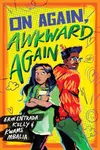
It delivers on the premise precisely. It’s sort of a variation on Rowell’s Elenor & Park, but done in a way that probably won’t get anyone annoyed by the depictions of the various ethnicities depicted.
Two geeky kids (in their own ways) who see beyond the geekiness to the great person (not ignoring it, but embracing it and the person exhibiting it). They’re drawn to each other, enjoy each other, and you can’t help but hope for a Happily Ever After (or at least a Happily-‘Til-Graduation).
The narration was great. I really loved the way they brought the characters to life.
Originally posted at irresponsiblereader.com.
This originally appeared at The Irresponsible Reader as part of a quick takes post to catch up. The point of these posts is to be pithy, not thorough (as I typically strive for).
---
It delivers on the premise precisely. It’s sort of a variation on Rowell’s Elenor & Park, but done in a way that probably won’t get anyone annoyed by the depictions of the various ethnicities depicted.
Two geeky kids (in their own ways) who see beyond the geekiness to the great person (not ignoring it, but embracing it and the person exhibiting it). They’re drawn to each other, enjoy each other, and you can’t help but hope for a Happily Ever After (or at least a Happily-‘Til-Graduation).
The narration was great. I really loved the way they brought the characters to life.
Originally posted at irresponsiblereader.com.

This originally appeared at The Irresponsible Reader. If you like this post, you might like others on that site. Consider checking it out! --- I have a very distinct memory of the day I bought this book (well, my first copy, anyway). I was finished with a 1-2 week thing at a local liberal arts college one summer (I think it was after 4th grade--it might have been after 3rd), and my mother said we could look at the book store there. I got a textbook about the Supreme Court (yes, my 8 or 9 year-old-self had ambition--wasted, I should note) and this book. I could've picked any of the 7, but I'd watched parts of the cartoon version of Lion, the Witch and the Wardrobe a few months earlier, and wasn't that interested in it. But his had a cool looking ship on the cover. So I went with it.
In the years since, it remained my most-read of the series (followed closely by Prince Caspian, with Wardrobe coming in third). And it's the one I have the hardest time being objective about. I also didn't take as many notes for this post as I read it. I just go swept up in the reading. Still, I do have a few things to say.
*
There was a boy called Eustace Clarence Scrubb, and he almost deserved it.
Is possibly the best sentence Lewis ever wrote. It's one of my all time favorites. * The rest of the paragraph isn't too shabby, either:
His parents called him Eustace Clarence and masters called him Scrubb. I can’t tell you how his friends spoke to him, for he had none. He didn’t call his Father and Mother “Father” and “Mother,” but Harold and Alberta. They were very up-to-date and advanced people. They were vegetarians, nonsmokers and teetotalers and wore a special kind of underclothes, In their house there was very little furniture and very few clothes on beds and the windows were always open.
* This book features my all-time favorite portal fantasy depiction of someone from "our world" going to another. This may come from it being the first that I remember. But I don't think so. *
[Lucy] spent a good deal of time sitting on the little bench in the stern playing chess with Reepicheep. It was amusing to see him lifting the pieces, which were far too big for him, with both paws and standing on tiptoes if he made a move near the center of the board. He was a good player and when he remembered what he was domg he usually won. But every now and then Lucy won because the Mouse did something quite ridiculous like sending a knight into the danger of a queen and castle combined. This happened because he had momentarily forgotten it was a game of chess and was thinking of a real battle and making the knight do what he would certainly have done in its place. For his mind was full of forlorn hopes, death-or-glory charges, and last stands.
* In case it wasn't clear from the get-go (and it absolutely was), Eustace swinging Reep around by his tail tells you everything you need to know about the lad--to paraphrase Linda Ronstadt, "He's no good, he's no good, he's no good, Eustace, you're no good." * In Chapter 6, "The Adventures of Eustace," we're told twice that reading the wrong books (or not reading the right books) keeps you from knowing anything about dragons. Fantasy readers, take heart! * After Eustace is transformed into a dragon, say what you will about the kid, he figures out his situation far quicker than his cousins did theirs in Prince Caspian--and they'd read the right books! * I will just never not love Chapter 6. Whether it's just on the story front, or if you want to go deeper with an exploration of Sanctification...it doesn't matter. This one chapter in the Chronicles stands out above all others. * If you'd asked me who my favorite characters in the Chronicles were, Reepicheep would've been at the top of my list. But getting to read about him over these last two books reminded me just how much I enjoyed him. * Aslan isn't overthrowing malevolent kings or queens this time, he largely shows up for little things--a quick morality lesson here and there to keep his people in-line. It's a different way to see him. * That spellbook that Lucy browses is just cool. Hogwarts wishes it has something cool, Madam Pince would have so many people breaking into the restricted section to get a look at it. * I will defend a lot of what Lewis does in this series--but only referring to Caspian's eventual bride as "Ramadu's daughter" is not one of those things. (or pretty much anything about their relationship--the last paragraph of the novel helps a little bit) * Speaking of the last paragraph--nice parting shot at Eustace's mother. * This is probably the most blatant (pre: The Last Battle or maybe The Magician's Nephew) time we are told that Aslan is known by a different name in our world. Lewis has apparently decided he should stop being subtle and make it clear who Aslan is to us. I don't mind this a bit (even if I do have some third commandment-related questions) * Really, we learn more about Aslan in this book than we do any other (with the possible exception of The Magician's Nephew, I need to revisit that one before I know for sure).
Originally posted at irresponsiblereader.com.
This originally appeared at The Irresponsible Reader. If you like this post, you might like others on that site. Consider checking it out! --- I have a very distinct memory of the day I bought this book (well, my first copy, anyway). I was finished with a 1-2 week thing at a local liberal arts college one summer (I think it was after 4th grade--it might have been after 3rd), and my mother said we could look at the book store there. I got a textbook about the Supreme Court (yes, my 8 or 9 year-old-self had ambition--wasted, I should note) and this book. I could've picked any of the 7, but I'd watched parts of the cartoon version of Lion, the Witch and the Wardrobe a few months earlier, and wasn't that interested in it. But his had a cool looking ship on the cover. So I went with it.
In the years since, it remained my most-read of the series (followed closely by Prince Caspian, with Wardrobe coming in third). And it's the one I have the hardest time being objective about. I also didn't take as many notes for this post as I read it. I just go swept up in the reading. Still, I do have a few things to say.
*
There was a boy called Eustace Clarence Scrubb, and he almost deserved it.
Is possibly the best sentence Lewis ever wrote. It's one of my all time favorites. * The rest of the paragraph isn't too shabby, either:
His parents called him Eustace Clarence and masters called him Scrubb. I can’t tell you how his friends spoke to him, for he had none. He didn’t call his Father and Mother “Father” and “Mother,” but Harold and Alberta. They were very up-to-date and advanced people. They were vegetarians, nonsmokers and teetotalers and wore a special kind of underclothes, In their house there was very little furniture and very few clothes on beds and the windows were always open.
* This book features my all-time favorite portal fantasy depiction of someone from "our world" going to another. This may come from it being the first that I remember. But I don't think so. *
[Lucy] spent a good deal of time sitting on the little bench in the stern playing chess with Reepicheep. It was amusing to see him lifting the pieces, which were far too big for him, with both paws and standing on tiptoes if he made a move near the center of the board. He was a good player and when he remembered what he was domg he usually won. But every now and then Lucy won because the Mouse did something quite ridiculous like sending a knight into the danger of a queen and castle combined. This happened because he had momentarily forgotten it was a game of chess and was thinking of a real battle and making the knight do what he would certainly have done in its place. For his mind was full of forlorn hopes, death-or-glory charges, and last stands.
* In case it wasn't clear from the get-go (and it absolutely was), Eustace swinging Reep around by his tail tells you everything you need to know about the lad--to paraphrase Linda Ronstadt, "He's no good, he's no good, he's no good, Eustace, you're no good." * In Chapter 6, "The Adventures of Eustace," we're told twice that reading the wrong books (or not reading the right books) keeps you from knowing anything about dragons. Fantasy readers, take heart! * After Eustace is transformed into a dragon, say what you will about the kid, he figures out his situation far quicker than his cousins did theirs in Prince Caspian--and they'd read the right books! * I will just never not love Chapter 6. Whether it's just on the story front, or if you want to go deeper with an exploration of Sanctification...it doesn't matter. This one chapter in the Chronicles stands out above all others. * If you'd asked me who my favorite characters in the Chronicles were, Reepicheep would've been at the top of my list. But getting to read about him over these last two books reminded me just how much I enjoyed him. * Aslan isn't overthrowing malevolent kings or queens this time, he largely shows up for little things--a quick morality lesson here and there to keep his people in-line. It's a different way to see him. * That spellbook that Lucy browses is just cool. Hogwarts wishes it has something cool, Madam Pince would have so many people breaking into the restricted section to get a look at it. * I will defend a lot of what Lewis does in this series--but only referring to Caspian's eventual bride as "Ramadu's daughter" is not one of those things. (or pretty much anything about their relationship--the last paragraph of the novel helps a little bit) * Speaking of the last paragraph--nice parting shot at Eustace's mother. * This is probably the most blatant (pre: The Last Battle or maybe The Magician's Nephew) time we are told that Aslan is known by a different name in our world. Lewis has apparently decided he should stop being subtle and make it clear who Aslan is to us. I don't mind this a bit (even if I do have some third commandment-related questions) * Really, we learn more about Aslan in this book than we do any other (with the possible exception of The Magician's Nephew, I need to revisit that one before I know for sure).
Originally posted at irresponsiblereader.com.

This originally appeared at The Irresponsible Reader. If you like this post, you might like others on that site. Consider checking it out!
---
What’s on the back cover of Mushroom Blues?
In addition to glowing blurbs from people who know what they’re talking about, we get this description:
BLADE RUNNER, TRUE DETECTIVE, AND DISTRICT 9 meld with the weird worlds of JEFF VANDERMEER, PHILIP K. DICK, AND CHINA MIÉVILLE in Adrian M. Gibson’s award-winning fungalpunk noir debut.
TWO YEARS AFTER a devastating defeat in the decade-long Spore War, the island nation of Hōppon and its capital city of Neo Kinoko are occupied by invading Coprinian forces. Its fungal citizens are in dire straits, wracked by food shortages, poverty, and an influx of war refugees. Even worse, the corrupt occupiers exploit their power, hounding the native population.
As a winter storm looms over the metropolis, NKPD homicide detective Henrietta Hofmann begrudgingly partners up with mushroom-headed patrol officer Koji Nameko to investigate the mysterious murders of fungal and half-breed children. Their investigation drags them deep into the seedy underbelly of a war-torn city, one brimming with colonizers, criminal gangs, racial division, and moral decay.
In order to solve the case and unravel the truth, Hofmann must challenge her past and embrace fungal ways. What she and Nameko uncover in the midst of this frigid wasteland will chill them to the core, but will they make it through the storm alive?
The Worldbuilding
My biggest—probably only (or only worth writing down)—complaint about this book is that we just don’t get told enough about the Hōpponese/Human relations before the war. I’m having a hard time understanding what things were like, what kind of cultural/technological/commercial relationships/understandings existed. I also have a hard time believing that there wasn’t anything worth talking about before the war started.
Now, let’s set that all aside for a moment—I don’t want to spend more time on it, it’s not worth it, and if the novel itself can, I can. The rest of the worldbuilding, the Hōpponese culture, the despicable way that the humans are treating them, the way the Human-Occupier mini-culture is operating, the Hōpponese resistance (s), the Hōpponese themselves, the way that humans risk some kind of infection every time they breathe the air, the…yeah, the list is getting out of hand. So let’s just sum it up with “everything I didn’t mention in the above paragraph” are close enough to perfect that you can’t tell me not to consider it.
As you read this book, you can see the city, you can smell the environs, taste some of the food described, feel the atmosphere, you can hear the language, and you can viscerally sense the non-humanness of the Hōpponese and just how off-putting it is. Gibson utterly nailed this.
I’ve Just Gotta Say This…
I know I haven’t read everything out there about this book—even if I ignore Goodreads, online retailers, The Story Graph, etc.—so maybe I missed this. If I did—I’ll happily eat my hat and credit others. But I haven’t seen anyone talk about Alien Nation in relation to this book—the movie, the TV series, the tie-in novels (and, yes, I watched and read them all). I don’t get it—other than age (we’re talking late 80s/early 90s), these are the perfect comparisons to this work.
Sure, Gibson’s book is so much better—if only because the Fungal people don’t get drunk off of something as silly as spoiled milk. But the prejudice, the cultural mixes, the attitudes (both within the police and both races) toward the non-human partner, and the attitude of the human detective about the whole partnership…these works are of a piece.
Anyway, I just had to say something about it because I couldn’t stop thinking about it for a moment.
So, what did I think about Mushroom Blues?
Just by talking about it as little as I have already, I want to set everything (book, employment, family obligation, writing project—including this post) aside for the next few days and re-read the book; it’s got its hooks in me that deeply. Something I didn’t realize until now.
Most of the time, I don’t really think about how unnerving it has to be for a human to walk around in a fictional world and encounter an elf, a Vulcan, an orc, or a…whatever it was that Rocky from Project: Hail Mary was. At least after the first encounter. But there’s something about a mushroom-person that gives me the willies—Gibson has filled this species with a lot of facts and theories about how mushrooms on our planet live and communicate, just put them in humanoid bodies capable of speaking English (or Common).
The other-ness, or non-humanness, of the Hōppon is as much part of the atmosphere of the book as is the tobacco smoke that Hofmann fills the air around her with. And I do feel a little speciesist just saying that. And then once you learn what it is—beyond bringing some diversity to the force—that Koji does for the police? It’s worse. But I don’t for a second lose any affection for or curiosity about Koji. It’s just one more reason that I feel unnerved by the Hōppon.
I had guessed the who—but not most of the why—behind these crimes pretty early on—and I’m not sure that Gibson’s herrings were of a red-enough color to capture my attention. But the way that Koji and Hofmann go about their investigation and slowly reveal the truth—and what that truth means? Gibson was near-perfect again on that front.
I really just want to keep going on about all the things about this book that I loved—note how I haven’t talked about the characters, because that’d be another few hundred pages just to start.
The mystery/police procedural part of this was great. The alternate world was outstanding. The worldbuilding is top-notch. The primary and secondary characters were drawn so wonderfully. The motives for the crimes (and the crime fighting) were complex and messy—and almost entirely understandable. The genre-hybrid of this feels entirely natural to an extent that you can almost wonder why anyone hasn’t been approaching these genres in a similar fashion for decades.
I’m just babbling now—I don’t have anything coherent to say anymore (assuming I started that way). If you haven’t taken the plunge with this book, you really should. That’s all I’ve got to say.
Originally posted at irresponsiblereader.com.
This originally appeared at The Irresponsible Reader. If you like this post, you might like others on that site. Consider checking it out!
---
What’s on the back cover of Mushroom Blues?
In addition to glowing blurbs from people who know what they’re talking about, we get this description:
BLADE RUNNER, TRUE DETECTIVE, AND DISTRICT 9 meld with the weird worlds of JEFF VANDERMEER, PHILIP K. DICK, AND CHINA MIÉVILLE in Adrian M. Gibson’s award-winning fungalpunk noir debut.
TWO YEARS AFTER a devastating defeat in the decade-long Spore War, the island nation of Hōppon and its capital city of Neo Kinoko are occupied by invading Coprinian forces. Its fungal citizens are in dire straits, wracked by food shortages, poverty, and an influx of war refugees. Even worse, the corrupt occupiers exploit their power, hounding the native population.
As a winter storm looms over the metropolis, NKPD homicide detective Henrietta Hofmann begrudgingly partners up with mushroom-headed patrol officer Koji Nameko to investigate the mysterious murders of fungal and half-breed children. Their investigation drags them deep into the seedy underbelly of a war-torn city, one brimming with colonizers, criminal gangs, racial division, and moral decay.
In order to solve the case and unravel the truth, Hofmann must challenge her past and embrace fungal ways. What she and Nameko uncover in the midst of this frigid wasteland will chill them to the core, but will they make it through the storm alive?
The Worldbuilding
My biggest—probably only (or only worth writing down)—complaint about this book is that we just don’t get told enough about the Hōpponese/Human relations before the war. I’m having a hard time understanding what things were like, what kind of cultural/technological/commercial relationships/understandings existed. I also have a hard time believing that there wasn’t anything worth talking about before the war started.
Now, let’s set that all aside for a moment—I don’t want to spend more time on it, it’s not worth it, and if the novel itself can, I can. The rest of the worldbuilding, the Hōpponese culture, the despicable way that the humans are treating them, the way the Human-Occupier mini-culture is operating, the Hōpponese resistance (s), the Hōpponese themselves, the way that humans risk some kind of infection every time they breathe the air, the…yeah, the list is getting out of hand. So let’s just sum it up with “everything I didn’t mention in the above paragraph” are close enough to perfect that you can’t tell me not to consider it.
As you read this book, you can see the city, you can smell the environs, taste some of the food described, feel the atmosphere, you can hear the language, and you can viscerally sense the non-humanness of the Hōpponese and just how off-putting it is. Gibson utterly nailed this.
I’ve Just Gotta Say This…
I know I haven’t read everything out there about this book—even if I ignore Goodreads, online retailers, The Story Graph, etc.—so maybe I missed this. If I did—I’ll happily eat my hat and credit others. But I haven’t seen anyone talk about Alien Nation in relation to this book—the movie, the TV series, the tie-in novels (and, yes, I watched and read them all). I don’t get it—other than age (we’re talking late 80s/early 90s), these are the perfect comparisons to this work.
Sure, Gibson’s book is so much better—if only because the Fungal people don’t get drunk off of something as silly as spoiled milk. But the prejudice, the cultural mixes, the attitudes (both within the police and both races) toward the non-human partner, and the attitude of the human detective about the whole partnership…these works are of a piece.
Anyway, I just had to say something about it because I couldn’t stop thinking about it for a moment.
So, what did I think about Mushroom Blues?
Just by talking about it as little as I have already, I want to set everything (book, employment, family obligation, writing project—including this post) aside for the next few days and re-read the book; it’s got its hooks in me that deeply. Something I didn’t realize until now.
Most of the time, I don’t really think about how unnerving it has to be for a human to walk around in a fictional world and encounter an elf, a Vulcan, an orc, or a…whatever it was that Rocky from Project: Hail Mary was. At least after the first encounter. But there’s something about a mushroom-person that gives me the willies—Gibson has filled this species with a lot of facts and theories about how mushrooms on our planet live and communicate, just put them in humanoid bodies capable of speaking English (or Common).
The other-ness, or non-humanness, of the Hōppon is as much part of the atmosphere of the book as is the tobacco smoke that Hofmann fills the air around her with. And I do feel a little speciesist just saying that. And then once you learn what it is—beyond bringing some diversity to the force—that Koji does for the police? It’s worse. But I don’t for a second lose any affection for or curiosity about Koji. It’s just one more reason that I feel unnerved by the Hōppon.
I had guessed the who—but not most of the why—behind these crimes pretty early on—and I’m not sure that Gibson’s herrings were of a red-enough color to capture my attention. But the way that Koji and Hofmann go about their investigation and slowly reveal the truth—and what that truth means? Gibson was near-perfect again on that front.
I really just want to keep going on about all the things about this book that I loved—note how I haven’t talked about the characters, because that’d be another few hundred pages just to start.
The mystery/police procedural part of this was great. The alternate world was outstanding. The worldbuilding is top-notch. The primary and secondary characters were drawn so wonderfully. The motives for the crimes (and the crime fighting) were complex and messy—and almost entirely understandable. The genre-hybrid of this feels entirely natural to an extent that you can almost wonder why anyone hasn’t been approaching these genres in a similar fashion for decades.
I’m just babbling now—I don’t have anything coherent to say anymore (assuming I started that way). If you haven’t taken the plunge with this book, you really should. That’s all I’ve got to say.
Originally posted at irresponsiblereader.com.


This originally appeared at The Irresponsible Reader. If you like this post, you might like others on that site. Consider checking it out! --- If you need to know what this book is about, or anything about this series...seriously, just stop what you're doing and pick up this book. I don't mean to be a snob, or maybe I do, but something was missing from your childhood, and now is your time to fix it. I realize that there are many legitimate reasons for people not to have read this (more for some of the later books), and I'm not questioning the choices you or your parents made (actually, I guess I am). But I'm not going to try to talk about this book like I do most others.
If only because everything worth saying has been said by other, better, writers. Probably several times.
I've also read this too many times to count as a child—even through my college years, and at least once a decade since. I'll probably pick up the pace of re-reading them so I can talk to the grandcritters about them, too.
But I feel the need to say something now, so here are a few things that jumped out at me during this read:
* On the second page of the story, Susan is already trying to act older than she is (which is really the problem that will recur in The Last Battle, people getting worked up about the makeup really miss the boat). Yes, it's understandable—and maybe even necessary—at this point for her to do so. But it's a trait that will define her. * I could use another 3 or so chapters about the Professor's house. Maybe even a book or two. As Lewis writes:
The house of the Professor's—which even he knew so little about—was so old and famous that people form all over England used to come and ask permission to see over it. It was the sort of house that is mentioned in guide books and even in histories; and well it might be, for all manner of stories were told about it, some of them even stranger than the one I am telling you now.
* There is something just so...right...about Baynes' illustrations. I can't imagine this series without them (one of the many reasons I've avoided picture book retellings). * Lewis stays on-brand by having the Professor bring out a version of the trilemma suited for the question of Lucy's honesty. * The way the children react just to the sound of Aslan's name the first time. That's a great touch. *
This was bad grammar of course, but that is how beavers talk when they are excited; I mean, in Narnia—in our world they usually don't talk at all.
* Mr. Beaver's comment about not trusting things that look human but aren't is an odd bit of prejudice. It's nice to see it quickly shown to be false by the giant Rumblebuffin, unless by size alone, giants don't look human. Still, I want to make a point to watch out for that idea later on in the series. * I don't care how many times I've read it, Aslan's walk to the Stone Table is hard to read. * The de-statued lion's reaction to Aslan including him in the "us lions" group has brought a smile to my face every time I encounter it. Probably for different reasons, but it always works. * I find it interesting that no one other than the adult Pevensies talk in that stuffy, faux-Medieval way throughout the series (maybe A Horse and His Boy will prove me wrong). * The closing paragraphs suggest that the Pevensies are possibly going to encounter many other children who've been in Narnia. I wish we'd gotten more evidence of that throughout the books—especially in The Last Battle.
This isn't a perfect novel—nor a perfect Christian allegory. But I can't be critical about it, not even a little. I just love this book. (and it's not even my favorite in the series!)
Originally posted at irresponsiblereader.com.
This originally appeared at The Irresponsible Reader. If you like this post, you might like others on that site. Consider checking it out! --- If you need to know what this book is about, or anything about this series...seriously, just stop what you're doing and pick up this book. I don't mean to be a snob, or maybe I do, but something was missing from your childhood, and now is your time to fix it. I realize that there are many legitimate reasons for people not to have read this (more for some of the later books), and I'm not questioning the choices you or your parents made (actually, I guess I am). But I'm not going to try to talk about this book like I do most others.
If only because everything worth saying has been said by other, better, writers. Probably several times.
I've also read this too many times to count as a child—even through my college years, and at least once a decade since. I'll probably pick up the pace of re-reading them so I can talk to the grandcritters about them, too.
But I feel the need to say something now, so here are a few things that jumped out at me during this read:
* On the second page of the story, Susan is already trying to act older than she is (which is really the problem that will recur in The Last Battle, people getting worked up about the makeup really miss the boat). Yes, it's understandable—and maybe even necessary—at this point for her to do so. But it's a trait that will define her. * I could use another 3 or so chapters about the Professor's house. Maybe even a book or two. As Lewis writes:
The house of the Professor's—which even he knew so little about—was so old and famous that people form all over England used to come and ask permission to see over it. It was the sort of house that is mentioned in guide books and even in histories; and well it might be, for all manner of stories were told about it, some of them even stranger than the one I am telling you now.
* There is something just so...right...about Baynes' illustrations. I can't imagine this series without them (one of the many reasons I've avoided picture book retellings). * Lewis stays on-brand by having the Professor bring out a version of the trilemma suited for the question of Lucy's honesty. * The way the children react just to the sound of Aslan's name the first time. That's a great touch. *
This was bad grammar of course, but that is how beavers talk when they are excited; I mean, in Narnia—in our world they usually don't talk at all.
* Mr. Beaver's comment about not trusting things that look human but aren't is an odd bit of prejudice. It's nice to see it quickly shown to be false by the giant Rumblebuffin, unless by size alone, giants don't look human. Still, I want to make a point to watch out for that idea later on in the series. * I don't care how many times I've read it, Aslan's walk to the Stone Table is hard to read. * The de-statued lion's reaction to Aslan including him in the "us lions" group has brought a smile to my face every time I encounter it. Probably for different reasons, but it always works. * I find it interesting that no one other than the adult Pevensies talk in that stuffy, faux-Medieval way throughout the series (maybe A Horse and His Boy will prove me wrong). * The closing paragraphs suggest that the Pevensies are possibly going to encounter many other children who've been in Narnia. I wish we'd gotten more evidence of that throughout the books—especially in The Last Battle.
This isn't a perfect novel—nor a perfect Christian allegory. But I can't be critical about it, not even a little. I just love this book. (and it's not even my favorite in the series!)
Originally posted at irresponsiblereader.com.

This originally appeared at The Irresponsible Reader. If you like this post, you might like others on that site. Consider checking it out! --- If you need to know what this book is about, or anything about this series...seriously, just stop what you're doing and pick up this book. I don't mean to be a snob, or maybe I do, but something was missing from your childhood, and now is your time to fix it. I realize that there are many legitimate reasons for people not to have read this (more for some of the later books), and I'm not questioning the choices you or your parents made (actually, I guess I am). But I'm not going to try to talk about this book like I do most others.
If only because everything worth saying has been said by other, better, writers. Probably several times.
I've also read this too many times to count as a child—even through my college years, and at least once a decade since. I'll probably pick up the pace of re-reading them so I can talk to the grandcritters about them, too.
Originally posted at irresponsiblereader.com.
This originally appeared at The Irresponsible Reader. If you like this post, you might like others on that site. Consider checking it out! --- If you need to know what this book is about, or anything about this series...seriously, just stop what you're doing and pick up this book. I don't mean to be a snob, or maybe I do, but something was missing from your childhood, and now is your time to fix it. I realize that there are many legitimate reasons for people not to have read this (more for some of the later books), and I'm not questioning the choices you or your parents made (actually, I guess I am). But I'm not going to try to talk about this book like I do most others.
If only because everything worth saying has been said by other, better, writers. Probably several times.
I've also read this too many times to count as a child—even through my college years, and at least once a decade since. I'll probably pick up the pace of re-reading them so I can talk to the grandcritters about them, too.
Originally posted at irresponsiblereader.com.

This originally appeared at The Irresponsible Reader. If you like this post, you might like others on that site. Consider checking it out!
---
If you need to know what this book is about, or anything about this series...seriously, just stop what you're doing and pick up this book. I don't mean to be a snob, or maybe I do, but something was missing from your childhood, and now is your time to fix it. I realize that there are many legitimate reasons for people not to have read this (more for some of the later books), and I'm not questioning the choices you or your parents made (actually, I guess I am). But I'm not going to try to talk about this book like I do most others.
If only because everything worth saying has been said by other, better, writers. Probably several times.
I've also read this too many times to count as a child—even through my college years, and at least once a decade since. I'll probably pick up the pace of re-reading them so I can talk to the grandcritters about them, too.
But I feel the need to say something now, so here are a few things that jumped out at me during this read:
* The cover on the edition we bought for our kids is just bad. The art's fine, but this is a silly scene to capture. It really makes me miss the version I had growing up. * It's so hard to be patient with the Pevensies as they suss out where and when they are. * I enjoyed the way that Trumpkin stumbled while trying to recap Caspian's story and then just had to start at the beginning. I think this was a pretty smart move for impatient readers--give them a little bit of our friends and then go back to tell Caspian's story--if he'd started with Caspian and his Nurse, how many of us would've put the book down? This way we get the Sons of Adam and Daughters of Eve, some excitement, then the long backstory, and we're back into the action. * I loved the way Reepicheep was introduced. NB: I love everything about Reepicheep, so I won't note every example. * It was good to see (and helped the single combat later on be believeable) the way that Narnia is slowly making the Pevensies back into who they were. *
"Such a horrible idea has come into my head, Su." "What's that?" "Wouldn't it be dreadful if some day in our won world, at home, men started going wild inside, like the animals here, and still looked like men, so that you'd never know which were which?" "We've got enough to bother about here and now in Narnia," said the practical Susan, "without imagining things like that."
And if you like that kids, let me tell you about some books I've written for grown-ups... * I truly appreciate the way that Edmund sticks up for Lucy here contra-Peter and Susan when it comes to beliving her experiences. As annoyed as I am with Susan, Peter actually thinking Lucy's right, but weaseled away from it is far worse. * The betrayal of Nikabrik and the way he talks about Dwarfs sounds like Mr. Beaver's prejudice. I'm glad we have Trumpkin, our DLF, and others to show him wrong. * While dictating his letter, I rather enjoyed Peter (who surely looked like a punk kid) getting picky about the spelling used by a noted scholar. * Trufflehunter's insistence that animals don't change, their beliefs are rock-solid, unlike flighty humans/human-esque people is striking. That has to be an impact of Eve--but where do Dwarfs come from then? *
The first house they came to was a school: a girls’ school, where a lot of Narnian girls, with their hair done very tight and ugly tight collars round their necks and thick tickly stockings on their legs, were having a history lesson. The sort of “History” that was taught in Narnia under Miraz’s rule was duller than the truest history you ever read and less true than the most exciting adventure story.
That last sentence is such a good one. *
...all the-Talking Beasts surged round-the Lion, with purrs and grunts and squeaks and whinnies of delight, fawning on him with their: tails, rubbing against him, touching him reverently with their noses and going to. and fro under his body and between his legs. If you have ever seen a little cat loving a big dog whom it knows and trusts, you will have a pretty good picture of their behavior.
That last sentence is such a good one, too. * We just don't get enough time from Caspian's victory to the end of the book. There wasn't a lot of denouement in the first volume, either. But this felt too rushed. * That last line--which is simply not good--makes me think of the last line of an 80s TV show. Someone makes a dumb joke while the entire cast is sitting together, they all laugh too hard at it and the picture freezes before the credits roll.
This is the first of 3 Caspian novels--putting him on a level with Lucy and Edmund for appearances. There's not a lot of deep theology here, just Aslan's protection of the land with direct intervention when called for--with Old Narnia's royals along for the ride (somewhat literally). I liked the different way the children were pulled into Narnia--I really like young Caspian here--and everything else. It's just a fun read.
Originally posted at irresponsiblereader.com.
This originally appeared at The Irresponsible Reader. If you like this post, you might like others on that site. Consider checking it out!
---
If you need to know what this book is about, or anything about this series...seriously, just stop what you're doing and pick up this book. I don't mean to be a snob, or maybe I do, but something was missing from your childhood, and now is your time to fix it. I realize that there are many legitimate reasons for people not to have read this (more for some of the later books), and I'm not questioning the choices you or your parents made (actually, I guess I am). But I'm not going to try to talk about this book like I do most others.
If only because everything worth saying has been said by other, better, writers. Probably several times.
I've also read this too many times to count as a child—even through my college years, and at least once a decade since. I'll probably pick up the pace of re-reading them so I can talk to the grandcritters about them, too.
But I feel the need to say something now, so here are a few things that jumped out at me during this read:
* The cover on the edition we bought for our kids is just bad. The art's fine, but this is a silly scene to capture. It really makes me miss the version I had growing up. * It's so hard to be patient with the Pevensies as they suss out where and when they are. * I enjoyed the way that Trumpkin stumbled while trying to recap Caspian's story and then just had to start at the beginning. I think this was a pretty smart move for impatient readers--give them a little bit of our friends and then go back to tell Caspian's story--if he'd started with Caspian and his Nurse, how many of us would've put the book down? This way we get the Sons of Adam and Daughters of Eve, some excitement, then the long backstory, and we're back into the action. * I loved the way Reepicheep was introduced. NB: I love everything about Reepicheep, so I won't note every example. * It was good to see (and helped the single combat later on be believeable) the way that Narnia is slowly making the Pevensies back into who they were. *
"Such a horrible idea has come into my head, Su." "What's that?" "Wouldn't it be dreadful if some day in our won world, at home, men started going wild inside, like the animals here, and still looked like men, so that you'd never know which were which?" "We've got enough to bother about here and now in Narnia," said the practical Susan, "without imagining things like that."
And if you like that kids, let me tell you about some books I've written for grown-ups... * I truly appreciate the way that Edmund sticks up for Lucy here contra-Peter and Susan when it comes to beliving her experiences. As annoyed as I am with Susan, Peter actually thinking Lucy's right, but weaseled away from it is far worse. * The betrayal of Nikabrik and the way he talks about Dwarfs sounds like Mr. Beaver's prejudice. I'm glad we have Trumpkin, our DLF, and others to show him wrong. * While dictating his letter, I rather enjoyed Peter (who surely looked like a punk kid) getting picky about the spelling used by a noted scholar. * Trufflehunter's insistence that animals don't change, their beliefs are rock-solid, unlike flighty humans/human-esque people is striking. That has to be an impact of Eve--but where do Dwarfs come from then? *
The first house they came to was a school: a girls’ school, where a lot of Narnian girls, with their hair done very tight and ugly tight collars round their necks and thick tickly stockings on their legs, were having a history lesson. The sort of “History” that was taught in Narnia under Miraz’s rule was duller than the truest history you ever read and less true than the most exciting adventure story.
That last sentence is such a good one. *
...all the-Talking Beasts surged round-the Lion, with purrs and grunts and squeaks and whinnies of delight, fawning on him with their: tails, rubbing against him, touching him reverently with their noses and going to. and fro under his body and between his legs. If you have ever seen a little cat loving a big dog whom it knows and trusts, you will have a pretty good picture of their behavior.
That last sentence is such a good one, too. * We just don't get enough time from Caspian's victory to the end of the book. There wasn't a lot of denouement in the first volume, either. But this felt too rushed. * That last line--which is simply not good--makes me think of the last line of an 80s TV show. Someone makes a dumb joke while the entire cast is sitting together, they all laugh too hard at it and the picture freezes before the credits roll.
This is the first of 3 Caspian novels--putting him on a level with Lucy and Edmund for appearances. There's not a lot of deep theology here, just Aslan's protection of the land with direct intervention when called for--with Old Narnia's royals along for the ride (somewhat literally). I liked the different way the children were pulled into Narnia--I really like young Caspian here--and everything else. It's just a fun read.
Originally posted at irresponsiblereader.com.

This originally appeared at The Irresponsible Reader. If you like this post, you might like others on that site. Consider checking it out! --- If you need to know what this book is about, or anything about this series...seriously, just stop what you're doing and pick up this book. I don't mean to be a snob, or maybe I do, but something was missing from your childhood, and now is your time to fix it. I realize that there are many legitimate reasons for people not to have read this, and I'm not questioning the choices you or your parents made (actually, I guess I am). But I'm not going to try to talk about this book like I do most others.
If only because everything worth saying has been said by other, better, writers. Probably several times.
I've also read this too many times to count as a child—even through my college years, and at least once a decade since. I'll probably pick up the pace of re-reading them so I can talk to the grandcritters about them, too.
But I feel the need to say something now, so here are a few things that jumped out at me during this read:
*
And when all the serious eating and drinking was over, a blind poet came forward and struck up the grand old tale of Prince Cor and Aravis and the horse Bree, which is called The Horse and His Boy and tells of an adventure that happened in Narnia and Calormen and the lands between, in the Golden Age when Peter was High King in Cair Paravel. (I haven’t time to tell it now, though it is well worth hearing.)
Seriously, who reads this bit from The Silver Chair for the first time, and says, "I want to know that story"? * It is so hard to read all the "true Northern stock," "dark faces," and "accursed but beautiful barbarians" of the North stuff. You remember going in that kind of thing is going to be there, along with the pseudo-Arabian caricatures . But remembering it and reading it are two different things.
...Bree said, "And now, Tarkheena, tell us your story. And don't hurry it—I'm feeling comfortable now."
Aravis immediately began, sitting quite still and using a rather different tone and style from her nusual one. For in Calormen, story-telling (whether the stories are true or made up) is a thing you're taught, just as English boys and girls are taught essay writing. The difference is that people want oto hear the stories, whereas I enver heard of anyone who wanted to read the essays.
Granted, his students were much more advanced than these boys and girls, but this is not really something you want to read after a sleepless night or two finishing up an assignment. (still, who's going to disagree with him?) * Edmund, Susan, and the rest of their party are indulging in that court-speak that bugged me at the end of LWW. I'm so glad Caspian didn't get too into that. Surely there's another way to signal that they're all royal and grown-up? * During the climactic battle, rather than seeing it from the perspective of a combatant or two, we just get a play-by-play from the Hermit observing it for those with him. This is a fantastic way to get this information—especially for Lewis' audience. All the highlights, none of the blood and gore. * I thoroughly enjoyed Bree going on about the nature of Aslan (just before meeting him and showing how little he knew)—he reminded me so much of the pompous Liberal from The Great Divorce. * Shasta/Cor's line, "And by the way, Father's an absolute brick [how odd that a Calorman uses slang from the UK]. I'd be just as pleased—or very nearly—at finding he's my father even if he wasn't a king. Even though Education and all sorts of horrible things are going to happen to me." Just delights me. Huck Finn lives! * It's interesting that Lucy is able to tell the tale of the Wardrobe here at the end of the book. How long are the Pevensies around after this before they get to the point that they've forgotten it? How are Lucy and Susan (who is likely pursued by more than just this twerp) unmarried in all that time? Pfui—how are Peter and Edmund? The more I think about this point, the more bothered I am. * Speaking of marriage, this is likely my favorite bit of writing from this book (and really, this is book has more genuinely funny moments/depictions than the rest of the series):
Aravis also had many quarrels (and, I'm afraid, even fights) with Cor, but they always made it up again: so that years later, when they were grown up, they were so used to quarreling and making up again that they got married so as to go on doing it more conveniently.
* At the end of the day, this is a perfectly fine MG adventure story. Could it be better? Yeah. Does it almost feel like someone was trying to establish the Narnia Cinematic Universe? Yeah. Is it as unsatisfying as The Magician's Nephew? Nope.
Originally posted at irresponsiblereader.com.
This originally appeared at The Irresponsible Reader. If you like this post, you might like others on that site. Consider checking it out! --- If you need to know what this book is about, or anything about this series...seriously, just stop what you're doing and pick up this book. I don't mean to be a snob, or maybe I do, but something was missing from your childhood, and now is your time to fix it. I realize that there are many legitimate reasons for people not to have read this, and I'm not questioning the choices you or your parents made (actually, I guess I am). But I'm not going to try to talk about this book like I do most others.
If only because everything worth saying has been said by other, better, writers. Probably several times.
I've also read this too many times to count as a child—even through my college years, and at least once a decade since. I'll probably pick up the pace of re-reading them so I can talk to the grandcritters about them, too.
But I feel the need to say something now, so here are a few things that jumped out at me during this read:
*
And when all the serious eating and drinking was over, a blind poet came forward and struck up the grand old tale of Prince Cor and Aravis and the horse Bree, which is called The Horse and His Boy and tells of an adventure that happened in Narnia and Calormen and the lands between, in the Golden Age when Peter was High King in Cair Paravel. (I haven’t time to tell it now, though it is well worth hearing.)
Seriously, who reads this bit from The Silver Chair for the first time, and says, "I want to know that story"? * It is so hard to read all the "true Northern stock," "dark faces," and "accursed but beautiful barbarians" of the North stuff. You remember going in that kind of thing is going to be there, along with the pseudo-Arabian caricatures . But remembering it and reading it are two different things.
...Bree said, "And now, Tarkheena, tell us your story. And don't hurry it—I'm feeling comfortable now."
Aravis immediately began, sitting quite still and using a rather different tone and style from her nusual one. For in Calormen, story-telling (whether the stories are true or made up) is a thing you're taught, just as English boys and girls are taught essay writing. The difference is that people want oto hear the stories, whereas I enver heard of anyone who wanted to read the essays.
Granted, his students were much more advanced than these boys and girls, but this is not really something you want to read after a sleepless night or two finishing up an assignment. (still, who's going to disagree with him?) * Edmund, Susan, and the rest of their party are indulging in that court-speak that bugged me at the end of LWW. I'm so glad Caspian didn't get too into that. Surely there's another way to signal that they're all royal and grown-up? * During the climactic battle, rather than seeing it from the perspective of a combatant or two, we just get a play-by-play from the Hermit observing it for those with him. This is a fantastic way to get this information—especially for Lewis' audience. All the highlights, none of the blood and gore. * I thoroughly enjoyed Bree going on about the nature of Aslan (just before meeting him and showing how little he knew)—he reminded me so much of the pompous Liberal from The Great Divorce. * Shasta/Cor's line, "And by the way, Father's an absolute brick [how odd that a Calorman uses slang from the UK]. I'd be just as pleased—or very nearly—at finding he's my father even if he wasn't a king. Even though Education and all sorts of horrible things are going to happen to me." Just delights me. Huck Finn lives! * It's interesting that Lucy is able to tell the tale of the Wardrobe here at the end of the book. How long are the Pevensies around after this before they get to the point that they've forgotten it? How are Lucy and Susan (who is likely pursued by more than just this twerp) unmarried in all that time? Pfui—how are Peter and Edmund? The more I think about this point, the more bothered I am. * Speaking of marriage, this is likely my favorite bit of writing from this book (and really, this is book has more genuinely funny moments/depictions than the rest of the series):
Aravis also had many quarrels (and, I'm afraid, even fights) with Cor, but they always made it up again: so that years later, when they were grown up, they were so used to quarreling and making up again that they got married so as to go on doing it more conveniently.
* At the end of the day, this is a perfectly fine MG adventure story. Could it be better? Yeah. Does it almost feel like someone was trying to establish the Narnia Cinematic Universe? Yeah. Is it as unsatisfying as The Magician's Nephew? Nope.
Originally posted at irresponsiblereader.com.

The Lantern and the Night Moths
This originally appeared at The Irresponsible Reader. If you like this post, you might like others on that site. Consider checking it out!
---
What’s the Publisher’s Description of The Lantern and the Night Moths?
“the lantern light seems to have written a poem; they feel lonesome since i won’t read them.” —“lantern” by Fei Ming
The work of Tang Dynasty Classical Chinese poets such as Li Bai, Du Fu, and Wang Wei has long been celebrated in both China and internationally, and various English translations and mistranslations of their work played a pivotal yet often unacknowledged role in shaping the emergence and evolution of modern Anglophone poetry.
In The Lantern and the Night Moths, Chinese diaspora poet-translator Yilin Wang has selected and translated poems by five of China’s most innovative modern and contemporary poets: Qiu Jin, Fei Ming, Dai Wangshu, Zhang Qiaohui, and Xiao Xi. Expanding on and subverting the long lineage of Classical Chinese poetry that precedes them, their work can be read collectively as a series of ars poeticas for modern Sinophone poetry.
Wang’s translations are featured alongside the original Chinese texts, and accompanied by Wang’s personal essays reflecting on the art, craft, and labour of poetry translation. Together, these poems and essays chart the development of a myriad of modernist poetry traditions in China that parallel, diverge from, and sometimes intersect with their Anglophone and Western counterparts.
The Poetry
There’s 28 poems (I think, I counted quickly) in this collection. Five of them I resonated with and really enjoyed—well, maybe four of them. But I “got” five. The rest of them? Not so much.
That’s not to say they were bad—most of them I thought were great for 50-66% of the stanzas, and then the rest just felt like a different poem. Many of the other half/third were pretty good, too. I just didn’t get what they have to do with the other stanza(s). I have to say that I found that incredibly frustrating.
Chinese poetry shouldn’t work like Western poetry—I wouldn’t want it to. I want it to seem strange—and these succeeded in that. But (beyond the bits I didn’t get), the collection and individual poems felt more “other” than I anticipated, which struck me as a positive and a negative.
The Essays
The first couple of these were a lot more personal than I assumed they’d be, given the description of the book. I found that a little off-putting, to be honest. The first essay, in fact, made me wonder how much Wang was translating and how much she was trying to do something else—maybe even paraphrasing.
But the latter essays clicked with me, and I really appreciated Wang describing some of her choices, some alternative ways she could’ve translated something, and why she opted for the direction she did. I learned a lot and appreciated the practically-impossible task she took on by translating these poems.
So, what did I think about The Lantern and the Night Moths?
This is not going to go down as one of my favorite poetry collections, period. I do think I would return to four of these poems (and yes, I have a list for future use).
That said, this was simply fascinating as an experience—to read a poem (and to look at the Chinese original and boggle at how those characters become the English versions) and then to read about the impact they made on this poet/translator and some of the choices made to get it into a format that English readers can appreciate. It’s something I know I’m not going to see often (if ever).
People more in tune with translation, poetry, or Chinese culture will appreciate and enjoy this more than I did. But I’m so glad that I read this—and that Shannon Knight recommended it to me. The reading of this book is an experience that I relished.
Originally posted at irresponsiblereader.com.
This originally appeared at The Irresponsible Reader. If you like this post, you might like others on that site. Consider checking it out!
---
What’s the Publisher’s Description of The Lantern and the Night Moths?
“the lantern light seems to have written a poem; they feel lonesome since i won’t read them.” —“lantern” by Fei Ming
The work of Tang Dynasty Classical Chinese poets such as Li Bai, Du Fu, and Wang Wei has long been celebrated in both China and internationally, and various English translations and mistranslations of their work played a pivotal yet often unacknowledged role in shaping the emergence and evolution of modern Anglophone poetry.
In The Lantern and the Night Moths, Chinese diaspora poet-translator Yilin Wang has selected and translated poems by five of China’s most innovative modern and contemporary poets: Qiu Jin, Fei Ming, Dai Wangshu, Zhang Qiaohui, and Xiao Xi. Expanding on and subverting the long lineage of Classical Chinese poetry that precedes them, their work can be read collectively as a series of ars poeticas for modern Sinophone poetry.
Wang’s translations are featured alongside the original Chinese texts, and accompanied by Wang’s personal essays reflecting on the art, craft, and labour of poetry translation. Together, these poems and essays chart the development of a myriad of modernist poetry traditions in China that parallel, diverge from, and sometimes intersect with their Anglophone and Western counterparts.
The Poetry
There’s 28 poems (I think, I counted quickly) in this collection. Five of them I resonated with and really enjoyed—well, maybe four of them. But I “got” five. The rest of them? Not so much.
That’s not to say they were bad—most of them I thought were great for 50-66% of the stanzas, and then the rest just felt like a different poem. Many of the other half/third were pretty good, too. I just didn’t get what they have to do with the other stanza(s). I have to say that I found that incredibly frustrating.
Chinese poetry shouldn’t work like Western poetry—I wouldn’t want it to. I want it to seem strange—and these succeeded in that. But (beyond the bits I didn’t get), the collection and individual poems felt more “other” than I anticipated, which struck me as a positive and a negative.
The Essays
The first couple of these were a lot more personal than I assumed they’d be, given the description of the book. I found that a little off-putting, to be honest. The first essay, in fact, made me wonder how much Wang was translating and how much she was trying to do something else—maybe even paraphrasing.
But the latter essays clicked with me, and I really appreciated Wang describing some of her choices, some alternative ways she could’ve translated something, and why she opted for the direction she did. I learned a lot and appreciated the practically-impossible task she took on by translating these poems.
So, what did I think about The Lantern and the Night Moths?
This is not going to go down as one of my favorite poetry collections, period. I do think I would return to four of these poems (and yes, I have a list for future use).
That said, this was simply fascinating as an experience—to read a poem (and to look at the Chinese original and boggle at how those characters become the English versions) and then to read about the impact they made on this poet/translator and some of the choices made to get it into a format that English readers can appreciate. It’s something I know I’m not going to see often (if ever).
People more in tune with translation, poetry, or Chinese culture will appreciate and enjoy this more than I did. But I’m so glad that I read this—and that Shannon Knight recommended it to me. The reading of this book is an experience that I relished.
Originally posted at irresponsiblereader.com.
This originally appeared at The Irresponsible Reader. If you like this post, you might like others on that site. Consider checking it out!
---
All things considered, I’m doing okay. I get that that sounds like something someone says when they’re not doing okay. I also get that “all things considered” is putting in some real work there because I’m still wearing the black dress I wore to my husband’s funeral this morning. But seriously. For real. I’m doing okay.
It started to snow right at the end of the ceremony. It’s been weirdly warm in Baltimore since Christmas, so the flakes melted the second they hit the ground, putting a reflective sheen on everything, including the coffin.
I couldn’t help thinking that my husband would’ve been psyched about the way the wood grain glistened in the late-morning light. Tim chose a coffin with a chocolatey-brown finish because it perfectly matched the desk in his office at school, and because—his words here—“It just looks classy, Gracey.”
He said this a month ago. We were having one of his “When I’m Gone” strategy sessions in the TV room. “It’s morbid, I know,” he said, showing me the image on his iPad. “But a coffin’s gotta look like something, right? Mine might as well look classy.”
My husband. My former husband? My dead husband? Here’s something I’ve noticed: There’s no good way to describe him now. The first one leaves out some pretty vital information, the second is misleading, and the third is just too jarring.
What’s Grace and Henry’s Holiday Movie Marathon About?
Two well-intentioned and completely unsubtle mothers take on an age-old task: they interfere in the love lives of their children. In this particular case, the children are thirtysomethings whose spouses died recently. The mothers have decided it’s time for them to start to move on and set-up an awkward and thinly-disguised meeting between the two. They quickly see through what’s going on, express mutual frustration at their own parent, but recognize the intention—and their common bond.
Grace decides they need to become friends, however. Henry agrees to this. It’s their first Holiday Seasons as a widow/widower, and they need all the help they can get. Soon, Henry is over at Grace’s to watch The Family Stone (a holiday tradition for Henry and Brynn) with her and one of her kids (the other has gone to sleep at a reasonable time). And from there bonds are formed, movies are watched and discussed, mice are trapped (humanely), and wounds begin to heal. Also, there’s a dog named Harry Styles, and your curiosity has to be piqued by that, right?
Grief
Tim handled most of the Christmas shopping, and he was great at knocking things out early. I, of course, have mostly put it off until now, so here we are. Along with lump sums of money, life insurance policies should include a personal assistant for errand running so the surviving spouse can spend their time grieving and dabbling in alcoholism.
I’m sure I’m missing some, but the only other Rom Com I can think of that focuses this much on spousal grief is Sleepless in Seattle.* And Norman gets this element so, so well (I think Nora Ephron did, too, so you know where I’m coming from). Grace and Henry share some commonalities in their grief—as everyone does—but they aren’t identical in it. So we see a spectrum (not exhaustive) of manifestations and expressions of grief. Neither of them handles it perfectly (assuming that’s possible), but they deal with it in believable ways—especially when they start helping each other. A friend who is going through a similar horrific circumstance is a friend indeed.
There’s some comedy to be mined from this—never comedy at the expense of the characters, or making light of grief—just a laugh at human foibles. But more than that, we see them at their worst—depressed, filled with guilt and anger, and so on. And you cannot help but fall in love with them as characters because of that.
* I am, of course, ignoring How to Talk to a Widower by Jonathan Tropper. Unforgivable, as it’s my favorite of his work.
The Movies
“We liked to start with The Family Stone,” I say. “Then we always finished with Love Actually.”
“That’s sweet,” says Grace. “Can I ask, though, why you and Brynn bookended your holidays with two complete pieces of shit?”
It’s like I’ve been slapped. “Excuse me? Are you kidding?”
“I’m not,” she says. “They’re objectively bad movies, Henry. I sit, then immediately stand. “It would’ve been helpful the other day if you’d mentioned that you’re insane.”
So the back of the book makes it sound like that this book is filled with Grace and Henry watching movie after movie after movie with each other. But that’s not quite accurate. They only get a couple of movies in together—and watch bits of other ones on their own. Which is actually better than what I expected. The scenes where they are watching a movie together are great, but we need more than them.
Norman knows this and gives us that more.
But this is a celebration of holiday movies—each section of the book is framed by one (thankfully, identified by title). Those sections will include references to, echoes of, quotations of, or something else that will make the reader think of the movie. This was a great way to frame this novel—both fun and builds in a story engine at once.
Oh, and fair warning, Die Hard is considered by most of the characters in the novel to count as one.
Baltimore
“How do you like Baltimore so far, by the way?” I ask. “T just realized I haven’t asked you that yet. Seems unwelcoming of me.”
“I like it,” she says. “Everyone here always seems like they’ve been drinking.”
I smile because that’s maybe the most astute observation I’ve heard about this place.
Okay, I said something similar when talking about Norman’s Charm City Rocks, but he really makes Baltimore seem like a great city to live in and one that I’d really like to visit. Given that the majority of what I know about Baltimore comes from David Simon (Homicide: Life on the Street, The Wire) and my preternatural dislike of flying—that’s saying something.
This book doesn’t have quite the same level of Baltimore-love, but it’s there. And we even get to revisit some locales described in Charm City Rocks.
So, what did I think about Grace and Henry’s Holiday Movie Marathon?
Why is it that the holidays always seem to arrive out of nowhere? One day you notice a leaf turning orange—then, ten minutes later, guys in commercials are buying their wives Lexuses with big red bows on them, and you think, Wait, what?
It’s like that every year, I guess. This year, though, the passage of time has been particularly confusing, because there were a few months early on that I barely remember. I have no recollection of the Super Bowl, for example, or who hosted the Oscars, or what springing forward was like.
Today, somehow, is the Sunday before Thanksgiving.
Within 6 paragraphs, I was thinking about swooning for the book. By the end of the first chapter, I’m pretty sure I had.
Is this predictable? Yup, just like the movies it celebrates. Is it warm? Yup, just like the movies it celebrates. Will it just make you happy (possibly more than it deserves?) Yup, just like the movies it celebrates.
This is as comfy and cozy as wearing a pair of Costco sweatpants, sipping cocoa (or a rosé), while sprawled on your couch watching TV with someone you’re close to (preferably multiple someones). I couldn’t stop grinning throughout (at least it felt like I was, whether or not that was literal).
I’m unable to put stars to this—it’s probably a pretty good novel if you look at it objectively, maybe a bit clichéd, honestly. But it hit me just right and I don’t care about objectivity or clichés—I just loved the experience. It’s probably the most feel-good of the feel-good novels I’ve read this year. I heartily recommend it. Or maybe I should say that I 💕 💕 ❄️ recommend it🎄💕 💕.
Originally posted at irresponsiblereader.com.
This originally appeared at The Irresponsible Reader. If you like this post, you might like others on that site. Consider checking it out!
---
All things considered, I’m doing okay. I get that that sounds like something someone says when they’re not doing okay. I also get that “all things considered” is putting in some real work there because I’m still wearing the black dress I wore to my husband’s funeral this morning. But seriously. For real. I’m doing okay.
It started to snow right at the end of the ceremony. It’s been weirdly warm in Baltimore since Christmas, so the flakes melted the second they hit the ground, putting a reflective sheen on everything, including the coffin.
I couldn’t help thinking that my husband would’ve been psyched about the way the wood grain glistened in the late-morning light. Tim chose a coffin with a chocolatey-brown finish because it perfectly matched the desk in his office at school, and because—his words here—“It just looks classy, Gracey.”
He said this a month ago. We were having one of his “When I’m Gone” strategy sessions in the TV room. “It’s morbid, I know,” he said, showing me the image on his iPad. “But a coffin’s gotta look like something, right? Mine might as well look classy.”
My husband. My former husband? My dead husband? Here’s something I’ve noticed: There’s no good way to describe him now. The first one leaves out some pretty vital information, the second is misleading, and the third is just too jarring.
What’s Grace and Henry’s Holiday Movie Marathon About?
Two well-intentioned and completely unsubtle mothers take on an age-old task: they interfere in the love lives of their children. In this particular case, the children are thirtysomethings whose spouses died recently. The mothers have decided it’s time for them to start to move on and set-up an awkward and thinly-disguised meeting between the two. They quickly see through what’s going on, express mutual frustration at their own parent, but recognize the intention—and their common bond.
Grace decides they need to become friends, however. Henry agrees to this. It’s their first Holiday Seasons as a widow/widower, and they need all the help they can get. Soon, Henry is over at Grace’s to watch The Family Stone (a holiday tradition for Henry and Brynn) with her and one of her kids (the other has gone to sleep at a reasonable time). And from there bonds are formed, movies are watched and discussed, mice are trapped (humanely), and wounds begin to heal. Also, there’s a dog named Harry Styles, and your curiosity has to be piqued by that, right?
Grief
Tim handled most of the Christmas shopping, and he was great at knocking things out early. I, of course, have mostly put it off until now, so here we are. Along with lump sums of money, life insurance policies should include a personal assistant for errand running so the surviving spouse can spend their time grieving and dabbling in alcoholism.
I’m sure I’m missing some, but the only other Rom Com I can think of that focuses this much on spousal grief is Sleepless in Seattle.* And Norman gets this element so, so well (I think Nora Ephron did, too, so you know where I’m coming from). Grace and Henry share some commonalities in their grief—as everyone does—but they aren’t identical in it. So we see a spectrum (not exhaustive) of manifestations and expressions of grief. Neither of them handles it perfectly (assuming that’s possible), but they deal with it in believable ways—especially when they start helping each other. A friend who is going through a similar horrific circumstance is a friend indeed.
There’s some comedy to be mined from this—never comedy at the expense of the characters, or making light of grief—just a laugh at human foibles. But more than that, we see them at their worst—depressed, filled with guilt and anger, and so on. And you cannot help but fall in love with them as characters because of that.
* I am, of course, ignoring How to Talk to a Widower by Jonathan Tropper. Unforgivable, as it’s my favorite of his work.
The Movies
“We liked to start with The Family Stone,” I say. “Then we always finished with Love Actually.”
“That’s sweet,” says Grace. “Can I ask, though, why you and Brynn bookended your holidays with two complete pieces of shit?”
It’s like I’ve been slapped. “Excuse me? Are you kidding?”
“I’m not,” she says. “They’re objectively bad movies, Henry. I sit, then immediately stand. “It would’ve been helpful the other day if you’d mentioned that you’re insane.”
So the back of the book makes it sound like that this book is filled with Grace and Henry watching movie after movie after movie with each other. But that’s not quite accurate. They only get a couple of movies in together—and watch bits of other ones on their own. Which is actually better than what I expected. The scenes where they are watching a movie together are great, but we need more than them.
Norman knows this and gives us that more.
But this is a celebration of holiday movies—each section of the book is framed by one (thankfully, identified by title). Those sections will include references to, echoes of, quotations of, or something else that will make the reader think of the movie. This was a great way to frame this novel—both fun and builds in a story engine at once.
Oh, and fair warning, Die Hard is considered by most of the characters in the novel to count as one.
Baltimore
“How do you like Baltimore so far, by the way?” I ask. “T just realized I haven’t asked you that yet. Seems unwelcoming of me.”
“I like it,” she says. “Everyone here always seems like they’ve been drinking.”
I smile because that’s maybe the most astute observation I’ve heard about this place.
Okay, I said something similar when talking about Norman’s Charm City Rocks, but he really makes Baltimore seem like a great city to live in and one that I’d really like to visit. Given that the majority of what I know about Baltimore comes from David Simon (Homicide: Life on the Street, The Wire) and my preternatural dislike of flying—that’s saying something.
This book doesn’t have quite the same level of Baltimore-love, but it’s there. And we even get to revisit some locales described in Charm City Rocks.
So, what did I think about Grace and Henry’s Holiday Movie Marathon?
Why is it that the holidays always seem to arrive out of nowhere? One day you notice a leaf turning orange—then, ten minutes later, guys in commercials are buying their wives Lexuses with big red bows on them, and you think, Wait, what?
It’s like that every year, I guess. This year, though, the passage of time has been particularly confusing, because there were a few months early on that I barely remember. I have no recollection of the Super Bowl, for example, or who hosted the Oscars, or what springing forward was like.
Today, somehow, is the Sunday before Thanksgiving.
Within 6 paragraphs, I was thinking about swooning for the book. By the end of the first chapter, I’m pretty sure I had.
Is this predictable? Yup, just like the movies it celebrates. Is it warm? Yup, just like the movies it celebrates. Will it just make you happy (possibly more than it deserves?) Yup, just like the movies it celebrates.
This is as comfy and cozy as wearing a pair of Costco sweatpants, sipping cocoa (or a rosé), while sprawled on your couch watching TV with someone you’re close to (preferably multiple someones). I couldn’t stop grinning throughout (at least it felt like I was, whether or not that was literal).
I’m unable to put stars to this—it’s probably a pretty good novel if you look at it objectively, maybe a bit clichéd, honestly. But it hit me just right and I don’t care about objectivity or clichés—I just loved the experience. It’s probably the most feel-good of the feel-good novels I’ve read this year. I heartily recommend it. Or maybe I should say that I 💕 💕 ❄️ recommend it🎄💕 💕.
Originally posted at irresponsiblereader.com.

This originally appeared in Grandpappy's Corner at The Irresponsible Reader.
---
What’s That Christmas and Other Stories About?
Richard Curtis wrote a children’s book, and had such a good time with it (and was inspired by Cobb’s illustrations) that he wrote a couple more. This book brings them all together in one—not unlike the movie Curtis wrote that was released last year called That Christmas. The books differ in important ways from the movie—but I’m not going to talk about that too much. It’s hard because I came to this collection because of it.
The important differences don’t eliminate the core of each story—whichever way you come to them first.
Curtis does write a little introduction for this book which contains a little insight into why he focuses on the holiday:
Quite why I’m so passionate about Christmas is a bit of a mystery to me; I’d already written the film Love Actually, with all its stories set at Christmas. I think the reason is because I’ve always loved Christmas in the simplest of ways — presents, Santa, family — but also it’s a kind of dramatic deadline. Have you been naughty or nice all year? Does the person you’re in love with love you? Are you a happy family or a family falling apart? Christmas is a sort of emotional magnifying glass: it can make sad and difficult times harder, but also make joyful and happy times even happier.
The Empty Stocking
This story focuses on two twin sisters, Charlie and Sam. Charlie is high on Santa’s naughty list, and Sam is very much not. Santa may know who does bad and good, but he apparently doesn’t know anything about context or motivation.
When Santa dis-proportionally distributes gifts to the twins—well, even he learns a little bit.
You just get a warm glow from most of this one.
Snow Day
On a Snow Day, one pupil and one teacher show up for school when no one else does. So they’re stuck together for the day. The student’s a frequent-flyer in detention, the teacher is the strictest in school—neither are looking forward to the day.
It starts out rough, and then ends up with the two finding a bond—one that benefits them both.
It’s silly, fun, and has a little bit of heart. It’s probably the most different from the film version—and I could argue for the superiority of both.
That Christmas
On a small island, the neighbors spend Christmases together in pretty much the same way every year. One year, the adults have to leave together on Christmas Eve, and leave the younger kids in the care of the older ones. Something goes wrong, and the parents can’t return. So the children celebrate Christmas in a very similar way to what they usually do—but with certain improvements (at least in their estimation).
There’s a very nice Linus-at-the-end-of-A-Charlie-Brown-Christmas-moment to this book—without actually quoting anything like Linus did.
Let’s Talk about the Art for a Minute
At the beginning, I wasn’t that impressed—I could see some children maybe enjoying it—but I couldn’t say the same. But before the end of the first book, I was on-board. By the end of the collection, I absolutely enjoyed it.
Along the lines of appearance—whoever was in charge of typography and layout did their job very well. Changes in type size and weight, as well as the placement of words on the pag,e were visually pleasing and did a lot to help out with the storytelling and tone.
How is it to Read Aloud?
There’s nothing exceptionally fun about the prose itself, like you often get, but the book is nothing but fun—and the typography I just talked about really helps the reader do that. Adults are going to have a blast with this.
So, what did I think about That Christmas and Other Stories?
It is charming. It’s sweet. There are laughs and “awww”s throughout. I don’t know what else to say—this is a winner, something great to pull out for the post-Thanksgiving through December 26 era annually.
I feel like I should say something more, but I just don’t have it in me. I heartily recommend it.
Originally posted at irresponsiblereader.com.
This originally appeared in Grandpappy's Corner at The Irresponsible Reader.
---
What’s That Christmas and Other Stories About?
Richard Curtis wrote a children’s book, and had such a good time with it (and was inspired by Cobb’s illustrations) that he wrote a couple more. This book brings them all together in one—not unlike the movie Curtis wrote that was released last year called That Christmas. The books differ in important ways from the movie—but I’m not going to talk about that too much. It’s hard because I came to this collection because of it.
The important differences don’t eliminate the core of each story—whichever way you come to them first.
Curtis does write a little introduction for this book which contains a little insight into why he focuses on the holiday:
Quite why I’m so passionate about Christmas is a bit of a mystery to me; I’d already written the film Love Actually, with all its stories set at Christmas. I think the reason is because I’ve always loved Christmas in the simplest of ways — presents, Santa, family — but also it’s a kind of dramatic deadline. Have you been naughty or nice all year? Does the person you’re in love with love you? Are you a happy family or a family falling apart? Christmas is a sort of emotional magnifying glass: it can make sad and difficult times harder, but also make joyful and happy times even happier.
The Empty Stocking
This story focuses on two twin sisters, Charlie and Sam. Charlie is high on Santa’s naughty list, and Sam is very much not. Santa may know who does bad and good, but he apparently doesn’t know anything about context or motivation.
When Santa dis-proportionally distributes gifts to the twins—well, even he learns a little bit.
You just get a warm glow from most of this one.
Snow Day
On a Snow Day, one pupil and one teacher show up for school when no one else does. So they’re stuck together for the day. The student’s a frequent-flyer in detention, the teacher is the strictest in school—neither are looking forward to the day.
It starts out rough, and then ends up with the two finding a bond—one that benefits them both.
It’s silly, fun, and has a little bit of heart. It’s probably the most different from the film version—and I could argue for the superiority of both.
That Christmas
On a small island, the neighbors spend Christmases together in pretty much the same way every year. One year, the adults have to leave together on Christmas Eve, and leave the younger kids in the care of the older ones. Something goes wrong, and the parents can’t return. So the children celebrate Christmas in a very similar way to what they usually do—but with certain improvements (at least in their estimation).
There’s a very nice Linus-at-the-end-of-A-Charlie-Brown-Christmas-moment to this book—without actually quoting anything like Linus did.
Let’s Talk about the Art for a Minute
At the beginning, I wasn’t that impressed—I could see some children maybe enjoying it—but I couldn’t say the same. But before the end of the first book, I was on-board. By the end of the collection, I absolutely enjoyed it.
Along the lines of appearance—whoever was in charge of typography and layout did their job very well. Changes in type size and weight, as well as the placement of words on the pag,e were visually pleasing and did a lot to help out with the storytelling and tone.
How is it to Read Aloud?
There’s nothing exceptionally fun about the prose itself, like you often get, but the book is nothing but fun—and the typography I just talked about really helps the reader do that. Adults are going to have a blast with this.
So, what did I think about That Christmas and Other Stories?
It is charming. It’s sweet. There are laughs and “awww”s throughout. I don’t know what else to say—this is a winner, something great to pull out for the post-Thanksgiving through December 26 era annually.
I feel like I should say something more, but I just don’t have it in me. I heartily recommend it.
Originally posted at irresponsiblereader.com.

This originally appeared at The Irresponsible Reader. If you like this post, you might like others on that site. Consider checking it out!
---
What’s Cursed Daughters About?
Ohh, boy. This is tricky. So at about the same time, Monife walks into the Ocean having given up on everything, and her cousin, Ebun, (for all intents and purposes a sister) gives birth to a child who grows up into the spitting image of Monife. The daughter, Eniiyi, cannot stand being told this from birth to her early 20s, by everyone but her mother.
The family has been told they are under a curse—and most of them believe it (I’ll leave the details for you to read). Even those who don’t believe it end up acting like they do.
The novel jumps around through time, giving us glimpses of all “the accursed”, but focuses on the story of Monife and Eniiyi (although this obviously includes a good deal of time telling her mother’s story). This involves a good deal of family drama, romance, human frailty, and an obstinacy of love, hope, and maybe optimism in the face of everything.
Is this Magic Realism or General Fiction?
Yes.
This is a discussion throughout the book—some members of the family are firm believers in curses, hexes, the efficacy of spells, and whatnot (Monife’s mother is the firmest—she’s also the one most convinced of the reincarnation). Others are skeptical. Some flat-out deny it.
Braithwaite does a great job at not taking a position; readers can take either position they want—and even roll their eyes at characters with the other perspective (all without losing sympathy for them).
So, what did I think about Cursed Daughters?
The wit and wickedness of My Sister, the Serial Killer isn’t here. It shouldn’t be, either. It’s a very different kind of novel. What does show up, is the strong family connections (in both positive and negative ways), relationships between women, and the quality of the writing, and the gripping prose. It’s only been two books, but I just can’t see not relishing one of Braithwaite’s books at this point.
I’m really not sure what else to say. These characters are three-dimensional and ready to walk off the page. Their wounds and triumphs will resonate with the reader.
It’s a wonderful novel, anyone who reads it will be rewarded for the effort (and the effort will not be noticed—Braithwaite doesn’t make you work).
Originally posted at irresponsiblereader.com.
This originally appeared at The Irresponsible Reader. If you like this post, you might like others on that site. Consider checking it out!
---
What’s Cursed Daughters About?
Ohh, boy. This is tricky. So at about the same time, Monife walks into the Ocean having given up on everything, and her cousin, Ebun, (for all intents and purposes a sister) gives birth to a child who grows up into the spitting image of Monife. The daughter, Eniiyi, cannot stand being told this from birth to her early 20s, by everyone but her mother.
The family has been told they are under a curse—and most of them believe it (I’ll leave the details for you to read). Even those who don’t believe it end up acting like they do.
The novel jumps around through time, giving us glimpses of all “the accursed”, but focuses on the story of Monife and Eniiyi (although this obviously includes a good deal of time telling her mother’s story). This involves a good deal of family drama, romance, human frailty, and an obstinacy of love, hope, and maybe optimism in the face of everything.
Is this Magic Realism or General Fiction?
Yes.
This is a discussion throughout the book—some members of the family are firm believers in curses, hexes, the efficacy of spells, and whatnot (Monife’s mother is the firmest—she’s also the one most convinced of the reincarnation). Others are skeptical. Some flat-out deny it.
Braithwaite does a great job at not taking a position; readers can take either position they want—and even roll their eyes at characters with the other perspective (all without losing sympathy for them).
So, what did I think about Cursed Daughters?
The wit and wickedness of My Sister, the Serial Killer isn’t here. It shouldn’t be, either. It’s a very different kind of novel. What does show up, is the strong family connections (in both positive and negative ways), relationships between women, and the quality of the writing, and the gripping prose. It’s only been two books, but I just can’t see not relishing one of Braithwaite’s books at this point.
I’m really not sure what else to say. These characters are three-dimensional and ready to walk off the page. Their wounds and triumphs will resonate with the reader.
It’s a wonderful novel, anyone who reads it will be rewarded for the effort (and the effort will not be noticed—Braithwaite doesn’t make you work).
Originally posted at irresponsiblereader.com.

Oberon’s Bathtime Stories
This originally appeared at The Irresponsible Reader. If you like this post, you might like others on that site. Consider checking it out!
---
What’s Oberon’s Bathtime Stories About?
So, whenever Oberon—the Iron Druid’s Irish Wolfhound—gets a bath, he gets told a story so he’ll put up with it long enough to get clean. This is something we’ve known since the first book, and it continues in Atticus’ (largely undocumented) adventures and life post-Scourged.
This is a collection of those stories—eleven of them plus something a little different. The outline is simple—Oberon and/or his buddy Starbuck engage in some sort of shenanigans or misadventure. Atticus cleans them up, telling them a story about meeting some famous person—usually with a point/lesson—then the dogs get the zoomies and take a nap.
These people range from the Visigoth King Alaric to John Quincy Adams, from Corrie Ten Boom to Robert Johnson, and so on. A Break in the Pattern
There’s one exception to this pattern—chapter 5, “The Triple Nonfat Double Bacon Five-Cheese Mocha.” Features Oberon prompting Atticus into action. It’s nothing major—it’s just a brief 17 page story, after all. But it’s the kind of thing that would take up part of an early chapter in an Iron Druid novel.
It was good to have this break, so everything wasn’t just the same. It was also fun to see the Iron Druid in action, knowing that he’s still got it in him. So, what did I think about Oberon’s Bathtime Stories?
This was fun—some good light entertainment. Not quite as satisfying as a dog would find a belly rub, but probably a good series of scritches behind the ear.
I do think Hearne got a little preachy a time or two—both in the selection of subject and how he told their story, particularly Atticus’ lessons for Oberon and Starbuck. I don’t particularly take umbrage with his messages, just the delivery. Not so much umbrage that I didn’t immediately turn the page to the next story—I’m just using this excuse to say umbrage a few times.
If you’re a fan of the Iron Druid Chronicles and this somehow slipped by your radar, you’re going to want to invest the time. It’s absolutely worth it. If the idea of stories featuring historical figures told to a dog, and you haven’t read the IDC, you’ll likely still enjoy it. Hearne’s got a reliable charm.
Originally posted at irresponsiblereader.com.
This originally appeared at The Irresponsible Reader. If you like this post, you might like others on that site. Consider checking it out!
---
What’s Oberon’s Bathtime Stories About?
So, whenever Oberon—the Iron Druid’s Irish Wolfhound—gets a bath, he gets told a story so he’ll put up with it long enough to get clean. This is something we’ve known since the first book, and it continues in Atticus’ (largely undocumented) adventures and life post-Scourged.
This is a collection of those stories—eleven of them plus something a little different. The outline is simple—Oberon and/or his buddy Starbuck engage in some sort of shenanigans or misadventure. Atticus cleans them up, telling them a story about meeting some famous person—usually with a point/lesson—then the dogs get the zoomies and take a nap.
These people range from the Visigoth King Alaric to John Quincy Adams, from Corrie Ten Boom to Robert Johnson, and so on. A Break in the Pattern
There’s one exception to this pattern—chapter 5, “The Triple Nonfat Double Bacon Five-Cheese Mocha.” Features Oberon prompting Atticus into action. It’s nothing major—it’s just a brief 17 page story, after all. But it’s the kind of thing that would take up part of an early chapter in an Iron Druid novel.
It was good to have this break, so everything wasn’t just the same. It was also fun to see the Iron Druid in action, knowing that he’s still got it in him. So, what did I think about Oberon’s Bathtime Stories?
This was fun—some good light entertainment. Not quite as satisfying as a dog would find a belly rub, but probably a good series of scritches behind the ear.
I do think Hearne got a little preachy a time or two—both in the selection of subject and how he told their story, particularly Atticus’ lessons for Oberon and Starbuck. I don’t particularly take umbrage with his messages, just the delivery. Not so much umbrage that I didn’t immediately turn the page to the next story—I’m just using this excuse to say umbrage a few times.
If you’re a fan of the Iron Druid Chronicles and this somehow slipped by your radar, you’re going to want to invest the time. It’s absolutely worth it. If the idea of stories featuring historical figures told to a dog, and you haven’t read the IDC, you’ll likely still enjoy it. Hearne’s got a reliable charm.
Originally posted at irresponsiblereader.com.

This originally appeared at The Irresponsible Reader as part of a quick takes post to catch up. The point of these posts is to be pithy, not thorough (as I typically strive for).
---
This Better Off Dead-influenced Police Procedural didn’t really match my expectations. This is both good (the novel was much more rewarding and emotionally-rich than I’d anticipated), and bad (while definitely amusing and sometimes downright funny, I’d been hoping for more ridiculous humor rather than the grounded stuff the book delivered).
Absolutely worth the time. The most feel-good police procedural I can think of (unless you count Backman’s Anxious People, which I don’t).
Originally posted at irresponsiblereader.com.
This originally appeared at The Irresponsible Reader as part of a quick takes post to catch up. The point of these posts is to be pithy, not thorough (as I typically strive for).
---
This Better Off Dead-influenced Police Procedural didn’t really match my expectations. This is both good (the novel was much more rewarding and emotionally-rich than I’d anticipated), and bad (while definitely amusing and sometimes downright funny, I’d been hoping for more ridiculous humor rather than the grounded stuff the book delivered).
Absolutely worth the time. The most feel-good police procedural I can think of (unless you count Backman’s Anxious People, which I don’t).
Originally posted at irresponsiblereader.com.

This originally appeared at The Irresponsible Reader as part of a quick takes post to catch up. The point of these posts is to be pithy, not thorough (as I typically strive for).
---
I have two big take-aways from this book. 1. Let Chibnall do this kind of thing—murders in a small town without much violent crime. 2. Keep him away from things like Doctor Who.
This is such a rich book—the setting was fantastic. Chibnall populates this town with a wonderful assortment of characters from several walks of life—and you feel like you get to know them well. The police characters are the kind I’d like to see again (but, I just don’t see a sequel working). The mystery at the book’s heart was so cleverly laid out and the reveal was as good as you could hope for.
There’s a young girl character who will break your heart, and you will want to adopt her. Even if I didn’t so much like the book, I’d have been glad for her storyline alone.
Originally posted at irresponsiblereader.com.
This originally appeared at The Irresponsible Reader as part of a quick takes post to catch up. The point of these posts is to be pithy, not thorough (as I typically strive for).
---
I have two big take-aways from this book. 1. Let Chibnall do this kind of thing—murders in a small town without much violent crime. 2. Keep him away from things like Doctor Who.
This is such a rich book—the setting was fantastic. Chibnall populates this town with a wonderful assortment of characters from several walks of life—and you feel like you get to know them well. The police characters are the kind I’d like to see again (but, I just don’t see a sequel working). The mystery at the book’s heart was so cleverly laid out and the reveal was as good as you could hope for.
There’s a young girl character who will break your heart, and you will want to adopt her. Even if I didn’t so much like the book, I’d have been glad for her storyline alone.
Originally posted at irresponsiblereader.com.

This originally appeared at The Irresponsible Reader as part of a quick takes post to catch up. The point of these posts is to be pithy, not thorough (as I typically strive for).
---
Ohhhh, there’s so much to talk about with this one. There’s the discouraging, disheartening, troubling behind-the-scenes at the Public Defender’s Office material. All of which feels so true-to-life that I can only imagine that the reality is worse. What it says about our Criminal Justice System is even worse. The personal story about this one lawyer is pretty stark, too. You hope that things get better for him and his family, too.
Then there’s the murder, the court maneuverings, the way the lawyers’ lives are changed by this. It’s just so…bleak. Wonderfully done—it’s supposed to be bleak, it’s supposed to make you wonder about what we’re doing with criminals/the accused/those defending them right now. The author pulled off what he set out to here, but you’re going to want something light on-deck to read after this.
So why am I covering the book in a quick-take instead of a longer post where I can expand all that? Honestly, I just don’t care enough. That’s not a slight on the book, it’s just my energy levels and picking what I want to invest energy in. I’ll definitely pounce on anything else Urza puts out and recommend you do the same.
This originally appeared at The Irresponsible Reader as part of a quick takes post to catch up. The point of these posts is to be pithy, not thorough (as I typically strive for).
---
Ohhhh, there’s so much to talk about with this one. There’s the discouraging, disheartening, troubling behind-the-scenes at the Public Defender’s Office material. All of which feels so true-to-life that I can only imagine that the reality is worse. What it says about our Criminal Justice System is even worse. The personal story about this one lawyer is pretty stark, too. You hope that things get better for him and his family, too.
Then there’s the murder, the court maneuverings, the way the lawyers’ lives are changed by this. It’s just so…bleak. Wonderfully done—it’s supposed to be bleak, it’s supposed to make you wonder about what we’re doing with criminals/the accused/those defending them right now. The author pulled off what he set out to here, but you’re going to want something light on-deck to read after this.
So why am I covering the book in a quick-take instead of a longer post where I can expand all that? Honestly, I just don’t care enough. That’s not a slight on the book, it’s just my energy levels and picking what I want to invest energy in. I’ll definitely pounce on anything else Urza puts out and recommend you do the same.

This originally appeared at The Irresponsible Reader as part of a quick takes post to catch up. The point of these posts is to be pithy, not thorough (as I typically strive for).
---
This is a very odd book, and hard to pin down. I like that about it, but it’s difficult to talk about. This is possibly the least effective, least qualified, small-town sheriff I can think of. It doesn’t matter how small his community is (still a sprawling metropolis compared to Longmire’s), he really shouldn’t have anything to do with law enforcement. Yet, I really like him—he seems like a decent guy, who’ll probably grow into the job (based on the number of books in the series)—assuming he can stay sober and keep his pants zipped.
The county and its residents…boy howdy. A great setting, that’s going to be rewarding. I don’t know if I have much else to say—maybe after another couple of books in the series.
Entertaining, puzzling, a nice mystery (hidden beneath so many wonderful misleading clues and red herrings), a good cast (decent narrator, too, I should add). Check it out.
Originally posted at irresponsiblereader.com.
This originally appeared at The Irresponsible Reader as part of a quick takes post to catch up. The point of these posts is to be pithy, not thorough (as I typically strive for).
---
This is a very odd book, and hard to pin down. I like that about it, but it’s difficult to talk about. This is possibly the least effective, least qualified, small-town sheriff I can think of. It doesn’t matter how small his community is (still a sprawling metropolis compared to Longmire’s), he really shouldn’t have anything to do with law enforcement. Yet, I really like him—he seems like a decent guy, who’ll probably grow into the job (based on the number of books in the series)—assuming he can stay sober and keep his pants zipped.
The county and its residents…boy howdy. A great setting, that’s going to be rewarding. I don’t know if I have much else to say—maybe after another couple of books in the series.
Entertaining, puzzling, a nice mystery (hidden beneath so many wonderful misleading clues and red herrings), a good cast (decent narrator, too, I should add). Check it out.
Originally posted at irresponsiblereader.com.