
hc.newton


This originally appeared at The Irresponsible Reader as part of a quick takes post to catch up. The point of these posts is to be pithy, not thorough (as I typically strive for)
---
This is a novel about a broken—psychologically, emotionally, and physically—detective obsessed with remaining professionally active. He’s assigned to a new cold case squad and hampered bureaucratically at every turn. Saddled with what seems to be the worst assistant possible (but turns out to be anything but), he starts looking into the cold case surrounding the disappearance of a politician five years ago.
The characters are really well drawn, the story seems to meander a bit—but really never does (something you can only know in retrospect), and the pay-off is really satisfying. I didn’t love it, but I couldn’t stop listening, either.
The accents used by the narrator seem to fade in and out at times—and I wonder what someone from that part of the world would have to say about them (I’m prepared to be informed that [narrator’s name] is a native and this American doesn’t know what he’s talking about).
So obviously, this is significantly different than the adaptation—and in a way that makes me both admire the adaptation more, and realizing the way this was a stronger work, too. (I’m probably more interested in the second series of the show than in the second book, but I’ll probably give it a shot, too.)
Originally posted at irresponsiblereader.com.
This originally appeared at The Irresponsible Reader as part of a quick takes post to catch up. The point of these posts is to be pithy, not thorough (as I typically strive for)
---
This is a novel about a broken—psychologically, emotionally, and physically—detective obsessed with remaining professionally active. He’s assigned to a new cold case squad and hampered bureaucratically at every turn. Saddled with what seems to be the worst assistant possible (but turns out to be anything but), he starts looking into the cold case surrounding the disappearance of a politician five years ago.
The characters are really well drawn, the story seems to meander a bit—but really never does (something you can only know in retrospect), and the pay-off is really satisfying. I didn’t love it, but I couldn’t stop listening, either.
The accents used by the narrator seem to fade in and out at times—and I wonder what someone from that part of the world would have to say about them (I’m prepared to be informed that [narrator’s name] is a native and this American doesn’t know what he’s talking about).
So obviously, this is significantly different than the adaptation—and in a way that makes me both admire the adaptation more, and realizing the way this was a stronger work, too. (I’m probably more interested in the second series of the show than in the second book, but I’ll probably give it a shot, too.)
Originally posted at irresponsiblereader.com.
This originally appeared at The Irresponsible Reader. If you like this post, you might like others on that site. Consider checking it out!
---
“But,” Cranswell had said, “what about the killing people thing? In all the books and movies?”
“Well, really,” Ruthven had told him, looking rather tired, “don’t you think it’d sort of attract public attention, all these random individuals dropping dead of sudden blood loss? Any vampire who kills when he or she feeds is a vampire with some rather significant impulse-control problems, plus I’m not even sure it would be comfortably possible to down that many pints of the stuff in one go. Even if you don’t have access to blood from a bank, it’s much easier and wiser to take a small amount from several individuals than drain one person to the point of death, and far less likely to get you noticed by people with the pitchfork-and-torch mentality.”
Cranswell had blinked at him. “That…actually kind of makes sense.”
“Exactly, which is why nobody suspects it.”
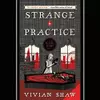
What’s Strange Practice About?
Greta Helsing is a doctor with a very particular specialty. Yes, she’s one of those Helsings–somewhere along the line they dropped the “Van.” Like her father before her, Greta treats the supernatural denizens of London from all sorts of ills–colds, chest congestion, infants with ear infections, drinking poisoned blood, keeping mummies’ bodies together, stuff like that. Routine–but strange, too.
Then a serial killer starts terrorizing the city, eventually attacking a vampyre–viciously. And it wasn’t just one, but it was a group dressed in monks’ robes. Greta has to work hard to keep him “undead.” The nature of the attack and the injuries make it clear to Greta and a vampire* that her patient sought help from that this was a deliberate strike at a supernatural being. And an organized group with weapons targeting her patients? Greta has to look into that–and maybe see if she can do something about that.
* Yes, there are apparently differences between the sanguivores spelled with an “i” and with a “y.” Also, I love the term sanguivore.
Tone
Having determined that this is something I want to talk about, I realize that I’m having a hard time explaining it. But here’s what I can come up with.
The voice here isn’t typical of UF—it’s not cozy by any means, but it’s warm. It’s snark-free, but not overly serious. The characters largely treat each other like old friends—functionally family—and that atmosphere permeates the novel.
You could almost make the case for this being cozy—but what the villains of the piece do break every rule of cozy—whether we’re talking cozy fantasy or cozy murder mystery. This coziness doesn’t carry over to the acts of violence perpetrated by the monks, nothing is softened here—but the humanity of the response (whether it be a human, vampire/vampyre, or other doing the responding) comes through.
The subtle use of a Monty Python bit took me by surprise and made me chuckle audibly. Several things in the book struck me similarly (but not that audibly).
Reading List
Something one of the sanguivores says made me curious, so I went to Duck Duck Go, and yup…they were a literary character. As was nearly every named character in the book*—or, like Greta, a descendant of one.
I rather enjoyed this—and were I someone at all interested in Victorian horror, this book would provide a nice little reading list. Now, I am curious to compare Shaw’s depictions of these characters with the originals—but I’m not that curious (yet?). But I can think of a few friends who would be, I’m hoping they do after I get them to read this one so they can save me the time/effort.
* I really should’ve looked up the others—I guess I’ll have to do that while reading Book 2, Dreadful Company.
So, what did I think about Strange Practice?
“You are not human,” she said at last, “but you are people. All of you. The ghouls, the mummies, the sanguivores, the weres, the banshees, the wights, the bogeys, everyone who comes to me for help, everyone who trusts me to provide it. You are all people, and you all deserve medical care, no matter what you do or have done, and you deserve to be able to seek and receive that care without putting yourselves in jeopardy. What I do is necessary, and while it isn’t in the slightest bit easy, it is also the thing I want to do more than anything else in the world.”
I was a little taken aback initially—somewhere between being hand-sold this book (14 months ago) and starting it, I’d gotten the idea that it took place in the late 1800s. When I opened it and was confronted with a very 21st Century setting on the first page, that both threw me (and relieved me, I wasn’t that sure I was up for that setting, really). I was a little disoriented for the first chapter or so, but Shaw got me settled quickly and engaged me in the tale a lot quicker than I anticipated.
That engagement didn’t falter—it only grew. I devoured the book and was very happy about it throughout—okay, I wasn’t at all happy about what happened to a couple of characters, places, etc. at the end. But by that time it was too late, I’d already added Book 2 to my “To Buy” list and was invested in the outcome of Strange Practice, and more invested in a character or two than I’d expect for only having spent less than one novel with them.. The plot is pretty straightforward, but we’re given a couple of good twists to keep the reader on their toes—and one inevitable move proved very not-inevitable.
This is a great world that Shaw has given us, populated with the kind of characters you want to see. The fact that our protagonist—and her allies—are focused on healing, improving, the safety and well-being of everyone they come across* gives this book (and will give future books) a different feel than your typical PI/fighter/instrument of justice Urban Fantasy alone. It’s a nice change, and I look forward to seeing where the series goes.
If you’re looking for a fun and atypical Urban Fantasy with a nice classic horror twist, you’re going to want to give this a shot. You’ll be glad you did.
* If you assume that a vampire/vampyre can feed off a human without impinging on their well-being.
Originally posted at irresponsiblereader.com.
This originally appeared at The Irresponsible Reader. If you like this post, you might like others on that site. Consider checking it out!
---
“But,” Cranswell had said, “what about the killing people thing? In all the books and movies?”
“Well, really,” Ruthven had told him, looking rather tired, “don’t you think it’d sort of attract public attention, all these random individuals dropping dead of sudden blood loss? Any vampire who kills when he or she feeds is a vampire with some rather significant impulse-control problems, plus I’m not even sure it would be comfortably possible to down that many pints of the stuff in one go. Even if you don’t have access to blood from a bank, it’s much easier and wiser to take a small amount from several individuals than drain one person to the point of death, and far less likely to get you noticed by people with the pitchfork-and-torch mentality.”
Cranswell had blinked at him. “That…actually kind of makes sense.”
“Exactly, which is why nobody suspects it.”
What’s Strange Practice About?
Greta Helsing is a doctor with a very particular specialty. Yes, she’s one of those Helsings–somewhere along the line they dropped the “Van.” Like her father before her, Greta treats the supernatural denizens of London from all sorts of ills–colds, chest congestion, infants with ear infections, drinking poisoned blood, keeping mummies’ bodies together, stuff like that. Routine–but strange, too.
Then a serial killer starts terrorizing the city, eventually attacking a vampyre–viciously. And it wasn’t just one, but it was a group dressed in monks’ robes. Greta has to work hard to keep him “undead.” The nature of the attack and the injuries make it clear to Greta and a vampire* that her patient sought help from that this was a deliberate strike at a supernatural being. And an organized group with weapons targeting her patients? Greta has to look into that–and maybe see if she can do something about that.
* Yes, there are apparently differences between the sanguivores spelled with an “i” and with a “y.” Also, I love the term sanguivore.
Tone
Having determined that this is something I want to talk about, I realize that I’m having a hard time explaining it. But here’s what I can come up with.
The voice here isn’t typical of UF—it’s not cozy by any means, but it’s warm. It’s snark-free, but not overly serious. The characters largely treat each other like old friends—functionally family—and that atmosphere permeates the novel.
You could almost make the case for this being cozy—but what the villains of the piece do break every rule of cozy—whether we’re talking cozy fantasy or cozy murder mystery. This coziness doesn’t carry over to the acts of violence perpetrated by the monks, nothing is softened here—but the humanity of the response (whether it be a human, vampire/vampyre, or other doing the responding) comes through.
The subtle use of a Monty Python bit took me by surprise and made me chuckle audibly. Several things in the book struck me similarly (but not that audibly).
Reading List
Something one of the sanguivores says made me curious, so I went to Duck Duck Go, and yup…they were a literary character. As was nearly every named character in the book*—or, like Greta, a descendant of one.
I rather enjoyed this—and were I someone at all interested in Victorian horror, this book would provide a nice little reading list. Now, I am curious to compare Shaw’s depictions of these characters with the originals—but I’m not that curious (yet?). But I can think of a few friends who would be, I’m hoping they do after I get them to read this one so they can save me the time/effort.
* I really should’ve looked up the others—I guess I’ll have to do that while reading Book 2, Dreadful Company.
So, what did I think about Strange Practice?
“You are not human,” she said at last, “but you are people. All of you. The ghouls, the mummies, the sanguivores, the weres, the banshees, the wights, the bogeys, everyone who comes to me for help, everyone who trusts me to provide it. You are all people, and you all deserve medical care, no matter what you do or have done, and you deserve to be able to seek and receive that care without putting yourselves in jeopardy. What I do is necessary, and while it isn’t in the slightest bit easy, it is also the thing I want to do more than anything else in the world.”
I was a little taken aback initially—somewhere between being hand-sold this book (14 months ago) and starting it, I’d gotten the idea that it took place in the late 1800s. When I opened it and was confronted with a very 21st Century setting on the first page, that both threw me (and relieved me, I wasn’t that sure I was up for that setting, really). I was a little disoriented for the first chapter or so, but Shaw got me settled quickly and engaged me in the tale a lot quicker than I anticipated.
That engagement didn’t falter—it only grew. I devoured the book and was very happy about it throughout—okay, I wasn’t at all happy about what happened to a couple of characters, places, etc. at the end. But by that time it was too late, I’d already added Book 2 to my “To Buy” list and was invested in the outcome of Strange Practice, and more invested in a character or two than I’d expect for only having spent less than one novel with them.. The plot is pretty straightforward, but we’re given a couple of good twists to keep the reader on their toes—and one inevitable move proved very not-inevitable.
This is a great world that Shaw has given us, populated with the kind of characters you want to see. The fact that our protagonist—and her allies—are focused on healing, improving, the safety and well-being of everyone they come across* gives this book (and will give future books) a different feel than your typical PI/fighter/instrument of justice Urban Fantasy alone. It’s a nice change, and I look forward to seeing where the series goes.
If you’re looking for a fun and atypical Urban Fantasy with a nice classic horror twist, you’re going to want to give this a shot. You’ll be glad you did.
* If you assume that a vampire/vampyre can feed off a human without impinging on their well-being.
Originally posted at irresponsiblereader.com.
This originally appeared at The Irresponsible Reader.
---
I grin. “Fake it till you make it.”
I doubt whoever came up with that particular saying imagined it being applied by an aspiring Dark Lord, but it works. Half the job of being boss, after all, is acting like a boss, performing boss-ness, whether you’re gunning for the corner office or the big iron hat with spikes.
Unfortunately for me, a lot of that performance requires props I haven’t got, to wit: armies and weapons and piles of thaumite. But we’re going to do the best we can with what we've got.
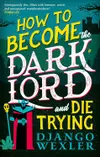
What’s How to Become the Dark Lord and Die Trying About?
This is going to be quick, because if you’re not intrigued by the premise, this isn’t going to be a book for you. Also, like The Martian, your appreciation for this book lives and dies with your appreciation of the protagonist and her narration. If you don’t like Davi almost instantly—or if you take an almost-instant dislike for her—save yourself the torture and find another book.
Davi woke up in a small pool/tub in a fantasy world after closing her eyes in ours. She remembers very little about her old life at the point we meet her, but that’s okay—what she does remember is her new life. A wizard approached her in the pool and told her it was the fulfillment of a prophecy—she goes with him to help the Kingdom against its enemies. Their efforts fail, and she dies. (not a spoiler, really)
She wakes up in the pool/tub and repeats the process—hundreds of times, dying in different ways and by the hands of various people and/or Dark Lords (higher than her official count, I’m not sure which lives go into her count and which don’t). Eventually—after a particularly prolonged death, Davi decides to stop trying to help the Kingdom and tries to become the Dark Lord instead. This is that story.
Also, now you understand the title.
A Pretty Big Caveat
Davi feels like she was trained in the use of “blue language” by Zoey Ashe and Teagan Frost*, and truly the student has surpassed the masters. And I really don’t know how to describe her sexual appetites. Thankfully, it’s all behind closed doors (or tent flaps)—but she doesn’t mind talking about it in the narration.
Go into it knowing that, and you’ll be okay. If that’s a red flag for you, (and I honestly feel like it maybe should be one for me), pay attention to it. Maybe instead of a flag, think of it as a red metal octagon.
* From Jason Pargin’s Zoey Ashe series and Jackson Ford’s Frost Files, respectively.
A Couple of Lines I Feel Compelled to Share
It’s the sort of plan where, were I to tell someone else about it, I’d say, “But you re not going to like it.” Since there’s no one here, I have to both propose the plan and be skeptical about it. You know you’re in a fix when you have to be your own straight man.
The problem with mountains—follow close here, this is complicated—is that they’re very tall.
Tall means hard to get over. Tall also means cold, and cold means snow and ice and all that awfulnes.
The beast is still coming, swinging easily across the cliff, ignoring the rain of fire arrows. It has apparently decided I am its one true prey, and that only rending me to pieces will make it feel complete. Which, honestly, kind of flattering in other circumstances, but not what I need right now.
The thing about people, in the main, is they don’t like getting stabbed. When presented with a stabby situation, they tend to say, “No, you know what, that’s all right. I’ll seek my entertainment elsewhere.” In a battle, this is balanced against the need to look tough in front of your buddies; people will tolerate a certain amount of stab risk to increase their chances of looking brave and possibly scoring with their gender of choice.
But, and this is important, there’s risking getting stabbed, and there’s definitely getting stabbed. Which is to say, when a disorderly mob of screaming wilders comes down a hill at you, it looks like they’re going to run headlong into your spears, but I promise you they won’t. People don’t run headlong into spears, it falls in the “definitely getting stabbed” category.
So, what did I think about How to Become the Dark Lord and Die Trying?
This is what being Dark Lord is all about. Betrayal, assassination, general evilness. I may try to keep the indiscriminate slaughter to a minimum, but there is going to be a certain amount of discriminate slaughter going on, it’s just part of the show.
First, there is so much more heart to this book than you might think. Really, it’s up there with a Hallmark movie. Scrape away the jaded nature of living hundreds of lives and dying in all but one of those (sometimes horribly), and Davi has a large heart and cares a lot for her “minions.”
Secondly, the action is really well-delivered. The battle scenes are well-done (but not overly detailed so as to slow down the action), the individual fight scenes are as good as you’re going to find out there. And the plot makes complete sense for what it is. The magic system isn’t one I’ve seen before—and it works well in this world.
This has got to be in the Top 5 funniest books I’ve read this year. Davi is full of sass, sarcasm, and obscure pop culture references (and she doesn’t mind making them to people who cannot understand them—she reminds me of Francis Xavier Flynn that way). Her observations and narration made me want to stretch out the reading so I could keep enjoying it (while I had no patience to find out what happens at the end).
Also, I’ve made my position concerning comedic footnotes very clear in the past—huge fan—and Wexler is great at them.
This was just a delight from start to finish. There were plenty of surprises—both in plot twists and character reveals. People into comedic fantasy should give it a try.
Originally posted at irresponsiblereader.com.
This originally appeared at The Irresponsible Reader.
---
I grin. “Fake it till you make it.”
I doubt whoever came up with that particular saying imagined it being applied by an aspiring Dark Lord, but it works. Half the job of being boss, after all, is acting like a boss, performing boss-ness, whether you’re gunning for the corner office or the big iron hat with spikes.
Unfortunately for me, a lot of that performance requires props I haven’t got, to wit: armies and weapons and piles of thaumite. But we’re going to do the best we can with what we've got.
What’s How to Become the Dark Lord and Die Trying About?
This is going to be quick, because if you’re not intrigued by the premise, this isn’t going to be a book for you. Also, like The Martian, your appreciation for this book lives and dies with your appreciation of the protagonist and her narration. If you don’t like Davi almost instantly—or if you take an almost-instant dislike for her—save yourself the torture and find another book.
Davi woke up in a small pool/tub in a fantasy world after closing her eyes in ours. She remembers very little about her old life at the point we meet her, but that’s okay—what she does remember is her new life. A wizard approached her in the pool and told her it was the fulfillment of a prophecy—she goes with him to help the Kingdom against its enemies. Their efforts fail, and she dies. (not a spoiler, really)
She wakes up in the pool/tub and repeats the process—hundreds of times, dying in different ways and by the hands of various people and/or Dark Lords (higher than her official count, I’m not sure which lives go into her count and which don’t). Eventually—after a particularly prolonged death, Davi decides to stop trying to help the Kingdom and tries to become the Dark Lord instead. This is that story.
Also, now you understand the title.
A Pretty Big Caveat
Davi feels like she was trained in the use of “blue language” by Zoey Ashe and Teagan Frost*, and truly the student has surpassed the masters. And I really don’t know how to describe her sexual appetites. Thankfully, it’s all behind closed doors (or tent flaps)—but she doesn’t mind talking about it in the narration.
Go into it knowing that, and you’ll be okay. If that’s a red flag for you, (and I honestly feel like it maybe should be one for me), pay attention to it. Maybe instead of a flag, think of it as a red metal octagon.
* From Jason Pargin’s Zoey Ashe series and Jackson Ford’s Frost Files, respectively.
A Couple of Lines I Feel Compelled to Share
It’s the sort of plan where, were I to tell someone else about it, I’d say, “But you re not going to like it.” Since there’s no one here, I have to both propose the plan and be skeptical about it. You know you’re in a fix when you have to be your own straight man.
The problem with mountains—follow close here, this is complicated—is that they’re very tall.
Tall means hard to get over. Tall also means cold, and cold means snow and ice and all that awfulnes.
The beast is still coming, swinging easily across the cliff, ignoring the rain of fire arrows. It has apparently decided I am its one true prey, and that only rending me to pieces will make it feel complete. Which, honestly, kind of flattering in other circumstances, but not what I need right now.
The thing about people, in the main, is they don’t like getting stabbed. When presented with a stabby situation, they tend to say, “No, you know what, that’s all right. I’ll seek my entertainment elsewhere.” In a battle, this is balanced against the need to look tough in front of your buddies; people will tolerate a certain amount of stab risk to increase their chances of looking brave and possibly scoring with their gender of choice.
But, and this is important, there’s risking getting stabbed, and there’s definitely getting stabbed. Which is to say, when a disorderly mob of screaming wilders comes down a hill at you, it looks like they’re going to run headlong into your spears, but I promise you they won’t. People don’t run headlong into spears, it falls in the “definitely getting stabbed” category.
So, what did I think about How to Become the Dark Lord and Die Trying?
This is what being Dark Lord is all about. Betrayal, assassination, general evilness. I may try to keep the indiscriminate slaughter to a minimum, but there is going to be a certain amount of discriminate slaughter going on, it’s just part of the show.
First, there is so much more heart to this book than you might think. Really, it’s up there with a Hallmark movie. Scrape away the jaded nature of living hundreds of lives and dying in all but one of those (sometimes horribly), and Davi has a large heart and cares a lot for her “minions.”
Secondly, the action is really well-delivered. The battle scenes are well-done (but not overly detailed so as to slow down the action), the individual fight scenes are as good as you’re going to find out there. And the plot makes complete sense for what it is. The magic system isn’t one I’ve seen before—and it works well in this world.
This has got to be in the Top 5 funniest books I’ve read this year. Davi is full of sass, sarcasm, and obscure pop culture references (and she doesn’t mind making them to people who cannot understand them—she reminds me of Francis Xavier Flynn that way). Her observations and narration made me want to stretch out the reading so I could keep enjoying it (while I had no patience to find out what happens at the end).
Also, I’ve made my position concerning comedic footnotes very clear in the past—huge fan—and Wexler is great at them.
This was just a delight from start to finish. There were plenty of surprises—both in plot twists and character reveals. People into comedic fantasy should give it a try.
Originally posted at irresponsiblereader.com.

This originally appeared at The Irresponsible Reader.
---
What Does the Publisher Say About The Faithful Executioner?
Based on the rare and until now overlooked journal of a Renaissance-era executioner, the noted historian Joel F. Harrington’s The Faithful Executioner takes us deep inside the alien world and thinking of Meister Frantz Schmidt of Nuremberg, who, during forty-five years as a professional executioner, personally put to death 394 individuals and tortured, flogged, or disfigured many hundreds more. But the picture that emerges of Schmidt from his personal papers is not that of a monster. Could a man who routinely practiced such cruelty also be insightful, compassionate—even progressive?
In The Faithful Executioner, Harrington vividly re-creates a life filled with stark contrasts, from the young apprentice’s rigorous training under his executioner father to the adult Meister Frantz’s juggling of familial duties with his work in the torture chamber and at the scaffold. With him we encounter brutal highwaymen, charming swindlers, and tragic unwed mothers accused of infanticide, as well as patrician senators, godly chaplains, and corrupt prison guards. Harrington teases out the hidden meanings and drama of Schmidt’s journal, uncovering a touching tale of inherited shame and attempted redemption for the social pariah and his children.
The Faithful Executioner offers not just the compelling firsthand perspective of a professional torturer and killer, but testimony of one man’s lifelong struggle to reconcile his bloody craft with his deep religious faith. The biography of an ordinary man struggling for his soul, this groundbreaking book also offers an unparalleled panoramic view of Europe on the cusp of modernity, a society riven by violent conflict at all levels and encumbered by paranoia, superstition, and abuses of power. Thanks to an extraordinary historical source and its gifted interpreter, we recognize far more of ourselves than we might have expected in this intimate portrait of a professional killer from a faraway world.
How’s the Narration?
Gillies was fine. I did wonder a bit about why a British narrator was used, especially when Harrington brings up his own U.S. citizenship at least once. It’s not a big deal.
He also didn’t pronounce the Lutheran theologian Philip Melanchthon’s name in a way I’ve never heard before—and that threw me out of things for a moment.
Other than that, I had no substantive complaints. I don’t know that he wowed me, but he didn’t detract from the material.
So, what did I think about The Faithful Executioner?
One thing that should be remembered that the description doesn’t mention is that Executioners in that day were also healers—as a result of their training and experience in their primary profession, they understood human anatomy to a degree that most people didn’t, so they augmented their income by helping heal others.
It’s interesting little tid-bits like that that’ll keep you reading. But not for trivia, for the history.
Okay, this didn’t resonate with me the way it did with my friends who read this. I didn’t get as invested in Frantz’s story as <a href="https://irresponsiblereader.com/2025/11/13/a-special-guest-post-in-medias-res-the-faithful-executioner-by-joel-f-harrington/" target="_blank" rel="noopener">Lawrence did</a>.
That said, I was fascinated by this. The history of the era. The cultural/political shifts going on—and how that impacted his life/profession were my focus. I could’ve read a lot more about the “criminal justice system” (as much as there was one) described. Well, I like to think I could’ve—but I really needed it tied to Frantz’s story for me to actually stick with it.
And honestly, that’s basically it—I was only mildly interested in Frantz. It was the changing context around him that got me. I do find that strange—I really would’ve thought I cared about the guy and his poor family (don’t get me wrong, it’s not like I didn’t care—but not much—also, I found what the author said about the life of two of his children at the end strangely heartening). But the history—culture, penology, politics, health care, criminology? That material was just great.
The story of one man is gripping (and really, the stuff of novels), as is the look at humans at the time—if you’re looking for either (possibly both), you’re going to relish this book and are going to be so glad that Harrington stumbled onto these journals to bring them to us.
Originally posted at irresponsiblereader.com.
This originally appeared at The Irresponsible Reader.
---
What Does the Publisher Say About The Faithful Executioner?
Based on the rare and until now overlooked journal of a Renaissance-era executioner, the noted historian Joel F. Harrington’s The Faithful Executioner takes us deep inside the alien world and thinking of Meister Frantz Schmidt of Nuremberg, who, during forty-five years as a professional executioner, personally put to death 394 individuals and tortured, flogged, or disfigured many hundreds more. But the picture that emerges of Schmidt from his personal papers is not that of a monster. Could a man who routinely practiced such cruelty also be insightful, compassionate—even progressive?
In The Faithful Executioner, Harrington vividly re-creates a life filled with stark contrasts, from the young apprentice’s rigorous training under his executioner father to the adult Meister Frantz’s juggling of familial duties with his work in the torture chamber and at the scaffold. With him we encounter brutal highwaymen, charming swindlers, and tragic unwed mothers accused of infanticide, as well as patrician senators, godly chaplains, and corrupt prison guards. Harrington teases out the hidden meanings and drama of Schmidt’s journal, uncovering a touching tale of inherited shame and attempted redemption for the social pariah and his children.
The Faithful Executioner offers not just the compelling firsthand perspective of a professional torturer and killer, but testimony of one man’s lifelong struggle to reconcile his bloody craft with his deep religious faith. The biography of an ordinary man struggling for his soul, this groundbreaking book also offers an unparalleled panoramic view of Europe on the cusp of modernity, a society riven by violent conflict at all levels and encumbered by paranoia, superstition, and abuses of power. Thanks to an extraordinary historical source and its gifted interpreter, we recognize far more of ourselves than we might have expected in this intimate portrait of a professional killer from a faraway world.
How’s the Narration?
Gillies was fine. I did wonder a bit about why a British narrator was used, especially when Harrington brings up his own U.S. citizenship at least once. It’s not a big deal.
He also didn’t pronounce the Lutheran theologian Philip Melanchthon’s name in a way I’ve never heard before—and that threw me out of things for a moment.
Other than that, I had no substantive complaints. I don’t know that he wowed me, but he didn’t detract from the material.
So, what did I think about The Faithful Executioner?
One thing that should be remembered that the description doesn’t mention is that Executioners in that day were also healers—as a result of their training and experience in their primary profession, they understood human anatomy to a degree that most people didn’t, so they augmented their income by helping heal others.
It’s interesting little tid-bits like that that’ll keep you reading. But not for trivia, for the history.
Okay, this didn’t resonate with me the way it did with my friends who read this. I didn’t get as invested in Frantz’s story as <a href="https://irresponsiblereader.com/2025/11/13/a-special-guest-post-in-medias-res-the-faithful-executioner-by-joel-f-harrington/" target="_blank" rel="noopener">Lawrence did</a>.
That said, I was fascinated by this. The history of the era. The cultural/political shifts going on—and how that impacted his life/profession were my focus. I could’ve read a lot more about the “criminal justice system” (as much as there was one) described. Well, I like to think I could’ve—but I really needed it tied to Frantz’s story for me to actually stick with it.
And honestly, that’s basically it—I was only mildly interested in Frantz. It was the changing context around him that got me. I do find that strange—I really would’ve thought I cared about the guy and his poor family (don’t get me wrong, it’s not like I didn’t care—but not much—also, I found what the author said about the life of two of his children at the end strangely heartening). But the history—culture, penology, politics, health care, criminology? That material was just great.
The story of one man is gripping (and really, the stuff of novels), as is the look at humans at the time—if you’re looking for either (possibly both), you’re going to relish this book and are going to be so glad that Harrington stumbled onto these journals to bring them to us.
Originally posted at irresponsiblereader.com.

This originally appeared at The Irresponsible Reader.
---
Elizabeth is being mysterious.
It’s something of a relief, of course, because it has been some while since she’s been mysterious. She tells me we are taking the minibus to Fairhaven tomorrow morning, and it’s also been a while since we’ve done that. What are we to do there? Information has yet to be forthcoming. “A nice stroll along the front” is what Elizabeth said, and if you believe that you’ll believe anything.
What’s The Impossible Fortune About?
Joyce’s daughter, Joanna, is getting married. During the reception, Elizabeth is approached by someone wanting help. He’s heard about Elizabeth from Joanna and would rather go to her for help than anyone else.
Then he goes missing. The Club mobilizes to try to find him—with some help from Joyce’s daughter and new son-in-law, too.
Ron’s a little distracted by some family trouble (trouble he doesn’t realize the depth of, either), but that won’t be enough to derail the Thursday Murder Club, will it?
Elizabeth
“Screenshot the messages,” says Joanna. “We have to find Nick.”
“Screenshotting them,” says Paul. “I’ll send them straight to the police.”
Joanna puts her hand on his.
“Honestly? God bless the police, but it’ll be quicker all round if we just show them to Elizabeth.”
The core of this book is Elizabeth moving on from full-time grieving. She’ll be grieving for the rest of her (hopefully long and sequel-filled) life. But equipped with a puzzle—and potential danger to others—some of her old spark comes back.
Something noted by the rest of the Club—and Donna, too.
This doesn’t mean she’s as sharp as we’re used to—she notes that herself. By the end of the book, that’s done with. Still, even an out-of-practice Elizabeth is better than the police assigned to this case (sadly, not our friends—nor are they likely to be seen again).
We are treated to seeing her alone—or almost alone sometimes—and vulnerable. It’s Elizabeth at her most human, which is wonderful to see (even if we all probably prefer Elizabeth the super-hero).
Joyce and Joanna
The relationship between Joyce and her daughter has been a frequent topic to return to, and change has been slow—if not imperceptible. But we get some strong movement here—and some frustrating delays in it, too (designed to be frustrating, this isn’t Osman flubbing things).
Overall, we see the two of them working together here—on the wedding and on the case. It warms the heart to see. They both make some healthy compromises—and conspire together in way that’ll make you smile.
So, what did I think about The Impossible Fortune?
Danny Lloyd has had guns pointed at him before, but never by a woman. It makes, he notes to himself now, very little difference. The gun is the thing. Well, the bullets inside the gun are the actual thing, aren't they?
Keep the bullets inside the gun, that’s the trick.
Frankly, it feels like Osman was a little off his game with this one. And it makes sense—after the big events of The Last Devil to Die, almost everything is going to feel like a letdown. He also needs to re-establish the feel for the books now.
We’ve added a new character or two, made some pretty big changes for some (at least one of which is going to stick with the books for a while). Just the sheer amount of time we spend with Johanna and Ron’s son, Ritchie, makes this feel different. I don’t want to get into the Ron-and-his-family storyline, but man, it’s good.
My biggest concern is Ibrahim’s depiction. He didn’t get that much space—which makes sense; there’s a lot of competition this time. But in most of the space he was given, he seemed…off. He felt sillier and dafter than usual, almost like the novel was gently mocking him. But that eventually went away, and he really came through for the team more than once in pivotal ways. Also—he’s great, as usual, with Ron’s grandson.
All the charm, all the wit, all the heart is there—so whatever I (or you) may think about the quality of the book as a whole, it doesn’t matter that much. Everything that makes a Thursday Murder Club book a Thursday Murder Club book is there. There’s just a little less luster than usual.
Now that Elizabeth has her groove back (mostly), I expect this to be a minor aberration and that we’ll get back to his usual level.
Still, this was about as entertaining as you can want in a mystery—if you haven’t gotten to it yet, fix that.
Originally posted at irresponsiblereader.com.
This originally appeared at The Irresponsible Reader.
---
Elizabeth is being mysterious.
It’s something of a relief, of course, because it has been some while since she’s been mysterious. She tells me we are taking the minibus to Fairhaven tomorrow morning, and it’s also been a while since we’ve done that. What are we to do there? Information has yet to be forthcoming. “A nice stroll along the front” is what Elizabeth said, and if you believe that you’ll believe anything.
What’s The Impossible Fortune About?
Joyce’s daughter, Joanna, is getting married. During the reception, Elizabeth is approached by someone wanting help. He’s heard about Elizabeth from Joanna and would rather go to her for help than anyone else.
Then he goes missing. The Club mobilizes to try to find him—with some help from Joyce’s daughter and new son-in-law, too.
Ron’s a little distracted by some family trouble (trouble he doesn’t realize the depth of, either), but that won’t be enough to derail the Thursday Murder Club, will it?
Elizabeth
“Screenshot the messages,” says Joanna. “We have to find Nick.”
“Screenshotting them,” says Paul. “I’ll send them straight to the police.”
Joanna puts her hand on his.
“Honestly? God bless the police, but it’ll be quicker all round if we just show them to Elizabeth.”
The core of this book is Elizabeth moving on from full-time grieving. She’ll be grieving for the rest of her (hopefully long and sequel-filled) life. But equipped with a puzzle—and potential danger to others—some of her old spark comes back.
Something noted by the rest of the Club—and Donna, too.
This doesn’t mean she’s as sharp as we’re used to—she notes that herself. By the end of the book, that’s done with. Still, even an out-of-practice Elizabeth is better than the police assigned to this case (sadly, not our friends—nor are they likely to be seen again).
We are treated to seeing her alone—or almost alone sometimes—and vulnerable. It’s Elizabeth at her most human, which is wonderful to see (even if we all probably prefer Elizabeth the super-hero).
Joyce and Joanna
The relationship between Joyce and her daughter has been a frequent topic to return to, and change has been slow—if not imperceptible. But we get some strong movement here—and some frustrating delays in it, too (designed to be frustrating, this isn’t Osman flubbing things).
Overall, we see the two of them working together here—on the wedding and on the case. It warms the heart to see. They both make some healthy compromises—and conspire together in way that’ll make you smile.
So, what did I think about The Impossible Fortune?
Danny Lloyd has had guns pointed at him before, but never by a woman. It makes, he notes to himself now, very little difference. The gun is the thing. Well, the bullets inside the gun are the actual thing, aren't they?
Keep the bullets inside the gun, that’s the trick.
Frankly, it feels like Osman was a little off his game with this one. And it makes sense—after the big events of The Last Devil to Die, almost everything is going to feel like a letdown. He also needs to re-establish the feel for the books now.
We’ve added a new character or two, made some pretty big changes for some (at least one of which is going to stick with the books for a while). Just the sheer amount of time we spend with Johanna and Ron’s son, Ritchie, makes this feel different. I don’t want to get into the Ron-and-his-family storyline, but man, it’s good.
My biggest concern is Ibrahim’s depiction. He didn’t get that much space—which makes sense; there’s a lot of competition this time. But in most of the space he was given, he seemed…off. He felt sillier and dafter than usual, almost like the novel was gently mocking him. But that eventually went away, and he really came through for the team more than once in pivotal ways. Also—he’s great, as usual, with Ron’s grandson.
All the charm, all the wit, all the heart is there—so whatever I (or you) may think about the quality of the book as a whole, it doesn’t matter that much. Everything that makes a Thursday Murder Club book a Thursday Murder Club book is there. There’s just a little less luster than usual.
Now that Elizabeth has her groove back (mostly), I expect this to be a minor aberration and that we’ll get back to his usual level.
Still, this was about as entertaining as you can want in a mystery—if you haven’t gotten to it yet, fix that.
Originally posted at irresponsiblereader.com.


This originally appeared at The Irresponsible Reader.
---
“Will you help me?”
“I believe I will,” I say, proving once again that my mouth has a mouth of its own. It did not consult with my brain before saying it, which is a major breach of the decision-making chain of command.
What’s And to All a Good Bite About?
Two years ago, Jeff Wheeler watched the building his girlfriend was in explode while he engagement ring he got for her was in his pocket. In vain, he ran into the building to try to save her, but the fire was too intense. He was, however, able to save a dog.
He ends up—with Andy Carpenter’s help—adopting the dog, and the two of them are happy. Jeff has come to think that the building’s explosion wasn’t an accident, but was caused by the building’s owner. Jeff starts hounding the man, trying to get him to admit to it and trying to take him to court over it.
When that man is shot, Jeff’s an early suspect. When some evidence is uncovered conveniently close to Jeff’s home, he’s arrested.
Now it’s up to Andy to admit he’s not retired (again) and to do what he can to save Jeff’s life.
The Holiday-ness of it
This is about as far from a Christmas book that Rosenfelt could do—the holiday itself is dealt with in maybe 5 pages, and those are fairly early-on. It really could be a case of “which of these three novels I’m almost done with could I most easily insert the holiday?”
This next sentence is not really a spoiler, but it kind of is, so skip to the next heading if you want. Also, the body count in this book is high for this series (and potentially even higher), and the motive behind it seems to make it even worse. It’s hard to reconcile that with the Season of Cheer. (not that it needs to, I’m just thinking holiday stuff).
So, what did I think about And to All a Good Bite?
So my son eats vegetables….I find it hard to come to terms with that. I’ve been assuming for years that he will outgrow it, but it doesn’t seem like it’s going to happen. But it still pains me when the waiter comes over and Ricky asks how they prepare the brussels sprouts.
We back up a little on Marcus’ intelligibility here—which felt odd, maybe Rosenfelt realized he’d taken too much of the mystery away from him—maybe even the superhumanness of him. Or maybe it’s a case of perception—I thought that Andy was fully capable of understanding Marcus recently because relative to most of the series, he could. But compared to Willie or Corey (check spelling of Simon Garfunkel’s human), Marcus is unintelligible. It could just be some re-calibration in general. Marcus’ super-humanness is seriously reinforced on other fronts this time.
The client’s dog is far more important to the story than usual—something I appreciate, as much as I like a cute dog photo on the cover, or a canine-related pun in the title (which has nothing to do with the plot at all). When the dog actually plays a role in the story, I like it.
Andy seems to make a call on the whole retirement/semi-retirement thing, which is nice. Otherwise, this is your standard Andy Carpenter book—some solid wisecracks, a clever mystery, some nice reveals, some convenient breaks, some courtroom hijinks, Andy’s familiar (yet fresh and entertaining) thoughts on jury selection and jury deliberation. There’s just enough that’s not typical to keep long-time fans engaged. Up to, and including, more Vince-related action than we’ve seen in a bit—up to the part where I could throw in a click-baity “You won’t believe what Vince does” kind of headline. But I won’t stoop to that. Really.
Oh, wait—Ricky is 16 now? I’m sorry, when did his actual aging creep into these books? How is Rosenfelt not keeping him a cute kid/tween for forever, the way that Tara is not a senior dog yet? Has Rosenfelt been giving us higher numbers for a while now and I just haven’t noticed?
Anyway, back to the “standard Andy Carpenter book” remark. That’s really what this is—that’s good news. It’s not a let-down, it’s not a rare stumble for Rosenfelt, it’s not shaking up the entire series with a gritty turn—it’s a reliable author giving his fans just what they want, quality entertainment with old friends. And that’s just the kind of gift an author like Rosenfelt should give his readers for the holidays.*
* That’s one of the cheesiest things I’ve written on this site, but I kind of like it.
Originally posted at irresponsiblereader.com.
This originally appeared at The Irresponsible Reader.
---
“Will you help me?”
“I believe I will,” I say, proving once again that my mouth has a mouth of its own. It did not consult with my brain before saying it, which is a major breach of the decision-making chain of command.
What’s And to All a Good Bite About?
Two years ago, Jeff Wheeler watched the building his girlfriend was in explode while he engagement ring he got for her was in his pocket. In vain, he ran into the building to try to save her, but the fire was too intense. He was, however, able to save a dog.
He ends up—with Andy Carpenter’s help—adopting the dog, and the two of them are happy. Jeff has come to think that the building’s explosion wasn’t an accident, but was caused by the building’s owner. Jeff starts hounding the man, trying to get him to admit to it and trying to take him to court over it.
When that man is shot, Jeff’s an early suspect. When some evidence is uncovered conveniently close to Jeff’s home, he’s arrested.
Now it’s up to Andy to admit he’s not retired (again) and to do what he can to save Jeff’s life.
The Holiday-ness of it
This is about as far from a Christmas book that Rosenfelt could do—the holiday itself is dealt with in maybe 5 pages, and those are fairly early-on. It really could be a case of “which of these three novels I’m almost done with could I most easily insert the holiday?”
This next sentence is not really a spoiler, but it kind of is, so skip to the next heading if you want. Also, the body count in this book is high for this series (and potentially even higher), and the motive behind it seems to make it even worse. It’s hard to reconcile that with the Season of Cheer. (not that it needs to, I’m just thinking holiday stuff).
So, what did I think about And to All a Good Bite?
So my son eats vegetables….I find it hard to come to terms with that. I’ve been assuming for years that he will outgrow it, but it doesn’t seem like it’s going to happen. But it still pains me when the waiter comes over and Ricky asks how they prepare the brussels sprouts.
We back up a little on Marcus’ intelligibility here—which felt odd, maybe Rosenfelt realized he’d taken too much of the mystery away from him—maybe even the superhumanness of him. Or maybe it’s a case of perception—I thought that Andy was fully capable of understanding Marcus recently because relative to most of the series, he could. But compared to Willie or Corey (check spelling of Simon Garfunkel’s human), Marcus is unintelligible. It could just be some re-calibration in general. Marcus’ super-humanness is seriously reinforced on other fronts this time.
The client’s dog is far more important to the story than usual—something I appreciate, as much as I like a cute dog photo on the cover, or a canine-related pun in the title (which has nothing to do with the plot at all). When the dog actually plays a role in the story, I like it.
Andy seems to make a call on the whole retirement/semi-retirement thing, which is nice. Otherwise, this is your standard Andy Carpenter book—some solid wisecracks, a clever mystery, some nice reveals, some convenient breaks, some courtroom hijinks, Andy’s familiar (yet fresh and entertaining) thoughts on jury selection and jury deliberation. There’s just enough that’s not typical to keep long-time fans engaged. Up to, and including, more Vince-related action than we’ve seen in a bit—up to the part where I could throw in a click-baity “You won’t believe what Vince does” kind of headline. But I won’t stoop to that. Really.
Oh, wait—Ricky is 16 now? I’m sorry, when did his actual aging creep into these books? How is Rosenfelt not keeping him a cute kid/tween for forever, the way that Tara is not a senior dog yet? Has Rosenfelt been giving us higher numbers for a while now and I just haven’t noticed?
Anyway, back to the “standard Andy Carpenter book” remark. That’s really what this is—that’s good news. It’s not a let-down, it’s not a rare stumble for Rosenfelt, it’s not shaking up the entire series with a gritty turn—it’s a reliable author giving his fans just what they want, quality entertainment with old friends. And that’s just the kind of gift an author like Rosenfelt should give his readers for the holidays.*
* That’s one of the cheesiest things I’ve written on this site, but I kind of like it.
Originally posted at irresponsiblereader.com.

This originally appeared at The Irresponsible Reader.
---
Autumn quickly filled in some gaps in her knowledge of supernatural beings. “They’re usually incredibly laid-back. What do they want?”
Lizzie read from the leaflet. “They demand that ‘the old promise must be kept,’ whatever that means. That ‘crude depictions of their bodies and culture’ must cease—”
“Do they mean—?”
“Garden gnomes.”
“Around here, that’s a big ask.”
What’s Gnomes of Lychford About?
The people of Lychford have a new challenge facing them—podcasters.
Yes, that’s right—after the events of the last book, rumors have started spreading about Lychford. They’ve caught the attention of podcasters who love debunking supernatural urban legends and the like. So they’re wandering around, asking questions that no one wants to answer.
And they’re not the worst thing facing the citizenry. They’ve annoyed the Gnomes, too. And they have demands. Not only do they have demands, but these tiny aggressors have the ability to back up their threats. If only any of the humans in Lychford could understand the demands (other than the ones about the garden gnomes).
The Gnomes
The gnome king was about half a metre tall, and wore a golden, ceremonial version of the work apron and tool belt she’d seen on a lot of gnomes; plus, of course, more facial hair than seemed feasible. His little blue eyes peered from a mass of it like he was a particularly perplexed beagle. His name, oddly to Autumn’s ears, was Greg. That was bound to happen from time to time, though. The chosen names of other races would sometimes seem very like human ones.
These gnomes are ridiculous; their threats, however, aren’t. And they seem to be able to follow through with them. You can easily bounce between chuckling at them and then being glad they don’t really exist.
Cornell shows us this new race and new world in a very economical fashion—he spent book after book setting up everything else for us (that’s not a complaint), and he does almost as good a job in this book in just a few pages. Sure, a lot of that is building on the foundation from those other books—but not all of it.
So not only did I enjoy his gnomes and gnomish culture—I’m impressed by how he gave it to us.
So, what did I think about Gnomes of Lychford?
I’m worried about her. And I’m worried about her dropping the ball. When ‘the ball’ might be, I don’t know, the universe.”
One of the best parts of this series has been its awareness that this is a somewhat silly idea, but Cornell’s largely addressed it in a serious way. And that combination works well. It’s done particularly well in this volume—better than in some of the earlier works. There’s a strong stream of comedy throughout—but the dangers to the town are never a joke, and everyone treats them accordingly.
I do not like the way Lizzie was handled here—in almost any way. From the way she’s dealing with her romantic issues to the way she reacted during the crisis, it didn’t feel like her—she was the reader’s entry point to this world, and for her to be so off puts a dampener on a lot of the book. Her inner monologue about faith and comfort, I should add, was fantastic.
That said—just about every other thing made up for it. The town meetings—just great. The town’s involvement in everything else, too—and the way the events of the previous book clearly altered things (for many) are just cool to see. The discovery that there’s more supernatural activity (and connections with humans) in Lychford was a great bonus. The Gnomes and Gnomish culture—again—just fantastic. I worried about the podcaster idea at the beginning, but I really came around to it. The return of Zoya and her daughter was wonderful to see—I’d honestly (sadly) forgotten all about them, and getting the memory jogged was wonderful. The out-of-nowhere love story worked so well, too; it just charmed me no end.
Basically, aside from Lizzie, this was just great (and her stuff wasn’t bad, per se, just disappointing).
I always enjoy a quick visit to Lychford, and this is one of the better—you’d do yourself a favor if you picked up this series. I look forward to the new direction it seems to be taking.
Originally posted at irresponsiblereader.com.
This originally appeared at The Irresponsible Reader.
---
Autumn quickly filled in some gaps in her knowledge of supernatural beings. “They’re usually incredibly laid-back. What do they want?”
Lizzie read from the leaflet. “They demand that ‘the old promise must be kept,’ whatever that means. That ‘crude depictions of their bodies and culture’ must cease—”
“Do they mean—?”
“Garden gnomes.”
“Around here, that’s a big ask.”
What’s Gnomes of Lychford About?
The people of Lychford have a new challenge facing them—podcasters.
Yes, that’s right—after the events of the last book, rumors have started spreading about Lychford. They’ve caught the attention of podcasters who love debunking supernatural urban legends and the like. So they’re wandering around, asking questions that no one wants to answer.
And they’re not the worst thing facing the citizenry. They’ve annoyed the Gnomes, too. And they have demands. Not only do they have demands, but these tiny aggressors have the ability to back up their threats. If only any of the humans in Lychford could understand the demands (other than the ones about the garden gnomes).
The Gnomes
The gnome king was about half a metre tall, and wore a golden, ceremonial version of the work apron and tool belt she’d seen on a lot of gnomes; plus, of course, more facial hair than seemed feasible. His little blue eyes peered from a mass of it like he was a particularly perplexed beagle. His name, oddly to Autumn’s ears, was Greg. That was bound to happen from time to time, though. The chosen names of other races would sometimes seem very like human ones.
These gnomes are ridiculous; their threats, however, aren’t. And they seem to be able to follow through with them. You can easily bounce between chuckling at them and then being glad they don’t really exist.
Cornell shows us this new race and new world in a very economical fashion—he spent book after book setting up everything else for us (that’s not a complaint), and he does almost as good a job in this book in just a few pages. Sure, a lot of that is building on the foundation from those other books—but not all of it.
So not only did I enjoy his gnomes and gnomish culture—I’m impressed by how he gave it to us.
So, what did I think about Gnomes of Lychford?
I’m worried about her. And I’m worried about her dropping the ball. When ‘the ball’ might be, I don’t know, the universe.”
One of the best parts of this series has been its awareness that this is a somewhat silly idea, but Cornell’s largely addressed it in a serious way. And that combination works well. It’s done particularly well in this volume—better than in some of the earlier works. There’s a strong stream of comedy throughout—but the dangers to the town are never a joke, and everyone treats them accordingly.
I do not like the way Lizzie was handled here—in almost any way. From the way she’s dealing with her romantic issues to the way she reacted during the crisis, it didn’t feel like her—she was the reader’s entry point to this world, and for her to be so off puts a dampener on a lot of the book. Her inner monologue about faith and comfort, I should add, was fantastic.
That said—just about every other thing made up for it. The town meetings—just great. The town’s involvement in everything else, too—and the way the events of the previous book clearly altered things (for many) are just cool to see. The discovery that there’s more supernatural activity (and connections with humans) in Lychford was a great bonus. The Gnomes and Gnomish culture—again—just fantastic. I worried about the podcaster idea at the beginning, but I really came around to it. The return of Zoya and her daughter was wonderful to see—I’d honestly (sadly) forgotten all about them, and getting the memory jogged was wonderful. The out-of-nowhere love story worked so well, too; it just charmed me no end.
Basically, aside from Lizzie, this was just great (and her stuff wasn’t bad, per se, just disappointing).
I always enjoy a quick visit to Lychford, and this is one of the better—you’d do yourself a favor if you picked up this series. I look forward to the new direction it seems to be taking.
Originally posted at irresponsiblereader.com.
This originally appeared at The Irresponsible Reader.
---
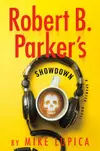
What’s Showdown About?
Rita Fiore comes to Spenser for some help—she has a client, Daniel, a young man who has come to Boston to confront the man he thinks is his biological father. Daniel’s mother has recently been killed and while going through her effects, he found some things that made him believe what he’d been told about the father he’d never met was untrue and that Vic Hale was his actual father.
Vic Hale is a podcaster with an audience close to Rogan’s and politics several yards to the right of Rush Limbaugh. A frequent obsession for Hale is illegal immigration. Daniel’s mother had been an undocumented worker employed by Hale. If Daniel went public, it could likely bring down (at least shake) Hale’s media empire and possibly damage the multi-million dollar deal he’s on the verge of signing. (it’s up in the air which is more important to Hale)
Daniel, an up-and-coming immigration activist, would relish that. But before he does that, he wants to confront his father personally (and Rita would like a little more proof of his paternity). This is where Spenser comes in.
Then Spenser uncovers connections to a local mobster. And then more money gets introduced into the picture. Then someone is killed. And well…you know how things go from there.
A Couple of Quirks (no, not Martin)
These aren’t problems with the book, and if these things disappear with next year’s novel, I won’t mind. But if they continue for long, Lupica will have altered these characters in a way that I’m not wild about.
Susan winks a lot in this particular novel. Perhaps as often as she had in the previous 52 books combined, I could be exaggerating, but it doesn’t feel that way. Parker (and Atkins) typically let the dialogue lines carry that connotation—perhaps with one of Susan’s variety of smiles. If she winked once, I wouldn’t have minded. But when it happened twice within a few pages, it got my attention, and then screamed at me every time afterward. Just roll it back a little.
The other thing that got under my skin is the way that Spenser keeps dropping bits of trivia that those around him (Hawk, Susan, Quirk, Belson, and others—maybe even Tony Marcus) find annoying, and will mock him for. Spenser even engages in a bit of self-mockery about it, as if this is something he’s spent years doing. Spenser doesn’t go out of his way to show off his knowledge like this—yes, he’ll drop a historical note when appropriate, he’ll use a sesquipedalian word from time to time (particularly to needle someone who is condescending toward him), he’ll make literary allusions/drop quotations often. But he’s not the kind of guy who’ll hit pause while watching a TV show/movie to inform others in the room about some point about an actor, script note, or a directorial choice.* Spenser’s only a show off when he thinks it’ll impress Susan—not in a way that will annoy anyone.
Also, the constant references to Spenser’s age feel a little dangerous—Parker had left him frozen in time, and while Atkins had made it clear that he was on the older end of things, he kept it vaguer than that (which fit the direction Parker had set up).
* I know it’s annoying and I really shouldn’t, but I only do it for things that are illuminating or incredibly interesting (to me, if no one else).
So, what did I think about Showdown?
There were two major reveals in store for the reader—I was certain I’d had one sussed out from almost the beginning, and I couldn’t have been more wrong. I’m not sure if I should’ve come up with it on my own if I hadn’t been so distracted, maybe…just maybe. The other might as well have had neon signs pointing to it throughout. I do buy Spenser et al. not seeing it, however. 1 out of 2 ain’t bad (for Lupica or me).
I think the story meandered a little bit, chewing up pages for the sake of chewing up pages—making me think of Lupica again as emulating latter-day Parker. So that’s a plus, in a strange way. And really, none of the meandering hurt anything—much more of it would’ve.
The addition of a new character—Spenser’s intern Cassius, was a choice—as my kids used to say. Perhaps a good one (it certainly helps with the technophobic PI getting help with databases, social media, and whatnot). I’m holding my tongue on it for at least one more novel. I sort of wish that Mattie Sullivan would’ve filled that role, at least to an extent. Or maybe Sixkill.
At the end of the day, readers pick up a Spenser novel for the characters, the banter, and a little action. Lupica delivers those here (even if the characters are a little out of focus). There’s a bit about Noah Kahan that made me hoot (and annoyed my daughter). I think Hot Property was a better Spenser novel—and will be the standard by which I’m going to judge Lupica going forward. Still, while not as satisfying, it did the job and I’m more than ready to return to the series in a year or so.
Originally posted at irresponsiblereader.com.
This originally appeared at The Irresponsible Reader.
---
What’s Showdown About?
Rita Fiore comes to Spenser for some help—she has a client, Daniel, a young man who has come to Boston to confront the man he thinks is his biological father. Daniel’s mother has recently been killed and while going through her effects, he found some things that made him believe what he’d been told about the father he’d never met was untrue and that Vic Hale was his actual father.
Vic Hale is a podcaster with an audience close to Rogan’s and politics several yards to the right of Rush Limbaugh. A frequent obsession for Hale is illegal immigration. Daniel’s mother had been an undocumented worker employed by Hale. If Daniel went public, it could likely bring down (at least shake) Hale’s media empire and possibly damage the multi-million dollar deal he’s on the verge of signing. (it’s up in the air which is more important to Hale)
Daniel, an up-and-coming immigration activist, would relish that. But before he does that, he wants to confront his father personally (and Rita would like a little more proof of his paternity). This is where Spenser comes in.
Then Spenser uncovers connections to a local mobster. And then more money gets introduced into the picture. Then someone is killed. And well…you know how things go from there.
A Couple of Quirks (no, not Martin)
These aren’t problems with the book, and if these things disappear with next year’s novel, I won’t mind. But if they continue for long, Lupica will have altered these characters in a way that I’m not wild about.
Susan winks a lot in this particular novel. Perhaps as often as she had in the previous 52 books combined, I could be exaggerating, but it doesn’t feel that way. Parker (and Atkins) typically let the dialogue lines carry that connotation—perhaps with one of Susan’s variety of smiles. If she winked once, I wouldn’t have minded. But when it happened twice within a few pages, it got my attention, and then screamed at me every time afterward. Just roll it back a little.
The other thing that got under my skin is the way that Spenser keeps dropping bits of trivia that those around him (Hawk, Susan, Quirk, Belson, and others—maybe even Tony Marcus) find annoying, and will mock him for. Spenser even engages in a bit of self-mockery about it, as if this is something he’s spent years doing. Spenser doesn’t go out of his way to show off his knowledge like this—yes, he’ll drop a historical note when appropriate, he’ll use a sesquipedalian word from time to time (particularly to needle someone who is condescending toward him), he’ll make literary allusions/drop quotations often. But he’s not the kind of guy who’ll hit pause while watching a TV show/movie to inform others in the room about some point about an actor, script note, or a directorial choice.* Spenser’s only a show off when he thinks it’ll impress Susan—not in a way that will annoy anyone.
Also, the constant references to Spenser’s age feel a little dangerous—Parker had left him frozen in time, and while Atkins had made it clear that he was on the older end of things, he kept it vaguer than that (which fit the direction Parker had set up).
* I know it’s annoying and I really shouldn’t, but I only do it for things that are illuminating or incredibly interesting (to me, if no one else).
So, what did I think about Showdown?
There were two major reveals in store for the reader—I was certain I’d had one sussed out from almost the beginning, and I couldn’t have been more wrong. I’m not sure if I should’ve come up with it on my own if I hadn’t been so distracted, maybe…just maybe. The other might as well have had neon signs pointing to it throughout. I do buy Spenser et al. not seeing it, however. 1 out of 2 ain’t bad (for Lupica or me).
I think the story meandered a little bit, chewing up pages for the sake of chewing up pages—making me think of Lupica again as emulating latter-day Parker. So that’s a plus, in a strange way. And really, none of the meandering hurt anything—much more of it would’ve.
The addition of a new character—Spenser’s intern Cassius, was a choice—as my kids used to say. Perhaps a good one (it certainly helps with the technophobic PI getting help with databases, social media, and whatnot). I’m holding my tongue on it for at least one more novel. I sort of wish that Mattie Sullivan would’ve filled that role, at least to an extent. Or maybe Sixkill.
At the end of the day, readers pick up a Spenser novel for the characters, the banter, and a little action. Lupica delivers those here (even if the characters are a little out of focus). There’s a bit about Noah Kahan that made me hoot (and annoyed my daughter). I think Hot Property was a better Spenser novel—and will be the standard by which I’m going to judge Lupica going forward. Still, while not as satisfying, it did the job and I’m more than ready to return to the series in a year or so.
Originally posted at irresponsiblereader.com.

This originally appeared at The Irresponsible Reader.
---
What’s Second Lies the Son About?
I’m not sure how to sum this book up. I really don’t. Honestly, all you need to know about this to decide to pick it up are the two words in yellow at the bottom of the cover: Matt Phillips.
But if you need more, here’s what Runamok provides:
Set in the high deserts of California, Second Lies the Son is a tale of small-town friendship, love, disloyalty, and violence. Sam and Hayes grow up together-brothers in spirit. But their lives take different turns. Sam fumbles his way to family and work. Hayes bloodies his hands in Afghanistan. Returned a reluctant war hero, Hayes is dead set on avenging his conversion into an instrument of war. Sam tries to head off his best friend’s brutal plans, but the haunting sins of his own past come calling. From one of America’s authentic noirists, Second Lies the Son depicts the irredeemable violence of American masculinity and tracks that violence to the darkest depths of cold-blooded murder.
Likeability
Obviously, in noir, the majority (if not all) of the characters are not going to be that likable. Boy howdy, is that true here. Your instinct is to like Sam, if only because he’s our central POV character. At least to feel a degree of sympathy for him. But there’s something about him…
Hayes, on the other hand…life has not been kind to him. And while I feel nothing but sympathy for him, the only reason I care about him is that Sam does.
Outside of Sam’s wife and infant son, those are the most likable characters. There’s a lot of broken humanity on display here—in all of its beauty and depravity.
So, what did I think about Second Lies the Son?
I avoided the second Matt Phillips novel that Fahrenheit put out because I loved Know Me From Smoke so much and I didn’t want anything to taint that experience (by falling short or exceeding it)*. I honestly only read A Good Rush of Blood because I didn’t pay attention to the author name, I just read whatever Runamok book shows up in my mailbox. I don’t remember how far along I was in the process before I realized he was the same writer. I’ve now seen the error of my ways and will just read whatever Matt Phillips book I come across.
There’s just something about his lean prose that grabs me in a way few do. Lean, but that’s not to say plain or worse. Phillips will regularly write one of those sentences/phrases/passages that you have to stop and re-read a few times to fully appreciate.
These characters—except for the infant—are so well-drawn and developed that I’d have no trouble believing Phillips had spent time interviewing them all before committing them to page. Or maybe living with them. I’d believe that, too.
At this point, I’m going to just give up on talking about Phillips’ writing. And move on to the bigger pictures.
It’s hard to really describe what this book is about, the blurb above is fine, but I’m not sure that’s what I’d have chosen (it’s a better sales pitch than my description would be)—and I honestly fumbled when talking to people while reading. Honestly, if you’re talking “plot” or “action”—you’re not going to get it for about 80% of the book, that’s all set-up time. But, of course, that’s not true—you just might have a hard time articulating what the plot is until then.
At the heart, this book is about friendship—what you’ll do because of a deep friendship, what will happen to you because of one, and how it’ll shape (possibly deform) your life. It’s also about the fight for the souls of these two men. Sam is fighting for his soul and the soul of Hayes. Meanwhile, Hayes is fighting for his and Sam’s. While they’re not really working against each other, they’re really working in different directions. They’re both doing it out of love. I think it’s pretty clear that one of them has a healthier end in mind. But it’s a comparative, not an absolute.
Also, the collateral damage from these struggles is pretty devastating. Obviously, I can’t talk about that—but it’s something I keep coming back to chew on. And it should be kept in mind when you try to decide if the fights for souls were worth it.
This is a fast, lean novel that will leave you moved (disturbed might be a better word) and chewing on it for days. Second Lies the Son is a great example of what Crime Fiction can do beyond the expectations of the genre (while remaining in the genre).
* Does this make sense to anyone else? Please say so.
Originally posted at irresponsiblereader.com.
This originally appeared at The Irresponsible Reader.
---
What’s Second Lies the Son About?
I’m not sure how to sum this book up. I really don’t. Honestly, all you need to know about this to decide to pick it up are the two words in yellow at the bottom of the cover: Matt Phillips.
But if you need more, here’s what Runamok provides:
Set in the high deserts of California, Second Lies the Son is a tale of small-town friendship, love, disloyalty, and violence. Sam and Hayes grow up together-brothers in spirit. But their lives take different turns. Sam fumbles his way to family and work. Hayes bloodies his hands in Afghanistan. Returned a reluctant war hero, Hayes is dead set on avenging his conversion into an instrument of war. Sam tries to head off his best friend’s brutal plans, but the haunting sins of his own past come calling. From one of America’s authentic noirists, Second Lies the Son depicts the irredeemable violence of American masculinity and tracks that violence to the darkest depths of cold-blooded murder.
Likeability
Obviously, in noir, the majority (if not all) of the characters are not going to be that likable. Boy howdy, is that true here. Your instinct is to like Sam, if only because he’s our central POV character. At least to feel a degree of sympathy for him. But there’s something about him…
Hayes, on the other hand…life has not been kind to him. And while I feel nothing but sympathy for him, the only reason I care about him is that Sam does.
Outside of Sam’s wife and infant son, those are the most likable characters. There’s a lot of broken humanity on display here—in all of its beauty and depravity.
So, what did I think about Second Lies the Son?
I avoided the second Matt Phillips novel that Fahrenheit put out because I loved Know Me From Smoke so much and I didn’t want anything to taint that experience (by falling short or exceeding it)*. I honestly only read A Good Rush of Blood because I didn’t pay attention to the author name, I just read whatever Runamok book shows up in my mailbox. I don’t remember how far along I was in the process before I realized he was the same writer. I’ve now seen the error of my ways and will just read whatever Matt Phillips book I come across.
There’s just something about his lean prose that grabs me in a way few do. Lean, but that’s not to say plain or worse. Phillips will regularly write one of those sentences/phrases/passages that you have to stop and re-read a few times to fully appreciate.
These characters—except for the infant—are so well-drawn and developed that I’d have no trouble believing Phillips had spent time interviewing them all before committing them to page. Or maybe living with them. I’d believe that, too.
At this point, I’m going to just give up on talking about Phillips’ writing. And move on to the bigger pictures.
It’s hard to really describe what this book is about, the blurb above is fine, but I’m not sure that’s what I’d have chosen (it’s a better sales pitch than my description would be)—and I honestly fumbled when talking to people while reading. Honestly, if you’re talking “plot” or “action”—you’re not going to get it for about 80% of the book, that’s all set-up time. But, of course, that’s not true—you just might have a hard time articulating what the plot is until then.
At the heart, this book is about friendship—what you’ll do because of a deep friendship, what will happen to you because of one, and how it’ll shape (possibly deform) your life. It’s also about the fight for the souls of these two men. Sam is fighting for his soul and the soul of Hayes. Meanwhile, Hayes is fighting for his and Sam’s. While they’re not really working against each other, they’re really working in different directions. They’re both doing it out of love. I think it’s pretty clear that one of them has a healthier end in mind. But it’s a comparative, not an absolute.
Also, the collateral damage from these struggles is pretty devastating. Obviously, I can’t talk about that—but it’s something I keep coming back to chew on. And it should be kept in mind when you try to decide if the fights for souls were worth it.
This is a fast, lean novel that will leave you moved (disturbed might be a better word) and chewing on it for days. Second Lies the Son is a great example of what Crime Fiction can do beyond the expectations of the genre (while remaining in the genre).
* Does this make sense to anyone else? Please say so.
Originally posted at irresponsiblereader.com.

This originally appeared at The Irresponsible Reader.
---
As a retired U.S. Army officer and as a historian, I consider the issue simple. My former hero, Robert E. Lee, committed treason to preserve slavery. After the Civil War, former Confederates, their children, and their grandchildren created a series of myths and lies to hide that essential truth and sustain a racial hierarchy dedicated to white political power reinforced by violence. But for decades, I believed the Confederates and Lee were romantic warriors for a doomed but noble cause. As a soldier, a scholar, and a southerner, I believe that American history demands, at least from me, a reckoning.
What’s Robert E. Lee and Me About?
Ty Seidule grew up idolizing (he might argue nearly-literally) Robert E. Lee and his story and legacy. Everywhere he went growing up, there was Lee’s shadow. When he went to college, and then when he was in the Army and served in various capacities and places, it was still there.
At some point, as a historian and patriot, some things started to strike him as odd with what he was seeing. He rolled up his sleeves, did the work and, well…some things started to change.
Here, he looks at where the shadows of The Lost Cause and Lee were cast in the various places he lived over the course of his life and career—and what he, and others, should learn from that.
My Sole Complaint
I think I really only have one. It’s repetitive—no, not the fact that this is really a series of X was pro-Confederacy or racist; Y may have looked to be about history, but if you look at the context, it’s about downplaying such-and-such or ignoring what Robert E. Lee did. That’s the kind of repetitiveness the book is built on—anyone who reads the back of the book knows that’s what you’re going to get.
But Seidule uses certain phrases over and over again; he describes particular figures in the same way over and over again—that kind of thing. It’s hard to put up with—and it’s hard to resist the impulse to skim.
And I don’t want to skim a book like this—not with this topic, not with the kind of details he provides. But too often his writing makes that attractive.
So, what did I think about Robert E. Lee and Me?
The Lost Cause became a movement, an ideology, a myth, even a civil religion that would unite first the white South and eventually the nation around the meaning of the Civil War. The Lost Cause might have helped unite the country and bring the South back into the nation far more quickly than bloody civil wars in other lands. But this lie came at a horrible, deadly, impossible cost to the nation, a cost we are still paying today. The Lost Cause created a flawed memory of the Civil War, a lie that formed the ideological foundation for white supremacy and Jim Crow laws, which used violent terror and de jure segregation to enforce racial control. I grew up on the evil lies of the Lost Cause.
This is a hard book to read. Ignoring my problems with the way that Seidule put things—it’s just tough to read. The extent to which he shows how the Confederacy may have lost the Civil War—not just in the thinking and speech of the Confederacy’s descendants, but of the US’, too.
Could it have been a little less about him and a little more about everything else? Sure—but framing things in terms of his life and service was a pretty nice move. It gave him something good to hang things on, and kept it from being a diatribe. (and really, I’m betting the percentage of text would show that it’s not that much about him).
I strongly recommend this book—primarily to those who rankle at the idea behind it. Those who have a reflex toward a “State’s Rights” explanation for the Civil War, those who want to talk about the character of Robert E. Lee and how noble he was for choosing the side he did (esp. when you look at what other people in his family did); those who are inclined to look at the idea of Southern Christian culture, etc. I’m not promising that it’ll convince you to shed all of that, but I think it’ll make you think and re-examine a few things. It’s not terribly long ago that I’d have counted myself among you—while Seidule wasn’t part of that change, he sure could’ve been had I read him earlier.
The rest of you will probably enjoy it, too—but it’s just confirmation of your biases, and more evidence to roll out to support those biases. Neither of which is necessarily a bad thing, but the book won’t be as meaningful for you.
It’s a powerful read that will stick with you for a while.
More and more people, especially white Americans, seemed to accept the reality of systemic racism in the United States, epitomized by the Confederacy and the Lost Cause myth. Was this the clarion call that would result in change? Would the country recognize its foundational problem and act?
Racism is the virus in the American dirt, infecting everything and everyone. To combat racism, we must do more than acknowledge the long history of white supremacy. Policies must change. Yet, an understanding of history remains the foundation. The only way to prevent a racist future is to first understand our racist past.
This originally appeared at The Irresponsible Reader.
---
As a retired U.S. Army officer and as a historian, I consider the issue simple. My former hero, Robert E. Lee, committed treason to preserve slavery. After the Civil War, former Confederates, their children, and their grandchildren created a series of myths and lies to hide that essential truth and sustain a racial hierarchy dedicated to white political power reinforced by violence. But for decades, I believed the Confederates and Lee were romantic warriors for a doomed but noble cause. As a soldier, a scholar, and a southerner, I believe that American history demands, at least from me, a reckoning.
What’s Robert E. Lee and Me About?
Ty Seidule grew up idolizing (he might argue nearly-literally) Robert E. Lee and his story and legacy. Everywhere he went growing up, there was Lee’s shadow. When he went to college, and then when he was in the Army and served in various capacities and places, it was still there.
At some point, as a historian and patriot, some things started to strike him as odd with what he was seeing. He rolled up his sleeves, did the work and, well…some things started to change.
Here, he looks at where the shadows of The Lost Cause and Lee were cast in the various places he lived over the course of his life and career—and what he, and others, should learn from that.
My Sole Complaint
I think I really only have one. It’s repetitive—no, not the fact that this is really a series of X was pro-Confederacy or racist; Y may have looked to be about history, but if you look at the context, it’s about downplaying such-and-such or ignoring what Robert E. Lee did. That’s the kind of repetitiveness the book is built on—anyone who reads the back of the book knows that’s what you’re going to get.
But Seidule uses certain phrases over and over again; he describes particular figures in the same way over and over again—that kind of thing. It’s hard to put up with—and it’s hard to resist the impulse to skim.
And I don’t want to skim a book like this—not with this topic, not with the kind of details he provides. But too often his writing makes that attractive.
So, what did I think about Robert E. Lee and Me?
The Lost Cause became a movement, an ideology, a myth, even a civil religion that would unite first the white South and eventually the nation around the meaning of the Civil War. The Lost Cause might have helped unite the country and bring the South back into the nation far more quickly than bloody civil wars in other lands. But this lie came at a horrible, deadly, impossible cost to the nation, a cost we are still paying today. The Lost Cause created a flawed memory of the Civil War, a lie that formed the ideological foundation for white supremacy and Jim Crow laws, which used violent terror and de jure segregation to enforce racial control. I grew up on the evil lies of the Lost Cause.
This is a hard book to read. Ignoring my problems with the way that Seidule put things—it’s just tough to read. The extent to which he shows how the Confederacy may have lost the Civil War—not just in the thinking and speech of the Confederacy’s descendants, but of the US’, too.
Could it have been a little less about him and a little more about everything else? Sure—but framing things in terms of his life and service was a pretty nice move. It gave him something good to hang things on, and kept it from being a diatribe. (and really, I’m betting the percentage of text would show that it’s not that much about him).
I strongly recommend this book—primarily to those who rankle at the idea behind it. Those who have a reflex toward a “State’s Rights” explanation for the Civil War, those who want to talk about the character of Robert E. Lee and how noble he was for choosing the side he did (esp. when you look at what other people in his family did); those who are inclined to look at the idea of Southern Christian culture, etc. I’m not promising that it’ll convince you to shed all of that, but I think it’ll make you think and re-examine a few things. It’s not terribly long ago that I’d have counted myself among you—while Seidule wasn’t part of that change, he sure could’ve been had I read him earlier.
The rest of you will probably enjoy it, too—but it’s just confirmation of your biases, and more evidence to roll out to support those biases. Neither of which is necessarily a bad thing, but the book won’t be as meaningful for you.
It’s a powerful read that will stick with you for a while.
More and more people, especially white Americans, seemed to accept the reality of systemic racism in the United States, epitomized by the Confederacy and the Lost Cause myth. Was this the clarion call that would result in change? Would the country recognize its foundational problem and act?
Racism is the virus in the American dirt, infecting everything and everyone. To combat racism, we must do more than acknowledge the long history of white supremacy. Policies must change. Yet, an understanding of history remains the foundation. The only way to prevent a racist future is to first understand our racist past.
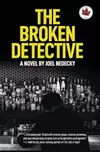
This originally appeared at The Irresponsible Reader.
---
What’s The Broken Detective About?
Our protagonist-narrator is a PI who just lost his license (a felony conviction will do that to a guy) and who is headed to prison in a couple of weeks (a felony conviction will do that to a guy). Jake’s major concern at this moment is his mother—she’s disabled and addicted, and cannot be trusted to pay her bills or feed herself anything but alcohol. Jake’s it—but Jake’s thrown all that away (also, related to his mom, but mostly because of dumb choices).
So Jake needs to make as much money as he possibly can over the next two weeks—he has a figure in mind, one he probably can’t meet. But he has a goal—bank robbery is probably the most likely way to meet it, but there are problems there (aside from the legality)—he’d probably get caught (I should mention that he’s a barely functional addict—which led to the dumb choices above) and then things would be worse for mom.
Thankfully, someone has a case for Jake, and she doesn’t care about the licensing. Her sister has been missing, she can’t go to the cops, but her sister needs to be found before it’s too late for her. This woman wasn’t even referred to Jake because of his skills (which is probably good). She’s sent to see Jake because Jake will go to the wretched hives of scum and villainy that this woman’s sister traveled in, because he belongs there, too. He won’t stick out like a sore thumb, and people will talk to him.
One broken detective looking for a missing and broken woman.
This will lead him into the paths of drug dealers, questionable authorities, a cult (or is it?) that the sisters once belonged to, other questionable associates of both sisters, and possibly a shot at hope for Jake and the missing woman.
The Title
I have several thoughts about the title—first, it’s incredibly fitting. On the other hand…
There’s part of me that wonders who the definite article is referring to—obviously, Jake’s the “The” in view, we know he’s broken from the get-go, and we never get anything but reinforcement of that fact. However, over the course of the novel, we meet more than one detective who fits that description. A Broken Detective or The Broken Detectives would work just as well as a title
But really, that just means the detectives we encounter are just like everyone else in the book. Everyone is broken (yes, like in reality, but it’s a bit easier to see here). From the witnesses, the bystanders, the victims, the complicit, and the guilty—from the first page to the last, this book could—and possibly should—simply be called The Broken. Don’t mistake broken for morally bent (or worse), but life and others have taken these people and have left them as other than they started, other than they could’ve been. Not whole, not intact, but broken.
But it’s not, it’s The Broken Detective, and it’s probably up to the reader to decide if it’s Jake or another candidate.
So, what did I think about The Broken Detective?
I hemmed and hawed about if I should say more about the plot and characters—but after a few tries, I opted not to. Everything I tried to say felt like a spoiler—it’s best if you learn about all involved the same way Jake does (or when he tells you about them, in the case of people he knows already). Because, sure, the book is about Jake looking for this woman. But really, it’s about Jake figuring out who he is, who he wants to be, and if he wants to do the required work to get from here to there. So it’s best for the reader to take the journey with Jake and come in with few preconceived notions.
Or so I think, anyway.
One critique I have is that I’m not sure that bringing in an church/cult from “the real world” as a comparison/parallel to the one in this book was necessary—or that the stone that Jake turned over as a result of his research was necessary. It turned a murky and questionable group (up to some horrible, repugnantly illegal stuff) into a creepy murky and questionable group (up to some horrible, repugnantly illegal stuff). Just a step too far. There was no ambiguity about the church already—I don’t see what he gained by making them worse.
Early on, I noticed something—and then backtracked to check to make sure I was right, and then watched for it going on. Nedecky cares about the last line/paragraph of a chapter. Obviously, he cares about every line and paragraph, but it feels like he puts extra care into those. Not in the way that some do to propel you into the next chapter (not that there’s anything wrong with that), but it’s like he knows that a chapter end is likely to be where someone puts the book down for one reason or another—and Nedecky wants to leave his reader with something to think about. It’ll either be an emotional punch or a line to chew on.
I had things I needed to accomplish the night I started this, so I forced myself to put it down—but this could’ve easily been a one-sitting book. This novel got its hooks in me and didn’t want to let go.
The ending—and the final revelations—will not make anyone happy. Well, it shouldn’t. But it will satisfy and gratify you—because of the storytelling involved, because it’s fitting, because it’s as noir as you can get. You won’t walk away with a smile on your face and a song in your heart, but you’ll walk away with that satisfaction that comes from a near-perfect execution.
I highly recommend this.
Originally posted at irresponsiblereader.com.
This originally appeared at The Irresponsible Reader.
---
What’s The Broken Detective About?
Our protagonist-narrator is a PI who just lost his license (a felony conviction will do that to a guy) and who is headed to prison in a couple of weeks (a felony conviction will do that to a guy). Jake’s major concern at this moment is his mother—she’s disabled and addicted, and cannot be trusted to pay her bills or feed herself anything but alcohol. Jake’s it—but Jake’s thrown all that away (also, related to his mom, but mostly because of dumb choices).
So Jake needs to make as much money as he possibly can over the next two weeks—he has a figure in mind, one he probably can’t meet. But he has a goal—bank robbery is probably the most likely way to meet it, but there are problems there (aside from the legality)—he’d probably get caught (I should mention that he’s a barely functional addict—which led to the dumb choices above) and then things would be worse for mom.
Thankfully, someone has a case for Jake, and she doesn’t care about the licensing. Her sister has been missing, she can’t go to the cops, but her sister needs to be found before it’s too late for her. This woman wasn’t even referred to Jake because of his skills (which is probably good). She’s sent to see Jake because Jake will go to the wretched hives of scum and villainy that this woman’s sister traveled in, because he belongs there, too. He won’t stick out like a sore thumb, and people will talk to him.
One broken detective looking for a missing and broken woman.
This will lead him into the paths of drug dealers, questionable authorities, a cult (or is it?) that the sisters once belonged to, other questionable associates of both sisters, and possibly a shot at hope for Jake and the missing woman.
The Title
I have several thoughts about the title—first, it’s incredibly fitting. On the other hand…
There’s part of me that wonders who the definite article is referring to—obviously, Jake’s the “The” in view, we know he’s broken from the get-go, and we never get anything but reinforcement of that fact. However, over the course of the novel, we meet more than one detective who fits that description. A Broken Detective or The Broken Detectives would work just as well as a title
But really, that just means the detectives we encounter are just like everyone else in the book. Everyone is broken (yes, like in reality, but it’s a bit easier to see here). From the witnesses, the bystanders, the victims, the complicit, and the guilty—from the first page to the last, this book could—and possibly should—simply be called The Broken. Don’t mistake broken for morally bent (or worse), but life and others have taken these people and have left them as other than they started, other than they could’ve been. Not whole, not intact, but broken.
But it’s not, it’s The Broken Detective, and it’s probably up to the reader to decide if it’s Jake or another candidate.
So, what did I think about The Broken Detective?
I hemmed and hawed about if I should say more about the plot and characters—but after a few tries, I opted not to. Everything I tried to say felt like a spoiler—it’s best if you learn about all involved the same way Jake does (or when he tells you about them, in the case of people he knows already). Because, sure, the book is about Jake looking for this woman. But really, it’s about Jake figuring out who he is, who he wants to be, and if he wants to do the required work to get from here to there. So it’s best for the reader to take the journey with Jake and come in with few preconceived notions.
Or so I think, anyway.
One critique I have is that I’m not sure that bringing in an church/cult from “the real world” as a comparison/parallel to the one in this book was necessary—or that the stone that Jake turned over as a result of his research was necessary. It turned a murky and questionable group (up to some horrible, repugnantly illegal stuff) into a creepy murky and questionable group (up to some horrible, repugnantly illegal stuff). Just a step too far. There was no ambiguity about the church already—I don’t see what he gained by making them worse.
Early on, I noticed something—and then backtracked to check to make sure I was right, and then watched for it going on. Nedecky cares about the last line/paragraph of a chapter. Obviously, he cares about every line and paragraph, but it feels like he puts extra care into those. Not in the way that some do to propel you into the next chapter (not that there’s anything wrong with that), but it’s like he knows that a chapter end is likely to be where someone puts the book down for one reason or another—and Nedecky wants to leave his reader with something to think about. It’ll either be an emotional punch or a line to chew on.
I had things I needed to accomplish the night I started this, so I forced myself to put it down—but this could’ve easily been a one-sitting book. This novel got its hooks in me and didn’t want to let go.
The ending—and the final revelations—will not make anyone happy. Well, it shouldn’t. But it will satisfy and gratify you—because of the storytelling involved, because it’s fitting, because it’s as noir as you can get. You won’t walk away with a smile on your face and a song in your heart, but you’ll walk away with that satisfaction that comes from a near-perfect execution.
I highly recommend this.
Originally posted at irresponsiblereader.com.

This originally appeared at The Irresponsible Reader.
---
“He’ll be fine. See? He’s loving it.” Blink licked the top of the glass again, taking in a delicate sip of the amber liquid. “He’s savoring it. I think he’s a dwarf dog, not a human dog. We give whisky to everything. Kids, pets. Plants.”
“Maybe that’s part of the reason dwarven agriculture is pitied all over the world.”
What’s The Grimdwarf: Cursed About?
The book opens with a dwarf waking up and really freaking out the woman who had been locked up with him; she thought he was dead—actually, she was sure he was dead (and there was plenty of evidence to back her up). But before she really understands what’s going on, this dwarf is taking out their captors with great relish—and only his own two fists.
He remembers nothing from before he woke up—he doesn’t even remember his dog (and this is not a dog easy to forget). He pretty much remembers how to fight and that he enjoys whisky.
He, his dog, and the woman, Kayla—who turns out to be a water witch—end up traveling together, facing a series of foes, and ultimately taking on some pretty serious foes.
Cozy Grimdark?
The hard thing about fighting people with weapons is the instinct to retreat. After all, swords and daggers and axes are sharp and nasty and nobody enjoys getting cut. Almost nobody. But the safest place to be when a person is swinging a long piece of metal at you is not far away; that’s where they want you. You have to get in close, where the weapon’s reach is a hindrance. Where you can hit back.
An early reviewer called this collection Cozy Grimdark—and I love the idea, it’s a great juxtaposition of notions/genres. And somehow, it’s entirely appropriate. (Berne uses the phrase “Knuckles and Necromancy,” which is also apt, but it doesn’t fit what I want to talk about, so never mind.) Sturj is a violent, violent man—who’s pretty pleasant (under a gruff exterior) to those he wants to be, in his own special way. And the circumstances that he and Kayla find themselves in (yeah, sure, and place themselves in) are pretty violent, too.
However, the very bloody combat doesn’t feel all that violent as you read it. This isn’t Abercrombie or Michel. It’s not even the JCM Berne of The Hybrid Helix.
But oo-de-lally, the warm fuzzies this collection elicits! There’s a strong found family bond between Blink, Kayla, and Sturj. You do get a lot of the same warmth from these stories as you do from a Travis Baldree tale.
Her lips twitched at that, flashing into something not quite a smile, but maybe a smile’s younger cousin’s lonely friend from down the street, painfully shy but not really a bad sort once you got to know them.
So, what did I think about The Grimdwarf: Cursed?
All I wanted was to finish my drink, then maybe finish a few of its friends so it wasn’t lonely inside my belly, then choose between staring out the window and taking a nap. However, the captain had other ideas.
Oo-de-lally! This was just fun. I dug the various and sundry monsters—or monsterly creatures. Even the secondary or tertiary characters were fun. The bad guys were clearly in black hats—nothing like a little moral clarity to offset an inherently gray protagonist.
There’s nothing about Sturj that I didn’t like—from his fuzzy (at best) past to his “Hulk smash” present. I don’t know how he picked up the dog, but I love their bond. His determination to keep a certain other pet was a great touch. Kayla was a great balance to his character, and watching them become friends was what the stories needed to keep this from being about a grumpy dwarf version of Kwai Chang Caine wandering the countryside beating people into a pulp.*
You’ll smile, you’ll wince, you’ll feel a warm fuzzy or two. Check it out!
* Not that there’d be something wrong with that version of the stories, but this is better.
Originally posted at irresponsiblereader.com.
This originally appeared at The Irresponsible Reader.
---
“He’ll be fine. See? He’s loving it.” Blink licked the top of the glass again, taking in a delicate sip of the amber liquid. “He’s savoring it. I think he’s a dwarf dog, not a human dog. We give whisky to everything. Kids, pets. Plants.”
“Maybe that’s part of the reason dwarven agriculture is pitied all over the world.”
What’s The Grimdwarf: Cursed About?
The book opens with a dwarf waking up and really freaking out the woman who had been locked up with him; she thought he was dead—actually, she was sure he was dead (and there was plenty of evidence to back her up). But before she really understands what’s going on, this dwarf is taking out their captors with great relish—and only his own two fists.
He remembers nothing from before he woke up—he doesn’t even remember his dog (and this is not a dog easy to forget). He pretty much remembers how to fight and that he enjoys whisky.
He, his dog, and the woman, Kayla—who turns out to be a water witch—end up traveling together, facing a series of foes, and ultimately taking on some pretty serious foes.
Cozy Grimdark?
The hard thing about fighting people with weapons is the instinct to retreat. After all, swords and daggers and axes are sharp and nasty and nobody enjoys getting cut. Almost nobody. But the safest place to be when a person is swinging a long piece of metal at you is not far away; that’s where they want you. You have to get in close, where the weapon’s reach is a hindrance. Where you can hit back.
An early reviewer called this collection Cozy Grimdark—and I love the idea, it’s a great juxtaposition of notions/genres. And somehow, it’s entirely appropriate. (Berne uses the phrase “Knuckles and Necromancy,” which is also apt, but it doesn’t fit what I want to talk about, so never mind.) Sturj is a violent, violent man—who’s pretty pleasant (under a gruff exterior) to those he wants to be, in his own special way. And the circumstances that he and Kayla find themselves in (yeah, sure, and place themselves in) are pretty violent, too.
However, the very bloody combat doesn’t feel all that violent as you read it. This isn’t Abercrombie or Michel. It’s not even the JCM Berne of The Hybrid Helix.
But oo-de-lally, the warm fuzzies this collection elicits! There’s a strong found family bond between Blink, Kayla, and Sturj. You do get a lot of the same warmth from these stories as you do from a Travis Baldree tale.
Her lips twitched at that, flashing into something not quite a smile, but maybe a smile’s younger cousin’s lonely friend from down the street, painfully shy but not really a bad sort once you got to know them.
So, what did I think about The Grimdwarf: Cursed?
All I wanted was to finish my drink, then maybe finish a few of its friends so it wasn’t lonely inside my belly, then choose between staring out the window and taking a nap. However, the captain had other ideas.
Oo-de-lally! This was just fun. I dug the various and sundry monsters—or monsterly creatures. Even the secondary or tertiary characters were fun. The bad guys were clearly in black hats—nothing like a little moral clarity to offset an inherently gray protagonist.
There’s nothing about Sturj that I didn’t like—from his fuzzy (at best) past to his “Hulk smash” present. I don’t know how he picked up the dog, but I love their bond. His determination to keep a certain other pet was a great touch. Kayla was a great balance to his character, and watching them become friends was what the stories needed to keep this from being about a grumpy dwarf version of Kwai Chang Caine wandering the countryside beating people into a pulp.*
You’ll smile, you’ll wince, you’ll feel a warm fuzzy or two. Check it out!
* Not that there’d be something wrong with that version of the stories, but this is better.
Originally posted at irresponsiblereader.com.
This originally appeared at The Irresponsible Reader.
---
What’s Billy the Kid: The War for Lincoln County About?
I had to return the book, so I can’t remember the name our protagonist starts out with (it’s probably historical record, but who has time for that?). Anyway, the lad who will assume the name William H. Bonney is a petty, naive, juvenile delinquent who gets thrown in jail for a night in a proto-Scared Straight move. He finds a way to escape, and not knowing he was supposed to be taught a lesson, assumes he’s a wanted fugitive and starts to live up to that.
He gets a little better at being a criminal, practically inadvertently becoming a murderer—which really does make him a wanted fugitive—and then he falls in with a gang, and everything goes south.
Basically, it’s Billy the Kid’s origin story. From neglected step-son to notorious killer and bandit.
So, what did I think about Billy the Kid: The War for Lincoln County?
Coleman talks about wanting to fill in a blank in Billy’s career. It’s not a period that we get a lot about (Young Guns and Young Guns II notwithstanding), so it’s a fertile ground for this kind of fiction. As that kind of thing, I think it works pretty well.
It’d be easy to walk away from this novel with the idea that Billy is someone in desperate need of affection—particularly parental affection. Both a mother-figure and a strong father-figure are really what he seems to be looking for, and it’s not getting them (or having them taken away) leads to his life of crime.
It’d also be easy to walk away from this book with the idea that Billy is desperate for a name for himself and is really only motivated by whatever’s compelling him at the moment. He’s practically Id unbound, an example of what can happen when poor impulse control is combined with someone with decent talent with a gun, a little luck, and a lot of charm (and, perhaps, a pretty shaky morality).
I’m probably not noting and/or am forgetting a few other interpretations of Billy that Coleman gives us. Those are just the ones that stuck with me.
In the end, however, the upheaval in this part of New Mexico can’t be laid at the feet of Billy, his allies, or most of his enemies. It’s about money—and bigger money than any of the characters that we spend most of our time with can imagine. I’m not an expert in Westerns—I’ve only read a handful over the last couple of decades, and another handful before that—but I don’t get the impression that it’s a common enough theme. I’m glad to see Coleman do that here.
I enjoyed the book. As I recall, it’s a better—and grittier—read than McMurtry’s Billy the Kid book (and I read that a couple of times). It captures the hardship of the West as well as the dreams most people had of the glories they all sought (mostly futilely) there, too.
It’s not necessarily going to drive me to seek out more Westerns in general—it’ll make me inclined to grab Coleman’s next read, whatever genre that ends up being.
And yes, despite not having listened to the album in decades, I had Jon Bon Jovi’s Blaze of Glory album running through the back of my mind while reading this. Readers of a certain age: you might want to make it easier on yourself and just pull it up to listen to while you read.
Originally posted at irresponsiblereader.com.
This originally appeared at The Irresponsible Reader.
---
What’s Billy the Kid: The War for Lincoln County About?
I had to return the book, so I can’t remember the name our protagonist starts out with (it’s probably historical record, but who has time for that?). Anyway, the lad who will assume the name William H. Bonney is a petty, naive, juvenile delinquent who gets thrown in jail for a night in a proto-Scared Straight move. He finds a way to escape, and not knowing he was supposed to be taught a lesson, assumes he’s a wanted fugitive and starts to live up to that.
He gets a little better at being a criminal, practically inadvertently becoming a murderer—which really does make him a wanted fugitive—and then he falls in with a gang, and everything goes south.
Basically, it’s Billy the Kid’s origin story. From neglected step-son to notorious killer and bandit.
So, what did I think about Billy the Kid: The War for Lincoln County?
Coleman talks about wanting to fill in a blank in Billy’s career. It’s not a period that we get a lot about (Young Guns and Young Guns II notwithstanding), so it’s a fertile ground for this kind of fiction. As that kind of thing, I think it works pretty well.
It’d be easy to walk away from this novel with the idea that Billy is someone in desperate need of affection—particularly parental affection. Both a mother-figure and a strong father-figure are really what he seems to be looking for, and it’s not getting them (or having them taken away) leads to his life of crime.
It’d also be easy to walk away from this book with the idea that Billy is desperate for a name for himself and is really only motivated by whatever’s compelling him at the moment. He’s practically Id unbound, an example of what can happen when poor impulse control is combined with someone with decent talent with a gun, a little luck, and a lot of charm (and, perhaps, a pretty shaky morality).
I’m probably not noting and/or am forgetting a few other interpretations of Billy that Coleman gives us. Those are just the ones that stuck with me.
In the end, however, the upheaval in this part of New Mexico can’t be laid at the feet of Billy, his allies, or most of his enemies. It’s about money—and bigger money than any of the characters that we spend most of our time with can imagine. I’m not an expert in Westerns—I’ve only read a handful over the last couple of decades, and another handful before that—but I don’t get the impression that it’s a common enough theme. I’m glad to see Coleman do that here.
I enjoyed the book. As I recall, it’s a better—and grittier—read than McMurtry’s Billy the Kid book (and I read that a couple of times). It captures the hardship of the West as well as the dreams most people had of the glories they all sought (mostly futilely) there, too.
It’s not necessarily going to drive me to seek out more Westerns in general—it’ll make me inclined to grab Coleman’s next read, whatever genre that ends up being.
And yes, despite not having listened to the album in decades, I had Jon Bon Jovi’s Blaze of Glory album running through the back of my mind while reading this. Readers of a certain age: you might want to make it easier on yourself and just pull it up to listen to while you read.
Originally posted at irresponsiblereader.com.

This originally appeared at The Irresponsible Reader.
---
My parents told me America was this amazing place where we could live in a house with a dog, do whatever we want, and eat hamburgers till we were red in the face. So far the only part we’ve achieved is the hamburger part, but I was still holding out hope. And the hamburgers here are pretty good.
What’s Front Desk About?
I’m not sure where I got the idea—I thought I read it somewhere, but I can’t find it, but I want to say the year is 1993*, and Mia Tan and her parents have been in the U.S. for some time now—having left their family, friends, and lives back in China. Now in Anaheim, they’ve stumbled into a decent job—her parents will manage a motel not that far from Disneyland and they’ll get a place to live, in addition to what the owner has agreed to pay.
(we’ll ignore the way he changes that agreement unilaterally and without warning).
Despite only being ten, Mia starts working the front desk—and really enjoys it—when she’s not in school. She meets and befriends a group of “weeklies” (those who live in the motel). Basically, she’s enjoying life. Until she has to go to school—she can’t bring herself to tell anyone where her family lives, what she does when she’s not in school, etc.
The novel is about Mia becoming comfortable in the U.S., helping her family stabilize themselves in their work, and connecting with a community around them. This comes from the way her parents help immigrants (of multiple nationalities), the weeklies, and other connections she makes by being her irrepressible self.
* The technology used throughout the book fits, for what it’s worth.
The MG-Ness of It
This is very clearly an MG novel—other than the protagonist, the characters are rarely more than an inch deep. This doesn’t mean that I didn’t like them—you just have to know going in that they’re going to have the depth of Candace Flynn.
With few exceptions (and those are very clear), these characters are supportive, encouraging, and wise—except for when they need to do something unwise/foolish for plot reasons.
It’s fine—it’s to be expected for the target audience, really. But I’ve been on a streak of some pretty deep reads lately, and it felt really light to me.
On the plus side—there’s no nuance to either the depictions of the xenophobia or racism or to the reactions to it. Yang kept that nice and clear—you help people no matter who they are? You get the white hat. You show prejudice against immigrants, Asians, Hispanics, and/or African Americans? You get the black hat—and very likely are forced to eat your just desserts. And honestly? That’s a relief—I needed something with that kind of clarity.
So, what did I think about Front Desk?
Sometimes, I wondered what it would be like to have an American mom. Just for a day. I could eat all the chocolate chip cookies I wanted because American moms on TV were always baking them. Or making casseroles. Or organizing birthday parties with themes.
I’ll tell you what they were not doing. They weren’t pestering their kids to do more math.
Although the novel is clear about problems in America—particularly when it comes to economics, xenophobia, and racism. But it loves Americans and American ideals, and while it gets shaken—Mia and her parents cling to some version of the American dream. It’s enough to give a cynic hope.
Speaking of hope—the book is full of it. Not all of it is grounded—but, I’m not sure I care. Mia’s hope and optimism are contagious. You see it in the way she sets about everything she does, the way she changes others, and the way those who have been changed start thinking and doing. Again, it’s only the black hats who seem impervious to this—although they are sometimes compelled to change their actions.
It’s sweet. It’s hopeful. It’s cheerful. It is honest about the flaws (and there are more than a few) of the protagonist/narrator, but it shows how she perseveres in light of them—and grows.
It’s really hard to find things to complain about, so I won’t. Pick it up—if not for yourself, at least for the MG reader in your life (assuming you’re fortunate to be blessed with one).
Originally posted at irresponsiblereader.com.
This originally appeared at The Irresponsible Reader.
---
My parents told me America was this amazing place where we could live in a house with a dog, do whatever we want, and eat hamburgers till we were red in the face. So far the only part we’ve achieved is the hamburger part, but I was still holding out hope. And the hamburgers here are pretty good.
What’s Front Desk About?
I’m not sure where I got the idea—I thought I read it somewhere, but I can’t find it, but I want to say the year is 1993*, and Mia Tan and her parents have been in the U.S. for some time now—having left their family, friends, and lives back in China. Now in Anaheim, they’ve stumbled into a decent job—her parents will manage a motel not that far from Disneyland and they’ll get a place to live, in addition to what the owner has agreed to pay.
(we’ll ignore the way he changes that agreement unilaterally and without warning).
Despite only being ten, Mia starts working the front desk—and really enjoys it—when she’s not in school. She meets and befriends a group of “weeklies” (those who live in the motel). Basically, she’s enjoying life. Until she has to go to school—she can’t bring herself to tell anyone where her family lives, what she does when she’s not in school, etc.
The novel is about Mia becoming comfortable in the U.S., helping her family stabilize themselves in their work, and connecting with a community around them. This comes from the way her parents help immigrants (of multiple nationalities), the weeklies, and other connections she makes by being her irrepressible self.
* The technology used throughout the book fits, for what it’s worth.
The MG-Ness of It
This is very clearly an MG novel—other than the protagonist, the characters are rarely more than an inch deep. This doesn’t mean that I didn’t like them—you just have to know going in that they’re going to have the depth of Candace Flynn.
With few exceptions (and those are very clear), these characters are supportive, encouraging, and wise—except for when they need to do something unwise/foolish for plot reasons.
It’s fine—it’s to be expected for the target audience, really. But I’ve been on a streak of some pretty deep reads lately, and it felt really light to me.
On the plus side—there’s no nuance to either the depictions of the xenophobia or racism or to the reactions to it. Yang kept that nice and clear—you help people no matter who they are? You get the white hat. You show prejudice against immigrants, Asians, Hispanics, and/or African Americans? You get the black hat—and very likely are forced to eat your just desserts. And honestly? That’s a relief—I needed something with that kind of clarity.
So, what did I think about Front Desk?
Sometimes, I wondered what it would be like to have an American mom. Just for a day. I could eat all the chocolate chip cookies I wanted because American moms on TV were always baking them. Or making casseroles. Or organizing birthday parties with themes.
I’ll tell you what they were not doing. They weren’t pestering their kids to do more math.
Although the novel is clear about problems in America—particularly when it comes to economics, xenophobia, and racism. But it loves Americans and American ideals, and while it gets shaken—Mia and her parents cling to some version of the American dream. It’s enough to give a cynic hope.
Speaking of hope—the book is full of it. Not all of it is grounded—but, I’m not sure I care. Mia’s hope and optimism are contagious. You see it in the way she sets about everything she does, the way she changes others, and the way those who have been changed start thinking and doing. Again, it’s only the black hats who seem impervious to this—although they are sometimes compelled to change their actions.
It’s sweet. It’s hopeful. It’s cheerful. It is honest about the flaws (and there are more than a few) of the protagonist/narrator, but it shows how she perseveres in light of them—and grows.
It’s really hard to find things to complain about, so I won’t. Pick it up—if not for yourself, at least for the MG reader in your life (assuming you’re fortunate to be blessed with one).
Originally posted at irresponsiblereader.com.

- Alex Scheuermann
- Bill Adams
- Tom Bookbeard
- L.M. Douglas
- Bella Dunn
- Dave Lawson
- Sean O'Boyle
- R.E. Sanders
- R.A. Sandpiper
- G.J. Terral
- L. N. Bayen
This originally appeared at The Irresponsible Reader.
---
What’s Locks & Keys’s Blurb?
Will a persecuted witch give the kingdom’s heir what he deserves? Does the squad of plucky rebels find a way out of an infiltration gone wrong? How can a street urchin survive in the shadow of an infamous gang? Can a thief brave the belly of the beast in search of a treasure that will never be hers? How sinister can a bond be between an orphan and her mother?
Pirates raid a fishing island in the sky. A sickly girl pushes past the threshold for Demonsnight. An apprentice gloomsinger comes face to face with what he fears most. With her life on the line, a cook prepares one last dish. A demon girl flies to the city of humans, begging them to change.
Ten unique fantasy stories by ten different authors. Dragons, sky pirates, and even samurai inhabit these pages. Locks, keys, and secrets loom over all.
These authors are part of a group that calls themselves The Secret Scribes—and you should check them out.
Highlights for Me
Sometimes when it comes to collections like this, I write a paragraph or two about each story. I’m not going to do that this time, because 1-1.5 of these stories didn’t do much for me, and I really don’t want to say anything negative about the stories, nor do I want to say something tepid (which is really what I’d go for). Because even with those stories, there was something about the writing that made me want to root for the authors.
But I want to say some specific things—so I’m going to focus on just a couple of the stories.
“Rebels Without a Clue” by Seán O’Boyle I was feeling pretty positive about the collection from the first story, but this sealed the deal for me—there was no way I wasn’t going to like the anthology. There’s some great satire where the revolutionaries are so caught up in notions of equality that they can’t do anything. There are…um, nope, can’t say that. Hilarious and bleak. And the ending was just fantastic. I own both of O’Boyle’s books, but just haven’t gotten to them yet—that’s changing really soon.
“Cold Mutiny” by Tom Bookbeard Okay, Bookbeard has been tantalizing me and you readers the last two Julys by talking about his book about Space Pirates. Well, this short story gives us an idea what that novel could be like. And, yeah, I’m ready for it.
“Drakesong” by Bill Adams I admit that at the beginning of this story, I chalked it up to “interesting, but whatever…” But before it was over, I’d moved into “interesting, and wow!” I don’t know how to talk about it without ruining the whole thing, so I’ll just say give this one a chance, you’ll be glad you did. (and most of you won’t need that encouragement anyway)
“You’re the Key” by Alex Scheuermann It’d be easy to say that this collection saved the best for last (although the competition is stiff). Scheuermann takes you for a ride—the world is stunning, beautiful and broken, the characters are truly flawed (or worse), the plot takes directions you won’t see coming—and somehow, there’s a little bit of hope in the midst of a lot of darkness.
So, what did I think about Locks & Keys?
I had to force myself to stop there—if only because I kept reading bits and/or pages from those stories, and I was on the verge of re-reading the whole book again. And I just don’t have time for that.
Okay, one more quick thing—if all you know about Dave Lawson comes from the covers to his novels (which puts you in the same boat as me), you won’t expect his story to be what it is.
This is a strong collection—while I won’t say they’re all winners, none of them are losers. Not only are these stories solidly entertaining reads on their own—or as a whole—they’re great advertisements for the other stories/books by the individual authors.
I’ve built a shopping list while reading this—and I expect you will, too. And if you don’t? Well, you’ll have had a good time anyway. This is one you want to nab, folks.
Originally posted at irresponsiblereader.com.
This originally appeared at The Irresponsible Reader.
---
What’s Locks & Keys’s Blurb?
Will a persecuted witch give the kingdom’s heir what he deserves? Does the squad of plucky rebels find a way out of an infiltration gone wrong? How can a street urchin survive in the shadow of an infamous gang? Can a thief brave the belly of the beast in search of a treasure that will never be hers? How sinister can a bond be between an orphan and her mother?
Pirates raid a fishing island in the sky. A sickly girl pushes past the threshold for Demonsnight. An apprentice gloomsinger comes face to face with what he fears most. With her life on the line, a cook prepares one last dish. A demon girl flies to the city of humans, begging them to change.
Ten unique fantasy stories by ten different authors. Dragons, sky pirates, and even samurai inhabit these pages. Locks, keys, and secrets loom over all.
These authors are part of a group that calls themselves The Secret Scribes—and you should check them out.
Highlights for Me
Sometimes when it comes to collections like this, I write a paragraph or two about each story. I’m not going to do that this time, because 1-1.5 of these stories didn’t do much for me, and I really don’t want to say anything negative about the stories, nor do I want to say something tepid (which is really what I’d go for). Because even with those stories, there was something about the writing that made me want to root for the authors.
But I want to say some specific things—so I’m going to focus on just a couple of the stories.
“Rebels Without a Clue” by Seán O’Boyle I was feeling pretty positive about the collection from the first story, but this sealed the deal for me—there was no way I wasn’t going to like the anthology. There’s some great satire where the revolutionaries are so caught up in notions of equality that they can’t do anything. There are…um, nope, can’t say that. Hilarious and bleak. And the ending was just fantastic. I own both of O’Boyle’s books, but just haven’t gotten to them yet—that’s changing really soon.
“Cold Mutiny” by Tom Bookbeard Okay, Bookbeard has been tantalizing me and you readers the last two Julys by talking about his book about Space Pirates. Well, this short story gives us an idea what that novel could be like. And, yeah, I’m ready for it.
“Drakesong” by Bill Adams I admit that at the beginning of this story, I chalked it up to “interesting, but whatever…” But before it was over, I’d moved into “interesting, and wow!” I don’t know how to talk about it without ruining the whole thing, so I’ll just say give this one a chance, you’ll be glad you did. (and most of you won’t need that encouragement anyway)
“You’re the Key” by Alex Scheuermann It’d be easy to say that this collection saved the best for last (although the competition is stiff). Scheuermann takes you for a ride—the world is stunning, beautiful and broken, the characters are truly flawed (or worse), the plot takes directions you won’t see coming—and somehow, there’s a little bit of hope in the midst of a lot of darkness.
So, what did I think about Locks & Keys?
I had to force myself to stop there—if only because I kept reading bits and/or pages from those stories, and I was on the verge of re-reading the whole book again. And I just don’t have time for that.
Okay, one more quick thing—if all you know about Dave Lawson comes from the covers to his novels (which puts you in the same boat as me), you won’t expect his story to be what it is.
This is a strong collection—while I won’t say they’re all winners, none of them are losers. Not only are these stories solidly entertaining reads on their own—or as a whole—they’re great advertisements for the other stories/books by the individual authors.
I’ve built a shopping list while reading this—and I expect you will, too. And if you don’t? Well, you’ll have had a good time anyway. This is one you want to nab, folks.
Originally posted at irresponsiblereader.com.

This originally appeared at The Irresponsible Reader.
---
What’s Righteous Trash About?
Jake Halligan’s sister, Frankie, has come back to Idaho after a time in Mexico. She wants to start her business again—there’s always a market for guns, right? Especially of the extra-legal variety. But first, she wants to take care of some business for an old friend. With Jake’s help, of course. It’s messy and…well, never mind that.
But before they can really get into that, they find themselves at the scene of the nuttiest (gutsiest?) robbery—that promises to wreck Jake’s life. There’s some involvement with the FBI, some political corruption and cover-ups, and so many people pointing guns at the siblings that it’d be too hard to count.
All in all, a good time.
Action
One thing you expect from a Jake Halligan novel is some good action scenes—and boy howdy, does Kolakowski deliver here. There are some intense—almost cinematic—action scenes here.
But the first big gun fight in particular is the one I want to focus on for just a moment—there are multiple groups, with varying alliances (the exact number is hard to determine in the moment). You need someone like John Woo or Chad Stahelski to bring this to life—you’ve got the bullets, the quips, some stupid and useless deaths, and a couple of good twists. If you haven’t been fully engaged in the novel to that point, you will be after it.
The other action scenes are more grounded. I’m not saying they’re all that realistic, I don’t think (who reads these novels for hyper-realism?). But they seem a little more like what would happen to actual people, not stuntmen, in the situations. Just as compelling, just a little less eye-candy.
Stand By Your Man
One of the more interesting things through this series has been tracking the relationship between Jake and his wife. Or maybe it should be phrased as the relationship between Janine and her husband and sister-in-law’s lifestyle. She’s not comfortable with it (to undersell it), she doesn’t want it anywhere near their daughter, she’s barely tolerant of Frankie at all. And who could blame her for any of that? The number of bullets I want flying anywhere near my spouse is far lower than what Jake sees in the first book—never mind the others. And as for their kid? Forget it.
That’s not to mention how often Janine’s life has been in danger. That alone should drive her away.
Nevertheless, she stands by her man. I’m not sure if she should be admired or pitied, really. Either way, it makes her the kind of character you want to watch, and gives you something to think about in the midst of everything else.
The Missing Sequel?
Back in 2018, the first time I got to ask Kolakowski some questions, he mentioned a sequel to the first Jake Halligan book set in New Orleans. We ended up getting a very different sequel. Now in book three, we get a flashback to an adventure that Jake and Frankie had in The Big Easy.
I don’t know if any of the material he’d prepared for that would-be sequel ended up as that flashback, but it’s fun to think about (and fun to imagine what would happen after it). Obviously, it could just be a coincidence, and he needed a non-Idaho place for the siblings to get into trouble—and New Orleans works well for both of those criteria.
So, what did I think about Righteous Trash?
Again, Kolakowski nails the local geography. I really think I could drive to each location he describes—and for those who aren’t from around these here parts, he describes them in a way that conveys a good feel for the place. The fact that I could give a tour of the series locations to a reader who dropped by is just a bonus. (and I can absolutely see the Idaho political scene function the way he depicts it, although I think that could be easily ported into the other 49, too).
I enjoyed both the change—and utter lack of it—that we see in Frankie. She’s aged a bit, got some perspective (maybe wisdom), and knows what she wants. She’s also enough of a realist to understand what’s possible for her (you might read a little pessimism into that, too—but she’d deny that).
I’m a little worried about our friend Jake, at least where he was at the beginning of the novel. He’s a survivor, and he has Janine and his daughter to worry about, so I assume he’ll find a way to get it done. These novels have taken their toll on him (and everyone else), which I appreciate because these kind of books can gloss over that kind of impact. But, he’s such a nice guy (most of the time), that you hate to see it.
Great action, a clever story, characters that you just can’t get enough of. This is a fast-moving novel that will keep you turning pages longer than you should (plan your sleep accordingly; the adrenaline can only do so much). This is a fun thrill ride that will satisfy fans of the series and probably create some new ones, too. (It is absolutely not necessary to read the earlier novels before this, but you will appreciate some things more if you have.)
Originally posted at irresponsiblereader.com.
This originally appeared at The Irresponsible Reader.
---
What’s Righteous Trash About?
Jake Halligan’s sister, Frankie, has come back to Idaho after a time in Mexico. She wants to start her business again—there’s always a market for guns, right? Especially of the extra-legal variety. But first, she wants to take care of some business for an old friend. With Jake’s help, of course. It’s messy and…well, never mind that.
But before they can really get into that, they find themselves at the scene of the nuttiest (gutsiest?) robbery—that promises to wreck Jake’s life. There’s some involvement with the FBI, some political corruption and cover-ups, and so many people pointing guns at the siblings that it’d be too hard to count.
All in all, a good time.
Action
One thing you expect from a Jake Halligan novel is some good action scenes—and boy howdy, does Kolakowski deliver here. There are some intense—almost cinematic—action scenes here.
But the first big gun fight in particular is the one I want to focus on for just a moment—there are multiple groups, with varying alliances (the exact number is hard to determine in the moment). You need someone like John Woo or Chad Stahelski to bring this to life—you’ve got the bullets, the quips, some stupid and useless deaths, and a couple of good twists. If you haven’t been fully engaged in the novel to that point, you will be after it.
The other action scenes are more grounded. I’m not saying they’re all that realistic, I don’t think (who reads these novels for hyper-realism?). But they seem a little more like what would happen to actual people, not stuntmen, in the situations. Just as compelling, just a little less eye-candy.
Stand By Your Man
One of the more interesting things through this series has been tracking the relationship between Jake and his wife. Or maybe it should be phrased as the relationship between Janine and her husband and sister-in-law’s lifestyle. She’s not comfortable with it (to undersell it), she doesn’t want it anywhere near their daughter, she’s barely tolerant of Frankie at all. And who could blame her for any of that? The number of bullets I want flying anywhere near my spouse is far lower than what Jake sees in the first book—never mind the others. And as for their kid? Forget it.
That’s not to mention how often Janine’s life has been in danger. That alone should drive her away.
Nevertheless, she stands by her man. I’m not sure if she should be admired or pitied, really. Either way, it makes her the kind of character you want to watch, and gives you something to think about in the midst of everything else.
The Missing Sequel?
Back in 2018, the first time I got to ask Kolakowski some questions, he mentioned a sequel to the first Jake Halligan book set in New Orleans. We ended up getting a very different sequel. Now in book three, we get a flashback to an adventure that Jake and Frankie had in The Big Easy.
I don’t know if any of the material he’d prepared for that would-be sequel ended up as that flashback, but it’s fun to think about (and fun to imagine what would happen after it). Obviously, it could just be a coincidence, and he needed a non-Idaho place for the siblings to get into trouble—and New Orleans works well for both of those criteria.
So, what did I think about Righteous Trash?
Again, Kolakowski nails the local geography. I really think I could drive to each location he describes—and for those who aren’t from around these here parts, he describes them in a way that conveys a good feel for the place. The fact that I could give a tour of the series locations to a reader who dropped by is just a bonus. (and I can absolutely see the Idaho political scene function the way he depicts it, although I think that could be easily ported into the other 49, too).
I enjoyed both the change—and utter lack of it—that we see in Frankie. She’s aged a bit, got some perspective (maybe wisdom), and knows what she wants. She’s also enough of a realist to understand what’s possible for her (you might read a little pessimism into that, too—but she’d deny that).
I’m a little worried about our friend Jake, at least where he was at the beginning of the novel. He’s a survivor, and he has Janine and his daughter to worry about, so I assume he’ll find a way to get it done. These novels have taken their toll on him (and everyone else), which I appreciate because these kind of books can gloss over that kind of impact. But, he’s such a nice guy (most of the time), that you hate to see it.
Great action, a clever story, characters that you just can’t get enough of. This is a fast-moving novel that will keep you turning pages longer than you should (plan your sleep accordingly; the adrenaline can only do so much). This is a fun thrill ride that will satisfy fans of the series and probably create some new ones, too. (It is absolutely not necessary to read the earlier novels before this, but you will appreciate some things more if you have.)
Originally posted at irresponsiblereader.com.


