
Joanna




I could not put this book down. I was unprepared for how moving it would be.
There is an undeniable depth of character and emotion here that pulled me in. Palmer has a way of writing her characters - AI robots and hybrid robot animals, no less - and having them explore the meaning of their lives that feels more human, and complicated, and true, than humans. I guess in that sense there’s the opportunity to distil the essentials of humanity in artificial life, without the messiness humans bring. But I don’t feel this is the case here - rather, Palmer presents artificial life as its own entity, weighed by but also mirroring their creators, while defining their own way of being. That the created do, in fact, have agency, history, relationships, and ambitions, even if that doesn’t present as humans expect or want.
Atticus got to me. I loved Atticus. His relationship with Be just clutched at my heart. He was a little bit Donkey to Be’s Shrek, and I loved it.
There was one element I felt a bit ho-hum about: the remaining US military and Sawyer’s character. I felt this could have been given a bit more nuance through the story, particularly with Sawyer’s character and her capitulation at the end to wrap things up. But my issue with this is minimal.
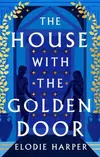
The cover art by Jeff Langevin is also amazing.
I loved this - highly recommend!
Thank you to Suzanne Palmer, DAW Books, and NetGalley for the advanced reader copy.
I could not put this book down. I was unprepared for how moving it would be.
There is an undeniable depth of character and emotion here that pulled me in. Palmer has a way of writing her characters - AI robots and hybrid robot animals, no less - and having them explore the meaning of their lives that feels more human, and complicated, and true, than humans. I guess in that sense there’s the opportunity to distil the essentials of humanity in artificial life, without the messiness humans bring. But I don’t feel this is the case here - rather, Palmer presents artificial life as its own entity, weighed by but also mirroring their creators, while defining their own way of being. That the created do, in fact, have agency, history, relationships, and ambitions, even if that doesn’t present as humans expect or want.
Atticus got to me. I loved Atticus. His relationship with Be just clutched at my heart. He was a little bit Donkey to Be’s Shrek, and I loved it.
There was one element I felt a bit ho-hum about: the remaining US military and Sawyer’s character. I felt this could have been given a bit more nuance through the story, particularly with Sawyer’s character and her capitulation at the end to wrap things up. But my issue with this is minimal.
The cover art by Jeff Langevin is also amazing.
I loved this - highly recommend!
Thank you to Suzanne Palmer, DAW Books, and NetGalley for the advanced reader copy.

DNF @ 11%
🎧 Audiobook
Not gonna lie, this was a hard slog. And to be honest, I just don’t have the energy for it right now.
From what I can gather, this is a book of important thoughts and personal experiences presented in a polarising tone, amongst poorly explained physics, laid out in a badly executed jumble of a book lacking focus.
I’m kinda bummed, this looked promising. Prescott-Weinstein is clearly a smart, influential figure in astrophysics, and an important voice in breaking the glass ceiling for both women and people of colour in science. And I usually push for 30% before I DNF. Maybe if my brain were a bit healthier and I had a bit more physics knowledge under my belt I’d be able to continue on. But it’s not and I don’t, so I’ll just leave it here.
DNF @ 11%
🎧 Audiobook
Not gonna lie, this was a hard slog. And to be honest, I just don’t have the energy for it right now.
From what I can gather, this is a book of important thoughts and personal experiences presented in a polarising tone, amongst poorly explained physics, laid out in a badly executed jumble of a book lacking focus.
I’m kinda bummed, this looked promising. Prescott-Weinstein is clearly a smart, influential figure in astrophysics, and an important voice in breaking the glass ceiling for both women and people of colour in science. And I usually push for 30% before I DNF. Maybe if my brain were a bit healthier and I had a bit more physics knowledge under my belt I’d be able to continue on. But it’s not and I don’t, so I’ll just leave it here.


🎧Audiobook
Despite the book title and blurb, a warning that this is not a reexamination of women’s lives across the world during the Middle Ages through a feminist lens that you may be expecting. Instead, it’s a collection of stories about some of the powerful and influential Christian women in Europe during the Middle Ages by re-examining historical evidence - not quite the same thing. (Surprise, another historian with an imperialist mindset who didn’t bother to mention they’d only focus on their own region in the title like, say, “A New History of the Middle Ages in Christian Europe…”).
The author also doesn’t directly address anything sufficiently that the book’s blurb touts - that is:
The Middle Ages are seen as a bloodthirsty time of Vikings, saints and kings; a patriarchal society that oppressed and excluded women. But when we dig a little deeper into the truth, we can see that the “Dark” Ages were anything but.
Oxford and BBC historian Janina Ramirez has uncovered countless influential women’s names struck out of historical records, with the word FEMINA annotated beside them. As gatekeepers of the past ordered books to be burned, artworks to be destroyed, and new versions of myths, legends and historical documents to be produced, our view of history has been manipulated.
Just one example: The great reformation from paganism towards Christianity during the 7th century is covered early in the book and does give some great investigation and narratives to the lives of some influential women during this era. However, the author doesn’t do much questioning of religious patriarchal motivations, expectations and force done to women in the name of Christianity during this time. (There also seemed to be a lot of warmth given towards Christianity throughout the book, which honestly gave me the ick.)
After reading Femina, I’m struggling to buy Ramirez’s central argument that the Middle Ages were actually more equal for women and men than we think.
Yes, there clearly are some individual women through hundreds of years who were powerful and influential that were erased from history due to their gender, and should rightfully be recognised and this important history is very deserving of our attention. And certainly there could have been specific towns or regions that were more equal for women in some ways, such as Mercia and their ruling families.
However, Ramirez touts this book as an argument that women had more equality in the Middle Ages than we think. But the societal evidence she presents is limited in scope and doesn’t address key issues that enforce a misogynistic society, particularly under religious rule. Her historical figures also only include royalty and religious figures (apart from a short chapter at the end that surprisingly touched on slavery, multiculturalism and transgender people). And in fact, rather weirdly, many parts of the stories she tells of these people directly go against the argument of equality. Ramirez often even reinforces the fact that the women she talks about were aberrations to the rule of repression and how unusual these individuals were. Huh?
I find this kind of “reexamination of history” by female historians really frustrating. Jamira Ramirez reminds me of Bettany Hughes. While I enjoy the enthusiastic tale, and the fact that women are the historians, I’m frustrated by their blatant repackaging of male history to be told by a female who then mentions a few females in history. And so apparently, there we go, history has been righted for equality. To me, this is not looking at history properly to understand women’s place in it. It’s just getting some more information about some women out of a misogynistic history.
Focusing on the minimal extra evidence of women does not equate to the extravagant excess of evidence for men.
Because of all of this, I found it hard to trust what Ramirez was telling me. I just could not believe that what I was reading was correct.
---
2/5 for narration by Jamira Ramirez. Narrated by the author, whose breathless upbeat tone and overly dramatic emphasis on every second word actually felt like she trivialised what she was talking about. I’ve noticed this is a popular way of sing-song speaking by TV historians which I don’t enjoy, let alone listening to it for 12 hours. There were points in the book where I almost gave up because of the narration.
🎧Audiobook
Despite the book title and blurb, a warning that this is not a reexamination of women’s lives across the world during the Middle Ages through a feminist lens that you may be expecting. Instead, it’s a collection of stories about some of the powerful and influential Christian women in Europe during the Middle Ages by re-examining historical evidence - not quite the same thing. (Surprise, another historian with an imperialist mindset who didn’t bother to mention they’d only focus on their own region in the title like, say, “A New History of the Middle Ages in Christian Europe…”).
The author also doesn’t directly address anything sufficiently that the book’s blurb touts - that is:
The Middle Ages are seen as a bloodthirsty time of Vikings, saints and kings; a patriarchal society that oppressed and excluded women. But when we dig a little deeper into the truth, we can see that the “Dark” Ages were anything but.
Oxford and BBC historian Janina Ramirez has uncovered countless influential women’s names struck out of historical records, with the word FEMINA annotated beside them. As gatekeepers of the past ordered books to be burned, artworks to be destroyed, and new versions of myths, legends and historical documents to be produced, our view of history has been manipulated.
Just one example: The great reformation from paganism towards Christianity during the 7th century is covered early in the book and does give some great investigation and narratives to the lives of some influential women during this era. However, the author doesn’t do much questioning of religious patriarchal motivations, expectations and force done to women in the name of Christianity during this time. (There also seemed to be a lot of warmth given towards Christianity throughout the book, which honestly gave me the ick.)
After reading Femina, I’m struggling to buy Ramirez’s central argument that the Middle Ages were actually more equal for women and men than we think.
Yes, there clearly are some individual women through hundreds of years who were powerful and influential that were erased from history due to their gender, and should rightfully be recognised and this important history is very deserving of our attention. And certainly there could have been specific towns or regions that were more equal for women in some ways, such as Mercia and their ruling families.
However, Ramirez touts this book as an argument that women had more equality in the Middle Ages than we think. But the societal evidence she presents is limited in scope and doesn’t address key issues that enforce a misogynistic society, particularly under religious rule. Her historical figures also only include royalty and religious figures (apart from a short chapter at the end that surprisingly touched on slavery, multiculturalism and transgender people). And in fact, rather weirdly, many parts of the stories she tells of these people directly go against the argument of equality. Ramirez often even reinforces the fact that the women she talks about were aberrations to the rule of repression and how unusual these individuals were. Huh?
I find this kind of “reexamination of history” by female historians really frustrating. Jamira Ramirez reminds me of Bettany Hughes. While I enjoy the enthusiastic tale, and the fact that women are the historians, I’m frustrated by their blatant repackaging of male history to be told by a female who then mentions a few females in history. And so apparently, there we go, history has been righted for equality. To me, this is not looking at history properly to understand women’s place in it. It’s just getting some more information about some women out of a misogynistic history.
Focusing on the minimal extra evidence of women does not equate to the extravagant excess of evidence for men.
Because of all of this, I found it hard to trust what Ramirez was telling me. I just could not believe that what I was reading was correct.
---
2/5 for narration by Jamira Ramirez. Narrated by the author, whose breathless upbeat tone and overly dramatic emphasis on every second word actually felt like she trivialised what she was talking about. I’ve noticed this is a popular way of sing-song speaking by TV historians which I don’t enjoy, let alone listening to it for 12 hours. There were points in the book where I almost gave up because of the narration.
