
Eric Tuovila
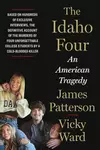


This was a slog. The two page chapters helped move things along, but if it weren’t for the fact that this was a true story I’d have DNF’d. You’ll get more information and closure from reading the story on Wikipedia, since the full trial isn’t even included in the book.
Patterson has a predictable and limited writing style that doesn’t work for me. It’s safe to say this is the first and last of his books I’ll read.


This was a worthwhile read when I first read it 10 years ago, and re-reading it today I could argue that I find it even more worthwhile in the era of mainstream artificial intelligence. I've been simultaneously an early adopter and a cautious detractor of new technology for most of my life, while also working in tech. This book forces me to pause and carefully evalute my personal choices regarding technology use, as well as my stance on the subject.


