

@peterspath
Peter's Path
Peter's Path is my personal endeavour to live a life of purpose through hiking, reading, and embracing the beauty of nature, faith, and ideas.
Peter's Path's Books by Status
439 Books
See all


Peter's Path's Reading Goals
Peter's Path's Pinned Prompts
Featured Prompt
6,051 booksWhat are your favorite books of all time?
When you think back on every book you've ever read, what are some of your favorites? These can be from any time of your life – books that resonated with you as a kid, ones that shaped your personal...


Peter's Path's Most Popular Reviews


Moonraker is different from other Bond books. It’s not just about the cool locations. The real excitement comes from the mind games between Bond and Drax. The intense bridge game is just as thrilling as any action scene, and the mystery of the villain’s true intentions keeps you on the edge of your seat. With its mix of espionage, sci-fi, and classic Bond action, Moonraker is a must-watch for fans of the series.
Originally posted at peterspath.net.


Serious Cryptography gives a straight and useful view of modern crypto. Aumasson tells how algorithms work and how to use them right. He points out real mistakes that cause big problems. The book covers key primitives with clear explanations.
Aumasson talks about randomness and why it matters so much. He asks why bad random choices break encryption. He ties this to actual attacks. The book makes you think about secure design. It calls for care in every step. Aumasson writes in a direct style that stays practical. His voice comes from real work in the field. He shares examples from systems that failed or succeeded. Readers see the cost of small errors.
Aumasson looks at how protocols like TLS evolve. He shows post-quantum threats and fixes. The book has parts on hash functions and signatures. It talks about cryptocurrency crypto too. Aumasson gives steps to build safe systems. He offers hope that better practices stop spectacular failures. The end pushes readers to apply what they learn.
Originally posted at peterspath.net.
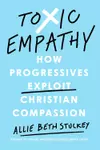


Toxic Empathy gives a clear look at a big problem. Stuckey tells how empathy gets twisted in debates. She breaks down each issue with care. The book points out lies in common sayings. Stuckey talks about abortion and its real cost. She asks why some back harm in the name of care.
She ties this to Bible teachings on life and love. The book makes you think deep. It calls for Christians to stand firm. Stuckey writes with strong but fair words. Her voice stays true to faith. She shares ways to spot bad empathy. The examples come from real events. Readers see the harm of weak views.
Stuckey looks at how news bends facts. She shows why some pick sides without all info. The book has parts on culture and faith shifts. It talks about leaders who fail to lead. Stuckey gives hope with steps to fix things. The end calls for bold stands on truth.
Originally posted at peterspath.net.


You're Not Enough (And That's Okay) gives a sharp look at self-love traps. Stuckey tells how culture pushes us to look inside for worth. She breaks myths with clear examples. The book points out how these ideas fail in real life. Stuckey talks about her own struggles as a mum. She asks why we chase self-sufficiency.
She ties this to Bible truths on grace and dependence on God. The book makes you think hard about pride and humility. It calls for freedom in admitting we are not enough. Stuckey writes in a direct, warm way. Her voice stays firm on truth but kind to readers. She shares laughs and real moments. The examples come from news, church, and her life.
Readers feel relief in dropping the enough burden. Stuckey looks at how self-love creeps into faith. She shows why some churches follow culture. She gives steps to fight back with gospel focus. The book has parts on identity and relationships. It talks about leaders who push me-centred views. Stuckey offers hope that Christ makes us complete. The end urges readers to rest in God's enoughness.
Originally posted at peterspath.net.
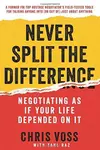

Never Split the Difference gives clear and useful tools for real talks. Voss tells stories from his FBI days that show the methods in action. He points out why old compromise advice often leads to weak results.
The book explains how to read emotions and use them wisely. Voss talks about the power of silence and good questions. He asks why people fear hearing no. He ties this to better ways to persuade. The book makes you think about every conversation differently. It calls for patience and real listening. Voss writes in a direct style full of examples.
His voice feels experienced and honest. Readers see the cost of bad deals. Voss looks at how small changes in words create big wins. He shows how empathy becomes a strong weapon. The book has parts on business and personal life. It talks about leaders who negotiate poorly. Voss gives hope that anyone can improve. The end pushes readers to practise the skills daily.
Originally posted at peterspath.net.