
Peter's Path


R.C. Sproul wrote Truths We Confess. It is a full, chapter-by-chapter commentary on the Westminster Confession of Faith. The book explains every section of the historic 1646 document in plain, everyday language. Sproul takes the thirty-three chapters of the Confession and shows exactly what each one teaches about God, Scripture, creation, the fall of man, salvation, the church, the sacraments, and the last things.
He wrote it so ordinary Christians could understand this important statement of faith without getting lost in old language or technical terms. The book came out in a revised single-volume edition after years of teaching the material. Sproul connects each truth to real life and shows why these doctrines still matter in the modern world. He defends sound teaching against current confusion and helps readers see how all the parts of the Christian faith fit together in a clear and beautiful way.
The book is long because it covers every detail of the Confession, yet Sproul keeps it readable and encouraging. It is useful for new believers who want a solid foundation, for groups that study doctrine together, and for long-time Christians who need to go deeper. Readers finish with a stronger grasp of what they believe and why it matters.
Originally posted at peterspath.net.


The Problem of Pain gives a clear and thoughtful answer to suffering. Lewis walks through the question step by step. He points out that real love needs free will, and free will opens the door to pain. The book explains how pain shocks people out of comfort and self-love.
Lewis talks about why Hell exists and how it fits God's goodness. He asks why we blame God for pain when we cause much of it ourselves. He ties this to the Christian story of redemption. The book makes you think deeply about your own troubles. It calls for courage to face pain instead of resentment. Lewis writes in a calm and honest style. His voice feels wise and respectful of real grief. The examples come from daily life and great literature. Readers sense relief in seeing the question taken seriously.
Lewis looks at how pain can produce good fruit. He shows the cost when people reject God's purpose. He gives hope that suffering has meaning and an end. The book has parts on heaven and the final victory over pain. It talks about people who turn bitter instead of better. Lewis offers a firm stand for faith in hard times. The end leaves you with quiet strength.
Originally posted at peterspath.net.


The Four Loves gives a honest look at how people love. Lewis breaks each type down with clear examples. He points out how affection can become jealous. He shows how friendship can turn into a clique that shuts others out.
Lewis talks about eros and how it can blind people to truth. He asks why even good love can hurt. He ties this to the need for charity from God. The book makes you think about your own heart. It calls for balance and humility in every relationship. Lewis writes in a calm and wise style. His voice feels like a trusted friend. The examples come from daily life and literature.
Readers feel relief in seeing love explained so plainly. Lewis looks at how pride poisons love. He shows the cost when love demands too much. He gives steps to keep loves healthy. The book has parts on jealousy, possessiveness, and sacrifice. It talks about people who worship love instead of God. Lewis offers real hope that charity can heal and lift the other loves. The end leaves you wiser about giving and receiving love.
Originally posted at peterspath.net.


C.S. Lewis wrote The Abolition of Man. It began as three lectures in 1943. Lewis looks at a school textbook that teaches children to dismiss emotions as mere feelings. He calls this book the Green Book.
Lewis says such teaching cuts out the chest, the seat of trained feelings that link the head and the belly. Without it, people lose the power to feel rightly. The book explains the Tao, the old name for the natural law of objective right and wrong found in all cultures.
Lewis shows how new ideas of value as mere opinion lead to the end of man. He warns that power over nature becomes power of some men over others. The book is short but sharp. Readers learn why education matters for the soul. Lewis wrote it to defend real humanity. It still speaks to today when feelings rule and truth fades.
Originally posted at peterspath.net.


The Great Divorce gives a clear picture of choice and freedom. Lewis creates strong scenes on the bus and in the bright lands of Heaven. He shows ordinary faults that grow into chains. The book points out how people cling to small comforts instead of real joy. Lewis talks about ghosts who argue with angels.
He asks why some love their pain more than peace. He ties this to everyday sins like anger and greed. The book makes you think hard about your own heart. It calls for honest self-check. Lewis writes in a simple and vivid style. His voice stays kind yet firm. The examples feel real even though the story is fantasy.
Readers sense the weight of each decision. Lewis looks at how self-will destroys happiness. He shows the cost of saying no to God. He gives hope that turning to God brings light. The book has parts on love, forgiveness, and truth. It talks about people who choose Hell without knowing it. The end leaves a quiet warning and real encouragement to choose life.
Originally posted at peterspath.net.


C.S. Lewis wrote Mere Christianity. He gave the talks on BBC radio during the war. Lewis puts aside church rules that divide people. He focuses on the core of the faith. The book starts with how people know right from wrong. It moves to who God is and what Jesus did.
Lewis uses clear logic that anyone can follow. The book has four main parts. One looks at the moral law inside every person. Another explains basic Christian beliefs. A third covers how Christians should live. The last part talks about becoming new people in Christ. Readers see why faith fits the world we live in.
The book came out in 1952. It still helps believers and those who doubt. Lewis wrote it to show Christianity as a simple truth. Readers learn to think about life and God in new ways. The book gives hope that faith answers deep questions. It remains a strong guide for anyone who wants to understand the Christian message.
Originally posted at peterspath.net.


Going Postal offers a very funny view of a dying institution. Pratchett fills the story with clever jokes and word play. He creates brilliant characters such as Moist and the golem called Mr Pump. The book points out how pointless rules slow everything down.
Pratchett explores the fight between old ways and new technology. He asks why people fear change. He links this to bigger ideas about control and freedom. The book makes you laugh out loud while making you think. It encourages courage and fresh thinking.
Pratchett writes with great energy. His style is lively and easy to read. The events feel alive even in a fantasy city. Readers enjoy watching things get fixed. Pratchett shows how stories and names carry real power. He gives hope that good ideas can win against money and power. The end leaves you satisfied and smiling.
Originally posted at peterspath.net.


Capitalism and Freedom gives a clear defence of free markets. Friedman explains hard ideas in simple terms. He shows how government rules often hurt the people they aim to help. The book points out real examples from history.
Friedman talks about the dangers of too much state power. He asks why people fear free choice. He ties economic freedom to political rights. The book makes you think about the role of government. It calls for more trust in individuals.
Friedman writes in a direct style. His arguments stay logical and calm. Readers see why small government can lead to big progress. Friedman looks at many areas of life. He gives practical ideas that still matter today. The end leaves you with strong reasons to value freedom.
Originally posted at peterspath.net.
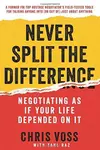

Never Split the Difference gives clear and useful tools for real talks. Voss tells stories from his FBI days that show the methods in action. He points out why old compromise advice often leads to weak results.
The book explains how to read emotions and use them wisely. Voss talks about the power of silence and good questions. He asks why people fear hearing no. He ties this to better ways to persuade. The book makes you think about every conversation differently. It calls for patience and real listening. Voss writes in a direct style full of examples.
His voice feels experienced and honest. Readers see the cost of bad deals. Voss looks at how small changes in words create big wins. He shows how empathy becomes a strong weapon. The book has parts on business and personal life. It talks about leaders who negotiate poorly. Voss gives hope that anyone can improve. The end pushes readers to practise the skills daily.
Originally posted at peterspath.net.


Serious Cryptography gives a straight and useful view of modern crypto. Aumasson tells how algorithms work and how to use them right. He points out real mistakes that cause big problems. The book covers key primitives with clear explanations.
Aumasson talks about randomness and why it matters so much. He asks why bad random choices break encryption. He ties this to actual attacks. The book makes you think about secure design. It calls for care in every step. Aumasson writes in a direct style that stays practical. His voice comes from real work in the field. He shares examples from systems that failed or succeeded. Readers see the cost of small errors.
Aumasson looks at how protocols like TLS evolve. He shows post-quantum threats and fixes. The book has parts on hash functions and signatures. It talks about cryptocurrency crypto too. Aumasson gives steps to build safe systems. He offers hope that better practices stop spectacular failures. The end pushes readers to apply what they learn.
Originally posted at peterspath.net.


You're Not Enough (And That's Okay) gives a sharp look at self-love traps. Stuckey tells how culture pushes us to look inside for worth. She breaks myths with clear examples. The book points out how these ideas fail in real life. Stuckey talks about her own struggles as a mum. She asks why we chase self-sufficiency.
She ties this to Bible truths on grace and dependence on God. The book makes you think hard about pride and humility. It calls for freedom in admitting we are not enough. Stuckey writes in a direct, warm way. Her voice stays firm on truth but kind to readers. She shares laughs and real moments. The examples come from news, church, and her life.
Readers feel relief in dropping the enough burden. Stuckey looks at how self-love creeps into faith. She shows why some churches follow culture. She gives steps to fight back with gospel focus. The book has parts on identity and relationships. It talks about leaders who push me-centred views. Stuckey offers hope that Christ makes us complete. The end urges readers to rest in God's enoughness.
Originally posted at peterspath.net.
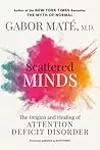

Scattered Minds gives a kind and honest look at ADHD. Maté tells stories from his own life and from people he has helped. He shows how early stress shapes the brain without blaming parents. The book points out how shame and low self-esteem feed the symptoms. Maté talks about the difference between knowing what to do and actually doing it.
He connects ADD to bigger issues like stress in families and culture. The book makes you think deeply about attention, motivation and relationships. It calls for patience and unconditional acceptance. Maté writes in a clear, warm style that feels like a wise friend talking. His voice stays hopeful even when facing hard truths. The examples feel real because they come from lived experience. Readers sense the relief of finally being understood.
Maté looks at how small changes in how we relate can rebuild focus and calm. He notes tough moments but always offers a path forward. The book has parts on self-parenting for adults and supportive parenting for kids. It talks about leaders and systems that fail to see emotional needs. Maté gives real steps to create safety and connection. The end leaves you believing change is possible at any age.
Originally posted at peterspath.net.
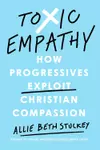

Toxic Empathy gives a clear look at a big problem. Stuckey tells how empathy gets twisted in debates. She breaks down each issue with care. The book points out lies in common sayings. Stuckey talks about abortion and its real cost. She asks why some back harm in the name of care.
She ties this to Bible teachings on life and love. The book makes you think deep. It calls for Christians to stand firm. Stuckey writes with strong but fair words. Her voice stays true to faith. She shares ways to spot bad empathy. The examples come from real events. Readers see the harm of weak views.
Stuckey looks at how news bends facts. She shows why some pick sides without all info. The book has parts on culture and faith shifts. It talks about leaders who fail to lead. Stuckey gives hope with steps to fix things. The end calls for bold stands on truth.
Originally posted at peterspath.net.


End-to-End gives a clear and honest view of a huge train trip. Manson tells stories from each leg of the ride. He describes people he met in tight cabins across Russia and Mongolia. Some talks turn funny. Others show deep views on life.
The book points out stunning scenery that passes by the window. Manson talks about the contrast between old, rough trains and new high-speed ones in China. He asks why train travel pulls people in. He links it to ideas of patience and real contact. The book makes you think about your own trips.
It calls for people to try slow travel before it changes more. Manson writes in a simple, direct way. His style matches his YouTube videos. He keeps facts straight. He shares laughs from odd moments. The examples feel real because they come from his days on the rails.
Readers feel the slow pace and the joy of small discoveries. Manson looks at food that starts bad but turns great. He shows how culture shifts from country to country. He notes border crossings that test patience. He gives hope that new paths might open one day. The end pushes readers to seek their own adventures.
Originally posted at peterspath.net.


On Democracies and Death Cults gives a clear view of hard truths. Murray tells stories from the attacks on Israel. He shows how people died in bad ways. The book points out lies spread by some groups. Murray talks about campus views that mix up right and wrong.
He uses history to explain why Israel stands for good. Murray asks why some cheer for killers. He ties this to big ideas like freedom and life. The book makes you think hard. It calls for action to keep the West strong. Murray writes with care for facts.
His voice stays firm but fair. He shares thoughts on how to fight back with truth. The examples come from real events. Readers see the cost of weak stands. Murray looks at how news twists facts. He shows why some people pick sides without full knowledge. The book has parts on culture and how it changes views.
It talks about leaders who fail to act. Murray gives hope with ways to change. The end calls for firm stands on values.
Originally posted at peterspath.net.


The Holy Bible is the word of God given to men over many centuries. It holds the Old Testament with stories from creation, the laws given to Moses, the poems of David, and the words of prophets who spoke for God.
The New Testament tells of Jesus Christ's birth, life, teachings, death on the cross, and rising from the dead. It also has letters from apostles to early churches and the book of Revelation that speaks of the end times and God's final victory.
Many read the King James Version for its beautiful language, but the message stays the same across versions: God loves mankind and offers salvation through faith in Jesus.
Christians turn to it for guidance in life, comfort in pain, strength in trials, and hope for eternity. It shows God's plan from the beginning to the end.
Originally posted at peterspath.net.


The Time Machine packs big ideas into few pages. Wells paints a vivid picture of the future world, with the Eloi’s ruined gardens and the Morlocks’ dark tunnels. The traveller’s shock at what humans become makes you think about today’s divides between rich and poor.
The story moves fast, from dinner talk to far-future horror, then to the dying Earth under a red sun. Wells warns about laziness and cruelty without direct preaching. The ending, with its quiet sadness, stays with you long after. For a book from 1895, it feels fresh and bold.
Originally posted at peterspath.net.


The Screwtape Letters uses a smart idea to make deep points about faith and sin. Screwtape’s cold advice shows how small habits can pull people from God. Lewis writes with sharp wit, turning evil plans into lessons on humility and love.
Each letter stands alone but builds a full picture of human weakness. The book makes readers think about their own choices without direct preaching. Screwtape’s frustration when the patient turns to God adds humour to serious ideas.
Lewis adds a preface and later a toast from Screwtape that give more insight. The style stays clear and strong, making hard truths easy to grasp.
Originally posted at peterspath.net.


The Ruthless Elimination of Hurry hits home because it speaks to the tiredness many feel from always being busy. Comer starts with his own story of working too hard and breaking down, which makes the book feel honest and close. He shows how hurry stops us from loving others well, with examples like missing time with family or feeling angry in traffic.
The parts on Jesus’ habits, such as getting up early to pray or walking everywhere, prove a different pace is possible even today. Comer backs his points with science on stress and old wisdom from church leaders. The four practices come with clear steps, like turning off notifications or keeping one day free each week.
His writing mixes humour with serious thought, keeping the pages turning. The book ends with hope, showing that small changes bring big peace.
Originally posted at peterspath.net.


Gone Girl hooks from the first page with its clever structure, switching between Nick’s present and Amy’s past diary entries, building doubt about who tells the truth. Flynn creates two complex characters: Nick seems charming yet flawed, while Amy appears perfect at first. The mid-book twist changes everything, turning the story into a sharp game of control and revenge.
Flynn’s writing is crisp and full of insight into relationships, showing how people hide their real selves. The media’s role in the case adds real-world tension, making the plot feel current. Scenes like the search parties or interviews keep the pace fast. The ending leaves you thinking about trust and what people hide in marriage.
Originally posted at peterspath.net.


John MacArthur’s Standing Strong is a thorough biblical manual on spiritual warfare for every Christian. Drawing primarily from Ephesians 6:10–18, MacArthur explains the reality of Satan, his strategies (deception, accusation, temptation, and division), and the believer’s complete provision in Christ.
He shows that the battle is not against flesh and blood but against spiritual forces, yet victory is already secured through the cross. With clear exposition, practical illustrations from Scripture and church life, and step by step application of the armour of God, the book equips believers to stand firm in a hostile world. It is ideal for anyone wanting to understand the invisible war and live victoriously in it.
Originally posted at peterspath.net.


Giorgia Meloni’s I Am Giorgia is an autobiographical manifesto that traces her journey from a working-class Roman neighbourhood to becoming Italy’s first female prime minister. She recounts her childhood marked by an absent father, her early involvement in youth right-wing politics at age 15, and her rise through the ranks while staying true to conservative values.
Meloni defends national identity, family, Christianity, and sovereignty, and opposition to mass migration and globalism. Written in a direct, conversational style, it is part memoir, part political program.
Originally posted at peterspath.net.


Antoine de Saint-Exupéry’s The Little Prince tells the story of a pilot who crashes in the Sahara and meets a small boy from asteroid B-612. The prince recounts his travels across planets, meeting a king without subjects, a vain man, a drunkard, a businessman, a lamplighter, and a geographer, before arriving on Earth. Through gentle conversations about roses, foxes, and stars, the book explores love, loss, friendship, and what truly matters in life. Written as a children’s tale yet aimed at grown-ups, it is one of the most beloved and translated books in the world.
Originally posted at peterspath.net.


F. Scott Fitzgerald’s The Great Gatsby follows mysterious millionaire Jay Gatsby through the eyes of his neighbour, Nick Carraway, during the roaring summer of 1922 on Long Island. Gatsby throws lavish parties hoping to win back his lost love, Daisy Buchanan, now married to the brutal Tom.
The novel traces the collision of old money, new money, and impossible dreams in the Jazz Age. Beneath the champagne and jazz lies a devastating portrait of the American Dream’s corruption by wealth, class, and self-deception. At under 200 pages, it is one of the most perfectly crafted tragedies in American literature.
Originally posted at peterspath.net.


Herman Melville’s Moby-Dick follows Ishmael, a sailor who joins the whaling ship Pequod under the command of the monomaniacal Captain Ahab. Ahab seeks revenge on Moby Dick, the white whale that took his leg, dragging the crew into a doomed chase across the oceans.
Part adventure, part philosophical novel, and part encyclopaedia of whaling, it explores obsession, fate, the limits of human knowledge, and man’s place in nature. Told through Ishmael’s reflective voice, the book blends thrilling sea tales with deep meditations on life, evil, and the divine. It is one of the greatest American novels ever written.
Originally posted at peterspath.net.