
Jared


Holes connects every narrative in a deeply impressive way. While extremely predictable, I don't think the story is expecting the audience to be surprised.
Stanley Yelnats is an amazing protagonist. Not only is he a great inspiration for the audience, but he's also a character that the children reading this will greatly relate to. He's realistically written in a world that is anything but. He grounds the story in a way that makes it a lot more powerful. His inherent goodness matches that of most children, without feeling like someone written by an adult to make kids feel bad for not living up to his standards.
Holes works incredibly well as a metaphor for the inherently cruel and unjust American prison system. While I certainly wish Sachar dove further into the way race plays into the topic of incarceration, but that might have ruined the pacing. There's only so much you can talk about in a book for children.
Holes perfectly exemplifies the pointlessness of prison labor and the inherent slavery involved in it. And he manages to do so in a way that children can understand, even if it makes them uncomfortable. There's so much weight to everything that happens, especially once Zero and Stanley run away. We see children grasp with their potential deaths at the hands of a deeply cruel system that punishes them for, at best, non-violent shoplifting, and at worst, a crime they didn't commit.
Yeah, it's sad. Yeah, it's brutal. But kids need to hear this. Kids need to understand that our prison system is a modern version of slavery. Zero says he's willing to die before he digs another hole. And that mentality is far too common among prisoners. Because death is preferable to working for slave wages for God knows how long.
Children need some darkness in their stories if we're ever going to teach them about the horrors of modern society. And there are ways to do it in a heartfelt manner. Holes truly earns its happy ending, because in the pages before that, it lets readers grasp with it's darkness. Holes opens it's audience to critical thinking throughout the story, and even if the good guys win in the end, the prison system isn't ever fixed. Stanley and Zero make it out, but the rest of the kids are going back into system.
Holes understands what it's talking about. Despite jumping around four different generations, it never feels jarring. The flashbacks all feel like stories Stanley is telling himself to prevent pure boredom while doing his slave labor. That's effective flashback writing.
Holes connects every narrative in a deeply impressive way. While extremely predictable, I don't think the story is expecting the audience to be surprised.
Stanley Yelnats is an amazing protagonist. Not only is he a great inspiration for the audience, but he's also a character that the children reading this will greatly relate to. He's realistically written in a world that is anything but. He grounds the story in a way that makes it a lot more powerful. His inherent goodness matches that of most children, without feeling like someone written by an adult to make kids feel bad for not living up to his standards.
Holes works incredibly well as a metaphor for the inherently cruel and unjust American prison system. While I certainly wish Sachar dove further into the way race plays into the topic of incarceration, but that might have ruined the pacing. There's only so much you can talk about in a book for children.
Holes perfectly exemplifies the pointlessness of prison labor and the inherent slavery involved in it. And he manages to do so in a way that children can understand, even if it makes them uncomfortable. There's so much weight to everything that happens, especially once Zero and Stanley run away. We see children grasp with their potential deaths at the hands of a deeply cruel system that punishes them for, at best, non-violent shoplifting, and at worst, a crime they didn't commit.
Yeah, it's sad. Yeah, it's brutal. But kids need to hear this. Kids need to understand that our prison system is a modern version of slavery. Zero says he's willing to die before he digs another hole. And that mentality is far too common among prisoners. Because death is preferable to working for slave wages for God knows how long.
Children need some darkness in their stories if we're ever going to teach them about the horrors of modern society. And there are ways to do it in a heartfelt manner. Holes truly earns its happy ending, because in the pages before that, it lets readers grasp with it's darkness. Holes opens it's audience to critical thinking throughout the story, and even if the good guys win in the end, the prison system isn't ever fixed. Stanley and Zero make it out, but the rest of the kids are going back into system.
Holes understands what it's talking about. Despite jumping around four different generations, it never feels jarring. The flashbacks all feel like stories Stanley is telling himself to prevent pure boredom while doing his slave labor. That's effective flashback writing.
Holes connects every narrative in a deeply impressive way. While extremely predictable, I don't think the story is expecting the audience to be surprised.
Stanley Yelnats is an amazing protagonist. Not only is he a great inspiration for the audience, but he's also a character that the children reading this will greatly relate to. He's realistically written in a world that is anything but. He grounds the story in a way that makes it a lot more powerful. His inherent goodness matches that of most children, without feeling like someone written by an adult to make kids feel bad for not living up to his standards.
Holes works incredibly well as a metaphor for the inherently cruel and unjust American prison system. While I certainly wish Sachar dove further into the way race plays into the topic of incarceration, but that might have ruined the pacing. There's only so much you can talk about in a book for children.
Holes perfectly exemplifies the pointlessness of prison labor and the inherent slavery involved in it. And he manages to do so in a way that children can understand, even if it makes them uncomfortable. There's so much weight to everything that happens, especially once Zero and Stanley run away. We see children grasp with their potential deaths at the hands of a deeply cruel system that punishes them for, at best, non-violent shoplifting, and at worst, a crime they didn't commit.
Yeah, it's sad. Yeah, it's brutal. But kids need to hear this. Kids need to understand that our prison system is a modern version of slavery. Zero says he's willing to die before he digs another hole. And that mentality is far too common among prisoners. Because death is preferable to working for slave wages for God knows how long.
Children need some darkness in their stories if we're ever going to teach them about the horrors of modern society. And there are ways to do it in a heartfelt manner. Holes truly earns its happy ending, because in the pages before that, it lets readers grasp with it's darkness. Holes opens it's audience to critical thinking throughout the story, and even if the good guys win in the end, the prison system isn't ever fixed. Stanley and Zero make it out, but the rest of the kids are going back into system.
Holes understands what it's talking about. Despite jumping around four different generations, it never feels jarring. The flashbacks all feel like stories Stanley is telling himself to prevent pure boredom while doing his slave labor. That's effective flashback writing.
Holes connects every narrative in a deeply impressive way. While extremely predictable, I don't think the story is expecting the audience to be surprised.
Stanley Yelnats is an amazing protagonist. Not only is he a great inspiration for the audience, but he's also a character that the children reading this will greatly relate to. He's realistically written in a world that is anything but. He grounds the story in a way that makes it a lot more powerful. His inherent goodness matches that of most children, without feeling like someone written by an adult to make kids feel bad for not living up to his standards.
Holes works incredibly well as a metaphor for the inherently cruel and unjust American prison system. While I certainly wish Sachar dove further into the way race plays into the topic of incarceration, but that might have ruined the pacing. There's only so much you can talk about in a book for children.
Holes perfectly exemplifies the pointlessness of prison labor and the inherent slavery involved in it. And he manages to do so in a way that children can understand, even if it makes them uncomfortable. There's so much weight to everything that happens, especially once Zero and Stanley run away. We see children grasp with their potential deaths at the hands of a deeply cruel system that punishes them for, at best, non-violent shoplifting, and at worst, a crime they didn't commit.
Yeah, it's sad. Yeah, it's brutal. But kids need to hear this. Kids need to understand that our prison system is a modern version of slavery. Zero says he's willing to die before he digs another hole. And that mentality is far too common among prisoners. Because death is preferable to working for slave wages for God knows how long.
Children need some darkness in their stories if we're ever going to teach them about the horrors of modern society. And there are ways to do it in a heartfelt manner. Holes truly earns its happy ending, because in the pages before that, it lets readers grasp with it's darkness. Holes opens it's audience to critical thinking throughout the story, and even if the good guys win in the end, the prison system isn't ever fixed. Stanley and Zero make it out, but the rest of the kids are going back into system.
Holes understands what it's talking about. Despite jumping around four different generations, it never feels jarring. The flashbacks all feel like stories Stanley is telling himself to prevent pure boredom while doing his slave labor. That's effective flashback writing.

I am NOT a huge fan of young adult literature, I feel like I've made that pretty clear. I often feel like they approach interesting philosophical thoughts and quandaries before chickening out and talking down to their audience. And that is absolutely what happened in the last quarter of this book.
Fundamentally, this story's ending does not work. Thematically, Faith's entire journey doesn't work when her father was actually murdered. I think he *had* to have killed himself for any of this to really matter.
Faith spends the entire book trying to become her father and defend his legacy, undeservedly so. Erasmus was a horrendous father. He never loved Faith. He saw her as a tool. He used her for her intelligence, but also resented her for it. It makes so much more sense for him to lead her to the lie tree so he could finally kill himself in peace. It makes so much more sense for his suicide to be his final act of resentment, ruining his family's lives as a way to spite his daughter for being a girl.
But that's a fundamental flaw with the YA genre as a whole, especially in the modern era. Suicide is too "icky." Suicide that is directly the fault of a child is even more "icky." And positive reviews from parents and growth stunted adults is more important than genuine thought from the reader. Introspection is put aside so we can sell more copies and study this in schools.
2015 was near the end of Obama-era optimism and the start of Woke 1.0 in the general culture. And one of Woke 1.0's flaws that will hopefully be fixed in 2.0 is a general animosity towards the uncomfortable. It doesn't matter if something is improving your life, what matters is that you don't ever feel "uncomfy" by it. And that's sense of uncomfortability is what's holding this story back from being a truly powerful work of feminist literature.
Kids need to be made uncomfortable. Societal gender roles being so important that it leads a father to kill himself out of spite for his daughter is a very powerful way to prove that point. Ending your story with your main character taking away another woman's final act of pure agency is not. Agatha chose to kill herself, but that's too uncomfy.
I loved most of this book. The first 200 pages had me on the edge of my seat for a majority of it. I was absolutely gripped. And the story was edging the audience towards a tragic and though-provoking conclusion, only for our main character to instantly abandon all darkness within her and turn the book into a vastly childish and safe story about justice and "being yourself."
There's room for feel-good and inspirational stories for teens. General lessons about being true to yourself are not bad. I'm not saying that they are. I'm just saying that you can't have your cake and eat it to. You can't write a story about the darkness within someone and abandon all of that before she even reaches a turning point.
I'm hoping with the resurgence of woke and the general failure of YA fiction, we'll return to literature that challenges its audience. Of Mice and Men was written for teens. The Outsiders was written for teens. The Catcher in the Rye was written for teens. Children are allowed to be uncomfortable. We want children to think. As we get further into the age of aritificial intelligence and the absolute death of critical thinking among our youth, I PRAY that we start writing books that challenge these kids. Depressing, though-provoking, and truly challenging works.
Challenging novels can be fun. I had an unbelievable amount of fun with this book before Faith's 180 into nobility. Some books should leave you feeling icky. The fear of feeling "uncomfy" is what's holding us back from true progress. It's holding us back from thought and it's holding us back from true greatness in fiction.
I am NOT a huge fan of young adult literature, I feel like I've made that pretty clear. I often feel like they approach interesting philosophical thoughts and quandaries before chickening out and talking down to their audience. And that is absolutely what happened in the last quarter of this book.
Fundamentally, this story's ending does not work. Thematically, Faith's entire journey doesn't work when her father was actually murdered. I think he *had* to have killed himself for any of this to really matter.
Faith spends the entire book trying to become her father and defend his legacy, undeservedly so. Erasmus was a horrendous father. He never loved Faith. He saw her as a tool. He used her for her intelligence, but also resented her for it. It makes so much more sense for him to lead her to the lie tree so he could finally kill himself in peace. It makes so much more sense for his suicide to be his final act of resentment, ruining his family's lives as a way to spite his daughter for being a girl.
But that's a fundamental flaw with the YA genre as a whole, especially in the modern era. Suicide is too "icky." Suicide that is directly the fault of a child is even more "icky." And positive reviews from parents and growth stunted adults is more important than genuine thought from the reader. Introspection is put aside so we can sell more copies and study this in schools.
2015 was near the end of Obama-era optimism and the start of Woke 1.0 in the general culture. And one of Woke 1.0's flaws that will hopefully be fixed in 2.0 is a general animosity towards the uncomfortable. It doesn't matter if something is improving your life, what matters is that you don't ever feel "uncomfy" by it. And that's sense of uncomfortability is what's holding this story back from being a truly powerful work of feminist literature.
Kids need to be made uncomfortable. Societal gender roles being so important that it leads a father to kill himself out of spite for his daughter is a very powerful way to prove that point. Ending your story with your main character taking away another woman's final act of pure agency is not. Agatha chose to kill herself, but that's too uncomfy.
I loved most of this book. The first 200 pages had me on the edge of my seat for a majority of it. I was absolutely gripped. And the story was edging the audience towards a tragic and though-provoking conclusion, only for our main character to instantly abandon all darkness within her and turn the book into a vastly childish and safe story about justice and "being yourself."
There's room for feel-good and inspirational stories for teens. General lessons about being true to yourself are not bad. I'm not saying that they are. I'm just saying that you can't have your cake and eat it to. You can't write a story about the darkness within someone and abandon all of that before she even reaches a turning point.
I'm hoping with the resurgence of woke and the general failure of YA fiction, we'll return to literature that challenges its audience. Of Mice and Men was written for teens. The Outsiders was written for teens. The Catcher in the Rye was written for teens. Children are allowed to be uncomfortable. We want children to think. As we get further into the age of aritificial intelligence and the absolute death of critical thinking among our youth, I PRAY that we start writing books that challenge these kids. Depressing, though-provoking, and truly challenging works.
Challenging novels can be fun. I had an unbelievable amount of fun with this book before Faith's 180 into nobility. Some books should leave you feeling icky. The fear of feeling "uncomfy" is what's holding us back from true progress. It's holding us back from thought and it's holding us back from true greatness in fiction.


Added to list2026 First Reads Ranked!with 1 book.


This one really shook me to my core.
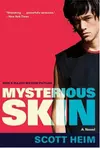
I always appreciate art that manipulates the mind of the audience and makes them truly self reflect and I think that's something this book does expertly. I hate to admit that I found Neil to be somewhat annoying. I found his attitude and general apathy immature and his reaction to the inciting incident to be dangerous. But that's the point. Neil is meant to break down the myth of the "perfect victim."
Contrast him with Brian, who is meant to stand in as this perfect victim. Brian is a "good" kid who was truly traumatized by the event. He tries to push it out of his mind. We don't even get full confirmation that it happened until there's less than 50 pages of the book left. Meanwhile we know exactly what happened to Neil in the first chapter.
Pedophilia is a deeply sensationalized crime. Due to this, Americans expect victims to act a certain way. We want them to be like Brian, to skirt around the conversation, to resent intimacy, to be afraid. So when a victim doesn't fit that cookie cutter profile, we find them "annoying." We react to them with authority we don't have. It's honestly sickening. I'm disgusted by how I reacted to Neil just a few days ago.
The other characters help reinforce this. Eric's experience as a gay teenager in the midwest gave him a trauma that bonded him to Neil. He might have been in love with him, but really I think he just wanted to relate to someone. It's a similar thing with Wendy. Wendy wants to relate to someone, but the way she goes about it is more harmful. She *wants* to be traumatized. That's what drags her towards Neil. She doesn't experience any hardships, yet she *wants* to have that post-trauma aesthetic.
Halfway through the book, Eric meets Brian. It's a few weeks after his last friend left and its the first time he's met one he needed. Brian has a perfect life from the outside, but Eric doesn't view him as a poser, like he does with every other straight man in this book. It's almost like some Mysterious Force brought these two together, and allowed them to help each other. Eric needed a good friend and Brian needed to find Neil and come to terms with his past. They couldn't have done it without each other.
And the book just ends with one of my all time favorite quotes, "It was a light that shone over our faces, our wounds and scars. It was a light so brilliant and white it could have been beamed from heaven, and Brian and I could have been angels, basking in it. But it wasn’t, and we weren’t." This line is said by Neil as he finally fully grasps what happened to him that summer. We shine an unnecessarily bright light on victims. We expect them to be perfect, to be traumatized the way we want them to be. We tell them to be angels. But they aren't.
This one really shook me to my core.
I always appreciate art that manipulates the mind of the audience and makes them truly self reflect and I think that's something this book does expertly. I hate to admit that I found Neil to be somewhat annoying. I found his attitude and general apathy immature and his reaction to the inciting incident to be dangerous. But that's the point. Neil is meant to break down the myth of the "perfect victim."
Contrast him with Brian, who is meant to stand in as this perfect victim. Brian is a "good" kid who was truly traumatized by the event. He tries to push it out of his mind. We don't even get full confirmation that it happened until there's less than 50 pages of the book left. Meanwhile we know exactly what happened to Neil in the first chapter.
Pedophilia is a deeply sensationalized crime. Due to this, Americans expect victims to act a certain way. We want them to be like Brian, to skirt around the conversation, to resent intimacy, to be afraid. So when a victim doesn't fit that cookie cutter profile, we find them "annoying." We react to them with authority we don't have. It's honestly sickening. I'm disgusted by how I reacted to Neil just a few days ago.
The other characters help reinforce this. Eric's experience as a gay teenager in the midwest gave him a trauma that bonded him to Neil. He might have been in love with him, but really I think he just wanted to relate to someone. It's a similar thing with Wendy. Wendy wants to relate to someone, but the way she goes about it is more harmful. She *wants* to be traumatized. That's what drags her towards Neil. She doesn't experience any hardships, yet she *wants* to have that post-trauma aesthetic.
Halfway through the book, Eric meets Brian. It's a few weeks after his last friend left and its the first time he's met one he needed. Brian has a perfect life from the outside, but Eric doesn't view him as a poser, like he does with every other straight man in this book. It's almost like some Mysterious Force brought these two together, and allowed them to help each other. Eric needed a good friend and Brian needed to find Neil and come to terms with his past. They couldn't have done it without each other.
And the book just ends with one of my all time favorite quotes, "It was a light that shone over our faces, our wounds and scars. It was a light so brilliant and white it could have been beamed from heaven, and Brian and I could have been angels, basking in it. But it wasn’t, and we weren’t." This line is said by Neil as he finally fully grasps what happened to him that summer. We shine an unnecessarily bright light on victims. We expect them to be perfect, to be traumatized the way we want them to be. We tell them to be angels. But they aren't.

A large reason this books works is because of the restraint it has.
A large reason this books works is because of the restraint it has.
A large reason this books works is because of the restraint it has.
A large reason this books works is because of the restraint it has.

it was a plane read that I couldn’t finish before the plane landed. Finished it a few days later.
Way too much quirk for the sake of quirk, but the writing style was deeply admirable. The last 50 or so pages of the book absolutely make up for the slog that was the rest of it.
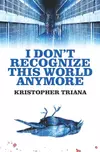
I wish the author dived more into the surrealism and less into the mundane. Big fan of the cover art, though.
it was a plane read that I couldn’t finish before the plane landed. Finished it a few days later.
Way too much quirk for the sake of quirk, but the writing style was deeply admirable. The last 50 or so pages of the book absolutely make up for the slog that was the rest of it.
I wish the author dived more into the surrealism and less into the mundane. Big fan of the cover art, though.


Added to listKristopher Triana Ranked!with 9 books.


Added to list2025 first reads ranked!with 20 books.


Added to listEvery Chapter Book I've Ever Finished Ranked!with 30 books.
Added to list2025 first reads book cover rankingwith 20 books.
This book perfectly highlights why I think Kristopher Triana rises so far above his peers. None of them could write a novella like this.
Triana always said he preferred writing thrillers to extreme horror and we really see how that shines here. What makes Triana’s writing so special is that the violence has true weight to it. Never does it feel over the top or exploitative.
The entire book up until the ending was tense. I was only gonna read a single chapter last night but I stayed up an extra hour to finish it because of how tense it was.
I didn’t like the ending. It felt like a bit of a cop out. It’s probably the only Triana story I’ve read where the ending was the worst part, but if anything that just highlights how great the rest of the book is.
I really do enjoy when Triana shies away from extreme horror and writes disturbing stories that aren’t scary. My two 5-star reads from him are psychological thrillers.
This book perfectly highlights why I think Kristopher Triana rises so far above his peers. None of them could write a novella like this.
Triana always said he preferred writing thrillers to extreme horror and we really see how that shines here. What makes Triana’s writing so special is that the violence has true weight to it. Never does it feel over the top or exploitative.
The entire book up until the ending was tense. I was only gonna read a single chapter last night but I stayed up an extra hour to finish it because of how tense it was.
I didn’t like the ending. It felt like a bit of a cop out. It’s probably the only Triana story I’ve read where the ending was the worst part, but if anything that just highlights how great the rest of the book is.
I really do enjoy when Triana shies away from extreme horror and writes disturbing stories that aren’t scary. My two 5-star reads from him are psychological thrillers.