
Syndrie

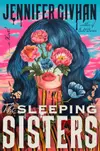
Blending indigenous lore with a modern day murder mystery, “The Sleeping Sisters” gives us a unique story that you’ll probably find hard to predict.
The mystery aspects of this novel work really well in my opinion. There’s just enough unreliable narration to make you question everything you think you know about the story, while also managing to keep a steady pace up as more and more details are revealed. The supernatural elements weaved in also do a great job of muddying the truth and making it more difficult to predict the culprit early on, which I was very pleased about! Overall I was very happy with the way the story developed and definitely satisfied with the ending as well!
I was originally going back and forth on if I should rate this 3 or 4 stars, but eventually settled on 3 stars because there were multiple times when I felt the story was just too vague — mainly with Fortuna’s POV chapters. She’s clearly written in a way that’s supposed to confuse the reader and make them wonder if they can trust her, but too many parts of her perspective felt too much like a fever dream instead of simply being confusing enough to make you question the truth. But because this seems to be an intentional choice I wouldn’t consider this to be poor writing or anything since it definitely meets the goal of confusing the reader, it’s really more just a matter of this style not really agreeing with my personal taste.
So if you enjoy mystery type novels and don’t mind a little bit of insanity going on inside your narrator’s mind, then this would probably be a great pick for you!
(I received an advance review copy of this book from the publisher, Little, Brown and Company, via NetGalley and I am leaving this review voluntarily. All opinions are my own.)
Blending indigenous lore with a modern day murder mystery, “The Sleeping Sisters” gives us a unique story that you’ll probably find hard to predict.
The mystery aspects of this novel work really well in my opinion. There’s just enough unreliable narration to make you question everything you think you know about the story, while also managing to keep a steady pace up as more and more details are revealed. The supernatural elements weaved in also do a great job of muddying the truth and making it more difficult to predict the culprit early on, which I was very pleased about! Overall I was very happy with the way the story developed and definitely satisfied with the ending as well!
I was originally going back and forth on if I should rate this 3 or 4 stars, but eventually settled on 3 stars because there were multiple times when I felt the story was just too vague — mainly with Fortuna’s POV chapters. She’s clearly written in a way that’s supposed to confuse the reader and make them wonder if they can trust her, but too many parts of her perspective felt too much like a fever dream instead of simply being confusing enough to make you question the truth. But because this seems to be an intentional choice I wouldn’t consider this to be poor writing or anything since it definitely meets the goal of confusing the reader, it’s really more just a matter of this style not really agreeing with my personal taste.
So if you enjoy mystery type novels and don’t mind a little bit of insanity going on inside your narrator’s mind, then this would probably be a great pick for you!
(I received an advance review copy of this book from the publisher, Little, Brown and Company, via NetGalley and I am leaving this review voluntarily. All opinions are my own.)


If someone ever asks you to explain what gaslighting is, you can just tell them to read this book if they really want to find out.
I do love a good cult story but I especially enjoyed this one because it wasn’t too overtly crazy from the beginning. Starting out, you get the feeling that things are a little off-kilter over on Kindred Cove but you can’t really put a finger on exactly what the problem is just yet. As the novel takes you through multiple timelines with focuses on many different characters, the full picture of the island slowly starts to form before coming to—what I found to be—a rather well executed ending.
In some ways this felt a bit more like a dive into the psychology of cults which really enhanced my personal enjoyment of the story. There’s definitely some actual good advice and words of wisdom tucked into the pages of this novel, but they’re surrounded by a bunch of other extremely problematic ideals and expectations—the dangerous part being that those small nuggets of real advice are what lure people into the cult before they’re slowly exposed to more and more of the extremist ideas. So I’d say the story does a good job at accurately highlighting just how cults actually manage to form and gain the communities that keep them running.
I also really liked how the speculative fiction elements were brought into this story as well. I don’t want to give too much away here, so I’ll just say that these elements added an extra level of intrigue while also providing a bit more of a foundation as to why the community of Kindred Cove operates as it does today.
This is one that I read as an audiobook and I’d say that Xe Sands did a great job at narration! She has good pacing, clear enunciation, and the variation in the character voices was also well done. That said, I did have a little trouble keeping track of the multitude of timelines going on in this story while purely relying on the audiobook—but once I picked up a copy of the ebook to read alongside the audio I found it much easier to follow along. I will say that I’m not someone that picks up audiobooks very often though, so there’s definitely a chance that those who have more experience with them won’t have the same trouble that I did!
Overall I’d definitely recommend this to readers who already enjoy cult stories, although I would say that if you aren’t really a fan of slower paced or highly character focused stories then this might not be the best option for you. But for readers who are looking to dive right into a character’s mind and hang on for the ride then this could be a good option for you!
(I received an advance listening copy of this book from Macmillan Audio via NetGalley and I am leaving this review voluntarily. All opinions are my own.)
If someone ever asks you to explain what gaslighting is, you can just tell them to read this book if they really want to find out.
I do love a good cult story but I especially enjoyed this one because it wasn’t too overtly crazy from the beginning. Starting out, you get the feeling that things are a little off-kilter over on Kindred Cove but you can’t really put a finger on exactly what the problem is just yet. As the novel takes you through multiple timelines with focuses on many different characters, the full picture of the island slowly starts to form before coming to—what I found to be—a rather well executed ending.
In some ways this felt a bit more like a dive into the psychology of cults which really enhanced my personal enjoyment of the story. There’s definitely some actual good advice and words of wisdom tucked into the pages of this novel, but they’re surrounded by a bunch of other extremely problematic ideals and expectations—the dangerous part being that those small nuggets of real advice are what lure people into the cult before they’re slowly exposed to more and more of the extremist ideas. So I’d say the story does a good job at accurately highlighting just how cults actually manage to form and gain the communities that keep them running.
I also really liked how the speculative fiction elements were brought into this story as well. I don’t want to give too much away here, so I’ll just say that these elements added an extra level of intrigue while also providing a bit more of a foundation as to why the community of Kindred Cove operates as it does today.
This is one that I read as an audiobook and I’d say that Xe Sands did a great job at narration! She has good pacing, clear enunciation, and the variation in the character voices was also well done. That said, I did have a little trouble keeping track of the multitude of timelines going on in this story while purely relying on the audiobook—but once I picked up a copy of the ebook to read alongside the audio I found it much easier to follow along. I will say that I’m not someone that picks up audiobooks very often though, so there’s definitely a chance that those who have more experience with them won’t have the same trouble that I did!
Overall I’d definitely recommend this to readers who already enjoy cult stories, although I would say that if you aren’t really a fan of slower paced or highly character focused stories then this might not be the best option for you. But for readers who are looking to dive right into a character’s mind and hang on for the ride then this could be a good option for you!
(I received an advance listening copy of this book from Macmillan Audio via NetGalley and I am leaving this review voluntarily. All opinions are my own.)

With a powerful mix of horror and social commentary, “Our Sister’s Keeper” is a book that highlights the — very unfair — expectation for Black women to carry other people’s burdens with a smile on their face and without a single word of complaint.
The story takes place in the town of East Cobb, which is an all-Black community where its citizens are able to live free from the fear of white hatred and oppression. It seems like a utopia from the first few glances, but readers will be able to quickly realize that the peaceful living that the men and women of East Cobb get to experience is only possible in exchange for the ongoing suffering of a select few women. As I got further into the story, my main question was really just “are all of these people really free after all, or is this entire town just a different flavor of slavery?”
Holmes’ prose flows smoothly and the entire book really had me captivated from the very first page — she did a fantastic job of crafting a story that’s emotional, haunting, and thought-provoking. There’s also a perfect balance of characters you want to root for as well as characters you’re going to hate, and I’d say they’re all developed pretty well. Even though I definitely didn’t agree with a lot of the choices made by certain characters in this story, I do think their motivations were laid out clearly and their behaviors made sense in context of their beliefs.
This is probably going to be one of those novels that I’ll keep thinking back on for quite some time. It’s a story that is here to tell a message and does a great job at delivering that message. I’ll definitely be putting this one into my list of favorite Southern gothics and I’ll absolutely be keeping an eye out for whatever Jasmine Holmes comes out with next!
(I received an advance review copy of this book from the publisher, Bindery Books, via NetGalley and I am leaving this review voluntarily. All opinions are my own.)
With a powerful mix of horror and social commentary, “Our Sister’s Keeper” is a book that highlights the — very unfair — expectation for Black women to carry other people’s burdens with a smile on their face and without a single word of complaint.
The story takes place in the town of East Cobb, which is an all-Black community where its citizens are able to live free from the fear of white hatred and oppression. It seems like a utopia from the first few glances, but readers will be able to quickly realize that the peaceful living that the men and women of East Cobb get to experience is only possible in exchange for the ongoing suffering of a select few women. As I got further into the story, my main question was really just “are all of these people really free after all, or is this entire town just a different flavor of slavery?”
Holmes’ prose flows smoothly and the entire book really had me captivated from the very first page — she did a fantastic job of crafting a story that’s emotional, haunting, and thought-provoking. There’s also a perfect balance of characters you want to root for as well as characters you’re going to hate, and I’d say they’re all developed pretty well. Even though I definitely didn’t agree with a lot of the choices made by certain characters in this story, I do think their motivations were laid out clearly and their behaviors made sense in context of their beliefs.
This is probably going to be one of those novels that I’ll keep thinking back on for quite some time. It’s a story that is here to tell a message and does a great job at delivering that message. I’ll definitely be putting this one into my list of favorite Southern gothics and I’ll absolutely be keeping an eye out for whatever Jasmine Holmes comes out with next!
(I received an advance review copy of this book from the publisher, Bindery Books, via NetGalley and I am leaving this review voluntarily. All opinions are my own.)
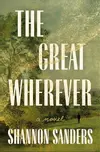
This is a beautiful story that does a fantastic job at telling a family’s story across multiple generations. Interweaving multiple timelines and following many characters, this is a heartfelt tale that’ll give you a great understanding about who the people of the Lamb family truly are — and maybe make you feel a bit like you’re part of the family as well.
Sitting at just over 400 pages, I’m amazed at how much story is packed into this one novel without the plot ever feeling rushed. Even though the majority of the focus really lies across three different timelines, there’s still a good number of looks at some of the in-between timelines as well. So there’s definitely a bunch of characters in this one, but I found that they were all introduced in a way that made it very easy to remember them all distinctly (and I say that as somebody who often gets tripped up when it comes to large casts). It also helps that each of the characters really felt like they stood out as their own person and were both memorable and — for the most part — lovable as well. I found myself really wanting to root for the members of the Lamb family and hoped that they would make the right decisions in the end.
I also really loved having parts of the story come from the perspectives of the family ghosts as well. It really added a unique element to the standard family drama formula and I thought that having the ghosts directly address the reader really gave off a sense of welcoming. This isn’t just a case of a story being told to you, it’s an invitation to join in and really embrace the family as a whole.
Overall I would highly recommend this to readers of family dramas, especially if you love when they span across multiple generations! I don’t want to spoil too much but I will say this one does tackle some heavier topics — racism of course being one of the big ones — but even with the tragic moments that come up, I do feel like the overall story really gave off a more hopeful vibe. I was very satisfied with the ending and feel like it stopped at the perfect spot.
(I received an advance review copy of this book from the publisher, Henry Holt & Company, via NetGalley and I am leaving this review voluntarily. All opinions are my own.)
This is a beautiful story that does a fantastic job at telling a family’s story across multiple generations. Interweaving multiple timelines and following many characters, this is a heartfelt tale that’ll give you a great understanding about who the people of the Lamb family truly are — and maybe make you feel a bit like you’re part of the family as well.
Sitting at just over 400 pages, I’m amazed at how much story is packed into this one novel without the plot ever feeling rushed. Even though the majority of the focus really lies across three different timelines, there’s still a good number of looks at some of the in-between timelines as well. So there’s definitely a bunch of characters in this one, but I found that they were all introduced in a way that made it very easy to remember them all distinctly (and I say that as somebody who often gets tripped up when it comes to large casts). It also helps that each of the characters really felt like they stood out as their own person and were both memorable and — for the most part — lovable as well. I found myself really wanting to root for the members of the Lamb family and hoped that they would make the right decisions in the end.
I also really loved having parts of the story come from the perspectives of the family ghosts as well. It really added a unique element to the standard family drama formula and I thought that having the ghosts directly address the reader really gave off a sense of welcoming. This isn’t just a case of a story being told to you, it’s an invitation to join in and really embrace the family as a whole.
Overall I would highly recommend this to readers of family dramas, especially if you love when they span across multiple generations! I don’t want to spoil too much but I will say this one does tackle some heavier topics — racism of course being one of the big ones — but even with the tragic moments that come up, I do feel like the overall story really gave off a more hopeful vibe. I was very satisfied with the ending and feel like it stopped at the perfect spot.
(I received an advance review copy of this book from the publisher, Henry Holt & Company, via NetGalley and I am leaving this review voluntarily. All opinions are my own.)
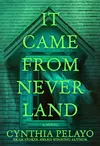
With a much darker twist on a children's story many of us are already familiar with, "It Came From Neverland" presents a version of Peter Pan that is both haunting and predatory while also exploring the long-term effects of childhood trauma.
I really liked how this one was less of an in-your-face gory horror story and leaned more into psychological horror aspects (although there definitely is some gore in here). The Darling children all managed to escape Neverland as children but now it's twelve years later and weird things are starting to happen around them. It starts out with small things such as the appearance of oddly behaving crows and slowly ramps up into bigger and more threatening scares. I personally enjoyed the slower pace so the tension was given full time to grow throughout the story, although I will admit some parts did get a little bit repetitive at times. I also kind of wish there had been a little more detail about what the siblings experienced back in Neverland, but the flashbacks that we do get were pretty good at painting a picture of a Peter who was cruel and sadistic.
I don't want to give too much away because I think that the sense of creeping dread is the shining star here. In some ways the escalation might seem a tad predictable, but I think that also goes to show that the story develops at a sensible level instead of trying to rely on things like shock value and crazy plot twists in order to keep the reader's attention.
Overall I enjoyed this one a lot and would definitely recommend it to other readers who enjoy stories that portray a darker side of the children's stories and fairy tales we all grew up with!
(I received an advance review copy of this book from the publisher, Crooked Lane Books, via NetGalley and I am leaving this review voluntarily. All opinions are my own.)
With a much darker twist on a children's story many of us are already familiar with, "It Came From Neverland" presents a version of Peter Pan that is both haunting and predatory while also exploring the long-term effects of childhood trauma.
I really liked how this one was less of an in-your-face gory horror story and leaned more into psychological horror aspects (although there definitely is some gore in here). The Darling children all managed to escape Neverland as children but now it's twelve years later and weird things are starting to happen around them. It starts out with small things such as the appearance of oddly behaving crows and slowly ramps up into bigger and more threatening scares. I personally enjoyed the slower pace so the tension was given full time to grow throughout the story, although I will admit some parts did get a little bit repetitive at times. I also kind of wish there had been a little more detail about what the siblings experienced back in Neverland, but the flashbacks that we do get were pretty good at painting a picture of a Peter who was cruel and sadistic.
I don't want to give too much away because I think that the sense of creeping dread is the shining star here. In some ways the escalation might seem a tad predictable, but I think that also goes to show that the story develops at a sensible level instead of trying to rely on things like shock value and crazy plot twists in order to keep the reader's attention.
Overall I enjoyed this one a lot and would definitely recommend it to other readers who enjoy stories that portray a darker side of the children's stories and fairy tales we all grew up with!
(I received an advance review copy of this book from the publisher, Crooked Lane Books, via NetGalley and I am leaving this review voluntarily. All opinions are my own.)

This is being marketed as a "'Sleeping Beauty' retelling about escapism, grief, and dreaming of a better world" and I'd have to say it definitely does deliver on that promise. The story is filled with characters who are suffering from loss, depression, and just feeling like they don't fit into the world they were born into and who desire to have a better/happier life — even if that other life happens to exist only in a dream world.
I think Cindy did a great job with presenting really accurate portrayals of depression and I think many readers who have also experienced depression in their own lives will find some very relatable thoughts and behaviors in here. But even though a lot of the story is focusing on the characters having to fight their demons — whether mental or physical — there's still a bit of a light at the end of the tunnel here. I wasn't too sure about the ending at first, but after sitting with it for a bit I have to say I'm rather pleased with how it was wrapped up and what the underlying message seems to be here.
The writing style tends to lean a bit more to the side of purple prose here with some really beautiful lush descriptions, but sometimes it does get a bit awkward. I think jumping between timelines where we're in the dream world in one POV and suddenly jumping to another POV taking place 100 years in the past in the real world throws things off a bit. You start to get used to reading about all the beautiful scenery and magic in the dream world before suddenly get thrown back to reality where things just aren't as beautiful. I do like the idea of that dichotomy in theory, but in this case it felt more like the story's momentum was being reset every new chapter.
I'd also say that the character development is lacking, but moreso in the sense that the buildup just wasn't there for me. The characters definitely do have some development but it didn't really feel very impactful overall and it their relationships with each other seemed to develop way too fast — most especially between Briar Rose and Corin. It definitely felt like way more telling was going on rather than showing. That said, I was interested in Amelia and Malicine's stories in particular and found that their POV chapters kept my attention way more than Corin's chapters.
Overall I think this story had some really solid ideas behind it, but it just didn't hit the execution as strongly as I hoped it would.
(I received an advance review copy of this book from the publisher, Kokila, via NetGalley and I am leaving this review voluntarily. All opinions are my own.)
This is being marketed as a "'Sleeping Beauty' retelling about escapism, grief, and dreaming of a better world" and I'd have to say it definitely does deliver on that promise. The story is filled with characters who are suffering from loss, depression, and just feeling like they don't fit into the world they were born into and who desire to have a better/happier life — even if that other life happens to exist only in a dream world.
I think Cindy did a great job with presenting really accurate portrayals of depression and I think many readers who have also experienced depression in their own lives will find some very relatable thoughts and behaviors in here. But even though a lot of the story is focusing on the characters having to fight their demons — whether mental or physical — there's still a bit of a light at the end of the tunnel here. I wasn't too sure about the ending at first, but after sitting with it for a bit I have to say I'm rather pleased with how it was wrapped up and what the underlying message seems to be here.
The writing style tends to lean a bit more to the side of purple prose here with some really beautiful lush descriptions, but sometimes it does get a bit awkward. I think jumping between timelines where we're in the dream world in one POV and suddenly jumping to another POV taking place 100 years in the past in the real world throws things off a bit. You start to get used to reading about all the beautiful scenery and magic in the dream world before suddenly get thrown back to reality where things just aren't as beautiful. I do like the idea of that dichotomy in theory, but in this case it felt more like the story's momentum was being reset every new chapter.
I'd also say that the character development is lacking, but moreso in the sense that the buildup just wasn't there for me. The characters definitely do have some development but it didn't really feel very impactful overall and it their relationships with each other seemed to develop way too fast — most especially between Briar Rose and Corin. It definitely felt like way more telling was going on rather than showing. That said, I was interested in Amelia and Malicine's stories in particular and found that their POV chapters kept my attention way more than Corin's chapters.
Overall I think this story had some really solid ideas behind it, but it just didn't hit the execution as strongly as I hoped it would.
(I received an advance review copy of this book from the publisher, Kokila, via NetGalley and I am leaving this review voluntarily. All opinions are my own.)


Usually I'm rather good at picking up on foreshadowing and being able to correctly guess the answers behind mysteries in thriller novels but "An Immaculate Deception" was one of the few that has managed to blindside me, and I'm glad that it did!
This is a rather fast paced novel that definitely leans more to the sides of psychological or domestic thriller, and I'd have to say it's a pretty strong debut! Although some parts of the prose did feel a bit lackluster to me, I think Livino did a great job at portraying the character's emotions and that helped make up for the more lackluster areas. You could definitely feel Madalena's fear growing day by day alongside Leandro's increasing inner turmoil. The rather quick plot development made this into a real page-turner for me and I just wanted to keep reading so I could figure out exactly what was going on between Madalena, Leandro, and the mysterious Doctor Lobo.
The novel is split into two different parts with the first being in Madalena's POV and the second in Leandro's and I think this was the perfect layout for this particular story. Having both of their perspectives really added an additional layer of depth to the story and made the reveals much more satisfying in the end. This is definitely one of those novels where you'll be able to appreciate the first half way more after finishing the whole thing.
I'd definitely recommend this to fans of gothic thrillers who are looking for a quick, entertaining read! There are some horror elements but it's not overly grotesque or frightening, so it might be a good pick for readers who aren't too good with horror but want to take a chance on a darker story.
(I received an advance review copy of this book from the publisher, Dutton, via NetGalley and I am leaving this review voluntarily. All opinions are my own.)
Usually I'm rather good at picking up on foreshadowing and being able to correctly guess the answers behind mysteries in thriller novels but "An Immaculate Deception" was one of the few that has managed to blindside me, and I'm glad that it did!
This is a rather fast paced novel that definitely leans more to the sides of psychological or domestic thriller, and I'd have to say it's a pretty strong debut! Although some parts of the prose did feel a bit lackluster to me, I think Livino did a great job at portraying the character's emotions and that helped make up for the more lackluster areas. You could definitely feel Madalena's fear growing day by day alongside Leandro's increasing inner turmoil. The rather quick plot development made this into a real page-turner for me and I just wanted to keep reading so I could figure out exactly what was going on between Madalena, Leandro, and the mysterious Doctor Lobo.
The novel is split into two different parts with the first being in Madalena's POV and the second in Leandro's and I think this was the perfect layout for this particular story. Having both of their perspectives really added an additional layer of depth to the story and made the reveals much more satisfying in the end. This is definitely one of those novels where you'll be able to appreciate the first half way more after finishing the whole thing.
I'd definitely recommend this to fans of gothic thrillers who are looking for a quick, entertaining read! There are some horror elements but it's not overly grotesque or frightening, so it might be a good pick for readers who aren't too good with horror but want to take a chance on a darker story.
(I received an advance review copy of this book from the publisher, Dutton, via NetGalley and I am leaving this review voluntarily. All opinions are my own.)
