
Kyrie



Added to listKindle Cleaningwith 409 books.


Added to listRead 2020 To 2024with 510 books.


Added to listRead 2020 To 2024with 541 books.



Maid for Montero was filled to the brim with clichés, but the book had its moments.
I went in expecting a cheesy romance, and while there was plenty of cheese to be had (as well as some confusing POV jumps, and time skips), I enjoyed it a bit more than I thought I would, given the synopsis.
It was less...sleazy, that's the word I'm looking for. It was less sleazy than the synopsis makes the premise sound.
Zoe, the heroine, went a long way towards making this a bearable read. The woman deserves some sort of award for being the first pure romance heroine I've read in ages who realizes that it isn't right to look down on other women's love lives.
A vet who recently went through a pretty bad divorce was flirting it up with Isandro (the love interest) at a party, and Zoe began to mentally tear down the lady vet for putting her grubby, recently-divorced hands all over him. But then...
Zoe felt a stab of shame. The woman was vulnerable and needed sympathy, not catty remarks behind her back. She actually deserved admiration - she had come out fighting after being kicked in the teeth.
That sentiment isn't returned later by the lady vet, but still! I was just so happy to see Zoe realize that what she was doing wasn't fair to the lady vet.
The POV jumps and time skips made the story line somewhat difficult to keep up with. You can understand the story just fine, but everything is just kind of jumbled together.
For instance, the book starts with Isandro's perspective, and then Zoe walks into the room and the story switches to Zoe's perspective in the next paragraph, and then a few paragraphs later it goes right back to Isandro.
The back-and-forth is fine in the first half of the book or so, and gives a nice look at how both Isandro and Zoe are reading the situation as it happens. But after their inevitable hook-up, things just kind of fall to pieces.
The POV jumps increase, until we're switching between perspectives with every paragraph in some places, and then there will be paragraphs that switch from third person to first person, which is the only indication given that you're suddenly hearing Zoe or Isandro's personal thoughts, as they're thinking them.
That could have just been a formatting error, I suppose. You'd normally expect to see inner monologue set in italics, but these were the same font as everything else in the book.
Finally, the last quarter of the book starts jumping forward in time, skipping over huge chunks of Zoe and Isandro's relationship. They'll be talking about one thing one moment, and then the next it's a week later, and their previous conversation (usually) never gets mentioned again. There are a few occasions where the conversation is plot critical, and it gets mentioned once more. At the end of the book.
Maid for Montero was filled to the brim with clichés, but the book had its moments.
I went in expecting a cheesy romance, and while there was plenty of cheese to be had (as well as some confusing POV jumps, and time skips), I enjoyed it a bit more than I thought I would, given the synopsis.
It was less...sleazy, that's the word I'm looking for. It was less sleazy than the synopsis makes the premise sound.
Zoe, the heroine, went a long way towards making this a bearable read. The woman deserves some sort of award for being the first pure romance heroine I've read in ages who realizes that it isn't right to look down on other women's love lives.
A vet who recently went through a pretty bad divorce was flirting it up with Isandro (the love interest) at a party, and Zoe began to mentally tear down the lady vet for putting her grubby, recently-divorced hands all over him. But then...
Zoe felt a stab of shame. The woman was vulnerable and needed sympathy, not catty remarks behind her back. She actually deserved admiration - she had come out fighting after being kicked in the teeth.
That sentiment isn't returned later by the lady vet, but still! I was just so happy to see Zoe realize that what she was doing wasn't fair to the lady vet.
The POV jumps and time skips made the story line somewhat difficult to keep up with. You can understand the story just fine, but everything is just kind of jumbled together.
For instance, the book starts with Isandro's perspective, and then Zoe walks into the room and the story switches to Zoe's perspective in the next paragraph, and then a few paragraphs later it goes right back to Isandro.
The back-and-forth is fine in the first half of the book or so, and gives a nice look at how both Isandro and Zoe are reading the situation as it happens. But after their inevitable hook-up, things just kind of fall to pieces.
The POV jumps increase, until we're switching between perspectives with every paragraph in some places, and then there will be paragraphs that switch from third person to first person, which is the only indication given that you're suddenly hearing Zoe or Isandro's personal thoughts, as they're thinking them.
That could have just been a formatting error, I suppose. You'd normally expect to see inner monologue set in italics, but these were the same font as everything else in the book.
Finally, the last quarter of the book starts jumping forward in time, skipping over huge chunks of Zoe and Isandro's relationship. They'll be talking about one thing one moment, and then the next it's a week later, and their previous conversation (usually) never gets mentioned again. There are a few occasions where the conversation is plot critical, and it gets mentioned once more. At the end of the book.

I really enjoyed My Japanese Husband STILL Thinks I'm Crazy. So, when I had to go back onto Amazon to find bookshelves that could actually hold larger books, I found myself thinking, “Still was the second one...I wonder how much the first one's going for?”
And the answer was “free”.
The second book felt longer than this one, and felt like it contained more actual comics, but the content in this book was still pretty amusing/informative. A good chunk of the book is dedicated to covering proper onsen etiquette, which was really neat.
Also rabbit cafes.They are a thing, and they are ADORABLE.
I wonder if I could trick...er, I mean talk my husband into looking at whether or not a rabbit cafe would be feasible in the US. He did say he would like to open a tea shop of some sort...>__>
I really enjoyed My Japanese Husband STILL Thinks I'm Crazy. So, when I had to go back onto Amazon to find bookshelves that could actually hold larger books, I found myself thinking, “Still was the second one...I wonder how much the first one's going for?”
And the answer was “free”.
The second book felt longer than this one, and felt like it contained more actual comics, but the content in this book was still pretty amusing/informative. A good chunk of the book is dedicated to covering proper onsen etiquette, which was really neat.
Also rabbit cafes.They are a thing, and they are ADORABLE.
I wonder if I could trick...er, I mean talk my husband into looking at whether or not a rabbit cafe would be feasible in the US. He did say he would like to open a tea shop of some sort...>__>

I originally set out to read the entire Gor series. Here I am, at the end of the fourth book...and I'm seriously rethinking that commitment.
Cabot just keeps getting more unlikeable as the series progresses. At this point, he's only heroic in comparison to uncivilized men around him. And it's not like Cabot's an anti-hero, where walking the line between “good” and “horrible” is the point of the character - Cabot is supposed to be all-around good guy.
Remember Talena? Because Cabot sure doesn't!
Much like the biggest issue I had with the third book in the series, Priest-Kings of Gor, Cabot has stopped looking on Gorean society through the lens of somebody from Earth, and started lumping himself in with the Goreans. Cabot's impartiality is thrown out the window, so his occasional rants about women on Earth vs women on Gor come across as less cultural comparisons, and more Cabot complaining about Earth women not being like Gorean women.
The Gorean master, commonly, likes a spirited girl, who fights the whip and collar, resisting until at last, perhaps months later, she is overwhelmed and must acknowledge herself his, utterly and without reservation, then fearing only that he might tire of her and sell her to another.
So, basically, until the women develop Stockholm Syndrome.
Nomads started off decently enough, all things considered, with the introduction of a new Gorean culture. Things were going pretty well. And then, Elizabeth Cardwell showed up.
Poor, poor Elizabeth.
When Elizabeth's first introduced, she's terrified out of her mind, and has no idea what's going on. She can only speak English, and is worried that she's going crazy.
So what does our hero, Cabot, do when he finds out that she's from Earth?
Nothing.
He just stands and watches her freak out, until Kamchak finds out that Cabot can understand the girl, and gets Cabot to be a translator. Things just go downhill from there.
The middle chunk of the book turns the focus away from Elizabeth, but it's just full of inconsistencies and obliviousness on Cabot's part. He repeats information that he just found out as though he'd known it for a while.
I remembered that two years before, as I had learned, he had brought Aphris of Turia a five-string diamond necklace, which she had scorned, and had, according to her report at least, given to a slave.
Aphris and Kamchak discussed that event not five pages before, which was the first time Cabot had heard that story.
He doesn't pick up on the fact that Saphar the Merchant is clearly involved with the whole Elizabeth plot - the guy knows Cabot's name, the collar on Elizabeth was Turian, and Saphar's first order of business with Kamchak is to discuss potentially buying the freaking Priest King egg. When Kamchak refuses every offer, Saphar declares that he will have the egg, even if he has to start a war with the Tuchuk to do so.
And yet -
In Turia I had learned nothing, unfortunately, of the answers to the mystery of the message collar or to the appearance of Miss Elizabeth Cardwell on the southern plains of Gor.
Cabot buys some wine because Kamchak paid for admission tickets to see a slave girl dance, even though Cabot was the one who lost the bet for who had to pay for the admissions, and there was a scene of him grudgingly giving the payment to Kamchak while looking at all of Kamchak's wealth.
He gets stalked around by a person whose job it is to torture and assassinate people, and all Cabot thinks is, “Oh, that guy must be curious about me!”
I noted, following me, as I had more than once, a masked figure, one wearing the hood of the Clan of Torturers. I supposed he was curious about me, not a Tuchuk, not a merchant or singer, yet among the wagons.
But none of that drove me to the breaking point. Frustration, yes - but I was still willingly reading.
No, no, no. The breaking point came after a nice series of action scenes that had me actually enjoying the story.
Kamchak ends up giving Elizabeth to Cabot as a slave. Cabot, as he often does, frees Elizabeth. Elizabeth, by now thoroughly immersed in Gorean culture, takes the gesture as Cabot not thinking that she's worth anything, and haughtily acts like an offended slave girl.
And then the point of no return is reached.
She seemed to me very beautiful. Again I considered raping her, but now that she was free, no longer a simple slave, I supposed that it would be improper.
YOU SUPPOSE???I was sure that I had read the sentence wrong the first time Cabot casually thought about raping Elizabeth. And then that second rape comment happened.
It would be one thing for Cabot to admire her beauty, and think about how he wanted to have sex with Elizabeth. That, I could accept. But the way Cabot phrased it? Oh HELLS no.
And it still managed to get worse.
The institution of freedom for women, I decided as many Goreans believed, was a mistake.
What follows after that is a very uncomfortable implied sex scene between Elizabeth and Cabot, where Elizabeth challenges Cabot's theory that all women long to be slaves to men - or rather, to a certain man. Elizabeth bets that she'd never truly wish to be a slave, and that if Cabot can make her wish otherwise, then HE has to be HER slave for a while.
Naturally, such an arrangement is offensive to Cabot.
Anyway, Cabot does finally agree to her terms, and sets about sexing Elizabeth up, which leads to Elizabeth admitting that she's in love with Cabot (of course) and that she wants to be owned by him. She also develops a split personality, and starts referring to herself with the plural “we” - Elizabeth, the girl from Earth, and Vella, the Gorean slave. Both of whom intend on competing against each other for Cabot's affection.
“We love you,” said they, “Master.”
After that creepy as hell scene, the action picks back up, and the ending only further proves what an idiot Cabot is.
“Pa-Kur,” I said, “defeated in personal combat on the high roof of the Cylinder of Justice in Ar, turned and to avoid capture threw himself over the ledge. I do not think he could fly.”
“Was the body recovered?” Kamchak asked again.
“No,” I said. “But what does it matter?”
“It would matter to a Tuchuk,” said Kamchak.
Please, please let Assassin of Gor be about Parkur getting revenge on Cabot. I know Parkur won't stay alive, but if he manages to at least make Cabot miserable for a while, I'll be happy.
I originally set out to read the entire Gor series. Here I am, at the end of the fourth book...and I'm seriously rethinking that commitment.
Cabot just keeps getting more unlikeable as the series progresses. At this point, he's only heroic in comparison to uncivilized men around him. And it's not like Cabot's an anti-hero, where walking the line between “good” and “horrible” is the point of the character - Cabot is supposed to be all-around good guy.
Remember Talena? Because Cabot sure doesn't!
Much like the biggest issue I had with the third book in the series, Priest-Kings of Gor, Cabot has stopped looking on Gorean society through the lens of somebody from Earth, and started lumping himself in with the Goreans. Cabot's impartiality is thrown out the window, so his occasional rants about women on Earth vs women on Gor come across as less cultural comparisons, and more Cabot complaining about Earth women not being like Gorean women.
The Gorean master, commonly, likes a spirited girl, who fights the whip and collar, resisting until at last, perhaps months later, she is overwhelmed and must acknowledge herself his, utterly and without reservation, then fearing only that he might tire of her and sell her to another.
So, basically, until the women develop Stockholm Syndrome.
Nomads started off decently enough, all things considered, with the introduction of a new Gorean culture. Things were going pretty well. And then, Elizabeth Cardwell showed up.
Poor, poor Elizabeth.
When Elizabeth's first introduced, she's terrified out of her mind, and has no idea what's going on. She can only speak English, and is worried that she's going crazy.
So what does our hero, Cabot, do when he finds out that she's from Earth?
Nothing.
He just stands and watches her freak out, until Kamchak finds out that Cabot can understand the girl, and gets Cabot to be a translator. Things just go downhill from there.
The middle chunk of the book turns the focus away from Elizabeth, but it's just full of inconsistencies and obliviousness on Cabot's part. He repeats information that he just found out as though he'd known it for a while.
I remembered that two years before, as I had learned, he had brought Aphris of Turia a five-string diamond necklace, which she had scorned, and had, according to her report at least, given to a slave.
Aphris and Kamchak discussed that event not five pages before, which was the first time Cabot had heard that story.
He doesn't pick up on the fact that Saphar the Merchant is clearly involved with the whole Elizabeth plot - the guy knows Cabot's name, the collar on Elizabeth was Turian, and Saphar's first order of business with Kamchak is to discuss potentially buying the freaking Priest King egg. When Kamchak refuses every offer, Saphar declares that he will have the egg, even if he has to start a war with the Tuchuk to do so.
And yet -
In Turia I had learned nothing, unfortunately, of the answers to the mystery of the message collar or to the appearance of Miss Elizabeth Cardwell on the southern plains of Gor.
Cabot buys some wine because Kamchak paid for admission tickets to see a slave girl dance, even though Cabot was the one who lost the bet for who had to pay for the admissions, and there was a scene of him grudgingly giving the payment to Kamchak while looking at all of Kamchak's wealth.
He gets stalked around by a person whose job it is to torture and assassinate people, and all Cabot thinks is, “Oh, that guy must be curious about me!”
I noted, following me, as I had more than once, a masked figure, one wearing the hood of the Clan of Torturers. I supposed he was curious about me, not a Tuchuk, not a merchant or singer, yet among the wagons.
But none of that drove me to the breaking point. Frustration, yes - but I was still willingly reading.
No, no, no. The breaking point came after a nice series of action scenes that had me actually enjoying the story.
Kamchak ends up giving Elizabeth to Cabot as a slave. Cabot, as he often does, frees Elizabeth. Elizabeth, by now thoroughly immersed in Gorean culture, takes the gesture as Cabot not thinking that she's worth anything, and haughtily acts like an offended slave girl.
And then the point of no return is reached.
She seemed to me very beautiful. Again I considered raping her, but now that she was free, no longer a simple slave, I supposed that it would be improper.
YOU SUPPOSE???I was sure that I had read the sentence wrong the first time Cabot casually thought about raping Elizabeth. And then that second rape comment happened.
It would be one thing for Cabot to admire her beauty, and think about how he wanted to have sex with Elizabeth. That, I could accept. But the way Cabot phrased it? Oh HELLS no.
And it still managed to get worse.
The institution of freedom for women, I decided as many Goreans believed, was a mistake.
What follows after that is a very uncomfortable implied sex scene between Elizabeth and Cabot, where Elizabeth challenges Cabot's theory that all women long to be slaves to men - or rather, to a certain man. Elizabeth bets that she'd never truly wish to be a slave, and that if Cabot can make her wish otherwise, then HE has to be HER slave for a while.
Naturally, such an arrangement is offensive to Cabot.
Anyway, Cabot does finally agree to her terms, and sets about sexing Elizabeth up, which leads to Elizabeth admitting that she's in love with Cabot (of course) and that she wants to be owned by him. She also develops a split personality, and starts referring to herself with the plural “we” - Elizabeth, the girl from Earth, and Vella, the Gorean slave. Both of whom intend on competing against each other for Cabot's affection.
“We love you,” said they, “Master.”
After that creepy as hell scene, the action picks back up, and the ending only further proves what an idiot Cabot is.
“Pa-Kur,” I said, “defeated in personal combat on the high roof of the Cylinder of Justice in Ar, turned and to avoid capture threw himself over the ledge. I do not think he could fly.”
“Was the body recovered?” Kamchak asked again.
“No,” I said. “But what does it matter?”
“It would matter to a Tuchuk,” said Kamchak.
Please, please let Assassin of Gor be about Parkur getting revenge on Cabot. I know Parkur won't stay alive, but if he manages to at least make Cabot miserable for a while, I'll be happy.

Evangeline is a prequel to Ever Shade. The short story does an...okay job of setting up the main plot of the series, I suppose? It's less a coherent story, and more hand-picked scenes that led up to the events in the first book.
The two sisters, Evie and Jade, are set up well enough as characters. They're both fire elemental users, and their mother recently died, leaving Jade to take care of Evie, who is her younger, half-Fae half-sister.
I liked the initial world building, where Evie had trouble living in the modern world because of practically everything containing iron. I liked the descriptions of the Fae vs the small fairies. The race had a very folklore friendly feel to it, which I always appreciate. I hate it when Fae are relegated to the miniature, winged creatures that most people picture when you say the word “fairy”.
Small fairies can be cute, don't get me wrong - but that imagining doesn't even begin to do justice to what the term “Fae” truly encompasses. So when I see stories like this that do it right, it makes me happy.
Despite the nice depiction of Fae, though, the second half of the story kind of dissolves into a mess of those hand-picked scenes I mentioned before. Where the first half established at least a sort of narrative, the second half jumps from one moment in time to another - cutting out a few months here and there, along with a handful of context.
Evie and Jade both meet Fae guys when they go into the woods at the beginning. Then, the story jumps to where they've been meeting their guys for a few months. Then, it jumps to Jade's memories being wiped, and Evie being forced to leave her sister behind. It's incredibly jarring, and kind of undermines Jade's memory wipe.
The revelation is written as though we should be as devastated as Evie is that Jade will never remember her, but the two have had so little interaction since the opening chapter and a half of the book that it's hard to feel emotionally connected enough to care.
The series shows promise, at least, and I might check it out. Maybe.
Evangeline is a prequel to Ever Shade. The short story does an...okay job of setting up the main plot of the series, I suppose? It's less a coherent story, and more hand-picked scenes that led up to the events in the first book.
The two sisters, Evie and Jade, are set up well enough as characters. They're both fire elemental users, and their mother recently died, leaving Jade to take care of Evie, who is her younger, half-Fae half-sister.
I liked the initial world building, where Evie had trouble living in the modern world because of practically everything containing iron. I liked the descriptions of the Fae vs the small fairies. The race had a very folklore friendly feel to it, which I always appreciate. I hate it when Fae are relegated to the miniature, winged creatures that most people picture when you say the word “fairy”.
Small fairies can be cute, don't get me wrong - but that imagining doesn't even begin to do justice to what the term “Fae” truly encompasses. So when I see stories like this that do it right, it makes me happy.
Despite the nice depiction of Fae, though, the second half of the story kind of dissolves into a mess of those hand-picked scenes I mentioned before. Where the first half established at least a sort of narrative, the second half jumps from one moment in time to another - cutting out a few months here and there, along with a handful of context.
Evie and Jade both meet Fae guys when they go into the woods at the beginning. Then, the story jumps to where they've been meeting their guys for a few months. Then, it jumps to Jade's memories being wiped, and Evie being forced to leave her sister behind. It's incredibly jarring, and kind of undermines Jade's memory wipe.
The revelation is written as though we should be as devastated as Evie is that Jade will never remember her, but the two have had so little interaction since the opening chapter and a half of the book that it's hard to feel emotionally connected enough to care.
The series shows promise, at least, and I might check it out. Maybe.

The Tropic of Serpents was definitely a step up from A Natural History of Dragons. Not that I thought the first book was bad. There's just a noticeable difference in the pacing and ratio of human/dragon interaction from the first book to the second.
The second book of Lady Trent's memoir opens with the notes on dragon bone preservation being stolen during the yearly symposium. I admirably resisted the urge to shake my fist and scream, “WERNSTROM!!!”
Yep. Definitely resisted the urge. Did not do that. At all.
But, opening scenes aside, the symposium theft didn't really matter. Or at least, it hadn't mattered by the end of the book, and it wasn't even the main focus of the story.
The real plot is centered around Isabella and company going into the Memoir version of a rain forest to study dragons. And then, politics get involved. As opposed to the first book, which was distinctly lacking in actual interactions with dragons, this book actually has Isabella studying living dragons in their natural habitat. It still takes a while to build up to that point, granted, but it's there.
Most of the story is focused on character building, though. There's a wonderful scene, about halfway through the book that was an obvious characterization dump, but hearing the characters speak so frankly about their thoughts and emotions was so sweet that it didn't bother me at all.
The pacing here is much slower than in the first book, and it takes more time to set up the geography and culture of the area, so I definitely enjoyed this one a little more.
The Tropic of Serpents was definitely a step up from A Natural History of Dragons. Not that I thought the first book was bad. There's just a noticeable difference in the pacing and ratio of human/dragon interaction from the first book to the second.
The second book of Lady Trent's memoir opens with the notes on dragon bone preservation being stolen during the yearly symposium. I admirably resisted the urge to shake my fist and scream, “WERNSTROM!!!”
Yep. Definitely resisted the urge. Did not do that. At all.
But, opening scenes aside, the symposium theft didn't really matter. Or at least, it hadn't mattered by the end of the book, and it wasn't even the main focus of the story.
The real plot is centered around Isabella and company going into the Memoir version of a rain forest to study dragons. And then, politics get involved. As opposed to the first book, which was distinctly lacking in actual interactions with dragons, this book actually has Isabella studying living dragons in their natural habitat. It still takes a while to build up to that point, granted, but it's there.
Most of the story is focused on character building, though. There's a wonderful scene, about halfway through the book that was an obvious characterization dump, but hearing the characters speak so frankly about their thoughts and emotions was so sweet that it didn't bother me at all.
The pacing here is much slower than in the first book, and it takes more time to set up the geography and culture of the area, so I definitely enjoyed this one a little more.

I think my priorities may be a bit screwed up here.
I liked Kate just fine. She was a well-crafted character; she was enough of a badass to be cool, but not so much that she was a Mary Sue. Kate had her faults, and she recognized them as faults, but didn't whine and moan about them.
It's not Kate that's got me continuing the series, though.
It's the magic. Oh, am I sucker for a good magic system.
The world has suffered a magic apocalypse. We pushed the technological progress too far, and now magic returned with a vengeance. It comes in waves, without warning, and vanishes as suddenly as it appears. When magic is up, planes drop out of the sky, cars stall, electricity dies. When magic is down, guns work and spells fail.
It's a volatile, screwed-up world. Magic feeds on technology, gnawing down on skyscrapers until most of them topple and fall, leaving only skeletal husks behind. Monsters prowl the ruined streets, werebears and werehyenas stalk their prey; and the Masters of the Dead, necromancers driven by their thirst for knowledge and wealth, pilot blood-crazed vampires with their minds.
From a biological point of view, the transformation of a hundred-and-seventy-pound human into a two-hundred-and-twenty-pound animal made no sense, but when it came to shapeshifting, the fluctuating mass was the least of the anomalies. Magic could not be measured and explained in scientific terms, for magic grew through destroying the very natural principles that made science as people knew it possible.
happy sigh
I think my priorities may be a bit screwed up here.
I liked Kate just fine. She was a well-crafted character; she was enough of a badass to be cool, but not so much that she was a Mary Sue. Kate had her faults, and she recognized them as faults, but didn't whine and moan about them.
It's not Kate that's got me continuing the series, though.
It's the magic. Oh, am I sucker for a good magic system.
The world has suffered a magic apocalypse. We pushed the technological progress too far, and now magic returned with a vengeance. It comes in waves, without warning, and vanishes as suddenly as it appears. When magic is up, planes drop out of the sky, cars stall, electricity dies. When magic is down, guns work and spells fail.
It's a volatile, screwed-up world. Magic feeds on technology, gnawing down on skyscrapers until most of them topple and fall, leaving only skeletal husks behind. Monsters prowl the ruined streets, werebears and werehyenas stalk their prey; and the Masters of the Dead, necromancers driven by their thirst for knowledge and wealth, pilot blood-crazed vampires with their minds.
From a biological point of view, the transformation of a hundred-and-seventy-pound human into a two-hundred-and-twenty-pound animal made no sense, but when it came to shapeshifting, the fluctuating mass was the least of the anomalies. Magic could not be measured and explained in scientific terms, for magic grew through destroying the very natural principles that made science as people knew it possible.
happy sigh

My mom got this and Bunnies' ABC for my daughter for Easter.
There are cute pictures and rhymes to go along with each number, from one to ten. There was a lot more substance to this book than Bunnies' ABC, which was essentially just the alphabet and animal names. “Aa for alligator” and so on. Each number had its own sort of story to go with it, so that the book wasn't just numbers.
My First Counting Book was a fun, easy read - or you know. It would have been if I wasn't reading it out loud while fighting a squirming baby.Ellie didn't try to eat this one though, so I assume that Bunnies' ABC is the better tasting of the two.
My mom got this and Bunnies' ABC for my daughter for Easter.
There are cute pictures and rhymes to go along with each number, from one to ten. There was a lot more substance to this book than Bunnies' ABC, which was essentially just the alphabet and animal names. “Aa for alligator” and so on. Each number had its own sort of story to go with it, so that the book wasn't just numbers.
My First Counting Book was a fun, easy read - or you know. It would have been if I wasn't reading it out loud while fighting a squirming baby.Ellie didn't try to eat this one though, so I assume that Bunnies' ABC is the better tasting of the two.

Scarecrow of Oz is only an “Oz” book by the loosest of definitions. Well, by my definition, anyway. It's much more of a Trot & Cap'n Bill book - those two are the main focus of the story. I mean, for being called “The Scarecrow of Oz”, the Scarecrow doesn't even show up till the final act of the story. But, I guess Baum had to find a way to get around children clamoring for more Oz books somehow.
There are a few new locations added in this book, including an island where something called Pesim was abandoned by its friends for being such a downer. There's also a land where it rains lemonade and snows popcorn. You could feel the whimsy radiating from that entire segment.
The main plot of the story, though, revolves around a secluded section of southern Oz, called Jinxland. They've gone through a bit of a progression of kings - from King Kynd, to King Phearce, to King Krewel. I may have facepalmed every time I had to read one of their names to my daughter.
But there was also this courtier courting King Krewel's niece, Princess Gloria. The courier was named Googly-Goo, which made me laugh so hard. See, we got this weird stuffed toy for my daughter from a parade, and for lack of a better term to describe what it is, I took to calling it “the Googly”.
Trot and Cap'n Bill and company run into a bunch of trouble that the Scarecrow eventually gets them out of, and there's the traditional celebration in the Emerald City. But aside from that, Oz has very little to do with the actual story. I suppose whether or not that's a good thing depends on why you're reading the Oz books.
If you're in it for the descriptions of fun new lands, then you'll probably enjoy this one. But if you're in it to follow up on the characters of previous books...you're going to be disappointed.
Scarecrow of Oz is only an “Oz” book by the loosest of definitions. Well, by my definition, anyway. It's much more of a Trot & Cap'n Bill book - those two are the main focus of the story. I mean, for being called “The Scarecrow of Oz”, the Scarecrow doesn't even show up till the final act of the story. But, I guess Baum had to find a way to get around children clamoring for more Oz books somehow.
There are a few new locations added in this book, including an island where something called Pesim was abandoned by its friends for being such a downer. There's also a land where it rains lemonade and snows popcorn. You could feel the whimsy radiating from that entire segment.
The main plot of the story, though, revolves around a secluded section of southern Oz, called Jinxland. They've gone through a bit of a progression of kings - from King Kynd, to King Phearce, to King Krewel. I may have facepalmed every time I had to read one of their names to my daughter.
But there was also this courtier courting King Krewel's niece, Princess Gloria. The courier was named Googly-Goo, which made me laugh so hard. See, we got this weird stuffed toy for my daughter from a parade, and for lack of a better term to describe what it is, I took to calling it “the Googly”.
Trot and Cap'n Bill and company run into a bunch of trouble that the Scarecrow eventually gets them out of, and there's the traditional celebration in the Emerald City. But aside from that, Oz has very little to do with the actual story. I suppose whether or not that's a good thing depends on why you're reading the Oz books.
If you're in it for the descriptions of fun new lands, then you'll probably enjoy this one. But if you're in it to follow up on the characters of previous books...you're going to be disappointed.

I wouldn't say that these are essential fairy tales that every child should know. It's a fair collection though, from more well-known stories (Cinderella, Hanzel and Gretel, Jack and the Beanstalk) to more obscure stories (The Enchanted Stag, The Fair One with the Golden Locks).
There's a lot of artistic license taken with some of the stories, which is fine in some places. It added padding to otherwise plain stories. Ali Baba and Aladdin were well done in that regard. Some stories were given layers that they really didn't need, though.
I'll use Jack and the Beanstalk as an example.The story is pretty basic, right? Jack and his mother are starving, she sends him to sell their cow for food money, and he trades it for some magic beans. The beans grow into a beanstalk that leads up to a giant's castle, and Jack robs and eventually kills the giant.
Except in this version, Jack is told by a fairy that the giant killed Jack's father, and tried to kill him and his mother, except his mother managed to beg the giant for mercy and ran off before the giant changed his mind. So, the story completely changes from Jack just slaying an evil, man-eating giant to a story of Jack getting revenge for his father's death, and reclaiming the treasure that is rightfully his. Oh, and the fairy will kill Jack if he tells his mother that he knows the truth about his father.
Which...I can understand the intent behind adding in the “Jack's father was killed by the giant” plot line. Rather than coming across as bloodthirsty, Jack is given motivation to slay the giant. It totally changes the story though, and I'll remind you that the point of the book is to tell fairy tales that all children should know.
Then, you have stories like Little Red Riding Hood and The Ugly Duckling, where the message in the original telling is vastly different from more modern interpretations.
In this version of Little Red Riding Hood, it's more hammered in that the wolf is a metaphor for a sexual predator - the first thing he does when Red gets to her grandmother's cabin is to have Red strip naked and climb in bed with him, where he eats her.
And that's it. There's no huntsman who comes to save the day. The story ends with Red being devoured by the wolf. I suppose it's more realistic, in that not every predator will be caught and punished, but that's depressing, even in the realm of depressing children's stories. That's like, Der Struwwelpeter level depressing. (Note: This is the older version of the story, in that regard. Later retellings add in the Huntsman to give the story a happily ever after of sorts.)
Meanwhile, The Ugly Duckling throws in the strange moral of, “It matters nothing if one is born in a duck yard if one has only lain in a swan's egg”, which kind of changes the meaning of the story. The moral that the story usually focuses on judging others by their appearance, but this moral is pretty much the complete opposite. Rather than appearance, it puts emphasis on birth. Okay, yeah, it could be taken to mean that it doesn't matter where you're born, so long as you're a good person. But you know, the Ugly Duckling would have been a swan even if he were a total jerk. That's a matter of birth, not disposition.
I ended up enjoying The Light Princess the most out of all the stories. Maybe in part because it wasn't a fairy tale I was familiar with, so I didn't have as much to nitpick over. It felt very “original creation” in the midst of the classics. And you know, if it WAS an original creation...it was very well done.The characters are developed and not just cut-out fairy tale stereotypes, there are various violent reactions to the usage of puns (which always makes me smile), and the happily ever after feels deserved. There were even some acceptable puns squeezed in there. And that's coming from a woman who has declared a personal vendetta against puns.
Now, there was something odd in her laugh, as I have already hinted, for the hatching of a real hearty laugh requires gravity...
See, it's funny because the princess was cursed to not be affected by gravity...so she floats...but gravity also means “seriousness”. And humor doesn't work without seriousness to play off.
This book also tries to tie as many stories to King Arthur as humanly possible.
Tom Thumb? Magically created by Merlin because he thought it was hilarious that a couple was so desperate for a son that they didn't care if he were only as big as a thumb. Tom Thumb later gets knighted by Arthur.
Jack the Giant Killer? Apparently another one of Arthur's knights, who sent the king presents of the heads of all the giants he killed. He also saves Arthur's son. Which is really kind of a dick move, since Arthur's only son (depending on which version you're reading) is Mordred. You know. The guy fated to kill Arthur. Unless this is some sort of AU Arthurian fanfic from 1905.
Seriously. So many stories in here were unnecessarily tied to Arthur that I was half tempted to put this on my “arthurian” shelf.
And on a final note here, because this is getting rather lengthy, this version of Beauty and the Beast is the closest to the Disney adaptation that I've seen yet. The Beast even gives Beauty a library in this one. I wonder if this is where the adaptation came from...
I wouldn't say that these are essential fairy tales that every child should know. It's a fair collection though, from more well-known stories (Cinderella, Hanzel and Gretel, Jack and the Beanstalk) to more obscure stories (The Enchanted Stag, The Fair One with the Golden Locks).
There's a lot of artistic license taken with some of the stories, which is fine in some places. It added padding to otherwise plain stories. Ali Baba and Aladdin were well done in that regard. Some stories were given layers that they really didn't need, though.
I'll use Jack and the Beanstalk as an example.The story is pretty basic, right? Jack and his mother are starving, she sends him to sell their cow for food money, and he trades it for some magic beans. The beans grow into a beanstalk that leads up to a giant's castle, and Jack robs and eventually kills the giant.
Except in this version, Jack is told by a fairy that the giant killed Jack's father, and tried to kill him and his mother, except his mother managed to beg the giant for mercy and ran off before the giant changed his mind. So, the story completely changes from Jack just slaying an evil, man-eating giant to a story of Jack getting revenge for his father's death, and reclaiming the treasure that is rightfully his. Oh, and the fairy will kill Jack if he tells his mother that he knows the truth about his father.
Which...I can understand the intent behind adding in the “Jack's father was killed by the giant” plot line. Rather than coming across as bloodthirsty, Jack is given motivation to slay the giant. It totally changes the story though, and I'll remind you that the point of the book is to tell fairy tales that all children should know.
Then, you have stories like Little Red Riding Hood and The Ugly Duckling, where the message in the original telling is vastly different from more modern interpretations.
In this version of Little Red Riding Hood, it's more hammered in that the wolf is a metaphor for a sexual predator - the first thing he does when Red gets to her grandmother's cabin is to have Red strip naked and climb in bed with him, where he eats her.
And that's it. There's no huntsman who comes to save the day. The story ends with Red being devoured by the wolf. I suppose it's more realistic, in that not every predator will be caught and punished, but that's depressing, even in the realm of depressing children's stories. That's like, Der Struwwelpeter level depressing. (Note: This is the older version of the story, in that regard. Later retellings add in the Huntsman to give the story a happily ever after of sorts.)
Meanwhile, The Ugly Duckling throws in the strange moral of, “It matters nothing if one is born in a duck yard if one has only lain in a swan's egg”, which kind of changes the meaning of the story. The moral that the story usually focuses on judging others by their appearance, but this moral is pretty much the complete opposite. Rather than appearance, it puts emphasis on birth. Okay, yeah, it could be taken to mean that it doesn't matter where you're born, so long as you're a good person. But you know, the Ugly Duckling would have been a swan even if he were a total jerk. That's a matter of birth, not disposition.
I ended up enjoying The Light Princess the most out of all the stories. Maybe in part because it wasn't a fairy tale I was familiar with, so I didn't have as much to nitpick over. It felt very “original creation” in the midst of the classics. And you know, if it WAS an original creation...it was very well done.The characters are developed and not just cut-out fairy tale stereotypes, there are various violent reactions to the usage of puns (which always makes me smile), and the happily ever after feels deserved. There were even some acceptable puns squeezed in there. And that's coming from a woman who has declared a personal vendetta against puns.
Now, there was something odd in her laugh, as I have already hinted, for the hatching of a real hearty laugh requires gravity...
See, it's funny because the princess was cursed to not be affected by gravity...so she floats...but gravity also means “seriousness”. And humor doesn't work without seriousness to play off.
This book also tries to tie as many stories to King Arthur as humanly possible.
Tom Thumb? Magically created by Merlin because he thought it was hilarious that a couple was so desperate for a son that they didn't care if he were only as big as a thumb. Tom Thumb later gets knighted by Arthur.
Jack the Giant Killer? Apparently another one of Arthur's knights, who sent the king presents of the heads of all the giants he killed. He also saves Arthur's son. Which is really kind of a dick move, since Arthur's only son (depending on which version you're reading) is Mordred. You know. The guy fated to kill Arthur. Unless this is some sort of AU Arthurian fanfic from 1905.
Seriously. So many stories in here were unnecessarily tied to Arthur that I was half tempted to put this on my “arthurian” shelf.
And on a final note here, because this is getting rather lengthy, this version of Beauty and the Beast is the closest to the Disney adaptation that I've seen yet. The Beast even gives Beauty a library in this one. I wonder if this is where the adaptation came from...

I really enjoyed the first book in the Scribes of Medesia series, Mark of the Mage. It was very much a comfort read for me - juuuuust the right sort of fantasy to make me ridiculously happy.
Tempest was a wonderful continuation of the story, and there was plenty of action. But...the story was a lot more focused on romance than the first book was.
Granted, the focus on the romance wasn't...well, it wasn't what you would expect going into a modern fantasy/sci-fi story. It wasn't all big eyes and melting and breathless kisses. There were certainly parts of the book that included those things, but it wasn't the overarching goal of the inclusion of a romantic subplot.
Let's just say that the book spends a lot of time dwelling on various interpretations of that old saying, "It's better to have love and lost, then never loved at all."That shift did change the pacing of the story, though, so that Tempest was a much slower read than Mark of the Mage.
The Sadeemian landscapes and culture helped make up for the slower pace, but there's only so much that descriptions of buildings and religious beliefs can do.
I enjoyed watching Cadeyrn see just how bad things were over in Medesia. Wow. That sounded bad. Okay, let me try to explain that, so it doesn't sound so much like I'm reveling in the pain of the characters.
Alright, so Cadeyrn, the Sadeemian military leader, and second youngest son of the king, has the ability to tell if someone is lying. When Stone and the other rebels eventually meet with him, and tell him about the horrible things that Raemon is doing to their country, he knows that they're telling the truth.
Instead of just resting on that fact, and saying “oh, he knows how bad it is over there - message delivered”, there are many small moments where Cadeyrn will see one of the Medesians react to something that shows him how bad things are. There's a scene at an inn where Cadeyrn is having dinner with the Medesians, and they're quickly wolfing (hehe) down their food. He asks if food is really so scarce in Medesia, and Stone tells him that honestly, the rations they ate as the group crossed the desert were more food than they generally saw.Small moments like that just made me so, so happy.
I really enjoyed the first book in the Scribes of Medesia series, Mark of the Mage. It was very much a comfort read for me - juuuuust the right sort of fantasy to make me ridiculously happy.
Tempest was a wonderful continuation of the story, and there was plenty of action. But...the story was a lot more focused on romance than the first book was.
Granted, the focus on the romance wasn't...well, it wasn't what you would expect going into a modern fantasy/sci-fi story. It wasn't all big eyes and melting and breathless kisses. There were certainly parts of the book that included those things, but it wasn't the overarching goal of the inclusion of a romantic subplot.
Let's just say that the book spends a lot of time dwelling on various interpretations of that old saying, "It's better to have love and lost, then never loved at all."That shift did change the pacing of the story, though, so that Tempest was a much slower read than Mark of the Mage.
The Sadeemian landscapes and culture helped make up for the slower pace, but there's only so much that descriptions of buildings and religious beliefs can do.
I enjoyed watching Cadeyrn see just how bad things were over in Medesia. Wow. That sounded bad. Okay, let me try to explain that, so it doesn't sound so much like I'm reveling in the pain of the characters.
Alright, so Cadeyrn, the Sadeemian military leader, and second youngest son of the king, has the ability to tell if someone is lying. When Stone and the other rebels eventually meet with him, and tell him about the horrible things that Raemon is doing to their country, he knows that they're telling the truth.
Instead of just resting on that fact, and saying “oh, he knows how bad it is over there - message delivered”, there are many small moments where Cadeyrn will see one of the Medesians react to something that shows him how bad things are. There's a scene at an inn where Cadeyrn is having dinner with the Medesians, and they're quickly wolfing (hehe) down their food. He asks if food is really so scarce in Medesia, and Stone tells him that honestly, the rations they ate as the group crossed the desert were more food than they generally saw.Small moments like that just made me so, so happy.
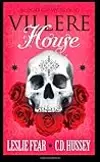
Perhaps one of my most sacred rules in reading is this: “Do not read books set in New Orleans.”
This sentiment extends a bit to the South, in general, especially when the author doesn't live where they're writing about. I ran into a terrible string of media set in the South when I was younger, where Southern characters were just a series of Southern tropes, and the entire setting was just ruined for me.
(I mostly grew up in the South, so I hate, hate, HATE Southern caricatures. You have no idea how often people are surprised or disappointed that I don't have a Southern, or worse - “Nawlins” - accent. This, too, has affected my stance on books set in the South.)
So it was with great...hesitation that I picked up this book. The plot eventually drew me to give the book a chance. It sounded interesting, even if certain lines in the description, like...
College senior, Lottie Boyd, expects to drink too much while on spring break in New Orleans.
...had me cringing a bit.
Because that's always what people focus on when they think of New Orleans. Beads, boobs, and booze. You have no idea how tired you get of that misunderstanding of culture, when you actually live there. It's a tourist's perception of New Orleans' culture.
Thankfully, though, this book is pretty well researched for the historical bits. A few lines seemed almost copy/pasted from Wikipedia, but at least the information was correct.
And I know, I know - it's a paranormal romance book. I probably shouldn't hold it to such high standards of historical accuracy. But you've got to understand that it gets a bit frustrating when you see your city constantly being stripped down and defined by one single thing. It doesn't help that I work in tourism/hospitality down here, and I'm constantly forced to set people straight on what is and is not actually true and legal.
(For instance - you can carry alcohol on the street, so long as it's not in a glass bottle. You can not urinate where you want. Coming to New Orleans is NOT an excuse to lose all sense of public decency.)
Sorry...sorry.
So historically, the book was fine. The romantic aspect of the plot didn't wow me, as a lot of the romance was less the characters getting to know each other, and more fueled by memories of their ancestors who had fallen madly in love with each other. I did find myself enjoying how the Voodoo curse sort of tied everything together, though.
(My last aside, I promise - I swear I've been inside the Voodoo shop that the Villere House is based on. It's set up just how the book describes, with the alatars, and ghost/cemetery/voodoo/vampire tours meeting up out front.)
Perhaps one of my most sacred rules in reading is this: “Do not read books set in New Orleans.”
This sentiment extends a bit to the South, in general, especially when the author doesn't live where they're writing about. I ran into a terrible string of media set in the South when I was younger, where Southern characters were just a series of Southern tropes, and the entire setting was just ruined for me.
(I mostly grew up in the South, so I hate, hate, HATE Southern caricatures. You have no idea how often people are surprised or disappointed that I don't have a Southern, or worse - “Nawlins” - accent. This, too, has affected my stance on books set in the South.)
So it was with great...hesitation that I picked up this book. The plot eventually drew me to give the book a chance. It sounded interesting, even if certain lines in the description, like...
College senior, Lottie Boyd, expects to drink too much while on spring break in New Orleans.
...had me cringing a bit.
Because that's always what people focus on when they think of New Orleans. Beads, boobs, and booze. You have no idea how tired you get of that misunderstanding of culture, when you actually live there. It's a tourist's perception of New Orleans' culture.
Thankfully, though, this book is pretty well researched for the historical bits. A few lines seemed almost copy/pasted from Wikipedia, but at least the information was correct.
And I know, I know - it's a paranormal romance book. I probably shouldn't hold it to such high standards of historical accuracy. But you've got to understand that it gets a bit frustrating when you see your city constantly being stripped down and defined by one single thing. It doesn't help that I work in tourism/hospitality down here, and I'm constantly forced to set people straight on what is and is not actually true and legal.
(For instance - you can carry alcohol on the street, so long as it's not in a glass bottle. You can not urinate where you want. Coming to New Orleans is NOT an excuse to lose all sense of public decency.)
Sorry...sorry.
So historically, the book was fine. The romantic aspect of the plot didn't wow me, as a lot of the romance was less the characters getting to know each other, and more fueled by memories of their ancestors who had fallen madly in love with each other. I did find myself enjoying how the Voodoo curse sort of tied everything together, though.
(My last aside, I promise - I swear I've been inside the Voodoo shop that the Villere House is based on. It's set up just how the book describes, with the alatars, and ghost/cemetery/voodoo/vampire tours meeting up out front.)

Letters on Literature
Enjoying the success of his Letters to Dead Authors column, Andrew Lang wanted to be able to talk about more contemporary authors. But, since there's a difference between writing to authors who are no longer living, and those who still are, Lang instead crafted a series of hypothetical response letters to imaginary people asking him for his opinion on certain topics.
One of the things that struck me about these letters was just how much smaller the literary community was back then. Lang spoke of 60 current poets in England, and 18 that he knew of in America. It really made me realize how far we've come in some regards - there have been nearly a million books published so far this year.
Many of the letters focus on various poets, although Lang does throw in a few about popular authors of the time, and a couple about what a person “should” be reading. There's also a letter from his wife to one of her friends (although, given the hypothetical scenario of the collection, I'm not sure if it was actually written by his wife) about the portrayal of women in (then) modern literature.
The letters could get a bit tedious in parts, but it was an interesting read at the very least.
Enjoying the success of his Letters to Dead Authors column, Andrew Lang wanted to be able to talk about more contemporary authors. But, since there's a difference between writing to authors who are no longer living, and those who still are, Lang instead crafted a series of hypothetical response letters to imaginary people asking him for his opinion on certain topics.
One of the things that struck me about these letters was just how much smaller the literary community was back then. Lang spoke of 60 current poets in England, and 18 that he knew of in America. It really made me realize how far we've come in some regards - there have been nearly a million books published so far this year.
Many of the letters focus on various poets, although Lang does throw in a few about popular authors of the time, and a couple about what a person “should” be reading. There's also a letter from his wife to one of her friends (although, given the hypothetical scenario of the collection, I'm not sure if it was actually written by his wife) about the portrayal of women in (then) modern literature.
The letters could get a bit tedious in parts, but it was an interesting read at the very least.

- Joseph Fink
- Marcus Goodyear
- Will Hartwell
- Christopher Scheer
- Jonathan Herzog
- Kyle Levenick
- Hannah Lott-Schwartz
- Justin Marquis
- Daniel McCoy
- Rob Neill
- Zack Parsons
- Brian James Polak
- Marta Rainer
- Brock Savage
- F. Omar Telan
- Kathleen Akerley
- Meg Bashwiner
- Gary Belsky
- Kurt Chiang
- Jeffrey Cranor
- Mark Farr
The idea behind this anthology was fun - the authors who agreed to the project were given a randomized prompt from a list of unused (supposedly) Lovecraft story ideas. And looking at the list at the back of the book, it seems likely that the list was genuine, although a couple of them I recognized as actually used Lovecraft ideas - The Cats of Ulthar (which, granted, was never completed), Pickman's Model, and The Tomb, off the top of my head.*
*Went back and looked up the descriptions that had sparked my memory. I take my Lovecraft seriously.
28. The Cats of Ulthar. The cat is the soul of antique Ægyptus and bearer of tales from forgotten cities of Meroë and Ophir. He is the kin of the jungle's lords, and heir to the secrets of hoary and sinister Africa. The Sphinx is his cousin, and he speaks her language; but he is more ancient than the Sphinx, and remembers that which she hath forgotten.
132. Mad artist in ancient sinister house draws things. What were his models? Glimpse.
165. Terrible trip to an ancient and forgotten tomb.
I was (and still am) a huge Lovecraft fan, and I needed something to try to shake me out of this Welcome to Night Vale hangover I've had since marathoning every single current episode, so I picked this up.
The collection itself is about what you'd expect of any anthology - I enjoyed some of the stories more than others. Some stories tried harder to stick to the spirit of Lovecraftian writing, while others just took their premise and ran with it.
I'll admit, I was most interested in Cranor and Fink's stories. And they were, indeed, the two stories I enjoyed most in the collection. But as I read them, it hit me - I could hear pieces of Night Vale through their respective stories.
Cranor's "The Man from Providence" read like a typical Night Vale ad. (I kept hearing the Home Depot commercial from The Sandstorm in my head as I read it.)
Plate.
Black.
Light.
Plate.
Plate. Plate.
Plate. Plate.
Plate.
Black.
Turned over, it's okay. We're all plural. Plural as water. As deer. As mice.
Fink's "Relative Damnation", meanwhile, had parts that smacked of Night Vale politician speech.
"How was the trip, Dad?"
"It was, ah. Let's say I know how to make a deal."
"What did the deal make you this time, Dad? Ten thousand? Twenty thousand?"
"The deal. Well. Hm."
Father drank his bowl in three quick gulps. It clattered back onto the table and he wiped his face with the back of his hand. Mother glared at him. Red droplets landed in the empty bowl, a puddle of blood and milk and oatmeal.
"The deal made sense."
The realization that their respective voices were so clear was almost jarring. But jarring in a good way.
I also particularly enjoyed ▋▋▋▋▋▋▋▋ ▋▋▋▋▋. Which is the actual name of the story, and not just me censoring it. ▋▋▋▋▋▋▋▋ ▋▋▋▋▋ reminded me very much of "In the Walls of Eryx", which Lovecraft co-wrote with Kenneth J. Sterling.
Altogether, it was an enjoyable way to pass the morning. Lovecraft fans will probably get more out of this book than just Welcome to Night Vale fans, although it could certainly appeal to both demographics.
(Also, am I the only one who sat stumped at the intro, trying to figure out if this was the real Joseph Fink, or one of his many imposters? - I admit, I probably got more amusement out of that then I should have...)
Finally, I'm just going to...leave this unused story idea here. Hidden behind spoilers.
Why?
No reason. It certainly has nothing to do with any particular theories I might be spewing...
177. The dreams of one man actually create a strange half-mad world of quasi-material substance in another dimension. Another man, also a dreamer, blunders into this world in a dream. What he finds. Intelligence of denizens. Their dependence on the first dreamer. What happens at his death.
The idea behind this anthology was fun - the authors who agreed to the project were given a randomized prompt from a list of unused (supposedly) Lovecraft story ideas. And looking at the list at the back of the book, it seems likely that the list was genuine, although a couple of them I recognized as actually used Lovecraft ideas - The Cats of Ulthar (which, granted, was never completed), Pickman's Model, and The Tomb, off the top of my head.*
*Went back and looked up the descriptions that had sparked my memory. I take my Lovecraft seriously.
28. The Cats of Ulthar. The cat is the soul of antique Ægyptus and bearer of tales from forgotten cities of Meroë and Ophir. He is the kin of the jungle's lords, and heir to the secrets of hoary and sinister Africa. The Sphinx is his cousin, and he speaks her language; but he is more ancient than the Sphinx, and remembers that which she hath forgotten.
132. Mad artist in ancient sinister house draws things. What were his models? Glimpse.
165. Terrible trip to an ancient and forgotten tomb.
I was (and still am) a huge Lovecraft fan, and I needed something to try to shake me out of this Welcome to Night Vale hangover I've had since marathoning every single current episode, so I picked this up.
The collection itself is about what you'd expect of any anthology - I enjoyed some of the stories more than others. Some stories tried harder to stick to the spirit of Lovecraftian writing, while others just took their premise and ran with it.
I'll admit, I was most interested in Cranor and Fink's stories. And they were, indeed, the two stories I enjoyed most in the collection. But as I read them, it hit me - I could hear pieces of Night Vale through their respective stories.
Cranor's "The Man from Providence" read like a typical Night Vale ad. (I kept hearing the Home Depot commercial from The Sandstorm in my head as I read it.)
Plate.
Black.
Light.
Plate.
Plate. Plate.
Plate. Plate.
Plate.
Black.
Turned over, it's okay. We're all plural. Plural as water. As deer. As mice.
Fink's "Relative Damnation", meanwhile, had parts that smacked of Night Vale politician speech.
"How was the trip, Dad?"
"It was, ah. Let's say I know how to make a deal."
"What did the deal make you this time, Dad? Ten thousand? Twenty thousand?"
"The deal. Well. Hm."
Father drank his bowl in three quick gulps. It clattered back onto the table and he wiped his face with the back of his hand. Mother glared at him. Red droplets landed in the empty bowl, a puddle of blood and milk and oatmeal.
"The deal made sense."
The realization that their respective voices were so clear was almost jarring. But jarring in a good way.
I also particularly enjoyed ▋▋▋▋▋▋▋▋ ▋▋▋▋▋. Which is the actual name of the story, and not just me censoring it. ▋▋▋▋▋▋▋▋ ▋▋▋▋▋ reminded me very much of "In the Walls of Eryx", which Lovecraft co-wrote with Kenneth J. Sterling.
Altogether, it was an enjoyable way to pass the morning. Lovecraft fans will probably get more out of this book than just Welcome to Night Vale fans, although it could certainly appeal to both demographics.
(Also, am I the only one who sat stumped at the intro, trying to figure out if this was the real Joseph Fink, or one of his many imposters? - I admit, I probably got more amusement out of that then I should have...)
Finally, I'm just going to...leave this unused story idea here. Hidden behind spoilers.
Why?
No reason. It certainly has nothing to do with any particular theories I might be spewing...
177. The dreams of one man actually create a strange half-mad world of quasi-material substance in another dimension. Another man, also a dreamer, blunders into this world in a dream. What he finds. Intelligence of denizens. Their dependence on the first dreamer. What happens at his death.

So. I had somehow missed hearing about the discovery of these new fairy tales until last week, when my mom sent me a link to the Guardian article about them. From back in 2012. And the fairy tales themselves were discovered all the way back in 2009. I am AWESOME at keeping on top of things.
I love fairy tales and folklore of all kinds. Part of the enjoyment that I get out of them is not just from the story itself, but from the history that's associated with the story. Having said that...this collection of the “new” stories that have been translated and published in English probably won't work for most people.
Part of the deal with Schönwerth's collection was that he went around and gathered all of these stories, and kept them exactly as they were told to him. Because he didn't attempt to dress the stories up, or force any sort of cohesive narrative on them (like the Grimm Brothers did), these stories are...not very good, in general. The narrative jumps all over the place, dialogue is sometimes downright painful to read, and some of the stories don't make sense, even using fairy tale logic.
I can see that being a deal-breaker for people wanting or expecting cohesive stories, like Grimm, Perrault, or Andersen.
I really cannot stress how silly some of these stories are:
Suddenly it was completely quiet. The king freed himself from the cow, stood up, and saw an old woman standing before him. “You probably do not recognize me,” she said. “But you will more than likely remember this ring!”
The king looked carefully at her. “Of course!” he cried out. “You are my dear wife from long ago! I stupidly believed that an accusation made against you was true, but someone had deceived me. I decided to spend one last night with you, and this is the ring you took from my finger before I left!”
First time there is any mention of the king's wife, at all.
The next day a splendid carriage drawn by four horses appeared. The sisters were filled with curiosity, for they imagined a prince might be calling, and they raced to the door. A black crow stepped out of the carriage, and two of the sisters went right back in the house.
"And two of the sisters went right back in the house." They were having none of that, and I love it!
The two moved along swiftly, covering two miles with every step until finally, at the top of a mountain, Anna was able to remove her foot from the slipper. And that was when the mountain exploded and tossed her down into a cave.
...and that was when the mountain exploded and tossed her down into a cave. Right out of an action movie.
While the king was at war, his wife bore a beautiful son, and the midwife took him and substituted a little dog for the child. The king received a message about the strange birth, but he was not upset and imagined that something had just gone wrong.
You know, it's just that common thing that occasionally happens, where your child is born looking like a dog.
I'd argue that by today's standards and definitions, these aren't strictly fairy tales. They're folktales.
If you judge the stories by folktale standards instead of by what we've come to associate with the phrase "fairy tale", then the stories make more sense. They're not prettied-up morality tales for children. They're the collective stories of a group of people, written down as they were told back then.
There are a few stories in here that are clearly undressed versions of some of the stories the Grimms collected - The Musicians of Bremen (The Traveling Animals), Donkey Skin/Cinderella (Ashfeathers), and Seven at One Blow (Seven with One Blow!).
If you're interested in folktales, or the historical aspect of fairy tales, you'll probably enjoy this book more than if you were just in it for the fact that they're new fairy tales.
So. I had somehow missed hearing about the discovery of these new fairy tales until last week, when my mom sent me a link to the Guardian article about them. From back in 2012. And the fairy tales themselves were discovered all the way back in 2009. I am AWESOME at keeping on top of things.
I love fairy tales and folklore of all kinds. Part of the enjoyment that I get out of them is not just from the story itself, but from the history that's associated with the story. Having said that...this collection of the “new” stories that have been translated and published in English probably won't work for most people.
Part of the deal with Schönwerth's collection was that he went around and gathered all of these stories, and kept them exactly as they were told to him. Because he didn't attempt to dress the stories up, or force any sort of cohesive narrative on them (like the Grimm Brothers did), these stories are...not very good, in general. The narrative jumps all over the place, dialogue is sometimes downright painful to read, and some of the stories don't make sense, even using fairy tale logic.
I can see that being a deal-breaker for people wanting or expecting cohesive stories, like Grimm, Perrault, or Andersen.
I really cannot stress how silly some of these stories are:
Suddenly it was completely quiet. The king freed himself from the cow, stood up, and saw an old woman standing before him. “You probably do not recognize me,” she said. “But you will more than likely remember this ring!”
The king looked carefully at her. “Of course!” he cried out. “You are my dear wife from long ago! I stupidly believed that an accusation made against you was true, but someone had deceived me. I decided to spend one last night with you, and this is the ring you took from my finger before I left!”
First time there is any mention of the king's wife, at all.
The next day a splendid carriage drawn by four horses appeared. The sisters were filled with curiosity, for they imagined a prince might be calling, and they raced to the door. A black crow stepped out of the carriage, and two of the sisters went right back in the house.
"And two of the sisters went right back in the house." They were having none of that, and I love it!
The two moved along swiftly, covering two miles with every step until finally, at the top of a mountain, Anna was able to remove her foot from the slipper. And that was when the mountain exploded and tossed her down into a cave.
...and that was when the mountain exploded and tossed her down into a cave. Right out of an action movie.
While the king was at war, his wife bore a beautiful son, and the midwife took him and substituted a little dog for the child. The king received a message about the strange birth, but he was not upset and imagined that something had just gone wrong.
You know, it's just that common thing that occasionally happens, where your child is born looking like a dog.
I'd argue that by today's standards and definitions, these aren't strictly fairy tales. They're folktales.
If you judge the stories by folktale standards instead of by what we've come to associate with the phrase "fairy tale", then the stories make more sense. They're not prettied-up morality tales for children. They're the collective stories of a group of people, written down as they were told back then.
There are a few stories in here that are clearly undressed versions of some of the stories the Grimms collected - The Musicians of Bremen (The Traveling Animals), Donkey Skin/Cinderella (Ashfeathers), and Seven at One Blow (Seven with One Blow!).
If you're interested in folktales, or the historical aspect of fairy tales, you'll probably enjoy this book more than if you were just in it for the fact that they're new fairy tales.

I'm a weird reader.
Often times in books, I find myself more drawn to the world of the story than the characters. Which, come to think of it, is probably why I end up gravitating towards fantasy as a genre.
A Court of Thorns and Roses is one of those cases where I was far more interested in the world than anything else.
I mean...Fayre and Tamlin were okay characters. I didn't hate them. I even found myself empathizing with Fayre's devotion to her family.
But they took a back seat to everything else in the story for me.
I've mentioned before, and I'm sure I'll mention again, that I love stories that do faeries justice - stories that know that “faery” does not refer to a single creature, but is a descriptor for an entire group of creatures. And not all of them are beautiful, or benevolent.
There are so many different types of faery in this book. I wish there had been more time to focus on them.
That's okay, though, because another thing that I really enjoy are retellings of the legend of Tam Lin. Well. Well-done ones, at any rate.
The book blends the story of Tam Lin with Beauty and the Beast, which makes sense. The biggest difference between the two stories is that Beauty gets forced to live with the Beast in order to save her family, where the heroine in the Tam Lin story finds him on her own, and undertakes the trials to save him of her own free will. Otherwise, they're both tales of a heroine overcoming a vague challenge in order to save their prince with the power of their love.
Fayre's story definitely leans closer to being Beauty and the Beast than Tam Lin. There are elements from both stories present, though. I especially enjoyed the nod to Tam Lin with the animal masks - in order to free Tam Lin in the original tale, the heroine has to find him in a parade of faeries, and hold on to him as he turns into three different animals. The reference made me smile.And speaking of references - I didn't hallucinate all of the Prydain Chronicles references, did I? The human world is Prythian, the faeries have a sacred cauldron and use the terms “cauldron born” and “cauldron blessed”. And at one point, Fayre compares humans to pigs when looked at next to the faeries.
Sorry. I got a bit off-track there.
I enjoyed the last third of the book the most. Fayre's captivity in the Spring Court dragged at times, becoming just a series of meals and paintings, but once she figured out what was actually going on, and set her goals to saving everybody, the story got awesome.
Awesome. I'm really going with that word choice? Eh. I'm tired while I'm typing this up, and just kind of narrating my train of thought.
The book started strong, slowed down in the middle, and then ended strong. I am wary of a potential future love triangle. I'm sure I'll read the next book in the series though, if only for another glimpse at the various faeries.
I'm a weird reader.
Often times in books, I find myself more drawn to the world of the story than the characters. Which, come to think of it, is probably why I end up gravitating towards fantasy as a genre.
A Court of Thorns and Roses is one of those cases where I was far more interested in the world than anything else.
I mean...Fayre and Tamlin were okay characters. I didn't hate them. I even found myself empathizing with Fayre's devotion to her family.
But they took a back seat to everything else in the story for me.
I've mentioned before, and I'm sure I'll mention again, that I love stories that do faeries justice - stories that know that “faery” does not refer to a single creature, but is a descriptor for an entire group of creatures. And not all of them are beautiful, or benevolent.
There are so many different types of faery in this book. I wish there had been more time to focus on them.
That's okay, though, because another thing that I really enjoy are retellings of the legend of Tam Lin. Well. Well-done ones, at any rate.
The book blends the story of Tam Lin with Beauty and the Beast, which makes sense. The biggest difference between the two stories is that Beauty gets forced to live with the Beast in order to save her family, where the heroine in the Tam Lin story finds him on her own, and undertakes the trials to save him of her own free will. Otherwise, they're both tales of a heroine overcoming a vague challenge in order to save their prince with the power of their love.
Fayre's story definitely leans closer to being Beauty and the Beast than Tam Lin. There are elements from both stories present, though. I especially enjoyed the nod to Tam Lin with the animal masks - in order to free Tam Lin in the original tale, the heroine has to find him in a parade of faeries, and hold on to him as he turns into three different animals. The reference made me smile.And speaking of references - I didn't hallucinate all of the Prydain Chronicles references, did I? The human world is Prythian, the faeries have a sacred cauldron and use the terms “cauldron born” and “cauldron blessed”. And at one point, Fayre compares humans to pigs when looked at next to the faeries.
Sorry. I got a bit off-track there.
I enjoyed the last third of the book the most. Fayre's captivity in the Spring Court dragged at times, becoming just a series of meals and paintings, but once she figured out what was actually going on, and set her goals to saving everybody, the story got awesome.
Awesome. I'm really going with that word choice? Eh. I'm tired while I'm typing this up, and just kind of narrating my train of thought.
The book started strong, slowed down in the middle, and then ended strong. I am wary of a potential future love triangle. I'm sure I'll read the next book in the series though, if only for another glimpse at the various faeries.

Grimms Manga was a cute collection of fairy tale retellings. None of the stories are direct adaptations.
For instance, in Little Red Riding Hood, the Wolf falls in love with Red. Rather than the moral of the story being “don't trust strange men”, it's changed to “you shouldn't judge others based on their appearance”.
In Hansel and Gretel, the woman who takes the children in is more of a cougar than a flesh-craving witch, although poor Gretel believes that the woman is literally going to “eat Hansel up”.
Other stories aren't changed quite so much - Rapunzel is only gender-swapped, with Rapunzel being both the long-haired beauty locked away in a tower, as well as the one whose eyes get pricked by thorns.
The stories are pretty good, for adaptations. The more changed stories still capture a general sense of their source material, and some of the updated takes - such as Hansel and Gretel - do a very nice job of retelling the story in a slightly more modern light.
And that artwork is just gorgeous.
I'll admit that I liked Little Red Riding Hood the most out of all the stories in this volume, both for the story itself, and the way the characters were drawn.
Grimms Manga was a cute collection of fairy tale retellings. None of the stories are direct adaptations.
For instance, in Little Red Riding Hood, the Wolf falls in love with Red. Rather than the moral of the story being “don't trust strange men”, it's changed to “you shouldn't judge others based on their appearance”.
In Hansel and Gretel, the woman who takes the children in is more of a cougar than a flesh-craving witch, although poor Gretel believes that the woman is literally going to “eat Hansel up”.
Other stories aren't changed quite so much - Rapunzel is only gender-swapped, with Rapunzel being both the long-haired beauty locked away in a tower, as well as the one whose eyes get pricked by thorns.
The stories are pretty good, for adaptations. The more changed stories still capture a general sense of their source material, and some of the updated takes - such as Hansel and Gretel - do a very nice job of retelling the story in a slightly more modern light.
And that artwork is just gorgeous.
I'll admit that I liked Little Red Riding Hood the most out of all the stories in this volume, both for the story itself, and the way the characters were drawn.

0x0 Memories is a short story, rather than a collection of short stories, as the synopsis describes.
A collection of cute short stories: 0x0 Memories Due to an accident, Tsuda Rei has lost all of her memories.
It's also incredibly underdeveloped, even in the realm of short stories.
Character introductions are basic, and most of the dialogue is the main character thinking about her memories.
The reveal of the "twist" at the end feels like the reveal of a villain at the end of a Scooby-Doo episode. Actually, that's unfair to Scooby-Doo - at least there you've got context to figure out who the villain is, and what their motive is.
The ending here just kind of comes out of nowhere. There's no build up to the reveal...it just happens, and the main character is like, "Oh yeah! Hahaha, I totally remember that now!"
he artwork is nice, but that's about all the story had going for it.
0x0 Memories is a short story, rather than a collection of short stories, as the synopsis describes.
A collection of cute short stories: 0x0 Memories Due to an accident, Tsuda Rei has lost all of her memories.
It's also incredibly underdeveloped, even in the realm of short stories.
Character introductions are basic, and most of the dialogue is the main character thinking about her memories.
The reveal of the "twist" at the end feels like the reveal of a villain at the end of a Scooby-Doo episode. Actually, that's unfair to Scooby-Doo - at least there you've got context to figure out who the villain is, and what their motive is.
The ending here just kind of comes out of nowhere. There's no build up to the reveal...it just happens, and the main character is like, "Oh yeah! Hahaha, I totally remember that now!"
he artwork is nice, but that's about all the story had going for it.

I'll admit that I pretty much grabbed this one because I thought the cover was pretty.
Of course, I didn't realize that this was the second book in a series until I looked it up on Goodreads, but the story did a good enough job of explaining roughly what went on in the first book to keep me from being horrifically lost throughout.
Immortal with a Kiss was actually pretty good - better than I went in expecting it to be, based on my reasoning behind picking it up and the fact that it's a vampire book written after Twilight. The vampire lore in the story goes back to more traditional roots (Vlad Țepeș roots), and there are parts of the book that even slightly break the fourth wall to poke fun at the idea of the current popularized image of vampires.
“Companions?” Sebastian said, his voice squeaking with alarm. “Do you mean like mates?” His powdered complexion grew paler, his eyes wide with horror. “My God, they mate?”
I patted his hand. “Not in the sense we think. They cannot reproduce, you know. They are dead, Sebastian.”
* whispers *
They have no blood flow.
I'll admit that I pretty much grabbed this one because I thought the cover was pretty.
Of course, I didn't realize that this was the second book in a series until I looked it up on Goodreads, but the story did a good enough job of explaining roughly what went on in the first book to keep me from being horrifically lost throughout.
Immortal with a Kiss was actually pretty good - better than I went in expecting it to be, based on my reasoning behind picking it up and the fact that it's a vampire book written after Twilight. The vampire lore in the story goes back to more traditional roots (Vlad Țepeș roots), and there are parts of the book that even slightly break the fourth wall to poke fun at the idea of the current popularized image of vampires.
“Companions?” Sebastian said, his voice squeaking with alarm. “Do you mean like mates?” His powdered complexion grew paler, his eyes wide with horror. “My God, they mate?”
I patted his hand. “Not in the sense we think. They cannot reproduce, you know. They are dead, Sebastian.”
* whispers *
They have no blood flow.

I thought that One Hundred Years of Solitude started off stronger than it ended.
The first segment of the book, about the founding of Macondo and the original settlers - José Arcadio Buendía, his wife Úrsula Iguarán, and their children - was fine. It was magical and pretty, and you could definitely feel the atmosphere of the imaginary town.
The first time that Melquíades' tribe arrived, selling glass balls for headaches, everyone was surprised that they had been able to find that village lost in the drowsiness of the swamp, and the gypsies confessed that they had found their way by the song of the birds.
...and then everyone started having children.
Virtually all of the characters are named directly after other characters.
You've got:
- José Arcadio Buendía and Úrsula Iguarán, who led the initial group of settlers to found the village of Macondo.
- Their children, José Arcadio, Amaranta, Rebeca, and Colonel Aureliano Buendía, who married Remedios Moscote.
- José Arcadio has a son named Arcadio. Aureliano Buendía has a son named Aureliano José, and then 17 other sons named Aureliano with their mothers' surnames.
- Arcadio has a daughter named Remedios the Beauty, and twin sons named José Arcadio Segundo and Aureliano Segundo. José Arcadio Segundo marries Fernanda del Carpio.
- José Arcadio Segundo and Fernanda have a daughter named Renata Remedios, a daughter named Amaranta Úrsula, and a son named José Arcadio.
- And that's not to mention Aureliano Babilonia and Aureliano (who is a completely separate entity from the other Aurelianos).
Disclaimer: I had to look all of that up, because GOOD LORD is all of that difficult to keep straight in your head.
Once the third or fourth generation of characters rolled around, I was focusing less on the story and more on trying to keep all of the names straight in my head. And even then, I usually only managed to figure out who the book was talking about because of context. It certainly doesn't help that the characters named after previous family members tended to act like those family members. So many Aurelianos and their little gold fishes... @___@
At that point, the book focuses more on the many character it's introduced rather than the town itself. And frankly, the characters were nowhere near as interesting to me as Macondo itself was, or the ongoing story of Melquíades' books and scrolls.
For all of that, though, when I could pay attention to the story, I enjoyed it. I just probably wouldn't read it again for fun.
I thought that One Hundred Years of Solitude started off stronger than it ended.
The first segment of the book, about the founding of Macondo and the original settlers - José Arcadio Buendía, his wife Úrsula Iguarán, and their children - was fine. It was magical and pretty, and you could definitely feel the atmosphere of the imaginary town.
The first time that Melquíades' tribe arrived, selling glass balls for headaches, everyone was surprised that they had been able to find that village lost in the drowsiness of the swamp, and the gypsies confessed that they had found their way by the song of the birds.
...and then everyone started having children.
Virtually all of the characters are named directly after other characters.
You've got:
- José Arcadio Buendía and Úrsula Iguarán, who led the initial group of settlers to found the village of Macondo.
- Their children, José Arcadio, Amaranta, Rebeca, and Colonel Aureliano Buendía, who married Remedios Moscote.
- José Arcadio has a son named Arcadio. Aureliano Buendía has a son named Aureliano José, and then 17 other sons named Aureliano with their mothers' surnames.
- Arcadio has a daughter named Remedios the Beauty, and twin sons named José Arcadio Segundo and Aureliano Segundo. José Arcadio Segundo marries Fernanda del Carpio.
- José Arcadio Segundo and Fernanda have a daughter named Renata Remedios, a daughter named Amaranta Úrsula, and a son named José Arcadio.
- And that's not to mention Aureliano Babilonia and Aureliano (who is a completely separate entity from the other Aurelianos).
Disclaimer: I had to look all of that up, because GOOD LORD is all of that difficult to keep straight in your head.
Once the third or fourth generation of characters rolled around, I was focusing less on the story and more on trying to keep all of the names straight in my head. And even then, I usually only managed to figure out who the book was talking about because of context. It certainly doesn't help that the characters named after previous family members tended to act like those family members. So many Aurelianos and their little gold fishes... @___@
At that point, the book focuses more on the many character it's introduced rather than the town itself. And frankly, the characters were nowhere near as interesting to me as Macondo itself was, or the ongoing story of Melquíades' books and scrolls.
For all of that, though, when I could pay attention to the story, I enjoyed it. I just probably wouldn't read it again for fun.

I'd been meaning to get around to reading this one for a while, and as I was stuck working a weekend of 12 hour shifts to cover for a co-worker's vacation, I figured it was as good a time as any to read a book about the hotel industry.
I've been a front desk clerk at a small, family-owned timeshare hotel for six years now. Even though working at a timeshare hotel is a slightly different beast from working at a standard hotel, there's enough similarities between the two that I spent a good portion of the book nodding along in silent sympathy.
Except for the misguided belief that there's something wrong with people who enjoy working the graveyard shift. I counter with - what's wrong with people who DON'T enjoy working the graveyard shift???
People fight to get off the night schedule? I fought to get put on it.
I actually work maybe half of my shift. I do the closing paperwork for the day, run night audit, make sure all of the daily rates are properly posted...and then I've got four to six hours to just sit and read. I'm basically getting paid to read and goof around on the internet. I suppose I can see how it'd be a nightmare for people who thrive on human contact. Or for people who enjoy being awake during the day. But, as someone who's always kept a somewhat nocturnal schedule, the night shift is perfect for me.
This book made me glad, again, that I don't work in a corporate hotel. There's no manager constantly watching over my shoulder, waiting to pounce on me for the slightest mistake. There's no cut-throat competition for position advancement. There are no surprise visits from a higher office, so I don't have to worry about playing “spot the corporate agent”. It's a very laid-back work environment.
If you couldn't tell from the way this review has been going so far, this book is more for people who have worked in hotels than any sort of definitive guide on how to get your way in hotels. Tomsky gives out a few pieces of advice here and there, but the book as a whole isn't for people who stay at hotels.
Unless you just enjoy getting an inside look at how certain businesses are run.
Tomsky's humor is also very harsh, and blunt - he doesn't pretty up his thoughts and opinions. It definitely makes for an interesting narrative voice, though.
The appendixes were my favorite part of the book. They were done in a sort of FAQ style, covering answers to guest questions and assumptions.
So, to close out, here's some helpful information about staying at a timeshare hotel:
- If you're coming in as an exchange guest (through RCI, Wyndham, New Horizons) expect to pay an exchange fee at the hotel.
Yes - we know that you already paid your exchange company.
No - the exchange company does not cover this fee.
Really, your exchange company is supposed to tell you about the possibility that your hotel may charge you an exchange fee. Most don't. It usually only gets a brief mention in a footnote that, “Hotel may charge additional fees.”
- Your exchange company determines your room number, not the hotel.
Here's how it works - you own a timeshare. This means you own one particular unit for one particular week. When you deposit your week with an exchange company, the company then rents out your particular unit and week. The exchange company only has access to the units they are given. Every unit they have to rent out has a number. When you book a room through an exchange company, they pick a room from THEIR available stock, and assign it to you. Then, they fax the information over to the hotel, where the information gets put into the computer.
If you want a specific type of room, don't rely on the exchange company to have exactly what you want. And don't take it out on the front desk clerks if the exchange company didn't give you exactly what you wanted. Either you assumed they put you in the room you wanted, you didn't ask them what the room was like, or they didn't have what you wanted available.
It helps to call ahead to the hotel and see if we can switch you to the type of room you want.
Note: This is different in exchange company run hotels, like a Wyndham property. Most of their reservations come directly through their exchange company, so they don't assign room numbers, just room types. And then, there are different membership levels that get you different sorts of rooms, and different amenities...
- We are required to ask for a credit card and an ID at check in, for security purposes.
This is not because we're trying to steal your identity. (You can keep it, thank you very much.)
It's a security measure, so that if you try to run out on your hotel bill, we have a way to get in touch with you. And trust me - we *will* be in touch.
- Timeshares, unlike standard hotels, run week-to-week. Because most of our check outs/arrivals happen on the same day, late check outs on those days can never be guaranteed.
If your flight or bus or whatever is much, much later than check out time on a rollover day, the hotel can store your luggage.
- Remember the Golden Rule: Treat others the way you want to be treated.
The front desk will be much more invested in helping you if you're not a complete asshole.
If you have an issue with your room, or if you have a maintenance problem, understand that it's not the front desk's fault. We don't clean the rooms. We're not maintenance. We just check you in and out of the system.
If you come to us politely, and explain what your problem is, we will do what we can to help remedy the situation. If we can't directly solve your problem, then we may take off that exchange fee.
If you come to us, screaming profanity and threatening us bodily harm, we won't be as eager to help you out. And we'll probably call the police. Seriously. You shouldn't go around threatening to hurt people.
And we'll DEFINITELY still be charging you that exchange fee.
And, some information about hotels in general:
- Card keys CAN be demagnetized.
I've had guests call me a moron, and say that this is, “The stupidest thing they've ever heard. It's impossible for that to happen.”
We advise guests to keep their card keys away from cell phones and credit cards for a reason.
- As stated in the book, no, card keys are not programmed with any of your personal information on them, especially not your credit card number.
The old card keys we used to use at my hotel didn't even allow for any of that. The machine keyed them ONLY with the room number, and day the card needs to stay active through. That was it.
We upgraded our lock system a couple of months ago, and got a much newer system (the old one had been in place since the mid-90s), and even the brand new system only allows us to add your name to the key.
This is also why you can't swipe your credit card to open the doors. I've seen you try.
- If something in your room “doesn't work”, you're probably trying to use it the wrong way.
I've got an entire section I wrote up in our employee notebook (for the few hires we've had since I started working) about the various complaints guests have, and their very simple solutions. 80% of all “maintenance issues” are people not knowing how to work something - TVs and showers being the most common culprits.
If someone calls down and says their shower isn't working, it's because we have those weird showers, where there's a lip you have to pull on the faucet while the water is running. Most people just assume that their shower is “broken” or the tub doesn't have a shower at all. Despite the fact that there's clearly a shower head.
If someone calls down to say their TV isn't working (and occasionally the lights in a room), it's because they haven't turned on power for that room. Most of the rooms have a switch that supplies power to all of the outlets for that particular room. No power to the outlets means no TV. That, or it's unplugged.
Okay. This is getting long. I think I'm done here...I need to be done, or I'm just going to keep ranting. @@
I'd been meaning to get around to reading this one for a while, and as I was stuck working a weekend of 12 hour shifts to cover for a co-worker's vacation, I figured it was as good a time as any to read a book about the hotel industry.
I've been a front desk clerk at a small, family-owned timeshare hotel for six years now. Even though working at a timeshare hotel is a slightly different beast from working at a standard hotel, there's enough similarities between the two that I spent a good portion of the book nodding along in silent sympathy.
Except for the misguided belief that there's something wrong with people who enjoy working the graveyard shift. I counter with - what's wrong with people who DON'T enjoy working the graveyard shift???
People fight to get off the night schedule? I fought to get put on it.
I actually work maybe half of my shift. I do the closing paperwork for the day, run night audit, make sure all of the daily rates are properly posted...and then I've got four to six hours to just sit and read. I'm basically getting paid to read and goof around on the internet. I suppose I can see how it'd be a nightmare for people who thrive on human contact. Or for people who enjoy being awake during the day. But, as someone who's always kept a somewhat nocturnal schedule, the night shift is perfect for me.
This book made me glad, again, that I don't work in a corporate hotel. There's no manager constantly watching over my shoulder, waiting to pounce on me for the slightest mistake. There's no cut-throat competition for position advancement. There are no surprise visits from a higher office, so I don't have to worry about playing “spot the corporate agent”. It's a very laid-back work environment.
If you couldn't tell from the way this review has been going so far, this book is more for people who have worked in hotels than any sort of definitive guide on how to get your way in hotels. Tomsky gives out a few pieces of advice here and there, but the book as a whole isn't for people who stay at hotels.
Unless you just enjoy getting an inside look at how certain businesses are run.
Tomsky's humor is also very harsh, and blunt - he doesn't pretty up his thoughts and opinions. It definitely makes for an interesting narrative voice, though.
The appendixes were my favorite part of the book. They were done in a sort of FAQ style, covering answers to guest questions and assumptions.
So, to close out, here's some helpful information about staying at a timeshare hotel:
- If you're coming in as an exchange guest (through RCI, Wyndham, New Horizons) expect to pay an exchange fee at the hotel.
Yes - we know that you already paid your exchange company.
No - the exchange company does not cover this fee.
Really, your exchange company is supposed to tell you about the possibility that your hotel may charge you an exchange fee. Most don't. It usually only gets a brief mention in a footnote that, “Hotel may charge additional fees.”
- Your exchange company determines your room number, not the hotel.
Here's how it works - you own a timeshare. This means you own one particular unit for one particular week. When you deposit your week with an exchange company, the company then rents out your particular unit and week. The exchange company only has access to the units they are given. Every unit they have to rent out has a number. When you book a room through an exchange company, they pick a room from THEIR available stock, and assign it to you. Then, they fax the information over to the hotel, where the information gets put into the computer.
If you want a specific type of room, don't rely on the exchange company to have exactly what you want. And don't take it out on the front desk clerks if the exchange company didn't give you exactly what you wanted. Either you assumed they put you in the room you wanted, you didn't ask them what the room was like, or they didn't have what you wanted available.
It helps to call ahead to the hotel and see if we can switch you to the type of room you want.
Note: This is different in exchange company run hotels, like a Wyndham property. Most of their reservations come directly through their exchange company, so they don't assign room numbers, just room types. And then, there are different membership levels that get you different sorts of rooms, and different amenities...
- We are required to ask for a credit card and an ID at check in, for security purposes.
This is not because we're trying to steal your identity. (You can keep it, thank you very much.)
It's a security measure, so that if you try to run out on your hotel bill, we have a way to get in touch with you. And trust me - we *will* be in touch.
- Timeshares, unlike standard hotels, run week-to-week. Because most of our check outs/arrivals happen on the same day, late check outs on those days can never be guaranteed.
If your flight or bus or whatever is much, much later than check out time on a rollover day, the hotel can store your luggage.
- Remember the Golden Rule: Treat others the way you want to be treated.
The front desk will be much more invested in helping you if you're not a complete asshole.
If you have an issue with your room, or if you have a maintenance problem, understand that it's not the front desk's fault. We don't clean the rooms. We're not maintenance. We just check you in and out of the system.
If you come to us politely, and explain what your problem is, we will do what we can to help remedy the situation. If we can't directly solve your problem, then we may take off that exchange fee.
If you come to us, screaming profanity and threatening us bodily harm, we won't be as eager to help you out. And we'll probably call the police. Seriously. You shouldn't go around threatening to hurt people.
And we'll DEFINITELY still be charging you that exchange fee.
And, some information about hotels in general:
- Card keys CAN be demagnetized.
I've had guests call me a moron, and say that this is, “The stupidest thing they've ever heard. It's impossible for that to happen.”
We advise guests to keep their card keys away from cell phones and credit cards for a reason.
- As stated in the book, no, card keys are not programmed with any of your personal information on them, especially not your credit card number.
The old card keys we used to use at my hotel didn't even allow for any of that. The machine keyed them ONLY with the room number, and day the card needs to stay active through. That was it.
We upgraded our lock system a couple of months ago, and got a much newer system (the old one had been in place since the mid-90s), and even the brand new system only allows us to add your name to the key.
This is also why you can't swipe your credit card to open the doors. I've seen you try.
- If something in your room “doesn't work”, you're probably trying to use it the wrong way.
I've got an entire section I wrote up in our employee notebook (for the few hires we've had since I started working) about the various complaints guests have, and their very simple solutions. 80% of all “maintenance issues” are people not knowing how to work something - TVs and showers being the most common culprits.
If someone calls down and says their shower isn't working, it's because we have those weird showers, where there's a lip you have to pull on the faucet while the water is running. Most people just assume that their shower is “broken” or the tub doesn't have a shower at all. Despite the fact that there's clearly a shower head.
If someone calls down to say their TV isn't working (and occasionally the lights in a room), it's because they haven't turned on power for that room. Most of the rooms have a switch that supplies power to all of the outlets for that particular room. No power to the outlets means no TV. That, or it's unplugged.
Okay. This is getting long. I think I'm done here...I need to be done, or I'm just going to keep ranting. @@