
Wren

Because the past is like the moon, isn’t it? It’s always there, but it shifts, it’s never the same when you revisit it.
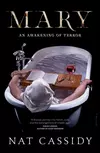
I was intrigued by the premise as soon as I spotted this book on someone’s TBR: a middle-aged main protagonist, someone normally quiet and meek becoming the monster, horror plot centered around the menopause experience. I did feel like maybe that last part could be better developed by someone who actually lived through menopause, or faced the prospect of living through it and was intimately acquainted with all the other ways AFAB bodies fuck up our lives. But hey, authors can totally do their research and have sensitivity readers. If we all only wrote what we have personally lived, it would be immensely boring.
The book started strong enough, with the protagonist immediately placed in a set of frustrating circumstances you can’t help but empathize with. She’s just trying to be a good person, but doctors don’t take her seriously, rent is going up, her long-time employer is letting her go, and something she never thought she’d do—going back to a tiny desert town to take care of her aunt—is legit her only option at this point. Oh, also, whenever she looks at herself in the mirror, she sees her reflection turn into a decaying corpse. Fun times.
I was having fun throughout the entire first half or so. The author kept adding new elements and raising new questions, but they all fit together reasonably well and escalated the tension nicely. All the gore was creepy and well-written. Aunt Nadine was quite the character, the kind you love to hate. The budding intergenerational friendship between Mary and Eleanor was really interesting to follow.
And then all those additions just continued and continued. By the last quarter of the book, I genuinely wasn’t sure what kind of story I was reading. The menopause angle got pretty much lost somewhere along the way. The plot turned into a maze of serial killers, cults, reincarnation, ghosts, furies, and something else I feel like I’m forgetting. The author tells us in the afterword that he first came up with the plot bunny for this book in his early teens and spent most of his life coming back to poke at it, and I guess that shows—probably every time he attempted to draft it, it was a slightly different story, and then the book we eventually got has turned into a hodgepodge of all those previous variations. Or at least that’s my theory that would explain why I eventually felt like I read 3-4 books rolled into one.
There are some really standout scenes here, and a bunch of good ideas for sure. It’s the kind of horror that makes you viscerally recoil from the page sometimes. I’m sad that the initial thematic concept wasn’t kept front and center throughout the story, and I wish the author added more layers to Mary as a person than to the plot, because she’s pretty much a vessel for what’s happening to her most of the time. But the parts that did work for me worked pretty well.
Oh, and I really liked the poetry bits. And all the descriptions of the desert. How is it that whenever I pick up a horror book lately, it turns out to be set in a desert? Are the sands calling me home?
Because the past is like the moon, isn’t it? It’s always there, but it shifts, it’s never the same when you revisit it.
I was intrigued by the premise as soon as I spotted this book on someone’s TBR: a middle-aged main protagonist, someone normally quiet and meek becoming the monster, horror plot centered around the menopause experience. I did feel like maybe that last part could be better developed by someone who actually lived through menopause, or faced the prospect of living through it and was intimately acquainted with all the other ways AFAB bodies fuck up our lives. But hey, authors can totally do their research and have sensitivity readers. If we all only wrote what we have personally lived, it would be immensely boring.
The book started strong enough, with the protagonist immediately placed in a set of frustrating circumstances you can’t help but empathize with. She’s just trying to be a good person, but doctors don’t take her seriously, rent is going up, her long-time employer is letting her go, and something she never thought she’d do—going back to a tiny desert town to take care of her aunt—is legit her only option at this point. Oh, also, whenever she looks at herself in the mirror, she sees her reflection turn into a decaying corpse. Fun times.
I was having fun throughout the entire first half or so. The author kept adding new elements and raising new questions, but they all fit together reasonably well and escalated the tension nicely. All the gore was creepy and well-written. Aunt Nadine was quite the character, the kind you love to hate. The budding intergenerational friendship between Mary and Eleanor was really interesting to follow.
And then all those additions just continued and continued. By the last quarter of the book, I genuinely wasn’t sure what kind of story I was reading. The menopause angle got pretty much lost somewhere along the way. The plot turned into a maze of serial killers, cults, reincarnation, ghosts, furies, and something else I feel like I’m forgetting. The author tells us in the afterword that he first came up with the plot bunny for this book in his early teens and spent most of his life coming back to poke at it, and I guess that shows—probably every time he attempted to draft it, it was a slightly different story, and then the book we eventually got has turned into a hodgepodge of all those previous variations. Or at least that’s my theory that would explain why I eventually felt like I read 3-4 books rolled into one.
There are some really standout scenes here, and a bunch of good ideas for sure. It’s the kind of horror that makes you viscerally recoil from the page sometimes. I’m sad that the initial thematic concept wasn’t kept front and center throughout the story, and I wish the author added more layers to Mary as a person than to the plot, because she’s pretty much a vessel for what’s happening to her most of the time. But the parts that did work for me worked pretty well.
Oh, and I really liked the poetry bits. And all the descriptions of the desert. How is it that whenever I pick up a horror book lately, it turns out to be set in a desert? Are the sands calling me home?