
Wren

Other Arab women have been mutilated by knives, shrapnel, acid, bombs, and I was shaken because my mother told me I was average? Is narcissism an inherited trait?
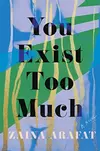
For a book that left me with a profound “what did I just read and why?” impression, it was a pretty quick read, so there's that. To focus on the positives, there were some interesting insights about the ways our parents fuck us up, about the Middle East experience, about internalized homophobia and addiction. The MC offers a highly realistic depiction of someone living with a huge hole inside and constantly, unsuccessfully seeking ways to fill it. I also liked the author's decision to not give the MC a name. Strangely enough, it created a more intimate experience, like I was reading someone's anonymous diary.
That same “personal diary,” however, was also a big part of the reason I didn't enjoy the book. For the entirety of the novel, we're very deep in the MC's head, and she's such an unlikable person. The fact that she's got her reasons for being that way doesn't make it easier to read about all her bad decisions, cheating, strange relationships with other awful people, etc. All the side characters are filtered heavily through her skewed perspective, so while some of them potentially could be interesting and sympathetic, there were never enough of them to latch on. They were barely characters in their own right, more like extensions, subjects, and objects of her experience.
But then there was another thing. See, sometimes I do very much enjoy reading about shitty unhinged fictional people doing bad things for bad reasons. One of my favorite books is Yellowface by R.F. Kuang, and if I had to interact with someone like its protagonist in real life, I'd grind my teeth until no dentist could save them. But following her story was so compelling, even if I was actively rooting for her to fail. So what makes a difference between a compelling unlikable character and a tiresome one? For me, as this book helped me understand, it's the presence of goals. Here, the MC is just drifting for most of the story. I struggled all the while to understand what she even wants. To genuinely solve her love addiction problem? To sort out her relationship with her mother? To figure out her goals? Who knows. That kind of approach could be hard for me to handle even with a more likable and relatable character tbh, but at least then I'd be able to enjoy the process of getting to know them.
On the other hand, I know that this brand of slice-of-life litfic has a lot of fans, and I can understand the appeal even if I don't share it. Such books definitely help expand empathy. Fiction is a great space for exploring how the types of people we dislike might actually work. It may not get us to like them more, but it helps understand them better, and perhaps ourselves, too, as we ponder what exactly makes certain traits, outlooks, and behaviors so unpleasant for us.
So, yeah. Not really the book for me, but I did find value in reading it.
Other Arab women have been mutilated by knives, shrapnel, acid, bombs, and I was shaken because my mother told me I was average? Is narcissism an inherited trait?
For a book that left me with a profound “what did I just read and why?” impression, it was a pretty quick read, so there's that. To focus on the positives, there were some interesting insights about the ways our parents fuck us up, about the Middle East experience, about internalized homophobia and addiction. The MC offers a highly realistic depiction of someone living with a huge hole inside and constantly, unsuccessfully seeking ways to fill it. I also liked the author's decision to not give the MC a name. Strangely enough, it created a more intimate experience, like I was reading someone's anonymous diary.
That same “personal diary,” however, was also a big part of the reason I didn't enjoy the book. For the entirety of the novel, we're very deep in the MC's head, and she's such an unlikable person. The fact that she's got her reasons for being that way doesn't make it easier to read about all her bad decisions, cheating, strange relationships with other awful people, etc. All the side characters are filtered heavily through her skewed perspective, so while some of them potentially could be interesting and sympathetic, there were never enough of them to latch on. They were barely characters in their own right, more like extensions, subjects, and objects of her experience.
But then there was another thing. See, sometimes I do very much enjoy reading about shitty unhinged fictional people doing bad things for bad reasons. One of my favorite books is Yellowface by R.F. Kuang, and if I had to interact with someone like its protagonist in real life, I'd grind my teeth until no dentist could save them. But following her story was so compelling, even if I was actively rooting for her to fail. So what makes a difference between a compelling unlikable character and a tiresome one? For me, as this book helped me understand, it's the presence of goals. Here, the MC is just drifting for most of the story. I struggled all the while to understand what she even wants. To genuinely solve her love addiction problem? To sort out her relationship with her mother? To figure out her goals? Who knows. That kind of approach could be hard for me to handle even with a more likable and relatable character tbh, but at least then I'd be able to enjoy the process of getting to know them.
On the other hand, I know that this brand of slice-of-life litfic has a lot of fans, and I can understand the appeal even if I don't share it. Such books definitely help expand empathy. Fiction is a great space for exploring how the types of people we dislike might actually work. It may not get us to like them more, but it helps understand them better, and perhaps ourselves, too, as we ponder what exactly makes certain traits, outlooks, and behaviors so unpleasant for us.
So, yeah. Not really the book for me, but I did find value in reading it.