
Wren

When people treat you like a monster, you start to act like one.
I remember when I read the first installment, I felt so incredibly sad even though it was magical and enjoyable. Just because it reminded me that everyone who wants to break out of any box society places them in has to try at least twice as hard for their effort to be appreciated. It wasn’t enough for Aster to have magical gifts and want to be a witch, he had to go above and beyond anything that could be expected from a kid to be given the chance to learn. There was something so realistic and heartbreaking about it that I kept putting this next installment off, despite loving Ostertag’s work.
I’m really glad I did pick it up eventually, though, because not only is it just as magical and enjoyable, but it also explores what this approach can actually do to people. While it starts off with similar ideas, with Aster’s grandmother telling him that the best way to respond to people not wanting him to be a witch is by being a very, very good one, it soon shifts to poking at the responsibility of all those gatekeepers and naysayers. I don’t want to spoil anything, but I will say I was very satisfied with how some of the plot threads from the first book were tied up, in a bittersweet sort of way.
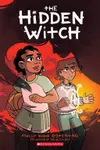
I also felt like this is just structurally such a good sequel, with a great overlap between the aftermath of the first book’s story and the introduction of something (and someone) new. It was great to learn more about this world’s magic and to see the magical family and the non-magical community shift closer. I loved the little friend group that formed over the course of the story. Also, the art is once again absolutely stunning, with such rich colors and with all the characters, even the background once, being so diverse and distinct.
Overall, this is a very nice story of kindness, redemption, responsibility, and second chances, and I’m looking forward to checking out book 3 as well.
When people treat you like a monster, you start to act like one.
I remember when I read the first installment, I felt so incredibly sad even though it was magical and enjoyable. Just because it reminded me that everyone who wants to break out of any box society places them in has to try at least twice as hard for their effort to be appreciated. It wasn’t enough for Aster to have magical gifts and want to be a witch, he had to go above and beyond anything that could be expected from a kid to be given the chance to learn. There was something so realistic and heartbreaking about it that I kept putting this next installment off, despite loving Ostertag’s work.
I’m really glad I did pick it up eventually, though, because not only is it just as magical and enjoyable, but it also explores what this approach can actually do to people. While it starts off with similar ideas, with Aster’s grandmother telling him that the best way to respond to people not wanting him to be a witch is by being a very, very good one, it soon shifts to poking at the responsibility of all those gatekeepers and naysayers. I don’t want to spoil anything, but I will say I was very satisfied with how some of the plot threads from the first book were tied up, in a bittersweet sort of way.
I also felt like this is just structurally such a good sequel, with a great overlap between the aftermath of the first book’s story and the introduction of something (and someone) new. It was great to learn more about this world’s magic and to see the magical family and the non-magical community shift closer. I loved the little friend group that formed over the course of the story. Also, the art is once again absolutely stunning, with such rich colors and with all the characters, even the background once, being so diverse and distinct.
Overall, this is a very nice story of kindness, redemption, responsibility, and second chances, and I’m looking forward to checking out book 3 as well.