
Michael Barnes


This novella was the second half of a story 'The future is Blue' and the duo was written for a Cli-fi anthology. This slice of life in this post-apocalyptic scenario set in our future taking place on Garbagetown, the Great Pacific Garbage Patch made significantly larger. This massive pile of garbage drifts through the ocean, with humans claiming different pieces of it for their own territories—Candle Hole, Electric City, Pill Hill, Winditch, Matchstick Forest. The small parts of how people live on Garbagetown were fascinating—how wedding customs would change, how they ate, how they get their names -walking without washing or changing until someone who doesn't know them calls out to them, usually after seeing some titled piece of garbage that they have on their person hence our narrator 'Tetley' Abednego.
The world building in intriguing with areas named after they types of waste Candle Hole, Electric City, Pill Hill, Winditch, Matchstick Forest. Our Tetley Abednego owes much to Voltaire's Candide (as dies the whole style of the story itself) by funny, cynical, insightful, emotional, and it all coalesces perfectly. She is both an optimist and a realist, and it never conflicts. She’s fiercely protective of Garbagetown, even though it’s never treated her well. She was largely neglected as a child, but her decision at the end of the short story The Future is Blue means that she wakes up every day to new slurs painted on her door. Anyone in Garbagetown is legally allowed to abuse her, though not kill her. Which I found really hard going and I was grateful the story moved on. Tetley is revealed later in the story to have taken the action on behalf of the residents of Garbagetown as they would have all ended worse off. Tetley But she hates us and our generation is referred throughout the book as Fuckwits (the people who wasted all of the resources), and what we did to our future.
Tetley's deep optimism is neatly contained in her conversation
‘… the kind of hope I have isn’t just greed by its maiden name. The kind of hope I have doesn’t begin and end with demanding everything go back to the way it was when it can’t, it can’t ever, that’s not how time works, and it’s not how oceans work either … I have hope for Garbagetown …’
This novella was the second half of a story 'The future is Blue' and the duo was written for a Cli-fi anthology. This slice of life in this post-apocalyptic scenario set in our future taking place on Garbagetown, the Great Pacific Garbage Patch made significantly larger. This massive pile of garbage drifts through the ocean, with humans claiming different pieces of it for their own territories—Candle Hole, Electric City, Pill Hill, Winditch, Matchstick Forest. The small parts of how people live on Garbagetown were fascinating—how wedding customs would change, how they ate, how they get their names -walking without washing or changing until someone who doesn't know them calls out to them, usually after seeing some titled piece of garbage that they have on their person hence our narrator 'Tetley' Abednego.
The world building in intriguing with areas named after they types of waste Candle Hole, Electric City, Pill Hill, Winditch, Matchstick Forest. Our Tetley Abednego owes much to Voltaire's Candide (as dies the whole style of the story itself) by funny, cynical, insightful, emotional, and it all coalesces perfectly. She is both an optimist and a realist, and it never conflicts. She’s fiercely protective of Garbagetown, even though it’s never treated her well. She was largely neglected as a child, but her decision at the end of the short story The Future is Blue means that she wakes up every day to new slurs painted on her door. Anyone in Garbagetown is legally allowed to abuse her, though not kill her. Which I found really hard going and I was grateful the story moved on. Tetley is revealed later in the story to have taken the action on behalf of the residents of Garbagetown as they would have all ended worse off. Tetley But she hates us and our generation is referred throughout the book as Fuckwits (the people who wasted all of the resources), and what we did to our future.
Tetley's deep optimism is neatly contained in her conversation
‘… the kind of hope I have isn’t just greed by its maiden name. The kind of hope I have doesn’t begin and end with demanding everything go back to the way it was when it can’t, it can’t ever, that’s not how time works, and it’s not how oceans work either … I have hope for Garbagetown …’

Atmosphere is gripping novel that follows Joan Goodwin, a dedicated candidate/astronaut working as CAPCOM at NASA during the development of the shuttle missions.
Set in the 1980's, a period after I just finished high school it was a strange experience to see the misogynistic a culture that period was and 'plus ça change, plus c’est la même chose'.
The story is told in alternate timelimes. One with the early days with the selection and training of astronaut candidates, to the other timeline a shuttlecraft mission in the 'now'. Our protagonist Joan Goodwin is a mission specialist because pilots can only be drawn from the combat military and the U.S military doesn't allow women to fly combat missions (but 1,074 women were competent enough to fly dangerous combat missions in WWII. Over two years, Women Airforce Service Pilots, or WASPs. These pilots delivered more than 12,000 aircraft, of 78 different types including P-51 and B-29 Superfortresses and flew over 60 million miles). Joan's background and passion is astronomy and throughout the book where this desire and outlook on science and (ugh) spirituality arises.
Joan also demonstrates why simply being the best at her chosen tasks, her field, examinations, training is not what makes the best NASA crew, the other astronaut Lydia who was written not be liked can out 'score' all the others but it is Joan who is chosen as the first out of the women in her cohort to fly into space.
The other aspects are Joans emotional journey, her sister Babara another character written not to like, is as a contrast to how the two sisters 'love/mother' her niece Frances. The other major character is Joan's growing romance with Venessa who I kept reading as a black character even though later in the novel when they discuss the racial profiles of the trainees Venessa is clearly white. I think because Venessa often was able to help Joan's acknowledge their class privilege.
This sapphic relationship help illustrate another horrendous period in US history the Lavender Scare, and why I and others call it the JWST rather than give its full name. NASA's second administrator James Webb (not a scientist, nor engineer, nor pilot, but a lawyer) records show that Webb planned and participated in meetings during which he handed over homophobic material. There is no record of him choosing to stand up for the humanity of those being persecuted. Other government departments fought against prejudice. Whilst the scare was at its heights in the 1960s I think we can allow Taylor Jenkins Reid some artistic licence.
I think this is why Venessa resonated as a minority coded character for me. She pointed out the 'reasonable argument' by NASA was that if astronauts displayed 'deviant' they were vulnerable to blackmail, (as contrasted with if you were just a selfish prick and could be bribed) they were only vulnerable because you left people call anyone different 'deviant'.
A well-crafted book, with a narrative that touches on the competency porn that so many of us geeks love about NASA, the strong emotionally rich examinations of family and how much those can be, and a genuinely affecting romance.
I was suprised to see Storygraph's similar didn't include The Calculating Stars by Mary Robinette Kowal which felt gave a similar feel, and covered a similar progress.
Atmosphere is gripping novel that follows Joan Goodwin, a dedicated candidate/astronaut working as CAPCOM at NASA during the development of the shuttle missions.
Set in the 1980's, a period after I just finished high school it was a strange experience to see the misogynistic a culture that period was and 'plus ça change, plus c’est la même chose'.
The story is told in alternate timelimes. One with the early days with the selection and training of astronaut candidates, to the other timeline a shuttlecraft mission in the 'now'. Our protagonist Joan Goodwin is a mission specialist because pilots can only be drawn from the combat military and the U.S military doesn't allow women to fly combat missions (but 1,074 women were competent enough to fly dangerous combat missions in WWII. Over two years, Women Airforce Service Pilots, or WASPs. These pilots delivered more than 12,000 aircraft, of 78 different types including P-51 and B-29 Superfortresses and flew over 60 million miles). Joan's background and passion is astronomy and throughout the book where this desire and outlook on science and (ugh) spirituality arises.
Joan also demonstrates why simply being the best at her chosen tasks, her field, examinations, training is not what makes the best NASA crew, the other astronaut Lydia who was written not be liked can out 'score' all the others but it is Joan who is chosen as the first out of the women in her cohort to fly into space.
The other aspects are Joans emotional journey, her sister Babara another character written not to like, is as a contrast to how the two sisters 'love/mother' her niece Frances. The other major character is Joan's growing romance with Venessa who I kept reading as a black character even though later in the novel when they discuss the racial profiles of the trainees Venessa is clearly white. I think because Venessa often was able to help Joan's acknowledge their class privilege.
This sapphic relationship help illustrate another horrendous period in US history the Lavender Scare, and why I and others call it the JWST rather than give its full name. NASA's second administrator James Webb (not a scientist, nor engineer, nor pilot, but a lawyer) records show that Webb planned and participated in meetings during which he handed over homophobic material. There is no record of him choosing to stand up for the humanity of those being persecuted. Other government departments fought against prejudice. Whilst the scare was at its heights in the 1960s I think we can allow Taylor Jenkins Reid some artistic licence.
I think this is why Venessa resonated as a minority coded character for me. She pointed out the 'reasonable argument' by NASA was that if astronauts displayed 'deviant' they were vulnerable to blackmail, (as contrasted with if you were just a selfish prick and could be bribed) they were only vulnerable because you left people call anyone different 'deviant'.
A well-crafted book, with a narrative that touches on the competency porn that so many of us geeks love about NASA, the strong emotionally rich examinations of family and how much those can be, and a genuinely affecting romance.
I was suprised to see Storygraph's similar didn't include The Calculating Stars by Mary Robinette Kowal which felt gave a similar feel, and covered a similar progress.

If you have read Count of Monte Cristo then you will know the broad strokes of this queer, Caribbean, anti-colonial sci-fi novella. But I found this tight, fraught novella called to me the fresh anger and compassion against injustice that Dumas novel calls.
If you have read Count of Monte Cristo then you will know the broad strokes of this queer, Caribbean, anti-colonial sci-fi novella. But I found this tight, fraught novella called to me the fresh anger and compassion against injustice that Dumas novel calls.
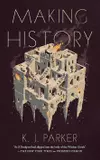
Alt-ancient setting, detailed introspection on technology, a dictator Gyges in fact the narrator describes the process of choosing between different adjectives for Gyges, cunning, clever finally settling on smart a scheming amoral academic (our narrator, who considered suicide rather than the nefarious scheme for like 20 seconds, before deciding nah) and a my favourite character a woman sex-worker called Nine White Hairs. (usurpingly she is one of the minorities within the empire)
I loved the premise of this novella: a group of varied scholars (our narrator helpful brackets their disciple with their names Polyclimnus (early Aelian literature), Lenseric (Geography), Maggo (Architecture), Celeutho (military history)..The eminent scholars at the university the top of their fields are 'asked' by the Dictator to create an ancient civilization from scratch so that it can be 'discovered' by the ruler and used to justify another war.
“Men like Gyges are like that. They can't afford to let things settle down and get quiet, because then the people might start to notice how bad things have been ever since they took over. So, men like Gyges are forever starting wars; or, better still, nudging and tripping their neighbours into starting wars against them, because nothing brings a nation together behind its strong leader like a threat of invasion.”
Our MC is a linguist and I found the details on language (as well as the other disciplines) fascinating, as this is what Parker chooses to go in-depth into in this story. How a language is born and evolves, how the culture of a society changes over time, what kind of artifacts one would find during this supposed time period, etc. I was glued to the pages.
Someone on Goodreads described it as "This is the most KJ Parkerish novella ever to have KJ Parkered", and that is certainly true.
Alt-ancient setting, detailed introspection on technology, a dictator Gyges in fact the narrator describes the process of choosing between different adjectives for Gyges, cunning, clever finally settling on smart a scheming amoral academic (our narrator, who considered suicide rather than the nefarious scheme for like 20 seconds, before deciding nah) and a my favourite character a woman sex-worker called Nine White Hairs. (usurpingly she is one of the minorities within the empire)
I loved the premise of this novella: a group of varied scholars (our narrator helpful brackets their disciple with their names Polyclimnus (early Aelian literature), Lenseric (Geography), Maggo (Architecture), Celeutho (military history)..The eminent scholars at the university the top of their fields are 'asked' by the Dictator to create an ancient civilization from scratch so that it can be 'discovered' by the ruler and used to justify another war.
“Men like Gyges are like that. They can't afford to let things settle down and get quiet, because then the people might start to notice how bad things have been ever since they took over. So, men like Gyges are forever starting wars; or, better still, nudging and tripping their neighbours into starting wars against them, because nothing brings a nation together behind its strong leader like a threat of invasion.”
Our MC is a linguist and I found the details on language (as well as the other disciplines) fascinating, as this is what Parker chooses to go in-depth into in this story. How a language is born and evolves, how the culture of a society changes over time, what kind of artifacts one would find during this supposed time period, etc. I was glued to the pages.
Someone on Goodreads described it as "This is the most KJ Parkerish novella ever to have KJ Parkered", and that is certainly true.

This novel joins the growing collection of feminist retellings of myths from overlooked characters.
The story begins with Gullveig, a witch who teaches the art of seeing the future to both the Aesir (Odin and other Gods) and the Vanir (a rival race of gods). When Odin learns that Gullveig is telling these secrets to both sides, he has her burned to death three times. Each time she is reborn, and the last time she escapes, but leaves her heart behind in the ashes.
After this she takes the prophetic name Angrboda (Bringer of sorrows) her heart is subsequently returned to her by Loki, who whenever I read in a novel or story see in the form and voice of Thomas Hiddleston (thanks a lot Marvel).
I also like that the classic stories of these myths are relayed by Loki when he visits fleas to Angrboda's cave/home. Such as when he cut off all of Sif's hair while she slept, won a bet so the dwarf's sewed his mouth closed, shape shifting into a mare to lure a builder's supernatural stallion away so he could finish Asgard's wall in time to win a wager. As a result Loki having to stay as a horse so he, months later give birth to an eighteen legged colt (yes all Norse tales).
As the story goes on these two become intimate, children are born and chaos ensues, presaging even bigger chaos end of the world chaos, yes I am talking about the Twilight of the Gods -Ragnarok.
The dialog is fun without being unbelievable for these characters. Loki on discovering his baby is coming
"and if you try to sit them up..their heads simply loll over because they are so big. Babies are very inconvenient"
"You're inconvenient".
"I know. I have to work at it sometimes, thought. Babies don't even have to".
The characters in the book are fascinating, and several go through intense and interesting arcs. Almost all of the main characters are women and their relationships are complex and powerful. Angrboda is wounded, resilient, smart, prickly, funny, and tough and ruthless. Her hard edges and her capacity for the kind of tough and clear-sighted love that holds up to adversity. A favourite for me was the fierce hunter Skadi and the sapphic romance with Angrboda .
As with many of the Norse myths there is violence and having grown to care about the characters I was often worried about the characters and felt sad and angry on their behalf. It's Genevieve Gornichec strong clear and beautiful prose which carries the tale
In one passage Angrboda is asked by an hidden shade
“You were a sacrifice, too. What did you learn while you were tied to your tree, Mother Witch? What did you bring back with you that you didn’t have before?”
This novel joins the growing collection of feminist retellings of myths from overlooked characters.
The story begins with Gullveig, a witch who teaches the art of seeing the future to both the Aesir (Odin and other Gods) and the Vanir (a rival race of gods). When Odin learns that Gullveig is telling these secrets to both sides, he has her burned to death three times. Each time she is reborn, and the last time she escapes, but leaves her heart behind in the ashes.
After this she takes the prophetic name Angrboda (Bringer of sorrows) her heart is subsequently returned to her by Loki, who whenever I read in a novel or story see in the form and voice of Thomas Hiddleston (thanks a lot Marvel).
I also like that the classic stories of these myths are relayed by Loki when he visits fleas to Angrboda's cave/home. Such as when he cut off all of Sif's hair while she slept, won a bet so the dwarf's sewed his mouth closed, shape shifting into a mare to lure a builder's supernatural stallion away so he could finish Asgard's wall in time to win a wager. As a result Loki having to stay as a horse so he, months later give birth to an eighteen legged colt (yes all Norse tales).
As the story goes on these two become intimate, children are born and chaos ensues, presaging even bigger chaos end of the world chaos, yes I am talking about the Twilight of the Gods -Ragnarok.
The dialog is fun without being unbelievable for these characters. Loki on discovering his baby is coming
"and if you try to sit them up..their heads simply loll over because they are so big. Babies are very inconvenient"
"You're inconvenient".
"I know. I have to work at it sometimes, thought. Babies don't even have to".
The characters in the book are fascinating, and several go through intense and interesting arcs. Almost all of the main characters are women and their relationships are complex and powerful. Angrboda is wounded, resilient, smart, prickly, funny, and tough and ruthless. Her hard edges and her capacity for the kind of tough and clear-sighted love that holds up to adversity. A favourite for me was the fierce hunter Skadi and the sapphic romance with Angrboda .
As with many of the Norse myths there is violence and having grown to care about the characters I was often worried about the characters and felt sad and angry on their behalf. It's Genevieve Gornichec strong clear and beautiful prose which carries the tale
In one passage Angrboda is asked by an hidden shade
“You were a sacrifice, too. What did you learn while you were tied to your tree, Mother Witch? What did you bring back with you that you didn’t have before?”

Lucy Nield at the fantasy hive describes it well "a novel riddled with body horror, erotica, and repulsion. Snyder has stitched together the darkest most disturbing thoughts a person might have, religious doomsday prophecies as well as left over anxieties related to covid-19. Within this novel, Snyder doesn’t just ask the question “what if…?” when it comes to the end of the world… she answers it, in the most horrific possible way". A disease has broken out, stabbing everyone with familiar pangs of nostalgia to the corona virus. If you are still suffering trauma from the period of significant social impact during the Sars-CoV-2 pandemic then steer clear as this is full of evocative imagery.
The narrative is driven around the deadly—and thankfully fictional—PVG virus (polymorphic viral gastroencephalitis), and over the same time period is structured as three different perspectives. Erin, Savannah and Mareva, which do not match the order of the title honestly each character could wear a name tag embossed with a messy, bloodstained identification that embodies all three. Though there is little to connect Erin, Savannah and Mareva in their day to day lives, they’re all infected with PVG. It’s not long before their symptoms start manifesting in vastly different, horrifying ways. Erin, once quiet and closeted, acquires an appetite for a woman and her brain. “I could smell Betty. Not her perfume. Her. And she smelled fucking delicious.” Savannah, a professional BDSM switch, discovers a new turn-on: committing brutal murders for her eldritch masters, and Mareva, plagued with chronic tumours, is too horrified to acknowledge her divine role in the coming apocalypse, and as her growths multiply, so too does her desperation.
Whilst the apocolypse is the focus, it’s the very contempory real grounded world, when we listen to the conversations that Erin has about her fears of what could happen now when going to meet someone for a sexual hook up she points out that those are fears she as a women has always had in our society. The conversation between Erin and Mareva both having completed university degrees, well-educated having to take any work rather than pursuing post graduate studies for those subject they are passionate about, they bond over cephalopods - after all who wouldn't? I also enjoyed the medical/science aspects of the pandemic with the different types of infections classified from 0 to 5 which we uncover throughout the book.
Also this book has supported my poorly considered but strongly held belief that as long as I don't eat octopus then they will spare me when the inevitably rise.
Inspired by her Bram Stoker Award-winning story “Magdala Amygdala,” Lucy A. Snyder delivers a cosmic tale about the planet’s disastrous transformation … and what we become after.
Lucy Nield at the fantasy hive describes it well "a novel riddled with body horror, erotica, and repulsion. Snyder has stitched together the darkest most disturbing thoughts a person might have, religious doomsday prophecies as well as left over anxieties related to covid-19. Within this novel, Snyder doesn’t just ask the question “what if…?” when it comes to the end of the world… she answers it, in the most horrific possible way". A disease has broken out, stabbing everyone with familiar pangs of nostalgia to the corona virus. If you are still suffering trauma from the period of significant social impact during the Sars-CoV-2 pandemic then steer clear as this is full of evocative imagery.
The narrative is driven around the deadly—and thankfully fictional—PVG virus (polymorphic viral gastroencephalitis), and over the same time period is structured as three different perspectives. Erin, Savannah and Mareva, which do not match the order of the title honestly each character could wear a name tag embossed with a messy, bloodstained identification that embodies all three. Though there is little to connect Erin, Savannah and Mareva in their day to day lives, they’re all infected with PVG. It’s not long before their symptoms start manifesting in vastly different, horrifying ways. Erin, once quiet and closeted, acquires an appetite for a woman and her brain. “I could smell Betty. Not her perfume. Her. And she smelled fucking delicious.” Savannah, a professional BDSM switch, discovers a new turn-on: committing brutal murders for her eldritch masters, and Mareva, plagued with chronic tumours, is too horrified to acknowledge her divine role in the coming apocalypse, and as her growths multiply, so too does her desperation.
Whilst the apocolypse is the focus, it’s the very contempory real grounded world, when we listen to the conversations that Erin has about her fears of what could happen now when going to meet someone for a sexual hook up she points out that those are fears she as a women has always had in our society. The conversation between Erin and Mareva both having completed university degrees, well-educated having to take any work rather than pursuing post graduate studies for those subject they are passionate about, they bond over cephalopods - after all who wouldn't? I also enjoyed the medical/science aspects of the pandemic with the different types of infections classified from 0 to 5 which we uncover throughout the book.
Also this book has supported my poorly considered but strongly held belief that as long as I don't eat octopus then they will spare me when the inevitably rise.
Inspired by her Bram Stoker Award-winning story “Magdala Amygdala,” Lucy A. Snyder delivers a cosmic tale about the planet’s disastrous transformation … and what we become after.

This historically immersive novella is set in grounded 1675 London based on research which the Author records in her acknowledgments. Our protagonist is Sarah Davis is a midwife’s apprentice in London, ten years after the Black Plague outbreak and Great Fire of 1666. Historians of the time called 1666 the annus mirabilis – year of wonders. Sharah in her midwifery role has witnessed an increasing frequency of what ordinary folk call monstrous births – infants delivered bearing wings, gills, horns, tails – and what she and her mentor, Mrs. June, her mentor, call touches of the “Other Place.” Sarah herself is 'monstrous' born with a tail that a midwife cut at her birth to give her hope for a life.
Also pleased to see more queer representation in horror that doesn't end in tragedy (the kill the gays trope) Sarah's relationship with Margaret, a fellow monstrous-born able to hide her deformity is tender and illustrates the world they live in with a queer lens. The book highlights queer relationships as two women, living together with little scrutiny as women have such a highly codified role in society in a way that two men wouldn't not be able to be without being judged, but for Sarah a midwife as her lifeline propriety is crucial.
Novellas rise or fall on how their often brilliant concepts can be held and expanded in the constraints of the length A Season of Monstrous Conceptions succeeds in this balance admirably.
This historically immersive novella is set in grounded 1675 London based on research which the Author records in her acknowledgments. Our protagonist is Sarah Davis is a midwife’s apprentice in London, ten years after the Black Plague outbreak and Great Fire of 1666. Historians of the time called 1666 the annus mirabilis – year of wonders. Sharah in her midwifery role has witnessed an increasing frequency of what ordinary folk call monstrous births – infants delivered bearing wings, gills, horns, tails – and what she and her mentor, Mrs. June, her mentor, call touches of the “Other Place.” Sarah herself is 'monstrous' born with a tail that a midwife cut at her birth to give her hope for a life.
Also pleased to see more queer representation in horror that doesn't end in tragedy (the kill the gays trope) Sarah's relationship with Margaret, a fellow monstrous-born able to hide her deformity is tender and illustrates the world they live in with a queer lens. The book highlights queer relationships as two women, living together with little scrutiny as women have such a highly codified role in society in a way that two men wouldn't not be able to be without being judged, but for Sarah a midwife as her lifeline propriety is crucial.
Novellas rise or fall on how their often brilliant concepts can be held and expanded in the constraints of the length A Season of Monstrous Conceptions succeeds in this balance admirably.

Slow Gods begins with an announcement by a entity known as the Slow—a perfect black sphere older than civilization— across the galaxy. In one hundred years, the binary star system Lhonoja will go supernova, unleashing a wave of radiation that will sterilize all life within an 83-light-year radius
Born in the United Social Venture, or “the Shine,” a hyper-capitalist empire where every citizen is born into debt and their worth is measured solely by their labor. The Shine's great lie phrased in a aphorism “All are born equal, and by their labours shall they rise.” the Shine tries to suppress the truth of the coming apocalypse to maintain control, Mawukana is caught in the ensuing riots, branded a dissident, and sentenced to a living hell as an indentured laborer. (remind you of anything contemporary). When Maw is crippled he is brutally used as the interface required to pilot through arcspace, the passage through the void that conjures horrors that unsettle pilots, other society's do it differently, and part of the books strengths is revealing these different approaches to reflect societies. But as a result Maw is changed by the black, so it ticks the box for one of my other favourite genres Eldrich Space horror.
"The dark, they say, does not care for such petty concerns as hearts, minds or souls. The great unknowable has one nameable feature, and one alone: it is curious."
As the supernova’s deadline approaches, Mawukana is drawn into the grand, slow-moving plan of the entity that started it all. He travels to the planet Adjumir, the world closest to the blast, which has chosen not to fight its fate but to dedicate itself to a grand “Exodus”—evacuating its people and preserving its culture. (sort of like a country that choose to dedicate itself to addressing the threat even if it can not save everyone. Here, Maw meets Gebre, a cultural preservationist who teaches him about purpose, sacrifice, and a love that extends beyond the self.
Mawukana’s journey becomes a key strand in a vast, multi-generational conspiracy involving AI companions, a galactic collective consciousness, and the Slow itself.
Their goal is not to stop the supernova, but to use the crisis it creates to break the back of the oppressive Shine empire forever. Mawukana, with his unique abilities and fractured identity, finds himself as the unexpected linchpin in a plan that requires unimaginable sacrifice and redefines the very meaning of love on a cosmic scale.
When Maw encounters the slow towards the books end there is an multipage exchange that ticks all my boxes for thinky space opera dialog on discussing love.
“THERE IS NO WORD IN NORMSPEAK, IN MDO-SO, IN ADJUMIRI TO EXPRESS THE LOVE THAT IS REQUIRED TO CHANGE A WORLD. IT IS A UNIVERSAL LOVE FOR ALL CREATURES, ALL LIVING THINGS. IT DEMANDS NOT THAT YOU FIGHT FOR THE ONE PERSON WHO IS DEAR TO YOUR HEART, BUT THAT YOU LET THEM PERISH IF TWO OTHERS MAY LIVE. IT IS THE UNCONDITIONAL LOVE FOR A STRANGER. THIS IS THE LOVE THAT A GOD SHOULD HAVE, AND IT IS BEAUTIFUL, AND IT IS UNFORGIVING, AND IT IS IT CRUEL.” (Like Terry Pratchett's Death The Slow speaks in ALL CAPITALS.
Reading this has pushed my desire to reread Ann Leckie's Imperial Radch series of novels further up the list, like Ann Leckie's Imperial Radch Slow Gods explores gender descriptions. In the interlude headed “A note on gender,” they explain all the different pronouns in the setting of Slow Gods. One race, the aka-aka, have a single gender and are “we”; another, the aforementioned Adjumir, have eight genders and many pronouns, based on region. The use of a variety of pronouns throughout the novel (xe, xim, que, quim, Hé, hím, and more) normalises gender fluidity and non-binary cultures, and is also used to demonstrate the othering of some of the peoples. I like how one character humorously points out: “You can remember the difference between innumerable different types of sausage or sporting teams, but you cannot hold in your mind a mere half-dozen or so categories of people?” (Plan to use that as a reply to any transphobes I encounter) Even machines have different pronouns: Maw has a kind of robotic intelligence as a companion who is known as “qi” (in one of qis guises, qis is a three-tailed fox).
The Prose is Breathtaking: Claire North’s writing is both precise and poetic, capable of describing the cold equations of astrophysics and the warmth of human connection with equal skill. If I can only choose one passage to convince you
“We are the seeds of the forest, we blaze so bright, no life is special. No life is special. No life is special and all of them are. No love matters more than any other, no story is more important, nothing matters more, nothing matters less, so choose, choose, we choose every day to be more than just ourselves, to live for more than just ourselves, because it is beautiful".
It is a beautiful meditation on what it means to be human in a universe that doesn’t care.
Slow Gods begins with an announcement by a entity known as the Slow—a perfect black sphere older than civilization— across the galaxy. In one hundred years, the binary star system Lhonoja will go supernova, unleashing a wave of radiation that will sterilize all life within an 83-light-year radius
Born in the United Social Venture, or “the Shine,” a hyper-capitalist empire where every citizen is born into debt and their worth is measured solely by their labor. The Shine's great lie phrased in a aphorism “All are born equal, and by their labours shall they rise.” the Shine tries to suppress the truth of the coming apocalypse to maintain control, Mawukana is caught in the ensuing riots, branded a dissident, and sentenced to a living hell as an indentured laborer. (remind you of anything contemporary). When Maw is crippled he is brutally used as the interface required to pilot through arcspace, the passage through the void that conjures horrors that unsettle pilots, other society's do it differently, and part of the books strengths is revealing these different approaches to reflect societies. But as a result Maw is changed by the black, so it ticks the box for one of my other favourite genres Eldrich Space horror.
"The dark, they say, does not care for such petty concerns as hearts, minds or souls. The great unknowable has one nameable feature, and one alone: it is curious."
As the supernova’s deadline approaches, Mawukana is drawn into the grand, slow-moving plan of the entity that started it all. He travels to the planet Adjumir, the world closest to the blast, which has chosen not to fight its fate but to dedicate itself to a grand “Exodus”—evacuating its people and preserving its culture. (sort of like a country that choose to dedicate itself to addressing the threat even if it can not save everyone. Here, Maw meets Gebre, a cultural preservationist who teaches him about purpose, sacrifice, and a love that extends beyond the self.
Mawukana’s journey becomes a key strand in a vast, multi-generational conspiracy involving AI companions, a galactic collective consciousness, and the Slow itself.
Their goal is not to stop the supernova, but to use the crisis it creates to break the back of the oppressive Shine empire forever. Mawukana, with his unique abilities and fractured identity, finds himself as the unexpected linchpin in a plan that requires unimaginable sacrifice and redefines the very meaning of love on a cosmic scale.
When Maw encounters the slow towards the books end there is an multipage exchange that ticks all my boxes for thinky space opera dialog on discussing love.
“THERE IS NO WORD IN NORMSPEAK, IN MDO-SO, IN ADJUMIRI TO EXPRESS THE LOVE THAT IS REQUIRED TO CHANGE A WORLD. IT IS A UNIVERSAL LOVE FOR ALL CREATURES, ALL LIVING THINGS. IT DEMANDS NOT THAT YOU FIGHT FOR THE ONE PERSON WHO IS DEAR TO YOUR HEART, BUT THAT YOU LET THEM PERISH IF TWO OTHERS MAY LIVE. IT IS THE UNCONDITIONAL LOVE FOR A STRANGER. THIS IS THE LOVE THAT A GOD SHOULD HAVE, AND IT IS BEAUTIFUL, AND IT IS UNFORGIVING, AND IT IS IT CRUEL.” (Like Terry Pratchett's Death The Slow speaks in ALL CAPITALS.
Reading this has pushed my desire to reread Ann Leckie's Imperial Radch series of novels further up the list, like Ann Leckie's Imperial Radch Slow Gods explores gender descriptions. In the interlude headed “A note on gender,” they explain all the different pronouns in the setting of Slow Gods. One race, the aka-aka, have a single gender and are “we”; another, the aforementioned Adjumir, have eight genders and many pronouns, based on region. The use of a variety of pronouns throughout the novel (xe, xim, que, quim, Hé, hím, and more) normalises gender fluidity and non-binary cultures, and is also used to demonstrate the othering of some of the peoples. I like how one character humorously points out: “You can remember the difference between innumerable different types of sausage or sporting teams, but you cannot hold in your mind a mere half-dozen or so categories of people?” (Plan to use that as a reply to any transphobes I encounter) Even machines have different pronouns: Maw has a kind of robotic intelligence as a companion who is known as “qi” (in one of qis guises, qis is a three-tailed fox).
The Prose is Breathtaking: Claire North’s writing is both precise and poetic, capable of describing the cold equations of astrophysics and the warmth of human connection with equal skill. If I can only choose one passage to convince you
“We are the seeds of the forest, we blaze so bright, no life is special. No life is special. No life is special and all of them are. No love matters more than any other, no story is more important, nothing matters more, nothing matters less, so choose, choose, we choose every day to be more than just ourselves, to live for more than just ourselves, because it is beautiful".
It is a beautiful meditation on what it means to be human in a universe that doesn’t care.
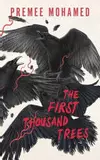
When I finished We Speak through the Mountain Reid had left/escaped Howse University to return home hopefully before her mother died from her Cad infection. Instead of continuing her journey we follow Henryk as he leaves his home after the events of the first book. He sets off to find his uncle’s village at the end of The Annual Migration of Clouds so I found it a bit of a shock, I kept expecting to switch to Reid's point of view for a chapter but it never did.
Henryk's uncles village Sprucedown as a location feels like an oasis in comparisons to Centre that he grew up in, plenty of water, trees, vegetation, but the community itslef more unwelcoming. Lead a boss who rules through strength and fear, superficially strong but in fact brittle, leaving the town vulnerable to raiding parties and having its accomplishments wiped out. The boss is also infected with the Cad, which strengthens his drive to avoid personal danger and force others to protect him.
A noticeable difference between Reid and Henryk’s voice is tense. In The Annual Migration of Clouds and We Speak through the Mountain, narrated by Reid, are impatient present-tense stories, and at one point in the latter she differentiates herself from the people of Howse by thinking, ‘‘I tell the story of myself in the present tense, but they use future.’’ Henryk’s narration, by contrast, is past tense, more ruminative. Thinking of Reid, he notes that ‘‘she lives in an ever present now,’’ and only looks backward ‘‘to refill her deep and righteous well of anger’’ at the world they have inherited. Henryk sees himself, on the other hand, as ‘‘a living joke about people who can’t walk and think at the same time.’’
The last pages of the book and this series, Reid and Henryk are reunited back in their original community. Reid summarises. ‘‘Whatever the future looks like,’’ she says, ‘‘it’s something else. It’s a blend of all of those things or it’s a whole new thing. That’s what we’ve got to do".
When I finished We Speak through the Mountain Reid had left/escaped Howse University to return home hopefully before her mother died from her Cad infection. Instead of continuing her journey we follow Henryk as he leaves his home after the events of the first book. He sets off to find his uncle’s village at the end of The Annual Migration of Clouds so I found it a bit of a shock, I kept expecting to switch to Reid's point of view for a chapter but it never did.
Henryk's uncles village Sprucedown as a location feels like an oasis in comparisons to Centre that he grew up in, plenty of water, trees, vegetation, but the community itslef more unwelcoming. Lead a boss who rules through strength and fear, superficially strong but in fact brittle, leaving the town vulnerable to raiding parties and having its accomplishments wiped out. The boss is also infected with the Cad, which strengthens his drive to avoid personal danger and force others to protect him.
A noticeable difference between Reid and Henryk’s voice is tense. In The Annual Migration of Clouds and We Speak through the Mountain, narrated by Reid, are impatient present-tense stories, and at one point in the latter she differentiates herself from the people of Howse by thinking, ‘‘I tell the story of myself in the present tense, but they use future.’’ Henryk’s narration, by contrast, is past tense, more ruminative. Thinking of Reid, he notes that ‘‘she lives in an ever present now,’’ and only looks backward ‘‘to refill her deep and righteous well of anger’’ at the world they have inherited. Henryk sees himself, on the other hand, as ‘‘a living joke about people who can’t walk and think at the same time.’’
The last pages of the book and this series, Reid and Henryk are reunited back in their original community. Reid summarises. ‘‘Whatever the future looks like,’’ she says, ‘‘it’s something else. It’s a blend of all of those things or it’s a whole new thing. That’s what we’ve got to do".

This coming of age novel is centred on Violet Larkin described as tall, funny, musical some might say dramatic (as a young'n even played in a Broadway production of Peter Pan) had become 'wild' partying, casual sex with all genders (so grateful to see some bi/pansexual representation) which comes crashing down when her younger brother Sam attempts suicide.
This feeds into her belief her family has a 'shipwreck gene' and Vi goes/is sent for the summer to spend with her uncle in a small coastal Maine town, home to generations of her family, and working through her guilt over how did she not notice/ignored Sam was struggling/downing.
In Maine working at an Aquarium she meets the very handsome Orion despite having sworn off romance, but as she bonds with his friend group she falls completely for his hoped-for girlfriend, Liv. Drawn into Liv's local history obsession, she researches the story of her legendary ancestors and seeks the site of the shipwreck, The Lyric, that begins her family story.
I loved the book's playful yet unobtrusive echoes of Twelfth Night, I loved the stumbling romance that only appears two thirds of the way in and in the relationships between the Larkin family. The novel reveals ' The Last True Poets of the Sea' as a phrase the Oceanographer Jacques-Yves Cousteau gave fondly to his crew of the research ship Calypso.
This coming of age novel is centred on Violet Larkin described as tall, funny, musical some might say dramatic (as a young'n even played in a Broadway production of Peter Pan) had become 'wild' partying, casual sex with all genders (so grateful to see some bi/pansexual representation) which comes crashing down when her younger brother Sam attempts suicide.
This feeds into her belief her family has a 'shipwreck gene' and Vi goes/is sent for the summer to spend with her uncle in a small coastal Maine town, home to generations of her family, and working through her guilt over how did she not notice/ignored Sam was struggling/downing.
In Maine working at an Aquarium she meets the very handsome Orion despite having sworn off romance, but as she bonds with his friend group she falls completely for his hoped-for girlfriend, Liv. Drawn into Liv's local history obsession, she researches the story of her legendary ancestors and seeks the site of the shipwreck, The Lyric, that begins her family story.
I loved the book's playful yet unobtrusive echoes of Twelfth Night, I loved the stumbling romance that only appears two thirds of the way in and in the relationships between the Larkin family. The novel reveals ' The Last True Poets of the Sea' as a phrase the Oceanographer Jacques-Yves Cousteau gave fondly to his crew of the research ship Calypso.
Updated a reading goal:
Read 52 books in 2026
Progress so far: 25 / 52 48%

We begin soon after the conclusion of the previous novella The Annual Migration of Clouds with our protagonist nineteen year old Reid Graham now inside Howse University, she roomates with the only other one of this intake who requested to share a room, she discovers the others in the community who would rather stay here and begins to realise why no one returns to their community after attending Howse. But with the revelations about the disease Cad the mysterious mind-altering parasitoid from the first book the questions becomes is it really a choice.
I read a review by Helena Ramsaroop and found it expresses how I feel better than I could. "This book tackles what we owe to each other as humans sharing a planet. Every action is a choice, and not helping others when you have the power and resources to do so is also a choice. Similar to how most of us are baffled by the inaction of our peers who aren’t standing in solidarity with oppressed peoples, and the continued complicity in the suffering of people across the world by those in power, Reid struggles to understand the choices of the university when she has experienced the suffering of life beyond Howse’s walls firsthand".
We begin soon after the conclusion of the previous novella The Annual Migration of Clouds with our protagonist nineteen year old Reid Graham now inside Howse University, she roomates with the only other one of this intake who requested to share a room, she discovers the others in the community who would rather stay here and begins to realise why no one returns to their community after attending Howse. But with the revelations about the disease Cad the mysterious mind-altering parasitoid from the first book the questions becomes is it really a choice.
I read a review by Helena Ramsaroop and found it expresses how I feel better than I could. "This book tackles what we owe to each other as humans sharing a planet. Every action is a choice, and not helping others when you have the power and resources to do so is also a choice. Similar to how most of us are baffled by the inaction of our peers who aren’t standing in solidarity with oppressed peoples, and the continued complicity in the suffering of people across the world by those in power, Reid struggles to understand the choices of the university when she has experienced the suffering of life beyond Howse’s walls firsthand".

Having read a few of Premee Mohamed's works before - her Beneath the Rising trilogy and her critically acclaimed The Siege of Burning Grass I had enjoyed them but I found I enjoyed them less than I expected to given how her narratives seem to be right in my wheelhouse - come on a mediation of the role of a pacifist in a War, with war pterodactyls or the apocalyptic earth and a multi universe eldritch horror squarely is my kinda a story. Her prose style is lyric and clear, a unique voice but they didn't give me that 'turn the page, what's next' feel.
That wasn't the case with this novella The Annual Migration of Clouds. Nineteen year old Reid who has gown up in a community scrambling to survive in post-apocalyptic Alberta ravaged by climate change. She was received an invitation to a university that seems to be half myth, as having security to survive comfortably. This first book in the trilogy covers her thoughts on leaving her community and setting off to this future and what she leaves behind. Through in a 'parasite' described as fungal but later said not to be fungal that seems to have a sapience that infects many of the community and can lead to a painful death our Reid has much to be plucky about.
Aigner Loren Wilson describes the novella thus "The Annual Migration of Clouds is less about the destruction or aftermath of disaster and more focused on how communities, families, and people learn to live together and apart. Despite all the disease, death, and decay surrounding Reid and her community, they still work to hold onto what they have and try to cherish the things they are forced to let go".
The conclusion is very cliff hanging, and this novella certainly feels more like it could be a first third of a larger book and so I was fortunate to be able to begin We Speak Through the Mountain and unless something changes then onto The First Thousand Trees.
Having read a few of Premee Mohamed's works before - her Beneath the Rising trilogy and her critically acclaimed The Siege of Burning Grass I had enjoyed them but I found I enjoyed them less than I expected to given how her narratives seem to be right in my wheelhouse - come on a mediation of the role of a pacifist in a War, with war pterodactyls or the apocalyptic earth and a multi universe eldritch horror squarely is my kinda a story. Her prose style is lyric and clear, a unique voice but they didn't give me that 'turn the page, what's next' feel.
That wasn't the case with this novella The Annual Migration of Clouds. Nineteen year old Reid who has gown up in a community scrambling to survive in post-apocalyptic Alberta ravaged by climate change. She was received an invitation to a university that seems to be half myth, as having security to survive comfortably. This first book in the trilogy covers her thoughts on leaving her community and setting off to this future and what she leaves behind. Through in a 'parasite' described as fungal but later said not to be fungal that seems to have a sapience that infects many of the community and can lead to a painful death our Reid has much to be plucky about.
Aigner Loren Wilson describes the novella thus "The Annual Migration of Clouds is less about the destruction or aftermath of disaster and more focused on how communities, families, and people learn to live together and apart. Despite all the disease, death, and decay surrounding Reid and her community, they still work to hold onto what they have and try to cherish the things they are forced to let go".
The conclusion is very cliff hanging, and this novella certainly feels more like it could be a first third of a larger book and so I was fortunate to be able to begin We Speak Through the Mountain and unless something changes then onto The First Thousand Trees.

I had read Silvia Moreno-Garcia's Certain Dark Things with its meso-American take on vampires, and I had initially thought Mexican Gothic was vampires - the discussions of how the head of the house had brought soil from England, how things should be calm as the head of the house hold would hear even though he was floors aware, the isolated mansion in the hills, the enthralled servants had all pointed me to vampires, so I was pleasantly surprised when the villain turned out to be Capitalism, no Botanical Horror a genre I delight in (see C.G. Drews' "Don't let the forest in"). The protagonist was a "challenging young woman" of the 1950s and by challenging society takes that to mean socialite Noemí Taboada isn't prepared to be treated like shit.
My chemical heart was also tickled by the references to various dye used in her families paint works and her observations based on science and reason.
I had read Silvia Moreno-Garcia's Certain Dark Things with its meso-American take on vampires, and I had initially thought Mexican Gothic was vampires - the discussions of how the head of the house had brought soil from England, how things should be calm as the head of the house hold would hear even though he was floors aware, the isolated mansion in the hills, the enthralled servants had all pointed me to vampires, so I was pleasantly surprised when the villain turned out to be Capitalism, no Botanical Horror a genre I delight in (see C.G. Drews' "Don't let the forest in"). The protagonist was a "challenging young woman" of the 1950s and by challenging society takes that to mean socialite Noemí Taboada isn't prepared to be treated like shit.
My chemical heart was also tickled by the references to various dye used in her families paint works and her observations based on science and reason.