
C


Old Bugs
Every time Lovecraft strayed from cosmic horror, the effects were devastating. This is a very boring tale of a man who ruined his life drinking that hardly gets at the actual destructive power alcohol can have on a person. D.A.R.E. was more effective propaganda than this.
Every time Lovecraft strayed from cosmic horror, the effects were devastating. This is a very boring tale of a man who ruined his life drinking that hardly gets at the actual destructive power alcohol can have on a person. D.A.R.E. was more effective propaganda than this.

Memory is a brief conversation about the end of the world. It does not describe much else beyond a land that has long been reclaimed by nature, and is carried solely on Lovecraft's prose. I suppose it draws on the existential horror that all of humanity is and will be a small blip on the cosmic radar, but it doesn't linger due to its incredibly short length.
Memory is a brief conversation about the end of the world. It does not describe much else beyond a land that has long been reclaimed by nature, and is carried solely on Lovecraft's prose. I suppose it draws on the existential horror that all of humanity is and will be a small blip on the cosmic radar, but it doesn't linger due to its incredibly short length.

Beyond the Wall of Sleep feels like a second attempt to capture an idea of dreams revealing a greater world to those who can perceive it; an idea that was toyed with in his previous story, Polaris. While I do find this story more compelling, it’s marred by a fairly underwhelming climax in which the entity gives some vague notion of the star Algol being a cosmic oppressor before creating a nova (which was based on a real nova that was recorded in the early 1900s), as well as the absurd casual racism in the description of the narrator’s patient. This is the first of his stories where Lovecraft’s infamous racism is so blatant in its presentation, and it makes it all the more difficult to separate the art from the artist.
Beyond the Wall of Sleep feels like a second attempt to capture an idea of dreams revealing a greater world to those who can perceive it; an idea that was toyed with in his previous story, Polaris. While I do find this story more compelling, it’s marred by a fairly underwhelming climax in which the entity gives some vague notion of the star Algol being a cosmic oppressor before creating a nova (which was based on a real nova that was recorded in the early 1900s), as well as the absurd casual racism in the description of the narrator’s patient. This is the first of his stories where Lovecraft’s infamous racism is so blatant in its presentation, and it makes it all the more difficult to separate the art from the artist.

This is a well written description of a fever dream, but lacks in just about every other aspect I’ve come to expect from Lovecraft’s work.
This is a well written description of a fever dream, but lacks in just about every other aspect I’ve come to expect from Lovecraft’s work.

This is a complete nothing burger of a story. It's devoid of anything of value.
This is a complete nothing burger of a story. It's devoid of anything of value.

Stephen King really came out swinging on his first novel. Carrie is iconic horror. I’m not sure how many of the classic horror tropes originated here, but there are a ton, and none of them feel out of place or overdone.
I’d warn about spoilers, but I think everyone knows what happens in Carrie, much like the majority of King’s horror stories. Carrie is a teenager with psychic powers that goes on a killing spree on Prom night after being bullied by her peers constantly. My experience with Stephen King before this was trying to read The Stand and seeing both the miniseries for that and It, so I was kind of surprised that the story was actually that simple (I guess this was pre-cocaine co-author). But being so simple doesn’t mean there’s not much to appreciate. Every character and their personalities are immediately understood just by their name alone. Seriously, I don’t know what it is about King’s characer names, but I already have a perfect picture of who someone named Chris Hargensen or Billy Nolan are going to be like. Even minor characters who show up only once have that aura around their name. But characters aren’t all as one-note as that kind of description would imply. I was surprised to be sympathizing with characters like Sue Snell and Miss Desjarden after what they did in the opening, and even more surprised to feel that for Carrie’s mother by the end after all of the horrible things she did to her daughter. While there is some catharsis in seeing Carrie get revenge on the world who continued to shove her into the ground at every step of her life, it’s ultimately a deeply sad story about how poisonous a society built around maintaining an in-group and evangelical zealotry ends up being, and what happens when it finally breaks an individual.
As enjoyable as it is, there are certainly some issues I have with the novel. One of the more mild criticisms I have are the interjection of excerpts from fictional interviews and articles written about the incident that literally just spoil the plot throughout the first half of the book. The other more serious one is the exploitative description of the women and even some bizarrely racist descriptions that appear once or twice. I know Stephen King’s wife provided input while he was writing and that puberty and the sexualization of women play an important role in Carrie’s character, but it gets really fucking weird when reading about what every other women’s breasts look like. And what the hell was King thinking when describing a swollen lip as that of a black person’s (he even used a slur for that description)? Maybe he was already on the coke at this point.
Unlike some of his later work, King sticks the landing at the end of Carrie. I really did appreciate how the last 20 or so pages (at least in my print) were dedicated to what happened to the town and the survivors. Many imitators of stories like this often forget to have that sort of falling action which drives home the impact of the preceding events. And of course, the little sting at the end that it could happen again is great. It feels like something out of The X-Files, which is funny because that show no doubt took that trend from books like this.
Stephen King really came out swinging on his first novel. Carrie is iconic horror. I’m not sure how many of the classic horror tropes originated here, but there are a ton, and none of them feel out of place or overdone.
I’d warn about spoilers, but I think everyone knows what happens in Carrie, much like the majority of King’s horror stories. Carrie is a teenager with psychic powers that goes on a killing spree on Prom night after being bullied by her peers constantly. My experience with Stephen King before this was trying to read The Stand and seeing both the miniseries for that and It, so I was kind of surprised that the story was actually that simple (I guess this was pre-cocaine co-author). But being so simple doesn’t mean there’s not much to appreciate. Every character and their personalities are immediately understood just by their name alone. Seriously, I don’t know what it is about King’s characer names, but I already have a perfect picture of who someone named Chris Hargensen or Billy Nolan are going to be like. Even minor characters who show up only once have that aura around their name. But characters aren’t all as one-note as that kind of description would imply. I was surprised to be sympathizing with characters like Sue Snell and Miss Desjarden after what they did in the opening, and even more surprised to feel that for Carrie’s mother by the end after all of the horrible things she did to her daughter. While there is some catharsis in seeing Carrie get revenge on the world who continued to shove her into the ground at every step of her life, it’s ultimately a deeply sad story about how poisonous a society built around maintaining an in-group and evangelical zealotry ends up being, and what happens when it finally breaks an individual.
As enjoyable as it is, there are certainly some issues I have with the novel. One of the more mild criticisms I have are the interjection of excerpts from fictional interviews and articles written about the incident that literally just spoil the plot throughout the first half of the book. The other more serious one is the exploitative description of the women and even some bizarrely racist descriptions that appear once or twice. I know Stephen King’s wife provided input while he was writing and that puberty and the sexualization of women play an important role in Carrie’s character, but it gets really fucking weird when reading about what every other women’s breasts look like. And what the hell was King thinking when describing a swollen lip as that of a black person’s (he even used a slur for that description)? Maybe he was already on the coke at this point.
Unlike some of his later work, King sticks the landing at the end of Carrie. I really did appreciate how the last 20 or so pages (at least in my print) were dedicated to what happened to the town and the survivors. Many imitators of stories like this often forget to have that sort of falling action which drives home the impact of the preceding events. And of course, the little sting at the end that it could happen again is great. It feels like something out of The X-Files, which is funny because that show no doubt took that trend from books like this.

I decided to skip ahead in my reading of Lovecraft’s work because I’ve been looking into a lot of media that base themselves on Lovecraftian horror, and The Shadow Over Innsmouth keeps coming up as a direct influence on them. While I did skip over the majority of his work to read this, I feel pretty confident in saying this is probably his best story and I understand why it’s so often used as an inspiration. It’s also where his abhorrent political and racial views are the most visible, which makes it so frustrating to talk about this story in a positive light.
The Shadow Over Innsmouth is a story of a man who hears about the relatively isolated town of Innsmouth on the New England coast while on an ancestral journey to Arkham. Curiosity gets the better of him and he decides to take a day trip, and ends up uncovering horrifying realizations about the residents, and even about himself in a bit of a departure from my previous experiences with his stories. All of the narrators in the stories I have read are typically just observers of strange phenomena or higher beings that may or may not even acknowledge humanity’s existence. Not so in Innsmouth. After a lengthy and somewhat hard to follow backstory of the town given by an old drunk, the narrator is besieged and hunted down by the resident monsters in an excellent chase sequence. And in a twist of events, the narrator discovers that his ancestry can be traced back to those very monsters as he slowly starts to look like one by the story’s end, making the ill-fated discovery of the town seem like a subliminal calling from the beginning. And that’s where the problematic views become too obvious to ignore.
H. P. Lovecraft was a notorious racist and especially despised race-mixing. The subplot in Innsmouth is all about a group of indigenous people in the pacific that bred with the fish people to create horrifying hybrid monsters, and it ties in to the history of the town itself, and the narrator’s lineage is a result of one of these relations. It is a blatant allegory to miscegenation, and how Lovecraft viewed it as a way of inferior traits to invade the white gene pool. And the isolated community that speaks in a throaty language, worships an old god, and has large dealings in a gold-like substance isn’t helping to dissuade any negative comparisons of the fish folk to Jewish people either.
It’s infuriating that these elements take such a spotlight in the story because this is the one where Lovecraft’s classic prose that is simultaneously vague and vivid works at its best. I almost forgot that I already knew the narrator was going to escape Innsmouth due to the past-tense nature of the story because I was so fixated on the moment. The horrors feel so much more real and threatening when they are taking an active interest instead of being a mere glimpse into the unknown. I guess I can take solace in the fact that Lovecraft is long dead, so I’m not really supporting him financially, and that his abhorrent beliefs are at least buried somewhat in allegory instead of being openly part of the story, so I can still recommend this as a classic influential work that can be enjoyed today without feeling the need to qualify that statement with as massive of an asterisk as I would with something like Gone With The Wind or Birth of a Nation.
I decided to skip ahead in my reading of Lovecraft’s work because I’ve been looking into a lot of media that base themselves on Lovecraftian horror, and The Shadow Over Innsmouth keeps coming up as a direct influence on them. While I did skip over the majority of his work to read this, I feel pretty confident in saying this is probably his best story and I understand why it’s so often used as an inspiration. It’s also where his abhorrent political and racial views are the most visible, which makes it so frustrating to talk about this story in a positive light.
The Shadow Over Innsmouth is a story of a man who hears about the relatively isolated town of Innsmouth on the New England coast while on an ancestral journey to Arkham. Curiosity gets the better of him and he decides to take a day trip, and ends up uncovering horrifying realizations about the residents, and even about himself in a bit of a departure from my previous experiences with his stories. All of the narrators in the stories I have read are typically just observers of strange phenomena or higher beings that may or may not even acknowledge humanity’s existence. Not so in Innsmouth. After a lengthy and somewhat hard to follow backstory of the town given by an old drunk, the narrator is besieged and hunted down by the resident monsters in an excellent chase sequence. And in a twist of events, the narrator discovers that his ancestry can be traced back to those very monsters as he slowly starts to look like one by the story’s end, making the ill-fated discovery of the town seem like a subliminal calling from the beginning. And that’s where the problematic views become too obvious to ignore.
H. P. Lovecraft was a notorious racist and especially despised race-mixing. The subplot in Innsmouth is all about a group of indigenous people in the pacific that bred with the fish people to create horrifying hybrid monsters, and it ties in to the history of the town itself, and the narrator’s lineage is a result of one of these relations. It is a blatant allegory to miscegenation, and how Lovecraft viewed it as a way of inferior traits to invade the white gene pool. And the isolated community that speaks in a throaty language, worships an old god, and has large dealings in a gold-like substance isn’t helping to dissuade any negative comparisons of the fish folk to Jewish people either.
It’s infuriating that these elements take such a spotlight in the story because this is the one where Lovecraft’s classic prose that is simultaneously vague and vivid works at its best. I almost forgot that I already knew the narrator was going to escape Innsmouth due to the past-tense nature of the story because I was so fixated on the moment. The horrors feel so much more real and threatening when they are taking an active interest instead of being a mere glimpse into the unknown. I guess I can take solace in the fact that Lovecraft is long dead, so I’m not really supporting him financially, and that his abhorrent beliefs are at least buried somewhat in allegory instead of being openly part of the story, so I can still recommend this as a classic influential work that can be enjoyed today without feeling the need to qualify that statement with as massive of an asterisk as I would with something like Gone With The Wind or Birth of a Nation.

Ever had a dream where you died? What if it was the other way around? An Occurance at Owl Creek Bridge is a pretty short story, but a very influential one. As a man hangs for treason, he imagines an escape and return back to his family. The slip from reality to dream is seamless, making it all the more jarring and eerie when reality snaps back. The way every little detail during the escape is heightened has a disturbing familiarity to me and the dreams I can remember. I'm not sure whether it's a beautiful or deeply unsettling thought that the mind will create the most fantastic delusions to protect itself from the thought of confronting death, and the story is wise enough to leave that question unanswered.
Ever had a dream where you died? What if it was the other way around? An Occurance at Owl Creek Bridge is a pretty short story, but a very influential one. As a man hangs for treason, he imagines an escape and return back to his family. The slip from reality to dream is seamless, making it all the more jarring and eerie when reality snaps back. The way every little detail during the escape is heightened has a disturbing familiarity to me and the dreams I can remember. I'm not sure whether it's a beautiful or deeply unsettling thought that the mind will create the most fantastic delusions to protect itself from the thought of confronting death, and the story is wise enough to leave that question unanswered.

I’m a sucker for historical fiction that centers around actual events. Books like The Black Dahlia, The Assassination of Jesse James by the Coward Robert Ford, and now Alias Grace are some of my favorites of the genre. I was not aware of the Kinnear-Montgomery murders until reading this book, and I do think they are not quite as sensational or fascinating as the other events depicted in the books I had mentioned, but it’s hard not to get enraptured by Margret Atwood’s version of Grace’s history and Dr. Simon Jordan’s attempt to remain impartial in his investigation for the truth.
One thing Alias Grace nails is the miserable life of the average woman in the nineteenth century. Once they’re barely teenagers, they have to work basically every waking minute of their life until they have enough money for a dowry for marriage, which basically amounts to two to three years of income before a man takes it, presumably wasting away on booze and disappearing for weeks at a time based on the majority of male characters in the book. The world is filthy. Drinking and washing water for the public asylum is taken from the same stagnant lake that the sewage runs into, cooking water is reused for washing at the run down inns along the road, and there’s dirt and grime everywhere. And it’s always the woman’s job to clean it up.
The broader politics of the US and Canada at the time also play a large role in shaping the cruelty of the world. Much of Grace’s life took place around the time of the Canadian rebellions, which directly impacted the public opinion of her trial due to the nature of those who were murdered. Dr. Simon also got caught up in the US civil war after an unceremonious exit from Canada (which I felt was a little too convenient of a way to take him out of the story’s end). The saddest and most timeless aspect is the way the media's sensationalized version of the murders were taken as evidence, and the assumption of guilt painting every little action as a reinforcement of that belief. Despite having a rigorous burden of proof on the prosecution these days, it still feels like the court of public opinion still operates the same as it ever did.
Where the book stumbles a bit for me is towards the end, when Dr. Simon begins to investigate outside of just interviewing Grace. Seeds of doubt are attempted to be placed in her story, but after 300 pages of hearing her version and not really seeing much beyond the opinion of others who we have spent zero time with in the story, it’s hard to really believe that there might be some sinister angle that she’s playing. There is also a mental health research angle that is toyed with throughout the book, but doesn’t really feel like it goes anywhere. Grace’s recount of her life is one that she gave willingly and openly, and the doctors’ primitive attempts to dig at buried memories that might reveal new information are all a waste of time and brushed aside.
The way the book was structured kept me hooked the entire time. I loved the way real documents about the case were used as an intro to each part, and how Grace’s story and Simon’s story are told from completely different perspectives. Dreams play an important part throughout the narrative, and each of them are disturbing and surreal to the point where it feels almost supernatural. I would hesitate to call this book long-winded, but I did start to feel its length towards the end after it felt like the plot has resolved (or hit an impossible roadblock might be a better phrasing). At least this depressing tale had a happy ending.
I’m a sucker for historical fiction that centers around actual events. Books like The Black Dahlia, The Assassination of Jesse James by the Coward Robert Ford, and now Alias Grace are some of my favorites of the genre. I was not aware of the Kinnear-Montgomery murders until reading this book, and I do think they are not quite as sensational or fascinating as the other events depicted in the books I had mentioned, but it’s hard not to get enraptured by Margret Atwood’s version of Grace’s history and Dr. Simon Jordan’s attempt to remain impartial in his investigation for the truth.
One thing Alias Grace nails is the miserable life of the average woman in the nineteenth century. Once they’re barely teenagers, they have to work basically every waking minute of their life until they have enough money for a dowry for marriage, which basically amounts to two to three years of income before a man takes it, presumably wasting away on booze and disappearing for weeks at a time based on the majority of male characters in the book. The world is filthy. Drinking and washing water for the public asylum is taken from the same stagnant lake that the sewage runs into, cooking water is reused for washing at the run down inns along the road, and there’s dirt and grime everywhere. And it’s always the woman’s job to clean it up.
The broader politics of the US and Canada at the time also play a large role in shaping the cruelty of the world. Much of Grace’s life took place around the time of the Canadian rebellions, which directly impacted the public opinion of her trial due to the nature of those who were murdered. Dr. Simon also got caught up in the US civil war after an unceremonious exit from Canada (which I felt was a little too convenient of a way to take him out of the story’s end). The saddest and most timeless aspect is the way the media's sensationalized version of the murders were taken as evidence, and the assumption of guilt painting every little action as a reinforcement of that belief. Despite having a rigorous burden of proof on the prosecution these days, it still feels like the court of public opinion still operates the same as it ever did.
Where the book stumbles a bit for me is towards the end, when Dr. Simon begins to investigate outside of just interviewing Grace. Seeds of doubt are attempted to be placed in her story, but after 300 pages of hearing her version and not really seeing much beyond the opinion of others who we have spent zero time with in the story, it’s hard to really believe that there might be some sinister angle that she’s playing. There is also a mental health research angle that is toyed with throughout the book, but doesn’t really feel like it goes anywhere. Grace’s recount of her life is one that she gave willingly and openly, and the doctors’ primitive attempts to dig at buried memories that might reveal new information are all a waste of time and brushed aside.
The way the book was structured kept me hooked the entire time. I loved the way real documents about the case were used as an intro to each part, and how Grace’s story and Simon’s story are told from completely different perspectives. Dreams play an important part throughout the narrative, and each of them are disturbing and surreal to the point where it feels almost supernatural. I would hesitate to call this book long-winded, but I did start to feel its length towards the end after it felt like the plot has resolved (or hit an impossible roadblock might be a better phrasing). At least this depressing tale had a happy ending.

This is the first of Lovecraft’s stories I would consider to be part of the “Cthulhu mythos”, despite Dagon being an actual religious deity. I say this because it has so many of the thematic elements in the mythos. Unlike his previous short stories, this one feels more like a lore dump than an actual story, as the character followed isn’t doing much more than exploring an uncharted island and witnessing events without active participation. This is the classic Lovecraft story structure and while I’m not a huge fan of it, the prose makes it far more compelling than it ought to be. Lovecraft was obsessed with revealing a world not meant for the human eye through mere glimpses, which was enough to drive any witness to it insane. There’s a fine line he had to walk with giving just enough detail to paint a vivid picture, but not enough to where the reader can understand what’s happening any better than the character. Dagon is in that sweet spot. I really like the aquatic nature of the story as well. To this day, the ocean is still as mysterious and alien as it was over a hundred years ago, making any kind of monster surfacing from it just as terrifying now. What I feel is missing from this story is the more detailed spiral of the narrator after he returned to civilization. I am always more interested in how characters react and cope with the things they experience in a horror story, but Lovecraft is just not interested in expanding on that here. Though I guess if I saw a giant fish person on a creepy deserted island, I would also lose my mind and there wouldn’t be much more to it either.
This is the first of Lovecraft’s stories I would consider to be part of the “Cthulhu mythos”, despite Dagon being an actual religious deity. I say this because it has so many of the thematic elements in the mythos. Unlike his previous short stories, this one feels more like a lore dump than an actual story, as the character followed isn’t doing much more than exploring an uncharted island and witnessing events without active participation. This is the classic Lovecraft story structure and while I’m not a huge fan of it, the prose makes it far more compelling than it ought to be. Lovecraft was obsessed with revealing a world not meant for the human eye through mere glimpses, which was enough to drive any witness to it insane. There’s a fine line he had to walk with giving just enough detail to paint a vivid picture, but not enough to where the reader can understand what’s happening any better than the character. Dagon is in that sweet spot. I really like the aquatic nature of the story as well. To this day, the ocean is still as mysterious and alien as it was over a hundred years ago, making any kind of monster surfacing from it just as terrifying now. What I feel is missing from this story is the more detailed spiral of the narrator after he returned to civilization. I am always more interested in how characters react and cope with the things they experience in a horror story, but Lovecraft is just not interested in expanding on that here. Though I guess if I saw a giant fish person on a creepy deserted island, I would also lose my mind and there wouldn’t be much more to it either.

Cold Mountain is two things, a very detailed tale of the American civil war outside of its battles, and over indulgent. This is one of those “it’s about the journey, not the destination” type books, probably the most out of any that I’ve read. And boy does it take its sweet time detailing every note of the journey. Nothing is left for imagination with such vivid imagery and care put into the accuracy of the location and era this book takes place in. It’s by far the most compelling part of the book. Even the language used is meant to be of the time.
Cold Mountain feels like two separate stories for the vast majority of its length. One about the odyssey of Inman, a Confederate deserter’s travel from the hospital back to his home; and the other about Ada, a young woman who has to learn to survive after her preacher father passes away and leaves her on her own in rural Appalachia. Brief flashbacks from before the war tie the two together early on in their journeys, but there are long stretches of time where they are deep in their own struggles. Inman’s story covers the general politics and attitude of the average Confederate as he moves from town to town, while Ada’s shows the daily toil of survival in the 19th century. I was surprised to be more invested in the latter, but it’s easy to see why in hindsight. For all of the tales Inman heard and experienced about the horrors and futility of war, and the normalized dehumanizing evil that slavery cast on the way of life in the south, he doesn’t seem phased by any of it. Ada on the other hand, actually grows as a person and learns not only to survive, but how to step out of her father’s shadow.
I did not love this book, but I felt like it was worth my time. It was educational in a way. I had to look up quite a few terms, and in doing so, went down Wikipedia rabbit holes. Even when the plot felt like it was dragging its feet, I was still wrapped up in the immediate happenings of complete strangers as they passed by Inman, or the never ending work needed just to get through the winter on Ada’s farm.
Cold Mountain is two things, a very detailed tale of the American civil war outside of its battles, and over indulgent. This is one of those “it’s about the journey, not the destination” type books, probably the most out of any that I’ve read. And boy does it take its sweet time detailing every note of the journey. Nothing is left for imagination with such vivid imagery and care put into the accuracy of the location and era this book takes place in. It’s by far the most compelling part of the book. Even the language used is meant to be of the time.
Cold Mountain feels like two separate stories for the vast majority of its length. One about the odyssey of Inman, a Confederate deserter’s travel from the hospital back to his home; and the other about Ada, a young woman who has to learn to survive after her preacher father passes away and leaves her on her own in rural Appalachia. Brief flashbacks from before the war tie the two together early on in their journeys, but there are long stretches of time where they are deep in their own struggles. Inman’s story covers the general politics and attitude of the average Confederate as he moves from town to town, while Ada’s shows the daily toil of survival in the 19th century. I was surprised to be more invested in the latter, but it’s easy to see why in hindsight. For all of the tales Inman heard and experienced about the horrors and futility of war, and the normalized dehumanizing evil that slavery cast on the way of life in the south, he doesn’t seem phased by any of it. Ada on the other hand, actually grows as a person and learns not only to survive, but how to step out of her father’s shadow.
I did not love this book, but I felt like it was worth my time. It was educational in a way. I had to look up quite a few terms, and in doing so, went down Wikipedia rabbit holes. Even when the plot felt like it was dragging its feet, I was still wrapped up in the immediate happenings of complete strangers as they passed by Inman, or the never ending work needed just to get through the winter on Ada’s farm.

I’m a big fan of hard sci-fi and horror. Jurassic Park starts off feeling like it’s going to satisfy both of these things, but it quickly mutates into something more akin to a standard pop-thriller with the veneer of science fiction. A tale about playing God and watching as it all goes wrong is far from a novel concept for science fiction, has been told much better, and much of the actual hard science in the book is not at all correct. But Jurassic Park still manages to be a fun and pretty easy read despite these problems. Being a big fan of the 1993 movie, I also found it fun to finally compare it to the source material.
I’m sure most people these days have probably seen the movie before reading the book. I’m not going to be that snob who says the book is better than the movie, because the movie does a lot of things better than the book when it comes to giving every character something to do and how it handles the action. But I think I do prefer the way events play out in the book and the characterization of the major characters in the book, specifically John Hammond. Hammond in the book is a far more disgusting individual, thinking himself a super genius like a certain South African asshole tech owner. And much like Elon Musk, he takes credit for all of his employees’ achievements, cuts corners on just about everything (especially safety), and blames everyone else when shit inevitably hits the fan. It’s wild and honestly pretty disappointing that the movie sanitizes the hell out of Hammond and turns him into a loveable grandpa who just wanted to bring joy and cheer to kids around the world. Hammond’s cruelty and desire to play God all in the quest of making money and a legacy out of his name is a far closer to the harsh reality of a man like him.
The book in general is much more violent and “grounded” compared to the movie. Unfortunately, much of the hard science is just straight up wrong. I can give some leeway because the majority of it isn’t really central to the book’s theme about considering the consequences of scientific advances without respect for its power. But it is rather annoying when the book pretends to be more hard science than it really is, especially when so much exposition is given to the science behind the dinosaurs and cloning. And much of it could’ve been easily explained away with about the same amount of detail that was already given. The book explains that the dinosaurs had been genetically modified so that they can’t produce lysine and must consume it from specific modified food. You know who else can’t produce lysine? The entire fucking animal kingdom. Michael Crichton was a medical doctor and should’ve absolutely known this, and so would the genetic researchers in the book. Just make up a fake engineered enzyme like you did with the fake lizard in the prologue Michael!
The bigger problem that is harder to ignore is how much chaos theory is used to explain why the park was doomed to fail from the start. Realizing that factors were not taken into account when predicting a system’s behavior isn’t all there is, nor is it unique to chaos theory. But that’s about as far as Jurassic Park takes it. It’s only ever relevant when Ian Malcolm uses it as a catch-all to explain why things are going wrong all over the island and inevitably causes the whole operation to collapse in on itself. But the arrogance of man and tinkering with the mechanics of life without a full understanding of its consequences is a tale as old as civilization. Contextualizing it as “chaos theory” is a silly rebrand to make it sound more technical than it really is.
I can see why this book is so popular. It’s a pretty fast read considering its length, characters are easy to love or hate, the story structure easily creates tension by changing between each character’s perspective as events unfold, and its core message is impossible to miss with how much it’s bludgeoned into the reader’s head. It’s the Dan Brown of science fiction: a simple thriller with enough “facts” to seem plausible enough to take seriously.
I’m a big fan of hard sci-fi and horror. Jurassic Park starts off feeling like it’s going to satisfy both of these things, but it quickly mutates into something more akin to a standard pop-thriller with the veneer of science fiction. A tale about playing God and watching as it all goes wrong is far from a novel concept for science fiction, has been told much better, and much of the actual hard science in the book is not at all correct. But Jurassic Park still manages to be a fun and pretty easy read despite these problems. Being a big fan of the 1993 movie, I also found it fun to finally compare it to the source material.
I’m sure most people these days have probably seen the movie before reading the book. I’m not going to be that snob who says the book is better than the movie, because the movie does a lot of things better than the book when it comes to giving every character something to do and how it handles the action. But I think I do prefer the way events play out in the book and the characterization of the major characters in the book, specifically John Hammond. Hammond in the book is a far more disgusting individual, thinking himself a super genius like a certain South African asshole tech owner. And much like Elon Musk, he takes credit for all of his employees’ achievements, cuts corners on just about everything (especially safety), and blames everyone else when shit inevitably hits the fan. It’s wild and honestly pretty disappointing that the movie sanitizes the hell out of Hammond and turns him into a loveable grandpa who just wanted to bring joy and cheer to kids around the world. Hammond’s cruelty and desire to play God all in the quest of making money and a legacy out of his name is a far closer to the harsh reality of a man like him.
The book in general is much more violent and “grounded” compared to the movie. Unfortunately, much of the hard science is just straight up wrong. I can give some leeway because the majority of it isn’t really central to the book’s theme about considering the consequences of scientific advances without respect for its power. But it is rather annoying when the book pretends to be more hard science than it really is, especially when so much exposition is given to the science behind the dinosaurs and cloning. And much of it could’ve been easily explained away with about the same amount of detail that was already given. The book explains that the dinosaurs had been genetically modified so that they can’t produce lysine and must consume it from specific modified food. You know who else can’t produce lysine? The entire fucking animal kingdom. Michael Crichton was a medical doctor and should’ve absolutely known this, and so would the genetic researchers in the book. Just make up a fake engineered enzyme like you did with the fake lizard in the prologue Michael!
The bigger problem that is harder to ignore is how much chaos theory is used to explain why the park was doomed to fail from the start. Realizing that factors were not taken into account when predicting a system’s behavior isn’t all there is, nor is it unique to chaos theory. But that’s about as far as Jurassic Park takes it. It’s only ever relevant when Ian Malcolm uses it as a catch-all to explain why things are going wrong all over the island and inevitably causes the whole operation to collapse in on itself. But the arrogance of man and tinkering with the mechanics of life without a full understanding of its consequences is a tale as old as civilization. Contextualizing it as “chaos theory” is a silly rebrand to make it sound more technical than it really is.
I can see why this book is so popular. It’s a pretty fast read considering its length, characters are easy to love or hate, the story structure easily creates tension by changing between each character’s perspective as events unfold, and its core message is impossible to miss with how much it’s bludgeoned into the reader’s head. It’s the Dan Brown of science fiction: a simple thriller with enough “facts” to seem plausible enough to take seriously.

If you know me, then you know this definitely wasn’t a book that I had thought to read myself. I don’t have a lot of award winning coming-of-age, teenage drama, or just general contemporary fiction on my shelves, because I am dumb, and a man. Which is probably why I was so easily engrossed in the tale of a small Michigan suburban family as told by the collective memories of dumb teenage boys.
The Michigan elements were so accurate and core to the setting that it wasn’t surprising at all to find out that the author was from the Detroit area. From the second page about the early summer season being marked by the cloud of fish flies that invade the town (they really do get everywhere and it’s as gross as you think it is), or the references to the Detroit race riots and declining automotive industry, or even just the mention of grocery store chains like Kroger, I felt a sort of nostalgia despite growing up over an hour away and nearly 30 years after the era this book is set in. These weren’t childhood experiences of mine (aside from the grocery stores), but it was enough for me to have an exact image in my mind while reading. Not that I needed that kind of familiarity to do so, however.
Jeffrey Eugenides has a powerful way with words. His prose is direct, and his descriptions meticulous, which leads to some sickening passages. And it works for the narrators. These aren’t hazy, half forgotten memories to these kids. They are vivid mental photos of a traumatic period and turning point in their lives. Of course, being memories of boys going through puberty and growing up in a “traditional” patriarchal environment, they weren’t really focusing on the right things that would’ve helped solve the mystery of “why did they do it?”
It’s no mystery who is dying in this story. From the opening, we are told it’s going to be every single Lisbon daughter. But the reasons why are more or less up to the reader to decide. There are plenty of theories offered and warning signs that were so obvious in hindsight that someone should’ve reacted to. And that’s the real depressing thing about this book. No one had the compassion or courage to try to do anything until it was far too late. The Lisbons shut themselves away from the world, the neighbors only did something if it affected their bottom line, and the boys just gawked and ogled. But it’s part of why the ending doesn’t feel as poignant to me as it seems it’s meant to be. They claim to have loved the Lisbon girls, but only twice took the initiative to make contact with them over the course of a year, and couldn’t remember more than their physical qualities and belongings. Their recollection and investigation into what happened is no more sincere than Ms. Perl’s piece of journalism.
There are a lot of different messages that one could get from this book. To me, it reads as a failure of society, and the moment we “come of age” is the moment we realize that the practices and lifestyle we revered as children is not sustainable. The Lisbon parents were the worst kind of helicopter parents, treating their children as objects to be preserved instead of people who need social interaction even before the first suicide. The rest of the town did the absolute bare minimum to address Cecelia’s suicide and even went so far as to basically shun the Lisbon family when they stopped taking care of themselves, then accepted the outside theories as to why five daughters in one family all killed themselves in their own community instead of having enough awareness of their own environment. The entire southeast Michigan region decayed both in its environment and its economy throughout the story as a result of actions taken well before the narrators were born. Not only did the Lisbon daughters die by the end of the story, but the town itself as well.
If you know me, then you know this definitely wasn’t a book that I had thought to read myself. I don’t have a lot of award winning coming-of-age, teenage drama, or just general contemporary fiction on my shelves, because I am dumb, and a man. Which is probably why I was so easily engrossed in the tale of a small Michigan suburban family as told by the collective memories of dumb teenage boys.
The Michigan elements were so accurate and core to the setting that it wasn’t surprising at all to find out that the author was from the Detroit area. From the second page about the early summer season being marked by the cloud of fish flies that invade the town (they really do get everywhere and it’s as gross as you think it is), or the references to the Detroit race riots and declining automotive industry, or even just the mention of grocery store chains like Kroger, I felt a sort of nostalgia despite growing up over an hour away and nearly 30 years after the era this book is set in. These weren’t childhood experiences of mine (aside from the grocery stores), but it was enough for me to have an exact image in my mind while reading. Not that I needed that kind of familiarity to do so, however.
Jeffrey Eugenides has a powerful way with words. His prose is direct, and his descriptions meticulous, which leads to some sickening passages. And it works for the narrators. These aren’t hazy, half forgotten memories to these kids. They are vivid mental photos of a traumatic period and turning point in their lives. Of course, being memories of boys going through puberty and growing up in a “traditional” patriarchal environment, they weren’t really focusing on the right things that would’ve helped solve the mystery of “why did they do it?”
It’s no mystery who is dying in this story. From the opening, we are told it’s going to be every single Lisbon daughter. But the reasons why are more or less up to the reader to decide. There are plenty of theories offered and warning signs that were so obvious in hindsight that someone should’ve reacted to. And that’s the real depressing thing about this book. No one had the compassion or courage to try to do anything until it was far too late. The Lisbons shut themselves away from the world, the neighbors only did something if it affected their bottom line, and the boys just gawked and ogled. But it’s part of why the ending doesn’t feel as poignant to me as it seems it’s meant to be. They claim to have loved the Lisbon girls, but only twice took the initiative to make contact with them over the course of a year, and couldn’t remember more than their physical qualities and belongings. Their recollection and investigation into what happened is no more sincere than Ms. Perl’s piece of journalism.
There are a lot of different messages that one could get from this book. To me, it reads as a failure of society, and the moment we “come of age” is the moment we realize that the practices and lifestyle we revered as children is not sustainable. The Lisbon parents were the worst kind of helicopter parents, treating their children as objects to be preserved instead of people who need social interaction even before the first suicide. The rest of the town did the absolute bare minimum to address Cecelia’s suicide and even went so far as to basically shun the Lisbon family when they stopped taking care of themselves, then accepted the outside theories as to why five daughters in one family all killed themselves in their own community instead of having enough awareness of their own environment. The entire southeast Michigan region decayed both in its environment and its economy throughout the story as a result of actions taken well before the narrators were born. Not only did the Lisbon daughters die by the end of the story, but the town itself as well.

The Tomb is the first Lovecraft story that truly feels like one. The hallmarks of his style of horror are all here; an unreliable narrator who has been committed to an asylum, supernatural phenomena that is mostly left unexplained, New England, it’s all there. What I like most about this story is the unresolved nature of Jervas’ spooky adventure with the ghosts in a graveyard. It’s quite possible that it was all in his head, as the rest of the town just saw him with glazed eyes wandering around the graves, but certain physical traits of the world are acknowledged by the other characters which can’t be ignored. While it’s still missing the classic eldritch horror mythos Lovecraft is best known for, this is still a captivating short story.
The Tomb is the first Lovecraft story that truly feels like one. The hallmarks of his style of horror are all here; an unreliable narrator who has been committed to an asylum, supernatural phenomena that is mostly left unexplained, New England, it’s all there. What I like most about this story is the unresolved nature of Jervas’ spooky adventure with the ghosts in a graveyard. It’s quite possible that it was all in his head, as the rest of the town just saw him with glazed eyes wandering around the graves, but certain physical traits of the world are acknowledged by the other characters which can’t be ignored. While it’s still missing the classic eldritch horror mythos Lovecraft is best known for, this is still a captivating short story.
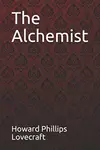
Lovecraft’s second story is even less interesting than his first. The story of a cursed family living in a decrepit castle has little to do with the cosmic horror Lovecraft is known for. The sorcerer who cursed the main character’s lineage revealed that the curse itself was not real, but his own doing as if it were a Scooby Doo mystery, and the supernatural element is that he figured out how to live eternally in a dark depressing dungeon. How eternal life was achieved is completely glossed over and why he did it is assumed to be nothing more than to keep murdering some dude’s next of kin over and over and over again. It’s amusing, but not any more horrifying than any classic revenge tale. The Alchemist is a decent short story on its own, but this is not emblematic of H.P. Lovecraft’s appeal.
Lovecraft’s second story is even less interesting than his first. The story of a cursed family living in a decrepit castle has little to do with the cosmic horror Lovecraft is known for. The sorcerer who cursed the main character’s lineage revealed that the curse itself was not real, but his own doing as if it were a Scooby Doo mystery, and the supernatural element is that he figured out how to live eternally in a dark depressing dungeon. How eternal life was achieved is completely glossed over and why he did it is assumed to be nothing more than to keep murdering some dude’s next of kin over and over and over again. It’s amusing, but not any more horrifying than any classic revenge tale. The Alchemist is a decent short story on its own, but this is not emblematic of H.P. Lovecraft’s appeal.

H.P. Lovecraft’s first short story isn’t really anything special. By today’s standards it’s quaint, with a twist that is so predictable it’s hardly one at all. Most of the length of this story is dedicated to very lengthy descriptions of what the protagonist hears and sees, both real and imagined. What’s notable about it is the analytical approach to the sights and sounds described, never outright stating the nature of the beast, only assuming based on observations. This is an essential part of Lovecraft’s approach to horror and what makes it so influential, and it’s cool to see that it was in his work from the start.
H.P. Lovecraft’s first short story isn’t really anything special. By today’s standards it’s quaint, with a twist that is so predictable it’s hardly one at all. Most of the length of this story is dedicated to very lengthy descriptions of what the protagonist hears and sees, both real and imagined. What’s notable about it is the analytical approach to the sights and sounds described, never outright stating the nature of the beast, only assuming based on observations. This is an essential part of Lovecraft’s approach to horror and what makes it so influential, and it’s cool to see that it was in his work from the start.

Brighter past, darker future. Turns out that epigraph was describing the quality of the Metro book series. Metro 2033 was a flawed, but ultimately worthwhile post-apocalyptic novel that created a compelling hellscape out of Moscow and its Metro system, complete with elements of Russian culture and movements that survived the missiles and cosmic horrors beyond human comprehension. Metro 2034 was an awful followup that was more of a side story, which sidelined the supernatural and introduced new characters and stakes that were utterly uninteresting to follow. Metro 2035 returns to Artyom’s story and has a lot to say about current Russian society. I just wish it didn’t completely destroy its own universe in the process.
From a technical standpoint, the book is better written than 2034. My editions for 2034 and 2035 were by the same translator, but the text was properly formatted this time. There were still some strange punctuation issues, with most words ending in “i” having that letter capitalized for no reason. And the prose itself was still very clunky. I don’t know how much of that is on the translation or just Dimitry’s skills as a writer. I doubt that reading a comparison of the burnt out Moscow with its remaining citizens stuck in the metro to a dead woman’s vagina holding in a baby is going to read any better in the original Russian version though. Yes, that is an actual passage in the book. It’s the worst that the book ever gets, but this sort of juvenile mean-spirited edge is pervasive throughout the new depiction of the world.
The theme of this book is that humanity are the true monsters of the Metro. Gone are the cosmic horrors and dangerous mutants of Metro 2033 and 2034, leaving just radiation on the surface to worry about. Multiple times in the book, characters will go above ground completely unprotected and return just fine with the exception of Artyom, who is irradiated or fine depending on what’s demanded by the plot. This used to be an excursion so dangerous, that the ones who made their living scavenging the destroyed city were regarded as heroes. Artyom apparently trained his eyes so that he was able to go up to the surface without blinding himself, something mentioned in this very book, but then others who had lived their entire lives underground had no problems on the surface during the day. The Kremlin, a building that would lure in and consume stalkers if they just glanced at it in 2033, no longer has its power. This is never really explained, other than the implication that Metro 2033 and Metro 2034 are “fairytales” written by Homer about Artyom and Hunter’s journey. As amusing as the literal Nazi criticising the grammar of Homer’s draft of Metro 2034 is, I hate this recontextualization.
Demystification of the previous books is a running theme throughout Metro 2035. The legendary Hunter is revealed to have been a bloodthirsty drunk, who could barely stand throughout his travels with Homer. Miller, hero and leader of the Order, beat his wife and abused his daughter. Sasha returns, and is still one of the worst written characters I’ve had the displeasure of knowing. No longer is she the female version of Artyom who wants to save the metro, she has literally become a whore who falls in love with anyone who spends more than an hour with her. Both Sasha and Anya, Artyom’s wife that he picked up in 2034, are so awfully written that I think this is one case where a lack of inclusivity would’ve actually benefited the story. Dimitry has failed twice now to write a compelling woman character, or at the very least one who’s mere existence is to be more than just a McGuffin to a man.
I’m fine with what happened to the characters (except for the women’s roles in the story), but removing the cosmic horror of the world removes a major element that set this world apart from other post-apocalyptic stories. It begs the question, what even were the dark ones in the first book if mutants and ghosts were just tall tales of Homer’s? They are the only supernatural entity left unexplained, and it feels off when they were supposed to be humanity’s last chance at salvation despite a later reveal that contradicts this belief. Yet they can't be chalked up as another myth because of how they are discussed by the characters in this book.
Artyom’s main drive in this story is to find a way to return to the surface and make contact with any survivors outside of Moscow. Meanwhile, famine and war between all of the metro’s factions are on the verge of breaking out. On his journey, he crosses paths multiple times with the major factions of the series; the Hansa merchants who represent the Russian oligarchs that control the majority of Russia’s wealth, the Reds who represent the desire to return to the empire of the USSR, the Reich who represent the various fascist movements present in Russian society, and the Order who are now mostly made up of Hansa personnel and represent the military force used to safeguard the nation from threats both foreign and domestic. Nearly every chapter follows a formula of meeting a faction, witnessing a horrific atrocity committed by said faction, and a miraculous escape from death that feels more and more like a total ass-pull each time it happens.
The big twist is that the old Russian government is still alive and has been exerting its influence over the metro ever since the apocalypse. The invisible watchers as they call themselves, literally say that they would step in and interfere to maintain the status quo including stopping the dark ones back in 2033 had Artyom not beat them to it, and preventing the current mushroom blight that is causing the famine. They set up signal jammers to prevent Moscow from communicating with the rest of the world so they could contain the civilians and continue their suffering. It not only nullifies everything that happened in the series up to that point, but flies in the face of the representation of each faction as a facet of Russian society and offers a single secret elite enemy as an easy target for society’s outrage when there is no such parallel to our reality.
When Artyom goes to his friends with this information and formulates a plan to break the systemic oppression of the metro, every single one of them either dies or betrays him with the exception of Anya. The book ends with Artyom and Anya driving off into the sunset, leaving the metro behind presumably for good and the survivors who remain stay blind to their salvation or actively work to suppress it.
The plot, particularly its final chapters, are without a doubt a parallel to the current status quo of Russia and Dimitry’s view of its citizens’ tolerance to oppression. It makes much more sense when discovering that Dimitry was involved in anti-Putin protests over Russia’s involvement in the Ukraine war back when it started in early 2014, and has since fled Russia on the account of being branded a criminal and foreign agent for these criticisms. The protests utterly failed and I’m sure Dimitry felt the same sort of betrayal Artyom felt from his fellow countrymen after failing to rouse them against their oppressors. I understand the sentiment behind the story. It’s one I especially felt with the USA’s continued support of Israel and their genocidal occupation of Palestine. Was this story worth destroying the rich universe that Metro 2033 had created? Absolutely not!
Brighter past, darker future. Turns out that epigraph was describing the quality of the Metro book series. Metro 2033 was a flawed, but ultimately worthwhile post-apocalyptic novel that created a compelling hellscape out of Moscow and its Metro system, complete with elements of Russian culture and movements that survived the missiles and cosmic horrors beyond human comprehension. Metro 2034 was an awful followup that was more of a side story, which sidelined the supernatural and introduced new characters and stakes that were utterly uninteresting to follow. Metro 2035 returns to Artyom’s story and has a lot to say about current Russian society. I just wish it didn’t completely destroy its own universe in the process.
From a technical standpoint, the book is better written than 2034. My editions for 2034 and 2035 were by the same translator, but the text was properly formatted this time. There were still some strange punctuation issues, with most words ending in “i” having that letter capitalized for no reason. And the prose itself was still very clunky. I don’t know how much of that is on the translation or just Dimitry’s skills as a writer. I doubt that reading a comparison of the burnt out Moscow with its remaining citizens stuck in the metro to a dead woman’s vagina holding in a baby is going to read any better in the original Russian version though. Yes, that is an actual passage in the book. It’s the worst that the book ever gets, but this sort of juvenile mean-spirited edge is pervasive throughout the new depiction of the world.
The theme of this book is that humanity are the true monsters of the Metro. Gone are the cosmic horrors and dangerous mutants of Metro 2033 and 2034, leaving just radiation on the surface to worry about. Multiple times in the book, characters will go above ground completely unprotected and return just fine with the exception of Artyom, who is irradiated or fine depending on what’s demanded by the plot. This used to be an excursion so dangerous, that the ones who made their living scavenging the destroyed city were regarded as heroes. Artyom apparently trained his eyes so that he was able to go up to the surface without blinding himself, something mentioned in this very book, but then others who had lived their entire lives underground had no problems on the surface during the day. The Kremlin, a building that would lure in and consume stalkers if they just glanced at it in 2033, no longer has its power. This is never really explained, other than the implication that Metro 2033 and Metro 2034 are “fairytales” written by Homer about Artyom and Hunter’s journey. As amusing as the literal Nazi criticising the grammar of Homer’s draft of Metro 2034 is, I hate this recontextualization.
Demystification of the previous books is a running theme throughout Metro 2035. The legendary Hunter is revealed to have been a bloodthirsty drunk, who could barely stand throughout his travels with Homer. Miller, hero and leader of the Order, beat his wife and abused his daughter. Sasha returns, and is still one of the worst written characters I’ve had the displeasure of knowing. No longer is she the female version of Artyom who wants to save the metro, she has literally become a whore who falls in love with anyone who spends more than an hour with her. Both Sasha and Anya, Artyom’s wife that he picked up in 2034, are so awfully written that I think this is one case where a lack of inclusivity would’ve actually benefited the story. Dimitry has failed twice now to write a compelling woman character, or at the very least one who’s mere existence is to be more than just a McGuffin to a man.
I’m fine with what happened to the characters (except for the women’s roles in the story), but removing the cosmic horror of the world removes a major element that set this world apart from other post-apocalyptic stories. It begs the question, what even were the dark ones in the first book if mutants and ghosts were just tall tales of Homer’s? They are the only supernatural entity left unexplained, and it feels off when they were supposed to be humanity’s last chance at salvation despite a later reveal that contradicts this belief. Yet they can't be chalked up as another myth because of how they are discussed by the characters in this book.
Artyom’s main drive in this story is to find a way to return to the surface and make contact with any survivors outside of Moscow. Meanwhile, famine and war between all of the metro’s factions are on the verge of breaking out. On his journey, he crosses paths multiple times with the major factions of the series; the Hansa merchants who represent the Russian oligarchs that control the majority of Russia’s wealth, the Reds who represent the desire to return to the empire of the USSR, the Reich who represent the various fascist movements present in Russian society, and the Order who are now mostly made up of Hansa personnel and represent the military force used to safeguard the nation from threats both foreign and domestic. Nearly every chapter follows a formula of meeting a faction, witnessing a horrific atrocity committed by said faction, and a miraculous escape from death that feels more and more like a total ass-pull each time it happens.
The big twist is that the old Russian government is still alive and has been exerting its influence over the metro ever since the apocalypse. The invisible watchers as they call themselves, literally say that they would step in and interfere to maintain the status quo including stopping the dark ones back in 2033 had Artyom not beat them to it, and preventing the current mushroom blight that is causing the famine. They set up signal jammers to prevent Moscow from communicating with the rest of the world so they could contain the civilians and continue their suffering. It not only nullifies everything that happened in the series up to that point, but flies in the face of the representation of each faction as a facet of Russian society and offers a single secret elite enemy as an easy target for society’s outrage when there is no such parallel to our reality.
When Artyom goes to his friends with this information and formulates a plan to break the systemic oppression of the metro, every single one of them either dies or betrays him with the exception of Anya. The book ends with Artyom and Anya driving off into the sunset, leaving the metro behind presumably for good and the survivors who remain stay blind to their salvation or actively work to suppress it.
The plot, particularly its final chapters, are without a doubt a parallel to the current status quo of Russia and Dimitry’s view of its citizens’ tolerance to oppression. It makes much more sense when discovering that Dimitry was involved in anti-Putin protests over Russia’s involvement in the Ukraine war back when it started in early 2014, and has since fled Russia on the account of being branded a criminal and foreign agent for these criticisms. The protests utterly failed and I’m sure Dimitry felt the same sort of betrayal Artyom felt from his fellow countrymen after failing to rouse them against their oppressors. I understand the sentiment behind the story. It’s one I especially felt with the USA’s continued support of Israel and their genocidal occupation of Palestine. Was this story worth destroying the rich universe that Metro 2033 had created? Absolutely not!
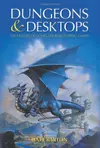
I’m a fan of role-playing games, both in tabletop and video game form. I figured this book would be a nice insight into the history behind some of my favorite games. Unfortunately this is just an unfocused, messy recount of popular RPGs of the 80s and 90s that is a mile wide, but an inch deep.
For a book whose subtitle is “The History of Computer Role-Playing Games”, there isn’t a whole lot of historical analysis going on. I’d say only about 20% of this book is interested in exploring the individuals, studios, publishers, and technology behind the games discussed (advertised), and even then it’s hardly any more informative than a Wikipedia article. But the way it goes about exploring the history is hard to follow, and I say that as someone who’s already familiar with the subject matter. The chapters are split up into different eras, from early games developed on university mainframes to popular commercial releases and the rise and fall of the big names of the 80s and 90s, but the lines between the eras are incredibly vague and cross over each other constantly. Perhaps if the other 80% of this book wasn’t a list of poorly summarized games with little to no connection to a broader trend or design philosophy, the lines would be more clear.
The author of the book, Matt Barton, is also incredibly opinionated and doesn’t even attempt to keep his bias in check, going so far to call people who disagree with his opinion on certain games apologists (relax dude, they’re not Nazi sympathizers, they’re gamers… hang on, I repeated myself). His style of writing oozes smug asshole energy and reeks of dated humor such as joking about how early developers fueled themselves with Mountain Dew while coming up with their games. And I don’t know why he even bothered to include images and footnotes when all of the images are screenshots that are occasionally relevant and the footnotes are listed at the end of each chapter and aren’t formatted in any academic fashion (surprising, considering this guy is supposed to be an English professor).
The most disappointing thing about this book (well, besides the fact that it’s mostly a big list) is that it’s almost entirely focused on American and Western games and their history. Sure, there’s a couple chapters dedicated to Japanese RPGs and a couple Eastern and Central European studios are mentioned in passing, but it’s always in the context of what was made available to the west and doesn’t even attempt to examine any developments between iterations or influence they may have had on the industry as a whole.
Once I realized the structure of this book, I started skimming the book until I ended up dropping it completely about halfway through. It’s simply not worth anyone’s time. If you’re already familiar with the basic history of computer RPGs, you’re not going to learn anything new and if you’re a complete outsider to the subject, I can’t imagine there’s anything that’s going to be of interest. If you want some truly insightful looks at the history of video games, there’s probably an 8 hour retrospective on Youtube somewhere that does a better job than this book.
I’m a fan of role-playing games, both in tabletop and video game form. I figured this book would be a nice insight into the history behind some of my favorite games. Unfortunately this is just an unfocused, messy recount of popular RPGs of the 80s and 90s that is a mile wide, but an inch deep.
For a book whose subtitle is “The History of Computer Role-Playing Games”, there isn’t a whole lot of historical analysis going on. I’d say only about 20% of this book is interested in exploring the individuals, studios, publishers, and technology behind the games discussed (advertised), and even then it’s hardly any more informative than a Wikipedia article. But the way it goes about exploring the history is hard to follow, and I say that as someone who’s already familiar with the subject matter. The chapters are split up into different eras, from early games developed on university mainframes to popular commercial releases and the rise and fall of the big names of the 80s and 90s, but the lines between the eras are incredibly vague and cross over each other constantly. Perhaps if the other 80% of this book wasn’t a list of poorly summarized games with little to no connection to a broader trend or design philosophy, the lines would be more clear.
The author of the book, Matt Barton, is also incredibly opinionated and doesn’t even attempt to keep his bias in check, going so far to call people who disagree with his opinion on certain games apologists (relax dude, they’re not Nazi sympathizers, they’re gamers… hang on, I repeated myself). His style of writing oozes smug asshole energy and reeks of dated humor such as joking about how early developers fueled themselves with Mountain Dew while coming up with their games. And I don’t know why he even bothered to include images and footnotes when all of the images are screenshots that are occasionally relevant and the footnotes are listed at the end of each chapter and aren’t formatted in any academic fashion (surprising, considering this guy is supposed to be an English professor).
The most disappointing thing about this book (well, besides the fact that it’s mostly a big list) is that it’s almost entirely focused on American and Western games and their history. Sure, there’s a couple chapters dedicated to Japanese RPGs and a couple Eastern and Central European studios are mentioned in passing, but it’s always in the context of what was made available to the west and doesn’t even attempt to examine any developments between iterations or influence they may have had on the industry as a whole.
Once I realized the structure of this book, I started skimming the book until I ended up dropping it completely about halfway through. It’s simply not worth anyone’s time. If you’re already familiar with the basic history of computer RPGs, you’re not going to learn anything new and if you’re a complete outsider to the subject, I can’t imagine there’s anything that’s going to be of interest. If you want some truly insightful looks at the history of video games, there’s probably an 8 hour retrospective on Youtube somewhere that does a better job than this book.

Man I fucking hate this book. Metro 2033 was far from perfect, but its story and world were rich enough for me to want to return for more. Metro 2034 is just bad all around, even in ways I didn’t think were possible in a professionally printed book. I don’t know what it is with the edition that I own, but the formatting of the text is infuriating. Words are broken up randomly with hyphens and paragraphs break whenever they feel like it. It’s like the print was made for a different page size and I have no idea how something like that would make it into production.
As far as the actual contents of the narrative go, this just doesn’t feel like the same world that was set up in the first book. A lot of the more fantastical cosmic horror is toned down to the point where it barely matters or seems to affect the daily lives of the metro citizens. There isn’t a strong distinction between the different stations’ cultures anymore, and the locations that are revisited in this story feel nothing like they were previously. I found it much harder to keep track of where characters were and their journey between the stations because of this. And because my edition of the book didn’t have any kind of map to refer to, I had to go back to my copy of Metro 2033 in order to follow along. This led to even more confusion as I remembered what certain stations were like, and how they don’t line up at all to what’s described in this book. One particular example I can point to is Avtozavodskaya station, previously the base of the Trotskyist communists, now taken over by the Reds despite them being at war with the Hansa circle and Avtozavodskaya being nowhere near either of those two factions’ territories. Instead of a natural shift in the political landscape in the time between the two books, it feels like either the author forgot what was supposed to be there or the translator did a terrible job; which he did by the way. To further confuse things, the names of stations and characters that are referenced or return from Metro 2033 are different from the english translation in that book. I don’t know which is more accurate, but just stick to one name between the two books dammit.
The story of Metro 2034 is told from multiple characters’ perspectives, and shifts between them multiple times within the same chapter. Call me a weirdo, but I like my chapters to focus on one thing at a time. This sort of story structure might’ve been less confusing if it weren’t for the lack of personality between each character followed. For the first two thirds of the book, the story crawls along at a snail’s pace, far more interested in the characters’ shallow, heavy-handed philosophical musings about what it means to be human than trying to solve the plot about figuring out what to do with a station that has come down with a contagious plague. It’s a character driven story where the characters don’t really have much drive. There is also this weird, vaguely romantic side plot between Sasha, Hunter, and Leonid that is not only utter nonsense, but insanely creepy considering she is only 17, and also pretty damn sexist when it’s described as a woman’s natural need to cling onto a strong man.
When the book realizes it needs to end, the plot rockets towards an ending so disappointing that it rivals a Stephen King novel. Plot threads literally go nowhere and back, and all of the ham-fisted messaging about maintaining individual humanity in the face of an existential threat literally goes in the water in a conclusion that just feels dour for the sake of it. There is no revelation like the first book, there is no real emotion besides frustration when I finished, there is only a waste of time to be found here.
Also one more thing. There is a character named Artyom that shows up halfway through this book who is not the same one as the main character from the first book. For God’s sake, just pick a different name.
Man I fucking hate this book. Metro 2033 was far from perfect, but its story and world were rich enough for me to want to return for more. Metro 2034 is just bad all around, even in ways I didn’t think were possible in a professionally printed book. I don’t know what it is with the edition that I own, but the formatting of the text is infuriating. Words are broken up randomly with hyphens and paragraphs break whenever they feel like it. It’s like the print was made for a different page size and I have no idea how something like that would make it into production.
As far as the actual contents of the narrative go, this just doesn’t feel like the same world that was set up in the first book. A lot of the more fantastical cosmic horror is toned down to the point where it barely matters or seems to affect the daily lives of the metro citizens. There isn’t a strong distinction between the different stations’ cultures anymore, and the locations that are revisited in this story feel nothing like they were previously. I found it much harder to keep track of where characters were and their journey between the stations because of this. And because my edition of the book didn’t have any kind of map to refer to, I had to go back to my copy of Metro 2033 in order to follow along. This led to even more confusion as I remembered what certain stations were like, and how they don’t line up at all to what’s described in this book. One particular example I can point to is Avtozavodskaya station, previously the base of the Trotskyist communists, now taken over by the Reds despite them being at war with the Hansa circle and Avtozavodskaya being nowhere near either of those two factions’ territories. Instead of a natural shift in the political landscape in the time between the two books, it feels like either the author forgot what was supposed to be there or the translator did a terrible job; which he did by the way. To further confuse things, the names of stations and characters that are referenced or return from Metro 2033 are different from the english translation in that book. I don’t know which is more accurate, but just stick to one name between the two books dammit.
The story of Metro 2034 is told from multiple characters’ perspectives, and shifts between them multiple times within the same chapter. Call me a weirdo, but I like my chapters to focus on one thing at a time. This sort of story structure might’ve been less confusing if it weren’t for the lack of personality between each character followed. For the first two thirds of the book, the story crawls along at a snail’s pace, far more interested in the characters’ shallow, heavy-handed philosophical musings about what it means to be human than trying to solve the plot about figuring out what to do with a station that has come down with a contagious plague. It’s a character driven story where the characters don’t really have much drive. There is also this weird, vaguely romantic side plot between Sasha, Hunter, and Leonid that is not only utter nonsense, but insanely creepy considering she is only 17, and also pretty damn sexist when it’s described as a woman’s natural need to cling onto a strong man.
When the book realizes it needs to end, the plot rockets towards an ending so disappointing that it rivals a Stephen King novel. Plot threads literally go nowhere and back, and all of the ham-fisted messaging about maintaining individual humanity in the face of an existential threat literally goes in the water in a conclusion that just feels dour for the sake of it. There is no revelation like the first book, there is no real emotion besides frustration when I finished, there is only a waste of time to be found here.
Also one more thing. There is a character named Artyom that shows up halfway through this book who is not the same one as the main character from the first book. For God’s sake, just pick a different name.

This book shows its age, but I still found it pretty compelling. The plot is pretty straightforward, following three desperate men looking for gold after hearing a foreboding tale of previous mining crews’ failures and back stabbings over their attempts to get rich. The real gold (heh) in this book is the sheer amount of time spent making this journey through post-WWI Mexico feel so real and fantastic at the same time while staying just under 250 pages. The characters of Dobbs, Curtain, and Howard were hard not to root for and against as their working relationship strengthened and broke down for riches that feel so certain to be found despite never actually being confirmed outside of word of mouth. Dobb’s murder of Curtain and his delirious state for the following days until his death at the hands of three poor bandits similar to his group was a fantastic ending to his character.
The book’s greatest strength is also its weakness, and I found it to be a hurdle to get over. The descriptions of locations, past events, and prophetic tales are ridiculously long. Every single character speaks in flowery paragraphs that don’t really feel fitting for downtrodden tramps or villagers who probably shouldn’t have as good of a grasp on the English language as they realistically should. It feels like it takes up about half of the book, and goes on for about 40 pages after an ending feels like it had already been reached. But this is where some of the best passages in the book are. One of my favorite examples is during a tense holdout against Christian rebels who are after the main characters’ guns, where the Catholic institution is slammed for using these poorer nations for their own gain with little regard for their people the same way the foreign corporations exploit the same nations for their resources. Moments like these wouldn’t be nearly as effective without the prior detail.
This book shows its age, but I still found it pretty compelling. The plot is pretty straightforward, following three desperate men looking for gold after hearing a foreboding tale of previous mining crews’ failures and back stabbings over their attempts to get rich. The real gold (heh) in this book is the sheer amount of time spent making this journey through post-WWI Mexico feel so real and fantastic at the same time while staying just under 250 pages. The characters of Dobbs, Curtain, and Howard were hard not to root for and against as their working relationship strengthened and broke down for riches that feel so certain to be found despite never actually being confirmed outside of word of mouth. Dobb’s murder of Curtain and his delirious state for the following days until his death at the hands of three poor bandits similar to his group was a fantastic ending to his character.
The book’s greatest strength is also its weakness, and I found it to be a hurdle to get over. The descriptions of locations, past events, and prophetic tales are ridiculously long. Every single character speaks in flowery paragraphs that don’t really feel fitting for downtrodden tramps or villagers who probably shouldn’t have as good of a grasp on the English language as they realistically should. It feels like it takes up about half of the book, and goes on for about 40 pages after an ending feels like it had already been reached. But this is where some of the best passages in the book are. One of my favorite examples is during a tense holdout against Christian rebels who are after the main characters’ guns, where the Catholic institution is slammed for using these poorer nations for their own gain with little regard for their people the same way the foreign corporations exploit the same nations for their resources. Moments like these wouldn’t be nearly as effective without the prior detail.

The Invincible is a surprisingly conventional sci-fi novel; as conventional as Stanisław Lem can get anyway. While I’m not as big of a fan of The Invincible as I was Solaris, this is still a really great book. A lot of the hypothesizing and philosophizing that was present in Solaris now shares the stage with some light horror and a lot more action. Make no mistake though, this is still very much a hard sci-fi novel at its core. The unknown planet of Regis III is described down to the chemical composition of its atmosphere and what that means for the crew of The Invincible. The ship itself and its equipment have a cold and sterile quality to them that is reminiscent of the space-age technology of the 1960s. And despite all of the weapons, the majority of crew members are scientists or engineers of some kind who have plenty of theories to share about the events of the book as they unfold.
What separates this book from Solaris, and my biggest complaint, is that some of the mysteries set up in this book have a lot of lore that mostly comes out off the blue and the hypotheses thought up by the characters either work or don’t work depending on what the story needs instead of feeling like there’s a genuine logic behind why things happen. To be fair, Solaris also had a lot of lore and hypotheses that go nowhere; but I think it had a stronger connection to the theme in that book than it does here. Having almost an entire chapter dedicated to a theoretical history of the alien phenomenon that the crew finds themselves in conflict with wasn’t really necessary here. A line or two of explanation of how one character managed to survive a situation in which none have previously didn’t feel like enough for me to truly believe it.
Plot contrivances aside, the book is still very compelling. The mystery behind the “flies” is still left open ended enough to leave the reader to speculate on what they really are. It shares with Solaris its theme of the unknown and the limits of human knowledge and understanding. It also subtly touches on colonialism and the attitude pervasive among imperial powers, and the tendency to use violence towards that which we don’t understand. As realized by the main character, Rohan while he searches for lost comrades, “not everything everywhere is for us”.
It’s a shame that Stanisław Lem seems to be so overlooked in the west. His works are dwarfed in popularity and regard in orders of magnitude by authors like Arthur C. Clarke and Philip K. Dick, when he deserves as much praise as they (rightfully) get. The Invincible is a great sci-fi novel that I would recommend to anyone who is a fan of the genre. Even if I am a bigger fan of Solaris, I think this book is likely a better introduction to Lem’s works for most people.
The Invincible is a surprisingly conventional sci-fi novel; as conventional as Stanisław Lem can get anyway. While I’m not as big of a fan of The Invincible as I was Solaris, this is still a really great book. A lot of the hypothesizing and philosophizing that was present in Solaris now shares the stage with some light horror and a lot more action. Make no mistake though, this is still very much a hard sci-fi novel at its core. The unknown planet of Regis III is described down to the chemical composition of its atmosphere and what that means for the crew of The Invincible. The ship itself and its equipment have a cold and sterile quality to them that is reminiscent of the space-age technology of the 1960s. And despite all of the weapons, the majority of crew members are scientists or engineers of some kind who have plenty of theories to share about the events of the book as they unfold.
What separates this book from Solaris, and my biggest complaint, is that some of the mysteries set up in this book have a lot of lore that mostly comes out off the blue and the hypotheses thought up by the characters either work or don’t work depending on what the story needs instead of feeling like there’s a genuine logic behind why things happen. To be fair, Solaris also had a lot of lore and hypotheses that go nowhere; but I think it had a stronger connection to the theme in that book than it does here. Having almost an entire chapter dedicated to a theoretical history of the alien phenomenon that the crew finds themselves in conflict with wasn’t really necessary here. A line or two of explanation of how one character managed to survive a situation in which none have previously didn’t feel like enough for me to truly believe it.
Plot contrivances aside, the book is still very compelling. The mystery behind the “flies” is still left open ended enough to leave the reader to speculate on what they really are. It shares with Solaris its theme of the unknown and the limits of human knowledge and understanding. It also subtly touches on colonialism and the attitude pervasive among imperial powers, and the tendency to use violence towards that which we don’t understand. As realized by the main character, Rohan while he searches for lost comrades, “not everything everywhere is for us”.
It’s a shame that Stanisław Lem seems to be so overlooked in the west. His works are dwarfed in popularity and regard in orders of magnitude by authors like Arthur C. Clarke and Philip K. Dick, when he deserves as much praise as they (rightfully) get. The Invincible is a great sci-fi novel that I would recommend to anyone who is a fan of the genre. Even if I am a bigger fan of Solaris, I think this book is likely a better introduction to Lem’s works for most people.

Metro 2033 is the Russian post-apocalyptic version of The Odyssey. While the writing feels a little amateur and unclear at times, I’m willing to give Dimitri Glukhovsky the benefit of the doubt and assume it’s more to do with a poor english translation than a reflection of his writing quality.
I initially felt tempted to compare Metro to the standard YA dystopian fantasy novels a la Hunger Games, Maze Runner, etc., but I think this book is far too intelligent for that kind of comparison to be remotely accurate. Despite having a dystopian setting and a young protagonist, this book is much more interested in making its miserable hellscape feel like a legitimate look at what Russia would look like if its apocalyptic scenario actually played out. The Moscow Metro’s layout and Russian history is integral to shaping the world these characters live in, despite humanity now multiple generations into living in its tunnels. The older characters remember their parents fighting in the Soviet-Afghanistan war. Factions in the tunnels take direct influences from real-life political groups, such as the Reds from pro-Soviet Union ideals and the Fascists from the neo-nazi Russian National Unity group. Actual Russian secrets such as the Metro-2 (a rumored parallel metro system in Moscow intended for military use) are plot points later in the book. I even found myself studying the map of Moscow’s Metro lines as much as Artyom was, trying to get an understanding of the layout and visualize the journey from VDNKh to Polis myself.
There is also a great amount of international influence on the culture of the Metro. Polis operates on a caste system that is self described to be taken from India. There is a significant muslim population who, due to religious mandates against pork, are stuck eating rats. It’s a combination of those who were alive when the world ended being in Moscow and keeping their way of life as best they can and the reverence the Metro has to books and history so as to retain the information of the old world as best they can. But after 20 years of living underground, the old life has faded into myth and is an incomprehensibly fictional world to Artyom.
Great detail is put into the daily lives and routines of each station as you visit them. At VDNKh, the station’s clock is highly revered technology so that its residents can determine day and night and organize mushroom harvesting, military patrols, etc. Polis, being the “capital” of the metro, is so better lit than the rest of the metro that non-residents have to wear sunglasses to adjust to the bright light. Kitay-Gorod is a trading hub controlled by bandits, and has all of the delicacies and temptations a post-apocalyptic Las Vegas can offer. The currency of the entire metro is bullets, as even traveling between two large, “safe” stations is potentially fatal; not that being armed would save people from the Roadside Picnic-esque anomalies and supernatural phenomenon that reside in the spaces in between.
There’s an incredibly nihilistic quality of the worldbuilding reflecting the real history of Russia. The Reds have a dictator that overthrew the actual communists and consolidated power along the Red line, and a direct comparison between this and Stalin and Trotsky is made. Humanity is doomed to repeat their destructive mistakes over and over again. The message is overbearing and reminds me of some graffiti I saw in Pripyat: “Все в говне - everything is shit”.
The pacing of the book is all over the place, probably due to how it was originally released chapter by chapter before a publisher picked it up. Each chapter is a long examination of a certain aspect of the world and Artyom’s journey through it, and some of those are far more interesting than others. Other characters come and go and rarely stick around for more than a couple chapters for one reason or another; but with the chapter length, there’s plenty of time to latch onto them. Due to the constantly changing scenery and characters, it’s easy to forget what the goal and significance of Artyom’s journey is for a lot of the middle third of the book until things finally start to come back together. While the book plays into this in a clever 4th wall breaking section, I do feel it detracts from the author’s self-described metaphor for the main antagonists and the central theme of xenophobia surrounding them, simply because of how little influence they seemingly have on the story until we finally get an update on VDNKh ~250 pages in. That is, until you get to the finale and everything becomes clear just before the bitter and cruel end.
While this may not be my favorite post-apocalyptic story out there, it’s certainly a contender. Its world has just the right balance of meticulous detail and impossible mystery to completely absorb you and even the story itself.
Metro 2033 is the Russian post-apocalyptic version of The Odyssey. While the writing feels a little amateur and unclear at times, I’m willing to give Dimitri Glukhovsky the benefit of the doubt and assume it’s more to do with a poor english translation than a reflection of his writing quality.
I initially felt tempted to compare Metro to the standard YA dystopian fantasy novels a la Hunger Games, Maze Runner, etc., but I think this book is far too intelligent for that kind of comparison to be remotely accurate. Despite having a dystopian setting and a young protagonist, this book is much more interested in making its miserable hellscape feel like a legitimate look at what Russia would look like if its apocalyptic scenario actually played out. The Moscow Metro’s layout and Russian history is integral to shaping the world these characters live in, despite humanity now multiple generations into living in its tunnels. The older characters remember their parents fighting in the Soviet-Afghanistan war. Factions in the tunnels take direct influences from real-life political groups, such as the Reds from pro-Soviet Union ideals and the Fascists from the neo-nazi Russian National Unity group. Actual Russian secrets such as the Metro-2 (a rumored parallel metro system in Moscow intended for military use) are plot points later in the book. I even found myself studying the map of Moscow’s Metro lines as much as Artyom was, trying to get an understanding of the layout and visualize the journey from VDNKh to Polis myself.
There is also a great amount of international influence on the culture of the Metro. Polis operates on a caste system that is self described to be taken from India. There is a significant muslim population who, due to religious mandates against pork, are stuck eating rats. It’s a combination of those who were alive when the world ended being in Moscow and keeping their way of life as best they can and the reverence the Metro has to books and history so as to retain the information of the old world as best they can. But after 20 years of living underground, the old life has faded into myth and is an incomprehensibly fictional world to Artyom.
Great detail is put into the daily lives and routines of each station as you visit them. At VDNKh, the station’s clock is highly revered technology so that its residents can determine day and night and organize mushroom harvesting, military patrols, etc. Polis, being the “capital” of the metro, is so better lit than the rest of the metro that non-residents have to wear sunglasses to adjust to the bright light. Kitay-Gorod is a trading hub controlled by bandits, and has all of the delicacies and temptations a post-apocalyptic Las Vegas can offer. The currency of the entire metro is bullets, as even traveling between two large, “safe” stations is potentially fatal; not that being armed would save people from the Roadside Picnic-esque anomalies and supernatural phenomenon that reside in the spaces in between.
There’s an incredibly nihilistic quality of the worldbuilding reflecting the real history of Russia. The Reds have a dictator that overthrew the actual communists and consolidated power along the Red line, and a direct comparison between this and Stalin and Trotsky is made. Humanity is doomed to repeat their destructive mistakes over and over again. The message is overbearing and reminds me of some graffiti I saw in Pripyat: “Все в говне - everything is shit”.
The pacing of the book is all over the place, probably due to how it was originally released chapter by chapter before a publisher picked it up. Each chapter is a long examination of a certain aspect of the world and Artyom’s journey through it, and some of those are far more interesting than others. Other characters come and go and rarely stick around for more than a couple chapters for one reason or another; but with the chapter length, there’s plenty of time to latch onto them. Due to the constantly changing scenery and characters, it’s easy to forget what the goal and significance of Artyom’s journey is for a lot of the middle third of the book until things finally start to come back together. While the book plays into this in a clever 4th wall breaking section, I do feel it detracts from the author’s self-described metaphor for the main antagonists and the central theme of xenophobia surrounding them, simply because of how little influence they seemingly have on the story until we finally get an update on VDNKh ~250 pages in. That is, until you get to the finale and everything becomes clear just before the bitter and cruel end.
While this may not be my favorite post-apocalyptic story out there, it’s certainly a contender. Its world has just the right balance of meticulous detail and impossible mystery to completely absorb you and even the story itself.

Dune, the Lord of the Rings of science fiction. You know how influential this book is even if you haven’t read it. It’s biblical, literally. Reading this book feels like reading The Bible. Every chapter starts with a quote from a religious teaching within the world of Dune, every character’s inner thoughts and intentions are displayed plainly in text, and the prose is far more fantastic than analytical. It’s a style that I’m usually not interested in when it comes to sci-fi or fiction in general, but I was completely on board with it here.
There is a lot to love about Dune, from its fascinating world to the themes of colonialism and religion that reflect our current society and even environmentalism that feels more relevant now than it did back in 1965. Technology has advanced so far that humans have colonized entire planets, yet society has reverted back to feudalism. Despite the hi-tech weaponry and gear available, battles still have to be fought largely in hand-to-hand combat. It’s a cynical thought that humanity, for all of our advances, cannot break free of the systems of control and violence. Much like the inhabitants of Arrakis, Dune’s worldbuilding does a lot with very little. Only three houses are ever mentioned by name, four if you want to count the emperor himself, but it feels like there are dozens if not more that are taking part in the exploitation of Arrakis’ resources. There is a rich history that is only ever mentioned in passing, but even the small glimpses seen inform the current state of society in the universe.
What sells me on this world is how much of it can be compared almost 1:1 to reality. Arrakis is stripped of its resources by the wealthy elites of society, rendering it an inhospitable wasteland in the same manner an oil company pollutes our world. Fremen prophecy and religion are not born of mysticism, but were planted by the Bene Gesserit in the same way a Christian missionary spreads its ideals and attempts to erase indigenous beliefs. Paul’s story is largely based on T. E. Lawrence and his role in the Arab revolt against the Ottomans.
There is an underlying cruelty to Paul’s rise to power that is the crux to understanding the message behind Dune that heroism and hero worship is a dangerous and destructive tool. Because the book follows the perspective of multiple people, often times within the same chapter, we see how Paul is viewed by his family and followers, and they fear him. Even what should be a happy reunion late in the book between him and his old mentor Gurney is undermined by the deaths of many of Gurney’s new friends, who he quickly abandons to follow Paul. While the Harkonnens cruel occupation of Arrakis is ended and the Atreides family is avenged, it doesn’t feel like a triumph when Paul ascends to the throne. The systems of exploitation are still present, and the promise of restoring Arrakis to a habitable planet is unfulfilled with no intention of making it so.
For such a long and dense book, Dune is pretty easy to follow. There is a bit of lore dumping in the beginning, but it’s not so egregious that it detracts from the immersion and it is all necessary information in order to follow what happens. It’s a timeless story that lambasts the common tropes of classic hero tales and shows the harsh toll that kind of legend takes on its subjects and its believers.
Dune, the Lord of the Rings of science fiction. You know how influential this book is even if you haven’t read it. It’s biblical, literally. Reading this book feels like reading The Bible. Every chapter starts with a quote from a religious teaching within the world of Dune, every character’s inner thoughts and intentions are displayed plainly in text, and the prose is far more fantastic than analytical. It’s a style that I’m usually not interested in when it comes to sci-fi or fiction in general, but I was completely on board with it here.
There is a lot to love about Dune, from its fascinating world to the themes of colonialism and religion that reflect our current society and even environmentalism that feels more relevant now than it did back in 1965. Technology has advanced so far that humans have colonized entire planets, yet society has reverted back to feudalism. Despite the hi-tech weaponry and gear available, battles still have to be fought largely in hand-to-hand combat. It’s a cynical thought that humanity, for all of our advances, cannot break free of the systems of control and violence. Much like the inhabitants of Arrakis, Dune’s worldbuilding does a lot with very little. Only three houses are ever mentioned by name, four if you want to count the emperor himself, but it feels like there are dozens if not more that are taking part in the exploitation of Arrakis’ resources. There is a rich history that is only ever mentioned in passing, but even the small glimpses seen inform the current state of society in the universe.
What sells me on this world is how much of it can be compared almost 1:1 to reality. Arrakis is stripped of its resources by the wealthy elites of society, rendering it an inhospitable wasteland in the same manner an oil company pollutes our world. Fremen prophecy and religion are not born of mysticism, but were planted by the Bene Gesserit in the same way a Christian missionary spreads its ideals and attempts to erase indigenous beliefs. Paul’s story is largely based on T. E. Lawrence and his role in the Arab revolt against the Ottomans.
There is an underlying cruelty to Paul’s rise to power that is the crux to understanding the message behind Dune that heroism and hero worship is a dangerous and destructive tool. Because the book follows the perspective of multiple people, often times within the same chapter, we see how Paul is viewed by his family and followers, and they fear him. Even what should be a happy reunion late in the book between him and his old mentor Gurney is undermined by the deaths of many of Gurney’s new friends, who he quickly abandons to follow Paul. While the Harkonnens cruel occupation of Arrakis is ended and the Atreides family is avenged, it doesn’t feel like a triumph when Paul ascends to the throne. The systems of exploitation are still present, and the promise of restoring Arrakis to a habitable planet is unfulfilled with no intention of making it so.
For such a long and dense book, Dune is pretty easy to follow. There is a bit of lore dumping in the beginning, but it’s not so egregious that it detracts from the immersion and it is all necessary information in order to follow what happens. It’s a timeless story that lambasts the common tropes of classic hero tales and shows the harsh toll that kind of legend takes on its subjects and its believers.

I was wondering if I would ever get sick of James Ellroy’s depraved, vile look back on the criminal world of 1960s USA. After finishing The Cold Six-Thousand, the answer is yes. After American Tabloid, the goal with this book seemed to out-do its predecessor on every front: the hyper-staccato prose, the enormous web of conspiracy, the racism, and the racism. The problem is that American Tabloid already pushed this type of storytelling to its limit. The Cold Six-Thousand crosses the line. It’s bloated, over-the-top even by Ellroy’s standards, and directionless.
Following from the immediate aftermath of the first book, The Cold Six-Thousand follows series newcomer Wayne Tedrow Jr. and returning characters Pete Bondurant and Ward Littell. Ellroy’s signature machine gun prose still puts the book at a breakneck pace as we follow their journey from the fallout of JFK’s assassination in 1963 up to MLK and RFK in 1968. But while the pace of the prose is dizzying, the actual plot is a frustrating combination of agonizingly slow sections where multiple chapters span the course of a day to months of time flying by in less than five pages. At nearly 700 pages, this is the longest book between the L.A. Quartet and the Underworld USA trilogy by a significant margin, and it really, really did not need to be this long. Trying to capture everything that was happening in the 5 year timespan this book takes place in was a huge mistake and doesn’t give a clear climactic point that everything is building towards like American Tabloid. The coverup of JFK’s assassination and the characters’ involvement doesn’t flow well into the heroin trade out of Vietnam to fuel gun runs to Cuba and push drugs on the black population of Las Vegas, which I still don’t really understand how this worked for Howard Hughes’ purchase of Vegas Casinos and what the organized crime rings were getting out of it, and almost none of this really had anything to do with MLK and RFK’s assassinations. In fact, the main characters had so little connection with the assassinations that the majority of the setup was done via recorded conversations exclusively between side characters and news headlines.
The arcs for the three POV characters are just not all that satisfying to follow either. Wayne’s descent into being a super racist like his father stems entirely from the brutal murder of his wife by a black man that he let live in Dallas, who had no reason to even come back to kill his wife in Vegas, and Wayne’s relationship with her was already shown to be something he doesn’t really care about anyway with the way he voyeurs after his stepmother and ignores her for the entire time she’s on the page. Ward’s pathetic attempt at redemption was muddled with how much time he spent just going through the motions of managing all of the schemes of everyone he’s involved with. And Pete’s just kinda there.
James Ellroy always soaked the language of his books in the era of history they take place in. Racism, homophobia, and violent disdain for anyone remotely left of Nazi has always been commonplace. But Ellroy gets really enthusiastic about it here, making puns out of racial slurs and replacing c with k in reference to the KKK. Sometimes it feels like it’s an insight into the personality of the POV characters, but oftentimes it just feels like Ellroy really wants to be Quentin Tarantino and just drop n-bombs twenty times in a paragraph for the sake of it.
Reading this book was frustrating. A lot of what made the previous books in this criminal underworld series so good is still here. Real historical figures and events are woven in with the fictional characters that I had to google some names just to make sure I knew what was real or not. Each POV character had a pretty distinct personality that was conveyed through the prose, and little phrases would sometimes show up in other POV’s chapters as a way of showing how they influence each other. The unapologetic bluntness of the descriptions of hatred and violence are so sickeningly believable. But these elements without a compelling plot and characters to bind them ring hollow.
I was wondering if I would ever get sick of James Ellroy’s depraved, vile look back on the criminal world of 1960s USA. After finishing The Cold Six-Thousand, the answer is yes. After American Tabloid, the goal with this book seemed to out-do its predecessor on every front: the hyper-staccato prose, the enormous web of conspiracy, the racism, and the racism. The problem is that American Tabloid already pushed this type of storytelling to its limit. The Cold Six-Thousand crosses the line. It’s bloated, over-the-top even by Ellroy’s standards, and directionless.
Following from the immediate aftermath of the first book, The Cold Six-Thousand follows series newcomer Wayne Tedrow Jr. and returning characters Pete Bondurant and Ward Littell. Ellroy’s signature machine gun prose still puts the book at a breakneck pace as we follow their journey from the fallout of JFK’s assassination in 1963 up to MLK and RFK in 1968. But while the pace of the prose is dizzying, the actual plot is a frustrating combination of agonizingly slow sections where multiple chapters span the course of a day to months of time flying by in less than five pages. At nearly 700 pages, this is the longest book between the L.A. Quartet and the Underworld USA trilogy by a significant margin, and it really, really did not need to be this long. Trying to capture everything that was happening in the 5 year timespan this book takes place in was a huge mistake and doesn’t give a clear climactic point that everything is building towards like American Tabloid. The coverup of JFK’s assassination and the characters’ involvement doesn’t flow well into the heroin trade out of Vietnam to fuel gun runs to Cuba and push drugs on the black population of Las Vegas, which I still don’t really understand how this worked for Howard Hughes’ purchase of Vegas Casinos and what the organized crime rings were getting out of it, and almost none of this really had anything to do with MLK and RFK’s assassinations. In fact, the main characters had so little connection with the assassinations that the majority of the setup was done via recorded conversations exclusively between side characters and news headlines.
The arcs for the three POV characters are just not all that satisfying to follow either. Wayne’s descent into being a super racist like his father stems entirely from the brutal murder of his wife by a black man that he let live in Dallas, who had no reason to even come back to kill his wife in Vegas, and Wayne’s relationship with her was already shown to be something he doesn’t really care about anyway with the way he voyeurs after his stepmother and ignores her for the entire time she’s on the page. Ward’s pathetic attempt at redemption was muddled with how much time he spent just going through the motions of managing all of the schemes of everyone he’s involved with. And Pete’s just kinda there.
James Ellroy always soaked the language of his books in the era of history they take place in. Racism, homophobia, and violent disdain for anyone remotely left of Nazi has always been commonplace. But Ellroy gets really enthusiastic about it here, making puns out of racial slurs and replacing c with k in reference to the KKK. Sometimes it feels like it’s an insight into the personality of the POV characters, but oftentimes it just feels like Ellroy really wants to be Quentin Tarantino and just drop n-bombs twenty times in a paragraph for the sake of it.
Reading this book was frustrating. A lot of what made the previous books in this criminal underworld series so good is still here. Real historical figures and events are woven in with the fictional characters that I had to google some names just to make sure I knew what was real or not. Each POV character had a pretty distinct personality that was conveyed through the prose, and little phrases would sometimes show up in other POV’s chapters as a way of showing how they influence each other. The unapologetic bluntness of the descriptions of hatred and violence are so sickeningly believable. But these elements without a compelling plot and characters to bind them ring hollow.

Picking up where the L.A. Quartet left off, the brutal and unapologetically true-to-the-times (read: very racist, homophobic, misogynistic, etc.) world of James Ellroy's "unofficial history" expands from 1950s Los Angeles to the entire USA during the early 60s and even crosses the border into Central America in his biggest book up to this point in his career. The three POV structure makes a return, but this time with even more of the staccato prose that ramped up in White Jazz. Large sections of the book are dedicated to fictional news articles, headlines, wiretap recordings, and memos as we follow the protagonists' Forrest Gump-esque journey through JFK's rise to presidency right up to the moment the killing shots rang out in Dallas. Major historical figures play a much bigger role in the story this time around, and none of them come out clean. Frankly, I'm surprised the estates of the figures in this book allowed it to be published.
The three "heroes" of this story are probably the most sociopathic POVs we've gotten in the Ellroy-verse, and none of them are on the path of redemption. Pete Bondurant is a brutal fixer for a hopped up Howard Hughes, Kemper Boyd is a conniving triple agent always looking to climb the ladder of power between his FBI and CIA connections, and weak-willed Ward Littell is the only one of them with a conscience that is quickly eroded as he continually fails to bring the real criminals to justice. Despite being the most despicable POV characters yet, it was hard not to get heavily invested in their schemes. As they unravel, so do their reputations, mental state, and morals. This is probably my favorite trio to follow since The Big Nowhere.
Much like his previous works, this is a very dense plot. Every page, every sentence, every word is advancing it at light speed. It's quite an impressive feat considering that this is longer than the longest Quartet book by ~100 pages. The biggest shift in American Tabloid's story structure compared to the previous series is that there isn't a singular crime or mystery tying these characters together. Instead it's a series of crimes, mostly committed by said characters, that lead them to being involved in Kennedy's election, Bobby's crusade against Jimmy Hoffa and The Chicago Outfit, The Bay of Pigs, the CIA sanctioned mafia hit on Castro (yes that is "allegedly" a real thing), and ultimately the JFK assassination. Knowing the history of the era certainly makes things easier to follow, but somehow it's all just coherent enough on its own.
Picking up where the L.A. Quartet left off, the brutal and unapologetically true-to-the-times (read: very racist, homophobic, misogynistic, etc.) world of James Ellroy's "unofficial history" expands from 1950s Los Angeles to the entire USA during the early 60s and even crosses the border into Central America in his biggest book up to this point in his career. The three POV structure makes a return, but this time with even more of the staccato prose that ramped up in White Jazz. Large sections of the book are dedicated to fictional news articles, headlines, wiretap recordings, and memos as we follow the protagonists' Forrest Gump-esque journey through JFK's rise to presidency right up to the moment the killing shots rang out in Dallas. Major historical figures play a much bigger role in the story this time around, and none of them come out clean. Frankly, I'm surprised the estates of the figures in this book allowed it to be published.
The three "heroes" of this story are probably the most sociopathic POVs we've gotten in the Ellroy-verse, and none of them are on the path of redemption. Pete Bondurant is a brutal fixer for a hopped up Howard Hughes, Kemper Boyd is a conniving triple agent always looking to climb the ladder of power between his FBI and CIA connections, and weak-willed Ward Littell is the only one of them with a conscience that is quickly eroded as he continually fails to bring the real criminals to justice. Despite being the most despicable POV characters yet, it was hard not to get heavily invested in their schemes. As they unravel, so do their reputations, mental state, and morals. This is probably my favorite trio to follow since The Big Nowhere.
Much like his previous works, this is a very dense plot. Every page, every sentence, every word is advancing it at light speed. It's quite an impressive feat considering that this is longer than the longest Quartet book by ~100 pages. The biggest shift in American Tabloid's story structure compared to the previous series is that there isn't a singular crime or mystery tying these characters together. Instead it's a series of crimes, mostly committed by said characters, that lead them to being involved in Kennedy's election, Bobby's crusade against Jimmy Hoffa and The Chicago Outfit, The Bay of Pigs, the CIA sanctioned mafia hit on Castro (yes that is "allegedly" a real thing), and ultimately the JFK assassination. Knowing the history of the era certainly makes things easier to follow, but somehow it's all just coherent enough on its own.