
Kam


So this was quite promising at the start, but then as I progressed through it I realized that it just wasn’t living up to the expectations I had for it, which is unfortunate.
Let’s start with the worldbuilding. The best thing I can say about it is that it’s at least COHESIVE: everything hangs together as it should, and nothing feels too out of place. Then again, since the author lifted their worldbuilding wholesale from ancient Greek mythology, geography, and history and just tweaked a few things so the source wasn’t TOO obvious (even though it is), then of course everything would hang together correctly because the author didn’t stray very far from the source. Unfortunately this also means that there’s nothing genuinely new or even interesting in the world; if one has read enough Greek myth and has a passing familiarity with ancient Greek history, then one should have no problem grasping this world and its complications.
What’s sad about this is that the author could have mined that source for some VERY interesting plot and storytelling. Instead, the book’s narrative scope is incredibly NARROW - this, despite this book being marketed as “epic fantasy”. Ancient Greek myth is, of course, a very rich vein that one can mine for inspiration and which has provided more than adequately for generations of storytellers and writers, but ancient Greek history is just as rich, rife as it is with wars, and petty kings, and rebellions. The history of the Peloponnesian War alone is sufficiently large in scale that one can read even Thucydides’ heavily-biased account and still get the sense of a grand narrative. This book, however, doesn’t even get there - ASPIRES to it, maybe, but as the novel goes on it becomes clear that it fails to scale the grand heights of its ambition and falls quite flat at the bottom, settling instead for being passably mediocre.
It also does not help that the characters just aren’t all that interesting either - though, given the worldbuilding, I suppose it comes as no surprise that they are lacklustre. There are sparks there, to be sure, moments when I can see a character becoming something far more nuanced and complex than they initially appear, they never progress beyond that. They’re not BADLY written, but they are just not very interesting.
The plot suffers from the same issue of just not being that interesting, mostly because it does not feel big enough or grandiose enough to be sufficiently “epic” in scope. In fact, the plot as it currently stands in this novel feels like the bare bones of what could be a much grander story. The pieces are all there, the problem is that it never quite reaches that level of scale. As a result, the seemingly apocalyptic stakes that drive the plot forward don’t feel quite so urgent. One gets the sense that the apocalypse can wait a little longer, that the characters will get to solving it (or starting it, as the case may be), when they are good and ready and not before then.
The writing is, I think, the main reason why everything above fails the way it does. While it’s not egregiously bad, it does not have the depth, complexity, and nuance I expect of adult fantasy fiction marketing itself as “epic”. It is good enough for young adult - VERY good for young adult, in fact - but it just doesn’t quite meet the necessary level and quality of craft I’d expect from an adult epic fantasy novel.
Overall, this is a read that functions: the worldbuilding hangs together; the characters exist; the plot goes; and the writing works. But apart from that, there is nothing else interesting about this book: nothing that sparkles off the page or what one might call gripping or even interesting. It is a story, and it is told. That is all.
Originally posted at kamreadsandrecs.tumblr.com.
So this was quite promising at the start, but then as I progressed through it I realized that it just wasn’t living up to the expectations I had for it, which is unfortunate.
Let’s start with the worldbuilding. The best thing I can say about it is that it’s at least COHESIVE: everything hangs together as it should, and nothing feels too out of place. Then again, since the author lifted their worldbuilding wholesale from ancient Greek mythology, geography, and history and just tweaked a few things so the source wasn’t TOO obvious (even though it is), then of course everything would hang together correctly because the author didn’t stray very far from the source. Unfortunately this also means that there’s nothing genuinely new or even interesting in the world; if one has read enough Greek myth and has a passing familiarity with ancient Greek history, then one should have no problem grasping this world and its complications.
What’s sad about this is that the author could have mined that source for some VERY interesting plot and storytelling. Instead, the book’s narrative scope is incredibly NARROW - this, despite this book being marketed as “epic fantasy”. Ancient Greek myth is, of course, a very rich vein that one can mine for inspiration and which has provided more than adequately for generations of storytellers and writers, but ancient Greek history is just as rich, rife as it is with wars, and petty kings, and rebellions. The history of the Peloponnesian War alone is sufficiently large in scale that one can read even Thucydides’ heavily-biased account and still get the sense of a grand narrative. This book, however, doesn’t even get there - ASPIRES to it, maybe, but as the novel goes on it becomes clear that it fails to scale the grand heights of its ambition and falls quite flat at the bottom, settling instead for being passably mediocre.
It also does not help that the characters just aren’t all that interesting either - though, given the worldbuilding, I suppose it comes as no surprise that they are lacklustre. There are sparks there, to be sure, moments when I can see a character becoming something far more nuanced and complex than they initially appear, they never progress beyond that. They’re not BADLY written, but they are just not very interesting.
The plot suffers from the same issue of just not being that interesting, mostly because it does not feel big enough or grandiose enough to be sufficiently “epic” in scope. In fact, the plot as it currently stands in this novel feels like the bare bones of what could be a much grander story. The pieces are all there, the problem is that it never quite reaches that level of scale. As a result, the seemingly apocalyptic stakes that drive the plot forward don’t feel quite so urgent. One gets the sense that the apocalypse can wait a little longer, that the characters will get to solving it (or starting it, as the case may be), when they are good and ready and not before then.
The writing is, I think, the main reason why everything above fails the way it does. While it’s not egregiously bad, it does not have the depth, complexity, and nuance I expect of adult fantasy fiction marketing itself as “epic”. It is good enough for young adult - VERY good for young adult, in fact - but it just doesn’t quite meet the necessary level and quality of craft I’d expect from an adult epic fantasy novel.
Overall, this is a read that functions: the worldbuilding hangs together; the characters exist; the plot goes; and the writing works. But apart from that, there is nothing else interesting about this book: nothing that sparkles off the page or what one might call gripping or even interesting. It is a story, and it is told. That is all.
Originally posted at kamreadsandrecs.tumblr.com.

Song of the Fianna
So this wasn’t a bad read, though I was hoping for something with a bit more depth and richness than what I got. The time period in which this is set is a goldmine for political intrigue; Shaun Lawless’s Gael Song Trilogy books certainly show that’s possible - not least because those books are set in the exact same place and period, with a lot of the same characters: Brian Boru, Sitric, and Gormla are key players in Lawless’s series, with Gormla (there called Gormflaith) being one of the protagonists. While comparing the two series is like comparing apples to oranges, I still think that this book could’ve used a bit more depth than what it actually has, if for no other reason than it’d get me more invested in the characters.
Speaking of the characters, they’re actually quite charming, and the romance between the two protagonists actually flows quite well. I also think that it’d be MUCH more interesting if there was more worldbuilding, as well as more explanation into why their Ostman heritage makes their lives so complicated, and why Eva’s status as hostage was important enough that it helped create peace between Brian Boru and Sitric.
Overall, this wasn’t a bad read for what it is: something light and fast to keep oneself entertained in order to pass the time. It doesn’t try to say anything profound or complicated; it just does a straightforward historical romance with minimal complications and a happy ending (which the publisher apparently guarantees, as it’s part of the requirements for the books they publish). It does not exceed expectations, but it is at least exactly what it says on the tin.
Originally posted at kamreadsandrecs.tumblr.com.
So this wasn’t a bad read, though I was hoping for something with a bit more depth and richness than what I got. The time period in which this is set is a goldmine for political intrigue; Shaun Lawless’s Gael Song Trilogy books certainly show that’s possible - not least because those books are set in the exact same place and period, with a lot of the same characters: Brian Boru, Sitric, and Gormla are key players in Lawless’s series, with Gormla (there called Gormflaith) being one of the protagonists. While comparing the two series is like comparing apples to oranges, I still think that this book could’ve used a bit more depth than what it actually has, if for no other reason than it’d get me more invested in the characters.
Speaking of the characters, they’re actually quite charming, and the romance between the two protagonists actually flows quite well. I also think that it’d be MUCH more interesting if there was more worldbuilding, as well as more explanation into why their Ostman heritage makes their lives so complicated, and why Eva’s status as hostage was important enough that it helped create peace between Brian Boru and Sitric.
Overall, this wasn’t a bad read for what it is: something light and fast to keep oneself entertained in order to pass the time. It doesn’t try to say anything profound or complicated; it just does a straightforward historical romance with minimal complications and a happy ending (which the publisher apparently guarantees, as it’s part of the requirements for the books they publish). It does not exceed expectations, but it is at least exactly what it says on the tin.
Originally posted at kamreadsandrecs.tumblr.com.

So this did the Kafka thing: took an axe to the frozen sea within me. The last time that happened was with Foz Meadows’ A Tyranny of Queens, and then later with Elaine Castillo’s America is Not the Heart. And while I admit the synopsis kind of prepped me for it, I wasn’t expecting how CLOSELY it would resemble the shape of my friendship with my ex-best friend.
What I find interesting about how the friendship between Aliya and Ava is portrayed is how Aliya’s side of things is narrated, versus Ava’s. It’s tempting to try and believe one narrative over the other, but I think doing that would be totally wrong. There’s a line in this book: “That’s just what a novel is. It’s one person’s point of view.” That is basically the author explicitly stating that neither of the protagonists of this novel is right, and neither of them is wrong. They’re both complex, complicated people caught up in a complex, complicated relationship, and to reduce it to black and white “she said, she said”-ism diminishes the authenticity of their portrayal.
Which, frankly, is something I deeply appreciate, and while this novel did the Kafka thing for me. I can usually think about my relationship with my ex-best friend in a fairly equanimous way most of the time, but there’s something to be said about pressing down on the old scar hard enough for it to hurt in the same bittersweet way it did when the wound was still fresh. The fact that this book does precisely that is, in my opinion, an amazing accomplishment on the part of the author.
Overall this was an incredible read that rendered me feeling very emotional, and which I’ll be thinking about for a good long while. The portrayal of a specific type of female friendship here - the intensity, the closeness, and the eventual fragmentation - rings very true and familiar to me, and will likely do the same for a lot of other readers out there. Doubtless it will be a painful, bittersweet experience, but that, in my opinion, is what makes this book amazing.
Originally posted at kamreadsandrecs.tumblr.com.
So this did the Kafka thing: took an axe to the frozen sea within me. The last time that happened was with Foz Meadows’ A Tyranny of Queens, and then later with Elaine Castillo’s America is Not the Heart. And while I admit the synopsis kind of prepped me for it, I wasn’t expecting how CLOSELY it would resemble the shape of my friendship with my ex-best friend.
What I find interesting about how the friendship between Aliya and Ava is portrayed is how Aliya’s side of things is narrated, versus Ava’s. It’s tempting to try and believe one narrative over the other, but I think doing that would be totally wrong. There’s a line in this book: “That’s just what a novel is. It’s one person’s point of view.” That is basically the author explicitly stating that neither of the protagonists of this novel is right, and neither of them is wrong. They’re both complex, complicated people caught up in a complex, complicated relationship, and to reduce it to black and white “she said, she said”-ism diminishes the authenticity of their portrayal.
Which, frankly, is something I deeply appreciate, and while this novel did the Kafka thing for me. I can usually think about my relationship with my ex-best friend in a fairly equanimous way most of the time, but there’s something to be said about pressing down on the old scar hard enough for it to hurt in the same bittersweet way it did when the wound was still fresh. The fact that this book does precisely that is, in my opinion, an amazing accomplishment on the part of the author.
Overall this was an incredible read that rendered me feeling very emotional, and which I’ll be thinking about for a good long while. The portrayal of a specific type of female friendship here - the intensity, the closeness, and the eventual fragmentation - rings very true and familiar to me, and will likely do the same for a lot of other readers out there. Doubtless it will be a painful, bittersweet experience, but that, in my opinion, is what makes this book amazing.
Originally posted at kamreadsandrecs.tumblr.com.
The Homecoming
So I went into this expecting a haunted house story of some sort, maybe an eel-based cult (because this was pushed as folk horror), but I didn’t get the latter and only a little bit of the former. Which wouldn’t normally be a bad thing, except this book has bigger problems than a mismatch in terms of expectations.
For the most part this novel felt like a bit of a genre mess. The writing’s lovely, don’t get me wrong, and the core themes of female friendship and parenting are very interesting ones, but the way the author tried to convey those themes felt very clunky. On one hand, there’s the gothic story about Elver House and its sole resident; on the other, there’s the narrator/protagonist’s relationship with her unnamed friend, whom she addresses as “you” throughout the story. The problem is that the narrative hops between the goings-on at Elver House, and talking to the unnamed friend, with the narrator/protagonist sharing snippets of their past together, with nothing to directly connect the two except for the narrator/protagonist’s stream of consciousness. This essentially breaks the back of the novel’s structure: it can’t decide whether it wants to be a gothic novel, or a literary story about female friendship and motherhood. Not to say that it isn’t POSSIBLE for those two themes to coexist and work together in a single novel, but the way THIS novel tries to go about it just doesn’t work.
It also doesn’t help that the novel’s twist is a rather tired old trope that was not executed very well, either. I won’t get into it much because of spoilers, but suffice to say that it was very much a letdown and pretty much ruined the latter end of the novel for me. While I’m sure there are ways to use that particular twist and have it come off well, it just did NOT work in this one, likely for the reason I gave earlier about the novel’s overall structure being broken.
What’s sad is that I can SEE this novel working quite well. As I’ve said earlier, the writing is lovely, and the characters are quite well-developed. The same can be said for the setting: the way Elver House was first described in the novel really sucked me in and convinced me to read this story to the end. But sadly, all of that initial promise dims and goes dark by the time the reader reaches the novel’s climax.
Overall, this could have been a very good read - if only the structure had not been so broken. The writing, character development, and setting are all wonderful, and there is much promise in the novel’s first third, but sadly by the time the reader gets to the end, the novel’s bad structure will have dimmed, then eliminated, any shine of potential the book initially had.
Originally posted at kamreadsandrecs.tumblr.com.
So I went into this expecting a haunted house story of some sort, maybe an eel-based cult (because this was pushed as folk horror), but I didn’t get the latter and only a little bit of the former. Which wouldn’t normally be a bad thing, except this book has bigger problems than a mismatch in terms of expectations.
For the most part this novel felt like a bit of a genre mess. The writing’s lovely, don’t get me wrong, and the core themes of female friendship and parenting are very interesting ones, but the way the author tried to convey those themes felt very clunky. On one hand, there’s the gothic story about Elver House and its sole resident; on the other, there’s the narrator/protagonist’s relationship with her unnamed friend, whom she addresses as “you” throughout the story. The problem is that the narrative hops between the goings-on at Elver House, and talking to the unnamed friend, with the narrator/protagonist sharing snippets of their past together, with nothing to directly connect the two except for the narrator/protagonist’s stream of consciousness. This essentially breaks the back of the novel’s structure: it can’t decide whether it wants to be a gothic novel, or a literary story about female friendship and motherhood. Not to say that it isn’t POSSIBLE for those two themes to coexist and work together in a single novel, but the way THIS novel tries to go about it just doesn’t work.
It also doesn’t help that the novel’s twist is a rather tired old trope that was not executed very well, either. I won’t get into it much because of spoilers, but suffice to say that it was very much a letdown and pretty much ruined the latter end of the novel for me. While I’m sure there are ways to use that particular twist and have it come off well, it just did NOT work in this one, likely for the reason I gave earlier about the novel’s overall structure being broken.
What’s sad is that I can SEE this novel working quite well. As I’ve said earlier, the writing is lovely, and the characters are quite well-developed. The same can be said for the setting: the way Elver House was first described in the novel really sucked me in and convinced me to read this story to the end. But sadly, all of that initial promise dims and goes dark by the time the reader reaches the novel’s climax.
Overall, this could have been a very good read - if only the structure had not been so broken. The writing, character development, and setting are all wonderful, and there is much promise in the novel’s first third, but sadly by the time the reader gets to the end, the novel’s bad structure will have dimmed, then eliminated, any shine of potential the book initially had.
Originally posted at kamreadsandrecs.tumblr.com.

So this was a fairly entertaining read, as these things go. I wasn’t sure how the author would handle the time-travel aspect, but I thought it would be interesting regardless, especially given the focus on “cases so cold they’re frozen”.
I liked that the protagonist was older, and while not out-and-out grumpy, still had a bit of an edge to her. She’s not one of those sweet old grannies you sometimes get in British cozy mysteries, but she’s not a total grouch either. The team dynamic was also quite nice, though I really think there should have been more time devoted to fleshing out those team members, especially considering how important they become to the plot.
I also felt like the “science” for the time travel was a bit more hand-wavey than it needed to be. I understand that that’s the case in shows like Doctor Who (from which this derives a LOT of inspiration), but in the absence of cues like the TARDIS’s blue police box and its characteristic “vworp vworp” sound, there needs to be a bit more elaboration on how time travel works, precisely, in the setting. Threading the line between over-explaining and under-explaining can be tricky, but in this case I think the book under-explains, which makes it feel like the “rules” aren’t as clear-cut as they’d need to be for the concept to make sense, and the time travel feels more like magic rather than science.
The mysteries also felt rather weak, and were further weakened by the attempt to tie them to each other. Hopping between the two time periods has the unfortunate consequence of derailing any kind of momentum the reader may have built while reading, which leads me to think that the switches exist solely to prevent the reader from connecting the dots too quickly. Because when one takes the individual mysteries as-is, and looks at them outside of the context of the novel’s intertwined structure, they’re really not that complicated, and a reader familiar with mystery tropes can put it all together before the reveal.
Overall, this was an okay mystery novel. I liked that the protagonist was older, and had a bit of an edge to her without making her a total grump. But I really wish that the team around her had been fleshed out more, because they seem like a pretty interesting group of people. I also wish there had been more clarity in certain aspects of the novel, particularly the way time travel works and the two central mysteries that form the heart of the plot. If those aspects had been better-balanced and better-explained, this novel might be a lot richer and a lot more engaging than it currently is.
Originally posted at kamreadsandrecs.tumblr.com.
So this was a fairly entertaining read, as these things go. I wasn’t sure how the author would handle the time-travel aspect, but I thought it would be interesting regardless, especially given the focus on “cases so cold they’re frozen”.
I liked that the protagonist was older, and while not out-and-out grumpy, still had a bit of an edge to her. She’s not one of those sweet old grannies you sometimes get in British cozy mysteries, but she’s not a total grouch either. The team dynamic was also quite nice, though I really think there should have been more time devoted to fleshing out those team members, especially considering how important they become to the plot.
I also felt like the “science” for the time travel was a bit more hand-wavey than it needed to be. I understand that that’s the case in shows like Doctor Who (from which this derives a LOT of inspiration), but in the absence of cues like the TARDIS’s blue police box and its characteristic “vworp vworp” sound, there needs to be a bit more elaboration on how time travel works, precisely, in the setting. Threading the line between over-explaining and under-explaining can be tricky, but in this case I think the book under-explains, which makes it feel like the “rules” aren’t as clear-cut as they’d need to be for the concept to make sense, and the time travel feels more like magic rather than science.
The mysteries also felt rather weak, and were further weakened by the attempt to tie them to each other. Hopping between the two time periods has the unfortunate consequence of derailing any kind of momentum the reader may have built while reading, which leads me to think that the switches exist solely to prevent the reader from connecting the dots too quickly. Because when one takes the individual mysteries as-is, and looks at them outside of the context of the novel’s intertwined structure, they’re really not that complicated, and a reader familiar with mystery tropes can put it all together before the reveal.
Overall, this was an okay mystery novel. I liked that the protagonist was older, and had a bit of an edge to her without making her a total grump. But I really wish that the team around her had been fleshed out more, because they seem like a pretty interesting group of people. I also wish there had been more clarity in certain aspects of the novel, particularly the way time travel works and the two central mysteries that form the heart of the plot. If those aspects had been better-balanced and better-explained, this novel might be a lot richer and a lot more engaging than it currently is.
Originally posted at kamreadsandrecs.tumblr.com.

So this didn’t turn out quite how I imagined it to be when I first picked it up. I was expecting something more journalistic than anything else, but what I got was certainly a lot more memoiristic. Not that that’s a bad thing, but when I first heard about this book I really thought it was going to be a lot less personal.
Having finished it, though, it actually reminds me of Careless People, which is Sarah Wynn-Williams’ memoir of her time working at Facebook (now Meta). In many ways, Searches is what I expected - and hoped - Careless People would be: a close look at the effects of our current uses of technology, as reported by an industry insider (or as close to an insider as one can get, in Vara’s case). However, while Wynn-Williams DID expose a lot of the sketchy things Zuckerberg and the rest of Facebook/Meta’s upper management were doing in the time she was there, it also felt like she was trying to escape any kind of accountability for what happened during her tenure. There is a sense of Wynn-Williams holding her hands up in (what feels like feigned) helplessness and asking “What could I do?” every time she reveals some new, terrible thing about what Zuckerberg and his crew did.
There is also an element of that in Vara’s book. When talking about how she uses Amazon, and a little bit when she talks about using ChatGPT, there is a little bit of that sense that she has surrendered to the “inevitable.”. However, UNLIKE Wynn-Williams, Vara is not necessarily in a position to exert any kind of great change in companies like Amazon, OpenAI, or indeed, Meta; her hand-wringing at her own inability to stop using Amazon and ChatGPT is therefore somewhat less annoying than Wynn-Williams’. Also unlike Wynn-Williams, Vara does argue that there ways humanity can fight against the seemingly overwhelming tide of technology that’s trying to eat at our lives; the only problem is that her “solutions” feel a bit wishy-washy, as opposed to genuinely concrete.
Another thing that I didn’t appreciate about this book were the chapters where Vara showcases her conversation with ChatGPT while writing the book, or the chapters where she showcases things like her Amazon purchase history or Google search history, or an entire essay she wrote in Spanish then translated to English using Google Translate. Those interstitials did awful things to the pacing of the narrative, and in many cases just weren’t entirely interesting. The ChatGPT chapters were especially annoying, and in my opinion, utterly pointless.
Overall, this was an interesting memoir on the technology we use - or are forced to use - in these days of surveillance capitalism, from the perspective of a person who has a deeper familiarity with the technology than most, while not being a complete insider. Vara’s hand-wringing on her technology use is somewhat more bearable compared to that of Sarah Wynn-Williams’s strident denial in her own memoir, but it can still grate on the reader, especially in the chapters where Vara showcases how she used ChatGPT as a writing partner, of sorts, while making this book. Readers who are willing to embrace the more memoiristic tone may find this an acceptable read; however, readers who were expecting something more journalistic may find themselves disappointed.
Originally posted at kamreadsandrecs.tumblr.com.
So this didn’t turn out quite how I imagined it to be when I first picked it up. I was expecting something more journalistic than anything else, but what I got was certainly a lot more memoiristic. Not that that’s a bad thing, but when I first heard about this book I really thought it was going to be a lot less personal.
Having finished it, though, it actually reminds me of Careless People, which is Sarah Wynn-Williams’ memoir of her time working at Facebook (now Meta). In many ways, Searches is what I expected - and hoped - Careless People would be: a close look at the effects of our current uses of technology, as reported by an industry insider (or as close to an insider as one can get, in Vara’s case). However, while Wynn-Williams DID expose a lot of the sketchy things Zuckerberg and the rest of Facebook/Meta’s upper management were doing in the time she was there, it also felt like she was trying to escape any kind of accountability for what happened during her tenure. There is a sense of Wynn-Williams holding her hands up in (what feels like feigned) helplessness and asking “What could I do?” every time she reveals some new, terrible thing about what Zuckerberg and his crew did.
There is also an element of that in Vara’s book. When talking about how she uses Amazon, and a little bit when she talks about using ChatGPT, there is a little bit of that sense that she has surrendered to the “inevitable.”. However, UNLIKE Wynn-Williams, Vara is not necessarily in a position to exert any kind of great change in companies like Amazon, OpenAI, or indeed, Meta; her hand-wringing at her own inability to stop using Amazon and ChatGPT is therefore somewhat less annoying than Wynn-Williams’. Also unlike Wynn-Williams, Vara does argue that there ways humanity can fight against the seemingly overwhelming tide of technology that’s trying to eat at our lives; the only problem is that her “solutions” feel a bit wishy-washy, as opposed to genuinely concrete.
Another thing that I didn’t appreciate about this book were the chapters where Vara showcases her conversation with ChatGPT while writing the book, or the chapters where she showcases things like her Amazon purchase history or Google search history, or an entire essay she wrote in Spanish then translated to English using Google Translate. Those interstitials did awful things to the pacing of the narrative, and in many cases just weren’t entirely interesting. The ChatGPT chapters were especially annoying, and in my opinion, utterly pointless.
Overall, this was an interesting memoir on the technology we use - or are forced to use - in these days of surveillance capitalism, from the perspective of a person who has a deeper familiarity with the technology than most, while not being a complete insider. Vara’s hand-wringing on her technology use is somewhat more bearable compared to that of Sarah Wynn-Williams’s strident denial in her own memoir, but it can still grate on the reader, especially in the chapters where Vara showcases how she used ChatGPT as a writing partner, of sorts, while making this book. Readers who are willing to embrace the more memoiristic tone may find this an acceptable read; however, readers who were expecting something more journalistic may find themselves disappointed.
Originally posted at kamreadsandrecs.tumblr.com.

So this was a charming read! I was initially skeptical of the first-person POV, but as it went on it was clear the author knew what they were doing in that regard, and the narrator/protagonist’s voice played a large role in just how enjoyable I found this book. I did personally think she lied a bit too much, and I thought she got away with things a bit too frequently, but I didn’t really mind it - especially since it all caught up with her in a fairly realistic manner in the novel’s climax.
I enjoyed the moments of office drama the novel portrayed, and I kind of found myself wishing that there had been more moments involving the messiness of working in a corporate environment. Regardless, what was presented in the novel felt mostly realistic, and fun to read about. The antagonists had a bit of the caricature about their portrayal, but then again, I know of people who ARE like them, so it’s easy to forgive their somewhat-cartoonish villainy.
I also appreciate the way racism and discrimination against Native Americans was portrayed in this novel. The way microaggressions (and, in one instance, outright aggression) were used in the story to create tension and drama was pretty well done. It ties back into the office drama thing, because it shows just how careless people can be at one’s workplace, and one always has to choose whether to speak up (and risk one’s relationship with one’s colleagues) or keep quiet (and continue to expose oneself to more microaggressions and other similar poor treatment).
The romance was, thankfully, pretty fun and well-paced; I was especially pleased with the way the author took the time to develop the connection and sexual tension between Ember and Danuwoa before having them sleep with each other. However, while reading the protagonists’ relationship develop was definitely the highlight of the novel, I was also really delighted by their connection to their respective families. I was especially fond of the moments between Ember and her brother Sage; the way the author used their complicated relationship to develop Ember’s character further was nicely done. Walela, Danuwoa’s sister, is also a delight, a true ray of sunshine; her relationship with her older brother serves as a method of character development, rounding out Danuwoa’s personality - useful, given that the reader doesn’t get any insight into his thoughts because of the first-person POV.
Overall, this was a thoroughly enjoyable read. The characters are well-portrayed, for the most part, and the office drama felt pretty spot-on for the sorts of things that happen in corporate working environments. And while readers will likely enjoy the romance, I think the best character moments happen in those moments when the protagonists are dealing with their families. This is not the most action-heavy of reads, but it is a pleasant read regardless.
Originally posted at kamreadsandrecs.tumblr.com.
So this was a charming read! I was initially skeptical of the first-person POV, but as it went on it was clear the author knew what they were doing in that regard, and the narrator/protagonist’s voice played a large role in just how enjoyable I found this book. I did personally think she lied a bit too much, and I thought she got away with things a bit too frequently, but I didn’t really mind it - especially since it all caught up with her in a fairly realistic manner in the novel’s climax.
I enjoyed the moments of office drama the novel portrayed, and I kind of found myself wishing that there had been more moments involving the messiness of working in a corporate environment. Regardless, what was presented in the novel felt mostly realistic, and fun to read about. The antagonists had a bit of the caricature about their portrayal, but then again, I know of people who ARE like them, so it’s easy to forgive their somewhat-cartoonish villainy.
I also appreciate the way racism and discrimination against Native Americans was portrayed in this novel. The way microaggressions (and, in one instance, outright aggression) were used in the story to create tension and drama was pretty well done. It ties back into the office drama thing, because it shows just how careless people can be at one’s workplace, and one always has to choose whether to speak up (and risk one’s relationship with one’s colleagues) or keep quiet (and continue to expose oneself to more microaggressions and other similar poor treatment).
The romance was, thankfully, pretty fun and well-paced; I was especially pleased with the way the author took the time to develop the connection and sexual tension between Ember and Danuwoa before having them sleep with each other. However, while reading the protagonists’ relationship develop was definitely the highlight of the novel, I was also really delighted by their connection to their respective families. I was especially fond of the moments between Ember and her brother Sage; the way the author used their complicated relationship to develop Ember’s character further was nicely done. Walela, Danuwoa’s sister, is also a delight, a true ray of sunshine; her relationship with her older brother serves as a method of character development, rounding out Danuwoa’s personality - useful, given that the reader doesn’t get any insight into his thoughts because of the first-person POV.
Overall, this was a thoroughly enjoyable read. The characters are well-portrayed, for the most part, and the office drama felt pretty spot-on for the sorts of things that happen in corporate working environments. And while readers will likely enjoy the romance, I think the best character moments happen in those moments when the protagonists are dealing with their families. This is not the most action-heavy of reads, but it is a pleasant read regardless.
Originally posted at kamreadsandrecs.tumblr.com.

So this was a pretty entertaining read. The whole Beast of Gevaudan thing made me think this would go Brotherhood of the Wolf when I first heard about it, but it turns out it’s actually a lot more like Witcher.
However, there was some issue with the worldbuilding, especially with specificity in time and place whenever Sebastian (or Livia) was talking about anything that wasn’t directly related to the events that they talk about (the death of Joan of Arc and the hunt for the Beast of Gevaudan, respectively). This can be attributed to Sebastian’s especially long life and imperfect memory (ditto Livia), so I’m willing to let that slide. Still, some structure would have been appreciated.
Structure would be appreciated for the way magic is used in this novel, too. It’s quite clear that the author is pulling from ancient and world religion; folklore; alchemy; and the writings of John Dee, Aleister Crowley, and Helena Blavatsky, among others, but there’s something about the way it all hangs together that WORKS for the purposes of this novel, but which seems to lack a deeper consistency.
The need for further elaboration and structure applies to the characters. While Sebastian, Sarmodel, and Antoine appear to be well-drawn, the other characters suffer by comparison. Again, this might be attributable to the narrator’s unreliability, but it would have been nice to see those other characters get a chance to shine, no matter how briefly. This is especially true for the women: even Livia, who is herself briefly a narrator, is not characterized to the same degree as the three aforementioned characters.
What I feel is the problem here, is that the overall writing lacks a certain level of craft to really bring these large and lofty ideas together in a way that would make this novel truly stand out. While the writing does not feel utterly juvenile (thankfully), it’s also very clear that this is a debut effort. Fortunately, the writing shows the author’s promise, so I hope that they build on that promise in any books that come out in the future.
Overall, this was not a bad read: the characters (especially the protagonists) are interesting; the plot is engaging; and the themes of humanity versus monstrosity; the burden of immortality; and the weight and corrupting influence of power are all played out quite well in the narrative. However, there is a certain lack of structure and elaboration that makes things like the characterization and the world-building come off a bit thin, and makes somewhat obvious that this is the author’s debut work. Despite that, though, there is promise here, and I look forward to seeing if any sequels related to this one come out in the future.
Originally posted at kamreadsandrecs.tumblr.com.
So this was a pretty entertaining read. The whole Beast of Gevaudan thing made me think this would go Brotherhood of the Wolf when I first heard about it, but it turns out it’s actually a lot more like Witcher.
However, there was some issue with the worldbuilding, especially with specificity in time and place whenever Sebastian (or Livia) was talking about anything that wasn’t directly related to the events that they talk about (the death of Joan of Arc and the hunt for the Beast of Gevaudan, respectively). This can be attributed to Sebastian’s especially long life and imperfect memory (ditto Livia), so I’m willing to let that slide. Still, some structure would have been appreciated.
Structure would be appreciated for the way magic is used in this novel, too. It’s quite clear that the author is pulling from ancient and world religion; folklore; alchemy; and the writings of John Dee, Aleister Crowley, and Helena Blavatsky, among others, but there’s something about the way it all hangs together that WORKS for the purposes of this novel, but which seems to lack a deeper consistency.
The need for further elaboration and structure applies to the characters. While Sebastian, Sarmodel, and Antoine appear to be well-drawn, the other characters suffer by comparison. Again, this might be attributable to the narrator’s unreliability, but it would have been nice to see those other characters get a chance to shine, no matter how briefly. This is especially true for the women: even Livia, who is herself briefly a narrator, is not characterized to the same degree as the three aforementioned characters.
What I feel is the problem here, is that the overall writing lacks a certain level of craft to really bring these large and lofty ideas together in a way that would make this novel truly stand out. While the writing does not feel utterly juvenile (thankfully), it’s also very clear that this is a debut effort. Fortunately, the writing shows the author’s promise, so I hope that they build on that promise in any books that come out in the future.
Overall, this was not a bad read: the characters (especially the protagonists) are interesting; the plot is engaging; and the themes of humanity versus monstrosity; the burden of immortality; and the weight and corrupting influence of power are all played out quite well in the narrative. However, there is a certain lack of structure and elaboration that makes things like the characterization and the world-building come off a bit thin, and makes somewhat obvious that this is the author’s debut work. Despite that, though, there is promise here, and I look forward to seeing if any sequels related to this one come out in the future.
Originally posted at kamreadsandrecs.tumblr.com.

Okay so this wasn’t an entirely bad read. I thought the language was lovely, and that’s primarily what kept me chugging through this and helped me get through it in, like, three days or so. It’s a great example of how good writing can make a book really just fly by even when the plot’s not really that propulsive.
However, for all that the writing is amazing and is absolutely the best aspect of this novel, it does have problems. For one, the choice to write primarily in third-person but constantly hop between characters, as well as focus primarily on the interior thoughts of those characters instead of letting some of that work itself out in dialogue, means that the reader is always holding the characters at arm’s length. Not to say there’s anything particularly wrong with that technique, but in combination with the constant switching of POV from one character to another, it just felt a little dizzying. Any time the narrative settled down on one particular character’s POV it felt like a relief; here was a chance to really get to know this particular character, to see what made them tick. But then the next chapter would arrive and the POV would switch again; hell, that would happen even in the middle of the chapter.
The constant hopping around also did some rather unflattering things to the narrative’s timeline. While the writing was able to hold everything together and give a proper sense of when events were happening, there were times when the story would slide backwards or even forwards a little in time. I kind of understand why this was done (reflect the fluidity of time that tends to happen in long-running friendships when considering actual time passed versus the amount of time spent with each other), but I can see why some readers might not appreciate it. However, I can only extend that grace towards the slides back into the past; the glimpses of the future don’t get as much grace from me because I thought they didn’t serve much purpose, even for foreshadowing (and honestly, the author seems like a sufficiently capable writer that they can create good foreshadowing instead of dropping bald-faced statements of the future in the narrative).
To be honest, the story felt like watching a TV show: maybe a reality show, or a drama series. The distance at which the narrative holds the characters, as well as the flashbacks, contributed to make it feel like the kind of show one puts on in the background while one is doing other things, and all one has to do to catch up is to make sure one sees the “Last week on…” catch-up, or make sure to pause every so often to take in ten to twenty minutes of the episode, before moving on to other tasks. That’s not necessarily a bad thing, but I would not say it’s flattering, either.
Overall, this wasn’t all that bad a read. The language and writing style are fantastic and engaging, and the exploration of long-term female friendship was pretty well executed. The problem comes in when one tries to get to know the characters: a difficult task, given that the narrative as a whole seems to hold them all at a remove, and keeps jumping POV from one to the other so that there’s no time to really settle into their heads and a get a good grasp of what each woman is really like. There’s also the way the narrative keeps sliding along the timeline: while the flashbacks aren’t all that bad (if a bit much), the narrative constantly shifting between past and present, in tandem with the constant shifts in POV, gives the narrative a very TV show-esque feel. Some readers might be all right with that, but others might not appreciate it.
Originally posted at kamreadsandrecs.tumblr.com.
Okay so this wasn’t an entirely bad read. I thought the language was lovely, and that’s primarily what kept me chugging through this and helped me get through it in, like, three days or so. It’s a great example of how good writing can make a book really just fly by even when the plot’s not really that propulsive.
However, for all that the writing is amazing and is absolutely the best aspect of this novel, it does have problems. For one, the choice to write primarily in third-person but constantly hop between characters, as well as focus primarily on the interior thoughts of those characters instead of letting some of that work itself out in dialogue, means that the reader is always holding the characters at arm’s length. Not to say there’s anything particularly wrong with that technique, but in combination with the constant switching of POV from one character to another, it just felt a little dizzying. Any time the narrative settled down on one particular character’s POV it felt like a relief; here was a chance to really get to know this particular character, to see what made them tick. But then the next chapter would arrive and the POV would switch again; hell, that would happen even in the middle of the chapter.
The constant hopping around also did some rather unflattering things to the narrative’s timeline. While the writing was able to hold everything together and give a proper sense of when events were happening, there were times when the story would slide backwards or even forwards a little in time. I kind of understand why this was done (reflect the fluidity of time that tends to happen in long-running friendships when considering actual time passed versus the amount of time spent with each other), but I can see why some readers might not appreciate it. However, I can only extend that grace towards the slides back into the past; the glimpses of the future don’t get as much grace from me because I thought they didn’t serve much purpose, even for foreshadowing (and honestly, the author seems like a sufficiently capable writer that they can create good foreshadowing instead of dropping bald-faced statements of the future in the narrative).
To be honest, the story felt like watching a TV show: maybe a reality show, or a drama series. The distance at which the narrative holds the characters, as well as the flashbacks, contributed to make it feel like the kind of show one puts on in the background while one is doing other things, and all one has to do to catch up is to make sure one sees the “Last week on…” catch-up, or make sure to pause every so often to take in ten to twenty minutes of the episode, before moving on to other tasks. That’s not necessarily a bad thing, but I would not say it’s flattering, either.
Overall, this wasn’t all that bad a read. The language and writing style are fantastic and engaging, and the exploration of long-term female friendship was pretty well executed. The problem comes in when one tries to get to know the characters: a difficult task, given that the narrative as a whole seems to hold them all at a remove, and keeps jumping POV from one to the other so that there’s no time to really settle into their heads and a get a good grasp of what each woman is really like. There’s also the way the narrative keeps sliding along the timeline: while the flashbacks aren’t all that bad (if a bit much), the narrative constantly shifting between past and present, in tandem with the constant shifts in POV, gives the narrative a very TV show-esque feel. Some readers might be all right with that, but others might not appreciate it.
Originally posted at kamreadsandrecs.tumblr.com.

So this was a delightful little read! Reminded me of the paranormal romances that came out during that genre’s heyday in the 2010s, in the best way possible.
I really enjoyed the characters and the worldbuilding - or at least, what there is of them in the novel. I keep wanting to learn more about how this version of the world works, given the dynamics between Heaven, Hell, and humanity that’s implied in the story, but there’s not enough information to learn more about how it all works beyond what’s implied in the plot. I feel like this novel could have at least been a duology, just so that both the world and the characters can be developed fully. Again, I keep thinking of this novel in the context of the 2010s paranormal romance boom, and if it had come out during that time I think this would have been developed into a multi-part series a la Nalini Singh’s Guild Hunter series.
The themes are also pretty interesting, even if they’ve also been explored in other paranormal romances. The whole “loving the monster” theme is a common one, but I liked how it was handled in this novel to include the protagonist herself. I also really liked the way this reframes the Chosen One as both salvation and apocalypse - but again, there’s other books out there that tackle this same theme, both in the context of romance and outside of it. The main problem is that the lack of development for both the characters and the setting precludes any deeper, more nuanced exploration of those themes, so what the reader gets in this book isn’t all that different from what’s already out there.
This lack of development also affects the romance itself: it has immense potential to be a wildly thrilling, “Oh my gods I need to put this down and walk a little bit because the kilig is getting to me” levels of enjoyable, but doesn’t quite get there. It’s a cut above the majority of romantasy I’ve encountered recently (not that that’s too hard, since the bar for what gets published and becomes popular seems to be somewhere in one of the lower circles of Hell right now), but it falls just a little short of becoming a true favorite.
Overall, this is a fine read for what it is: a one-shot paranormal romance. Taken as it is, it works fine - in fact, it’s a lot better than many of the romantasy offerings currently out there, held up by the beauty and quality of the author’s prose. Unfortunately, the author has created such an interesting world, and such wonderful characters, but does not get to expand them beyond the bounds of this single novel. There is enough potential material here for at least a duology, potentially even a long-running series like what was popular for the paranormal romances of the 2010s, and I hope the author does that in the future.
Originally posted at kamreadsandrecs.tumblr.com.
So this was a delightful little read! Reminded me of the paranormal romances that came out during that genre’s heyday in the 2010s, in the best way possible.
I really enjoyed the characters and the worldbuilding - or at least, what there is of them in the novel. I keep wanting to learn more about how this version of the world works, given the dynamics between Heaven, Hell, and humanity that’s implied in the story, but there’s not enough information to learn more about how it all works beyond what’s implied in the plot. I feel like this novel could have at least been a duology, just so that both the world and the characters can be developed fully. Again, I keep thinking of this novel in the context of the 2010s paranormal romance boom, and if it had come out during that time I think this would have been developed into a multi-part series a la Nalini Singh’s Guild Hunter series.
The themes are also pretty interesting, even if they’ve also been explored in other paranormal romances. The whole “loving the monster” theme is a common one, but I liked how it was handled in this novel to include the protagonist herself. I also really liked the way this reframes the Chosen One as both salvation and apocalypse - but again, there’s other books out there that tackle this same theme, both in the context of romance and outside of it. The main problem is that the lack of development for both the characters and the setting precludes any deeper, more nuanced exploration of those themes, so what the reader gets in this book isn’t all that different from what’s already out there.
This lack of development also affects the romance itself: it has immense potential to be a wildly thrilling, “Oh my gods I need to put this down and walk a little bit because the kilig is getting to me” levels of enjoyable, but doesn’t quite get there. It’s a cut above the majority of romantasy I’ve encountered recently (not that that’s too hard, since the bar for what gets published and becomes popular seems to be somewhere in one of the lower circles of Hell right now), but it falls just a little short of becoming a true favorite.
Overall, this is a fine read for what it is: a one-shot paranormal romance. Taken as it is, it works fine - in fact, it’s a lot better than many of the romantasy offerings currently out there, held up by the beauty and quality of the author’s prose. Unfortunately, the author has created such an interesting world, and such wonderful characters, but does not get to expand them beyond the bounds of this single novel. There is enough potential material here for at least a duology, potentially even a long-running series like what was popular for the paranormal romances of the 2010s, and I hope the author does that in the future.
Originally posted at kamreadsandrecs.tumblr.com.

So this was a pretty fun read, and typical of what one usually gets from Mary Roach. It’s quite informative while still being easy to digest and comprehend.
I do think that maybe she’s a little TOO light-hearted in some places? Maybe that’s just the vibe I’m getting, but there are times when it feels like she’s treating a topic with a bit more humor than is strictly appropriate. It’s not obvious immediately, nor does it happen in all the chapters of this book, but there are moments when one might pause and ask: “Is treating this topic with this kind of levity appropriate?” I keep thinking, in particular, of her encounter with a man whose wife was afflicted with polio and spent most of her life in an iron lung. Though the wife had already passed some years ago so the grief wasn’t very fresh, there was just something about the way that the author handled that entire meeting that I did not sit right with me, especially when it was clear that the husband dearly loved his departed spouse and missed her still.
I also wish that more time had been spent tackling the ethics around some of the procedures discussed in the book. Many of them are on the cutting edge of science, often with the potential to save lives, but there are some procedures, especially the ones related to cosmetic surgery, where I wish more time and space had been devoted to the reason WHY people choose to opt for those procedures, and sometimes take them to extremes. Speaking of cosmetic surgery, I think it would have been interesting if a wider net had been cast to look into the topic not just in North America, but in places like South Korea, where getting cosmetic surgery to suit a particular beauty standard is incredibly popular.
Overall, this is not a bad read, though readers with an aversion to descriptions of medical procedures may want to steer clear, or engage only when they are mentally prepared to read about such things. I like to think I have a high tolerance for reading such descriptions, but there were moments where even I got a little bit squicked out. I also wish that more time had been devoted to investigating the ethics around some procedures, as well as the role politics plays in some procedures becoming popular, while others never move past the initial research stages. Regardless, the author’s research remains a solid as ever, and while there are times where she treats some topics a bit more light-heartedly than I think is strictly appropriate, the book remains very informative while still being engaging and easy to understand.
Originally posted at kamreadsandrecs.tumblr.com.
So this was a pretty fun read, and typical of what one usually gets from Mary Roach. It’s quite informative while still being easy to digest and comprehend.
I do think that maybe she’s a little TOO light-hearted in some places? Maybe that’s just the vibe I’m getting, but there are times when it feels like she’s treating a topic with a bit more humor than is strictly appropriate. It’s not obvious immediately, nor does it happen in all the chapters of this book, but there are moments when one might pause and ask: “Is treating this topic with this kind of levity appropriate?” I keep thinking, in particular, of her encounter with a man whose wife was afflicted with polio and spent most of her life in an iron lung. Though the wife had already passed some years ago so the grief wasn’t very fresh, there was just something about the way that the author handled that entire meeting that I did not sit right with me, especially when it was clear that the husband dearly loved his departed spouse and missed her still.
I also wish that more time had been spent tackling the ethics around some of the procedures discussed in the book. Many of them are on the cutting edge of science, often with the potential to save lives, but there are some procedures, especially the ones related to cosmetic surgery, where I wish more time and space had been devoted to the reason WHY people choose to opt for those procedures, and sometimes take them to extremes. Speaking of cosmetic surgery, I think it would have been interesting if a wider net had been cast to look into the topic not just in North America, but in places like South Korea, where getting cosmetic surgery to suit a particular beauty standard is incredibly popular.
Overall, this is not a bad read, though readers with an aversion to descriptions of medical procedures may want to steer clear, or engage only when they are mentally prepared to read about such things. I like to think I have a high tolerance for reading such descriptions, but there were moments where even I got a little bit squicked out. I also wish that more time had been devoted to investigating the ethics around some procedures, as well as the role politics plays in some procedures becoming popular, while others never move past the initial research stages. Regardless, the author’s research remains a solid as ever, and while there are times where she treats some topics a bit more light-heartedly than I think is strictly appropriate, the book remains very informative while still being engaging and easy to understand.
Originally posted at kamreadsandrecs.tumblr.com.
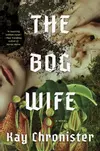
So this didn’t turn out to be as scary as I thought it would be, and is instead something more eerie, but it’s still a beautifully-told story.
There’s a saying about how all families are messed up, just that the details vary from family to family. The Haddesleys are a VERY unique and disturbing kind of messed up, but there’s enough there that might be familiar to readers from close, tightly-knit families with heavy dependence on each other that may make the recognition feel a little uncomfortable. It certainly felt familiar to me, especially where Eda is concerned. Her role as the parentified eldest daughter keeping her family functioning in spite of everything will likely strike a chord in readers who are in a similar position, or used to be in that position.
Equally interesting is reading how this family reacts when its central truths - its internal history - is proven to be untrue. Every family has its own stories that it tells itself, enough that in some cases those stories can be elevated to the status of unchallenged and unchallengeable mythology. But what happens when those stories are revealed to be lies? What happens when a family learns that the stories it tells itself are in fact far more mundane and banal than they’d been led to believe? Reading how the Haddesleys deal with this is, in my opinion, one of the story’s strongest plot threads.
This tug-of-war between transformation and staticity is also reflected in the bog itself, and the Haddesleys’ relationship to it. For generations the Haddesleys have treated the bog in a specific way, but over time the bog itself has changed, and no matter what the Haddesleys try to do, it does not respond to them as it used to, and this further erodes their belief in their family’s foundational myths, while also showing how little control humanity has over nature.
In line with that, the novel also explores what happens when outside influences reach into the bog itself - specifically: climate change. There is clear research indicating that climate change is affecting precipitation levels in the Appalachians; it should not take any great stretch of the imagination for the reader to see how this could affect the isolated Haddesleys, who must manage the bog in a specific way so that it meets their needs. While not explicitly explored in the novel, given that the Haddesleys were raised in such a way that the very notion of climate change would probably be foreign to them, the novel does attempt to point out that living in isolation does not guarantee that one will be unaffected by the wider world - not when corporations, land developers, and tech startups can affect the climate itself.
Overall, this was a lovely, bittersweet read. The Haddesley siblings are fascinating, complicated characters, and their relationship to each other and the world beyond their homestead makes for compelling reading. The themes of familial trauma; erosion of family mythology; and the exploitation of nature are woven together and explored quite well, and while this is not a horror novel in the traditional sense, it can still be quite eerie to see one’s own self, or one’s own family, in the Haddesleys, making this quite an uncanny experience.
Originally posted at kamreadsandrecs.tumblr.com.
So this didn’t turn out to be as scary as I thought it would be, and is instead something more eerie, but it’s still a beautifully-told story.
There’s a saying about how all families are messed up, just that the details vary from family to family. The Haddesleys are a VERY unique and disturbing kind of messed up, but there’s enough there that might be familiar to readers from close, tightly-knit families with heavy dependence on each other that may make the recognition feel a little uncomfortable. It certainly felt familiar to me, especially where Eda is concerned. Her role as the parentified eldest daughter keeping her family functioning in spite of everything will likely strike a chord in readers who are in a similar position, or used to be in that position.
Equally interesting is reading how this family reacts when its central truths - its internal history - is proven to be untrue. Every family has its own stories that it tells itself, enough that in some cases those stories can be elevated to the status of unchallenged and unchallengeable mythology. But what happens when those stories are revealed to be lies? What happens when a family learns that the stories it tells itself are in fact far more mundane and banal than they’d been led to believe? Reading how the Haddesleys deal with this is, in my opinion, one of the story’s strongest plot threads.
This tug-of-war between transformation and staticity is also reflected in the bog itself, and the Haddesleys’ relationship to it. For generations the Haddesleys have treated the bog in a specific way, but over time the bog itself has changed, and no matter what the Haddesleys try to do, it does not respond to them as it used to, and this further erodes their belief in their family’s foundational myths, while also showing how little control humanity has over nature.
In line with that, the novel also explores what happens when outside influences reach into the bog itself - specifically: climate change. There is clear research indicating that climate change is affecting precipitation levels in the Appalachians; it should not take any great stretch of the imagination for the reader to see how this could affect the isolated Haddesleys, who must manage the bog in a specific way so that it meets their needs. While not explicitly explored in the novel, given that the Haddesleys were raised in such a way that the very notion of climate change would probably be foreign to them, the novel does attempt to point out that living in isolation does not guarantee that one will be unaffected by the wider world - not when corporations, land developers, and tech startups can affect the climate itself.
Overall, this was a lovely, bittersweet read. The Haddesley siblings are fascinating, complicated characters, and their relationship to each other and the world beyond their homestead makes for compelling reading. The themes of familial trauma; erosion of family mythology; and the exploitation of nature are woven together and explored quite well, and while this is not a horror novel in the traditional sense, it can still be quite eerie to see one’s own self, or one’s own family, in the Haddesleys, making this quite an uncanny experience.
Originally posted at kamreadsandrecs.tumblr.com.

So this didn’t feel quite as cohesive as the first volume, unfortunately. I know that nothing needs to necessarily “make sense” in that this is meant to show the minds of the characters breaking down in the face of everything they’re experiencing, but at the same time, there DOES need to be something holding everything together in a way that makes SOME kind of sense, and unfortunately that doesn’t exist here.
I think the lack of cohesion in the storytelling has to do with the creators choosing to continue with the narrative style of the first volume: telling part of the story from the point-of-view of one character, before shifting to another. It also doesn’t help that the first story in this volume is actually a flashback story to the past, which, though the ending of the first volume did set that up somewhat, still felt a bit jarring to start with. Now, that wouldn’t have been too much of a problem if that had been the only weird shift, but then the POV switches to that of a very unusual character for a little bit, and that chapter/issue doesn’t even consistently stay IN that character’s POV. So it really feels like the story is meandering in ways that don’t do the story many favors.
Given that the story doesn’t seem to come together well, it should come as no surprise that the ending doesn’t make much sense either. One gets the sense that the creators had a pretty decent IDEA of how to wrap this story up, but when it finally came time to execute it, they just got lost. So the ending feels a little tacked on, instead of something that emerges from the rest of the story in a way that makes sense.
Despite all of that, though, the art is still incredible. In fact, I believe the only thing really holding the story together is the artwork; without it, the story would be an even bigger mess than it already is - which is unfortunate, because if the story had matched the quality of the art, then this volume really would have been something spectacular.
Overall, this was not the best continuation of the story after the first volume. The first volume’s weaknesses were on much clearer display in this volume, not least because the narrative doesn’t come together in a way that makes sense, despite allowances being made for the genre. The art was the true hero here, holding whatever was there of the story and basically carrying the entire volume through to the sadly disappointing end. If more volumes follow after this one, I sure hope the creators get a better grasp of the story they want to tell, because good art can only carry a graphic novel so far.
Originally posted at kamreadsandrecs.tumblr.com.
So this didn’t feel quite as cohesive as the first volume, unfortunately. I know that nothing needs to necessarily “make sense” in that this is meant to show the minds of the characters breaking down in the face of everything they’re experiencing, but at the same time, there DOES need to be something holding everything together in a way that makes SOME kind of sense, and unfortunately that doesn’t exist here.
I think the lack of cohesion in the storytelling has to do with the creators choosing to continue with the narrative style of the first volume: telling part of the story from the point-of-view of one character, before shifting to another. It also doesn’t help that the first story in this volume is actually a flashback story to the past, which, though the ending of the first volume did set that up somewhat, still felt a bit jarring to start with. Now, that wouldn’t have been too much of a problem if that had been the only weird shift, but then the POV switches to that of a very unusual character for a little bit, and that chapter/issue doesn’t even consistently stay IN that character’s POV. So it really feels like the story is meandering in ways that don’t do the story many favors.
Given that the story doesn’t seem to come together well, it should come as no surprise that the ending doesn’t make much sense either. One gets the sense that the creators had a pretty decent IDEA of how to wrap this story up, but when it finally came time to execute it, they just got lost. So the ending feels a little tacked on, instead of something that emerges from the rest of the story in a way that makes sense.
Despite all of that, though, the art is still incredible. In fact, I believe the only thing really holding the story together is the artwork; without it, the story would be an even bigger mess than it already is - which is unfortunate, because if the story had matched the quality of the art, then this volume really would have been something spectacular.
Overall, this was not the best continuation of the story after the first volume. The first volume’s weaknesses were on much clearer display in this volume, not least because the narrative doesn’t come together in a way that makes sense, despite allowances being made for the genre. The art was the true hero here, holding whatever was there of the story and basically carrying the entire volume through to the sadly disappointing end. If more volumes follow after this one, I sure hope the creators get a better grasp of the story they want to tell, because good art can only carry a graphic novel so far.
Originally posted at kamreadsandrecs.tumblr.com.

So this was QUITE the ride! Not a lot of horror novels make me go “Nope! Not reading this after dark!” within the first few pages, but when a book does that, I KNOW it’s going to be fun, and this DEFINITELY was.
If one has ever experienced the feeling of going down a Wikipedia or just general internet rabbit hole trying to track down information on some specific thing one saw on a message board or on Reddit and staying up all night to do it, then reading this book will feel VERY familiar. The story being told in fragments of interconnected articles, message board posts, and interview transcripts, interspersed with some narrative from the “author”, entices the reader forward, creating narrative propulsion even with the lack of a “traditional” plot. The inclusion of “actual source material” like drawings, photographs, and screenshots from online livestreams was a very nifty touch, and helped up the creepiness of the story.
There’s also a clear absence of a protagonist in this story, which some readers have claimed detracts from the cohesion of the overall narrative. While it’s true that the book’s fragmented structure can be a bit hard to come to grips with without an obvious central figure around which to organize the story, in my opinion this just places the reader themself as the central figure. From the outset the book is framed as a request for help, and the book is presented as a collection of evidence the reader must put together to find answers. When viewed from that perspective, the reader is not just a distant observer, they are made into a direct participant in the story itself - a realization that is crucial to the novel’s ending.
Speaking of the ending, I found that it wasn’t entirely satisfactory. There was a certain lack of impact in the way this novel wrapped up, despite everything else about it being very well-executed. It made me think of the ending to Bob Ong’s Ang Mga Kaibigan ni Mama Susan, which is in a somewhat-similar genre as About a Place in the Kinki Region (”found” material relating to a creepy event or events), but the ending of Ong’s book felt more impactful than the ending for this novel.
Overall, this was a really spooky read, especially for readers who enjoy found-footage horror films, and/or like to solve mysteries on their own. The blend of online and offline urban legends, as well as folk horror, make for a powerful and terrifying backbone around which the entire story is built, accompanied by a narrative that, though fragmented, encourages the reader to keep reading more and more by putting them in the driver’s seat of solving this mystery once and for all. Though the ending is not as strong as I wish it was, it fortunately doesn’t detract from the overall experience of reading this book.
Originally posted at kamreadsandrecs.tumblr.com.
So this was QUITE the ride! Not a lot of horror novels make me go “Nope! Not reading this after dark!” within the first few pages, but when a book does that, I KNOW it’s going to be fun, and this DEFINITELY was.
If one has ever experienced the feeling of going down a Wikipedia or just general internet rabbit hole trying to track down information on some specific thing one saw on a message board or on Reddit and staying up all night to do it, then reading this book will feel VERY familiar. The story being told in fragments of interconnected articles, message board posts, and interview transcripts, interspersed with some narrative from the “author”, entices the reader forward, creating narrative propulsion even with the lack of a “traditional” plot. The inclusion of “actual source material” like drawings, photographs, and screenshots from online livestreams was a very nifty touch, and helped up the creepiness of the story.
There’s also a clear absence of a protagonist in this story, which some readers have claimed detracts from the cohesion of the overall narrative. While it’s true that the book’s fragmented structure can be a bit hard to come to grips with without an obvious central figure around which to organize the story, in my opinion this just places the reader themself as the central figure. From the outset the book is framed as a request for help, and the book is presented as a collection of evidence the reader must put together to find answers. When viewed from that perspective, the reader is not just a distant observer, they are made into a direct participant in the story itself - a realization that is crucial to the novel’s ending.
Speaking of the ending, I found that it wasn’t entirely satisfactory. There was a certain lack of impact in the way this novel wrapped up, despite everything else about it being very well-executed. It made me think of the ending to Bob Ong’s Ang Mga Kaibigan ni Mama Susan, which is in a somewhat-similar genre as About a Place in the Kinki Region (”found” material relating to a creepy event or events), but the ending of Ong’s book felt more impactful than the ending for this novel.
Overall, this was a really spooky read, especially for readers who enjoy found-footage horror films, and/or like to solve mysteries on their own. The blend of online and offline urban legends, as well as folk horror, make for a powerful and terrifying backbone around which the entire story is built, accompanied by a narrative that, though fragmented, encourages the reader to keep reading more and more by putting them in the driver’s seat of solving this mystery once and for all. Though the ending is not as strong as I wish it was, it fortunately doesn’t detract from the overall experience of reading this book.
Originally posted at kamreadsandrecs.tumblr.com.

So this was a really interesting read. I keep comparing this to Annihilation, which given the focus on environmental collapse and a mutating environment, seems appropriate, plus this book also seems to have borrowed from Jeff VanderMeer’s work in the form off the protagonists: four women working for a mysterious organization, studying a hostile environment. It doesn’t quite have the same level of complexity and nuance as VanderMeer’s novel, but that might just be down to the differences in medium.
There’s also some overlap in the themes explored. Like Annihilation, this book is set in a world in which climate change has led to global collapse, with humanity still trying to fight back against the inevitable end. It also tackles the idea of the Earth itself fighting back against humanity like a living organism in its own right. Like Area X, the interior of the titular Unbeing is a constantly changing, mutating thing that seems to have a mind of its own. The art does a lot of the heavy lifting here, blurring the lines between what is organic and inorganic, biological versus geographical, to a degree that can be a mite uncomfortable at times.
I also liked how the narrative was partitioned out into four distinct streams, with each member of the team getting their own moment to tell their story. Blurring the lines between sanity and madness is an aspect of cosmic horror that doesn’t always translate very well, especially in a visual medium, but by telling the narrative from four separate points-of-view, this book manages to capture that feel. The art also definitely helps, along with the way the panels are arranged.
Sadly, while the art and panelling are certainly the highlights of this book, the characterization doesn’t quite hit the mark. The protagonists don’t feel as fleshed-out as I’d like, with a lot of their development coming mostly from exposition in a “tell, not show” way. This also interferes with the narrative; one would think that there would be a lot less exposition in a visual medium of storytelling, but it is, apparently, possible to over-narrate in a comic format.
Overall, this was not a bad read. The art is definitely the highlight, and is was drew me to this book in the first place. The concept is also very strong, sharing a lot of parallels with Jeff VanderMeer’s Annihilation, sharing the same themes though approaching them differently due to the difference in medium. The art and the panelling both go a very long way towards making the story interesting, even if sometimes certain choices regarding the latter can make reading things a bit confusing. The characterization could also be better, and the reliance on exposition does somewhat unflattering things to the pace that not even the art cannot always salvage.
Originally posted at kamreadsandrecs.tumblr.com.
So this was a really interesting read. I keep comparing this to Annihilation, which given the focus on environmental collapse and a mutating environment, seems appropriate, plus this book also seems to have borrowed from Jeff VanderMeer’s work in the form off the protagonists: four women working for a mysterious organization, studying a hostile environment. It doesn’t quite have the same level of complexity and nuance as VanderMeer’s novel, but that might just be down to the differences in medium.
There’s also some overlap in the themes explored. Like Annihilation, this book is set in a world in which climate change has led to global collapse, with humanity still trying to fight back against the inevitable end. It also tackles the idea of the Earth itself fighting back against humanity like a living organism in its own right. Like Area X, the interior of the titular Unbeing is a constantly changing, mutating thing that seems to have a mind of its own. The art does a lot of the heavy lifting here, blurring the lines between what is organic and inorganic, biological versus geographical, to a degree that can be a mite uncomfortable at times.
I also liked how the narrative was partitioned out into four distinct streams, with each member of the team getting their own moment to tell their story. Blurring the lines between sanity and madness is an aspect of cosmic horror that doesn’t always translate very well, especially in a visual medium, but by telling the narrative from four separate points-of-view, this book manages to capture that feel. The art also definitely helps, along with the way the panels are arranged.
Sadly, while the art and panelling are certainly the highlights of this book, the characterization doesn’t quite hit the mark. The protagonists don’t feel as fleshed-out as I’d like, with a lot of their development coming mostly from exposition in a “tell, not show” way. This also interferes with the narrative; one would think that there would be a lot less exposition in a visual medium of storytelling, but it is, apparently, possible to over-narrate in a comic format.
Overall, this was not a bad read. The art is definitely the highlight, and is was drew me to this book in the first place. The concept is also very strong, sharing a lot of parallels with Jeff VanderMeer’s Annihilation, sharing the same themes though approaching them differently due to the difference in medium. The art and the panelling both go a very long way towards making the story interesting, even if sometimes certain choices regarding the latter can make reading things a bit confusing. The characterization could also be better, and the reliance on exposition does somewhat unflattering things to the pace that not even the art cannot always salvage.
Originally posted at kamreadsandrecs.tumblr.com.
So this wasn’t all that bad a read. I don’t remember much of the Satanic Panic (mostly because my country had much bigger problems at the time than worrying about Satan’s supposed influence on children), but it was fascinating, and saddening, to read about how that moment in cultural history affected the lives of so many people in the US, both children and adults - in particular, the McMartin preschool trials, which was borrowed for this comic but set in the Midwest instead of in California.
One of the major, overarching themes of this graphic novel is how damaging mass hysteria and widespread acceptance of conspiracy theories can be. Looking into the history of the Satanic Panic it was clear how the whole thing was fuelled by the cultural anxieties of the time, rooted in the historical events of the 60s and 70s. What’s interesting are the parallels to the hysterias of the present day: purity culture and the alt-right Christofascist movement manifesting now as ICE raids and widespread censorship both on- and offline. It’s all a fear reaction to uncertain times; the problem is that it’s destroying innocent lives in the process.
One thing that disappointed me about this, though, was that I went into it assuming it was going to be a horror story, but it’s actually better categorized as mystery or thriller than horror. I also thought the ending was a bit rushed; I don’t mind that it was inconclusive, I just think that there might have been a better way to wrap it up without having it feel so abrupt, or losing the darker tone the graphic novel was going for.
Overall, this was a fine, if rather dark, read. Its exploration of themes around the damage done by mass hysteria and conspiracy theories was very interesting and relevant to the current period, but the ending could have been better, and the marketing of it as a horror story instead of a thriller may disappoint readers expecting the former and then get the latter.
Originally posted at kamreadsandrecs.tumblr.com.
So this wasn’t all that bad a read. I don’t remember much of the Satanic Panic (mostly because my country had much bigger problems at the time than worrying about Satan’s supposed influence on children), but it was fascinating, and saddening, to read about how that moment in cultural history affected the lives of so many people in the US, both children and adults - in particular, the McMartin preschool trials, which was borrowed for this comic but set in the Midwest instead of in California.
One of the major, overarching themes of this graphic novel is how damaging mass hysteria and widespread acceptance of conspiracy theories can be. Looking into the history of the Satanic Panic it was clear how the whole thing was fuelled by the cultural anxieties of the time, rooted in the historical events of the 60s and 70s. What’s interesting are the parallels to the hysterias of the present day: purity culture and the alt-right Christofascist movement manifesting now as ICE raids and widespread censorship both on- and offline. It’s all a fear reaction to uncertain times; the problem is that it’s destroying innocent lives in the process.
One thing that disappointed me about this, though, was that I went into it assuming it was going to be a horror story, but it’s actually better categorized as mystery or thriller than horror. I also thought the ending was a bit rushed; I don’t mind that it was inconclusive, I just think that there might have been a better way to wrap it up without having it feel so abrupt, or losing the darker tone the graphic novel was going for.
Overall, this was a fine, if rather dark, read. Its exploration of themes around the damage done by mass hysteria and conspiracy theories was very interesting and relevant to the current period, but the ending could have been better, and the marketing of it as a horror story instead of a thriller may disappoint readers expecting the former and then get the latter.
Originally posted at kamreadsandrecs.tumblr.com.

So this was a lot more emotional and sadder than I expected. On one hand, it’s a story about a father and his son, but it’s also a story about tyranny, and how people react and change when they are in the grip of an oppressive regime - for better AND for worse.
This is clearly illustrated in the narrator/protagonist, Daedalus. For most of the novella the reader is sympathetic to him, mostly because he portrays himself as a devoted father who is just trying to survive under the cruelty of King Minos of Crete. But it’s also interesting to note that Daedalus is not ALL he portrays himself to be. Throughout the course of the novella the reader gets a vague sense that he isn’t being entirely truthful, though it’s hard to pinpoint those moments until something finally happens, or another character points something out. And what Daedalus does with that information is always very interesting: not necessarily good or bad (often both), but interesting regardless.
Speaking of Minos and his cruelty, that is another theme that runs through this novella: how the cruelty of tyrants and dictators force those they control into survival modes that can be destructive both to themselves and those around them. Asterion is the key example of this, in the novella, but Ariadne and Daedalus are also great examples, in subtler - and more familiar - ways. But what really got me about this whole thread is that the novella clearly shows how such tyrants are not punished when the system is weighted in their favor. Again, this isn’t something that’s revealed right away, it’s only something that’s shown as the story progresses, but I really enjoyed how that particular revelation was done slowly and carefully, so that it was up to the reader to put it together for themselves.
Overall this was a lovely little read: bittersweet and heart-breaking, and quite different from a lot of the Greek myth retellings currently out there. There are some moments when the writing falters a bit, especially in revealing certain twists, but those are easy to let slide, especially given the otherwise lovely quality of the storytelling and the grander arc of the narrative, plus the great characterization. However, I get the feeling that certain subsections of certain fandoms will be…upset, to put it mildly, about how certain characters are portrayed here. Readers who have a better grasp and understanding of the nuances and complexities of the ancient Greek myths will have a higher tolerance for the way those characters are interpreted in this novella, but those who are set in their preferred interpretations as based on other, popular media, will likely chafe at the way their favorites are portrayed.
Originally posted at kamreadsandrecs.tumblr.com.
So this was a lot more emotional and sadder than I expected. On one hand, it’s a story about a father and his son, but it’s also a story about tyranny, and how people react and change when they are in the grip of an oppressive regime - for better AND for worse.
This is clearly illustrated in the narrator/protagonist, Daedalus. For most of the novella the reader is sympathetic to him, mostly because he portrays himself as a devoted father who is just trying to survive under the cruelty of King Minos of Crete. But it’s also interesting to note that Daedalus is not ALL he portrays himself to be. Throughout the course of the novella the reader gets a vague sense that he isn’t being entirely truthful, though it’s hard to pinpoint those moments until something finally happens, or another character points something out. And what Daedalus does with that information is always very interesting: not necessarily good or bad (often both), but interesting regardless.
Speaking of Minos and his cruelty, that is another theme that runs through this novella: how the cruelty of tyrants and dictators force those they control into survival modes that can be destructive both to themselves and those around them. Asterion is the key example of this, in the novella, but Ariadne and Daedalus are also great examples, in subtler - and more familiar - ways. But what really got me about this whole thread is that the novella clearly shows how such tyrants are not punished when the system is weighted in their favor. Again, this isn’t something that’s revealed right away, it’s only something that’s shown as the story progresses, but I really enjoyed how that particular revelation was done slowly and carefully, so that it was up to the reader to put it together for themselves.
Overall this was a lovely little read: bittersweet and heart-breaking, and quite different from a lot of the Greek myth retellings currently out there. There are some moments when the writing falters a bit, especially in revealing certain twists, but those are easy to let slide, especially given the otherwise lovely quality of the storytelling and the grander arc of the narrative, plus the great characterization. However, I get the feeling that certain subsections of certain fandoms will be…upset, to put it mildly, about how certain characters are portrayed here. Readers who have a better grasp and understanding of the nuances and complexities of the ancient Greek myths will have a higher tolerance for the way those characters are interpreted in this novella, but those who are set in their preferred interpretations as based on other, popular media, will likely chafe at the way their favorites are portrayed.
Originally posted at kamreadsandrecs.tumblr.com.
So this was a really good continuation of the previous volume, but with a greater focus on the past of the setting, as opposed to the present. This volume dives into the event known as the Second Summer of Love, which happened ten years ago and changed the world on a fundamental level. It’s hard getting into it without spoilers, but suffice to say that if one has read the previous volume, then one has an idea of the enormity of the aftermath of that event, and how it has touched the lives of all the protagonists in one way or another.
In line with that, this volume also explores the histories of Jacky Magus and Eliza: two of the supers who were most involved in the Second Summer of Love. They’re both deeply complicated people, and it was great to see how, in some ways, they both came into their own during the momentous events of 1989. The volume also gives the reader a look at the past of Isabella, Masumi’s girlfriend, who, though she is not herself a super, gives the reader a perspective of what happened during the Second Summer of Love from the viewpoint of an ordinary person. Her story is a reminder of why the supers take such care about what they do and how they do anything: because whatever action they take, but especially big actions, will affect the lives of countless people like Isabella. In some ways, dying might be easy, because living in the aftermath is usually much harder.
Overall this was a great continuation of the first volume. While there’s still worldbuilding being done here, the themes established in the first volume are explored further in this one. The characters are as intriguing and as complicated as ever: Eliza, in particular, is my personal favorite along with Etienne. But there have been some VERY interesting developments in this one, and given the way this volume ended, I’m eager to see what’ll happen next.
Originally posted at kamreadsandrecs.tumblr.com.
So this was a really good continuation of the previous volume, but with a greater focus on the past of the setting, as opposed to the present. This volume dives into the event known as the Second Summer of Love, which happened ten years ago and changed the world on a fundamental level. It’s hard getting into it without spoilers, but suffice to say that if one has read the previous volume, then one has an idea of the enormity of the aftermath of that event, and how it has touched the lives of all the protagonists in one way or another.
In line with that, this volume also explores the histories of Jacky Magus and Eliza: two of the supers who were most involved in the Second Summer of Love. They’re both deeply complicated people, and it was great to see how, in some ways, they both came into their own during the momentous events of 1989. The volume also gives the reader a look at the past of Isabella, Masumi’s girlfriend, who, though she is not herself a super, gives the reader a perspective of what happened during the Second Summer of Love from the viewpoint of an ordinary person. Her story is a reminder of why the supers take such care about what they do and how they do anything: because whatever action they take, but especially big actions, will affect the lives of countless people like Isabella. In some ways, dying might be easy, because living in the aftermath is usually much harder.
Overall this was a great continuation of the first volume. While there’s still worldbuilding being done here, the themes established in the first volume are explored further in this one. The characters are as intriguing and as complicated as ever: Eliza, in particular, is my personal favorite along with Etienne. But there have been some VERY interesting developments in this one, and given the way this volume ended, I’m eager to see what’ll happen next.
Originally posted at kamreadsandrecs.tumblr.com.

So this was the first pick of the year for the little book club I have going with my friends, and it’s a REALLY interesting take on the superhero comic genre. Gillen mentioned in an essay at the end of Issue 2 or 3 that he was coming off doing a comic series for Marvel, and wanted to explore the idea of a world where supers exist, but their powers have some very real, very troubling consequences. Unlike in most superhero stories where the world seems to survive devastating clashes between supers and other similar entities (see: New York in Marvel comics), Gillen proposes a world much more closely aligned to our actual reality, where the consequences of such fights would, in fact, be utterly devastating. In such a case, supers would be more akin to nuclear bombs - except these nuclear bombs have a will of their own, and their own ideas about how and when to use their abilities.
The last time I read anything written by Gillen, it was Wicked + Divine, and what I remember most (apart from the fantastic art, courtesy of Jamie McKelvie) is the characterization. And that characterization shines through again here, in the way Gillen handles the supers of this story, since he extends his original premise of “What if there were supers with extraordinary powers in the real world?” to include the supers themselves: “What if supers had the same problems we did?” And while I know this concept has been explored in other superhero stories before, the smaller main cast of this particular series allows Gillen to get into the minds of the individual characters and develop them in a way that makes sense to the reader - and may even seem familiar.
Consider the character Masumi, who is prominently featured in Issue 3. She is an artist, but also has some rather bad mental health issues, including depression and a deep need for validation. Now, while that combination of traits is very familiar - I’m sure most people know at least one person who is like that, or might have those issues themselves - the difference is that Masumi has a potentially world-ending power, one that comes out if she “gets sad”. It can be hard enough, being a person like Masumi, or knowing someone like Masumi; imagine being like that and having a world-ending power that comes out when “gets sad”. How does one manage someone like that? How does one manage oneself? This comic tries to explore that in a way that feels grounded in our own current reality, and it is VERY interesting.
What Gillen is trying to do here, in grounding the supers and their world in a reality that is as close to ours as possible, is to try to explore a reality where the big, tense moments do not lead to people fighting. In lots of superhero comics, the supers are always fighting, whether that is other superpowered individuals or each other. In this series, though, where the most powerful supers are basically nuclear bombs, and where there is only ONE timeline, ONE reality (and therefore no possibility for multiverse shenaniganry), this means that there is much less fighting and a LOT more de-escalation. THAT is where most of the tension comes into play: the supers balancing each other out, in such a way that they neither destroy each other, nor the world around them. Of course, governments attempt to control them, and in such cases the supers do what they can to protect themselves and the world, according to their own ideas of morality and, in the case of one specific character, good ethics. This creates another interesting layer of tension regarding control of the supers, because they are world-ending levels of dangerous (which governments are VERY concerned about), but they are also PEOPLE. I really liked this particular angle because of the potential tensions and consequences that can spin out of that conflict - some of which has been partially explored in this first volume, but has not been revealed in its entirely just yet.
Overall, this was a lovely way to get back into reading serialized comics. I’m not very much into reading superhero comics, but the concept for this is deeply interesting, with the whole point being to AVOID fights as much as possible. Thus far the story’s been interesting, the characters engaging, and the artwork is remarkable. Will definitely have to get my mitts on the second volume as soon as possible so I can keep reading.
Originally posted at kamreadsandrecs.tumblr.com.
So this was the first pick of the year for the little book club I have going with my friends, and it’s a REALLY interesting take on the superhero comic genre. Gillen mentioned in an essay at the end of Issue 2 or 3 that he was coming off doing a comic series for Marvel, and wanted to explore the idea of a world where supers exist, but their powers have some very real, very troubling consequences. Unlike in most superhero stories where the world seems to survive devastating clashes between supers and other similar entities (see: New York in Marvel comics), Gillen proposes a world much more closely aligned to our actual reality, where the consequences of such fights would, in fact, be utterly devastating. In such a case, supers would be more akin to nuclear bombs - except these nuclear bombs have a will of their own, and their own ideas about how and when to use their abilities.
The last time I read anything written by Gillen, it was Wicked + Divine, and what I remember most (apart from the fantastic art, courtesy of Jamie McKelvie) is the characterization. And that characterization shines through again here, in the way Gillen handles the supers of this story, since he extends his original premise of “What if there were supers with extraordinary powers in the real world?” to include the supers themselves: “What if supers had the same problems we did?” And while I know this concept has been explored in other superhero stories before, the smaller main cast of this particular series allows Gillen to get into the minds of the individual characters and develop them in a way that makes sense to the reader - and may even seem familiar.
Consider the character Masumi, who is prominently featured in Issue 3. She is an artist, but also has some rather bad mental health issues, including depression and a deep need for validation. Now, while that combination of traits is very familiar - I’m sure most people know at least one person who is like that, or might have those issues themselves - the difference is that Masumi has a potentially world-ending power, one that comes out if she “gets sad”. It can be hard enough, being a person like Masumi, or knowing someone like Masumi; imagine being like that and having a world-ending power that comes out when “gets sad”. How does one manage someone like that? How does one manage oneself? This comic tries to explore that in a way that feels grounded in our own current reality, and it is VERY interesting.
What Gillen is trying to do here, in grounding the supers and their world in a reality that is as close to ours as possible, is to try to explore a reality where the big, tense moments do not lead to people fighting. In lots of superhero comics, the supers are always fighting, whether that is other superpowered individuals or each other. In this series, though, where the most powerful supers are basically nuclear bombs, and where there is only ONE timeline, ONE reality (and therefore no possibility for multiverse shenaniganry), this means that there is much less fighting and a LOT more de-escalation. THAT is where most of the tension comes into play: the supers balancing each other out, in such a way that they neither destroy each other, nor the world around them. Of course, governments attempt to control them, and in such cases the supers do what they can to protect themselves and the world, according to their own ideas of morality and, in the case of one specific character, good ethics. This creates another interesting layer of tension regarding control of the supers, because they are world-ending levels of dangerous (which governments are VERY concerned about), but they are also PEOPLE. I really liked this particular angle because of the potential tensions and consequences that can spin out of that conflict - some of which has been partially explored in this first volume, but has not been revealed in its entirely just yet.
Overall, this was a lovely way to get back into reading serialized comics. I’m not very much into reading superhero comics, but the concept for this is deeply interesting, with the whole point being to AVOID fights as much as possible. Thus far the story’s been interesting, the characters engaging, and the artwork is remarkable. Will definitely have to get my mitts on the second volume as soon as possible so I can keep reading.
Originally posted at kamreadsandrecs.tumblr.com.

So this wasn’t all that bad a read. The author’s writing is a pleasure to read, as ever, but this book feels a bit lighter in the heel, so to speak, compared to his previous works. I personally attribute this to his dips into fiction for almost half the book, wherein he spins a little tale about the specific time period and culture he’s focusing on in any given section, showing how the artifacts and techniques that he tackles in that section might have been applied by people in the past. These little fictional bits are not utterly egregious, and they are clearly solidly grounded in pretty good research, but I, as a reader, could have done without them. I would have appreciated a stronger focus on the experimental archaeologists themselves: most of whom seem like an interesting bunch, and, even better, have the benefit of being people who are currently alive and working on their research despite pushback and condemnation from more traditional archaeologists.
Speaking of pushback and condemnation, I liked that the author tackles the friction between traditional archaeologists and experimental archaeologists, and even tries to explain why the friction exists in the first place, but I could not help but notice that he missed a crucial sticking point: classism. Traditional archaeology has, historically, been a pursuit of wealthy white colonizers with noble titles, and as such the class biases of such people linger in that particular field of study even today, exacerbated by the ivory tower of academia. Such people are not interested in the nitty-gritty of ancient Egyptian beer-brewing, for instance, or how to take down a giant sloth with an atlatl - such things are too “common”, the purview of the lower classes, not the kings and high priests they are often far more interested in. Traditional archaeologists of a certain type are entirely happy to make admiring noises about marble busts of ancient Roman matrons and can probably identify each one based on their hairdos, but are far less interested in figuring out how those hairdos got made in the first place.
Which brings me right back to what I mentioned earlier, about being more interested in the experimental archaeologists the author interviews and works with during his research for this book. Each of them is a character in their own right, and the interviews the author conducts with them to learn the whys, wherefores, whats, and hows of their special interest are more fascinating to read than the fictional stories. While it’s true that many of these experimental archaeologists do not have the specific academic training to qualify as traditional archaeologists, and it’s somewhat reasonable for traditional archaeologists to be wary of people who claim expertise outside of their field, the bias can be unjust in certain cases, especially when the experimental archaeologists are themselves experts in the specific subject matter they are tackling, or have degrees in other fields besides archaeology or related fields like history. Take, for example, the aforementioned hairdos depicted in statues and busts of Roman women. The person the author interviews in this book herself works as a professional hairdresser; if anyone knows hair, she would. And yet, despite this clear expertise, her research about ancient Roman hairdos has been met with dismissal by some archaeologists and academics. This is why I say classism may be at play here: both against the subject matter at hand, and against the person presenting the research.
Overall, this wasn’t a bad read, but it doesn’t have the same level of heft and rigor that I remember from the author’s previous books. I think this might be because he spends almost half of each section telling a fictional story which, while it IS grounded in solid research and does not not feel outlandishly speculative, does take a lot of power out of the nonfictional parts of the book. I wish more space had been devoted to talking about the real experimental archaeologists whom the author interviewed and interacted with while putting this book together, as well as tackling the reasons behind why some traditional archaeologists tends to frown upon experimental archaeologists.
Originally posted at kamreadsandrecs.tumblr.com.
So this wasn’t all that bad a read. The author’s writing is a pleasure to read, as ever, but this book feels a bit lighter in the heel, so to speak, compared to his previous works. I personally attribute this to his dips into fiction for almost half the book, wherein he spins a little tale about the specific time period and culture he’s focusing on in any given section, showing how the artifacts and techniques that he tackles in that section might have been applied by people in the past. These little fictional bits are not utterly egregious, and they are clearly solidly grounded in pretty good research, but I, as a reader, could have done without them. I would have appreciated a stronger focus on the experimental archaeologists themselves: most of whom seem like an interesting bunch, and, even better, have the benefit of being people who are currently alive and working on their research despite pushback and condemnation from more traditional archaeologists.
Speaking of pushback and condemnation, I liked that the author tackles the friction between traditional archaeologists and experimental archaeologists, and even tries to explain why the friction exists in the first place, but I could not help but notice that he missed a crucial sticking point: classism. Traditional archaeology has, historically, been a pursuit of wealthy white colonizers with noble titles, and as such the class biases of such people linger in that particular field of study even today, exacerbated by the ivory tower of academia. Such people are not interested in the nitty-gritty of ancient Egyptian beer-brewing, for instance, or how to take down a giant sloth with an atlatl - such things are too “common”, the purview of the lower classes, not the kings and high priests they are often far more interested in. Traditional archaeologists of a certain type are entirely happy to make admiring noises about marble busts of ancient Roman matrons and can probably identify each one based on their hairdos, but are far less interested in figuring out how those hairdos got made in the first place.
Which brings me right back to what I mentioned earlier, about being more interested in the experimental archaeologists the author interviews and works with during his research for this book. Each of them is a character in their own right, and the interviews the author conducts with them to learn the whys, wherefores, whats, and hows of their special interest are more fascinating to read than the fictional stories. While it’s true that many of these experimental archaeologists do not have the specific academic training to qualify as traditional archaeologists, and it’s somewhat reasonable for traditional archaeologists to be wary of people who claim expertise outside of their field, the bias can be unjust in certain cases, especially when the experimental archaeologists are themselves experts in the specific subject matter they are tackling, or have degrees in other fields besides archaeology or related fields like history. Take, for example, the aforementioned hairdos depicted in statues and busts of Roman women. The person the author interviews in this book herself works as a professional hairdresser; if anyone knows hair, she would. And yet, despite this clear expertise, her research about ancient Roman hairdos has been met with dismissal by some archaeologists and academics. This is why I say classism may be at play here: both against the subject matter at hand, and against the person presenting the research.
Overall, this wasn’t a bad read, but it doesn’t have the same level of heft and rigor that I remember from the author’s previous books. I think this might be because he spends almost half of each section telling a fictional story which, while it IS grounded in solid research and does not not feel outlandishly speculative, does take a lot of power out of the nonfictional parts of the book. I wish more space had been devoted to talking about the real experimental archaeologists whom the author interviewed and interacted with while putting this book together, as well as tackling the reasons behind why some traditional archaeologists tends to frown upon experimental archaeologists.
Originally posted at kamreadsandrecs.tumblr.com.

So this wasn’t that bad of a read - or at least, conceptually it’s not. Like, if one imagines the best possible version of this story, this concept, it wouldn’t be half-bad at all. Hell, it could essily be amazing. Sadly, one must judge a book as it actually exists, and this book falls far short of its potential.
The first letdown is the worldbuilding. While genre fiction frequently borrows from and references real places and historical periods, the best authors use what they borrow as springboards for creating something unique. Even the authors who borrow entire historical periods almost wholesale (ex. George R. R. Martin, whose A Song of Ice and Fire series is essentially a fantasy version of the Hundred Years’ War) attempt to do something fresh with what they’ve borrowed. This book doesn’t even do that: the whole thing is basically eighteenth-century France with vampires and blood magic and some mentions of Filipino food to spice things up a bit. May as well have set the entire thing IN pre-revolutionary France and written this as a historical fantasy; the story would still be the same whether this was set in a fantasy world or in Paris.
- Speaking of Filipino food, the attempt to include Filipino references in this story was poorly done - enough that it actually felt like tokenization as opposed to genuine representation. This goes back to the lack of worldbuilding: if these references had been given proper context and grounded in the world itself, they would feel true and organic in the context of the story. However, just hand-waving this necessary worldbuilding by mentioning some random “Tagalan Islands” somewhere else in the world and then saying that some of the protagonists have parents from those islands, is woefully inadequate. It makes my culture and history feel like a costume some of the characters have put on, borrowing from it without really understanding why pancit bihon is the way it is, or the significance of the surname “de la Cruz” (which is the most common surname in the Philippines, yes, but because of colonialism - something which this novel NEVER touches upon in any significant way). For that matter, using the term “Tagalan Islands” restricts the actual sociocultural complexity of my country to just ONE ethnolinguistic group (the Tagalog people): yet another example of tokenization.
Another thing that makes this book disappointing is the juvenile tone of the writing. I went into this expecting adult fantasy fiction, but what I got was something more akin to the prose of Madeleine L’Engle and Garth Nix. I’m NOT saying the prose is bad; the comparisons to L’Engle and Nix are complimentary. But the best of L’Engle and Nix are YOUNG ADULT: both A Wrinkle in Time and Sabriel are classics of YA fiction. What this means is that the prose of this novel is very good - for YA, not necessarily for adult fiction. To qualify as adult fiction the prose would need to have a level of complexity and nuance - a level of craft - that it simply does not have. I suspect that, had the author been given more time (and maybe a more attentive editor), significant improvements could have been made in this regard, but as I said earlier, one must judge the book for what it is, rather than what it COULD be, and sadly this just doesn’t quite make it.
Overall, this is a book that could have been so much more than what it actually is. The potential is there: certainly, I appreciate that there is a signifcant transgender character, and an attempt to portray a positive polyamoric relationship - probably the only time when I thought “Oh thank the gods” to myself when reading this book was when the potential for a polycule was confirmed. Unfortunately, those are the only good parts of this story; everything else is hampered by a lack of complexity and nuance. The worldbuilding, the characterization, the magic system, even the prose itself - all show the potential for greatness, but are instead stifled by underdevelopment and a lack of much-needed intricacy that I expect from fiction - especially fantasy fiction - geared towards adults.
Originally posted at kamreadsandrecs.tumblr.com.
So this wasn’t that bad of a read - or at least, conceptually it’s not. Like, if one imagines the best possible version of this story, this concept, it wouldn’t be half-bad at all. Hell, it could essily be amazing. Sadly, one must judge a book as it actually exists, and this book falls far short of its potential.
The first letdown is the worldbuilding. While genre fiction frequently borrows from and references real places and historical periods, the best authors use what they borrow as springboards for creating something unique. Even the authors who borrow entire historical periods almost wholesale (ex. George R. R. Martin, whose A Song of Ice and Fire series is essentially a fantasy version of the Hundred Years’ War) attempt to do something fresh with what they’ve borrowed. This book doesn’t even do that: the whole thing is basically eighteenth-century France with vampires and blood magic and some mentions of Filipino food to spice things up a bit. May as well have set the entire thing IN pre-revolutionary France and written this as a historical fantasy; the story would still be the same whether this was set in a fantasy world or in Paris.
- Speaking of Filipino food, the attempt to include Filipino references in this story was poorly done - enough that it actually felt like tokenization as opposed to genuine representation. This goes back to the lack of worldbuilding: if these references had been given proper context and grounded in the world itself, they would feel true and organic in the context of the story. However, just hand-waving this necessary worldbuilding by mentioning some random “Tagalan Islands” somewhere else in the world and then saying that some of the protagonists have parents from those islands, is woefully inadequate. It makes my culture and history feel like a costume some of the characters have put on, borrowing from it without really understanding why pancit bihon is the way it is, or the significance of the surname “de la Cruz” (which is the most common surname in the Philippines, yes, but because of colonialism - something which this novel NEVER touches upon in any significant way). For that matter, using the term “Tagalan Islands” restricts the actual sociocultural complexity of my country to just ONE ethnolinguistic group (the Tagalog people): yet another example of tokenization.
Another thing that makes this book disappointing is the juvenile tone of the writing. I went into this expecting adult fantasy fiction, but what I got was something more akin to the prose of Madeleine L’Engle and Garth Nix. I’m NOT saying the prose is bad; the comparisons to L’Engle and Nix are complimentary. But the best of L’Engle and Nix are YOUNG ADULT: both A Wrinkle in Time and Sabriel are classics of YA fiction. What this means is that the prose of this novel is very good - for YA, not necessarily for adult fiction. To qualify as adult fiction the prose would need to have a level of complexity and nuance - a level of craft - that it simply does not have. I suspect that, had the author been given more time (and maybe a more attentive editor), significant improvements could have been made in this regard, but as I said earlier, one must judge the book for what it is, rather than what it COULD be, and sadly this just doesn’t quite make it.
Overall, this is a book that could have been so much more than what it actually is. The potential is there: certainly, I appreciate that there is a signifcant transgender character, and an attempt to portray a positive polyamoric relationship - probably the only time when I thought “Oh thank the gods” to myself when reading this book was when the potential for a polycule was confirmed. Unfortunately, those are the only good parts of this story; everything else is hampered by a lack of complexity and nuance. The worldbuilding, the characterization, the magic system, even the prose itself - all show the potential for greatness, but are instead stifled by underdevelopment and a lack of much-needed intricacy that I expect from fiction - especially fantasy fiction - geared towards adults.
Originally posted at kamreadsandrecs.tumblr.com.

Ngl, I was VERY excited to read this because it’s the kind of story I’ve wanted to tell for a while now, albeit in a different medium. Still, I’m glad someone decided to tell it in prose format, and that it got published so a wider audience gets to read it.
The reason I was so drawn to this type of story, and why I decided to read this book in the first place, is because it asks some very interesting questions about family legacy, and what one must do about it. I already kind of tackled that in my review of/reaction essay to Elaine Castillo’s America is Not The Heart: about what it means to know the truth about one’s family, and the kind of reckoning that comes with learning that truth. This novel approaches that question of legacy using Philippine folklore as a lens: the Sepulveda family is cursed for something they did in the past, and a lot of the story is spent not only learning about the origins of the curse, but also why it persists down the generations. The curse is a reckoning that the Sepulvedas must deal with now that their patriarch is dead, and what they do and do not do will spell the fate of their family.
Naturally, none of this is comfortable, and none of this is easy. This novel illustrates that unease and difficulty quite well, in my opinion, through the slowly unfolding drama of the Sepuveldas’ reunion. Throughout the novel, the family is confronted, again and again, with the curse that haunts them, and again and again they are given chances, both as an individuals and as a unit, to reckon with the origins of that curse. But they do not do more than pay lip service to that reckoning. Their complacency in the face of their family’s sins - complacency that exists because of the benefits they have reaped from those sins - means that they are unwilling to break the cycle, and thus they bring the curse down upon their own heads.
Now, while all of this is utterly fascinating and compelling - especially to people who have tried to do any similar kind of reckoning with their own family history and whatever dark secrets might lie therein - the actual writing doesn’t do the idea justice. While there’s nothing wrong with a slow burn narrative, the way this particular story is structured feels too scattered, with so many things going on at once and so much information being delivered that it’s like the author has completely lost control of the narrative. There is little to no build-up of tension of the kind that one might reasonably expect from a gothic novel or a horror novel - something I find disappointing, given that this novel uses the Philippines as a setting and Philippine folklore as key elements. It also doesn’t help that the characters aren’t very well developed, which is a pity as there is a LOT of potential storytelling that could have been done through them, instead of being dropped in some rather odd, random places over the course of the plot.
Overall, this is a novel with immense potential. The themes of legacy, complicity, privilege, and identity could all have been explored with great depth and complexity in the kind of story that this novel attempts to tell - few things are more horrific, after all, than confronting the truth hiding in one’s own family history, in one’s own blood. But all of that potential gets muddied in a plot that spreads itself too widely and too thinly across all the things it wants to tell, so that there is little to no tension created when there ought to be plenty of it going around. It also doesn’t help that the characters., who by rights ought to be the backbone of this novel, are not as strongly developed as they need to be to support the weight of the narrative. This novel could have been so much more than it is, but it does not, unfortunately, stick the landing.
Originally posted at kamreadsandrecs.tumblr.com.
Ngl, I was VERY excited to read this because it’s the kind of story I’ve wanted to tell for a while now, albeit in a different medium. Still, I’m glad someone decided to tell it in prose format, and that it got published so a wider audience gets to read it.
The reason I was so drawn to this type of story, and why I decided to read this book in the first place, is because it asks some very interesting questions about family legacy, and what one must do about it. I already kind of tackled that in my review of/reaction essay to Elaine Castillo’s America is Not The Heart: about what it means to know the truth about one’s family, and the kind of reckoning that comes with learning that truth. This novel approaches that question of legacy using Philippine folklore as a lens: the Sepulveda family is cursed for something they did in the past, and a lot of the story is spent not only learning about the origins of the curse, but also why it persists down the generations. The curse is a reckoning that the Sepulvedas must deal with now that their patriarch is dead, and what they do and do not do will spell the fate of their family.
Naturally, none of this is comfortable, and none of this is easy. This novel illustrates that unease and difficulty quite well, in my opinion, through the slowly unfolding drama of the Sepuveldas’ reunion. Throughout the novel, the family is confronted, again and again, with the curse that haunts them, and again and again they are given chances, both as an individuals and as a unit, to reckon with the origins of that curse. But they do not do more than pay lip service to that reckoning. Their complacency in the face of their family’s sins - complacency that exists because of the benefits they have reaped from those sins - means that they are unwilling to break the cycle, and thus they bring the curse down upon their own heads.
Now, while all of this is utterly fascinating and compelling - especially to people who have tried to do any similar kind of reckoning with their own family history and whatever dark secrets might lie therein - the actual writing doesn’t do the idea justice. While there’s nothing wrong with a slow burn narrative, the way this particular story is structured feels too scattered, with so many things going on at once and so much information being delivered that it’s like the author has completely lost control of the narrative. There is little to no build-up of tension of the kind that one might reasonably expect from a gothic novel or a horror novel - something I find disappointing, given that this novel uses the Philippines as a setting and Philippine folklore as key elements. It also doesn’t help that the characters aren’t very well developed, which is a pity as there is a LOT of potential storytelling that could have been done through them, instead of being dropped in some rather odd, random places over the course of the plot.
Overall, this is a novel with immense potential. The themes of legacy, complicity, privilege, and identity could all have been explored with great depth and complexity in the kind of story that this novel attempts to tell - few things are more horrific, after all, than confronting the truth hiding in one’s own family history, in one’s own blood. But all of that potential gets muddied in a plot that spreads itself too widely and too thinly across all the things it wants to tell, so that there is little to no tension created when there ought to be plenty of it going around. It also doesn’t help that the characters., who by rights ought to be the backbone of this novel, are not as strongly developed as they need to be to support the weight of the narrative. This novel could have been so much more than it is, but it does not, unfortunately, stick the landing.
Originally posted at kamreadsandrecs.tumblr.com.

So this was interesting. VERY interesting. I don’t think it says anything truly new about feminism, misogyny, and the patriarchy, especially during the time I’m writing this review (December 2025), but it is so very ILLUSTRATIVE of the harms that misogyny and the patriarchy wreak on women that it’s still (sadly) relevant. It does one good to remember, though, that while one may find oneself relating deeply to what happens to the women in book, this IS a Japanese novel, and the author is reacting to the patriarchal systems and misogyny in that country’s culture, which are somewhat different from what exists in other countries. Someone from the West or a more Westernized country might read this novel and think that some of the women in it are acting illogically, but it’s important to remember that what might seem nonsensical may in fact be rather common, given the immense constraints women in Japan operate under thanks to how deeply patriarchal the culture is.
But aside from that, which is probably the most obvious thing this novel does, I also appreciated how it portrays the harm the patriarchy does to men as well. While it’s easy to want to hate the men in this novel because the patriarchy grants them greater privileges than the women, that same system constrains them too, and hurts them by defining what is considered “masculine” and by defining how such masculinity must be performed in one’s life. The male characters suffer because they are required to act a certain way, or are forced to remain silent on certain things, because the patriarchy dictates that to NOT act in that way, or to speak up in certain circumstances on certain topics (positively in some cases, negatively in others) may be viewed as “unmanly” and therefore they will be shamed for it. The patriarchy, then, is a double-edged sword, and can hurt everyone who is forced to operate under it, regardless of their sex or gender.
Speaking of constraints, it’s a pity that the author didn’t expand upon the many instances of sapphic desire in this novel. Or it’s possible they might have, and the constraints and vagaries of translation made things less explicit in English than they would normally be in Japanese - translation can be finicky like that. But a part of me wishes those aspects had been explored a bit more, given the protagonist’s history, her best friend’s history, and the way sapphic desire (or the idea of it) is used towards the latter end of this novel.
The highlight of this novel, though, is definitely the descriptions of the food, and how it is used as a narrative tool throughout the story. In some cases, it is used as a point of contention between characters; in other cases it is used to bring characters closer together. In most cases, though, it is used as a method to develop characters, granting the reader insight into their mental state and their opinions and ideas. It also helps that a lot of the dishes described, especially in the beginning, are actually easy to replicate: the butter rice with soy sauce, in particular, has gone viral on social media due to its simplicity and the relative ease of acquiring the ingredients.
Overall, this novel was a very fascinating read. While some readers might look at the synopsis and expect something along the lines of The Silence of the Lambs, this is not that kind of novel. Instead, it uses the connection between the protagonist and the serial killer to illustrate the way the patriarchy hurts women, but also men. While these are themes that have been tackled before, it is always interesting to read about how the troubles of the patriarchy manifest in specific cultures - and realize that the ways it oppresses and harms people remain sadly relevant to this day.
Originally posted at kamreadsandrecs.tumblr.com.
So this was interesting. VERY interesting. I don’t think it says anything truly new about feminism, misogyny, and the patriarchy, especially during the time I’m writing this review (December 2025), but it is so very ILLUSTRATIVE of the harms that misogyny and the patriarchy wreak on women that it’s still (sadly) relevant. It does one good to remember, though, that while one may find oneself relating deeply to what happens to the women in book, this IS a Japanese novel, and the author is reacting to the patriarchal systems and misogyny in that country’s culture, which are somewhat different from what exists in other countries. Someone from the West or a more Westernized country might read this novel and think that some of the women in it are acting illogically, but it’s important to remember that what might seem nonsensical may in fact be rather common, given the immense constraints women in Japan operate under thanks to how deeply patriarchal the culture is.
But aside from that, which is probably the most obvious thing this novel does, I also appreciated how it portrays the harm the patriarchy does to men as well. While it’s easy to want to hate the men in this novel because the patriarchy grants them greater privileges than the women, that same system constrains them too, and hurts them by defining what is considered “masculine” and by defining how such masculinity must be performed in one’s life. The male characters suffer because they are required to act a certain way, or are forced to remain silent on certain things, because the patriarchy dictates that to NOT act in that way, or to speak up in certain circumstances on certain topics (positively in some cases, negatively in others) may be viewed as “unmanly” and therefore they will be shamed for it. The patriarchy, then, is a double-edged sword, and can hurt everyone who is forced to operate under it, regardless of their sex or gender.
Speaking of constraints, it’s a pity that the author didn’t expand upon the many instances of sapphic desire in this novel. Or it’s possible they might have, and the constraints and vagaries of translation made things less explicit in English than they would normally be in Japanese - translation can be finicky like that. But a part of me wishes those aspects had been explored a bit more, given the protagonist’s history, her best friend’s history, and the way sapphic desire (or the idea of it) is used towards the latter end of this novel.
The highlight of this novel, though, is definitely the descriptions of the food, and how it is used as a narrative tool throughout the story. In some cases, it is used as a point of contention between characters; in other cases it is used to bring characters closer together. In most cases, though, it is used as a method to develop characters, granting the reader insight into their mental state and their opinions and ideas. It also helps that a lot of the dishes described, especially in the beginning, are actually easy to replicate: the butter rice with soy sauce, in particular, has gone viral on social media due to its simplicity and the relative ease of acquiring the ingredients.
Overall, this novel was a very fascinating read. While some readers might look at the synopsis and expect something along the lines of The Silence of the Lambs, this is not that kind of novel. Instead, it uses the connection between the protagonist and the serial killer to illustrate the way the patriarchy hurts women, but also men. While these are themes that have been tackled before, it is always interesting to read about how the troubles of the patriarchy manifest in specific cultures - and realize that the ways it oppresses and harms people remain sadly relevant to this day.
Originally posted at kamreadsandrecs.tumblr.com.

Okay, so this wasn’t as bad as it could potentially have been. I was somewhat skeptical of the whole “romance that breaks the fourth wall” premise, and while the execution wasn’t terrible, it’s not as spectacular as I was hoping it would be. At the very least, it functions, doesn’t get in the way of the rest of the story, and is sufficiently entertaining. I think the concept would work better in an audio format, as opposed to a written one.
Given the subgenre this novel belongs in, it makes sense that the book’s primary focus would be the sex scenes and the romance, and fortunately those aren’t too bad. The sex scenes are satisfactory and not overly egregious, nor as transgressive as some of the marketing around this book implies - even one notable incident with a garden hose is quite tame compared to what happens in some other books in the same subgenre. Readers looking for harder-edged erotica may find this somewhat blander than they’d like, but for readers who have considered engaging with darker subject matter but aren’t ready for the high-test stuff, this book makes for a decent stepping stone.
That being said, I think improving the character development, and working on building out the world, would do a lot of good things for this story - including the romances, and therefore the sex scenes. As things stand, the characters have the potential to be more interesting than they currently are, but that would mean they need to be characterized better. And as for the setting, that too could be made more engaging if there had been a bit more worldbuilding done to bring together the somewhat-disparate pieces of information that already exist in the story, and make them form a cohesive whole.\
Overall, this book isn’t all that bad a read, but it could be much better. While the fourth wall breaking romance aspect might work better on audio (maybe now’s a good time to pitch this to Quinn?) , the rest of the book isn’t all that bad; improvements in terms of characterization and worldbuilding would certainly go a very long way towards making this more than simply passably entertaining.
Originally posted at kamreadsandrecs.tumblr.com.
Okay, so this wasn’t as bad as it could potentially have been. I was somewhat skeptical of the whole “romance that breaks the fourth wall” premise, and while the execution wasn’t terrible, it’s not as spectacular as I was hoping it would be. At the very least, it functions, doesn’t get in the way of the rest of the story, and is sufficiently entertaining. I think the concept would work better in an audio format, as opposed to a written one.
Given the subgenre this novel belongs in, it makes sense that the book’s primary focus would be the sex scenes and the romance, and fortunately those aren’t too bad. The sex scenes are satisfactory and not overly egregious, nor as transgressive as some of the marketing around this book implies - even one notable incident with a garden hose is quite tame compared to what happens in some other books in the same subgenre. Readers looking for harder-edged erotica may find this somewhat blander than they’d like, but for readers who have considered engaging with darker subject matter but aren’t ready for the high-test stuff, this book makes for a decent stepping stone.
That being said, I think improving the character development, and working on building out the world, would do a lot of good things for this story - including the romances, and therefore the sex scenes. As things stand, the characters have the potential to be more interesting than they currently are, but that would mean they need to be characterized better. And as for the setting, that too could be made more engaging if there had been a bit more worldbuilding done to bring together the somewhat-disparate pieces of information that already exist in the story, and make them form a cohesive whole.\
Overall, this book isn’t all that bad a read, but it could be much better. While the fourth wall breaking romance aspect might work better on audio (maybe now’s a good time to pitch this to Quinn?) , the rest of the book isn’t all that bad; improvements in terms of characterization and worldbuilding would certainly go a very long way towards making this more than simply passably entertaining.
Originally posted at kamreadsandrecs.tumblr.com.