
Karen


I'm not sure what alerted me to the existence of this book, and I'm well aware of the exploitative and often sensationalised discussion around real-life lone killers, and have, in recent years been turned right off some true crime narratives because of it.
The author of this work, Paul E Mullen however has the following bio:
Professor Emeritus at Monash University, Melbourne and Visiting Professor to the Institute of Psychiatry, London. He was Professor of Forensic Psychiatry, Monash University and Clinical Director, Victorian Institute of Forensic Mental Health, and previously Professor of Psychological Medicine at the University of Otago (1982 –1992) and Consultant Psychiatrist to the Royal Bethlem and Maudsley Hospitals and Senior Lecturer at the Institute of Psychiatry, London. He is a principal psychiatric authority on stalking and the co-author of the leading psychiatric textbook on the subject, Stalkers and their Victims, which won the Guttmacher prize in 2001 from the American Psychiatric Association.
In other words, likely to provide a different, and very informed viewpoint. Add that background to his stated and very firmly adhered to aim of not lionising or necessarily even naming (except in one case within the book), the killers themselves, and this line from the blurb:
Mullen challenges myths about madness and violence, revealing these killers not as incomprehensible monsters, but as deeply disturbed individuals shaped by knowable forces. Crucially, he offers guidance for recognising warning signs and improving threat assessment.
And I was keen to read something that may provide some insights not just into the reasons why, but the methodology by which they can be understood, and in any way, mitigated.
In one of the early lead in chapters, Mullen explains the background to "Running Amok" and "Amok Syndrome". In this chapter as well as an explanation of the background of the syndrome, Mullen expands on the steps and methodologies used in the past to address the (in the main) young men who act in this manner and the way that the phenomena was lessened considerably. A salutary lesson which goes on to be proven in chapter after chapter within this book, including some informative insights into the differences, for example, between the handling of lone killer mass murderers in different societies and the consequent outcomes.
Whilst there is potential for the facts of some of these cases to be overwhelming, and the psychiatric terminology required to be used a struggle for the average reader, Mullen's is gifted with a clear and concise writing style that is engaging and informative. At no stage does he wallow in the potential distress or "shock factor" instead, this is a clear eyed, carefully considered and expertly informed discussion of a series of quite appalling acts, many of the perpetrators being people Mullen's has personal experience of talking with and/or treating / assessing.
He carefully and clearly puts forward a case for how many, but not all, likely perpetrators can be identified, how their actions can be de-escalated, or in the event that they do commit acts of mass murder, how their cases, and in particular, their ambitions should be thwarted from there. He draws a stark but very clear example of this in the case of the Port Arthur Killer - a man who immediately after the mayhem was keen to know if he'd "got the record" but because of some luck, and maybe some decency on the part of a lot of journalists, quickly became a pathetic, dim, uninspiring human being, destined to spend his life in anonymity in a jail, confined to a life that was anything but remarkable.
There is much to be learnt from this book - about human nature, and the things that are required to make a potential lone mass killer. About the way that we, as a community, respond in the aftermath, and either feed or quench the potential for more. One also suspects that there is considerably more that could have been said about that, the prevention chapters being slightly less in quantity and depth than the cases discussed.
There is also a very clear reminder that in a world where expertise has somehow become a blight, rather than a gift, experts like Mullen continue to stand out as the sorts of people we should be following - not the grifters, grafters and self-gratifiers that somehow seem to have grabbed today's headlines.
Originally posted at www.austcrimefiction.org.
I'm not sure what alerted me to the existence of this book, and I'm well aware of the exploitative and often sensationalised discussion around real-life lone killers, and have, in recent years been turned right off some true crime narratives because of it.
The author of this work, Paul E Mullen however has the following bio:
Professor Emeritus at Monash University, Melbourne and Visiting Professor to the Institute of Psychiatry, London. He was Professor of Forensic Psychiatry, Monash University and Clinical Director, Victorian Institute of Forensic Mental Health, and previously Professor of Psychological Medicine at the University of Otago (1982 –1992) and Consultant Psychiatrist to the Royal Bethlem and Maudsley Hospitals and Senior Lecturer at the Institute of Psychiatry, London. He is a principal psychiatric authority on stalking and the co-author of the leading psychiatric textbook on the subject, Stalkers and their Victims, which won the Guttmacher prize in 2001 from the American Psychiatric Association.
In other words, likely to provide a different, and very informed viewpoint. Add that background to his stated and very firmly adhered to aim of not lionising or necessarily even naming (except in one case within the book), the killers themselves, and this line from the blurb:
Mullen challenges myths about madness and violence, revealing these killers not as incomprehensible monsters, but as deeply disturbed individuals shaped by knowable forces. Crucially, he offers guidance for recognising warning signs and improving threat assessment.
And I was keen to read something that may provide some insights not just into the reasons why, but the methodology by which they can be understood, and in any way, mitigated.
In one of the early lead in chapters, Mullen explains the background to "Running Amok" and "Amok Syndrome". In this chapter as well as an explanation of the background of the syndrome, Mullen expands on the steps and methodologies used in the past to address the (in the main) young men who act in this manner and the way that the phenomena was lessened considerably. A salutary lesson which goes on to be proven in chapter after chapter within this book, including some informative insights into the differences, for example, between the handling of lone killer mass murderers in different societies and the consequent outcomes.
Whilst there is potential for the facts of some of these cases to be overwhelming, and the psychiatric terminology required to be used a struggle for the average reader, Mullen's is gifted with a clear and concise writing style that is engaging and informative. At no stage does he wallow in the potential distress or "shock factor" instead, this is a clear eyed, carefully considered and expertly informed discussion of a series of quite appalling acts, many of the perpetrators being people Mullen's has personal experience of talking with and/or treating / assessing.
He carefully and clearly puts forward a case for how many, but not all, likely perpetrators can be identified, how their actions can be de-escalated, or in the event that they do commit acts of mass murder, how their cases, and in particular, their ambitions should be thwarted from there. He draws a stark but very clear example of this in the case of the Port Arthur Killer - a man who immediately after the mayhem was keen to know if he'd "got the record" but because of some luck, and maybe some decency on the part of a lot of journalists, quickly became a pathetic, dim, uninspiring human being, destined to spend his life in anonymity in a jail, confined to a life that was anything but remarkable.
There is much to be learnt from this book - about human nature, and the things that are required to make a potential lone mass killer. About the way that we, as a community, respond in the aftermath, and either feed or quench the potential for more. One also suspects that there is considerably more that could have been said about that, the prevention chapters being slightly less in quantity and depth than the cases discussed.
There is also a very clear reminder that in a world where expertise has somehow become a blight, rather than a gift, experts like Mullen continue to stand out as the sorts of people we should be following - not the grifters, grafters and self-gratifiers that somehow seem to have grabbed today's headlines.
Originally posted at www.austcrimefiction.org.
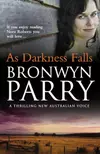
A difficult setting, and a difficult task for the debut novelist. Bronwyn Parry does a fine job with bringing a small Australian bush town to life and this is the great strength of the read. You can taste the dust in the air and truly really picture everyone talking out the sides of their mouths (so thus to avoid the blowflies). Where it would be a stretch is in calling this a a crime novel, or even one of romantic suspense as there is no real mystery to solve or any pretense in constructing one. As a developing relationship drama it serves very well, and will draw the reader in with their concerns for the couple of the hour and allows time to mourn the passing of small town trust.
The unsettling and claustrophobic feeling of isolation and fear carries the reader from chapter to chapter, giving the reader a taste of the "closed room" or "apartment building" drama as the characters are all introduced relatively early in the piece and there is no chance any unseen characters will come into play due to the geographic restrictions of the setting. It also makes it slightly ridiculous that for example someone could fire off a shot in a main street unseen, or that a police investigation could be conducted at such a lackadaisical pace. If we don't concern ourselves with such things, the read is more than able to be enjoyed being that a novel set in the Australian outback is a rare find, and Parry makes excellent use of both landscape and cast in her economically styled narrative.
There are small cultural anomalies here and there, probably for the American market ie truck rather that ute or utility etc but they are not a huge detraction.
AS DARKNESS FALLS is the first in a series of loosely-linked novels. The manuscript of this novel was awarded the 2007 Golden Heart Award by the Romance Writer's of America. The author's background includes a Honours Degree in History and English and she is undertaking a part-time PhD in online communities of romance readers and writers. Brownwyn Parry lives in country New South Wales.
A difficult setting, and a difficult task for the debut novelist. Bronwyn Parry does a fine job with bringing a small Australian bush town to life and this is the great strength of the read. You can taste the dust in the air and truly really picture everyone talking out the sides of their mouths (so thus to avoid the blowflies). Where it would be a stretch is in calling this a a crime novel, or even one of romantic suspense as there is no real mystery to solve or any pretense in constructing one. As a developing relationship drama it serves very well, and will draw the reader in with their concerns for the couple of the hour and allows time to mourn the passing of small town trust.
The unsettling and claustrophobic feeling of isolation and fear carries the reader from chapter to chapter, giving the reader a taste of the "closed room" or "apartment building" drama as the characters are all introduced relatively early in the piece and there is no chance any unseen characters will come into play due to the geographic restrictions of the setting. It also makes it slightly ridiculous that for example someone could fire off a shot in a main street unseen, or that a police investigation could be conducted at such a lackadaisical pace. If we don't concern ourselves with such things, the read is more than able to be enjoyed being that a novel set in the Australian outback is a rare find, and Parry makes excellent use of both landscape and cast in her economically styled narrative.
There are small cultural anomalies here and there, probably for the American market ie truck rather that ute or utility etc but they are not a huge detraction.
AS DARKNESS FALLS is the first in a series of loosely-linked novels. The manuscript of this novel was awarded the 2007 Golden Heart Award by the Romance Writer's of America. The author's background includes a Honours Degree in History and English and she is undertaking a part-time PhD in online communities of romance readers and writers. Brownwyn Parry lives in country New South Wales.




WHEN THE DEEP DARK BUSH SWALLOWS YOU WHOLE is the first in the Ryan Bradley series (the second - THE FIRST LAW OF THE BUSH was released on 6/1/2026 prompting me to extract the digit and read this!), set in New Zealand's rugged and remote King Country, around the small town of Nashville. A community made up of people who have been there for generations, relying mostly on agriculture as the main economic driver, it's a quiet place, with the spectre of a series of disappearances of women hanging over it.
Set in 1983, the university summer break sees Ryan Bradley back in town, working long, hard hours as a wool presser, whilst looking to sell his mother's house and make a final break from the town where he feels like an outcast, despite growing up here. He's at university in a major city, studying law, and that alone seems to be enough to make others in the town reject him once again - there's that sense of local boy above his station about all his interactions, particularly the one man who he always thought of as a lifelong childhood friend, not the least because his father had always been the only father figure in Bradley's life - his own seemingly vanished many years before.
Bradley is also haunted by the memories of Sanna Sovernen, a Finnish backpacker, and his secret lover, who worked beside him in the shearing shed the summer before, then vanished without trace. When Sanna's sister Emilia arrives from Finland, determined to get answers about her sister's fate, it stirs up not just Bradley's life, but the life of a small town who weren't exactly ignoring the missing female travellers in their area, but had done a pretty good job of sidestepping the issue for a long time now.
The sense of small town tensions in WHEN THE DEEP DARK BUSH... feel spot on, as does the constant questioning and discomfort of somebody like Ryan Bradley. Raised by his mother alone in a small town, he was always a bit "different", as evidenced by his decision to go to university (according to the locals), and the strange hold that the town has on him (he could have just arranged for the sale of the house to be handled locally and then gone off to work a summer job anywhere after all). The attraction he had to Sanna was part sexual, part a collision of two different people. His response to her, and to her disappearance comes across as mostly confusion though - but then confusion is pretty much the way he seems to spend his life. Confused about who he is, where he fits in, where he's going to end up. He's a tricky customer to read about in this novel because in many ways he's a spectator in his own life.
It's interesting that against Bradley's doubts and spectating there are a lot of other male characters in this novel who are flat out horrible people. Manipulative, controlling, downright nasty and violent, there are chips on shoulders that should be visible from space. Stack that up against a determined Emilia, and even a forthright Sanna, and it got more than a bit nausea inducing at points.
Which was probably the whole point of those characters, making this an excellent and uncomfortable opening salvo in a series with a central character that's very different from the normal male go getter characters that are served up on a semi-regular basis. The second book in the series is set 10 years later, in the same small town where Bradley has once again returned, this time to the unexplained death of a local man.
Originally posted at www.austcrimefiction.org.
WHEN THE DEEP DARK BUSH SWALLOWS YOU WHOLE is the first in the Ryan Bradley series (the second - THE FIRST LAW OF THE BUSH was released on 6/1/2026 prompting me to extract the digit and read this!), set in New Zealand's rugged and remote King Country, around the small town of Nashville. A community made up of people who have been there for generations, relying mostly on agriculture as the main economic driver, it's a quiet place, with the spectre of a series of disappearances of women hanging over it.
Set in 1983, the university summer break sees Ryan Bradley back in town, working long, hard hours as a wool presser, whilst looking to sell his mother's house and make a final break from the town where he feels like an outcast, despite growing up here. He's at university in a major city, studying law, and that alone seems to be enough to make others in the town reject him once again - there's that sense of local boy above his station about all his interactions, particularly the one man who he always thought of as a lifelong childhood friend, not the least because his father had always been the only father figure in Bradley's life - his own seemingly vanished many years before.
Bradley is also haunted by the memories of Sanna Sovernen, a Finnish backpacker, and his secret lover, who worked beside him in the shearing shed the summer before, then vanished without trace. When Sanna's sister Emilia arrives from Finland, determined to get answers about her sister's fate, it stirs up not just Bradley's life, but the life of a small town who weren't exactly ignoring the missing female travellers in their area, but had done a pretty good job of sidestepping the issue for a long time now.
The sense of small town tensions in WHEN THE DEEP DARK BUSH... feel spot on, as does the constant questioning and discomfort of somebody like Ryan Bradley. Raised by his mother alone in a small town, he was always a bit "different", as evidenced by his decision to go to university (according to the locals), and the strange hold that the town has on him (he could have just arranged for the sale of the house to be handled locally and then gone off to work a summer job anywhere after all). The attraction he had to Sanna was part sexual, part a collision of two different people. His response to her, and to her disappearance comes across as mostly confusion though - but then confusion is pretty much the way he seems to spend his life. Confused about who he is, where he fits in, where he's going to end up. He's a tricky customer to read about in this novel because in many ways he's a spectator in his own life.
It's interesting that against Bradley's doubts and spectating there are a lot of other male characters in this novel who are flat out horrible people. Manipulative, controlling, downright nasty and violent, there are chips on shoulders that should be visible from space. Stack that up against a determined Emilia, and even a forthright Sanna, and it got more than a bit nausea inducing at points.
Which was probably the whole point of those characters, making this an excellent and uncomfortable opening salvo in a series with a central character that's very different from the normal male go getter characters that are served up on a semi-regular basis. The second book in the series is set 10 years later, in the same small town where Bradley has once again returned, this time to the unexplained death of a local man.
Originally posted at www.austcrimefiction.org.


I cannot explain it either. One look at the blurb of this and you'd think I'd be backing away at the fastest possible rate. A couple of chapters in and I was wondering what on earth I thought I was reading. I mean there is so so so much about this novel (and it's predecessor EVERY TIME I GO ON VACATION SOMEONE DIES) that should drive me bats. The clever asides, the mindless prattle, the gen (whatever) speak, the needy slightly batty central character - writer Eleanor Dash and her romantic complications (mostly in her head), her sister's somewhat subdued life (mostly because Eleanor is so needy), her boyfriend's whiplash state of mind (again ... Eleanor), her ex and another cast of horrible, yet compelling people.
In this case, her role as bridesmaid at the very sudden wedding of best friend Emma and her co-star / fiancé Fred, comes at the end of the film shoot for the movie (starring Emma and Fred) based on Dash's first novel - the aforementioned Every Time I Go on Vacation .... This shoot came with a cameo appearance for Eleanor (somewhat mangled by her inability to shut up), and a bunch of complications that seem to come with small worlds like movies. The director's an old school chum, and most definitely not a fan of "the writer" as she refers to Dash throughout the shoot, the screenwriter is shacked up with somebody that used to be shacked up with Dash's ex. Who is on the set because he's a consultant to the movie and doing a bit on the side as a private investigator for the producer. Who has a past with Emma, and an attitude about everybody and everything. Then there's the runner / assistant who has also been coerced into the job of wedding planner - as the end of the shoot sees most of the cast and the hangers on heading for nearby Catalina Island for what, nobody is supposed to know, is going to be Emma and Fred's real life wedding.
At this point you'd be forgiven for having a dose of the vapours, but throw in an electrified hot tub; a sabotaged ropes course; a stabbing (or two) within the ranks of the cast and crew; the murder of a maintenance man; a hurricane and an ignored evacuation order for reasons which really never make sense; a lot of mobile phones appearing and disappearing; a single, very new to the job, cop left on the island; and a good line in silly mayhem and the vapours could lead to a full on lie down.
Yet somehow it doesn't. There's no getting away from the fact that this is really silly, comic crime fiction. Very silly, comic crime fiction really, and for whatever reason that I can't explain, I like this series. Blame the heat, it's fried my synapses obviously.
Originally posted at www.austcrimefiction.org.
I cannot explain it either. One look at the blurb of this and you'd think I'd be backing away at the fastest possible rate. A couple of chapters in and I was wondering what on earth I thought I was reading. I mean there is so so so much about this novel (and it's predecessor EVERY TIME I GO ON VACATION SOMEONE DIES) that should drive me bats. The clever asides, the mindless prattle, the gen (whatever) speak, the needy slightly batty central character - writer Eleanor Dash and her romantic complications (mostly in her head), her sister's somewhat subdued life (mostly because Eleanor is so needy), her boyfriend's whiplash state of mind (again ... Eleanor), her ex and another cast of horrible, yet compelling people.
In this case, her role as bridesmaid at the very sudden wedding of best friend Emma and her co-star / fiancé Fred, comes at the end of the film shoot for the movie (starring Emma and Fred) based on Dash's first novel - the aforementioned Every Time I Go on Vacation .... This shoot came with a cameo appearance for Eleanor (somewhat mangled by her inability to shut up), and a bunch of complications that seem to come with small worlds like movies. The director's an old school chum, and most definitely not a fan of "the writer" as she refers to Dash throughout the shoot, the screenwriter is shacked up with somebody that used to be shacked up with Dash's ex. Who is on the set because he's a consultant to the movie and doing a bit on the side as a private investigator for the producer. Who has a past with Emma, and an attitude about everybody and everything. Then there's the runner / assistant who has also been coerced into the job of wedding planner - as the end of the shoot sees most of the cast and the hangers on heading for nearby Catalina Island for what, nobody is supposed to know, is going to be Emma and Fred's real life wedding.
At this point you'd be forgiven for having a dose of the vapours, but throw in an electrified hot tub; a sabotaged ropes course; a stabbing (or two) within the ranks of the cast and crew; the murder of a maintenance man; a hurricane and an ignored evacuation order for reasons which really never make sense; a lot of mobile phones appearing and disappearing; a single, very new to the job, cop left on the island; and a good line in silly mayhem and the vapours could lead to a full on lie down.
Yet somehow it doesn't. There's no getting away from the fact that this is really silly, comic crime fiction. Very silly, comic crime fiction really, and for whatever reason that I can't explain, I like this series. Blame the heat, it's fried my synapses obviously.
Originally posted at www.austcrimefiction.org.
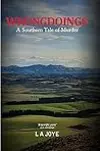
An historical mystery set in 1943 New Zealand, featuring soon to be retired DI John MacBride, WRONGDOINGS is a book that's centred, unsurprisingly given the timeframe, around the fallout from war.
DI MacBride is a veteran of WWI service with the NZ Expeditionary Force, a man on the cusp of retirement, really suffering from severe burnout. The victim in this story, Marine Randolph Harrington, is a saxophonist in a visiting United States Marine jazz band, found murdered on the banks of the Oreti River. The investigation is a hard one, what with MacBride's only supporting officers a couple of old-school uncooperative detectives from Dunedin, and a young very inexperienced local DC. A crew not designed to help a man at the end of his tether himself. The other complication is an antagonistic and downright hostile Lieutenant Colonel Warren, the Marine commander, who values protecting the "good name" of the Marines over the solving of a murder.
It also seems that Harrington was a very unsavoury character, with a string of broken hearted women behind him and some very dodgy contraband activities. There's also some complications within the band, with different versions of events, character analysis and some obvious covering up going on.
There's a great idea at the centre of this novel, with a good sense of time and place. The characters are reasonably well executed as well, with MacBride and his personal burdens well established without being too overblown, and a victim who turns out to be anything but blameless. There are some issues with pace though, and the novel takes a long time to get going and seems to just drag for long periods of time. This is possibly because there's a bit too much tell in places, when some show would have been more effective, it's also possibly because some things didn't need to be gone over and over from so many sides quite as often as they were.
In the main this reader liked the approach of a central cop who is dealing with a mental health crisis as MacBride is. Of course these days we'd call it what it was - PTSD and overwork. A tendency to try to duck the reality of what's happening in your own head, for the sake of just getting on with it man. Makes you wonder how much intergenerational trauma comes down to old men sending young men to fight the wars that egos and power trips have started in the first place. (Nothing but nothing it seems has changed.)
Originally posted at www.austcrimefiction.org.
An historical mystery set in 1943 New Zealand, featuring soon to be retired DI John MacBride, WRONGDOINGS is a book that's centred, unsurprisingly given the timeframe, around the fallout from war.
DI MacBride is a veteran of WWI service with the NZ Expeditionary Force, a man on the cusp of retirement, really suffering from severe burnout. The victim in this story, Marine Randolph Harrington, is a saxophonist in a visiting United States Marine jazz band, found murdered on the banks of the Oreti River. The investigation is a hard one, what with MacBride's only supporting officers a couple of old-school uncooperative detectives from Dunedin, and a young very inexperienced local DC. A crew not designed to help a man at the end of his tether himself. The other complication is an antagonistic and downright hostile Lieutenant Colonel Warren, the Marine commander, who values protecting the "good name" of the Marines over the solving of a murder.
It also seems that Harrington was a very unsavoury character, with a string of broken hearted women behind him and some very dodgy contraband activities. There's also some complications within the band, with different versions of events, character analysis and some obvious covering up going on.
There's a great idea at the centre of this novel, with a good sense of time and place. The characters are reasonably well executed as well, with MacBride and his personal burdens well established without being too overblown, and a victim who turns out to be anything but blameless. There are some issues with pace though, and the novel takes a long time to get going and seems to just drag for long periods of time. This is possibly because there's a bit too much tell in places, when some show would have been more effective, it's also possibly because some things didn't need to be gone over and over from so many sides quite as often as they were.
In the main this reader liked the approach of a central cop who is dealing with a mental health crisis as MacBride is. Of course these days we'd call it what it was - PTSD and overwork. A tendency to try to duck the reality of what's happening in your own head, for the sake of just getting on with it man. Makes you wonder how much intergenerational trauma comes down to old men sending young men to fight the wars that egos and power trips have started in the first place. (Nothing but nothing it seems has changed.)
Originally posted at www.austcrimefiction.org.

The 4th book in the Bizarre House Murders (sometimes known as The House Murders) series by Japanese author Yukito Ayatsuji. A well known writer of Japanese detective and mystery fiction, he's an adherent to the classic rules of the genre, always incorporates reflective and poignant elements, and in this series has constructed a series of elaborate locked room settings (see below).
In this outing the Clock House is a remote, custom built house with multiple wings (there's a floorplan to explain it all), commissioned by a father to fill with priceless timepieces from around the world, and as a home for himself and two children. The house is said to be haunted by the spirit of his daughter who died, tragically, before she could marry at the same very young age as her mother. Already dying from a mysterious illness, her death was said to have been precipitated by a traumatic event. Her father now dead as well, the house is home to a couple of staff members and a young boy when a team of ghosthunters is assembled by a publisher, intent on staying in one wing of the house along with a famous medium. They are locked into that wing, not to be disturbed for a number of days, during which a seance is held, a medium disappears, and then people start to die horribly, in seemingly impossible ways.
In a classic locked room environment, with a team of people who are either locked in with a killer, or the targets of a killer who can seemingly walk through walls, the solution to this mystery lies not just in how or who, but why. In the end the why becomes one of the most important parts of the entire argument, as the full tragic story of the family who owned the house is revealed, the construction of the house becomes more obvious, and one of the people outside the locked wing - the detective Shimada Kiyoshi - discovers the horror that has occurred within. Which discovery doesn't automatically present the answer to the puzzle, that comes down to some very clear thinking, and acute powers of observation and logic.
A fascinating entry in a fascinating series, these are slower and more reflective crime fiction novels than the high body count would telegraph. The author is well known for being a renowned member of a new traditionalist movement in Japanese Crime Writing, Honkaku or fair play, as was common or favoured in the so called "Golden Age" of crime writing.
The series in order is:
The Decagon House Murders - set on a lonely, rockbound island.
The Mill House Murders - set in a remote house with a reclusive, heavily scarred protagonist. (I need to reread this one)
The Labyrinth House Murders - another remote, secluded house where a party turns to murder. (I haven't read this one yet)
The Clock House Murders - the 4th in the series so of course I read this before the The Labyrinth House Murders....
Originally posted at www.austcrimefiction.org.
The 4th book in the Bizarre House Murders (sometimes known as The House Murders) series by Japanese author Yukito Ayatsuji. A well known writer of Japanese detective and mystery fiction, he's an adherent to the classic rules of the genre, always incorporates reflective and poignant elements, and in this series has constructed a series of elaborate locked room settings (see below).
In this outing the Clock House is a remote, custom built house with multiple wings (there's a floorplan to explain it all), commissioned by a father to fill with priceless timepieces from around the world, and as a home for himself and two children. The house is said to be haunted by the spirit of his daughter who died, tragically, before she could marry at the same very young age as her mother. Already dying from a mysterious illness, her death was said to have been precipitated by a traumatic event. Her father now dead as well, the house is home to a couple of staff members and a young boy when a team of ghosthunters is assembled by a publisher, intent on staying in one wing of the house along with a famous medium. They are locked into that wing, not to be disturbed for a number of days, during which a seance is held, a medium disappears, and then people start to die horribly, in seemingly impossible ways.
In a classic locked room environment, with a team of people who are either locked in with a killer, or the targets of a killer who can seemingly walk through walls, the solution to this mystery lies not just in how or who, but why. In the end the why becomes one of the most important parts of the entire argument, as the full tragic story of the family who owned the house is revealed, the construction of the house becomes more obvious, and one of the people outside the locked wing - the detective Shimada Kiyoshi - discovers the horror that has occurred within. Which discovery doesn't automatically present the answer to the puzzle, that comes down to some very clear thinking, and acute powers of observation and logic.
A fascinating entry in a fascinating series, these are slower and more reflective crime fiction novels than the high body count would telegraph. The author is well known for being a renowned member of a new traditionalist movement in Japanese Crime Writing, Honkaku or fair play, as was common or favoured in the so called "Golden Age" of crime writing.
The series in order is:
The Decagon House Murders - set on a lonely, rockbound island.
The Mill House Murders - set in a remote house with a reclusive, heavily scarred protagonist. (I need to reread this one)
The Labyrinth House Murders - another remote, secluded house where a party turns to murder. (I haven't read this one yet)
The Clock House Murders - the 4th in the series so of course I read this before the The Labyrinth House Murders....
Originally posted at www.austcrimefiction.org.

Whoever said "write what you know" to Michael Armstrong got their message through loud and clear. THE MALL is set in the world of high finance commercial real estate, and features the wheeling, dealing, and dodging goings on of that, as well as the life and times of an ambitious young Curtis Ryan.
The blurb is worth reading on this one, with the final paragraph worth using as the kicking off point for this review:
The Mall peels back the curtain on the hidden world of shopping centres and dives deep into the little-known domain of the retail leasing agents. With sharp dialogue, complex characters, and a relentless narrative drive, this first book in The Shopping Centre Chronicles promises to captivate readers who enjoy stories of ambition, intrigue, and the high-stakes tension of modern business.
I will confess a decided preference for the hidden world of shopping centres and the domain of retail leasing agents to remain hidden. Having said that, the dialogue is indeed sharp, the characters complex if not unexpected, and the narrative powers along at a rapid clip. There is, however, a lot of real estate talk which may or may not cause some readers to glaze over. There's also a hefty amount of what's the glamorous girlfriend up to, and a lot of social lifestyle that was very very inner city focused as you'd expect.
Unsurprisingly given we're talking the world of big money and dodgy characters, the crime at the centre of THE MALL is fraud, and it turns out that Ryan is the one who can unmask the criminal within his own team. All despite a boss who is a bit of a tyrant, a very dodgy developer with underworld connections, suspect corporate executives, and a weight chucking about billionaire investor. All whilst dealing with some very hefty work pressures and expectations.
Needless to say a world away from that which this reader would ever want to occupy, THE MALL drew a vivid picture of the world it inhabits, with a plot that was a bit different from your standard crime fiction offering.
Originally posted at www.austcrimefiction.org.
Whoever said "write what you know" to Michael Armstrong got their message through loud and clear. THE MALL is set in the world of high finance commercial real estate, and features the wheeling, dealing, and dodging goings on of that, as well as the life and times of an ambitious young Curtis Ryan.
The blurb is worth reading on this one, with the final paragraph worth using as the kicking off point for this review:
The Mall peels back the curtain on the hidden world of shopping centres and dives deep into the little-known domain of the retail leasing agents. With sharp dialogue, complex characters, and a relentless narrative drive, this first book in The Shopping Centre Chronicles promises to captivate readers who enjoy stories of ambition, intrigue, and the high-stakes tension of modern business.
I will confess a decided preference for the hidden world of shopping centres and the domain of retail leasing agents to remain hidden. Having said that, the dialogue is indeed sharp, the characters complex if not unexpected, and the narrative powers along at a rapid clip. There is, however, a lot of real estate talk which may or may not cause some readers to glaze over. There's also a hefty amount of what's the glamorous girlfriend up to, and a lot of social lifestyle that was very very inner city focused as you'd expect.
Unsurprisingly given we're talking the world of big money and dodgy characters, the crime at the centre of THE MALL is fraud, and it turns out that Ryan is the one who can unmask the criminal within his own team. All despite a boss who is a bit of a tyrant, a very dodgy developer with underworld connections, suspect corporate executives, and a weight chucking about billionaire investor. All whilst dealing with some very hefty work pressures and expectations.
Needless to say a world away from that which this reader would ever want to occupy, THE MALL drew a vivid picture of the world it inhabits, with a plot that was a bit different from your standard crime fiction offering.
Originally posted at www.austcrimefiction.org.

A DEADLY INHERITANCE is the third book in the Caius Beauchamp series. The first two (THE OTHER HALF and THE IN CROWD) were most definitely crime fiction with a hefty side serving of "having a go at the uppercrust" and hugely enjoyably. In this one it's slightly more police procedural, although the family at the centre of the murder and mayhem here are still on the upper edge of the crust, and most definitely dysfunctional. But then Beauchamp's own family has a few problems of their own now, via a very convoluted set of inheritance circumstances, he's ended up with a bit of his own landed gentry to be going on with. So I guess the digs had to subside slightly, whilst complicated feelings play out.
At the heart of this series is the central character of Caius Beauchamp (ignore the implications of the name - he's a good, down to earth cop with a great team working with him), his girlfriend (the society milliner), and the death of an elderly lady and an alleged burglar, whilst her granddaughter slept off a very big night out upstairs.
There's a lot going on in the plot of this one - from the complicated murder scene, a witness that was too out of it to hear anything meaningful, a family that's got more skeletons in more closets than it's possible to keep track of, and a central cop with a family life that's gone very unexpected very suddenly.
To be honest this is a series that you absolutely have to read in order. Everything's so intertwined that any attempt to fill readers in on the backstory is just not going to work, and besides, the first two books where an absolute hoot, and this one, well it's a bit more serious in some ways, and yet it's got its own particular version of silly fun built in as well.
I read the first two as soon as I discovered the series, this one as soon as it became available and now I'm waiting for the next one again.
Originally posted at www.austcrimefiction.org.
A DEADLY INHERITANCE is the third book in the Caius Beauchamp series. The first two (THE OTHER HALF and THE IN CROWD) were most definitely crime fiction with a hefty side serving of "having a go at the uppercrust" and hugely enjoyably. In this one it's slightly more police procedural, although the family at the centre of the murder and mayhem here are still on the upper edge of the crust, and most definitely dysfunctional. But then Beauchamp's own family has a few problems of their own now, via a very convoluted set of inheritance circumstances, he's ended up with a bit of his own landed gentry to be going on with. So I guess the digs had to subside slightly, whilst complicated feelings play out.
At the heart of this series is the central character of Caius Beauchamp (ignore the implications of the name - he's a good, down to earth cop with a great team working with him), his girlfriend (the society milliner), and the death of an elderly lady and an alleged burglar, whilst her granddaughter slept off a very big night out upstairs.
There's a lot going on in the plot of this one - from the complicated murder scene, a witness that was too out of it to hear anything meaningful, a family that's got more skeletons in more closets than it's possible to keep track of, and a central cop with a family life that's gone very unexpected very suddenly.
To be honest this is a series that you absolutely have to read in order. Everything's so intertwined that any attempt to fill readers in on the backstory is just not going to work, and besides, the first two books where an absolute hoot, and this one, well it's a bit more serious in some ways, and yet it's got its own particular version of silly fun built in as well.
I read the first two as soon as I discovered the series, this one as soon as it became available and now I'm waiting for the next one again.
Originally posted at www.austcrimefiction.org.

From the blurb:
1943 – Bletchley Park, England
Mae Webster, immersed in the clandestine world of codebreaking at Bletchley Park, is recruited to help unveil a spy who’s on the brink of exposing Britain's most guarded secret, the cracking of the Enigma code. As war rages around her, Mae's life takes an unexpected turn when she falls in love with the enigmatic New Zealand war photographer Jack Knight. Their relationship develops at pace, but tragedy strikes when one of Jack's photographs risks unmasking an elusive double agent.
1989 – Berlin, Germany
Rachel Talbot, a globetrotting photojournalist, ventures into the heart of a fractured Berlin in search of the Stasi officer whom her beloved grandmother Mae blames for betraying their family. Rachel finds herself entangled in the East German uprising and is irresistibly drawn to a charismatic activist. As the Cold War threatens to boil over, Rachel races to expose a traitor before it’s too late.
A dual timeline mystery centred around Rachel Talbot's investigations into the story of her grandmother's time at Bletchley Park, the death of her grandfather, Mae's husband Jack, and the man who had been a mole in the war, defecting to the Stasi afterwards. Given that the second timeline is 1989, in Germany the reader is taken into a time of great tumult in East Berlin in particular, as protests start up that eventually lead to the fall of the Berlin Wall. Rachel is there trying to find the truth about the events in 1943 and beyond though, and she is attempting to do that under an oppressive and increasingly panicked regime, which leads to some tense moments and very realistic threats.
Backed by two distinct historical points in time, THE WAR PHOTOGRAPHERS is full of details and realistic moments, that illuminate a plot that's cleverly outlined. Both the timelines here work individually and in the cross over. The blend of fictional events in a real setting works and overall the ideas behind this novel are extremely believable. Helped by some excellent characterisations, and some nicely twisty misdirection, THE WAR PHOTOGRAPHS is a really good historical mystery novel that should appeal to people who like that sort of timeline, and those new to the idea.
Originally posted at www.austcrimefiction.org.
From the blurb:
1943 – Bletchley Park, England
Mae Webster, immersed in the clandestine world of codebreaking at Bletchley Park, is recruited to help unveil a spy who’s on the brink of exposing Britain's most guarded secret, the cracking of the Enigma code. As war rages around her, Mae's life takes an unexpected turn when she falls in love with the enigmatic New Zealand war photographer Jack Knight. Their relationship develops at pace, but tragedy strikes when one of Jack's photographs risks unmasking an elusive double agent.
1989 – Berlin, Germany
Rachel Talbot, a globetrotting photojournalist, ventures into the heart of a fractured Berlin in search of the Stasi officer whom her beloved grandmother Mae blames for betraying their family. Rachel finds herself entangled in the East German uprising and is irresistibly drawn to a charismatic activist. As the Cold War threatens to boil over, Rachel races to expose a traitor before it’s too late.
A dual timeline mystery centred around Rachel Talbot's investigations into the story of her grandmother's time at Bletchley Park, the death of her grandfather, Mae's husband Jack, and the man who had been a mole in the war, defecting to the Stasi afterwards. Given that the second timeline is 1989, in Germany the reader is taken into a time of great tumult in East Berlin in particular, as protests start up that eventually lead to the fall of the Berlin Wall. Rachel is there trying to find the truth about the events in 1943 and beyond though, and she is attempting to do that under an oppressive and increasingly panicked regime, which leads to some tense moments and very realistic threats.
Backed by two distinct historical points in time, THE WAR PHOTOGRAPHERS is full of details and realistic moments, that illuminate a plot that's cleverly outlined. Both the timelines here work individually and in the cross over. The blend of fictional events in a real setting works and overall the ideas behind this novel are extremely believable. Helped by some excellent characterisations, and some nicely twisty misdirection, THE WAR PHOTOGRAPHS is a really good historical mystery novel that should appeal to people who like that sort of timeline, and those new to the idea.
Originally posted at www.austcrimefiction.org.


