
Katie


If you like reading about people suffering from generational trauma living sad lives and making terrible choices, this is the book for you. As always, my rating is based on how much I enjoyed (or didn't, in this case) reading the book. I certainly felt sorry for the characters in this book but I can't say I really liked any of them, or enjoyed being a part of their lives.


This is another 10-star book. Wow. It made me consider points of view I had never even though of considering before, and opened my eyes to everything that's wrong with adoption. I really appreciate that she references so many other scholars and directly takes on issues that impact mothers of color, instead of just brushing those things aside with a “that won't be covered in this book, though it's an important issue” like so many other books seem to.


Some of the sentences in this book were such lightning bolts of truth they took my breath away. I don't ever underline in books, but as I was reading this one I wished I owned it instead of it being a library book so I could highlight. Beware that you might sob big sobs like I did as you make your way through it.


I learned so much from reading this book, but was also left with many questions. She states in the introduction that she's not going to edit the book, which was originally published in India in 2019, for her new American audience. This means lots of the nuances of the book are lost. It's a good blend of memoir and historical overview.


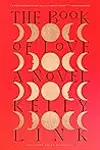


I spent way too much of this book looking at the words through squinty eyes, dreading something terrible happening, because people were making Very Bad Choices. As it turned out, I wished I had enjoyed it more and worried less. I loved the nuanced, gray situations and people in this book. Very well written.


This was a really interesting, enjoyable, and wide-ranging read. I didn't know anything about Cory Richards before reading this book, but I had to keep stopping to go look up various things (his photographs, his films, the NYTimes article he mentions). He's obviously been through a lot and put others through a lot, and I felt like he did a good job of taking responsibility for that (thought who knows if others will agree). The book could have felt like score-settling in some places, but it didn't, at least to me. Mental health, mountain climbing, mediation–there's a lot in here.


I know this is a great book. My star rating reflects how much I enjoyed reading it, not my opinion of the quality of the book. I don't enjoy books where the reader knows more than the main character does, and I think that's why I don't really enjoy books where the main character is a child (unless it's written for children). I didn't particularly like the main character, though I certainly felt bad for him. The author does a great job of pointing out the many injustices and horrors children experience in India.


Who is the audience for this book? It's written at such a basic, surface level that it seemed more like a textbook for college freshmen than a book that had something new to say. The author's nonprofit is interesting, but other than that it took about 180 pages before I learned anything new. I ended up skimming a lot of this.


This was an incredibly well-written, nuanced account of a very difficult incident. At first I was a little hesitant about the bits of poetry scattered throughout the story, but I think they do a good job of expressing things that prose might not have been able to. It looks like a thick book but it's a fast and engrossing read.