
Rachel Baack

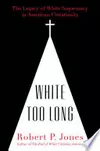
Summary: In under 250 pages, author Robert P. Jones illuminates the close relationship between white Christianity and white supremacy in the United States, both historically and presently. He describes the ways in which white Christians have not only tolerated but actively participated in racist speech and action throughout American history, the ways in which white Christian theology developed and still exists in ways that allow and even encourage white supremacy, and the present reality that white Christian identity in American is independently correlated with an increase in racist attitudes (and vice versa). He goes on to call his readers to do the necessary work of reckoning with the past and present of white Christian racism and of pursuing racial justice, providing some examples of churches and communities that have begun that work.
While white American Christians are the imagined audience for the book, I think it would be certainly accessible and likely interesting to a much broader audience, including anyone who has ever observed and wondered at the paradoxical connection between white Christianity and racism in the United States.
Summary: In under 250 pages, author Robert P. Jones illuminates the close relationship between white Christianity and white supremacy in the United States, both historically and presently. He describes the ways in which white Christians have not only tolerated but actively participated in racist speech and action throughout American history, the ways in which white Christian theology developed and still exists in ways that allow and even encourage white supremacy, and the present reality that white Christian identity in American is independently correlated with an increase in racist attitudes (and vice versa). He goes on to call his readers to do the necessary work of reckoning with the past and present of white Christian racism and of pursuing racial justice, providing some examples of churches and communities that have begun that work.
While white American Christians are the imagined audience for the book, I think it would be certainly accessible and likely interesting to a much broader audience, including anyone who has ever observed and wondered at the paradoxical connection between white Christianity and racism in the United States.