
Rat 🛸


Added to listOwnedwith 37 books.


Extremely mixed. I loved the sci-fi, but the sexism was so ridiculous it circled around to being funny again. Louis Wu is suchhhh a self insert, I felt like I could figure out what was wrong with Larry Niven by looking at the qualities he gave his protagonist.
I think I would have appreciated the setting of Ringworld more if it had a more mindful protagonist, having moments of just appreciating the superstructure and the landscape without being bombarded with wacky hijinks. However I did like Speaker to Animals and especially Nessus so the hijinks were kind of interesting by themselves. The Puppeteers especially make for an interesting concept, very out-of-the-box.
*Spoilers ahead*
Imo the concept of Teela Brown is so interesting that I feel like Larry Niven (and Louis Wu) don't deserve her. The premise of having a blessed, lucky character who life hasn't touched, and who goes through the experiences of pain and hardship for the first time - these are interesting concepts and could be a good exploration of privilege and loss of innocence. Also really interesting from the sci-fi concept of selectively breeding for luck. But what does Niven do with this concept? Make her a character who is repeatedly judged as stupid by the protagonist, and no matter how many clever things she says he can't be dissuaded because he is so very old and wise (yet still virile!). Make her a character that shows how women are extremely manipulative whether they want to be or not. Make her such a dumb romantic that she will sell herself into slavery to end up with her ideal himbo. yikes. It could have been better.
Extremely mixed. I loved the sci-fi, but the sexism was so ridiculous it circled around to being funny again. Louis Wu is suchhhh a self insert, I felt like I could figure out what was wrong with Larry Niven by looking at the qualities he gave his protagonist.
I think I would have appreciated the setting of Ringworld more if it had a more mindful protagonist, having moments of just appreciating the superstructure and the landscape without being bombarded with wacky hijinks. However I did like Speaker to Animals and especially Nessus so the hijinks were kind of interesting by themselves. The Puppeteers especially make for an interesting concept, very out-of-the-box.
*Spoilers ahead*
Imo the concept of Teela Brown is so interesting that I feel like Larry Niven (and Louis Wu) don't deserve her. The premise of having a blessed, lucky character who life hasn't touched, and who goes through the experiences of pain and hardship for the first time - these are interesting concepts and could be a good exploration of privilege and loss of innocence. Also really interesting from the sci-fi concept of selectively breeding for luck. But what does Niven do with this concept? Make her a character who is repeatedly judged as stupid by the protagonist, and no matter how many clever things she says he can't be dissuaded because he is so very old and wise (yet still virile!). Make her a character that shows how women are extremely manipulative whether they want to be or not. Make her such a dumb romantic that she will sell herself into slavery to end up with her ideal himbo. yikes. It could have been better.


Wildly impressive and genre-defining for a reason. I've watched a few films/TV shows that have dealt with modern people back in time forced to experience slavery so I thought I kind of knew what I was getting myself into reading this but honestly Kindred is on a whole other level when it comes to themes, characterisation, and confronting really difficult conflicts with how a person relates to their family's history. Also really this book's depiction of a modern interracial relationship and the baggage that they can't avoid. I would really recommend the audiobook (read by Kim Staunton) that I listened to as this book is very dialogue-heavy and I think voice acting lends itself very well to that.
*spoilers below!!!*
Probably The Single Most interesting relationship I can imagine between protag and antagonist. I wanted Rufus to suffer so much but I could also see why Dana held out hope after hope for him.
I was initially apprehensive about the fact that Dana's experience is not as bad as a regular enslaved person's (although it's still terrible!!) as I thought it would minimise the horrors of the enslaved experience, but as it went on I appreciated that that was an intentional part of the story Butler wanted to tell. Dana struggles to relate to both her black and white ancestors, and the power dynamic with Rufus is really interesting in that it somewhat goes both ways.
This also goes into the messed-up things that happen to a person's psyche when they are forced to live under such bleak circumstances. Dana hates the way it twists her mind to be grateful for a thing so small as having paper to write on.
Obviously Rufus does so many things that made me angry but I was so fuming over what he did to Alice that I had to take a break. She was free!!! agh!!!!!
Wildly impressive and genre-defining for a reason. I've watched a few films/TV shows that have dealt with modern people back in time forced to experience slavery so I thought I kind of knew what I was getting myself into reading this but honestly Kindred is on a whole other level when it comes to themes, characterisation, and confronting really difficult conflicts with how a person relates to their family's history. Also really this book's depiction of a modern interracial relationship and the baggage that they can't avoid. I would really recommend the audiobook (read by Kim Staunton) that I listened to as this book is very dialogue-heavy and I think voice acting lends itself very well to that.
*spoilers below!!!*
Probably The Single Most interesting relationship I can imagine between protag and antagonist. I wanted Rufus to suffer so much but I could also see why Dana held out hope after hope for him.
I was initially apprehensive about the fact that Dana's experience is not as bad as a regular enslaved person's (although it's still terrible!!) as I thought it would minimise the horrors of the enslaved experience, but as it went on I appreciated that that was an intentional part of the story Butler wanted to tell. Dana struggles to relate to both her black and white ancestors, and the power dynamic with Rufus is really interesting in that it somewhat goes both ways.
This also goes into the messed-up things that happen to a person's psyche when they are forced to live under such bleak circumstances. Dana hates the way it twists her mind to be grateful for a thing so small as having paper to write on.
Obviously Rufus does so many things that made me angry but I was so fuming over what he did to Alice that I had to take a break. She was free!!! agh!!!!!
Wildly impressive and genre-defining for a reason. I've watched a few films/TV shows that have dealt with modern people back in time forced to experience slavery so I thought I kind of knew what I was getting myself into reading this but honestly Kindred is on a whole other level when it comes to themes, characterisation, and confronting really difficult conflicts with how a person relates to their family's history. Also really this book's depiction of a modern interracial relationship and the baggage that they can't avoid. I would really recommend the audiobook (read by Kim Staunton) that I listened to as this book is very dialogue-heavy and I think voice acting lends itself very well to that.
*spoilers below!!!*
Probably The Single Most interesting relationship I can imagine between protag and antagonist. I wanted Rufus to suffer so much but I could also see why Dana held out hope after hope for him.
I was initially apprehensive about the fact that Dana's experience is not as bad as a regular enslaved person's (although it's still terrible!!) as I thought it would minimise the horrors of the enslaved experience, but as it went on I appreciated that that was an intentional part of the story Butler wanted to tell. Dana struggles to relate to both her black and white ancestors, and the power dynamic with Rufus is really interesting in that it somewhat goes both ways.
This also goes into the messed-up things that happen to a person's psyche when they are forced to live under such bleak circumstances. Dana hates the way it twists her mind to be grateful for a thing so small as having paper to write on.
Obviously Rufus does so many things that made me angry but I was so fuming over what he did to Alice that I had to take a break. She was free!!! agh!!!!!
Wildly impressive and genre-defining for a reason. I've watched a few films/TV shows that have dealt with modern people back in time forced to experience slavery so I thought I kind of knew what I was getting myself into reading this but honestly Kindred is on a whole other level when it comes to themes, characterisation, and confronting really difficult conflicts with how a person relates to their family's history. Also really this book's depiction of a modern interracial relationship and the baggage that they can't avoid. I would really recommend the audiobook (read by Kim Staunton) that I listened to as this book is very dialogue-heavy and I think voice acting lends itself very well to that.
*spoilers below!!!*
Probably The Single Most interesting relationship I can imagine between protag and antagonist. I wanted Rufus to suffer so much but I could also see why Dana held out hope after hope for him.
I was initially apprehensive about the fact that Dana's experience is not as bad as a regular enslaved person's (although it's still terrible!!) as I thought it would minimise the horrors of the enslaved experience, but as it went on I appreciated that that was an intentional part of the story Butler wanted to tell. Dana struggles to relate to both her black and white ancestors, and the power dynamic with Rufus is really interesting in that it somewhat goes both ways.
This also goes into the messed-up things that happen to a person's psyche when they are forced to live under such bleak circumstances. Dana hates the way it twists her mind to be grateful for a thing so small as having paper to write on.
Obviously Rufus does so many things that made me angry but I was so fuming over what he did to Alice that I had to take a break. She was free!!! agh!!!!!


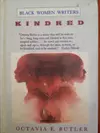
Wildly impressive and genre-defining for a reason. I've watched a few films/TV shows that have dealt with modern people back in time forced to experience slavery so I thought I kind of knew what I was getting myself into reading this but honestly Kindred is on a whole other level when it comes to themes, characterisation, and confronting really difficult conflicts with how a person relates to their family's history. Also really this book's depiction of a modern interracial relationship and the baggage that they can't avoid. I would really recommend the audiobook (read by Kim Staunton) that I listened to as this book is very dialogue-heavy and I think voice acting lends itself very well to that.
*spoilers below!!!*
Probably The Single Most interesting relationship I can imagine between protag and antagonist. I wanted Rufus to suffer so much but I could also see why Dana held out hope after hope for him.
I was initially apprehensive about the fact that Dana's experience is not as bad as a regular enslaved person's (although it's still terrible!!) as I thought it would minimise the horrors of the enslaved experience, but as it went on I appreciated that that was an intentional part of the story Butler wanted to tell. Dana struggles to relate to both her black and white ancestors, and the power dynamic with Rufus is really interesting in that it somewhat goes both ways.
This also goes into the messed-up things that happen to a person's psyche when they are forced to live under such bleak circumstances. Dana hates the way it twists her mind to be grateful for a thing so small as having paper to write on.
Obviously Rufus does so many things that made me angry but I was so fuming over what he did to Alice that I had to take a break. She was free!!! agh!!!!!
Wildly impressive and genre-defining for a reason. I've watched a few films/TV shows that have dealt with modern people back in time forced to experience slavery so I thought I kind of knew what I was getting myself into reading this but honestly Kindred is on a whole other level when it comes to themes, characterisation, and confronting really difficult conflicts with how a person relates to their family's history. Also really this book's depiction of a modern interracial relationship and the baggage that they can't avoid. I would really recommend the audiobook (read by Kim Staunton) that I listened to as this book is very dialogue-heavy and I think voice acting lends itself very well to that.
*spoilers below!!!*
Probably The Single Most interesting relationship I can imagine between protag and antagonist. I wanted Rufus to suffer so much but I could also see why Dana held out hope after hope for him.
I was initially apprehensive about the fact that Dana's experience is not as bad as a regular enslaved person's (although it's still terrible!!) as I thought it would minimise the horrors of the enslaved experience, but as it went on I appreciated that that was an intentional part of the story Butler wanted to tell. Dana struggles to relate to both her black and white ancestors, and the power dynamic with Rufus is really interesting in that it somewhat goes both ways.
This also goes into the messed-up things that happen to a person's psyche when they are forced to live under such bleak circumstances. Dana hates the way it twists her mind to be grateful for a thing so small as having paper to write on.
Obviously Rufus does so many things that made me angry but I was so fuming over what he did to Alice that I had to take a break. She was free!!! agh!!!!!

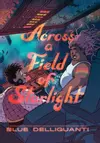
I love the art, the concepts and the characters but this was a little too action-heavy for my particular tastes. To me this excelled the most when it focused on the difference in societal upbringing between Lu and Fassen and how this meant that Fassen sees everything as transactional, compared to Lu's easygoing generosity and curiosity. I wish that theme was given a little more space.
I like field <3
I love the art, the concepts and the characters but this was a little too action-heavy for my particular tastes. To me this excelled the most when it focused on the difference in societal upbringing between Lu and Fassen and how this meant that Fassen sees everything as transactional, compared to Lu's easygoing generosity and curiosity. I wish that theme was given a little more space.
I like field <3
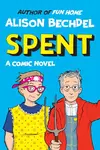
Overall found this book a lot less meaningful than anticipated but still a good read. Bechdel's signature poking-fun-at-lefties-like-herself is here in full force, although I think there are some misses on that front. Like it's clear Bechdel is in support of non-binary, polyamorous and asexual people but it doesn't seem like she really "gets" it so her jokes in relation to those demographics feel a bit less funny.
I find Alison's wife Holly so endearing, I would love her GoatTok.
didn't realise this was a sequel of sorts to Dykes To Watch Out For, it was fun to see the gang back together. and fun to see in full colour!
Overall found this book a lot less meaningful than anticipated but still a good read. Bechdel's signature poking-fun-at-lefties-like-herself is here in full force, although I think there are some misses on that front. Like it's clear Bechdel is in support of non-binary, polyamorous and asexual people but it doesn't seem like she really "gets" it so her jokes in relation to those demographics feel a bit less funny.
I find Alison's wife Holly so endearing, I would love her GoatTok.
didn't realise this was a sequel of sorts to Dykes To Watch Out For, it was fun to see the gang back together. and fun to see in full colour!
Overall found this book a lot less meaningful than anticipated but still a good read. Bechdel's signature poking-fun-at-lefties-like-herself is here in full force, although I think there are some misses on that front. Like it's clear Bechdel is in support of non-binary, polyamorous and asexual people but it doesn't seem like she really "gets" it so her jokes in relation to those demographics feel a bit less funny.
I find Alison's wife Holly so endearing, I would love her GoatTok.
didn't realise this was a sequel of sorts to Dykes To Watch Out For, it was fun to see the gang back together. and fun to see in full colour!
Overall found this book a lot less meaningful than anticipated but still a good read. Bechdel's signature poking-fun-at-lefties-like-herself is here in full force, although I think there are some misses on that front. Like it's clear Bechdel is in support of non-binary, polyamorous and asexual people but it doesn't seem like she really "gets" it so her jokes in relation to those demographics feel a bit less funny.
I find Alison's wife Holly so endearing, I would love her GoatTok.
didn't realise this was a sequel of sorts to Dykes To Watch Out For, it was fun to see the gang back together. and fun to see in full colour!

such lovely comics, although it works a lot better as a webcomic short than as a book.
such lovely comics, although it works a lot better as a webcomic short than as a book.

this book has so much to live up to as its known as such a classic and there are absolutely moments where it does. I really love the frantic, thoughtless way that so many characters speak, it feels so reminiscent of ai-tiktok speak. The superficial personalisation of tech to make it feel like it's "part of the family" is very prescient. Weirdly a lot of the ways in which I question this book are in relation to the attitude it shows towards books. So much of the stuff is about Great Writings from Great Men, and while I do think these are incredibly important as part of history, and to encourage debate, I also think there could be a lot more emphasis on writing as a creative art, and the ways in which Guy finds himself moved by the writings.
I don't like the way that women are treated in the book. Mildred could be a really interesting character by herself, but the shallowness we see from her is mirrored in almost every other female character to the point of it feeling like a stereotype. Clarisse is the only exception, and she feels like a very wispy virginal darling. I could really appreciate her character if other aspects of the story were less gendered (the men at the end?? like why do they all have to be men???)
this book has so much to live up to as its known as such a classic and there are absolutely moments where it does. I really love the frantic, thoughtless way that so many characters speak, it feels so reminiscent of ai-tiktok speak. The superficial personalisation of tech to make it feel like it's "part of the family" is very prescient. Weirdly a lot of the ways in which I question this book are in relation to the attitude it shows towards books. So much of the stuff is about Great Writings from Great Men, and while I do think these are incredibly important as part of history, and to encourage debate, I also think there could be a lot more emphasis on writing as a creative art, and the ways in which Guy finds himself moved by the writings.
I don't like the way that women are treated in the book. Mildred could be a really interesting character by herself, but the shallowness we see from her is mirrored in almost every other female character to the point of it feeling like a stereotype. Clarisse is the only exception, and she feels like a very wispy virginal darling. I could really appreciate her character if other aspects of the story were less gendered (the men at the end?? like why do they all have to be men???)


absolutely amazing artwork, and has given me a better idea of the kind of sci-fi art I love and that I don't care for. I want to live on the boat for the final image so badly.
the text was a bit mixed. I really appreciate how well sourced it is, going the extra mile to credit people who are often uncredited. I think I would have liked more pages where the art spoke for itself, with only a little context as to what it's illustrating.
absolutely amazing artwork, and has given me a better idea of the kind of sci-fi art I love and that I don't care for. I want to live on the boat for the final image so badly.
the text was a bit mixed. I really appreciate how well sourced it is, going the extra mile to credit people who are often uncredited. I think I would have liked more pages where the art spoke for itself, with only a little context as to what it's illustrating.