
Wren


“There’s a motherfucker walking around right now. He getting up in the morning and he eating him a big breakfast. Then he goes and does whatever the fuck he does during the day. Then he probably gets him a piece of ass at the end of the night. This motherfucker killed our children. He popped them full of holes like a piece of chicken wire. Then he stood over them and blew their fucking brains out. Now, I don’t know about you, but I can’t live with myself while that son of a bitch is on this side of the dirt.”
I probably wouldn’t have picked up this book if it wasn’t for the Pagebound Spring 2026 Readalong, and I would have been worse off for it, because really, I’ve enjoyed it a lot. There was an aspect of it that made me uneasy from the get-go: the fact that it looked like the book was using queer pain and tragedy as learning material for two homophobic straight dudes to help them become better people. And it would have been very easy to spin this idea that way, however, S.A. Cosby’s execution of it convinced me to look past this layer. In fact, I felt the narrative pretty explicitly went into the direction of, “the pain and tragedy was not necessary, the dude should have been able to become better people without all this.”
Also, I’m genuinely all for portrayal of characters becoming better people. Maybe these fictional dudes will become aspirational for some real life dudes. Though hopefully with less murders and violence along the way!
I truly didn’t expect to get so invested in these characters, but I did practically from the first chapter. For a big part of the story, I actually paid only cursory attention to the investigative plot, being so caught up in their inner turmoil and struggles. That came back to bite me closer to the middle when that plot took central stage for a while. However, the story kept coming back to the more character-focused scenes again and again, and balancing the personal arcs with all the action and crime well enough, especially once it crossed into the second half and Mya and Tangerine both became a prominent presence, breaking up the testosterone party. All in all, barring those few hiccups near the middle, the story remained very engrossing for me throughout.
I very much enjoyed Cosby’s writing style, with the way he singled out sensory and visual details to bring more texture to every beat. It felt almost cinematic. In fact, a lot of pivotal beats were constructed in a manner that kind of begs to be transferred to the screen. I’m not a visual person at all and generally strongly prefer books to movies, but a few times I caught myself imagining what some frames could look like, what sort of opening shot would work for the current segment, what kind of music might be playing in the background. All in all, the writing was pretty immersive.
The only thing that sometimes took me out of it was the overuse of dialogue tags (”he said,” “she said”) where an action beat without the “said” would work just fine, or where no clarification was needed at all because it was already evident from the context and the character voice who was speaking. I know those dialogue tags are supposed to be invisible, but apparently, when there are too many, I can’t stop spotting them.
“There’s a motherfucker walking around right now. He getting up in the morning and he eating him a big breakfast. Then he goes and does whatever the fuck he does during the day. Then he probably gets him a piece of ass at the end of the night. This motherfucker killed our children. He popped them full of holes like a piece of chicken wire. Then he stood over them and blew their fucking brains out. Now, I don’t know about you, but I can’t live with myself while that son of a bitch is on this side of the dirt.”
I probably wouldn’t have picked up this book if it wasn’t for the Pagebound Spring 2026 Readalong, and I would have been worse off for it, because really, I’ve enjoyed it a lot. There was an aspect of it that made me uneasy from the get-go: the fact that it looked like the book was using queer pain and tragedy as learning material for two homophobic straight dudes to help them become better people. And it would have been very easy to spin this idea that way, however, S.A. Cosby’s execution of it convinced me to look past this layer. In fact, I felt the narrative pretty explicitly went into the direction of, “the pain and tragedy was not necessary, the dude should have been able to become better people without all this.”
Also, I’m genuinely all for portrayal of characters becoming better people. Maybe these fictional dudes will become aspirational for some real life dudes. Though hopefully with less murders and violence along the way!
I truly didn’t expect to get so invested in these characters, but I did practically from the first chapter. For a big part of the story, I actually paid only cursory attention to the investigative plot, being so caught up in their inner turmoil and struggles. That came back to bite me closer to the middle when that plot took central stage for a while. However, the story kept coming back to the more character-focused scenes again and again, and balancing the personal arcs with all the action and crime well enough, especially once it crossed into the second half and Mya and Tangerine both became a prominent presence, breaking up the testosterone party. All in all, barring those few hiccups near the middle, the story remained very engrossing for me throughout.
I very much enjoyed Cosby’s writing style, with the way he singled out sensory and visual details to bring more texture to every beat. It felt almost cinematic. In fact, a lot of pivotal beats were constructed in a manner that kind of begs to be transferred to the screen. I’m not a visual person at all and generally strongly prefer books to movies, but a few times I caught myself imagining what some frames could look like, what sort of opening shot would work for the current segment, what kind of music might be playing in the background. All in all, the writing was pretty immersive.
The only thing that sometimes took me out of it was the overuse of dialogue tags (”he said,” “she said”) where an action beat without the “said” would work just fine, or where no clarification was needed at all because it was already evident from the context and the character voice who was speaking. I know those dialogue tags are supposed to be invisible, but apparently, when there are too many, I can’t stop spotting them.

Hoarders of knowledge, those uphillers in their walled fortress. Best thing you can do is steal as much of it as you can and run.
Whelp. It happened again. For the second time in a goddamn row, I was lured by a bright, beautiful, sunny cover into reading something sad. At least this time, I had a clue that there’d be reasons for tears: the main character’s parent getting seriously sick was right there in the summary. But I was like, well, how bad can it get, really? This is middle grade, and more importantly, look at that cover! Surely it will all work out at the end.
Well. Uh. Without spoiling it, some things do work out, and some don’t, and most of the tears I’ve shed have been good tears, but you really should mind the trigger warnings and brace yourself for heartbreak and bittersweetness going in.
That said, it’s actually an excellent book. Despite the sadness, I would very much call it life-affirming. It’s on the mature end of middle grade, and it touches very sensitively on all sorts of issues. It’s diverse in a way that includes same-sex parents, disability, being nonbinary/bigender, class inequality, and more, and never feels like a checklist. The setting is extremely low fantasy: an out-of-time alternate version of the Azores where plants are Very Important, to the point that there’s a hint of magic in all the gardening and potion making. We get to see several parts of it, from a remote island where only one family lives in an abandoned monastery to a bustling capital, and they’re all enchanting. I actually wish I could learn more about the setting, see it perhaps through a more adult lens. It feels so ripe with opportunity.
Ultimately, it’s a book about coming to terms with endings, and figuring out what beginnings can stem from them. It’s about exhausting every opportunity before saying goodbye. It’s about friendship born out of initial friction. It’s about learning about the others, and the world, and yourself in it. It’s about discovering that sometimes you can’t get exactly what you’ve been working so hard for, but that doesn’t mean the journey was all for nothing.
Really, it’s very much worth the tissues.
Hoarders of knowledge, those uphillers in their walled fortress. Best thing you can do is steal as much of it as you can and run.
Whelp. It happened again. For the second time in a goddamn row, I was lured by a bright, beautiful, sunny cover into reading something sad. At least this time, I had a clue that there’d be reasons for tears: the main character’s parent getting seriously sick was right there in the summary. But I was like, well, how bad can it get, really? This is middle grade, and more importantly, look at that cover! Surely it will all work out at the end.
Well. Uh. Without spoiling it, some things do work out, and some don’t, and most of the tears I’ve shed have been good tears, but you really should mind the trigger warnings and brace yourself for heartbreak and bittersweetness going in.
That said, it’s actually an excellent book. Despite the sadness, I would very much call it life-affirming. It’s on the mature end of middle grade, and it touches very sensitively on all sorts of issues. It’s diverse in a way that includes same-sex parents, disability, being nonbinary/bigender, class inequality, and more, and never feels like a checklist. The setting is extremely low fantasy: an out-of-time alternate version of the Azores where plants are Very Important, to the point that there’s a hint of magic in all the gardening and potion making. We get to see several parts of it, from a remote island where only one family lives in an abandoned monastery to a bustling capital, and they’re all enchanting. I actually wish I could learn more about the setting, see it perhaps through a more adult lens. It feels so ripe with opportunity.
Ultimately, it’s a book about coming to terms with endings, and figuring out what beginnings can stem from them. It’s about exhausting every opportunity before saying goodbye. It’s about friendship born out of initial friction. It’s about learning about the others, and the world, and yourself in it. It’s about discovering that sometimes you can’t get exactly what you’ve been working so hard for, but that doesn’t mean the journey was all for nothing.
Really, it’s very much worth the tissues.

‘It’s a bookshop, it’s a coffee shop, and it’s a peddler of miracles.’
This book looked so cozy and life-affirming from the cover and blurb alone, I was completely blindsided and totally forgot to check trigger warnings. Which, btw, include grief (so much grief), death of a parent, dementia, and terminal illness. Come to think of it, looking back at my other experiences with Japanese fiction of this type, I should have expected something of that nature and come prepared. But look at that cover! So cozy! So life-affirming! Sigh.
Anyway, the book follows a pattern that’s fairly common for its ilk: it’s almost an anthology, in the sense that we get a collection of separate stories about people facing various hardships, and then they end up in a magical place where a magical being and her cat give them a magical healing experience, complete with some fairly simplistic wisdoms that are easy to understand in theory, but much harder to start applying to your life without years of therapy. The magic, however, helps everyone skip those years of therapy and embrace as much hope as they can get in their respective situations.
I hesitated a lot about the number of stars I wanted to give this book, because I actually liked the individual parts. The specific stories were fairly poignant and touching. The dementia one especially moved me. And the parts focused around the bookshop and its magic were, for the most part, really sweet and gentle, and they sort of soothed me after all the angst that came before them. But the stories about humans problems and the interludes with the supernatural solutions, while individually compelling, never quite meshed in a coherent, cohesive whole for me.
Might be a me problem, to be fair.
‘It’s a bookshop, it’s a coffee shop, and it’s a peddler of miracles.’
This book looked so cozy and life-affirming from the cover and blurb alone, I was completely blindsided and totally forgot to check trigger warnings. Which, btw, include grief (so much grief), death of a parent, dementia, and terminal illness. Come to think of it, looking back at my other experiences with Japanese fiction of this type, I should have expected something of that nature and come prepared. But look at that cover! So cozy! So life-affirming! Sigh.
Anyway, the book follows a pattern that’s fairly common for its ilk: it’s almost an anthology, in the sense that we get a collection of separate stories about people facing various hardships, and then they end up in a magical place where a magical being and her cat give them a magical healing experience, complete with some fairly simplistic wisdoms that are easy to understand in theory, but much harder to start applying to your life without years of therapy. The magic, however, helps everyone skip those years of therapy and embrace as much hope as they can get in their respective situations.
I hesitated a lot about the number of stars I wanted to give this book, because I actually liked the individual parts. The specific stories were fairly poignant and touching. The dementia one especially moved me. And the parts focused around the bookshop and its magic were, for the most part, really sweet and gentle, and they sort of soothed me after all the angst that came before them. But the stories about humans problems and the interludes with the supernatural solutions, while individually compelling, never quite meshed in a coherent, cohesive whole for me.
Might be a me problem, to be fair.

The lobster doesn’t realise it’s in a pot until it’s soft and tender for dinner.
Sadly, this was such an incredible disappointment.
As an avid fanfiction reader, I love time travel fix-its: stories where the characters go back in time, waking up as their far younger selves but armed with all the knowledge, skills, and experience from the awful future they left behind, and get to retrace their steps, letting hindsight guide them past all the pitfalls, wrong turns, and ambushes from the original story. So when I heard about this book—just that, except it’s original fiction—I wad immediately intrigued and curious, though I also immediately had my doubts. In fanfic, this set-up can work so well because you’re already invested in the characters, and because you’ve already experienced the actual story with all the conflicts and tension, and you just want to self-indulgently watch the beloved characters have a break. Like, I genuinely don’t think that Jon Snow single-handedly saving the Seven Kingdoms from all possible threats at fourteen makes for a better story than the actual ASOIAF! But I’ve enjoyed those kinds of fic for the characters and the feel-goodness.
Could that work as an original story, especially one where the time travel happens very early in the story and we don’t even get to know most of the cast until we’re back in time? That remains to be seen. Because this book definitely didn’t achieve that for me, but I also disliked it for so many other reasons that I can’t even say if that specific aspect was salvageable or not.
Let’s start with the worldbuilding. One good thing I have to say: I loved the magic system. It was a bit confusing at times, but generally robust and wondrous and it actually felt magical. This is absolutely my favorite aspect of the book and its main redeeming quality. Everything else, however, was painted in extremely broad strokes and felt like cardboard decorations.
I was also regularly taken out of the story when the characters in this seemingly secondary world setting used words like “Cheshire smile,” “Pierrot,” “Machiavel,” or “Abyssinian cat.” I don’t my anachronisms in my fantasy. I’m fine with the names being loosely tweaked versions of real world names. But when you present to me a fantasy world that apparently has Lewis Carroll, Italian commedia dell'arte, Niccolo Machiavelli, and Ethiopian Empire historically called Abyssinia, and I’m starting to have questions that distract me from everything else. And most of these concepts could have just been described in more lore-friendly terms to deepen the worldbuilding instead! Just describe a cat with large ears and ticked ruddy fur instead of explicitly calling it an Abyssinian. Describe a sad clown without calling them Pierrot. These could have been fun Easter egg type of things!
The characters and the plot. Ugh. There were good ideas here! There were opportunities for fun to be had! There were such interesting themes here, like Cyril’s complicity with Eufrates’s actions in the original timeline, how he basically let his husband destroy the world for love, the responsibility. The scene where he realizes Eufrates also time traveled back with him and isn’t his innocent younger self is pretty powerful! I was looking forward for the emotional complexity and the actual fixing of it all.
Instead, Cyril behaved as a dramatic teenager, orchestrated a situation where Eufrates actually got all the power way sooner than originally, and then ran away.
And the promised friends to lovers to enemies to lovers relationship turned into Eufrates being a cartoonish villain sending evil letters while Cyril blushingly flirted with someone else.
And then by the middle of the book the only really likable character turned out to be the true cartoonist villain and it was revealed than none of the evils Eufrates had committed in the original timeline were actually his fault! He’d been under a bad magical influence all along, and Cyril’s only fault was not noticing that influence despite being the most powerful mage of his generation. That was the point the book lost me, tbh, because way to ruin all the most interesting parts by making potentially complex characters with agency into poor little victims. I was debating DNFing, but I was so far along already, I thought I might as well continue and see if it gets better from there.
I… evidently should have DNFed.
Guess this is one of those situations where my disappointment is so acute because at the very beginning things looked so promising and I built my expectations up way too high.
The lobster doesn’t realise it’s in a pot until it’s soft and tender for dinner.
Sadly, this was such an incredible disappointment.
As an avid fanfiction reader, I love time travel fix-its: stories where the characters go back in time, waking up as their far younger selves but armed with all the knowledge, skills, and experience from the awful future they left behind, and get to retrace their steps, letting hindsight guide them past all the pitfalls, wrong turns, and ambushes from the original story. So when I heard about this book—just that, except it’s original fiction—I wad immediately intrigued and curious, though I also immediately had my doubts. In fanfic, this set-up can work so well because you’re already invested in the characters, and because you’ve already experienced the actual story with all the conflicts and tension, and you just want to self-indulgently watch the beloved characters have a break. Like, I genuinely don’t think that Jon Snow single-handedly saving the Seven Kingdoms from all possible threats at fourteen makes for a better story than the actual ASOIAF! But I’ve enjoyed those kinds of fic for the characters and the feel-goodness.
Could that work as an original story, especially one where the time travel happens very early in the story and we don’t even get to know most of the cast until we’re back in time? That remains to be seen. Because this book definitely didn’t achieve that for me, but I also disliked it for so many other reasons that I can’t even say if that specific aspect was salvageable or not.
Let’s start with the worldbuilding. One good thing I have to say: I loved the magic system. It was a bit confusing at times, but generally robust and wondrous and it actually felt magical. This is absolutely my favorite aspect of the book and its main redeeming quality. Everything else, however, was painted in extremely broad strokes and felt like cardboard decorations.
I was also regularly taken out of the story when the characters in this seemingly secondary world setting used words like “Cheshire smile,” “Pierrot,” “Machiavel,” or “Abyssinian cat.” I don’t my anachronisms in my fantasy. I’m fine with the names being loosely tweaked versions of real world names. But when you present to me a fantasy world that apparently has Lewis Carroll, Italian commedia dell'arte, Niccolo Machiavelli, and Ethiopian Empire historically called Abyssinia, and I’m starting to have questions that distract me from everything else. And most of these concepts could have just been described in more lore-friendly terms to deepen the worldbuilding instead! Just describe a cat with large ears and ticked ruddy fur instead of explicitly calling it an Abyssinian. Describe a sad clown without calling them Pierrot. These could have been fun Easter egg type of things!
The characters and the plot. Ugh. There were good ideas here! There were opportunities for fun to be had! There were such interesting themes here, like Cyril’s complicity with Eufrates’s actions in the original timeline, how he basically let his husband destroy the world for love, the responsibility. The scene where he realizes Eufrates also time traveled back with him and isn’t his innocent younger self is pretty powerful! I was looking forward for the emotional complexity and the actual fixing of it all.
Instead, Cyril behaved as a dramatic teenager, orchestrated a situation where Eufrates actually got all the power way sooner than originally, and then ran away.
And the promised friends to lovers to enemies to lovers relationship turned into Eufrates being a cartoonish villain sending evil letters while Cyril blushingly flirted with someone else.
And then by the middle of the book the only really likable character turned out to be the true cartoonist villain and it was revealed than none of the evils Eufrates had committed in the original timeline were actually his fault! He’d been under a bad magical influence all along, and Cyril’s only fault was not noticing that influence despite being the most powerful mage of his generation. That was the point the book lost me, tbh, because way to ruin all the most interesting parts by making potentially complex characters with agency into poor little victims. I was debating DNFing, but I was so far along already, I thought I might as well continue and see if it gets better from there.
I… evidently should have DNFed.
Guess this is one of those situations where my disappointment is so acute because at the very beginning things looked so promising and I built my expectations up way too high.
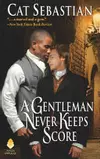
I wish you cared for anything as much as I care for you.
This was, in many ways, such a delight to read, and a great breather between heavier books, although I wouldn’t exactly call this one light either. It definitely deals with trauma a lot, but there’s a strong overall focus on Hartley’s healing journey. Even when he goes to some dark places and tries to drag others down with him, the narrative retains a sense of optimism and hopefulness that absolutely pays off in the long run.
Random things I especially enjoyed, in no particular order:
- the black cat/golden retriever dynamic between the leads - the found family Hartley built with Alf and Sadie, and how it evolved - all the sibling relationships - the way the narrative strongly distinguished between the validity of sex work as a conscious choice and the sheer wrongness of exploitation - the adorable three-legged doggo - the way the characters constantly had miscommunications that were completely logical given the differences in their lived experiences, and then after each miscommunication actually gave it some thought, wondered if there might be something there they hadn’t considered, and talked about it at the next opportunity - how it’s acknowledged that the hormon-fueled desire to do and risk absolutely anything for your new crush is actually something to be inspected and tempered, not something to be romanticized, and borders are the opposite of bad for a relationship - The visit from Ben
What I didn’t like all that much was the ending, or rather, how it was structured. The romance arc came to a really nice conclusion, of which I wholeheartedly approve, but then the story went on for a couple more chapters past that, in a way that felt like the author methodically knotting all the remaining plot threads. Which, in itself, cool! Much better than leaving them hanging! But it felt like such a checklist, and some of the solutions/answers felt so very contrived. (The attic? Seriously? IYKYK).
I wish you cared for anything as much as I care for you.
This was, in many ways, such a delight to read, and a great breather between heavier books, although I wouldn’t exactly call this one light either. It definitely deals with trauma a lot, but there’s a strong overall focus on Hartley’s healing journey. Even when he goes to some dark places and tries to drag others down with him, the narrative retains a sense of optimism and hopefulness that absolutely pays off in the long run.
Random things I especially enjoyed, in no particular order:
- the black cat/golden retriever dynamic between the leads - the found family Hartley built with Alf and Sadie, and how it evolved - all the sibling relationships - the way the narrative strongly distinguished between the validity of sex work as a conscious choice and the sheer wrongness of exploitation - the adorable three-legged doggo - the way the characters constantly had miscommunications that were completely logical given the differences in their lived experiences, and then after each miscommunication actually gave it some thought, wondered if there might be something there they hadn’t considered, and talked about it at the next opportunity - how it’s acknowledged that the hormon-fueled desire to do and risk absolutely anything for your new crush is actually something to be inspected and tempered, not something to be romanticized, and borders are the opposite of bad for a relationship - The visit from Ben
What I didn’t like all that much was the ending, or rather, how it was structured. The romance arc came to a really nice conclusion, of which I wholeheartedly approve, but then the story went on for a couple more chapters past that, in a way that felt like the author methodically knotting all the remaining plot threads. Which, in itself, cool! Much better than leaving them hanging! But it felt like such a checklist, and some of the solutions/answers felt so very contrived. (The attic? Seriously? IYKYK).

Can history disappear if it’s written in blood?
This is such a hard book for me to review, mostly because it left me with way too many feelings and all of them hurt. I’ll be probably sitting with these feelings for a while.
I cannot say that I liked or enjoyed it, because that’s not how I’m inclined to feel about human misery, especially knowing it’s based heavily on real events and whatever the characters in the book go through, actual people have gone through that and worse. I did find it effective and important. The book truly shows the variety of costs regular civilians pay during wars, and it does it with a sense of detachment that makes everything all the more horrifying. You can really tell that it takes place in 1945, after so many years of destruction and desolation, and everyone is incredibly desensitized to it, because that’s how you stay alive. But also pain and empathy keep breaking through that ice now and again, because that’s how you stay human.
The characters all have very distinct voices, even though the author sometimes deliberately gives them similar word choices and metaphors to draw attention to their different truths. The premise and the bleak reality of the narrative sort of made me feel they were all doomed from the start. I was actually surprised there were survivors in the main cast. But being prepared for them to die didn’t make me any less attached to everyone, except for Albert who is consistently terrible. I did appreciate his chapters though, because his attempts to romanticize everyone in his inner monologues/unwritten letters to Hannelore underscored the terror of what was really happening, and his entire character is just such a sad portrayal of what propaganda and indoctrination does to a young person. Also, the path toward the reveal about Hannelore was breadcrumbed really well.
Anyway. This book hurts, war sucks, and humanity is a doomed species that is nevertheless capable of kindness and beauty.
I’ll be… sorting out all those feelings over there.
Can history disappear if it’s written in blood?
This is such a hard book for me to review, mostly because it left me with way too many feelings and all of them hurt. I’ll be probably sitting with these feelings for a while.
I cannot say that I liked or enjoyed it, because that’s not how I’m inclined to feel about human misery, especially knowing it’s based heavily on real events and whatever the characters in the book go through, actual people have gone through that and worse. I did find it effective and important. The book truly shows the variety of costs regular civilians pay during wars, and it does it with a sense of detachment that makes everything all the more horrifying. You can really tell that it takes place in 1945, after so many years of destruction and desolation, and everyone is incredibly desensitized to it, because that’s how you stay alive. But also pain and empathy keep breaking through that ice now and again, because that’s how you stay human.
The characters all have very distinct voices, even though the author sometimes deliberately gives them similar word choices and metaphors to draw attention to their different truths. The premise and the bleak reality of the narrative sort of made me feel they were all doomed from the start. I was actually surprised there were survivors in the main cast. But being prepared for them to die didn’t make me any less attached to everyone, except for Albert who is consistently terrible. I did appreciate his chapters though, because his attempts to romanticize everyone in his inner monologues/unwritten letters to Hannelore underscored the terror of what was really happening, and his entire character is just such a sad portrayal of what propaganda and indoctrination does to a young person. Also, the path toward the reveal about Hannelore was breadcrumbed really well.
Anyway. This book hurts, war sucks, and humanity is a doomed species that is nevertheless capable of kindness and beauty.
I’ll be… sorting out all those feelings over there.